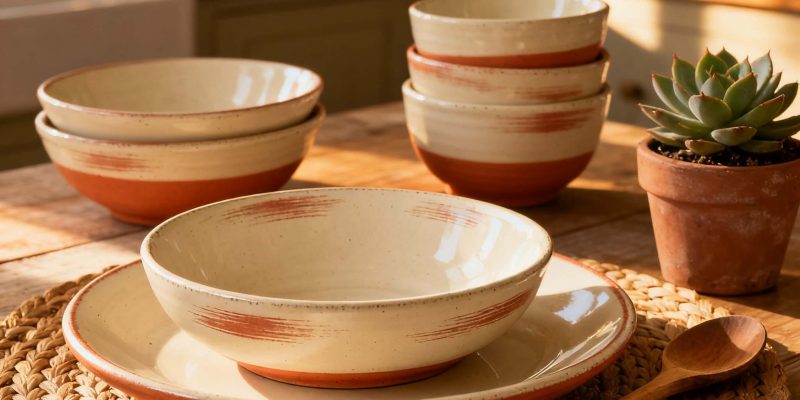
Tableware is a common product in our daily lives, accompanying us with every meal. Common types include disposable tableware, plastic tableware, metal tableware, and ceramic tableware. Among ceramic tableware, stoneware is one of the most common varieties. Its natural textures, handcrafted aesthetics, and durable performance make it both practical and beautiful. But what exactly is stoneware, and how does it differ from porcelain or earthenware?
In this guide, we’ll dive into what stoneware dinnerware is, how it’s made, its advantages and disadvantages, and why it’s an excellent choice for both hospitality and home use.
What is Stoneware Dinnerware?
Stoneware is a type of ceramic made from dense clay that is fired at high temperatures — typically between 1,200°C and 1,300°C (2,200°F–2,400°F). This process vitrifies the clay, making it non-porous, strong, and chip-resistant.
Unlike earthenware, which is fired at lower temperatures and remains porous unless glazed, or porcelain, which is whiter and more delicate, stoneware strikes the perfect balance between durability and artistry.
In short:
Stoneware = Durable + Stylish + Functional
You can think of it as the “everyday luxury” of ceramic tableware — robust enough for daily use, yet refined enough for elegant dining.
* Quoted from “Wikipedia – Stoneware“
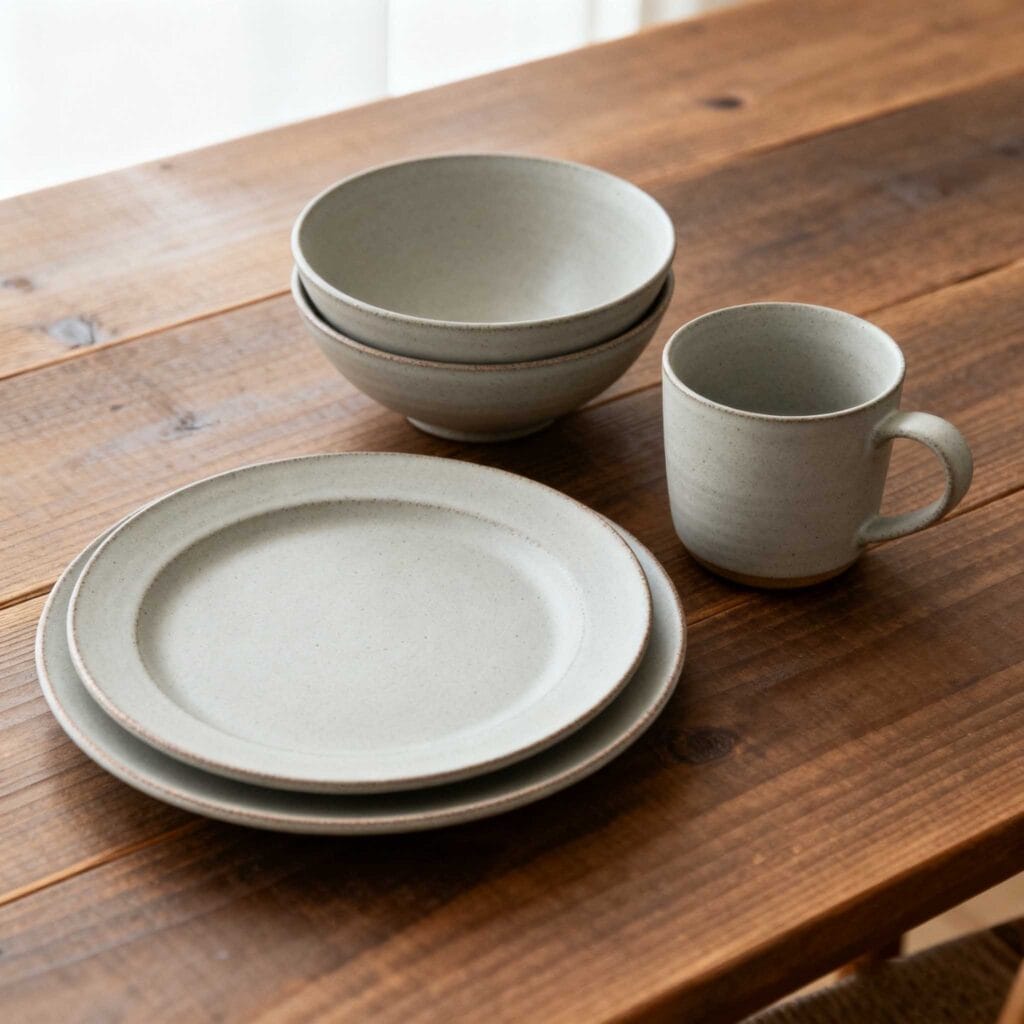
How is Stoneware Dinnerware Made?
Creating stoneware involves several precise steps, each influencing its final look and strength.
Step 1: Raw Material Preparation
The process begins with natural clays mixed with minerals such as feldspar or quartz. These ingredients add density and help the clay vitrify during firing.
Step 2: Shaping
The clay is shaped into plates, bowls, mugs, or serving pieces using either traditional hand-throwing or modern mold-forming techniques.
Step 3: Biscuit Firing
The first firing (also called bisque firing) removes moisture and hardens the clay. This happens at around 900–1000°C.
Step 4: Glazing
A glaze coating is applied for both protection and aesthetics. Glazes can be matte, glossy, speckled, or even reactive — creating beautiful color variations during kiln firing.
Step 5: High-Temperature Firing
The glazed piece is fired again at around 1,250°C. This fuses the glaze with the clay body, creating a dense, vitrified, and durable surface.
The result is a piece of dinnerware that can withstand daily use, resist scratches, and maintain its color and texture for years.
Key Characteristics of Stoneware Dinnerware
Feature | Description |
Material | Dense natural clay |
Firing Temperature | 1,200–1,300°C |
Texture | Slightly rustic, heavier than porcelain |
Durability | Highly chip-resistant and long-lasting |
Porosity | Non-porous (liquid-resistant) |
Finish | Can be matte, semi-matte, or glossy |
Usage | Microwave, oven, and dishwasher safe (depending on glaze) |
Benefits of Using Stoneware Dinnerware
1. Durability That Lasts
Stoneware is built to withstand daily wear and tear. It’s less likely to chip or crack than earthenware, making it ideal for both home and commercial use.
2. Natural Beauty and Unique Texture
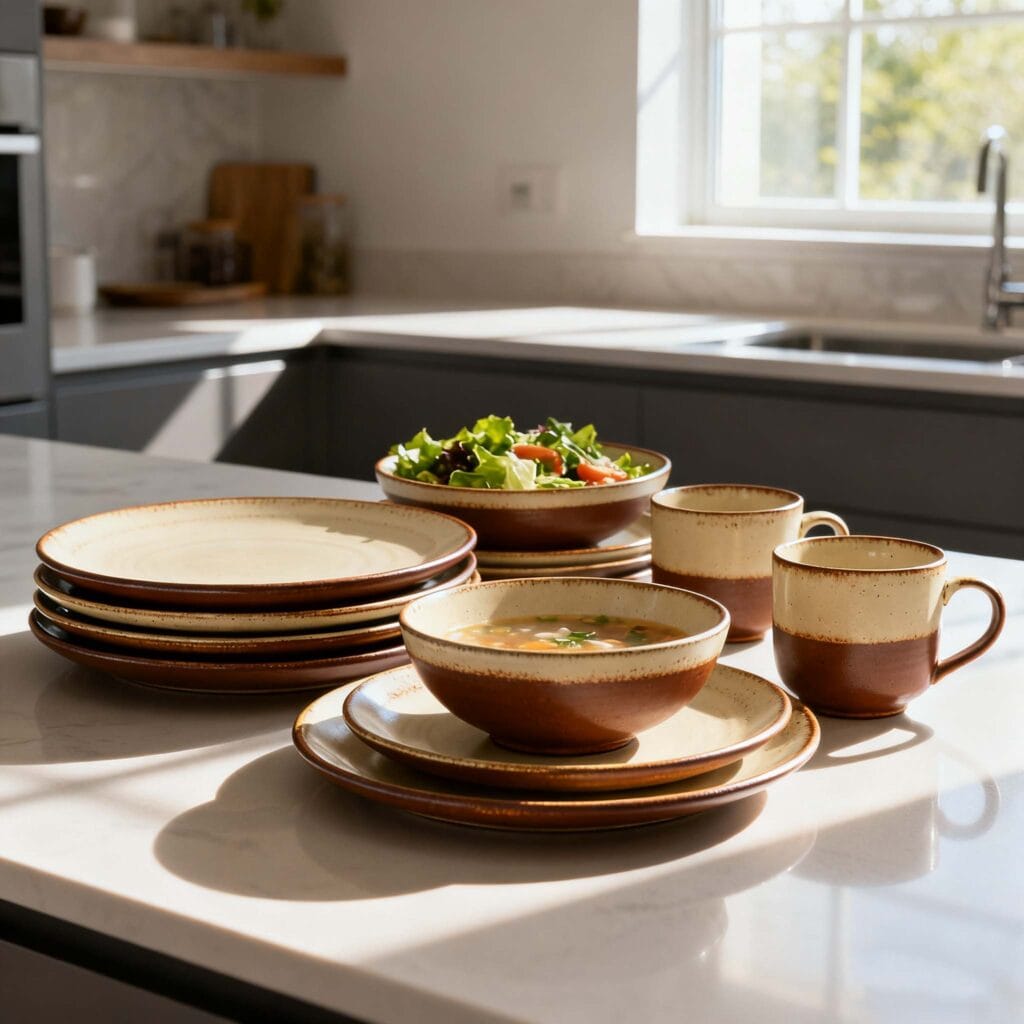
Each piece of stoneware has a unique glaze variation — no two items are exactly alike. This handcrafted charm adds warmth and authenticity to the dining table.
3. Heat Retention
Stoneware retains heat longer than porcelain or glass, keeping food warmer for an extended time — a small but appreciated benefit during meals.
4. Easy Maintenance
Most modern stoneware dinnerware is safe for dishwashers and microwaves. Its non-porous surface prevents absorption of odors and stains.
5. Eco-Friendly Material
Since stoneware is made primarily from natural clay and minerals, it’s an environmentally friendly option compared to plastics or metal alternatives.
Stoneware vs. Porcelain vs. Earthenware
Feature | Stoneware | Porcelain | Earthenware |
Firing temp | 1200–1300 °C | 1250–1450 °C | 900–1100 °C |
Porosity | < 0.5 % (fully vitrified) | 0 % | 5–15 % (needs glaze seal) |
Weight | Medium-heavy | Lightweight | Heavy |
Chip resistance | ★★★★★ | ★★★ | ★★ |
Thermal shock resistance | ★★★★★ (oven-safe to 500 °F) | ★★★ (some brands only) | ★ (cracks easily) |
Price (16-pc set) | $80–$250 | $120–$600+ | $40–$120 |
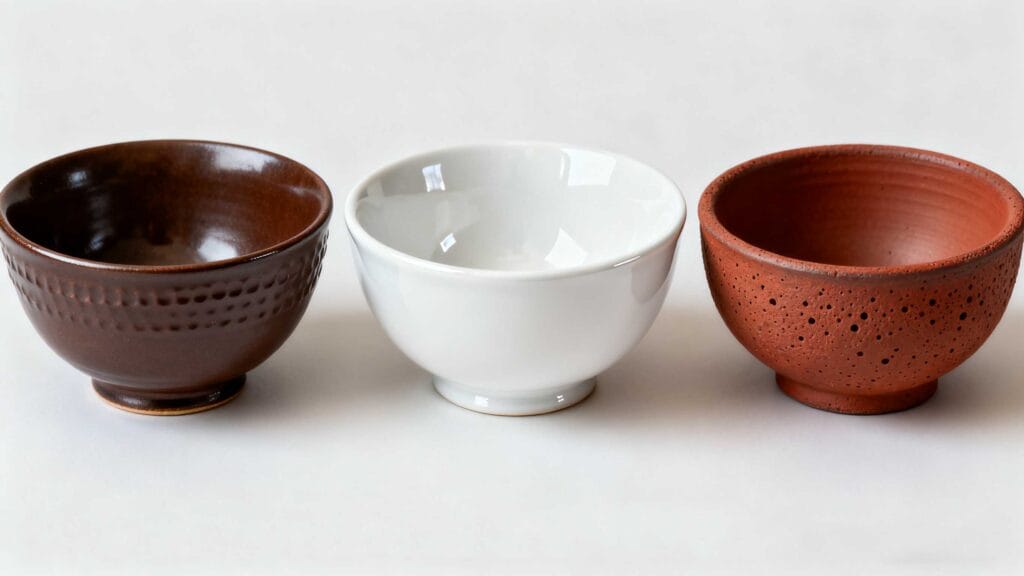
Look | Rustic, matte, organic | Glossy, refined, white | Terracotta, colorful |
2025 trend alert: Reactive matte stoneware now outsells glossy porcelain 3:1 on Wayfair and Amazon.
Common Uses of Stoneware Dinnerware
- Home dining sets– Perfect for daily meals or casual gatherings.
- Restaurants & cafés– Durable enough for commercial dishwashers and frequent handling.
- Hospitality industry– Popular among hotels and resorts for its rustic-luxury appeal.
- Gift sets– Elegant, practical, and timeless, making them great for weddings or housewarmings.
For businesses or brands seeking to create unique dinnerware collections, customized options are available.
Explore custom stoneware dinnerware for personalized designs, glazes, and packaging solutions.
How to Care for Stoneware Dinnerware
Proper care ensures longevity and preserves its original charm.
√ Do:
- Wash with mild detergent and a soft sponge.
- Allow items to cool before immersing in water.
- Store with felt pads or napkins between stacked plates to avoid surface scratches.
× Don’t:
- Avoid sudden temperature changes (e.g., from freezer to oven).
- Do not use abrasive cleaners or steel wool.
- Avoid microwaving pieces with metallic glazes.
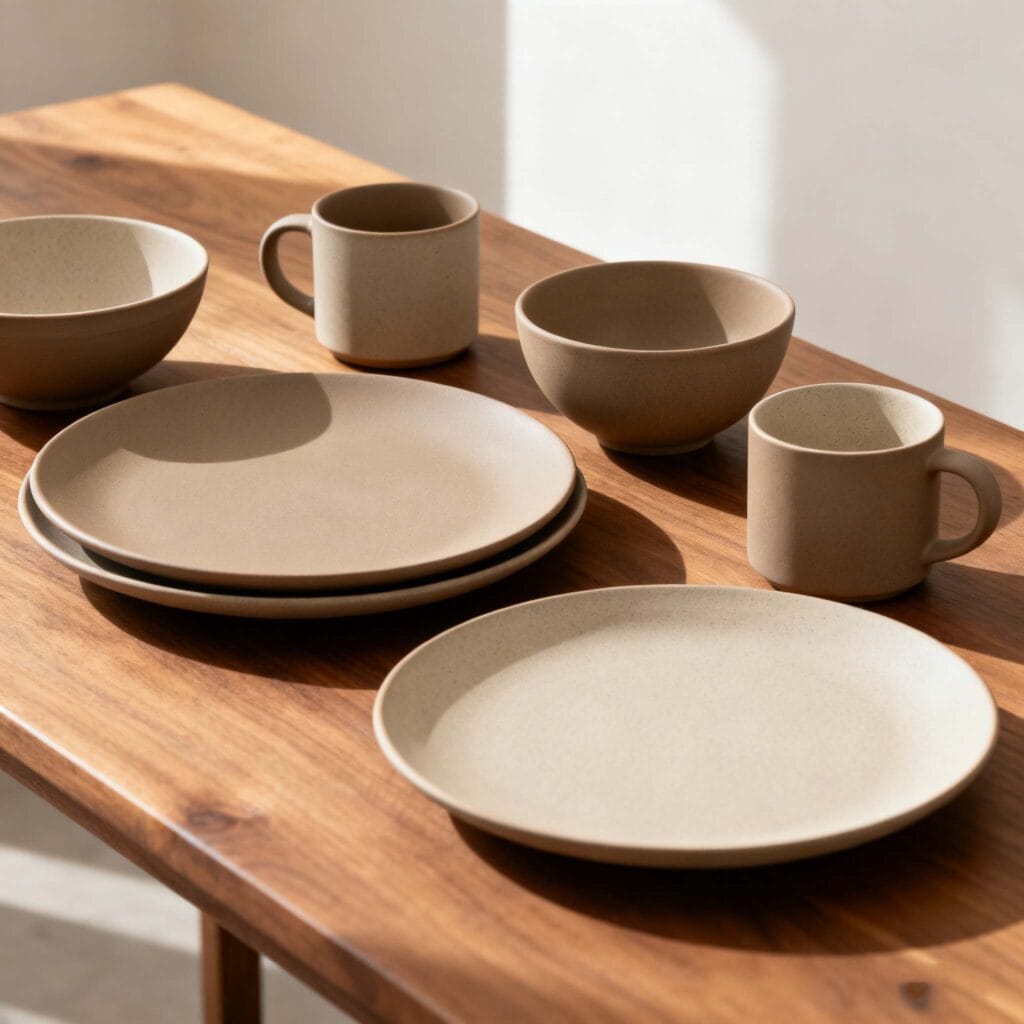
Why Stoneware is a Favorite in Hospitality
Hotels and restaurants love stoneware for its blend of aesthetics and strength. The material’s natural tones and reactive glazes perfectly complement contemporary interior designs, from farm-to-table restaurants to fine dining venues.
Its heavier weight and subtle imperfections convey craftsmanship — a key value in modern hospitality branding.
Conclusion
Stoneware dinnerware represents the perfect harmony of practicality and beauty. It’s strong enough for everyday meals yet beautiful enough for special occasions. Whether you’re a homeowner, designer, or restaurateur, investing in quality stoneware is a choice that “can’t be wrong”.