The restaurant industry has gone al fresco. As per the National Restaurant Association, the majority of operators have expanded their dining to outdoor seating capacity over recent years. In fact, around 65% reported having outdoor dining by late 2021, and most agreed that outdoor service accounted for more than 40% of their daily sales. Rooftop dining continues to grab a premium pricing share as guests willingly continue to pay for the atmosphere, open air, and the allure of altitude. However, outdoor dining is much more than just serving meals outside. There is wind speed, sun exposure, temperature swings, and of course, the logistics involved that add to the operational stress on the tableware. Let’s talk about outdoor hospitality tableware, where durable tableware keeps your service running, even when the environment isn’t cooperating. Why Indoor Tableware Can’t Handle Outdoor Dining Outdoor dining is not about having the perfect ambience; it’s the real estate for revenue. This means that patios, rooftops, and pool decks are no longer adaptations to crises but the core profit drivers for outdoor dining tableware restaurants. Yet many concepts continue to use the same indoor porcelain dinnerware for serving outdoors. The wind destabilizes the rims, UV degrades surfaces not designed for outdoor exposure, and due to the thermal shocks, microfractures begin to develop as the dinnerware continues to serve under the sky. As a result, you get increased breakage and shorter replacement cycles. Apart from wind speed and UV exposure, the thermal cycle through the day adds further stress on the ceramic surfaces and glaze. Most concepts expand to an al fresco dining setup and quickly adapt to weather-treated wood furniture. However, unfortunately, the tableware remains the overlooked variable. The US restaurant industry generates approximately USD 900 billion in sales a year, and top urban venues are cashing in by taking dining outdoors. Rooftops, patios, and open-air terraces are all eye-catching and bring in higher checks, but they also require tableware designed to withstand the elements. The Real Benefits of Outdoor Dining Outdoor dining is more than just pleasing the guests. For restaurants, outdoor seating adds capacity, boosts revenue, and enhances the guest experience. The Real Benefits of Outdoor Dining When a restaurant expands its seating plan, it takes a lot of renovation work and layout design. These pose additional costs, and you have to think of the additional space. Compared to expanding indoors, scaling to the outdoors, like your rooftop or terrace, just requires setting up the tables. There’s no major construction or structural overhaul involved. Premium Positioning The best thing about the outdoors is that you don’t have to work on the decor or set up. The view does much of it by itself. The guests are willing to pay more for the view, making rooftops, terraces, and patios high-value seating plans. By pairing the concept with durable, high-quality tableware, like Brett’s Custom Restaurant Dinnerware, operators can deliver a premium experience while protecting margins and reducing replacement costs. Higher Average Spend Per Table When guests are seated with a view like the garden patio or rooftop, the environment encourages them to relax. Instead of rushing through the meal, they prefer to dwell in the ambience. They are more likely to order starters, desserts, or additional rounds of drinks through the sunset or while enjoying the evening lighting. The leisure dining experience means a higher revenue per table without changing the menu prices for the restaurant. Small additions, such as the extra beverage or shared appetizer, further increase the per-cover revenue for the outdoor dining section. Seasonal/Special Events Outdoor dining spaces also become amazing venues for hosting themed dining experiences or events. The space allows you to create new themes without changing the main dining room setup. BBQ night arrangements on the terrace or garden spaces, weekend brunches, sunset cocktail hours, etc., and events of the like further attract guests looking for experiential dining, generating additional revenue streams. The Hidden Costs in Outdoor Restaurant Design Most outdoor restaurant setups focus on seating layouts, heating systems, and flooring. However, tableware remains far from entering the capital planning discussion. In outdoor dining, breakage is not random; it is rather predictable. Wind, UV exposure, and thermal stress all take their toll, making durable dinnerware a critical component of your outdoor restaurant design. Breakage Costs One of the most common recurring small asset expenditures in restaurant service is tableware breakage. The restaurant operators must budget for the continual replacement of dinnerware. According to industry sources, restaurants can experience around 5–10% annual loss due to breakage, theft, and normal wear. So most full-service venues already plan for small wear replacements. However, in rooftop and patio dining setups, the buffer frequently exceeds the range. Again, the added loss can be attributed to the environmental elements and the longer journey from the kitchen to the rooftop, sometimes involving elevators or multiple flights of stairs. Wind Exposure The higher up you go, the wind speed increases. In rooftop dining, even the moderate urban gusts blowing at a speed of 20 to 30Km per hour can destabilize lightweight porcelain plates. This wind speed and force are far more amplified than the street-level weather. When a plate slides or slips in the air, it literally shatters on impact. Many concepts rely on vitrified porcelain given its ability to retain heat and, of course, the elegance, but the material is not designed to bear wind and impact rebound. In these conditions, commercial-grade melamine dinnerware for outdoor use is recommended as it significantly reduces breakage risk. Chlorine and Humidity Outdoor dining near pools or beaches introduces a new set of challenges: chemical and moisture exposure. Serving in a chlorinated environment introduces surface stress onto the dinnerware. It erodes low-grade finishes, and the high humidity weakens the structure over time. For poolside and beachside service, outdoor tableware must be moisture-resistant, non-toxic, and maintain stable color even under prolonged UV exposure. Cost Per Unit vs. Long-Term Value One of the most common mistakes outdoor restaurant setups make when procuring dinnerware is evaluating it
Restaurant Rebranding Checklist: How to Transition Your Tableware Without Breaking the Budget
When restaurant owners plan a rebrand, their focus usually lands on the obvious: a new logo, updated menu design, fresh signage, and revamped interiors. They may even do a full-scale restaurant redesign. But one crucial element sometimes becomes an afterthought: the tableware. It’s surprising how tableware is left until the final stages of a restaurant makeover. And what’s even more surprising is that restaurant rebranding checklists online barely mention this key element. A thoughtful restaurant dinnerware refresh shouldn’t be limited to aesthetics. It’s about aligning your concept, pricing, plating style, and guest expectations with every physical touchpoint. If your rebrand includes a concept change tableware plan, it deserves to be part of your tableware upgrade strategy from day one. And that’s what we’ll cover in detail in this article. Why Your Dinnerware Is a Brand Asset Dinnerware is one of the most powerful and most underestimated brand assets in the dining experience. Here’s why it should be a focal point of restaurant rebranding: Dinnerware Frames the Food and the Brand Every plate acts as a frame. And it ties to the kind of food you serve and the experience you want to deliver. For instance, a rustic, handmade stoneware bowl gives a laid-back vibe. But something like a sleek, white porcelain coupe plate conveys sophistication. If your brand is moving upscale during a restaurant refresh, but you’re still serving on thick, casual diner-style plates, the disconnect will be obvious. Guests Physically Interact With It Tableware is touched, lifted, and used throughout the meal. It influences comfort, perception of quality, and even portion size psychology. Weight, texture, rim depth, and shape all affect how premium (or not) your restaurant feels. Besides the aesthetics, ergonomics also plays a role. Heavy, well-balanced plates are durable and high-quality. Delicate pieces can imply refinement. The right choice reinforces your brand positioning before the diner even takes a bite. It Drives Social Media Visibility 54% of diners say they’ve discovered a new restaurant through social media. With a rebrand, you’d obviously want to promote your restaurant. Social media platforms like Instagram, Facebook, and TikTok are the best places to do that. Sure, you can show off the decor of the restaurant, but it’s the food that makes the last impression. And your plates are constantly photographed. Custom dinnerware with a logo can help make your social media pictures of your plates instantly recognizable. Such tableware design ideas double as marketing. You can hire a manufacturer to make custom plates in your brand’s color scheme, with or without a logo, at a cost-effective price. And even if you’re not using logos, the design and quality of the plate serve as assets in the social media pictures and videos you and your patrons post. It Impacts Operational Efficiency Dinnerware is also an operational infrastructure. Dinnerware sizing affects portion control. Bowl depth influences plating speed. Stackability impacts storage space. Many busy restaurants might need dishwasher-safe plates. That way, they can be washed in bulk and quickly. If the plates aren’t reliable, the experience might not be the best for both servers and diners. Phased Replacement vs Full-Swap of Tableware: Which Is Better for Your Restaurant? When planning a restaurant dinnerware refresh, either plan to replace everything at once or transition gradually. Both approaches can work within a broader restaurant redesign. The right choice depends on your budget, timeline, and brand positioning. A full-swap means removing all old dinnerware and introducing the new collection at once. This is typically done on the day of the reopening after the makeover. The advantage is that this is a one-and-done deal. The rollout is done with the rebrand introduction, which can create a strong brand rest moment. But it does require a higher upfront cost and a larger initial inventory order. Phased dinnerware replacement involves gradually introducing new pieces while retiring old ones. This route lowers immediate capital need. More importantly, you can test and adjust before full rollout. If the dinnerware does well in the kitchen and on the table, you can order more. The downside is that there’s a temporary mismatched inventory. Tip: Have a clear target date; otherwise, phased rollouts can drag on and impact brand identity. Which Is Better? If your restaurant makeover represents a bold repositioning, like a new cuisine direction, interior overhaul, or pricing shift, a full-swap makes more sense. If your restaurant refresh is more evolutionary, a phased dinnerware replacement is a better choice. It can also be good for testing the waters, especially if you’re unsure about the tableware’s material or design. How to Pick the Right Tableware for Your Restaurant Rebrand Your restaurant’s new tableware is a key component of the rebrand. Naturally, you need to be much more discerning about what you choose. Here’s a step-by-step guide: 1. Consider the New Branding First, define your new identity. Are you moving upscale? Becoming more casual and approachable? Shifting to a farm-to-table narrative? Your tableware should visually support that shift. For instance, a restaurant with a modern minimalist concept can feature clean white porcelain, coupe plates, and matte finishes. On the other hand, a luxury fine-dining establishment may want to opt for refined rims, lighter-weight porcelain, and restrained color palettes. 2. Look at Your Menu and Plating Style Your food determines the plate type, not the other way around. During a restaurant makeover, menus change alongside design. Portion sizes, plating techniques, and garnish styles change. Your dinnerware should accommodate that shift. Ask: Are dishes more composed and architectural? Are you serving more share plates? Has portion size increased or decreased? Are sauces central to presentation? For example, shallow coupe plates can work well for modern, minimal plating. Deep-rim plates help contain sauced dishes. Look at your menu carefully and also discuss the presentation with your chef. A restaurant dinnerware refresh that doesn’t account for plating realities can lead to poor presentation. 3. Choose the Right Tableware Materials Material choice is just as important as shape and color. It affects durability, cost, presentation, and even perceived value. Here are
How to Source Wedding Dinnerware Rental
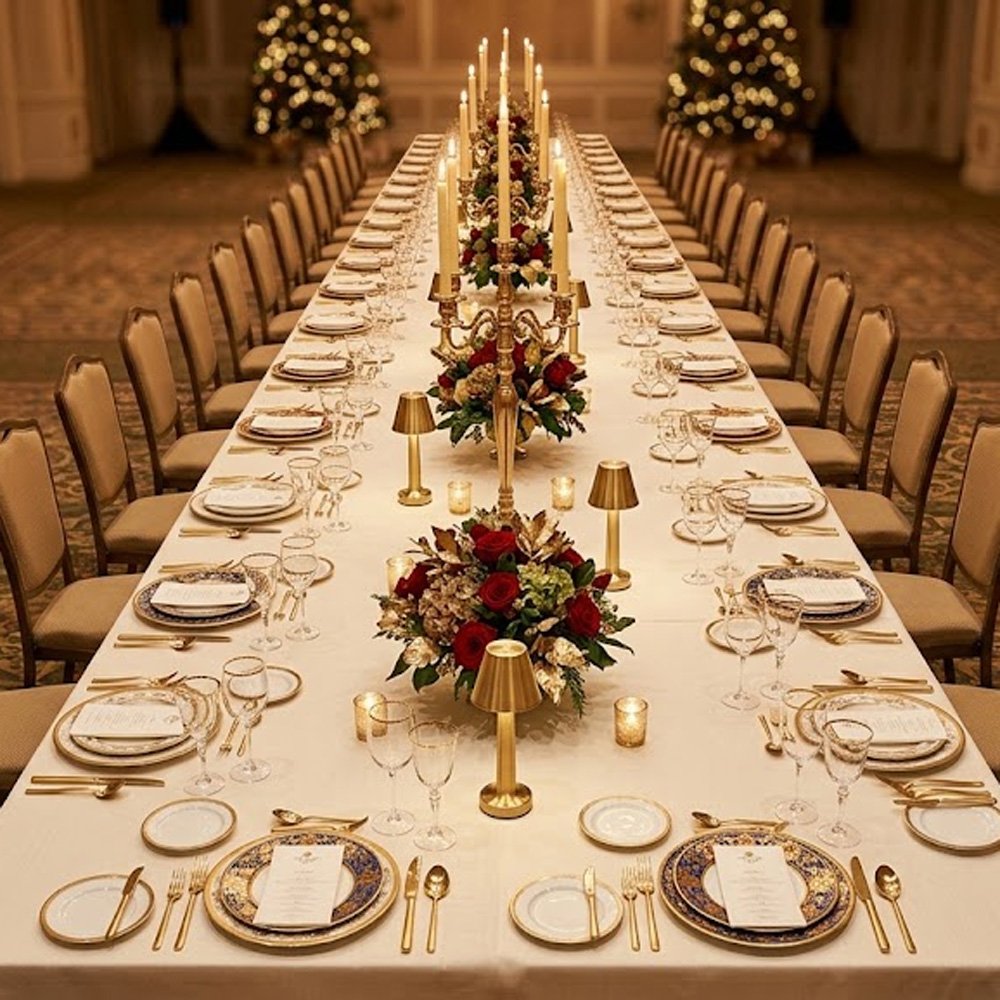
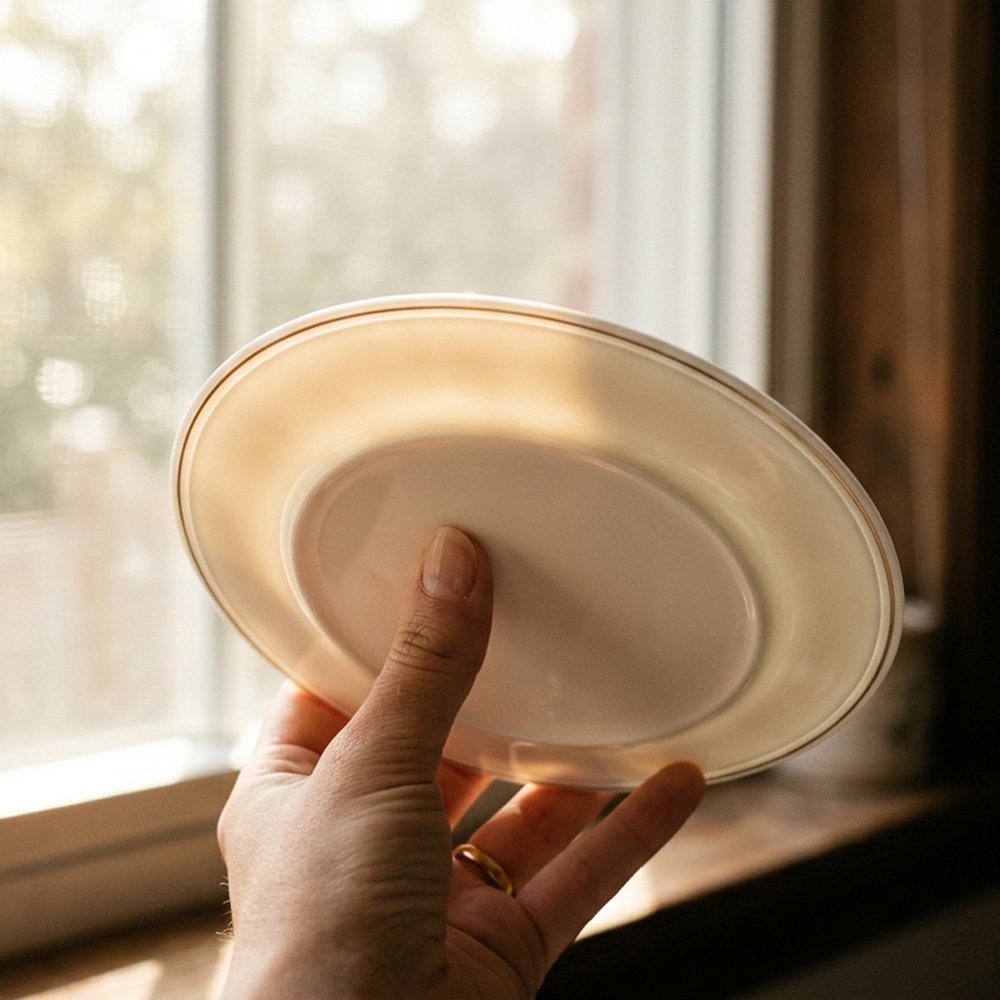
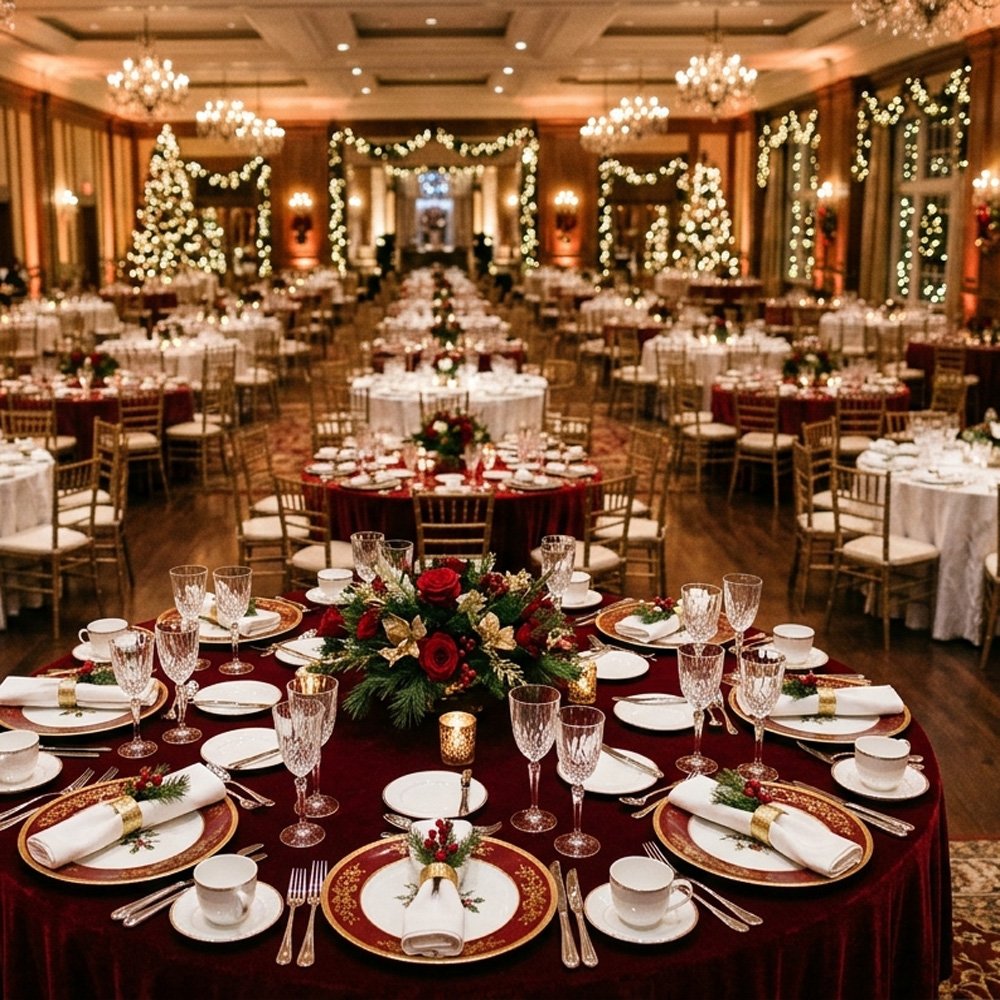
A wedding is an event built on details. From the florals and lighting to the playlist, every element is carefully thought through. Candles flicker along a linen-draped aisle, and glassware catches the light, completing the polished presentation. But when the dinnerware arrives chipped, mismatched, or fragile, it undermines the entire setup. For rental operators, this isn’t a minor hiccup. Rather, it’s a direct hit to your reputation and profitability. Hence, wedding dinnerware isn’t about aesthetics; it’s about durability and consistent performance under high-turnover conditions. In this guide, we’ll focus on the most visible yet most vulnerable component of your fleet: wedding dinnerware rental. We will talk about how to choose the right materials and build an inventory that can withstand repeated use while maintaining the elegance your clients expect. What Wedding Clients Expect from Rental Dinnerware Before deciding the kind of dinnerware to import or retire, consider the perspective of the venue coordinator or bride. They are the ones who will be making the key decisions about the decor, cake, venue, and everything else, down to the wedding plate rental package. A bride or wedding planner doesn’t look at the dinnerware simply as plate rentals for weddings. She’s actually paying for a coordinated tabletop presentation. The dinnerware, flatware, stemware, and charger blades all have to be visually aligned with the overall decor. Most dinnerware suppliers showcase coordinated wedding dinnerware packages that make the whole set look like a unified offering. So the planners rent plates for the wedding as a whole set, which minimizes the mental load and gives a consistent look to the whole table. Wedding dinnerware comes in different styles and designs, mostly segmented as follows due to the categorical demand. Gold-Rimmed Porcelain: Best for formal ballroom and hotel weddings White Bone China: Classic and timeless, it’s a versatile fleet workhorse Stoneware: Modern and ideal for industrial aesthetics Specialty Finishes and Patterns: Perfect for adding character to themes such as rustic and bohemian weddings Planning the Wedding Dinnerware Inventory The US wedding industry is currently valued at USD 65 billion. With over 2 million weddings held annually, that’s a recurring, predictable volume. Each event represents a predictable demand for wedding china rental. For an average 150-guest wedding, it’s plausible to think we need 150 dinner plates. But you need to keep a safe buffer for breakage, last-minute guest additions, and other contingencies. That accounts for around 10–15% extra dinner plates. Add in the salad plates, dessert plates, bowls, and cups, and for a single event, you will need up to 600–800 individual pieces. Once you procure the fleet, it’s not going to rest stacked up in the inventory. It has to move from the warehouse to the truck, up the venue, and back again, often going through the high-temperature commercial dishwashers multiple times a week. Unfortunately, many wedding rental businesses miscalculate the required quantity by keeping the focus solely on aesthetics. Where, in reality, durability, stack strength, glaze hardness, and chip resistance all affect how long the procured dinnerware will last and how well it will perform across events. Take a look at the Best Wedding Dinnerware: Top 10 Picks of Brett here. The Right Dinnerware Material for Your Rental Inventory The choice of the dinnerware material determines the number of events each piece can handle before it chips, cracks, or needs a replacement. The stronger and more durable it is, the fewer headaches and costs down the line. In commercial wedding rentals, the three materials that consistently deliver performance and style are porcelain, bone china, and stoneware. Material Durability in Rental Rotation Stackability Wholesale Cost Range Best For Porcelain Highest wash-cycle resistance High Low to moderate Core fleet inventory or high-volume weddings Bone China High in controlled handling Moderate Moderate to high Luxury weddings and hotel banquets Stoneware Moderate durability due to weight Low Moderate Rustic, styled, or trend-driven events Porcelain The crown jewel of commercial wedding dinnerware is porcelain. Since it is fired to scorching temperatures (1,200°C to 1,400°C), it forms a dense, glassy surface that makes it strong and resistant to chips and stains, and increases its life. Its non-porous nature also prevents odors and preserves glaze integrity through frequent commercial dishwasher cycles. From a procurement viewpoint, porcelain is cost-efficient as well. The wholesale price per unit is usually lower than that of bone china, making it ideal as a reliable core inventory. Whether it’s the classic white collections or gold-rimmed banquet sets, porcelain provides durability, versatility, and sourcing stability, all the key considerations when planning for fleet expansion. Bone China The premium tier of wedding event rental is bone china. Manufactured under the ISO6486 standards, bone china is a high-fired ceramic that includes 30% tricalcium phosphate or bone ash. The composition gives it a unique combination of strength, light weight, and refined feel. Compared to other ceramics, the material has high chip resistance, and so, it’s more suited for rental inventories where appearance and quality both matter. When used by trained staff under controlled handling, i.e., with proper storage and stacking practices, bone china has a long life that justifies the premium pricing. Being known as elegant and durable, it is hence most suited for ballroom venues, highend hotel contracts, and luxury wedding events. However, there is an operational tradeoff to using bone china for wedding dinnerware rental. Many designs come with metallic trims made of gold or platinum. These can degrade over time, especially due to repeated exposure to hightemperature commercial dishwashing. For a detailed comparison between bone china and other dinnerware materials used in commercial settings, read: Bone China vs Porcelain Dinnerware: Which Should Hotels Choose? Stoneware From reactive glazes and matte finishes to speckled textures, stoneware gives a rustic aesthetic that works for farm-to-table and modern/industrial kinds of wedding themes. Slightly heavier than porcelain and fired at low temperatures, it emphasizes visual character over fleet durability. The weight, however, does come with operational considerations. There are higher transportation and handling costs, and a greater variability in color and texture between production runs.
Hotel Room Service Tableware: Durability, Presentation and Logistics
Think about a fairly common scenario when it’s almost 10 p.m. and a hotel guest orders a late-night dinner. They ask for seared salmon, perhaps, with a side of roasted vegetables and, of course, a glass of decanted Cabernet Sauvignon. The order arrives from the kitchen in pristine condition. It’s sizzling hot and garnished to perfection. However, this is where the journey begins for the server. This very presentable dish leaves the kitchen, goes through the service corridor, over long stretches of carpet, and into the elevator. From there, it goes up fourteen floors, down along the hallway, and finally reaches the guest’s door. And this is just before the meal. Once the guest is finished, the same plate will wait in the corridor for hours before being retrieved and washed to be part of the cycle again. This journey is the very reason why restaurant dinner plates and room service plates must be specified. A restaurant dinner plate just has to travel from the kitchen to the dining area. Whereas hotel room service equipment has to travel all the way to the room, ensuring the food remains hot, and the serveware remains unchipped. Why Room Service Tableware Needs Its Own Selection Criteria Unfortunately, most restaurants, hotel operators, and procurement teams categorize hotel room service equipment under general hotel supplies. They order the same restaurant dinnerware for the in-room service, with the same specs and notes for the vendor. Although that works aesthetically, operationally, it’s a blind spot. Room service is more of a logistical operation. Even though it falls under the broad umbrella of hospitality, the difference lies in the stress and environment that hotel room service equipment experiences. Let’s learn the key reasons why room service tableware should have its own selection criteria. Transportation The standard in-room serving includes an entrée plate, a side plate, a bowl, glassware, cutlery, condiments, and linen. This makes up around 4 to 6 pieces of ceramics other than beverage servings. Add in the coffee pot or wine bottle, sugar caddies, sauce boats, and butter dishes, and the weight and number of dinnerware pieces just add up. If you use heavy, premium-looking dinnerware such as bone china or reinforced porcelain in the restaurant and the same for in-room service, imagine the multiplied weight that will be carried through the corridors and elevators. That makes the task not just physically demanding but also requires tray stability. As a result, the risk of drops and staff fatigue increases. Trolley Vibrations Most multicourse meals are taken to the rooms through wheel trolleys. That, however, is a task in itself as the wheel trolley has to travel over carpet seams, elevator thresholds, uneven flooring, and the elevated jolts. Each of these factors has a micro impact on the dishes. Although subtle in isolation, the impact multiplies when the same cycle is repeated hundreds of times a week. Months or years later, the rim starts chipping off, and the glaze gets stressed, and you need to order replacements. Holding-Time Gap The travel time for a dinner plate from the kitchen to the restaurant dining area is roughly around 2-4 minutes. Compare that with the time it takes from the kitchen to the guest’s door, which can be 10-20+ minutes. The time gap increases further when there are long corridors or in high-rise hotels with multiple floors. This duration and distance are the core factors that change everything when it comes to serving. You want to serve the meal while it’s hot, but also make it easy for the serving staff by using lightweight material. This is where we must make the trade-off. A thin plate may be easy to carry, but it loses heat quickly. Whereas a heavy plate retains the heat but adds to the carrying weight. Bone China Dinnerware is worth exploring in this regard, as the material is light, reducing tray fatigue. Also, Porcelain Dinnerware is a good option as it retains heat consistently, ensuring the food is served piping hot. Recovery Cycle If we talk about the recovery cycle, restaurant dining circles around the kitchen, the serving table, the dishwasher, and back to service. This room service cycle is much longer. The dinnerware leaves the kitchen, goes to the tray staging area, onto the elevator, corridor, and finally lands in the guest room. Even after completing the long trip, the journey is far from over. After use, it lands in the hallway, sitting there waiting to be collected. Once the housekeeping staff comes, they stack it up, take it all the way back to the dishwasher, and return it to the restaging area to re-enter the cycle. In other words, hotel room service equipment faces more exposure, with more stacking and handling time. This waiting time adds another challenge, requiring the dishes to be strong enough to withstand aggressive commercial dishwashing. Material Selection for Hotel Room Service Equipment Material / Type Durability Presentation Logistics Considerations Hotel Tier Fit Reinforced Porcelain High Medium-High. It has a good visual weight. Heavier than bone china, but stable on trays. 4-Star and Luxury Backup Bone China Medium Very High: It’s translucent and has a tactile luxury feel Lighter and reduces fatigue 5-Star Luxury Melamine Very High Low-Medium: Lacks luxury perception Very lightweight and easy to stack Select-Service / High-Volume / Breakfast Operations Stainless Steel (Cloches, Coffee Pots, Condiments) High Medium-High: Polished, gives the premium reveal moment The weight must be manageable for the tray or trolley All Tiers When we choose dinnerware for restaurants, concepts, or dining areas, we often prioritize aesthetics. We opt for dinnerware that looks inviting and also photographs well on social media. However, when procuring dinnerware for hotel rooms, the number one factor must be sturdiness. It must survive the jumps and jolts through the elevator and hallways. Although the fact remains that the plates must look exquisite and still make the serving look appealing, the priority remains simple: it must be strong. Reinforced Or Hotel-Grade Porcelain Hotel-grade porcelain offers structural strength within budget. If your
Thanksgiving Dinnerware Sets: Best 5 Design Recommendations for 2026
Thanksgiving is more than a feast — it’s a moment to gather, celebrate gratitude, and create memories around the dinner table. One of the most effective ways to set the tone for a beautiful holiday meal is with thanksgiving dinnerware sets that reflect warmth, style, and seasonal charm. Whether you’re hosting an intimate family gathering or a large holiday feast, the right dinnerware can elevate every course — from appetizers to dessert. In 2026, fresh design trends emphasize natural textures, artisanal glazes, and color palettes that nod to autumnal beauty. In this guide, we share our top 5 recommended Thanksgiving dinnerware sets that blend aesthetic appeal with everyday usability. What to Look for in Thanksgiving Dinnerware Sets Before diving into specific products, it helps to understand what makes a dinnerware set perfect for Thanksgiving: 1. Warm, Seasonal Colors Greens, rusts, amber hues, and earthy neutrals provide a cozy backdrop that complements seasonal foods. 2. Durable Materials Stoneware, porcelain, and ceramic with high-quality glazes ensure longevity and ease of use during busy holiday weeks. 3. Mix & Match Pieces Dinner plates, salad plates, and serving pieces designed to work together — or mix with existing sets — add flexibility. 4. Textural Interest Matte glazes, reactive finishes, or hand-crafted patterns make each place setting feel special. Now, let’s explore the best Thanksgiving dinnerware sets worth considering for 2026. Best 5 Thanksgiving Dinnerware Sets Recommended 1. Certified International 16 Piece Pumpkin Fall Harvest Dinnerware Set Where to buy: Certified Pumpkin Fall Harvest Dinnerware Set This vibrant 16-piece set celebrates the spirit of fall with rich watercolor pumpkin and gourd illustrations by artist Susan Winget. Each piece — from scalloped dinner plates to footed mugs and dessert plates — reflects classic harvest imagery that’s perfect for Thanksgiving tables. Why it’s great: Warm, whimsical fall designs with pumpkins and florals Includes everything you need for four settings (16 pieces) Dishwasher and microwave safe for holiday convenience This set is ideal for families who want a cheerful, classic look that brings seasonal charm to every place setting. 2. Certified International Harvest Gatherings 16Pc Dinnerware Set Where to buy: Certified Harvest Gatherings 16Pc Dinnerware Set For a cozy, rustic vibe, this fall-inspired ceramic dinnerware combines classic shapes with a seasonal pumpkin and foliage pattern that’s both visually appealing and functional for daily holiday use. Why it’s great: Balanced autumn pattern that complements rich holiday dishes Includes dinner plates, salad/dessert plates, bowls, and mugs Excellent value for seasonal entertaining Whether you’re serving turkey or pie, this set’s inviting look sets the right mood for Thanksgiving gatherings. 3. English Thanksgiving Turkey Dinner Plates Where to buy: English Thanksgiving Turkey Dinner Plates Elevate your Thanksgiving table with these elegant turkey-themed plates featuring rich fruit and nut border designs. Perfect for those who want a more classic, artful approach to holiday dinnerware. Why it’s great: Distinctive turkey medallion and border design fit for harvest tables Quality ceramic plate with warm colors that highlight Thanksgiving food Works beautifully as standalone plates or layered atop solid linens This set is especially great if you’re aiming for a traditional holiday aesthetic with decorative flair. 4. 16-Piece Haydon Turkey Dinnerware Where to buy: 16-Piece Haydon Turkey Dinnerware If you want a premium Thanksgiving dinnerware experience, this highly rated turkey-themed ceramic set offers both quality and festive spirit. Each piece features classic Thanksgiving imagery that’s sure to complement your holiday feast. Why it’s great: Excellent craftsmanship with durable stoneware Includes plates, bowls, and mugs for a complete table setting Timeless turkey design that works year after year With its high ratings and elegant motif, this set is a standout choice for host gift lists or family heirlooms. 5. Certified International Autumn Breeze 16 pc Dinnerware Set Where to buy: Certified International Autumn Breeze 16 pc Dinnerware Set This festive set brings the season to life with beautifully rendered pumpkins and florals, creating a warm and inviting scene for every course of your holiday meal. The generous dinner plates and bowls make this set practical for large dinners and dessert service. Why it’s great: Detailed autumnal designs ideal for Thanksgiving Complete 16-piece set includes mugs and bowls Great balance between decorative design and everyday usability Perfect for hosts who want a set that feels seasonal without sacrificing versatility. Thanksgiving Dinnerware Trends for 2026 As we look toward holiday décor and tabletop trends in 2026, several aesthetic themes are emerging: 1. Natural & Organic Materials Texture and imperfection — such as reactive glazes or matte finishes — are gaining traction, reflecting a broader movement toward sustainability and connection to nature. 2. Artisan & Handcrafted Designs Hand-painted patterns and one-of-a-kind glazes make every piece feel intentional and unique. 3. Seasonal Neutrals with Accent Colors Muted earth tones paired with rich accents (mustard, deep green, rust) allow dinnerware to blend with décor without feeling trend-specific. 4. Function Meets Formality Durable, everyday dinnerware that also feels formal enough for holidays continues to be popular — because many families want pieces that work beyond just Thanksgiving. Tips for Choosing Your Thanksgiving Dinnerware Set Here are a few tips to help you make the best selection for your table: 1. Consider Your Existing Pieces Think about whether you want a completely new holiday set or pieces that coordinate with your current dinnerware. 2. Think About Entertaining Size A standard Thanksgiving dinnerware set typically includes place settings for 4–12 people. If you entertain often, aim for at least 8+ place settings. 3. Material Matters Porcelain offers elegance, stoneware gives warmth and durability, and reactive glazes add visual interest. Know the look and feel you want before you shop. 4. Practical Features Check whether the dinnerware is dishwasher/microwave safe, oven safe, and chip resistant — especially if you plan on heavy use. 5. Balance Style and Function Your Thanksgiving dinnerware should be beautiful and practical — easy to serve on, friendly to reheating, and sturdy enough for multiple holiday seasons. Tips to Set a Beautiful Thanksgiving Table While dinnerware is the foundation, a stunning Thanksgiving table often includes: Coordinated napkins or linens Seasonal centerpieces (pumpkins, greenery,
Restaurant Food Presentation: How Dinnerware Shapes Your Plating
Every restaurant food presentation guide covers the same ground. Sauce placement. Negative space. Height and layers. The rule of thirds. These are useful, but they all skip the decision that comes before any of them. What plate are you putting it on? The plate is the canvas. A sauce smear that looks refined on a wide-rimmed 12-inch porcelain plate looks cluttered on a 9-inch coupe. The same protein, the same garnish, the same chef. Two completely different results. This guide bridges food plating techniques and dinnerware selection, because knowing how to plate food means nothing if the plate isn’t complementing your concept. What Your Plate Tells Your Guest Before the Food Arrives Restaurant food presentation starts before the first bite. The plate your dish lands on shapes how a guest perceives flavor, quality, and value, and there is published research to back that up. A study found that identical desserts were rated differently for sweetness, flavor intensity, and quality depending solely on the color of the plate on which they were served. Crucially, the pattern held across every dessert tested, meaning the same plate consistently produced higher scores across all attributes. The researchers noted that color-flavor associations, such as black with intense or sophisticated chocolate, played a role. This was measured in a restaurant environment, not a lab. How should this shape your decision? Here is what that means for practical dinnerware decisions. Color Changes Taste Perception White plates, such as those of ceramic dinnerware, make food colors appear more vibrant and enhance perceived sweetness. Black plates increase the sense of flavor intensity and add visual drama. Earth tones signal warmth and naturalness, which suits rustic and farm-to-table concepts. Your plate color should work with your cuisine’s dominant food colors, not fight them. A bright ceviche on a white plate pops. The same dish on a cream or yellow plate loses contrast immediately. Shape Signals the Dining Experience Round plates read as familiar, comforting, and traditional. Square and angular plates communicate modernity and precision. Asymmetric or organic shapes suggest artisanal, creative cuisine. Crossmodal research shows angular plate shapes can make food taste sharper, while round shapes reinforce softer, rounder flavor profiles. The shape of the plate is part of the eating experience, whether the guest consciously registers it or not. Size Controls Negative Space Oversized plates of 12 inches or more create the negative space that fine dining restaurant food presentation depends on. Smaller plates, 9 to 10 inches, concentrate the composition and create a sense of generosity through proportion. Neither is wrong. Both are deliberate choices, but plate sizing affects portion perception. Matching Dinnerware to Your Menu Concept: A Cuisine-by-Cuisine Guide According to industry data from the National Restaurant Association, 50% of consumers rank food quality as a top-three priority when choosing a full-service restaurant, and 18% of millennials say a unique or trendy ambiance is a deciding factor. Your dinnerware sits at the intersection of both. It signals quality before the food arrives and shapes the ambiance without a single word. The right plate for a Japanese concept looks nothing like the right plate for an Italian trattoria. Here is how to match them correctly. Fine Dining and French or European Classical Opening a fine dining concept and wondering why the plating still feels flat? The plate size might be the answer. Classical French plating is built on negative space. The food lives in the center, intentional emptiness surrounds it, and the rim acts as a frame. For this to work, you need wide-rimmed porcelain plates with 2- to 3-inch rims, at least 11 to 12 inches for mains and 8 to 9 inches for appetizers. White or ivory bone china is the standard because it lets the food command full attention. Coupe shapes work for modern fine dining. Rimmed plates suit classical European service. Japanese and East Asian Here is something most Western operators get wrong when opening a Japanese concept: everything does not need to match. Japanese food philosophy treats each dish as its own expression. A rectangular plate for grilled fish, a bowl for rice, and an asymmetric dish for appetizers. That variety is intentional and traditional. Look for reactive glaze ceramics with matte finishes and organic edges. Dark tones, black, slate, and deep blue work particularly well for sashimi and lighter dishes where contrast matters. Coordinated variety, not uniformity, is the goal. Italian, Mediterranean, and Family-Style Italian food is meant to look abundant. So why are you serving it on a plate that makes it look architectural? Go generous. Deep pasta bowls with wide rims hold sauce without crowding the dish. Warm-toned stoneware or porcelain in earthy colors reinforces the welcoming, communal spirit of Mediterranean dining. For family-style service, the platter becomes the centerpiece. Large sharing platters and deep serving bowls on the table signal generosity before anyone picks up a fork. The food should look like there is plenty of it. Farm-to-Table and Modern Casual Your menu tells a story about seasonal, local, and natural ingredients. Does your dinnerware tell the same story? Standard mass-produced white porcelain undercuts that narrative immediately. Stoneware with reactive glazes, organic shapes, and earth tones in greens, browns, and grays reinforce the authenticity on which your concept is built. Each piece can have natural variation, which adds to the handcrafted feeling rather than detracting from it, for specific courses like charcuterie or cheese, wooden boards and slate surfaces extend the story further. See how stoneware compares to porcelain before committing to a material. Fast-Casual and High-Volume Presentation matters here, too, just not at the expense of durability and cost. The plate still needs to look intentional. A solid-colored melamine or durable stoneware in a consistent size keeps service manageable and keeps replacement costs low. Choose colors that hide everyday wear and keep the look clean across a full service day. The goal is a plate that looks good at cover one and still looks good at cover 200. The Plate Selection Framework: 5 Questions Before You Buy Good restaurant food presentation starts with the plate you choose. Plating dinnerware
Restaurant Serving Platters: Shapes, Materials, and Selection Guide
Every dish that leaves your kitchen lands on a surface before it reaches a guest. For individual diners, that’s a plate. For everyone else at the table, at the buffet station, or at the banquet spread, that’s a platter. Restaurant serving platters are where your kitchen’s work becomes your guest’s first impression, and most procurement teams treat them as an afterthought. They buy whatever matches the dinnerware. They order the minimum. They figure it out later. This guide is for the operators who want to think through hotel serveware, catering serveware, and buffet serving dishes before the first event, not after the first problem. Serveware Materials: Strengths, Trade-offs, and Best Applications The material you choose for your restaurant serving platters affects more than how they look on the buffet line. It determines how long your staff can carry them, how well they hold temperature, how they survive a busy Saturday night, and what your replacement costs look like twelve months from now. According to Foodservice Equipment & Supplies Magazine, material selection for serveware should account for heat retention, stackability, staff handling weight, and coordination with existing dinnerware programs. Most operators focus on the first factor and ignore the rest until it becomes a problem. Here is how each material plays out in practice. Porcelain and Bone China Porcelain dinnerware is the prestige choice for presentation serveware, and for good reason. It retains heat well, which matters when a roasted lamb dish needs to maintain its temperature throughout a 45-minute dinner service. The clean white surface works as a neutral canvas, letting the food do the visual work. It coordinates with virtually any existing dinnerware program, which simplifies procurement decisions for hotel F&B directors managing multiple outlets. For fine dining and upscale buffets, porcelain and bone china sit at the top of the list. Bone china dinnerware carries a slightly lighter build with comparable elegance, making it a strong choice when staff are carrying large platters across long dining rooms. The trade-off is straightforward. Porcelain chips and breaks, and it costs more to replace than any other material on this list. In a controlled fine dining environment with trained staff and careful handling, that trade-off is manageable. In a 400-cover hotel breakfast buffet with rotating service teams, it becomes expensive fast. Melamine For high-volume catering serveware and casual buffet service, melamine is the practical standard. It is virtually unbreakable, lightweight enough for staff to carry multiple pieces at once, and significantly easier to handle during rapid replenishment cycles. Modern melamine has come a long way. Current commercial grades convincingly mimic porcelain, slate, and wood finishes, which means you can get the aesthetic without the fragility. A banquet manager running outdoor corporate events where pieces get stacked, transported, and handled by rotating staff will find melamine a far more sustainable choice than ceramic. But the limitation is heat. Melamine should not go into microwaves, ovens, or under heat lamps, and should not be used for hot-hold buffet stations without separate chafer systems. For cold stations, salad displays, and ambient-temperature catering serveware, it performs well. For anything requiring sustained heat retention, it needs a support system. For a deeper look at how melamine compares to ceramic across durability and presentation, that comparison is worth reviewing before committing to a material. Stainless Steel Stainless steel commercial serving trays and platters are the backbone of banquet and large-scale buffet operations. They are indestructible, easy to sanitize to food-safety standards, and available in mirror or satin finishes, depending on the formality of the setting. Where stainless steel earns its place is in chafing dish setups, carving stations, and high-volume buffet lines, where durability and sanitation matter more than food presentation. The limitation is visual. Food sitting directly on bare steel can read as institutional, which works against you in upscale hotel settings or branded catering events. The best applications use stainless steel as an under-platter or chafer insert, with porcelain or melamine as the direct presentation surface above it. That combination gives you the structural durability of steel with the visual warmth of ceramic. Wood, Slate, and Natural Materials Natural materials are earning their place in artisanal, farm-to-table, and charcuterie-focused concepts. A slate board under a cheese selection, or a wooden platter for a shared antipasto course, creates a visual moment that porcelain simply cannot replicate. Each piece carries natural variation, which adds character to specialty presentations. The trade-off is maintenance. Porous surfaces like wood and slate are not dishwasher-friendly, require specific cleaning protocols to meet food safety standards, and are not suited for high-volume daily service. For a boutique hotel running a weekly charcuterie evening or a restaurant with a dedicated sharing board menu, they add genuine value. For a 300-cover breakfast buffet, they create more problems than they solve. Shapes and Sizes: Matching Restaurant Serving Platters to Your Service Size Most procurement teams pick a platter shape because it looks good in a catalog photo. That’s the wrong starting point. Shape determines how much food you can actually display, how your buffet line flows, how staff carry and stack pieces at the end of service, and how much storage space your kitchen gives up every night. So here’s a question worth sitting with before you place an order. Does your platter shape work for your service, or are you working around it? Oval Platters Oval is the classic format for a reason. It handles large, naturally shaped dishes well, whole roasted proteins, seafood displays, carved meats, and carved vegetables without forcing food into unnatural arrangements. On a buffet table, ovals can be angled slightly to add visual movement to an otherwise flat line. The limitation shows up when you’re running a long straight buffet. Oval platters leave awkward dead space between pieces, which affects both presentation and how much you can fit per linear foot of table. Rectangular and Square Platters When your buffet line runs 10 to 12 feet, rectangular buffet serving dishes are the more efficient choice. Placed side by side, they eliminate the gaps that
Restaurant Equipment List: Complete Setup Guide for New Restaurants
Starting a restaurant means making hundreds of purchasing decisions before opening day. Your restaurant equipment list is one of the biggest capital commitments you’ll make, and getting it wrong is expensive. Most guides cover the kitchen hardware, the ovens, the ranges, the fryers, and then treat everything else as an afterthought. Two sentences on plates. One line about glasses. Done. That gap costs operators more than they expect. The US restaurant industry is projected to reach $1.5 trillion in sales in 2025, according to the National Restaurant Association. New venues are opening constantly, and the ones that struggle share one thing: they planned the kitchen and forgot the table. This guide covers both. Start With Your Concept, Not a Generic List Before you buy a single piece of equipment, write down what your restaurant actually is. Not the dream version. The operational version. What’s on the menu? How many covers are you running per service? Are guests staying for 90 minutes or turning tables every 30? These answers determine your equipment list, and skipping this step is one of the most expensive mistakes a new operator can make. In our experience working with hospitality clients, the operators who struggle most are the ones who bought equipment based on what looked professional rather than what their concept demanded. A fast-casual bowl shop and a fine-dining steakhouse are not the same restaurant. They don’t need the same kitchen, and they definitely don’t need the same tableware. Buying heavy forged flatware for a counter-service concept wastes budget. Putting melamine plates in a white-tablecloth dining room loses guests before the food arrives. Here’s what your concept should determine before you spend anything. QSR and fast-casual concepts prioritize speed, volume, and durability over presentation. Equipment and tableware should reflect that. Casual and upscale casual dining needs a balance between cost control and guest perception. Material quality starts to matter here. Fine dining and boutique venues should treat tableware as part of the brand, not a line item to cut. Your menu drives kitchen equipment. Your brand drives tableware. Both decisions deserve equal attention. Buying what looks impressive instead of what your service demands creates mismatched setups that cost more to fix later. Core Kitchen Equipment: Cooking, Refrigeration, and Prep Every restaurant equipment list starts here, and for good reason. Kitchen equipment takes up the largest share of most startup budgets, and the decisions you make early set the pace for everything that follows. The goal isn’t to buy everything at once. It’s to identify what your menu genuinely requires on day one and build from there. According to a Bar and Restaurant Industry Survey, 68% of restaurant owners planned to invest in equipment upgrades in 2025, with 53% prioritizing kitchen equipment spending. By 2026, that number is expected to climb as more operators recognize that underpowered kitchens create bottlenecks that hurt service from the first week. Any serious restaurant opening equipment list needs to account for this upfront. Cooking Equipment Every kitchen needs a reliable cooking core for its restaurant equipment list. For most concepts, that means a commercial range or stove, a convection oven, and either a grill or fryer, depending on the menu. Combi ovens are worth the investment for concepts running high volume across multiple preparations since they handle roasting, steaming, and baking in a single unit. Start with versatile equipment and add specialty items only when the menu demands it. A wood-fired pizza oven is essential for a Neapolitan concept. For a modern cafe, it’s a capital expense that adds no value. Your restaurant supplies checklist should reflect what you actually cook, not what a generic template suggests. Refrigeration and Cold Storage Cold storage is one of the areas where new operators consistently underestimate their needs. A commonly used sizing rule puts it at roughly 1 cubic foot of refrigeration per $75 to $100 of daily sales. Walk-in coolers make sense for high-volume kitchens processing large ingredient quantities. Reach-in units work for smaller operations with tighter kitchen footprints. Ice machines are easy to overlook and expensive to add later. Factor them into the initial plan, not as an afterthought. Food Prep and Processing Prep tables, cutting boards, food processors, commercial mixers, and slicers form the backbone of daily kitchen operations. The right configuration depends entirely on your menu. A bakery-forward concept needs a heavy-duty mixer from day one. A poke bowl concept needs efficient cold prep surfaces and slicing capacity. Prioritize equipment that your kitchen will use for every service. Specialty tools can follow as your operation grows. Tableware and Dinnerware: The Most Overlooked Equipment Decision Most restaurant equipment lists spend three pages on kitchen hardware and one sentence on plates. That sentence usually says something like “purchase dinnerware as needed.” It’s the kind of advice that sounds reasonable until you’re six months into service, replacing chipped porcelain for the third time, and realizing the pattern you chose has been discontinued. Tableware is a strategic decision. Your custom dinnerware is the first physical thing a guest interacts with at the table, before the food arrives, before the server speaks. It sets an expectation. Getting that decision right from the start is one of the highest-return investments in your restaurant opening equipment list. Choosing the Right Material The material you choose determines how long your plates last, how much you spend replacing them, and how well they hold up through daily dishwashing cycles. Here’s how the main options compare. Porcelain is the standard for fine dining. It looks clean, holds heat well, and photographs beautifully. The porcelain tableware marketis expected to witness steady growth between 2025 and 2035, driven by increasing consumer preference for premium dining aesthetics, which tells you something about where guest expectations are heading. The trade-off is durability under pressure. Custom porcelain dinnerware works well for controlled service environments where staff are trained, and handling is careful. Bone chinacarries a premium look with a surprisingly strong build for its weight. It chips less at the edges than standard porcelain, which is why
What Are the Three Basic Types of Dinnerware Bowls?
Dinnerware bowls are among the most versatile pieces in any table setting. From comforting soups to vibrant salads and hearty grain dishes, the humble bowl plays a starring role in cuisines worldwide. Yet despite the endless shapes and designs available today, most bowls fall into three foundational categories based on their function and form. Understanding these three basic types not only helps you build a practical dinnerware collection but also ensures the right presentation, portioning, and dining experience. In this guide, we’ll explore each type in depth, including their typical dimensions, uses, materials, and how they fit into modern tableware trends. Why Bowl Types Matter in Tableware Design In professional hospitality and home dining alike, bowl selection isn’t just about aesthetics—it affects: Portion control Heat retention Food presentation Dining comfort Tableware design principles often follow functionality first, a concept widely discussed in culinary and design references. With that foundation in mind, let’s look at the three core categories. The 3 Basic Types of Dinnerware Bowls 1. Soup Bowls Definition and Characteristics Soup bowls are designed primarily for liquid or semi-liquid foods such as soups, stews, broths, and chowders. They typically feature: A deeper profilethan other bowls A wide rim or handle(in some styles) Capacity ranging from 300–500 ml (10–17 oz) Their depth helps retain heat, while the curved interior makes spooning easier. Common Types of Soup Bowls Rimmed Soup Bowls:Often used in formal dining, these have a flat rim that prevents spills and enhances plating. Coupe Soup Bowls: Rounded with no rim, popular in contemporary table settings. Handled Soup Bowls: Ideal for very hot soups like French onion, offering better grip. Typical Uses Clear broths and consommés Cream soups Noodle soups Stews In fine dining, soup bowls are often paired with underplates for presentation and heat insulation. 2. Cereal or All-Purpose Bowls Definition and Characteristics Cereal bowls—sometimes called all-purpose bowls—are the most versatile category of dinnerware bowls. They usually feature: A medium depth A diameter of 14–18 cm (5.5–7 in) Capacity around 350–600 ml (12–20 oz) Their balanced proportions make them suitable for both liquid and solid foods. Why They’re Considered Essential In modern dining habits, the all-purpose bowl often replaces multiple specialized pieces because it can handle: Breakfast cereals Salads Rice or pasta Desserts Small entrée portions This adaptability aligns with the shift toward casual, multifunctional tableware, especially in urban households. Design Variations Straight-sided minimalist bowls Wide shallow bowls for grain dishes Stackable commercial designs for restaurants Because they’re used daily, durability and stackability are key considerations in both hospitality and home settings. 3. Serving Bowls Definition and Characteristics Serving bowls are larger bowls designed to hold shared portions placed at the center of the table. They typically feature: A larger diameter (20–30 cm / 8–12 in or more) Capacity from 1 to 4 liters Shallower depth relative to size for easy serving Unlike individual bowls, their purpose is presentation and communal dining. Typical Uses Salads Pasta Side dishes Bread or fruit Family-style entrées Serving bowls often act as a visual focal point, so design, color, and texture play a bigger role compared to functional bowls. Role in Dining Culture Communal serving vessels reflect dining traditions around the world—from family-style meals to banquet service—highlighting how tableware supports social interaction, not just eating. Materials Commonly Used Across the Three Types While the categories are defined by function, material choice influences durability, aesthetics, and price. The most common materials include: Porcelain and Bone China: Known for their refined appearance and strength. Bone china, in particular, combines translucency with durability due to its composition that includes bone ash. Stoneware: Heavier and more rustic, ideal for casual dining and excellent heat retention. Glass: Popular for cereal and dessert bowls because of its clean, modern look. Melamine: Lightweight and break-resistant, widely used in outdoor or commercial environments. How the Three Bowl Types Work Together in a Place Setting A complete table setting often uses multiple bowl types simultaneously: Soup bowl→ First course All-purpose bowl→ Main or side dish Serving bowl→ Shared components In restaurant service, this layering ensures both visual harmony and efficient workflow. Choosing the Right Bowl Type for Your Needs When selecting dinnerware bowls—whether for hospitality projects or home use—consider these factors: 1. Menu Style Liquid-heavy menus → prioritize soup bowls Grain or salad-focused menus → versatile bowls Family-style service → larger serving bowls 2. Storage Space Stackable all-purpose bowls save the most space. 3. Durability Requirements High-volume restaurants often favor reinforced porcelain or vitrified stoneware. 4. Aesthetic Direction Minimalist interiors often lean toward coupe shapes, while classic dining favors rimmed designs. Modern Trends in Dinnerware Bowls The evolution of dining habits has influenced bowl design significantly. Key trends include: Multi-functional deep plates(a hybrid between bowls and plates) Organic shapes and hand-crafted finishes Larger all-purpose bowls for “bowl meals”like poke or grain bowls Color-glazed interiorsfor visual contrast These trends reflect how bowls have become central to contemporary food presentation, especially with the rise of single-dish meals. Quick Comparison Table Bowl Type Depth Capacity Primary Use Soup Bowl Deep 300–500 ml Soups & stews All-Purpose Bowl Medium 350–600 ml Everyday meals Serving Bowl Shallow-large 1–4 L Shared dishes Conclusion Although the world of tableware offers endless styles, the foundation of any collection rests on three essential dinnerware bowls: Soup bowlsfor liquid dishes and heat retention All-purpose bowlsfor everyday versatility Serving bowlsfor shared meals and presentation Together, they create a functional system that supports everything from casual breakfasts to formal dinners. Whether you’re designing a restaurant table setting or upgrading your home kitchen, understanding these core types ensures you choose bowls that are not only beautiful but perfectly suited to how people actually eat.
The Ultimate Buying Guide for Dinnerware Rental Companies
The global events and hospitality industry continues to grow, driving increasing demand for professional dinnerware rental services. From weddings and corporate banquets to large-scale conferences and private parties, rental companies must maintain inventory that balances durability, style, and cost efficiency. For rental operators, choosing the right dinnerware is not just about aesthetics—it directly affects operational efficiency, replacement costs, logistics, and customer satisfaction. This comprehensive guide explores how dinnerware rental companies can make smarter purchasing decisions to build a profitable and scalable inventory. Why Procurement Strategy Matters for Dinnerware Rental Businesses Unlike restaurants that use dinnerware in a single location, rental companies must manage high turnover, transportation, and frequent washing cycles. According to IBIS World, event rental businesses rely heavily on asset utilization and durability to maintain profit margins, meaning the quality of rental inventory directly influences long-term ROI. A well-planned procurement strategy helps rental businesses: Reduce breakage and replacement frequency Standardize inventory for operational efficiency Expand service offerings to different event types Improve client perception and brand positioning Key Factors to Consider When Buying Dinnerware for Rental 1. Durability and Material Selection Durability is the most critical factor because rental dinnerware undergoes constant handling, stacking, transport, and industrial washing. Popular Materials Porcelain– Durable, chip-resistant, and suitable for most events Bone China– Lightweight with a premium look, ideal for weddings and luxury events Stoneware– Rustic aesthetic, heavier, suitable for casual events Melamine– Highly durable and lightweight for outdoor use Porcelain remains a preferred commercial material due to its vitrified structure, which provides strength and low water absorption, as explained in Wikipedia’s ceramics overview. 2. Stackability and Storage Efficiency Rental companies often manage thousands of pieces. Plates and bowls should: Stack securely without slipping Maximize storage density Fit standard transport crates Efficient stacking reduces warehouse space and lowers labor costs during packing and sorting. 3. Versatility Across Event Types The most profitable rental inventories are versatile enough to work across multiple event styles. Essential Core Pieces Dinner plates (10–12 inches) Salad or appetizer plates Soup or pasta bowls Dessert plates Charger plates (optional premium add-on) Neutral designs—such as classic white—are widely preferred because they suit nearly any décor theme. 4. Weight and Handling Heavier plates feel premium but may increase: Transportation costs Breakage risk during handling Labor fatigue Rental companies often choose medium-weight commercial-grade dinnerware that balances durability and efficiency. 5. Replacement and Availability Consistency is crucial in rental operations. When expanding inventory or replacing broken pieces, it’s important that the same product line remains available. Choose suppliers who: Maintain long-term product continuity Offer stable supply chains Provide quick replenishment 6. Cost vs. Lifecycle Value Instead of focusing solely on unit price, rental companies should evaluate cost per use. For example:A plate costing $3 that lasts 300 uses is more economical than a $2 plate lasting 100 uses. Lifecycle value includes: Breakage rate Replacement cost Cleaning efficiency Storage and logistics costs Types of Dinnerware Rental Companies and Their Needs Wedding & Event Rental Companies Focus on aesthetics and premium presentation: Bone china or fine porcelain Charger plates Decorative rim designs Corporate & Conference Rentals Prioritize durability and consistency: Plain white porcelain Stackable designs Large inventory volumes Outdoor & Catering Rentals Require lightweight and impact-resistant materials: Melamine plates Reinforced porcelain Scratch-resistant finishes Design Trends in Rental Dinnerware Rental companies must keep up with changing event trends to remain competitive. Minimalist White Collections: Timeless, flexible, and cost-effective. Textured or Matte Finishes: Adds visual interest for modern weddings and upscale events. Mix-and-Match Styling: Combining charger plates with classic dinnerware for customizable packages. Sustainable Materials: Growing demand for eco-conscious events encourages durable, reusable dinnerware to reduce waste. Supplier Selection Criteria Choosing the right manufacturer or distributor is as important as selecting the dinnerware itself. Look for Suppliers Who Offer: Commercial-grade products OEM/ODM customization Stable lead times Global shipping capability After-sales support Strong supplier relationships can reduce procurement risks and ensure consistent inventory quality. Sustainability and Environmental Impact Sustainability is becoming a key differentiator for rental companies. Reusable dinnerware significantly reduces event waste compared to disposable alternatives, aligning with environmental best practices in the catering industry. Many rental companies now promote their services as a sustainable alternative, highlighting reduced landfill waste and lower carbon impact. Common Mistakes to Avoid Buying overly trendy designsthat quickly go out of style Ignoring replacement availability, leading to mismatched sets Underestimating breakage rates Choosing non-stackable designsthat increase storage costs Prioritizing low price over durability Avoiding these mistakes helps maintain a professional inventory and stable profit margins. Future Outlook for the Dinnerware Rental Industry The growth of experiential events, destination weddings, and large-scale corporate gatherings continues to drive demand for rental services. Technology such as inventory tracking software and logistics automation is also improving efficiency across the sector. As the market evolves, rental companies that invest in durable, versatile, and aesthetically adaptable dinnerware will be best positioned to scale operations and meet diverse client expectations. Conclusion For dinnerware rental companies, procurement decisions directly impact operational efficiency, brand image, and profitability. The ideal rental dinnerware should combine durability, versatility, stackability, and long-term availability, while also aligning with event trends and customer expectations. By focusing on lifecycle value rather than upfront cost—and partnering with reliable dinnerware suppliers—rental businesses can build a resilient inventory that supports growth and delivers consistent event experiences.