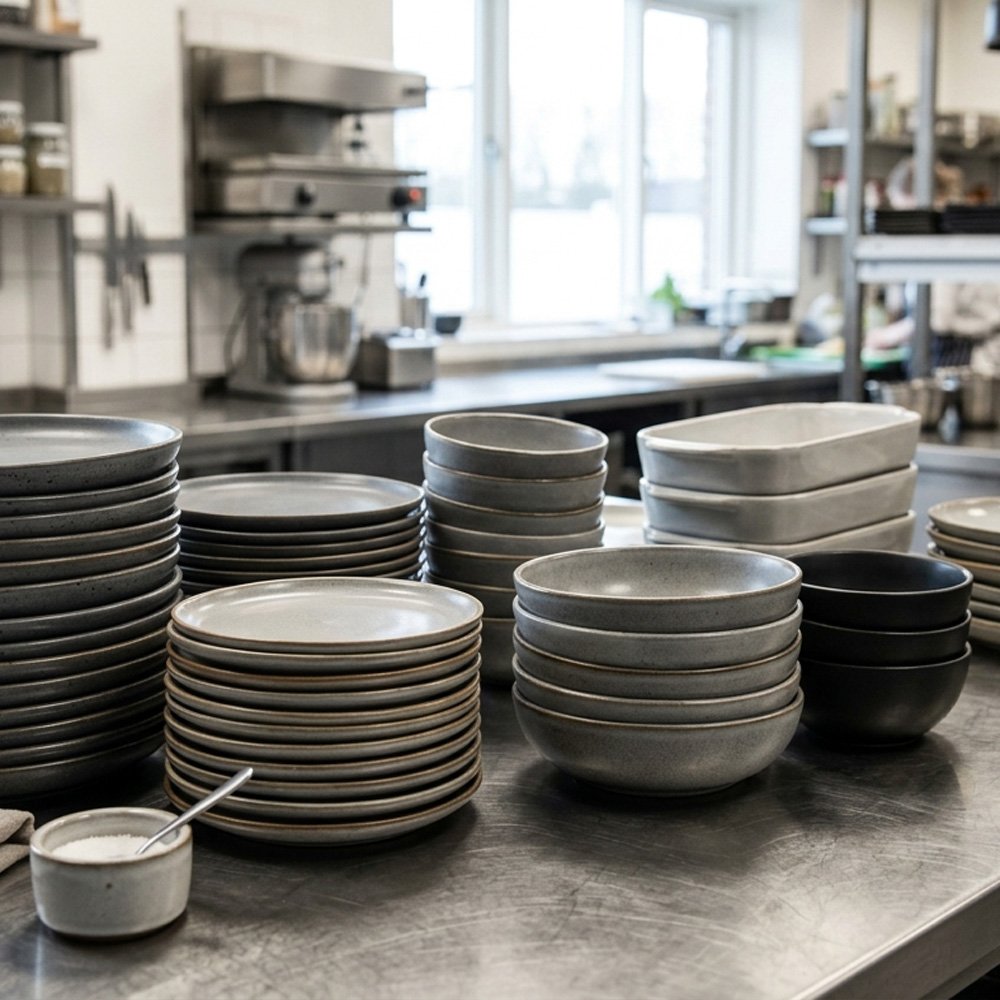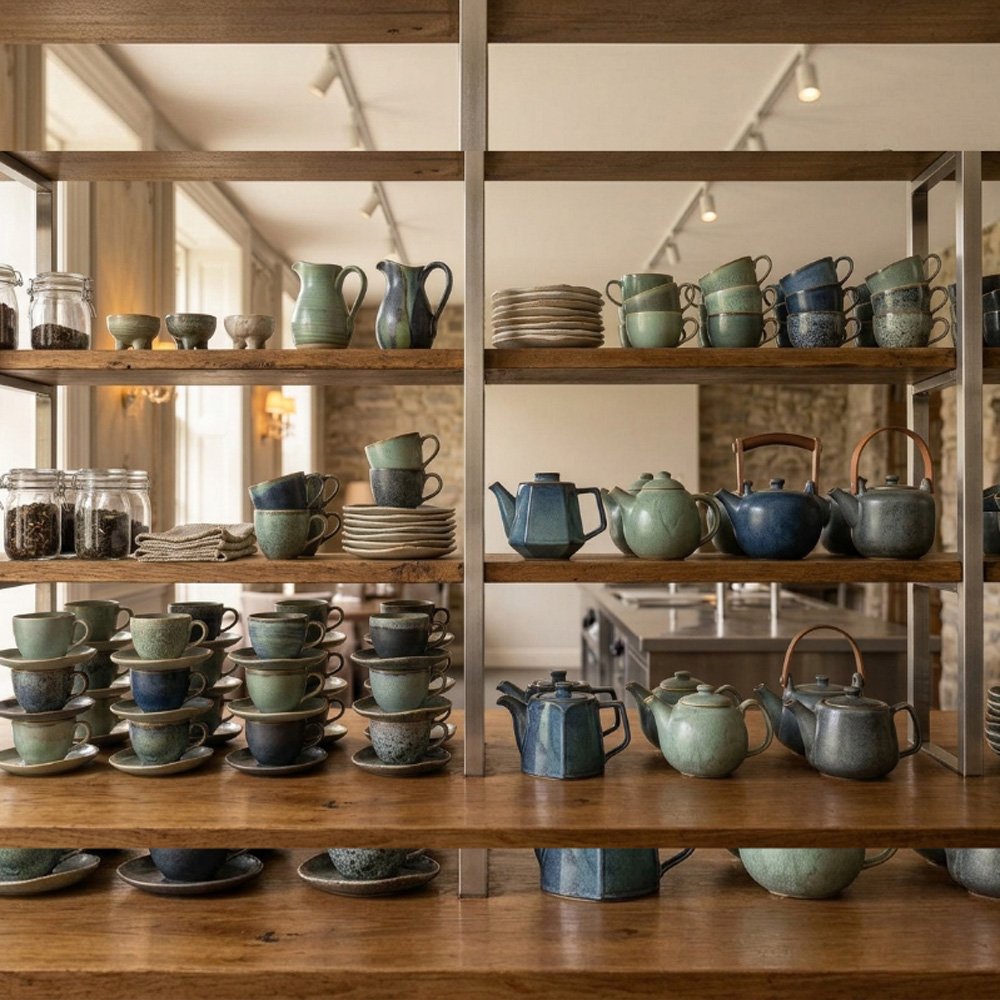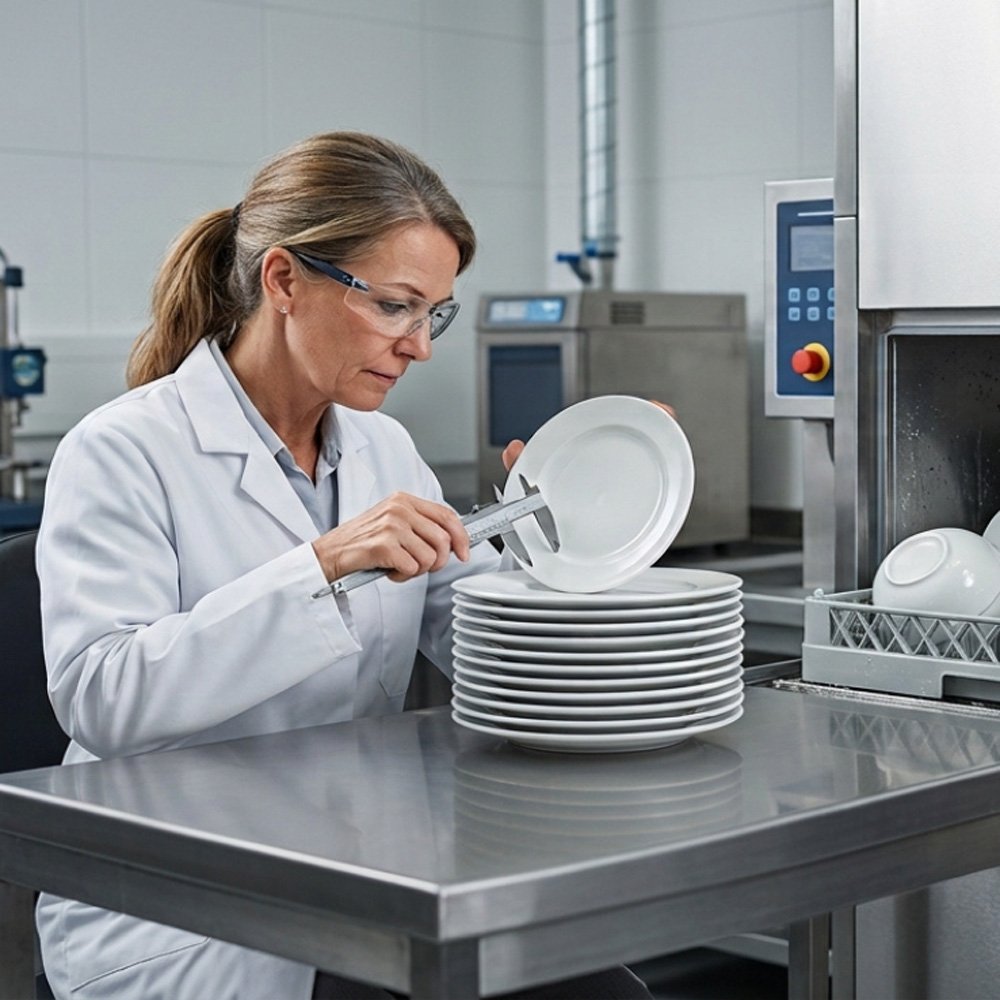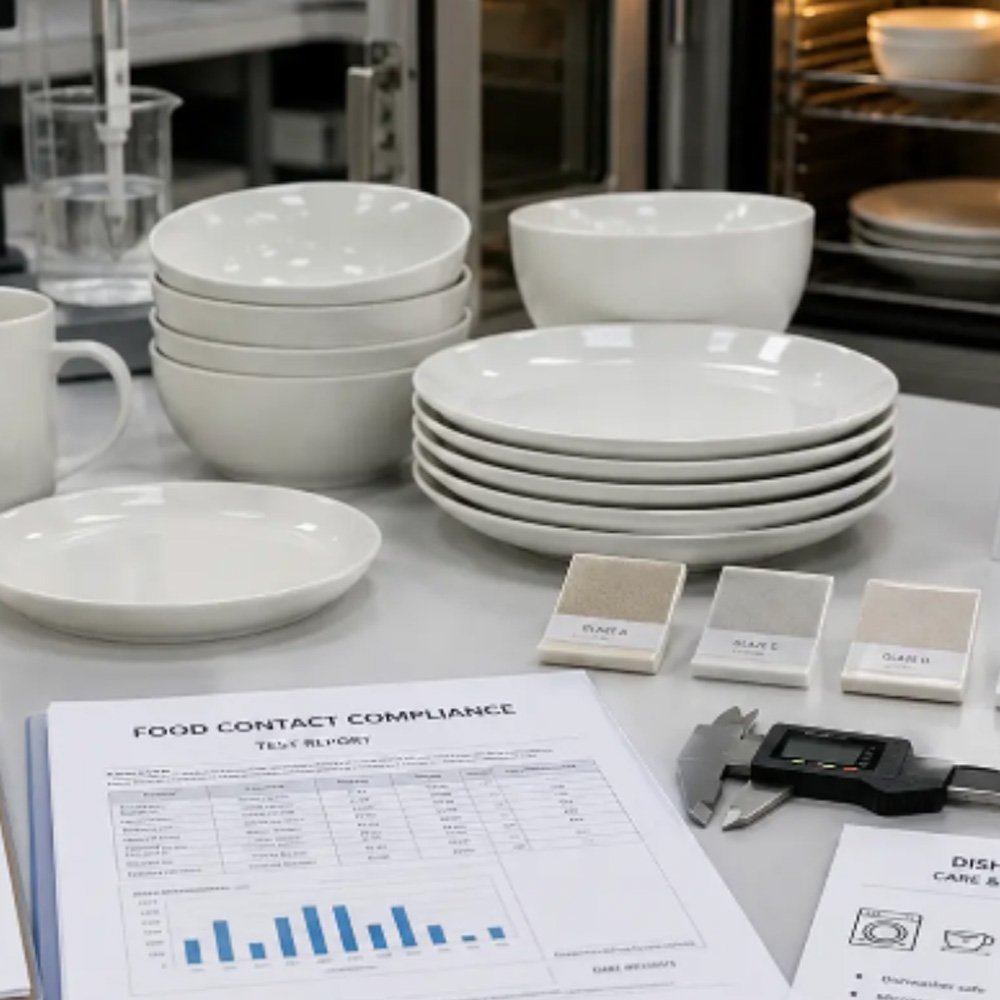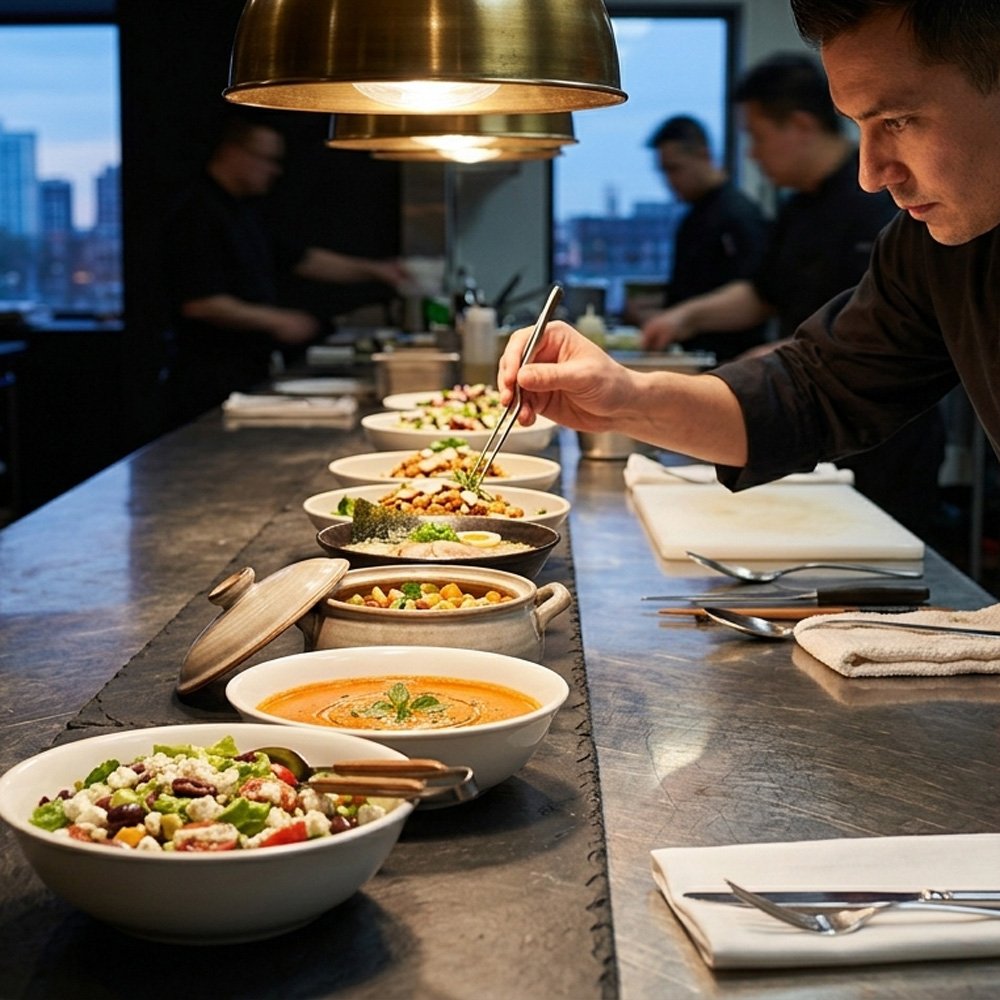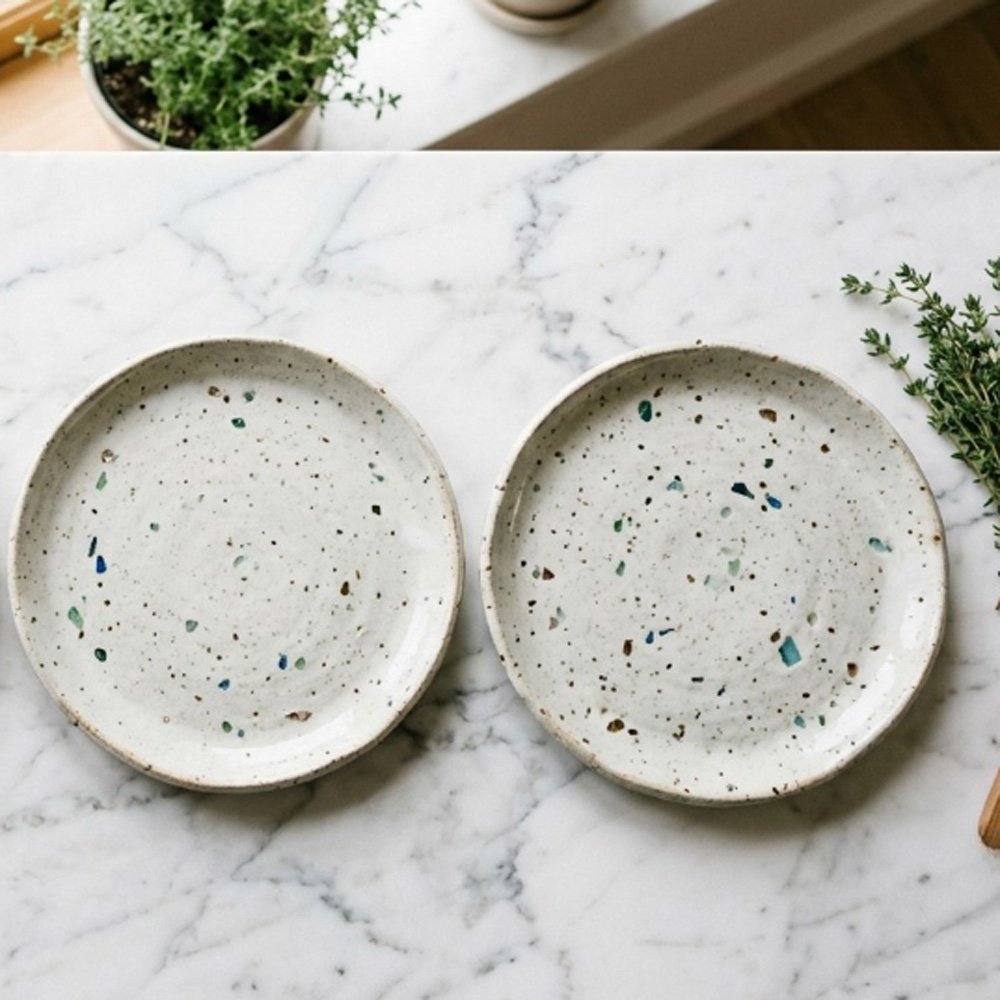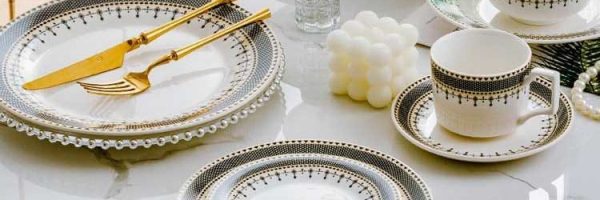
Every time a guest lifts their cup of tea or cuts into a perfectly seared and plated steak, they interact with your brand identity. Custom dinnerware for hotels today is one of the most important yet overlooked branding tools. In fact, according to research by Medallia, around 61% of consumers would spend on more personalized experiences, especially in hospitality. Backing this up, McKinsey and Company reports that 71% consumers in fact now expect personalization from brands, and that too as a baseline, not a bonus. In a hotel or dining concept, the expectation shows up on the table. It means thoughtfully sculpted custom restaurant plates, custom glazes, signature color pallets, and back stamps that reinforce brand identity. Which brings us to the more important question: how do you actually bring that vision to life? Through OEM or ODM? What Is OEM (Original Equipment Manufacturing) Dinnerware? OEM dinnerware is a hotel dinnerware procurement process where the dinnerware is built from scratch. You do not just choose a set from a catalogue, but are free to select the shape and dimensions of the plates, the material, the glaze chemistry, and the finish. You can customize the plate color, rim design, and thickness. It gives you the liberty of going for full branding, where you decide the logo placement and all other branding details. OEM is about full control, i.e., you own the intellectual property for the design, but that also comes at a high upfront cost. Also, the lead times for the manufacturing process are longer, around 60-120 days. In the end, you get a plate that is your brand and your distinct visual identity. This is especially valuable when you are managing multiple properties. It ensures every guest experiences the same level of detail and brand recognition at every outlet. The OEM Process The OEM process is the complete production journey. Here’s how it works. Concept:The process begins with a vision that is connected to the brand identity or presentation. The plating requirements are defined as per the dining concept, menu setting, and service style. Like in fine dining, you’ll need asymmetrical plates and specific rim depths. Technical Specifications: Next, the concept is translated into accurate production drawings. The measurements, glaze formulation, and firing requirements are considered, and the final blueprint is created. Mold Creation: At this stage, the actual production begins. TheCustom molds are built according to the shape, dimensions, and structural details in your specifications. Because molds define the geometry, this step is one of the biggest upfront investments in OEM and also the foundation for long-term consistency. Prototype / Sample Development: The manufacturer provides initial samples for testing. These samples are checked in-house for glaze consistency, color, and structure, and then shared with the client to see how they perform in service. Glaze and Material Testing: If the design needs any tweaks or adjustments, the iterations take place in this stage. At times, glazes and colors shift during firing iterations, and so the formulation needs to be fine-tuned for consistency. Approval: Once the client approves the design, they sign off on the final sample. That takes us to the final stage: bulk production. Bulk Production: Scaled manufacturing begins with strict batch controls for consistency. QC inspects the production for warping, defects, and design accuracy. Once the batch passes these checks, it is signed off as ready for packaging and shipment. Shipping and Delivery:Lastly, the finished products are packed and shipped to the client. What Is ODM (Original Design Manufacturing) Dinnerware? Unlike OEM, in ODM, or Private Label Dinnerware, the process is shorter. In ODM, you choose a design from an existing catalog. The manufacturer has already worked out and tested the shapes, sizes, and profiles for you to pick from. You just layer your brand on top of that. That means you select the plates, bowls, and cups from the manufacturer’s range and then customize the surface elements. You can choose the glaze color, finish, rim, logo placement, and other detailing. But there are no custom molds. No specific dimensions or other details that are specific to your concept only. That also means other hotels could technically choose the same base as you. But honestly, with the glaze, branding, and color palette, the dinnerware rarely ever looks the same elsewhere. ODM works perfectly if you are running a boutique hotel, are a single-property operator, or are testing a new menu. It’s also ideal if you are looking for cost efficiency and speed. In fact, most hospitality brands start from ODM and later transition to OEM as they scale. OEM vs ODM Tableware: A Side-by-Side Comparison The OEM vs ODM decision is an operational choice. It affects the timelines, budgets, brand control, and how painful or smooth your future reorders will be. However, no design is a winner. Both concepts give you equally strong dinnerware in terms of quality and design. Factor OEM ODM Design Ownership You own the complete design, including the shape, mold, and branding specs The manufacturer owns the core design, while you own the branding elements Customization Depth Total control of the shape, size, material, glaze, and structure Surface-level control and choice of color, logo, finish, and detailing Upfront Cost Higher due to mold tooling and prototyping Lower, as no mold creation is required Lead Time 60–120 days (depending on design complexity) 30–60 days (existing molds speed up production) MOQ (Minimum Order Quantity) Higher – Around 1,000–5,000+ pieces Lower – Around 300–1,000 pieces Design Exclusivity Completely exclusive to your brand Shared base designs Best For Hotel groups and luxury brands Boutique hotels, startups, and fast launches Reorder Consistency Strong. The specific mold and specs are fixed Variable, depends on the manufacturer What Can You Actually Customize? A Hospitality Buyer’s Checklist The logo placement is the bare minimum when it comes to customizing dinnerware. It’s not the end but only the beginning of dinnerware customization. Here’s what you can actually customize and make your dinnerware stand out as unique and specific to your brand and concept. Shape and
Wedding Dinnerware: Disposable vs. Ceramic Dinnerware — Which is Better?
Planning a wedding involves countless decisions, but one detail that often gets overlooked—yet significantly impacts the overall experience—is wedding dinnerware. From elegant plated dinners to casual outdoor receptions, the type of dinnerware you choose plays a key role in presentation, guest experience, cost control, and even sustainability. One of the most common questions couples and event planners face is:Should you choose disposable dinnerware or ceramic dinnerware for a wedding? In this guide, we’ll break down both options in detail, comparing them across cost, aesthetics, practicality, and environmental impact—so you can make the right decision for your big day. What Is Disposable Wedding Dinnerware? Disposable dinnerware refers to single-use plates, bowls, and utensils made from materials such as: Plastic (including premium hard plastic) Paper or cardboard Bagasse (sugarcane fiber) Palm leaf or bamboo Modern disposable dinnerware has evolved far beyond basic paper plates. Many options now feature elegant finishes, metallic rims, and sturdy construction that mimic ceramic aesthetics. What Is Ceramic Wedding Dinnerware? Ceramic dinnerware includes materials like: Porcelain Bone china Stoneware These are reusable, kiln-fired products known for their durability, refined appearance, and premium dining experience. Ceramic dinnerware is commonly used in formal weddings, luxury venues, and hotel banquets. Aesthetic Comparison: First Impressions Matter Disposable Dinnerware High-end disposable sets can look surprisingly elegant, especially those with: Gold or silver rims Embossed textures Minimalist white finishes However, upon closer inspection, they often lack the depth, weight, and tactile quality of real ceramics. Ceramic Dinnerware Ceramic dinnerware offers: Superior visual depth and gloss Fine detailing and craftsmanship A luxurious, authentic dining experience For weddings where visual presentation is a priority—especially in photography—ceramic dinnerware clearly stands out. Verdict: Ceramic wins for elegance and premium feel. Cost Comparison: Budget vs Experience Disposable Dinnerware Lower upfront cost No rental, cleaning, or return fees Ideal for large guest counts Ceramic Dinnerware Higher cost (purchase or rental) Additional logistics (transport, cleaning, labor) Potential breakage costs According to industry data from The Knot, catering and rentals typically account for a significant portion of wedding budgets, often around 20–30% of total expenses. This makes disposable dinnerware appealing for budget-conscious weddings. Verdict: Disposable is more cost-effective. Practicality and Logistics Disposable Dinnerware ✔ No need for washing✔ Easy cleanup✔ Lightweight and portable✔ Ideal for outdoor or remote venues Ceramic Dinnerware ✔ Reusable and durable✔ Requires washing and handling✔ Heavier and more fragile✔ Needs professional catering support For weddings held in gardens, beaches, or barns, disposable dinnerware often simplifies logistics significantly. Verdict: Disposable wins for convenience. Practicality and Logistics Disposable Dinnerware Guests may perceive disposable dinnerware as: Casual or informal Less luxurious (depending on quality) However, premium disposable sets can still provide a pleasant dining experience. Ceramic Dinnerware Ceramic dinnerware enhances: Dining comfort (weight and stability) Perceived value of the event Overall guest satisfaction In formal weddings, ceramic dinnerware contributes to a more refined atmosphere. Verdict: Ceramic delivers a better guest experience. Environmental Impact: Sustainability Matters Disposable Dinnerware Environmental impact varies widely: Plastic: non-biodegradable Paper: partially recyclable Bagasse/palm leaf: biodegradable According to United Nations Environment Programme, single-use plastics are a major contributor to global waste and pollution. Ceramic Dinnerware Reusable over many years Lower long-term environmental impact Requires water and energy for cleaning Verdict: Ceramic is generally more sustainable long-term, though eco-friendly disposables are improving. Durability and Performance Disposable Dinnerware Resistant to breakage May bend or warp under heavy food Not suitable for hot, heavy dishes (depending on material) Ceramic Dinnerware Strong and heat-resistant Stable for all types of meals Can chip or break if mishandled Verdict: Ceramic performs better for full-course meals. Style Flexibility and Customization Disposable Dinnerware Wide variety of colors and patterns Easy to match wedding themes Limited high-end customization Ceramic Dinnerware Custom shapes, glazes, and finishes Branding or monogram options Suitable for luxury and themed weddings For couples seeking a unique and memorable table setting, ceramic dinnerware offers greater creative freedom. Verdict: Ceramic offers more customization potential. Quick Comparison Table Feature Disposable Dinnerware Ceramic Dinnerware Cost Low High Appearance Moderate–High Premium Convenience Excellent Moderate Sustainability Varies High Guest Experience Casual–Moderate Excellent Durability Moderate High Best Use Case Outdoor, casual Formal, luxury When Should You Choose Disposable Dinnerware? Disposable dinnerware is the better choice if: You’re hosting a casual or outdoor wedding Budget is a primary concern You want quick and easy cleanup You’re serving simple or buffet-style meals When Should You Choose Ceramic Dinnerware? Ceramic dinnerware is ideal if: You’re planning a formal or luxury wedding Presentation and photography matter You want to impress guests with a premium experience You’re working with a professional catering team Can You Combine Both? (Smart Hybrid Approach) Many modern weddings use a hybrid approach: Ceramic plates for main courses Disposable plates for desserts or late-night snacks This strategy balances cost, convenience, and aesthetics—giving you the best of both worlds. Final Thoughts Choosing between disposable and ceramic wedding dinnerware ultimately depends on your priorities: Go disposableif you value convenience, cost savings, and simplicity Choose ceramicif you want elegance, durability, and a premium guest experience There’s no one-size-fits-all answer—but understanding the trade-offs helps you make a confident decision. At the end of the day, your wedding is about creating meaningful memories. Whether served on fine porcelain or eco-friendly plates, what truly matters is the experience you create for your guests. And if the food is good, most guests won’t remember the plate—but they will remember how you made them feel.
What Is a Chafing Dish? Complete Catering and Buffet Guide
Everyone can see the food steaming and ready when served, but no one notices the effort, aka chafing dishes that keep it that way. Especially in the buffet line, one of the most common concerns is to ensure the food stays hot during service. So, what is a chafing dish? The chafing dish is part of your inventory that does the job quietly. At its core, a chafing dish is a metal pan-and-frame system using indirect steam heat or a water bath that keeps pre-cooked food warm at safe serving temperatures. There are no flames touching the food, no direct heat. Just controlled warming that holds texture, moisture, and safety without overcooking the meals. A chafing dish is not for cooking. It’s for holding the food and keeping it warm in an industry where everything relies on one promise: hot food to stay hot until the last guest is served. In this guide, we will look at the different types of chafing dishes and their standard sizes and capacity planning. How a Chafing Dish Works: Anatomy and Heat Transfer If questions like: “What is a chafing dish? Do I really need one?” are crossing your mind, a chafing dish is a whole system of keeping food warm during service. It only works when you set it right. But if done wrong in any way, no matter how premium the equipment or dinnerware you use will not make up for the dried-out or spoiled food. Every chafer has five core parts: the frame or stand that holds everything in place, the water pan that sits above the heat, the food pan holding food, the lid, and the fuel holder. The whole system works following the bain-marie principle, which is a controlled, indirect heating method for food. The heat source warms the water in the lower pan, not touching the food directly. As water heats up, it produces steam, which rises and circulates around the food pan through convection. The dish preserves a warm but gentle temperature that doesn’t let the food scorch, but only keeps it warm through the service. Well-set chafing dishes can maintain food between 140–165°F (60–74°C) when used correctly. This keeps it out of the Danger Zone, safe from bacteria and spoilage. Chafing Dish Types Not all chafers are the same, and choosing the wrong type can have severe consequences during service. If you are new to the service, instead of thinking in terms of product names, consider the shape, heat source, and special use cases. This will help you narrow your search and match the right equipment with the actual event. The choice ultimately should come from the environment you are operating in, not from preference. By Shape: Rectangular, Round and Oval When procuring the chafing dishes, it’s best to start with shape. The shape can determine how the food sits, heats, and gets served. Rectangular Chafing Dishes: With a capacity of about 8-9 quarts, these are best for entrées and high-volume service. Given the wide shape, these maximize buffet line space and can easily fit standard food pans. So, if you’re running large events, this is your default. Round Chafing Dishes:These are specifically for soups, stews, and sauces and can hold around 4–7 quarts. The shape promotes even heat circulation, ensuring consistent and stable heating of the dish. Oval Chafing Dishes: Oval chafing dishes are more popular in the plated-style buffets, weddings, and catering events. These have a better table presentation, although they function the same. By Heat Source: Fuel, Electric and Induction The chafing dishes categorized by power sources are: Fuel-based:These chafing dishes for catering do not need electricity, are fully portable, and easy to use anywhere. The burn times range from 2 to 6 hours, depending on the fuel type being used. The dishes are best for weddings, outdoor events, and mobile catering. Electric Chafing Dishes: These need to be plugged into a standard outlet to get a consistent heat without flame. These types are better for controlled environments such as banquet halls and indoor buffets, where power is reliable. Explore Brett’s Banquet Hall Dinnerware. Induction Chafing Systems: This is the most advanced option that uses the much safer electromagnetic heating for temperature control. In many cases, there’s no need for a water pan either. These are best for high-end hotels and modern buffet setups. Specialty Types: Roll-Top, Stackable, Drop-In and Disposable The specialty chafing dishes are designed for different concepts and operations. If your setup also includes plated service with buffet lines, aligning your chafers with the rest of your table presentation, like charger plates, can make a visible difference. The specialty chafing dishes include: Roll-top Chafing Dishes: These are especially common in self-service buffets and have hinged lids that can roll back. Stackable Chafing Dishes: These are designed to nest or settle into each other during transportation and storage. Drop-in Chafers: The drop-in chafers are built into countertops as part of the permanent buffet setup. These are ideal for banquet halls, hotels, and concepts with fixed service stations. Disposable Chafing Kits: If you’re looking for cheaper or easier-to-maintain options, the disposable chafing kits have aluminum pans with fire racks and fuel holders. These, however, last just single events and are good for off-site catering. Chafing Dish Sizes: Which Size Do You Need? Most catering setups misjudge the volume of chafing dishes or dinnerware they need for service. It’s not about fitting the table only, but more about how long the dish can work without needing refills. If you are running buffet service alongside a plated concept, your chafing dish sizes should go with the rest of your table setup. The broad coordination is covered in our guide: Beyond Dinner Plates: Complete Dinnerware Sets for Hotels and Catering. There are three core sizes of chafing dishes: Full-size Chafing Dishes: These can hold about 8–9 quarts and are usually part of the buffet service. Most concepts procure the rectangular shape as it suits high-volume items like rice, pasta, and proteins. Half-size Chafing Dishes:
Catering Wine Glasses & Glassware Guide | Types, Sizing and Bulk Tips
You have probably had that uncomfortable moment where you are standing in the prep area with racks stacked up high. You’re counting the glasses faster than you think and wondering whether the inventory will be enough. The event begins, and you are thinking, “Are they the right ones for tonight? What will happen if even around 20% of them don’t even make it through?” This is all behind the scenes of catering. Glassware is one domain where miscalculations can turn into visible problems. If you look for catering wine glasses or catering glassware catalogues, you’ll be overwhelmed with the product choices and endless SKUs. But all of them come with zero guidance about the procurement strategies or ordering quantities. Nobody is actually telling you what will work on a 200-guest wedding and how many glasses you would actually need? No one talks about the wrong rim thickness that can downgrade the guest experience. The truth is that glassware is not a line item. It is the highest breakage and highest replacement cost category in catering operations. In this guide, let’s explore how choosing water glasses can be an operational decision. We will talk about how speciality glassware is worth buying and the difference between the glass materials. So if you have ever underplanned or overboarded your glassware inventory, you are just on the right page. Types of Catering Glassware Every Operator Should Know Unfortunately, most catering setups fail because they are not using the right mix. No matter how aesthetically appealing or attractive the glasses look, we don’t need so many shapes and sizes of glasses. Buying glassware is more about how it will function and not about the categories. You need to look at the menu, what’s getting poured, and how fast it is being served and cleared. Here are some basic catering glass types worth considering. Wine Glasses for Catering: Red, White & All-Purpose Often, operators overcomplicate glassware inventory by ordering the whole range of catering wine glasses. However, in a practical situation, most events do not need a full sommelier setup. For high-end or fine dining catering, we need separate red and white glasses. But in the majority of service events, doubling the SKU will only lead to logistical friction. Red Wine Glasses:The red wine glasses usually serve around 12 to 22 ounces of liquid. They have a wider bowl that allows aeration, and the Bordeaux-style shape is the most practical. Browse Brett’s Minimalist Transparent Crystal Wine Glass Set. White Wine Glasses: These are narrower and usually serve about 10–14 oz. These can preserve temperature and aroma, and given the narrow bowl, have less surface exposure. All-purpose Wine Glasses: This is your quiet MVP. The glasses serve about 12–16 oz of both red and white wine without slowing service. Style of Glasses Glassware comes in two styles: stemmed and stemless. The stemmed glasses appear more formal, and are the set expectation in weddings and formal dinners. The stemless range, on the other hand, is stable and stackable. They have much less breakage in outdoor and high-turnover events. Water Glasses & Goblets Water service is not the category where we run after elegance. It is where we just have to keep the service running. Every seat needs one glass, and that makes water glasses for catering the highest quantity items to stock. Water glasses also take the most abuse. Most water goblets are stemmed and can carry 10 to 14 ounces of water. These are best used in informal settings like weddings, banquets, and plated service. Check out Brett’s Custom Vertical Stripe Wine Champagne Glasses. You can also go with tumblers that have a volume of around 8 to 12 ounces. These are flat-bottom and stackable, and built for speed. That makes them the ideal choice for casual events, buffets, and high-volume service. When buying water glasses or goblets, stackability is also important. You need to see how many glasses will fit a rack, how well they can last in dishwashing cycles, and the handling speed of the servers. Browse Brett’s Luxury Gold-Rimmed Crystal Glass Set here. Specialty Glassware: Champagne Flutes, Cocktail Glasses & Beyond The specialty glassware offers dozens of options in event glassware. However, we only need a few and in controlled quantities to optimize the cost and service. The key is to align the type of specialty glassware with the beverage program. Learn more in our guide: Wine Glasses vs. Water Glasses vs. Specialty Glassware. In the category, you will find styles like: Champagne Flutes: Champagne flutes are a non-negotiable inventory for weddings and toasts. Ideally, plan to buy one for every guest. Explore Brett’s Crystal Champagne Flutes Setand Vintage Diamond Shaped Embossed Crystal Glass Set Highball/Collins Glasses: If you have cocktails on the menu, the Collins glasses are much needed. Rocks/Old Fashioned Glasses: These can handle spirits served neat or on ice. Cordial/Dessert Wine Glasses: The dessert wine glasses are a niche. Only stock them if you are serving dessert wines, hosting formal plated events, or catering to premium tiers. Understanding Glassware Materials: What Holds Up in Catering Most catering wine glass catalogues visually appear very similar. The actual difference comes up during transportation, dishwashing, and service. The glassware material is not a tiny detail. It’s a strategic decision that can cost you dearly in business. Learn more in our Tempered vs Annealed Glassware guide, and you will see that glassware material goes much deeper than “cheap vs expensive.” Soda-Lime Glass About 90% of all manufactured glassware is soda lime. It includes the bulk wine glasses we find in hospitality catalogues. These glasses are affordable, easier to produce and scale, and clear enough for the standard service. However, these also have a low resistance to thermal shocks, such as those experienced in the dishwasher cycle, and are also prone to cracking and chipping. So while they are perfect for controlled environments, in catering with all the transportation and stacking involved, they can wear out much faster than you’d expect. Tempered Glass Tempered glass starts off
Lead-Free Ceramic Dinnerware: Food Safety Standards for Hotels
Hotels plate more meals in a single week than many households do in a decade. At that scale, dinnerware becomes a food-contact material subjected to constant chemical stress. Acidic sauces sitting under heat lamps, citrus desserts held during service delays, repeated high-alkaline commercial dishwashing cycles, and so on. Since this happens thousands of times every week, the dinnerware can’t afford any instability in the ceramic glaze composition. That’s why lead-free ceramic dinnerware should be treated as an important compliance decision in hotels. According to the WHO, there is no level of lead exposure that is considered safe. In fact, lead exposure is one of the ten chemicals of major public health concern and accounts for more than half of the 2 million lives lost to chemical exposure annually. Unfortunately, many traditional ceramic glazes are common sources of lead exposure, alongside plumbing, paint, and industrial processes. As a hotel procurement team, maintaining dinnerware safety is a crucial part of supply chain compliance. To avoid regulatory issues and keep your guests safe, it’s important to make sure your dinnerware doesn’t contain improperly stabilized lead or cadmium in its glaze. In this guide, we’ll tell you how to procure compliant and lead-free ceramic dinnerware for your hotel. How Lead and Cadmium End Up in Ceramic Dinnerware If lead and cadmium are so dangerous, how did they end up in ceramic dinnerware in the first place? Lead oxide, a crucial component in lead, was historically used in ceramic glazes because it lowered the melting temperature of the glaze. This resulted in a smoother, glossier finish than previously achieved. It also expanded the usable firing temperature range, which made the manufacturing even more convenient. At the time, the manufacturers didn’t consider the risk of using lead and cadmium in ceramics. When it’s fired at an inadequate or uncontrolled temperature, lead does not get fully incorporated into the glaze structure. This makes it available to leach into food, especially if it’s something acidic like vinegar, tomato, or citrus. Commercial-grade porcelain, when fired at over 1,280°C, is considered “vitrified” porcelain. In vitrified ceramics, the glaze bonds completely to the ceramic matrix, preventing any lead from coming in contact with the food. Low-fired earthenware like traditional pottery or terracotta is where most of the risk related to lead is concentrated. However, lead can also be exposed if the lead-containing decorations are applied over the glaze instead of being bonded into it. Glazes can also be damaged through cracks, chips, or extreme wear, exposing lead. That’s why hotels must replace their dinnerware at the first crack or chip or invest in lead-free dinnerware ceramics. Then, there’s cadmium, which is used to create bright oranges, yellows, and reds in ceramics. However, it’s a known carcinogen that can cause severe bone and kidney damage. It can be exposed to food in the same ways we mentioned for lead, so it’s best to stick to food-safe ceramic dinnerware. Thankfully, most modern commercial dinnerware manufacturers now use non-lead glazes (NLG), but it’s still possible to get lead or cadmium contamination from legacy equipment, inconsistent firing, or unverified supply chains. In fact, approximately 38% of sampled ceramic dinnerware failed testing in a 2023 survey due to excessive lead or cadmium migration above allowable limits. That’s why finding truly lead/cadmium-free dinnerware can be tricky for a hotel procurement team. The Regulatory Framework: FDA, Prop 65, EU, and International Standards As a new hotel owner or procurement team, you may not know about the complete regulatory landscape surrounding lead-free dinnerware in hotels. In fact, there are several international and FDA dinnerware regulations you must follow to maintain ceramic food safety standards. Here are the main regulations you need to know about before choosing the right dinnerware material. US FDA Compliance Policy Guides (CPG Sec. 545.450 and 545.400) The FDA sets “action levels” for food-safe dinnerware as thresholds above which they must take regulatory action. This does not mean these are “safe limits” of lead quantities in dinnerware – these are enforcement thresholds that would only be reached in worst-case scenarios. According to FDA CPG 545.450, not all dinnerware products have the same lead leaching limits. Flatware like plates, small hollowware like cups and mugs, and large hollowware like bowls and serving dishes all have different thresholds. There’s also a separate test for lead leaching from cup and mug rims. In this case, the lead leaching levels must not exceed 4.0 mg/L and cadmium must not exceed 0.4 mg/L in lip areas. Another thing to keep in mind: if a supplier says their dinnerware “meets FDA standards” it does not mean it doesn’t contain any lead. It just means the lead leaching is below the action level. Per CPG methodology, ceramics have to contain zero extractable lead when tested to be labeled “lead-free.” California Proposition 65 The California Proposition 65 is stricter than the federal FDA limits. It mandates a leachable limit of 0.226 PPM, compared to the FDA’s category-based thresholds that are considerably higher. Hotels operating in California must comply with this regulation strictly, as it allows for private citizen lawsuits, or “bounty hunter” provisions, against businesses that don’t warn customers about possible chemical exposures. Hotels sourcing dinnerware for California properties must specifically verify that their supplier is Prop 65 compliant; being FDA compliant alone is not enough. EU Directive 84/500/EEC and Regulation 1935/2004 The laws against lead exposure in dinnerware for European hotels are even stricter. The EU Directive 84/500/EEC details maximum migration limits for lead and cadmium in ceramic articles intended for food contact, tested using 4% acetic acid solution. Dinnerware manufacturers and importers in the EU must provide a written Declaration of Conformity guaranteeing that their products meet the required limits. This documentation must accompany ceramics through the supply chain. The EU is also actively reviewing these limits and may even reduce them in the future, as the current exposure levels are still considered too high according to the European Commission’s own assessment. ISO 6486, ASTM C738, and Germany’s LFGB There are also several international rules regarding
Matte vs Gloss Dinnerware: Which Finish Works for Restaurants?
Your customers won’t notice when you place the most exquisite bone china dinnerware in front of them – until it feels off. It only happens when the stains, marks, uneven glaze, or a blinding glare catches their eye, and that’s never in a good way. Think of a guest dressed to impress their date, one bad dinner plate can literally drain all the charm out of the perfect evening. This is why choosing dinnerware and putting out the finest restaurant plate finish in front of the house is important. Coming to our debate of matte vs gloss dinnerware, your choice can make your entire menu look scrumptious or completely unappetizing. The effects of the finish aren’t limited to the looks. How often you need replacements, how the guests see your brand, and whether or not your dinnerware will be able to survive the harsh wash cycles, are all dependent on the finish. Let’s uncover how matte vs gloss finishes behave in real service conditions and their impacts on your long-term cost per plate. What’s Actually Different? The Science Behind Matte and Gloss Glazes You would notice most matte vs gloss dinnerware explanations just talk about the lighting behavior of the finish. In simple words, that means: matte absorbs, and gloss reflects. The actual difference begins inside the glaze, at the kiln stage. That’s when temperature, mineral composition, and the cooling behavior work and determine how the plate will perform after hundreds of service and wash cycles. Gloss Glaze Glossy finish is strong, vitrified, and feels smooth to the touch. Speaking in the language of ceramics, its glaze is melted and fused into a dense and glass-like layer during the firing process. Since most gloss glazes are usually fired at very high temperatures, often above 1200°C, they fully melt, so we get an even, continuous surface with zero or minimal micro-texture. For the restaurant, that means a plate with a hard surface that resists abrasion and staining, and is easy to clean. The dinnerware with gloss glaze also has lower porosity, which doesn’t let the liquids penetrate and weaken its structure. You get a higher performance from such materials, especially in high-use concepts. Explore Brett’s White Diamond-Pattern Embossed Durable Porcelain Dinnerware Set Matte Glaze Matte finish is kind of like an unfinished gloss; only the attempt is deliberate. The glaze chemistry is so adjusted to give the final product a soft, non-reflective look. At times, materials like magnesium carbonate or barium compounds are also included in its composition to form microscopic crystals during cooling. These crystals do not allow the surface to get smooth, like the one we get from full vitrification. As a result, the surface is diffused, appears rough, and has a bit of friction. Check out Brett’s Dark Brown/Black Vertical-Stripe Matte Glaze Ceramic Dinnerware Set here. The Metal Transfer Usually, once you place the procured dinnerware into service cycles, you notice stains or grey marks, especially on the matte plates, after a few weeks. These aren’t scratches, but indicators of metal transfer. When the dinnerware is used with the cutlery in regular service, the stainless steel deposits tiny particles of metal into the microtexture. The marks are more noticeable on the matte plate compared to the gloss. That’s because gloss is smooth and has less friction, so there’s less transfer. Although it is cleanable with mild abrasives like baking soda paste or commercial cleaners, it’s something you will encounter daily with matte finishes. So even though it isn’t structural damage per se, to the guest, it pretty much is. Porosity, Staining, and Why Light Matte Plates Age Faster Another concern with matte finishes is that they hold onto color or pigmentation since they have micro-texture. Therefore, oils and food pigments, such as beetroot and turmeric, settle and stain the surface. The problem becomes more pronounced in light-colored dinnerware. On the other hand, gloss finishes are smooth and have more of a sealed surface, which keeps them safe from this kind of discoloration or aging. Check out Brett’s Pure White Minimalist Porcelain Dinnerware Set with gloss finish. The Verdict? Satin-Matte Since both dinnerware glaze finishes come with trade-offs, many manufacturers are now pushing a third category that’s gaining momentum in the industry, i.e., satin-matte (or semi-matte). The material is more of a controlled compromise. It’s visually softer compared to gloss, but less textured. The glare too is less, and so is the metal transfer. Also, it’s fairly easy to clean and maintain. Durability and Maintenance in Commercial Kitchens When you bring in dinnerware from your supplier to your kitchen, the exposure to real service begins. In high-volume settings, it typically has to undergo rinse cycles at 82°C in high-temp machines. It’s also washed with alkaline detergents to strip off the grease, and is exposed to the same temperature and harsh cleaners multiple times a day. These conditions affect the finishes differently. Gloss, being fully vitrified, often holds up better than matte. However, over time, it begins to show fingerprints, smudges, and water spots, which come off as a sort of clouding or haze. This isn’t structural damage, but mineral deposits or detergent residue. However, to the guest, that just means the dinnerware is dirty or not up to standard. Matte finish dinnerware, on the contrary, dulls faster and shows up metal transfer sooner. This is why semi-matte becomes the ultimate choice, giving the best of both worlds. Stacking, Storage, and the Friction: Matte plates have rougher surfaces, so they don’t slide around easily. Over time, the constant contact and transportation can lead to surface scratches around the high-touch points. Gloss is easier to stack and handle. However, it does become slippery when wet, which may increase the risk of drops in fast service. Replacement Rates: Matte finishes may have to be replaced earlier for aesthetic issues like metal marks and staining. Gloss shows wear slowly but needs more maintenance to appear sharp in daily service. The 3:1 Rule:The standard rule for procuring dinnerware for a commercial kitchen is 3:1. It’s about
What Is Vitrified Porcelain? The Professional Hospitality Standard
There’s one term you’ll see in every hotel dinnerware tender: vitrified porcelain. If you’re new to the hospitality business, you may be wondering, “What is vitrified porcelain, and why does it separate commercial-grade dinnerware from everything else?” To put it simply, vitrified porcelain is porcelain fired at temperatures hot enough to fuse clay particles into a dense, glass-like, non-porous body. This is usually around 1,200 to 1,400°C, giving vitrified porcelain a water absorption rate of 0.5% or lower. If you want to know all about vitrified porcelain dinnerware and the process of vitrification, you’re at the right place. This is a complete material education guide for hospitality professionals, where you’ll learn about how vitrification affects commercial performance, ASTM testing standards, comparison to non-vitrified alternatives, and what to specify in procurement. The Science of Vitrification: What Happens Inside the Kiln Before we talk about industry standards, let’s answer this: What is vitrified porcelain? First, you should know that porcelain has several mineral components like kaolin, feldspar, and quartz. During vitrification, the porcelain is heated to such a temperature that these components physically melt and fuse. This creates a continuous glass-like matrix, also known as vitrified porcelain. The name comes from the Latin word “vitrum,” meaning “glass.” In unfired or low-fired porcelain, there are many microscopic gaps, which can be penetrated by water, odors, oil, bacteria, and food. During the vitrification process, these gaps close completely and result in a dense, non-porous material. Porcelain doesn’t just need to be fired at any high temperature to be considered “vitrified.” It actually needs to reach a very specific range between 1,200 and 1,400°C. If you fire clay just a few hundred degrees lower at 900–1,100°C, the result would still be porous. Meanwhile, firing it at 1,100–1,300°C would result in partial vitrification. The main way to measure the vitrification of any porcelain is its water absorption rate. According to ASTM’s C373 water absorption testing standards, “vitreous” refers to ≤0.5% water absorption. Fully vitrified porcelain typically achieves 0–0.5% water absorption. To put it into perspective, earthenware typically absorbs 8–12% water, while semi-vitrified stoneware absorbs 2–3%. Some vitrified ceramic manufacturers also add alumina to the material to increase its strength and chip resistance. This creates “high-alumina vitrified porcelain,” which is used by brands like Churchill, Steelite, and Dudson for their commercial hospitality lines. Why Vitrification Matters in Commercial Hospitality Now that we know how vitrification works, let’s answer this: what does vitrification actually do for a hotel or restaurant on a daily basis? Here are a few of the many benefits of vitrified porcelain dinnerware. Food Safety and Hygiene Unvitrified clay harbors tons of bacteria in its microscopic pores. Then, there’s no way to completely sanitize the dinnerware even after dishwashing. Over time, this turns into a food safety hazard that’s completely invisible to the naked eye. Vitrification creates non-porous porcelain, which means water, bacteria, food, oils, and odors can’t penetrate the dinnerware. Maintaining clean dinnerware is a crucial step in passing health inspections and being HACCP compliant. Commercial Dishwasher Endurance If you measure a non-vitrified plate after 200 dishwasher cycles, you’ll find that it’s much heavier than it was when new. Meanwhile, a vitrified plate will weigh the same, new and used. Why is that? To put it simply, it’s because vitrified porcelain is able to withstand the thermal stress of commercial dishwashers. Not only do the water temperatures rise to 60–82°C, but these dishwashers also use aggressive alkaline detergents. This causes non-vitrified commercial porcelain dinnerware to warp, absorb water, and crack over time. Stain and Odor Resistance Because there are no microscopic gaps to penetrate, vitrified porcelain does not absorb food stains, curry discoloration, or coffee rings into the body. All these stains only sit on top of the glaze surface and wash off with a bit of soap. Meanwhile, porous dinnerware absorbs stains permanently. Microwave Safety Have you ever microwaved something, only for the food to be cold while the plate is scalding hot? Non-vitrified ceramics have tiny gaps that absorb moisture. When microwaved, the trapped water in these gaps heats the plate instead of the food on it. According to ASTM, dinnerware should have a water absorption rate of no more than 2–3% for safe microwave use. Luckily, vitrified porcelain doesn’t absorb more than 0.5%, which makes it perfect for microwave reheating. Longevity and Replacement Cost Vitrief porcelain has a dense, fused structure that resists chipping at the edges much better than porous materials. Combine this with reinforced rims, and vitrified commercial dinnerware can outlast any type of non-vitrified alternative. That means you will save a ton on annual replacement spend. You can learn more about the durability of different dinnerware materials here. Vitrified Porcelain vs. Other Dinnerware Materials If you’re already in the hospitality business, you might be wondering, “Why should I switch from my current dinnerware material to vitrified porcelain?” Here’s a complete material comparison to help you decide which one is a better choice. Vitrified Porcelain vs. Non-Vitrified Porcelain Despite popular belief, not all hotel-grade porcelain is vitrified. Many hotel owners assume that they’ve ordered vitrified porcelain when it’s just standard porcelain. In reality, this low-cost porcelain dinnerware is actually under-fired, which is why its water absorption rate is over 0.5%. If you want high-quality porcelain, make sure the manufacturer’s spec data says “vitrified” or request the water absorption data. Vitrified Porcelain vs. Bone China Bone china is actually also a vitrified ceramic, but it contains bone ash (a combination of calcium and phosphate) in the clay body. This creates a lighter and more translucent piece than the glass-like porcelain. Meanwhile, vitrified porcelain is denser and heavier. If you need dinnerware for fine dining settings where elegance and weight are top priorities, bone china is the right choice. However, if it’s a high-volume operation where you need durable materials to withstand rapid handling, you’d be much safer with vitrified porcelain dinnerware. Vitrified Porcelain vs. Stoneware It’s possible to partially vitrify stoneware and achieve a 2–3% absorption rate, but it rarely reaches the full
How to Choose Restaurant Dinnerware Suppliers in the UK
You thought placing a bulk order for dinnerware would be easy. You approve the pattern, samples, agree on the price and lead times with the supplier, and the shipment arrives. But just six months in with the new dinnerware and you’re stuck with chipped plates or mismatched replacements. The situation has you questioning: Where did you go wrong in the process? For restaurant owners, head chefs, F&B managers, and hotel procurement teams in the UK, this scenario is a bit too familiar. You spend hours searching for restaurant dinnerware suppliers UK, commercial crockery suppliers UK, or wholesale dinnerware UK, yet most online catalogues only show designs and prices. Unfortunately, there isn’t much on how to evaluate suppliers before you commit. In this guide, we will bridge this gap. Here are practical, market-specific tips to choose dinnerware suppliers based on consistent quality and long-term reliability. Sourcing Channels: Where UK Restaurants Find Dinnerware Before you start your search for restaurant dinnerware suppliers in the UK, you need to think about where you are actually sourcing the dinnerware from. In the UK, a supplier can mean three very different things. UK-Based Distributors and Wholesalers Most procurement teams first come across distributors and UK tableware wholesalers when looking for dinnerware suppliers. There are companies such as Nisbets, Goodfellows, Ascot Wholesale, and Jacksons Catering Equipment that act as multi-brand distributors. These commercial crockery suppliers UK stock collections from established manufacturers and offer fast delivery all over the UK (often within 24 hours) with low or no minimum order quantities. However, there are pros and cons to buying from these sellers. On the one hand, you get easy access to samples, customer service, and do not have to deal with any import logistics or customs-related matters. On the other hand, you get limited stock to choose from. There’s very little customisation and less reliability in terms of long-term pattern continuity. The pricing, too, is higher as it includes the distributor margins. The framework works best for independent restaurants that are testing new concepts or expanding their operations. It’s also efficient if you’re looking for quick replenishment or emergency restocking. UK-Heritage Manufacturers UK manufacturers are all about quality, long-term commitment, and heritage. The ceramics industry in Stoke-on-Trent, also called “The Potteries”, has been the centre of restaurant tableware in the UK not for years, but for years. This region produces high-quality vitrified porcelain and commercial crockery designed for busy hospitality environments. These UK-based manufacturers provide British-made dinnerware in high-quality, built to last in high-volume hotels. If you want a reliable supplier, they have supply chains within the UK, which makes them a convenient choice. Moreover, you get customisation options for branding and a premium credibility in your dinnerware as well. When you procure from them, your dinnerware is termed “Made in Britain.” These suppliers work best for boutique hotels and design-led restaurants where table presentation and aesthetics take the lead. However, the disadvantages of this channel are that you get a slightly less variety to choose from and the per-piece cost is higher than imported alternatives. Direct-from-Manufacturer In this model, you work directly with the suppliers. You can choose manufacturers from around the world, like China, Portugal, or Turkey, which gives you access to exclusive designs, shapes, customizable features, and lower prices than local manufacturers. However, the production lead times are higher, usually around 30-60 days. Shipping takes an additional 20-30 days, and the MOQ is also much higher. Often referred to as the OEM or Original Equipment Manufacturing, and ODM (Original Design Manufacturing), experienced procurement partners such as Brett provide expertise in international production. With us, you can access unique designs, like the Dark Brown Swirl Colour-Block Glaze Ceramic Dinnerware Set, negotiate MOQs, and let us manage the shipping and logistics. Most dinnerware procurement teams in the UK usually follow a hybrid model to balance speed and cost of dinnerware. The 8-Point Supplier Evaluation Checklist Choosing the right restaurant dinnerware suppliers in the UK isn’t just an exercise that ticks boxes. It’s a key investment decision that can save you thousands of quid a year. Let’s take a look at the 8-point supplier evaluation checklist. Material Quality and Vitrification Whenever you order commercial-grade porcelain or stoneware, make sure what you’re buying is fully vitrified. Water absorption must be ≤0.5%. Ask your supplier for ASTM C373 or other such testing results. This way, you will be able to distinguish the best quality from the poorly vitrified ceramics. As a result, your dinnerware will not absorb moisture, crack, or stain under pressure and so, last longer. Chip Resistance and Edge Construction Most dinnerware designs fail at the rims. Look for rolled or reinforced edges and ask the seller about any chip warranties. Another important aspect to look for before finalising the order is to avoid buying thin-edged or extra lightweight plates. Even though they look elegant, they fail commercial dishwashers and heavy service. Commercial Dishwasher Compatibility Most kitchens in the UK run dishwashers at 55-65°C and use strong alkaline detergents. Always ask the supplier if the glaze has been tested for 200–300 cycles. If the material gets dull or flakes after these cycles, it means it’s not commercial-grade. Food-Contact Compliance The UK dinnerware must comply with the retained EU Regulation 1935/2004 and the Materials and Articles in Contact with Food (England) Regulations 2012. Suppliers must provide a Declaration of Compliance (DoC) that confirms that the lead and cadmium migration limits are met (tested to BS 6748). Minimum Order Quantities and Sample Access Most often, the distributors in the UK have no MOQ or dozen-level MOQs. Whereas international OEMs usually require an MOQ of 50–500+ pieces per design. Always check the supplier’s MOQ and request sample pieces and test them by running a full service. Also, observe how the weight and balance work during serving, plate stackability, and its dishwasher compatibility. Lead Times and Delivery Reliability Look into suppliers’ delivery accuracy by checking their last accounts. Ask them how they handle delays when they occur and stock buffer options. Many of the multi-site
What is Melamine Dinnerware?
When choosing dinnerware, durability, cost, and aesthetics all play a role. In recent years, melamine dinnerware has become a popular alternative to traditional ceramic or porcelain tableware—especially in commercial environments like restaurants, hotels, and catering services. But what exactly is melamine dinnerware? Is it safe? And why do so many businesses and households choose it? This comprehensive guide will walk you through everything you need to know about melamine dinnerware—from materials and manufacturing to benefits, limitations, and ideal use cases. What is Melamine Dinnerware? Melamine dinnerware is made from a type of durable plastic known as melamine resin, a compound formed by combining melamine and formaldehyde. This process creates a hard, thermosetting material that is lightweight yet highly resistant to breakage. According to Wikipedia, Melamine is an organic compound widely used in the production of laminates, coatings, adhesives, and molded tableware due to its strength and heat resistance. Unlike traditional plastics, melamine resin does not melt once formed, making it particularly suitable for repeated daily use. How is Melamine Dinnerware Made? The manufacturing process of melamine dinnerware involves several key steps: Step1: Raw Material PreparationMelamine powder is combined with formaldehyde to create melamine resin. Step2: Molding ProcessThe resin is placed into molds under high heat and pressure, forming plates, bowls, and cups. Step3: Design ApplicationDecorative patterns or colors are applied, often through transfer printing or embedded designs. Step4: Finishing and PolishingThe final product is polished to achieve a smooth, glossy surface that resembles ceramic or porcelain. This process results in dinnerware that looks refined but performs like industrial-grade material—kind of like dressing a tank in fine china. Key Features of Melamine Dinnerware 1. Exceptional Durability Melamine is highly resistant to: Breakage Chipping Cracking This makes it ideal for high-traffic environments where traditional ceramics might not survive long. 2. Lightweight Design Compared to porcelain or stoneware, melamine is significantly lighter, making it easier to handle, transport, and store. 3. Wide Range of Designs Melamine dinnerware can mimic: Ceramic textures Wood grain finishes Stoneware aesthetics This versatility allows businesses to maintain a premium look without the fragility. 4. Cost-Effective Melamine products are generally more affordable than fine china, especially when purchased in bulk. Is Melamine Dinnerware Safe? One of the most common questions about melamine dinnerware is safety. Food Safety Standards Regulatory bodies such as the U.S. Food and Drug Administration (FDA) consider melamine dinnerware safe for food use under proper conditions. For official guidance, you can refer to the FDA’s explanation here:FDA guidance on melamine tableware safety Important Safety Guidelines Avoid high heat: Melamine should not be used in microwaves. Use for low to moderate temperatures: Ideal for serving, not cooking. Avoid strong acids at high temperatures: These may cause slight chemical migration over time. When used correctly, melamine dinnerware is safe and widely trusted in both commercial and residential settings. Advantages of Melamine Dinnerware 1. Ideal for Commercial Use Restaurants, hotels, and catering companies prefer melamine because it: Reduces replacement costs Handles frequent use Maintains appearance over time 2. Perfect for Outdoor Dining Melamine is a top choice for: Picnics Poolside dining Camping No one wants shattered porcelain near a swimming pool—unless you’re aiming for a very dramatic cleanup. 3. Low Maintenance Dishwasher safe (top rack recommended) Stain-resistant Easy to clean 4. Consistent Appearance Unlike hand-glazed ceramics, melamine products offer uniformity—important for brand consistency in hospitality environments. Limitations of Melamine Dinnerware While melamine has many advantages, it’s not without drawbacks. 1. Not Microwave-Safe Due to its chemical composition, melamine should never be used in a microwave. 2. Limited Heat Resistance Although heat-resistant to a degree, it cannot withstand high cooking temperatures. 3. Less Premium Feel Compared to bone china or porcelain, melamine lacks: Translucency Fine texture High-end tactile quality 4. Environmental Considerations Melamine is not biodegradable, which raises sustainability concerns compared to natural ceramic materials. Melamine vs Other Dinnerware Materials Feature Melamine Porcelain Stoneware Durability Very high Medium High Weight Lightweight Medium Heavy Break Resistance Excellent Low Medium Microwave Safe No Yes Yes Aesthetic Appeal Moderate–High High High Cost Affordable Expensive Mid-range Melamine stands out as the practical choice, while porcelain and stoneware dominate in luxury and presentation. Common Applications of Melamine Dinnerware Hospitality Industry Widely used in: Hotels Restaurants Buffets Catering Services Ideal for large-scale events where efficiency and durability are critical. Households Perfect for families with children due to its shatter-resistant nature. Institutional Use Common in: Schools Hospitals Cafeterias Design Trends in Melamine Dinnerware Modern melamine dinnerware is far from basic. Trends include: Natural Aesthetics Designs that imitate: Stone textures Wood finishes Matte ceramics Minimalist Styles Clean lines and neutral tones for contemporary dining. Custom Branding Businesses can add: Logos Custom colors Unique shapes This makes melamine an excellent choice for brand-focused hospitality operations. How to Care for Melamine Dinnerware To maximize lifespan: Avoid using abrasive scrubbers Keep away from direct flame or oven use Store properly to prevent surface scratches Use mild detergents for cleaning With proper care, melamine dinnerware can last for years without losing its visual appeal. Is Melamine Dinnerware Right for You? Melamine dinnerware is a smart choice if you need: ✔ High durability✔ Lightweight handling✔ Cost efficiency✔ Versatile design options However, if your priority is luxury dining or microwave convenience, traditional materials may be more suitable. Conclusion Melamine dinnerware offers a compelling balance between functionality, durability, and design flexibility. While it may not replace fine porcelain in upscale dining, it excels in environments where performance and practicality matter most. From busy restaurants to outdoor gatherings, melamine continues to prove that dinnerware doesn’t have to be fragile to be beautiful. In short, it’s the kind of tableware that works hard—so you don’t have to worry when things get a little… lively at the table.
Easter Dinnerware: What Elements Make a Dinnerware Easter-Themed?
Easter is a celebration filled with renewal, joy, and meaningful traditions. Whether it’s a family brunch, a festive gathering, or a formal spring dinner, the table setting plays a central role in shaping the experience. Choosing the right Easter dinnerware is more than just selecting plates and bowls—it’s about creating a visual story that reflects the spirit of the season. But what exactly makes dinnerware “Easter-themed”? Is it the colors, the patterns, or the symbolism behind the designs? In this guide, we’ll explore the key elements that define Easter dinnerware and how you can use them to create a beautiful and cohesive table setting. The Meaning Behind Easter and Its Influence on Tableware Before diving into design elements, it helps to understand the cultural and symbolic roots of Easter. Easter is one of the most important holidays in Christianity, celebrating resurrection and new life. Over time, it has also become associated with broader themes of spring, rebirth, and renewal. According to Wikipedia, Easter traditions often incorporate symbols such as eggs, rabbits, and flowers—each representing fertility, growth, and new beginnings. These symbolic elements naturally translate into dinnerware design, shaping the aesthetics of Easter-themed table settings. Signature Easter Color Palettes 1. Pastel Colors Pastels are perhaps the most recognizable feature of Easter dinnerware. Soft hues like: Baby blue Blush pink Lavender Mint green Pale yellow These colors reflect the gentle tones of spring and create a light, airy atmosphere at the table. 2. Nature-Inspired Greens and Neutrals In addition to pastels, earthy greens and warm neutrals are increasingly popular in modern Easter tableware. These tones mimic fresh grass, budding leaves, and natural textures. 3. Subtle Gold Accents Gold-rimmed or lightly gilded dinnerware adds elegance without overpowering the soft seasonal palette, making it ideal for more formal Easter gatherings. Iconic Easter Motifs and Patterns 1. Bunnies and Rabbits The Easter Bunny is one of the most iconic symbols of the holiday. Dinnerware featuring rabbit illustrations instantly signals an Easter theme, whether playful or sophisticated. 2. Easter Eggs Decorated eggs symbolize new life and are a staple in Easter design. On dinnerware, they may appear as: Painted patterns Embossed textures Subtle border details 3. Floral Designs Spring flowers like tulips, daffodils, and lilies are commonly featured. These floral elements add freshness and connect the table to the natural world. 4. Chicks and Spring Animals Chicks, lambs, and other young animals reinforce the theme of renewal and are often used in more casual or family-oriented dinnerware sets. Material Choices That Enhance the Easter Theme While design is important, the material of your dinnerware also contributes to the overall feel of your table. Porcelain and Bone China These materials offer: Smooth, refined surfaces Ideal backgrounds for pastel and floral designs A slightly translucent quality that enhances elegance Stoneware Stoneware provides a more rustic and grounded aesthetic, perfect for: Farmhouse-style Easter tables Natural or organic themes Ceramic with Reactive Glaze Reactive glaze finishes create subtle variations in color, echoing the imperfect beauty of nature—perfect for modern Easter settings. Texture and Finishing Details 1. Embossed Patterns Raised floral or egg motifs add depth and tactile interest without overwhelming the design. 2. Hand-Painted Elements Hand-painted dinnerware feels more personal and artisanal, aligning with the idea of a thoughtfully prepared holiday meal. 3. Gloss vs Matte Finish Glossy finishescreate a clean, elegant look Matte finishesoffer a softer, contemporary feel Mixing both can create visual contrast on your table. Shape and Form: Subtle but Impactful Easter dinnerware often features softer, more organic shapes compared to standard sets: Rounded edges instead of sharp lines Slightly scalloped rims Irregular or handmade-inspired silhouettes These details help reinforce the relaxed and welcoming atmosphere typical of Easter gatherings. Coordinating Easter Table Elements Easter dinnerware doesn’t exist in isolation—it works best when paired with complementary table décor. 1. Centerpieces Fresh flowers Decorative eggs Spring greenery 2. Linens Linen napkins in pastel tones Floral or embroidered tablecloths 3. Glassware and Accessories Clear or lightly tinted glassware pairs well with Easter dinnerware, keeping the table light and cohesive. Modern Trends in Easter Dinnerware (2026) Easter tableware trends are evolving, blending tradition with contemporary design: 1. Minimalist Easter Aesthetic Rather than bold motifs, many designs now use subtle nods to Easter—like a single embossed egg or a soft color gradient. 2. Eco-Friendly Materials Sustainable ceramics and natural glazes are becoming more popular as consumers prioritize environmentally conscious choices. 3. Mix-and-Match Styling Instead of uniform sets, mixing plates with different patterns or colors creates a curated, layered look. How to Identify True Easter-Themed Dinnerware To quickly determine whether a dinnerware set fits the Easter theme, ask yourself: ✔ Does it use soft, spring-inspired colors?✔ Are there seasonal motifs like flowers, eggs, or animals?✔ Does it create a light, fresh, and welcoming atmosphere?✔ Can it pair well with spring décor and natural elements? If the answer is yes to most of these, you’re looking at authentic Easter dinnerware. Why Easter Dinnerware Matters Easter is about more than just food—it’s about experience. The right dinnerware: Enhances presentation and visual appeal Sets the tone for the gathering Reflects care and attention to detail Creates memorable moments for guests In many ways, the table becomes a canvas where tradition, design, and hospitality come together. Final Thoughts Easter dinnerware is defined by a harmonious blend of color, symbolism, material, and design. From pastel palettes and floral motifs to delicate porcelain finishes and handcrafted textures, every element contributes to a table setting that celebrates renewal and togetherness. Whether you prefer a classic bunny-themed set or a modern minimalist approach, the key is to create a table that feels fresh, inviting, and aligned with the spirit of Easter. Because at the end of the day, the best Easter table isn’t just about what’s served—it’s about how it makes people feel.