The global catering market is expected to reach 532 billion USD by 2030. Behind every successful and profitable catering business is one tableware inventory decision. That is usually one that the catering business owner originally underestimated, until breakage bills, client complaints, and replacement bills begin to accumulate monthly.
Catering company tableware is not as well-equipped as hotel tableware or restaurant tableware for the needs of the operation. It is transported in vans and trucks to locations that are five-star hotel ballrooms to outdoor garden estates. It is handled by event personnel and may not be as well-trained as hotel personnel. It is washed in various plants – sometimes on-site, sometimes in the catering kitchen – with varying conditions. And it should come to all events spotless, since your tableware is a direct reflection of the professionalism of your company.
This guide covers every detail of the tableware acquisition of a catering company tableware, such as inventory and material selection, transport life, profitability and supplier evaluation.
Table of Contents
Why Catering Tableware Is Different From Restaurant or Hotel Tableware
Tableware used by a catering company is tableware that is used under 3 conditions that restaurant and hotel tableware does not have.
Transport Stress
Catering tableware can be loaded onto transport vehicles and then driven to venues and unloaded, which may occur numerous times throughout the day, if a catering company is busy. Transit causes plates to pile up on top of each other. During transportation, glassware vibrates against other glassware. Knives and forks are purchased as a set. The damage to the catering tableware is almost exclusively due to the mechanical stresses caused by the repeated transport cycles, and can be avoided altogether by specifying the correct material and storage system.
Variable Washing Conditions
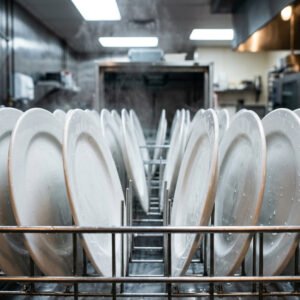
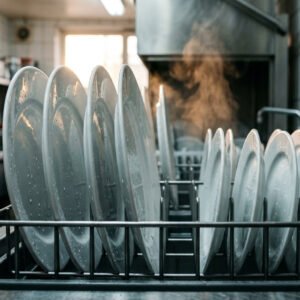
A commercial dishwasher is used daily for restaurant dishes. After a wedding at a hotel, a corporate event at a mobile washing unit, or a private dinner back at the catering kitchen, tableware can be washed in a hotel’s commercial washing facility. Changing washing conditions (water temperature, detergent, type of washing machine) will degrade the glaze and finish quicker than commercial washing with the same conditions.
Multiple Event Styles
A restaurant is an establishment that provides one kind of service to one kind of customer. A catering company provides corporate lunches, wedding banquets, outdoor garden parties and black-tie galas, and sometimes all of them in the same week. Tableware for catering companies should function in this spectrum of service occasions without looking out of place or unsuitable for the type of event.

Building Your Catering Tableware Inventory Structure
The most common mistake in catering inventory is stocking up on width and not length. When a catering firm has 20 different plate designs, but only a small number of each, then they can’t always guarantee that they can fulfill large event bookings.
The tiered tableware is based on two or three base specifications in adequate quantities to service your largest regular booking, with a top specification for high-value bookings on the tableware.
Tier 1 — Core Commercial Specification
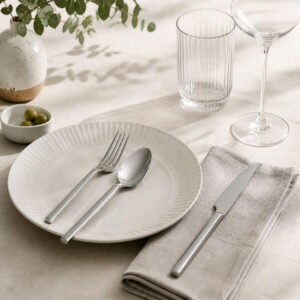
White porcelain dinnerware of hotel quality. This is your workhorse inventory, the specification that is used for corporate events, buffet receptions, casual weddings and all-purpose catering. The consistent white porcelain dinnerware is perfect for all types of events, is easy to photograph and is the simplest dinnerware to order when it breaks.
Tier 2 — Premium Specification
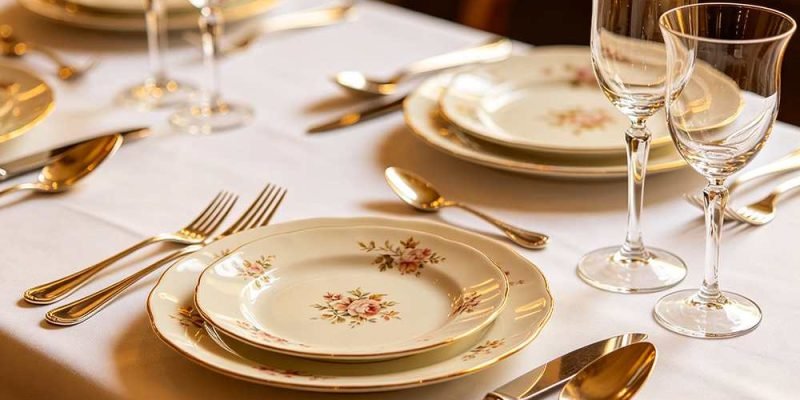
Bone china dinnerware for high quality wedding receptions, black-tie galas and corporate dinners where clients demand a more noticeable tableware specification. Premium bone china can help catering companies make more money on premium service packages as it is sold at a higher per-head rate — this directly increases event profitability.
Tier 3 — Specialty and Custom
Custom ceramic dinnerware — dinnerware with your catering company logo or in specialty glaze colors for themed events. This level sets your catering business apart from those that simply supply standard white tableware and justifies the higher fees for signature event packages.
Dinnerware for Catering Companies
The largest volume item in any catering operation is the most important inventory decision a catering operator makes – the biggest, most conspicuous and most costly to replace item of all dinnerware.
Material — The Transport Test
The number one thing to consider when choosing dinnerware is its durability when it comes to transporting. A beautiful plate that cracks when loaded for transport, resulting in replacement costs with every transport. Due to the higher density and hardness of the structure, the porcelain used in hotels, which is certified according to ISO 9001 and FDA compliance, is much more resistant to repeated stresses during transport, while at the same time, the risk of chipping at the rim is reduced, which results in reduced margins in catering inventory.
Rim Profile — The Stacking Test
The rim profile is one of the key features in the stability of transport crates during stacking. A rolled edge will be reinforced to ensure that it is not chipping and will make the plate more stable than thin sharp edge profiles. Catering companies directly incur the cost of breakage and replacement due to rim specification and they stack 20-30 plates in a transport crate.
White vs Colored Glaze
It’s undeniable that the most popular dinnerware for catering is the universal white porcelain dinnerware that can be used for all sorts of occasions and food items. Colored or specialty dinnerware can limit the events you can host, and create batch consistency issues when it’s time to replace the dinnerware.
Quantity by Event Type
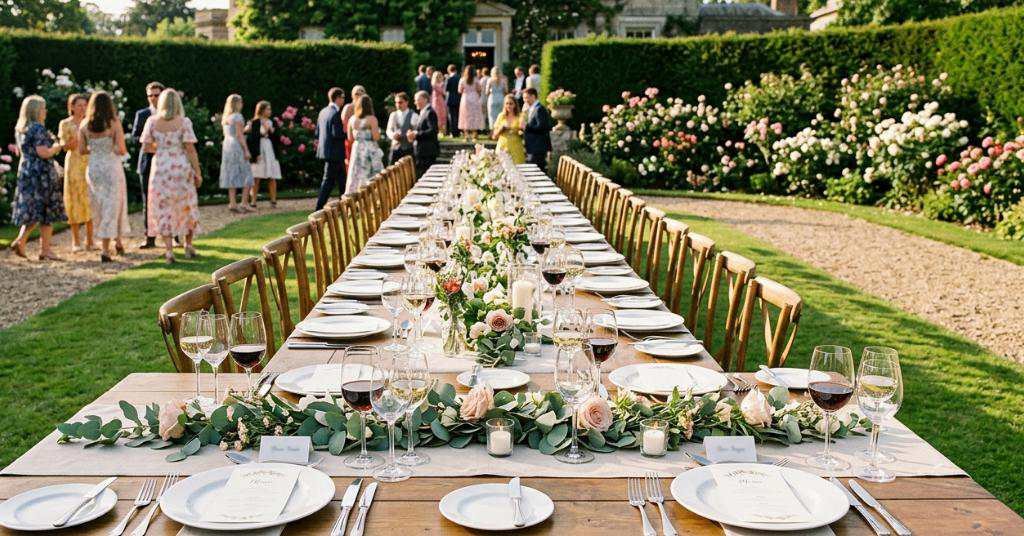
- Corporate events: 1.5 plates per person per course
- Wedding receptions – 2 Plates Each Person (Charger & Dinner Plate)
- Buffet Receptions – 2.5 plates per person (if they attend more than one buffet).
- Table setting for 4-5 courses per person, including all table setting items.
Flatware for Catering Operations
The only professional standard for the flatware of a catering company is 18/10 stainless steel flatware. Its 18 per cent chromium and 10 per cent nickel content ensures high corrosion resistance, a finish that will stand up to changing washing conditions and a weight that conveys quality to guests irrespective of the type of event.
Why Grade Matters for Catering
Catering operations face varying washing conditions and lower-grade stainless steel flatware (18/0 and less) corrodes and forms rust spots. A catering company that chooses to economize on flatware quality will end up with rusty cutlery at the first event they use it for, ruining their clients’ professional presentation.
Finish Selection for Catering
For formal events such as galas, weddings and top-notch corporate dinners, the norm is Mirror finish stainless steel flatware. For large scale casual catering, where fingerprint visibility and polishing time can be an operational expense, the practical option is to use a Satin or tumble finish. Many catering companies have a mirror finish for top-notch bookings and a satin finish for mass bookings.
Flatware Inventory Calculation
A minimum flatware stock for a catering firm that caters for events up to 200 people is:
- 400 dinner forks— 200 guests x 2 for simultaneous events
- 400 dinner knives— 200 guests x 2
- 400 dinner spoons— 200 guests x 2
- 400 salad forks— for multi-course events
- 200 dessert spoons— for dessert course service
Glassware for Catering Companies
Glassware is the most costly and most breakable category in any catering inventory, especially for catering companies. The breakage rate for catering operations is always higher than the static breakage rate of hotels or restaurants due to the transport and handling, and various venue conditions.
Core Glassware Specifications
All catering companies need three essential specifications for glass drinkware
- All-purpose wine glasses – 13-15oz medium bowl, can be used for both red and white wine service at all types of events.
- Champagne flutes (6-8 ounce, stem reinforced – necessary for wedding toasts and celebration service)
- Water goblets (10 to 12 ounces, wide stable base – all seated dinner service)
Transport Durability — The Primary Criterion
The main specification criterion for catering glassware is transportability. Beautiful glassware in the showroom can be broken during delivery due to the vibration, resulting in replacement costs and eating into the profit of catering. Describe glassware with strong rims, weighted bases and stem profiles that can support the glassware in rack systems.
Glassware Inventory Calculation
For a 200-guest catering operation, the minimum catering glassware inventory:
- 500 wine glasses— 200 guests x 2.5 to cover breakage and simultaneous events
- 300 champagne flutes— 200 guests x 1.5 to cover toast service and breakage
- 300 water goblets— 200 guests x 1.5 to cover seated dinner service and breakage

Serving Pieces for Catering Operations
Serving Platters
Hotel-grade porcelain platters for cold food presentation — charcuterie, canapés, cheese and cold starters. Stainless steel platters for hot food service under chafer lids. Both specifications should match your core dinnerware program for visual consistency at the event.
Chafing Dishes
The standard for hot buffet service is stainless steel chafer frames with porcelain or ceramic inserts. The steel structural strength and ceramic food presentation give a professional look that sets quality catering apart from lesser catering operations.
Serving Tongs and Spoons
Mirror or satin finish 18/10 stainless steel flatware serving tongs and spoons. These items are seen by all guests at buffet stations and convey your catering company’s standards of quality before a single plate is even served.
Catering Tableware Quantity Planning
Apply this quantity planning framework to a catering company that will be catering for events ranging from 100 to 200 people.
Category | 100 Guest Events | 200 Guest Events | Recommended Stock |
Dinner Plates | 150 pieces | 300 pieces | 350 pieces |
Side Plates | 100 pieces | 200 pieces | 250 pieces |
Wine Glasses | 150 pieces | 300 pieces | 400 pieces |
Champagne Flutes | 120 pieces | 240 pieces | 300 pieces |
Dinner Forks and Knives | 150 sets | 300 sets | 350 sets |
Recommended stock includes a 15 to 20 percent buffer above your largest regular event size to cover breakage, simultaneous bookings and emergency replacements.
Transport and Storage: The Hidden Cost of Wrong Tableware
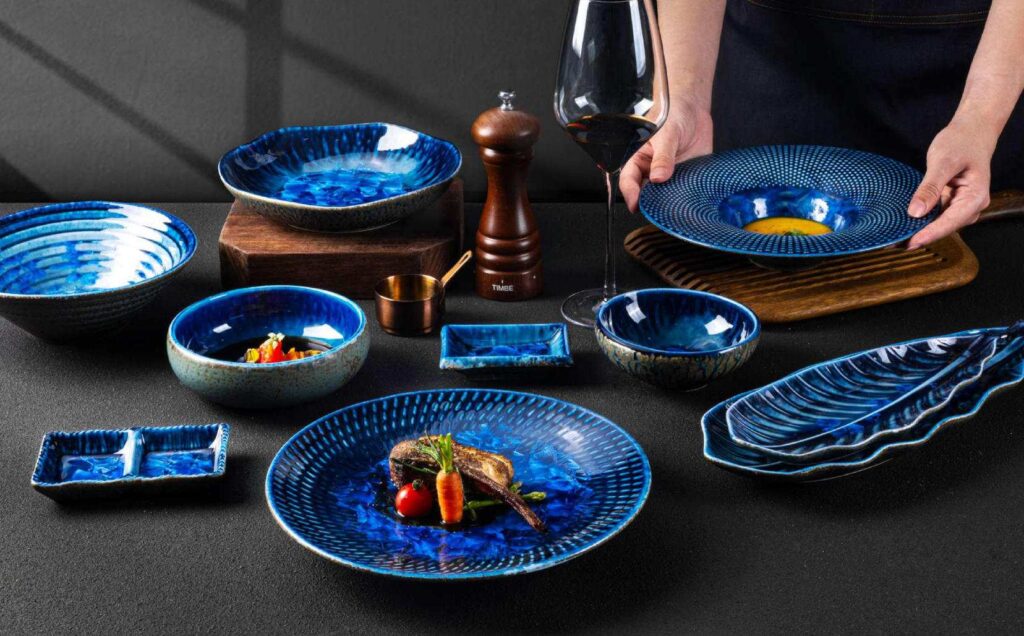
The biggest place where tableware investment is lost is in transport and storage – and where the right specification decisions pay the clearest dividends.
Plate Storage — Padded Dish Packs
No chipping during transit with padded plate sleeves or dish packs for transport. The annual cost of padded storage is a small fraction of the cost of replacing tableware annually for a catering company that has many events each week.
Glassware Storage — Purpose Built Racks
Specially designed glassware racks keep glass drinkware upright and secure when in transit, preventing stem breakage and rim chipping from glass-to-glass contact. Wine glass racks, champagne flute racks and water goblet racks are different specifications — the wrong rack for a glass profile will result in breakage regardless of the quality of the glass.
Flatware Storage — Divided Compartment Trays
The flatware is separated by type in divided compartment trays to avoid surface scratching that would diminish the mirror surface finish over time. Surface scratching will occur on flatware in bulk bags or loose containers, which will detract from the finish and therefore the professional look that clients are paying for.
The Business Case: How Tableware Quality Affects Profit Margins
The quality of the catering tableware is directly and measurably related to the profitability of the catering company.
- Breakage rate reduction– porcelain for hotels certified to ISO 9001 has breakage rates of 2-4% per event. Alternatives for retail grade are 8-15 percent. The annual replacement cost is significant for any catering business that hosts at least 50 events annually.
- Bone china dinnerware and 18/10 stainless steel flatware enable catering companies to justify their premium pricing per head for their premium packages. The difference in quality of the tableware is apparent and acceptable to clients when they book it.
- Client retention— Catering clients who receive events where tableware is consistently pristine and matched are significantly more likely to rebook and refer.
- Brand differentiation: Logo-engraved plates and flatware that no other catering company can duplicate and charge more for events.
How to Evaluate a Catering Tableware Supplier
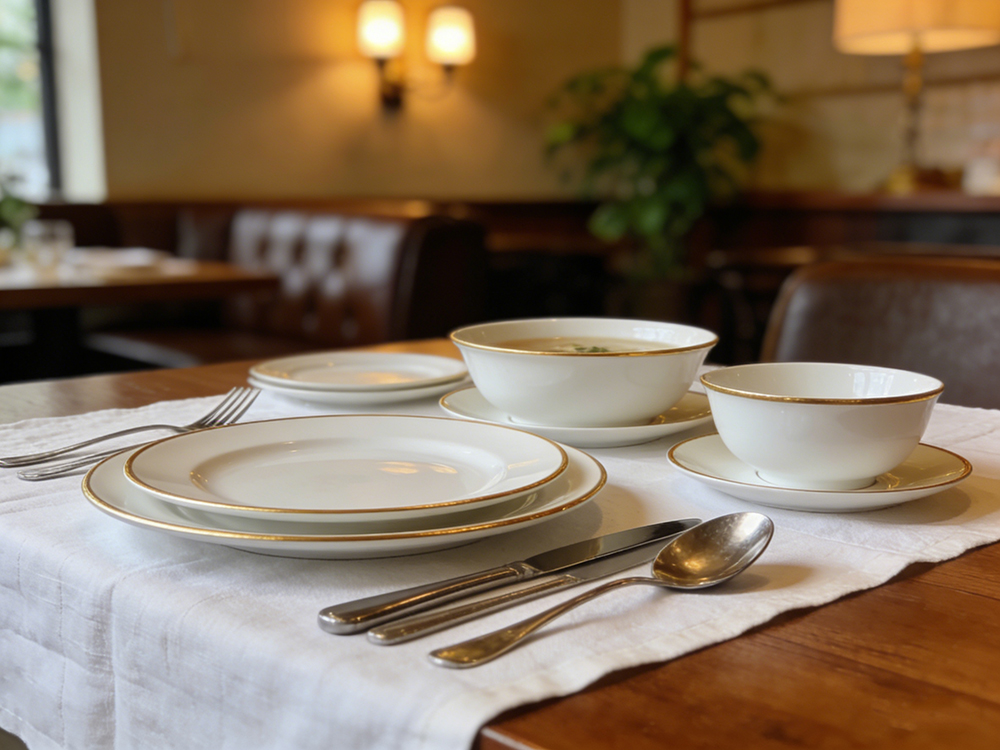
When selecting a caterer’s tableware supplier, one of the most vital considerations is the supplier’s capacity in the areas that are vital to a caterer.
- Production scale — ensure that they have the ability to make tens of millions of pieces each year, so you can always reorder on time.
- Batch consistencyrecords – replacement pieces should be the same as the ones on hand. A catering dinnerware supplier that is unable to guarantee this will create noticeable mismatches that will have a negative impact on your professional appearance.
- Credible catering tableware suppliers should meet the minimum standards of certifications, such as FDA compliance, ISO 9001, BSCI and Sedex.
- Flexible MOQ— for catering operations, there is a need to reorder certain categories when they are broken, without having to reorder the full category. Flexible minimum order quantities are a must-have.
- OEM and ODM — if you’re a catering company that’s looking to create a tableware program with your own brand, then OEM and ODM capability can be a differentiator.
How Brett Supports Catering Companies
At Brett, we understand that catering company tableware is a business investment — not just an operational supply. All our products are made to provide the durability, consistency and professional look that catering businesses require to create a successful and expanding business.
We have a full range of catering tableware to serve all the catering specifications:
- Porcelain dinnerware— hotel-grade, FDA compliant, ISO 9001 certified, reinforced rims for transport durability
- Bone china dinnerware— premium specification for high-value catering packages and luxury events
- Custom ceramic dinnerware— OEM and ODM branded collections for catering companies building signature table identities
- 18/10 stainless steel flatware— in mirror, satin, tumble and gold PVD finishes for every event style and pricing tier
- Glass drinkware— wine glasses, champagne flutes and water goblets with transport-durable specifications for catering operations
All Brett products are certified to BSCI, Sedex, FDA, ISO 9001, ISO 22000, Global Recycled Standard and Recycled 100 Claim Standard. Our 60 million+ piece annual production capacity means your restock orders are always fulfilled on schedule — never pushed back because of supplier capacity constraints.
FAQ’s
What is the best dinnerware material for a catering company?
The industry benchmark for core catering items is the hotel-quality porcelain dinnerware that has been ISO 9001 and FDA certified. Its density and impermeability make it not susceptible to rim chipping on stacking during transport and exposure to various washing conditions. Visually, bone china dinnerware has the value that is warranted in higher per-head catering packages.
How much tableware does a catering company need?
Store 150% of your largest regular dinnerware and flatware; 250% glassware due to the high number of breakages during catering operations. This is approximately 350 dinner plates, 400 wine glasses and 350 flatware sets for a catering company that can serve up to 200 guests.
What flatware grade should a catering company use?
Only 18/10 stainless steel flatware is available for use in a professional-grade catering operation. The varying washing conditions that catering operations endure, result in lower grades corroding and rust spots. Many catering companies will have both mirror finish and satin or tumble finish, mirror finish for high-end events and satin or tumble for high-volume casual catering.
How do I reduce catering tableware breakage rates?
Purchase appropriate storage and transport equipment such as padded plate sleeves, specially designed glassware racks and flatware trays with divisions. Porcelain for hotel use and not for retail use with reinforced rims. Enjoy surface-resistant 18/10 stainless steel flatware with various washings. The problem of reducing breakage rate is NOT a handling training problem; it is a storage and specification problem.
Can Brett supply custom branded tableware for catering companies?
Yes. Brett offers full OEM and ODM customization, including logo engraved ceramic dinnerware, private-label flatware, unique glazes and designs. Contact our team at ann@chinabrett.com to discuss your catering company’s branding requirements.
Conclusion
When it comes to tableware, catering companies are making an investment that impacts the breakage rate, the professional image, the prices and the retention rate of your clients all in one go. It is the companies that get this investment right from the start (the right material specification, the right stock level, the right storage system, and the right supplier relationship) who build profitable, growing businesses.
Those who do not pay attention to the quality of the tableware find out in the replacement cost, in customer complaints, and lost repeat business costs that always exceed any savings on the purchase of lower-quality tableware.
Customize your exclusive catering tableware solutions with Brett quotes, catalogs, and samples available. Contact us today at Chinabrett to get started.