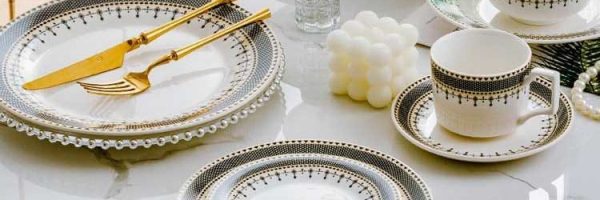

Modern porcelain dinnerware is quietly entering a new era. While porcelain itself has been used for centuries, the way it is designed, manufactured, and chosen—especially by hotels, restaurants, and design-driven consumers—is evolving faster than ever. As we approach 2026, buyers are no longer asking only “Is this durable?” or “Is it elegant?”They’re asking: Does it reflect modern dining culture? Is it sustainable? Will it still look relevant in five years? This guide explores key trends shaping modern porcelain dinnerware in 2026, helping buyers make smarter, future-proof decisions. 1. What Defines “Modern Porcelain Dinnerware”? Modern porcelain dinnerware is not a single style—it’s a mindset. At its core, porcelain is a high-fired ceramic made from refined clay (kaolin), feldspar, and quartz, known for its strength, whiteness, and low porosity. According to Encyclopaedia Britannica, porcelain’s vitrified structure is what gives it superior durability and translucency compared to other ceramics. What makes it modern today is how those traditional material advantages are paired with contemporary aesthetics, technology, and usage scenarios. In 2026, modern porcelain dinnerware is defined by: Clean but expressive forms Subtle textures over heavy decoration Versatility across casual and fine dining Compatibility with modern kitchens (dishwasher, microwave, stackability) 2. Why Porcelain Remains the Core Material for Modern Dining Despite the rise of stoneware and alternative materials, porcelain continues to dominate modern tableware collections—especially in premium hospitality. There are practical reasons for this: High firing temperature (≈1300°C)creates exceptional strength Low water absorption (<0.5%)improves hygiene Smooth glaze surfaceresists stains and odors Refined appearancesuits both minimalism and luxury These characteristics make porcelain particularly suitable for restaurants, hotels, and home users who want dinnerware that performs daily yet photographs beautifully. It’s why many designers still choose porcelain dinnerware as the foundation for modern collections, even when experimenting with new shapes and finishes. 3. Modern Porcelain Dinnerware Trends in 2026 Trend #1: Soft Minimalism Replaces Cold Minimalism Minimalism isn’t disappearing in 2026—it’s evolving. Earlier modern designs often leaned toward stark whites, sharp edges, and clinical precision. The new direction is soft minimalism: Rounded silhouettes Gentle curves instead of hard angles Warm whites, ivory, and bone tones Matte or satin finishes replacing high gloss This shift reflects broader interior and lifestyle trends where warmth and comfort balance modern aesthetics. From a buyer’s perspective, soft minimalism has a practical advantage: it ages better. Plates with subtle character don’t feel outdated as quickly as overly trendy designs. Trend #2: Texture Becomes the New Decoration Instead of bold prints or heavy patterns, modern porcelain dinnerware in 2026 relies on surface texture. Popular treatments include: Fine embossing Reactive-look glazes (controlled, food-safe versions) Hand-feel matte finishes Subtle concentric or organic relief patterns Texture adds visual interest without overpowering food presentation—an important consideration in professional dining and social-media-driven cuisine. Design historians often note that tableware trends move in cycles between ornament and restraint. As Robert Finlay discusses in The Pilgrim Art: Cultures of Porcelain in World History, understated surfaces allow porcelain to adapt across eras without losing relevance. Trend #3: Natural & Muted Color Palettes Color is returning—but quietly. In 2026, modern porcelain dinnerware favors: Sand, linen, and clay tones Muted greens and sage Soft charcoal and warm gray Washed blue inspired by nature These hues complement modern interiors and enhance food plating without competing for attention. Bright colors still exist, but they are typically reserved for accent pieces rather than full dinnerware sets. Trend #4: Sustainability Is No Longer Optional Sustainability has moved from a marketing bonus to a buying requirement. Modern porcelain buyers increasingly ask about: Lead-free and cadmium-free glazes Efficient kiln firing processes Reduced waste in production Longevity over disposability Porcelain’s long lifespan already gives it an advantage over short-use alternatives. According to the European Ceramic Industry Association, durable ceramic products contribute to sustainability by reducing replacement frequency and lifecycle waste. In 2026, manufacturers that can document responsible sourcing and testing standards will clearly outperform those that cannot. Trend #5: Microwave & Dishwasher Compatibility as a Design Rule Modern lifestyles demand convenience. In 2026, buyers increasingly assume that modern porcelain dinnerware should be: Dishwasher safe Microwave safe Resistant to thermal shock This has influenced design decisions, especially regarding metallic decorations. Gold or platinum accents are now applied more selectively—or replaced by matte textures and embossed detailing—to maintain usability without sacrificing elegance. Functionality is no longer a compromise; it’s part of good design. Trend #6: Multi-Use Forms Over Traditional Sets Rigid 20-piece sets are losing ground to modular collections. Modern porcelain dinnerware increasingly features: Coupe plates that work for mains and sharing Bowls designed for pasta, salads, or rice Stackable forms optimized for storage Charger plates that double as serving pieces This flexibility appeals to both hospitality buyers and modern households with limited space. Trend #7: Hospitality Influence on Home Dining One of the strongest forces shaping modern porcelain dinnerware is the hospitality industry itself. Hotels and restaurants drive trends that later filter into home use: Neutral palettes Durable but elegant forms Tableware designed for visual storytelling As open kitchens, chef-led concepts, and experiential dining grow, home consumers increasingly want plates that feel “restaurant-level” without being fragile or pretentious. 4. How Buyers Should Choose Modern Porcelain in 2026 When evaluating modern porcelain dinnerware, buyers should look beyond appearance. Key questions to ask: Is the porcelain fully vitrified and low-absorption? Are the glazes food-safe and certified? Will the design still feel relevant in 5–10 years? Does it suit both daily use and special occasions? Truly modern porcelain balances aesthetics, durability, and adaptability. Final Thoughts Modern porcelain dinnerware in 2026 is less about trends for their own sake and more about thoughtful evolution. Clean forms soften, textures speak louder than patterns, and sustainability quietly shapes design decisions behind the scenes. Porcelain has survived centuries not because it stayed the same—but because it adapted without losing its essence. For buyers, choosing modern porcelain today means investing in dinnerware that feels current now, functional tomorrow, and timeless long after trends shift again.
Best Restaurant Dinnerware: Material Selection & Buying Guide
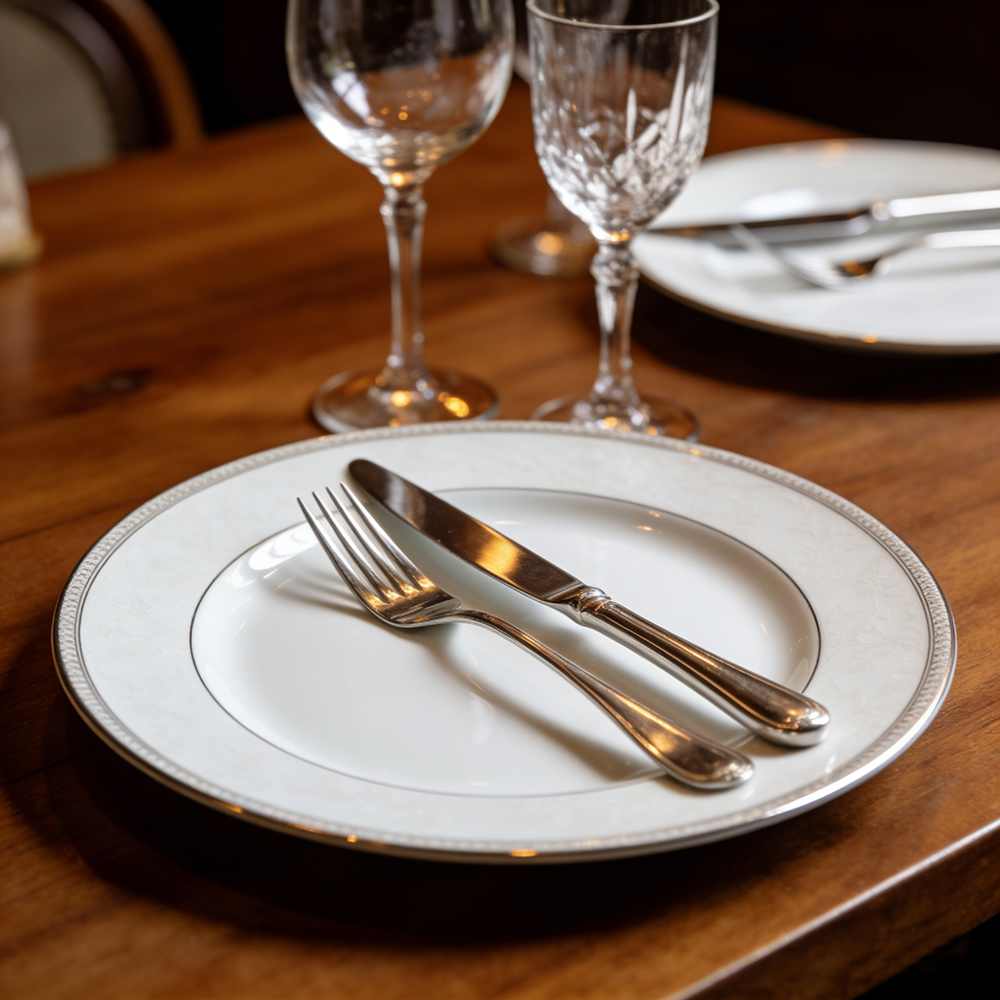
Choosing restaurant dinnerware sounds simple until you’re faced with dozens of plates that look similar but behave very differently once service starts. Some feel heavier in the hand. Others chip sooner. A few hold up through years of washing and stacking, while others quietly raise replacement costs over time. Restaurant dinnerware isn’t just about appearance. It affects service speed, staff handling, durability, and how guests perceive your food. Materials matter more than most buyers expect. This guide breaks down the most common restaurant dinnerware materials, how they perform in the kitchen, and which options make sense for different concepts, volumes, and budgets, so that you can choose with clarity. Restaurant Dinnerware Materials (What You’re Really Choosing) Restaurant dinnerware decisions rarely fail because of looks. They fail when plates chip too quickly, the stack feels heavy during service, or replacement drains the budget. Before looking at shapes or finishes, it helps to understand the core materials used in commercial kitchens. Each material sorts a different operational problem. Some favor elegance. Some favor speed. Others protect margins and high-volume dining rooms. Below is a clear breakdown from premium to purely practical. Material Best For Average Cost Durability Heat Resistance Aesthetic Bone China Fine dining, luxury hotels Premium Highest Excellent Elegant Porcelain Upscale casual to fine dining Mid-high Very high Very good Modern/ classic Stoneware Casual, farm-to-table Mid High Good Rustic Melamine High-volume casual, buffets Budget Medium Limited Functional Earthenware Specialty or themed concepts Mid-low Medium Poor Artisanal Bone China At first glance, bone china looks like the kind of plate you’d be afraid to touch. It is thin and pale, almost too polished. Then the service starts, and it surprises people. Bone china is made by blending bone ash into fine clay before firing. What that does in practical terms is give the plate strength without bulk. You pick it up expecting weight, and it is lighter than your porcelain stack. That moment matters a lot more in the restaurants than you think. In a busy dinner service, servers balance four plates at once, move fast, clear tables, and restack racks. A lighter plate means less strain over a long shift and more control when hands are full. Managers notice another thing over time. When plates meet at the rim during stacking, bone china forgives those knocks better than its delicate look suggests. That’s why bone china is used where service is controlled and presentation matters. Fine dining rooms, tasting menus, and hotel restaurants are where the plates circulate daily, but chaos isn’t the norm. These kitchens care more about consistency, calm pacing, and tableware that still looks right after years of use. Bone china works there as long as the team isn’t pushing extreme volume or rushing every movement. When Bone China Is the Right Choice Fine dining restaurants with controlled service flow Five-star hotel dining rooms and luxury hospitality settings Tasting menus, prix fixe, and multi-course formats Special event venues where presentation matters Restaurants serving 60 to 200 covers per service Concepts where staff are trained to handle dinnerware with care Porcelain Porcelain is the dinnerware that many restaurant teams trust without thinking twice. It comes from finely refined clay fired at very high heat, which creates a dense, smooth surface that stays bright and clean through years of service. That firing process is what gives porcelain its crisp white look and reliable strength. In daily restaurant use, porcelain proves itself by staying low-maintenance. It’s easy to handle all the way from the prep to the dishwasher without needing special handling. Chefs appreciate how food colors stand out clearly against the surface, and managers appreciate that porcelain is easy to reorder and match when pieces need expanding. Porcelain also adapts well as menus evolve. You can change plating styles, portion sizes, or visual direction without changing materials. The plate stays neutral while the food does the talking. The main drawback shows up at the rim. The edges are so thin that they chip during rush stacking or clearing. Even so, porcelain remains the most widely used ceramic in professional kitchens because it performs consistently across concepts, volumes, and service styles. When Porcelain Is the Right Choice Upscale, casual, and contemporary dining concepts Restaurants serving 120 to 300 covers per service Operations with rotating staff or fast-paced service Kitchens that value consistency over delicate handling Concepts that refresh plating or menu styles regularly Restaurant looking for a balance between durability and cost Dining rooms that prefer a clean, modern presentation Stoneware Stoneware starts with natural clay mixed with sand minerals. That’s why the plates feel thicker and more substantial. When you lift a stoneware plate, the weight is noticeable in a good way. It feels steady and grounded. The surface usually isn’t perfectly uniform either. You’ll see gentle texture, soft color changes, or reactive glazes that give each piece its own character. In restaurant settings, stoneware fits places where mood matters as much as durability. Farm-to-table dining rooms, neighborhood bistros, and regional kitchens lean towards it because it feels relaxed and intentional. Guests register it the moment the plate hits the table. Even before the food, the plate sets expectations. For chefs, that warmth works well with shared dishes, rustic plating, and menus built around comfort and familiarity. Operationally, stoneware handles daily service well, but it does not enjoy sudden temperature changes or aggressive disc cycles. When Stoneware Is the Right Choice Casual dining rooms and farm-to-table restaurants Concepts centred on regional, artisanal, or seasonal cooking Menus built around shared plates and relaxed presentation Dining rooms serving around 80 to 200 covers per service Brands that lean into texture, warmth, and visual depth Teams comfortable with natural variation between pieces Kitchens with the steady handling and controlled dishwashing routines Melamine Melamine isn’t ceramic. It’s a molded resin built for restaurants where speed, volume, and break resistance matter most. Pick up a melamine plate, and it feels light. Drop it, and it stays intact. That’s why it is commonly used in
Bone China vs Porcelain Dinnerware: Which Should Hotels Choose?
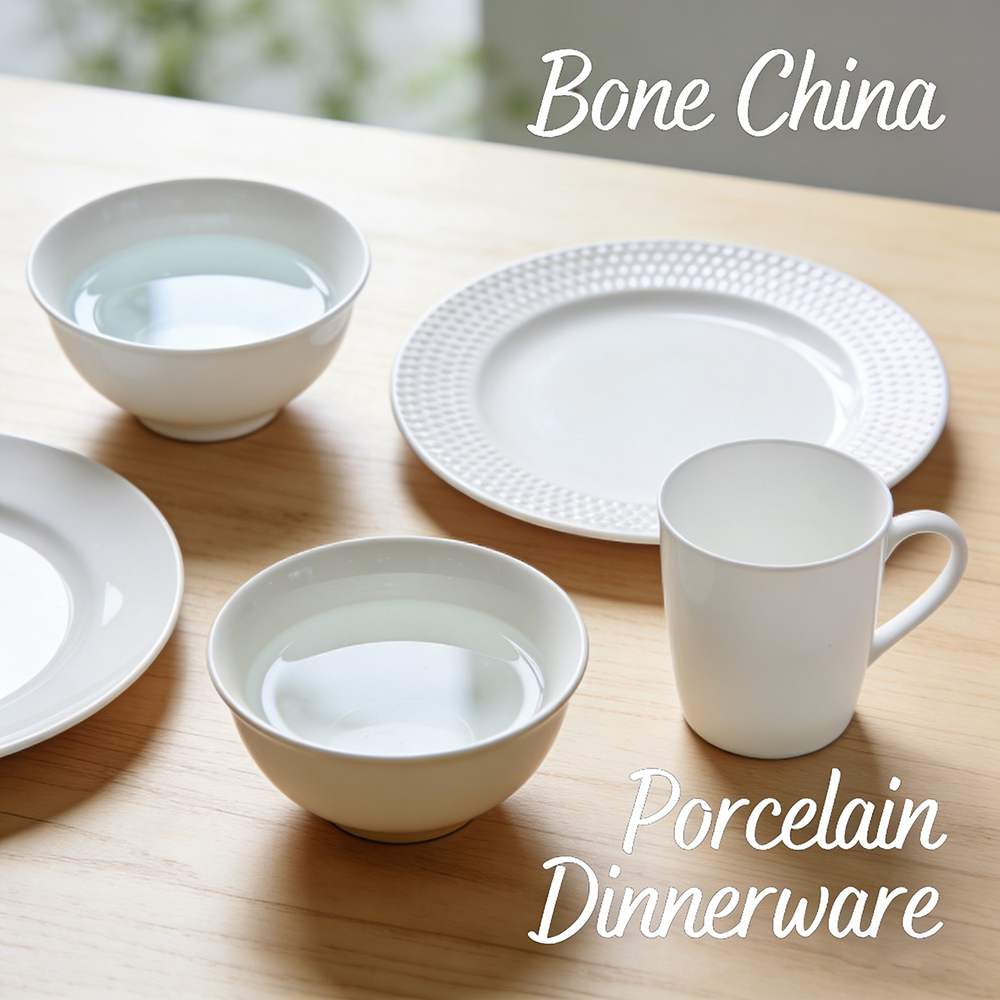
You’ve probably run into this moment while sourcing dinnerware for your hotel or restaurant. One is bone china. The other is porcelain. They look almost identical. Yet the price is different. The weight feels different, and suppliers keep telling you different stories. Both materials sit under the ceramic dinnerware umbrella, but they behave very differently once service begins. What matters is how they handle daily washing, fast-paced service, stacking, and years of use. Bone china dinnerware is known for being lighter and surprisingly strong. Porcelain is valued for its clean look, consistency, and cost efficiency. One may suit fine dining hotels. The other may fit high-volume or casual upscale concepts better. So, which should your hotel choose? This guide breaks down the differences that actually affect operations, durability, cost, and guest experience so you can make a practical buying decision. Bone China vs Porcelain Dinnerware: What’s the Difference? Identical white plates and almost the same price tags make you pause. But once you start using them day after day, you quickly notice differences. They’re made differently, and that affects how they perform in hotel service. That difference matters a lot in hotel operations. What Is Bone China? Bone china looks delicate, but it is built for strength. Pick up a plate, and it feels lighter than expected. It is not flimsy but just lighter. That comes from bone ash mixed into the clay. It changes how the plate sets when fired, letting dinnerware manufacturers keep the walls thin without losing strength. This material was developed in England in the 1700s when makers wanted something refined but tougher than traditional porcelain. The result was a refined material that handled busy dining rooms better, stacked more safely, and chipped less at the edges. That’s why many luxury hotels still rely on it today. It carries a soft white tone, feels comfortable in the hand, and survives repeated service without looking worn out. What Is Porcelain? Porcelain is made from very fine clay and fired at extremely high temperatures. The heat turns it dense and smooth, almost glass-like. That’s where the clean white color comes from. Porcelain was perfected in China long before it reached Europe, and when it did, it became a status symbol. It looked precise, graceful, and formal. In a hospitality setting, porcelain is a better option for presentation, as plates look consistent, and the colors stay sharp. The surface stays smooth after years of washing. It feels slightly heavier than bone china and doesn’t flex much, which some operators prefer for plating control. Physical Characteristics: Bone China vs. Porcelain Both are durable, but they achieve it differently, through different compositions, weight, and the way they handle daily service. Take a quick look at the physical characteristics of bone china vs porcelain to better understand their texture, feel, strength, and composition. Physical Characteristic Bone China Porcelain Appearance Creamy white to warm ivory tone, softer visual finish Bright white, crisp and clean; black options available for modern designs Translucency Noticeable warm glow when held to light, even at normal thickness Minimal translucency unless thin Weight Lighter in hand despite high strength Generally heavier than bone china at similar sizes; feels more rigid Thickness Thin walls made possible by the added strength from bone ash Can be produced thin, but durability depends heavily on formulation and design Texture Smooth, refined surface with a soft, glass-like feel Smooth, polished, glass-like finish Porosity Fully non-porous when properly fired Fully non-porous when properly fired Color Consistency Slight natural variation between batches Highly uniform color across batches Finishing Options Accepts logos, decals, and decorative finishes cleanly Supports logos, decals, and decorative finishes Visual Impression Warm, refined, understated luxury Sharp, formal, high-contrast presentation Dining Association Premium hospitality and fine dining service Fine dining and formal table settings Hospitality-Specific Durability and Performance In a hotel or restaurant, dinnerware does not live a gentle life. There is constant handling of plates, the racks stack high, and the dishwasher is run hot. Here’s how each material holds up when volume is high and breakage becomes expensive. Durability in High-Volume Use If your dining room serves hundreds of covers a day, durability becomes a very important aspect to consider when investing in dinnerware. Bone china dinnerware is a better option in commercial settings because its structure resists edge damage. The material has a bit of flexibility, which helps it survive bumps during service and repeated handling. This is why many fine dining hotels lean towards bone china for long-term use. Porcelain is also a reliable option. However, thinner rims are more vulnerable when plates knock against each other during stacking or clearing. Over time, you’ll notice small chips that add up across a full service set. Hospitality supply studies report that bone china experiences lower replacement rates than porcelain in restaurant environments, which is largely due to reduced chipping during service and washing cycles. Dishwasher Safety and Heat Cycles Commercial dishwashers are tough environments for dinnerware. High heat, fast washing cycles, and constant pressure separate durable dinnerware from fragile stock. Both bone china and porcelain are dishwasher safe when manufactured to commercial standards. The difference only shows up over time. Bone china handles repeated heat exposure more comfortably that helps it to stay stable through hundreds of wash cycles. Like any ceramic, porcelain can crack under sudden temperature changes (thermal shock), especially in thinner or stressed pieces when moving straight from a hot oven to a cold prep surface. In busy kitchens, these transitions happen quickly, which raises the risk of stress cracks. For operations serving hundreds of covers per service, this heat tolerance directly affects replacement costs. Stain and Odor Resistance From tomato sauces to citrus dressing, restaurant food challenges dinnerware every day. Both are fully vitrified and non-porous, which means neither absorbs odors nor stains under normal conditions. However, you should know that bone china tends to keep its surface appearance cleaner over service cycles, even with acidic foods appearing frequently on the menu. And while porcelain remains highly resistant, minor
Custom Dinnerware: Ways to Print Your Logo on Plates
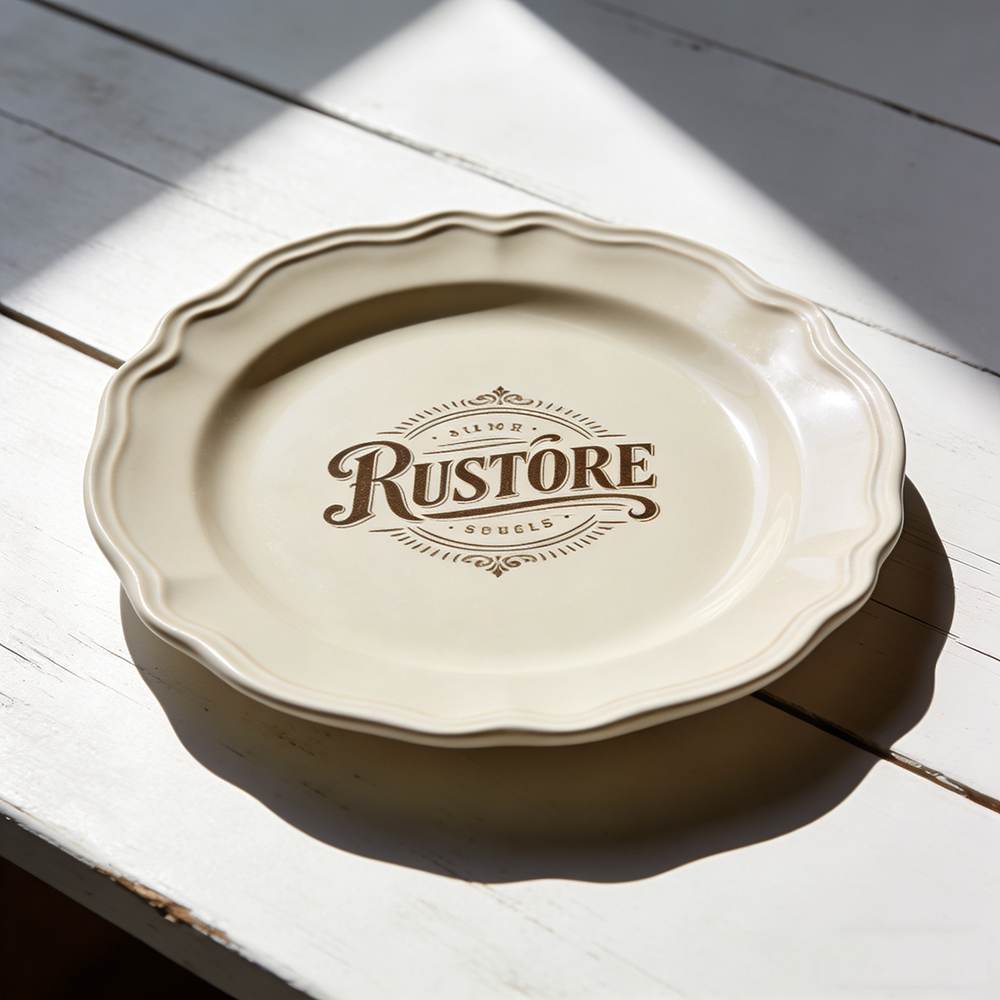
Custom dinnerware has become more than a decorative choice—it’s now a powerful branding tool for restaurants, hotels, cafés, and corporate events. From fine-dining establishments to boutique coffee shops, more businesses are choosing custom printed plates to reinforce brand identity and elevate the dining experience. But how exactly is a logo printed on a plate? And which printing method is right for your use case? In this guide, we’ll break down the most common and reliable ways to print on plates, explain their pros and limitations, and help you choose the best solution for long-term use, durability, and visual impact. What Is Custom Dinnerware? Custom dinnerware refers to plates, bowls, cups, and serving pieces that are personalized with logos, patterns, text, or artwork. Customization can be subtle—such as a small logo at the rim—or bold, covering the entire surface with branded visuals. In professional settings, custom printed plates are commonly used by: Hotels and resorts Restaurants and café chains Catering companies Corporate gifting programs Event planners and wedding venues Because dinnerware is directly handled and seen by guests, it offers repeated brand exposure in a way that menus or packaging often can’t. Why Print a Logo on Plates? Printing a logo on plates is not just about aesthetics—it’s strategic. ♦ Brand Recognition A logo plate reinforces brand identity every time food is served. Over time, this visual consistency strengthens customer recall. ♦ Professional Image Custom printed plates signal attention to detail, which guests often associate with higher food quality and service standards. ♦ Differentiation In competitive markets, custom dinnerware helps businesses stand out visually—especially in social media photos and reviews. According to hospitality branding studies, consistent visual identity across touchpoints improves brand trust and perceived value. Ways to Print on Plates There are several established techniques for printing logos and designs on ceramic plates. Each method differs in durability, cost, and visual effect. 1. Underglaze Printing (Most Durable Method) How It Works The design is printed directly onto the unfired ceramic body or bisque ware. A transparent glaze is then applied over the design, and the piece is fired at high temperature (typically above 1200°C). The result: the logo becomes sealed under the glaze, permanently fused into the plate. Key Advantages Extremely durable Dishwasher-safe Microwave-safe (no metallic inks) Ideal for restaurants and hotels Limitations Limited color vibrancy compared to decals Best for logos, simple patterns, and line art Best For: High-volume custom dinnerware projects for hospitality and foodservice. 2. Overglaze Decal Printing (Most Common for Logos) How It Works The logo is printed on special ceramic decal paper and applied on top of the glazed surface. The plate is then fired again at a lower temperature (typically 750–850°C) to bond the decal to the glaze. Key Advantages Rich colors and fine details Suitable for complex logos and gradients Cost-effective for medium runs Limitations Slightly less durable than underglaze Gold or metallic decals may limit microwave use Best For: Restaurants, cafés, and brands prioritizing logo clarity and color accuracy. 3. Hand-Painting (Artisan & Premium Look) How It Works Skilled artisans paint logos or motifs by hand using ceramic pigments, either under or over the glaze. Each piece is individually finished. Key Advantages Unique, handcrafted feel Ideal for artistic or heritage brands High perceived value Limitations Higher cost Less consistency across large batches Best For: Boutique restaurants, luxury hotels, limited editions, and display pieces. 4. Digital Ceramic Printing (Modern & Flexible) How It Works Special ceramic inkjet printers apply designs directly to the ceramic surface. Depending on the system, the print may be underglaze or overglaze, followed by firing. Key Advantages High-resolution images Photo-quality prints Suitable for small batches and prototypes Limitations Higher unit cost Durability depends on firing method Best For: Short runs, seasonal promotions, test designs. 5. Engraving & Embossing (No Ink Required) How It Works Instead of printing, the logo is molded, embossed, or engraved into the plate surface during forming. Key Advantages Permanent, no fading Subtle and elegant Fully microwave and dishwasher safe Limitations No color Requires custom molds Best For: Luxury branding, minimalist design aesthetics. Choosing the Right Printing Method Here’s a quick comparison to help decision-making: Method Durability Color Detail Cost Best Use Underglaze ⭐⭐⭐⭐⭐ ⭐⭐⭐ Medium Hotels, restaurants Overglaze decal ⭐⭐⭐⭐ ⭐⭐⭐⭐ Medium Logos, branding Hand-painted ⭐⭐⭐⭐ ⭐⭐⭐ High Luxury, limited Digital print ⭐⭐⭐ ⭐⭐⭐⭐⭐ Medium-High Short runs Embossed ⭐⭐⭐⭐⭐ N/A High Premium branding Food Safety & Compliance All ceramic printing methods used for tableware must comply with food safety regulations, particularly limits on lead and cadmium release. According to Wikipedia’s overview of ceramic glazes, modern food-safe ceramics rely on stable pigments and controlled firing to prevent harmful leaching.Source: Professional manufacturers test printed plates to meet FDA (U.S.) and EU food contact standards. Final Thoughts Printing a logo on plates transforms ordinary tableware into a brand asset. Whether you choose underglaze durability, overglaze color richness, or handcrafted artistry, the right method depends on how the plates will be used—and how long you expect them to last. When done correctly, custom printed plates don’t just carry food—they carry your brand story to every guest at the table. If you’re exploring long-term branding solutions, working with experienced manufacturers who specialize in custom dinnerware ensures that design, durability, and compliance all align with your business goals.

Stoneware VS. Porcelain Dinnerware: Complete Buyer’s Guide
You’ve probably stood in a home store holding two beautiful plates, one stoneware, one porcelain, and wondered why they look the same but feel completely different. Both fall under the big family of ceramic dinnerware, yet their behavior on your table, in your hands, and in your kitchen couldn’t be more distinct. Porcelain is technically a type of ceramic, but it has a refined structure that gives it a personality that sets it apart from the rest of the ceramic pieces. Stoneware has more weight, while porcelain has finesse and strength. So which one deserves a place in your kitchen? Let’s break it down into every possible difference in a way that helps you choose the best dinnerware. Stoneware vs Porcelain: What’s the Difference? Most people use both without realizing they come from very different clay firing methods and histories. Stoneware brings weight while porcelain brings refinement and precision. What Is Stoneware? Think of stoneware as the “comfort food” of the dinnerware world. It starts with a sturdy clay body mixed with sand minerals that give it weight and a personality. The clay goes into hot kilns, hot enough to bake a pizza, until the surface hardens into a strong ceramic frame. Stoneware holds a tiny bit of moisture inside the clay body, which is why you’ll feel that the plate has a solid touch and it’s more grounded when you pick it up. That dense feel is all about stoneware’s charm. It has a long global history, too, actually. Ancient Chinese makers shaped early forms of stoneware, and European artisans later turned it into everyday tableware for homes, dining inns, and bakeries. Now, those very vintage dishes today with earthy dinnerware look strong and reliable on our dinner tables as they’re built for everyday use. What Is Porcelain? Porcelain is the polished cousin in the ceramic family. It starts with kaolin clay, a very fine and very smooth clay with a mix of minerals that melt together during the firing process. The result is a ceramic body with a glass-like shine. When held to the light, thin porcelain even glows slightly at the edges. Ancient Chinese makers perfected this formula thousands of years ago, and the world admired it so much that “China” became a universal nickname. European workshops spent centuries trying to re-create it, which only added to its name. Now porcelain has become a favorite in fine dining because it stays bright, clean, and elegant. And it also feels light in the hand, but the structure underneath is tougher than people expect. This balance of beauty and strength suits both modern homes and luxury hospitality. Physical Characteristics: Stoneware vs. Porcelain Here’s a quick breakdown of the physical characteristics of stoneware vs porcelain. Physical Characteristic Stoneware Porcelain Color Earthy palettes (brown, greys, blacks, creams) Bright white, off-white, or fine black options Texture Slightly coarse, organic, handcrafted feel Smooth, fine-grain, glass-like finish Weight Solid and substantial Light and refined Finish Matte, gloss, speckled, or reactive glazes Glossy; edges may show translucence Glazing Bases often unglazed Fully glazed, including the base Thickness Sturdy, thicker profiles Durable even at thin profiles Aesthetic Warm, rustic, casual Elegant, formal, minimal The Kitchen Test: Stoneware vs Porcelain You pull a dish from the cabinet, and before the food even touches the plate, your brain asks you, Why is this one heavier, and keeps the pasta warmer. That tiny questioning moment is why we explore this section. Stoneware and porcelain behave very differently, especially when the kitchen is involved. Heat Retention and Cooking Performance We’re looking into heat retention because you want to know which one actually helps your food stay warm and suits your cooking routine. Stoneware is like it was built for winter comfort food. Once warm, it keeps soups, pasta, curries, and baked dishes cozy on the table. The thicker wall spreads heat evenly, so casseroles and roasted vegetables stay at the right temperature once they’re plated. It’s reliable, predictable, and a good choice if you bake or reheat meals. Porcelain, on the other hand, is a little more refined. It heats up slowly and cools quickly, which surprises people who expected it to behave like stoneware. Its clay composition still allows even heat distribution, but porcelain suits dishes where temperature balance matters more than heat retention for foods like pastries, desserts, and other delicacies. One more thing, so if you like oven-to-table moments, stoneware is a better choice. Porcelain is more of a plating choice here. Microwave, Dishwasher, and Oven Safety We are drawing this comparison because nobody wants dinner where that turns into kitchen drama, so here’s a safe use breakdown. Stoneware works well in a microwave unless there’s metallic decoration. It handles the dishwasher, although the glazes may darken with long-term cycles. It does well in the oven and is a favorite for reheating baked dishes. Just keep the temperature changes gentle. Stoneware likes slow warm-ups, not abrupt transitions from cold to hot. Porcelain stays microwave-friendly, but again, you need to avoid metallic accents. It glides through dishwashers without losing color or sheen. Oven use is also allowed with the manufacturer’s guidelines, so it’s important that you read them and get the high-quality porcelain dinnerware. Porcelain reacts more sharply to temperature jumps, so letting it adjust gradually helps protect it from stress cracks. One more reminder is that you should always check the base stamp or brand notes. Kitchen safety is piece-specific. Aesthetic and Styling Differences Dinnerware sets the mood before the meal even starts. The right plating, aesthetics, and styling differences are important. Stoneware brings a cozy, rustic personality. Earth tones, speckled glazes, and natural textures make it perfect for casual dining, family tables, and farmhouse or boho themes. Every piece carries tiny variations, especially in reactive places, giving your table a charming character, and it also plays well with wood and other natural materials. Porcelain delivers a clean polish. Bright white surfaces, a smooth texture, and a refined finish give your table a classic, formal look.

The Best Wedding Dinnerware: Top 10 Picks of Brett
Your wedding day is a celebration filled with unforgettable moments—and every detail matters, especially the table setting. From the first toast to the last bite of wedding cake, dinnerware helps shape the atmosphere of your event. Elegant, thoughtfully chosen wedding dinnerware can elevate your reception and leave a lasting impression on guests. In this guide, we present the Top 10 wedding dinnerware picks from Brett, carefully selected for their design, craftsmanship, and occasion-ready appeal. From classic bone china plates with gilded accents to vibrant tropical patterns and artistic hand-painted sets, these collections offer a range of styles suited for traditional ceremonies, luxury banquets, and intimate weddings alike. Why Choose Special Wedding Dinnerware? Wedding dinnerware isn’t just functional—it’s symbolic and aesthetic. According to etiquette traditions, fine china and coordinated table settings have long been associated with formal celebrations and family heritage. In some cultures, giving wedding china as a gift symbolizes a wish for prosperity and togetherness. Choosing the right set means balancing beauty, durability, and presentation at your reception. Top 10 Wedding Dinnerware Picks from Brett Here are Brett’s standout dinnerware collections ideal for weddings: 1. Black, White and Gold Bone China Dinnerware (Marble Pattern) This striking set combines monochrome marble veining with refined gold accents, creating a modern yet luxurious look. The contrast of matte black and crisp white, complemented by gold trims, makes it perfect for black-tie weddings or contemporary celebrations. Its bone china base offers lightness and strength, ensuring both beauty and performance. Style Notes: Modern luxury, high-contrast design, perfect for upscale dinners. 2. Black and White Bone China Dinner Plate Set with Gold Trimmings Elegant and timeless, this black-and-white dinnerware set features gold trimming that accentuates its refined edge. Ideal for monochrome themes or weddings with a chic modern palette, the set balances minimalism with a touch of glamour. Style Notes: Classic elegance with a contemporary twist. 3. Elegant White Bone China Dinner Plate with Gilded Wavy Edge This pure white bone china dinner plate carries a gently undulating gold wave at the edge, giving it a refined romantic aesthetic. It’s a perfect choice for traditional wedding receptions and anniversary celebrations. Style Notes: Subtle luxury; pairs beautifully with soft linens and floral centerpieces. 4. Wedding Charger Plate – Retro Fine Bone China Blue Pattern Inspired by vintage motifs, this blue patterned charger plate captures the timeless charm of classic European porcelain. The deep blue motif contrasts with pure white bone china, giving a refined backdrop for plated courses. Style Notes: Vintage-inspired elegance; ideal for garden weddings or heritage events. 5. Tropical Plants Pattern Bone China Crockery Set For weddings set in tropical locations or outdoor garden venues, this vibrant set blends contemporary design with botanical flair. Rich greens and tropical motifs create a lively yet tasteful palette. Style Notes: Nature-inspired, perfect for outdoor and destination weddings. 6. Bird, Floral and Leaves Bone China Dinnerware Set This artistic set features delicate hand-drawn illustrations of birds, leaves, and florals—almost like nature sketches. Its soft white and brown tones add an organic warmth that fits both rustic ceremonies and elegant evening celebrations. Style Notes: Artistic, nature-themed, adds visual storytelling to each course. 7. Brown Artistic Hand-Painted Floral Bone China Plate Set Hand-painted designs bring each plate to life with intricate floral patterns and rich color depth. This dinnerware is an excellent match for weddings with a vintage, artistic or bohemian theme. Style Notes: Truly unique, handcrafted charm with artistic flair. 8. Black and White Modern Luxury Bone China Wedding Dinnerware For couples who love minimalism with a bold twist, this modern set merges clean monochrome styling with premium craftsmanship. Its sleek design integrates effortlessly into both contemporary and formal wedding settings. Style Notes: Minimalist luxury with strong visual impact. 9. Corelle-Style Tableware Dinnerware Set This versatile dinnerware set blends practicality with style. While not bone china, its lightweight and break-resistant material makes it a smart choice for rehearsal dinners, welcome dinners, or bridal brunches where durability and ease of use are priorities. Style Notes: Everyday elegance; ideal for pre-wedding events or casual receptions. 10. European Dinnerware Sets with Gold Trim This collection embodies classic European elegance with refined gold rims and smooth porcelain surfaces. The understated luxury aesthetic works well for high-end wedding receptions, hotel banquets, and fine dining menus. Style Notes: Classic luxury; timeless and widely appealing. Tips for Choosing the Right Wedding Dinnerware Selecting dinnerware for your wedding goes beyond looks. Here are a few practical considerations: Match Your Theme Romantic & classic → ◎ Elegant white china with gold accents Outdoor or tropical → ◎ Bold pattern sets with botanical elements Modern minimalism → ◎ Monochrome black & white collections Consider Functionality For large banquets or events, durability and stackability matter. Ceramic and bone china offer elegance with strength, while lighter materials may be better suited for casual affairs. Coordinate with Table Linens and Centerpieces Dinnerware works in harmony with tablecloths, floral arrangements, and flatware. A cohesive color palette enhances guest experience and makes photos pop. Why Bone China and Porcelain Are Ideal for Weddings Bone china and porcelain are favored materials for high-end dinnerware because they combine: Lightweight strength Refined translucence Premium visual appeal These materials often undergo precise high-temperature firing processes that result in low porosity and excellent durability, making them suitable not just for one night but for future anniversaries and heirloom use. Conclusion: Setting the Table for Memories Your wedding dinnerware sets the tone for an unforgettable shared meal—it’s not just about plates and bowls, but about the ambiance and memories that stem from beautiful presentation. Brett’s wedding dinnerware collections offer a blend of design excellence, material quality, and functional elegance, making them ideal choices for weddings of all styles, from intimate garden celebrations to grand banquets. Whether you want a timeless classic or a bold modern statement, there’s a Brett dinnerware set that can transform your reception into a picture-perfect experience.

What is HoReCa? And the Role of Ceramic Dinnerware in It
HoReCa—short for Hotels, Restaurants, and Cafés (or Catering)—is the shorthand the hospitality and foodservice world uses to describe the professional channel that serves meals, drinks and accommodation. It’s a practical label, but behind the three letters lies an enormous global industry: consumer-facing, trend-driven, operationally intense, and a major engine of economic activity. 1. What Does HoReCa Mean? HoReCa groups together businesses whose primary activity is serving food, drink and/or accommodation to guests. That includes: Hotels and resorts (room service, banquet halls, in-house restaurants) Restaurants of every stripe (fine dining, casual, fast-casual, chains) Cafés, coffee shops, bakeries and small F&B outlets Catering and contract foodservice (events, corporate catering, institutional foodservice) The term is used by suppliers, manufacturers, distributors and consultants to differentiate professional foodservice demand from consumer retail (grocery, e-commerce). Thinking in HoReCa terms shifts the buyer’s priorities: volume, durability, replacement cycles, wash-ability, and consistent aesthetics matter far more than in the single-family consumer market. 2. Why Is the HoReCa Sector So Important? HoReCa is huge — and it matters to the global economy in multiple ways: revenue generation, jobs, cross-border tourism spillovers, and the supply chain for food, equipment and tableware. A few recent, reliable data points that show scale and momentum: The global foodservice / HoReCa market was roughly $3.1 trillion in 2023–2024, and major industry analysts (Grand View Research / IMARC / Business Research Company) project continued growth in the coming years. This figure covers restaurants, catering and related foodservice sales worldwide.(Source: https://www.grandviewresearch.com/) The broader travel & tourism sector—of which HoReCa is a core component—contributed about US$10.9 trillion to the global economy in 2024, supporting hundreds of millions of jobs; WTTC’s economic impact research highlights how travel recovery and rising visitor spending feed hotel and restaurant demand worldwide. In short: when tourism grows, HoReCa grows with it. (Source: https://www.thebusinessresearchcompany.com/) Why those numbers matter to suppliers and tableware makers: HoReCa buys at scale, cycles stock frequently (breakage, refreshes, menu rebrands), and spends on specialized products (hotel china, banquet sets, heavy-duty stoneware). For manufacturers and exporters, HoReCa is often a more stable, predictable revenue stream than retail—especially for companies that can meet certification, durability and supply lead-time requirements. 3. Who Are the Major Players in the HoReCa Supply Chain? HoReCa doesn’t function in isolation—its performance depends on a wide chain of suppliers and partners: Hotels, restaurants and caterers(the end buyers). They set product specs: stackability, kiln-fired strength, glaze compatibility with dishwashers, color and logo options. Large distributors and foodservice wholesalers(Sysco, US Foods, Compass, etc.), which aggregate demand and supply restaurants and institutions at scale. These players often control what products restaurants actually receive and rapidly change ordering behavior. Tableware manufacturers and specialist makers (porcelain, bone china, stoneware factories), who design product families specifically for HoReCa’s heavy usage patterns. Third-party logistics and importers, because many HoReCa buyers prefer consolidated sourcing and shorter lead times. Designers and culinary consultants, who influence trends and product selection through presentation techniques and plating preferences. Understanding this chain helps explain why ceramic dinnerware makers must deliver not just beautiful designs but tested durability, consistent color batches, and reliable delivery schedules. 4. Why Ceramic Dinnerware Matters in HoReCa Ceramic dinnerware is the most common and influential category of tableware in HoReCa—and for good reasons that span taste, performance and culture. 4.1 Practical performance Professional porcelain, stoneware and bone china are fired at high temperatures to become vitrified and low-porosity. That translates into better chip resistance, dishwasher resilience, low water absorption, and consistent heat retention—all critical in a fast-paced kitchen and busy service environment. Chefs and M&E managers care about plates that survive repeated wash cycles and look the same dish after dish. 4.2 Presentation and branding Ceramics are the canvas for a dish. Chefs and restaurateurs use plate shape, finish (matte vs. gloss), rim width, and color to frame food and reinforce the restaurant’s identity. Custom glazes, logos, and signature shapes become part of the brand experience. 4.3 Timeless cultural role Porcelain and ceramics carry centuries of cultural value. As Robert Finlay argues in “The Pilgrim Art: Cultures of Porcelain in World History”, porcelain shaped global taste, trade routes, and artistic exchange—porcelain’s status as both functional object and cultural symbol has deep historical roots. That historical weight makes ceramic dinnerware more than just functional; it’s a storytelling tool that connects a guest’s meal to a longer heritage of craft and style. Quoting that scholarship helps explain why ceramics never go out of fashion in HoReCa settings. 5. Advantages of Ceramic Dinnerware for the HoReCa Industry Here’s a practical breakdown of how ceramic dinnerware supports HoReCa operations and strategy: Durability and cost-efficiency: High-fire porcelains and vitrified stonewares resist chipping and thermal shock better than earthenware. Less breakage = lower replacement costs and fewer supply headaches. Heat retention and service quality:Ceramic holds heat, helping dishes arrive at the right temperature—important for guest satisfaction and perceived food quality. Hygiene and compliance:Low porosity means fewer food residues and better sanitation. Reputable manufacturers also provide lead/cadmium testing and compliance documentation required in many markets. Aesthetic flexibility: From rustic hand-thrown stoneware to thin, translucent bone china, ceramics can match any culinary concept. They allow chefs to “frame” food the way photographers and food critics prefer, which matters for social sharing and PR. Custom branding:Ceramics accept underglaze/overglaze logos, rim colors, and bespoke shapes—so hotels can present a unified brand experience across outlets and events. Sustainability potential:Well-made ceramics last longer than many alternatives, and some factories now use lower-impact glazes and eco-efficient kilns—important as HoReCa buyers adopt sustainability policies. Final Thoughts HoReCa is more than a market category—it’s a global ecosystem that connects tourism, dining, design and manufacturing. Recent market data show the sector’s size and resilience: billions in annual turnover, strong employment impact, and steady growth tied to travel and consumer confidence. For suppliers, that means opportunity—if you can meet the HoReCa bar for durability, delivery, compliance and design. Ceramic dinnerware sits at the intersection of function and storytelling for HoReCa. It keeps food hot, survives the wash line, and communicates brand

Top 10 Chinaware Brands Recommended
If you’ve ever looked for high-quality tableware—whether for your home, a restaurant, or a hotel project—you’ve likely noticed how many options there are. However, when people seek a dependable chinaware brand, they usually want one of two things: reliable quality and timeless design. To assist you in navigating the market, we have put together a carefully researched list of the Top 10 Chinaware Brands—brands globally recognized for their craftsmanship, heritage, and performance. These selections are based on industry reputation, design impact, material quality, and suitability for both domestic and professional use. If you’re also interested in the U.S. market, consider checking out our detailed guide: “Top 10 Porcelain Dinnerware Brands in the US.” Now, let’s get started. 1. Wedgwood (UK) Website: https://www.wedgwood.com/ Few brands are as closely associated with fine chinaware as Wedgwood. Founded in 1759, Wedgwood epitomizes the finest English ceramic tradition—featuring clean lines, elegant patterns, and unmistakable sophistication. Why It’s Notable: Renowned bone china craftsmanship Iconic Jasperware collections Rich heritage and royal connections Ideal For: Collectors, luxury dining settings, and fans of English-style interiors. 2. Royal Doulton (UK) Website: https://www.royaldoulton.com/ Royal Doulton combines tradition with a contemporary flair. Known for its English roots and bone china, the brand also offers accessible designs suitable for everyday use. Why It’s Notable: Modern, warm, and versatile designs Affordable luxury for homes and restaurants Collaborations with modern designers Ideal For: Homeowners seeking stylish yet durable everyday chinaware. 3. Noritake (Japan) Website: https://noritakechina.com/ Founded in 1904, Noritake is Japan’s most internationally acclaimed porcelain maker. Famous for its thin, translucent porcelain and meticulous craftsmanship, Noritake is widely favored in upscale hotels and restaurants. Why It’s Notable: Premium Japanese porcelain and bone china High durability suited for hospitality environments Clean, modern, and refined aesthetics Ideal For: Hotels, restaurants, and those who value Japanese craftsmanship. 4. Lenox (USA) Website: https://www.lenox.com/ Lenox is one of America’s most cherished chinaware brands, boasting over 100 years of history and a reputation for warm, inviting designs. Their range includes casual dinnerware and premium bone china, blending approachability with elegance. Why It’s Notable: Former White House supplier Designs that feel intimate and homey Durable collections perfect for daily use Ideal For: Families, gift buyers, and admirers of warm American style. 5. Villeroy & Boch (Germany) Website: https://www.villeroy-boch.com/ A leading name in European ceramics, Villeroy & Boch is known for combining German engineering with modern design. Their porcelain is highly durable, making it popular among luxury households and international hotels alike. Why It’s Notable: Commercial-grade durability Modern aesthetics paired with premium functionality Suitable for both home and hospitality settings Ideal For: Hotels, restaurants, and contemporary-style homes. 6. Rosenthal (Germany) Website: https://www.rosenthal.de/ Rosenthal is often regarded as the most artistic chinaware brand, especially appealing to design enthusiasts and collectors. Their partnerships with internationally acclaimed artists result in pieces that resemble contemporary sculptures more than traditional tableware. Why It’s Noteworthy: Art-inspired collections Premium porcelain suited for upscale dining Distinctive shapes and bold designs Ideal For: Designers, collectors, and luxury dining establishments. 7. Royal Copenhagen (Denmark) Website: https://www.royalcopenhagen.com/ Famous for its hand-painted blue floral patterns, Royal Copenhagen is among Europe’s oldest chinaware brands. Each item embodies Nordic minimalism paired with meticulous craftsmanship. Why It’s Noteworthy: Hand-painted artistry Unique Scandinavian design principles High-quality porcelain production since 1775 Ideal For: Admirers of Nordic style, fine craftsmanship, and timeless hand-painted pieces. 8. Spode (UK) Website: https://www.spode.com/ If you appreciate English heritage designs, Spode is a brand to know. Established in 1770, it gained fame for its blue-and-white Italian series and classic patterns. Why It’s Noteworthy: Traditional British designs Rich historical background Perfect for vintage or classic interior styles Ideal For: Homes with traditional English decor and collectors. 9. Royal Crown Derby (UK) Website: https://www.royalcrownderby.co.uk/ Considered one of the most luxurious brands listed, Royal Crown Derby produces chinaware that approaches collectible fine art. Their pieces often feature real gold, elaborate motifs, and exceptional craftsmanship, commonly used in luxury hotels and formal banquets. Why It’s Noteworthy: Genuine luxury chinaware Handcrafted using premium materials High value for collectors Ideal For: Luxury hotels, collectors, and upscale dining venues. 10. Dankotuwa Porcelain (Sri Lanka) Website: https://www.dankotuwa.com/ Dankotuwa is recognized globally in the HoReCa industry for offering high-quality porcelain at more affordable prices. Their designs are practical, elegant, and highly durable, making them ideal for large-scale hospitality use. Why It’s Noteworthy: Outstanding durability and heat resistance Budget-friendly pricing Widely adopted by hotels and catering services Ideal For: Restaurants, hotels, and cost-conscious buyers seeking quality. How to Choose the Right Chinaware Brand Selecting a chinaware brand isn’t just about beauty—it’s about matching the right material and design to your environment. Here’s a simple overview: Your Priority Recommended Brands English heritage Wedgwood, Royal Doulton, Spode Modern minimalism Villeroy & Boch, Rosenthal Artistic and unique Rosenthal Japanese craftsmanship Noritake Luxury and collectible Royal Crown Derby, Royal Copenhagen High durability Villeroy & Boch, Dankotuwa Warm American style Lenox This quick guide can help you narrow down your choices quickly depending on your usage scenario. Final Thoughts Whether you’re purchasing for hospitality, retail, or simply appreciate finely crafted tableware, the world of chinaware has something to suit every preference. These ten brands each contribute their unique heritage, craftsmanship, and style to the table—quite literally.

Why Is China Dinnerware Called “China”? The History Behind the Name
The term “china” has been used to describe fine, high-quality dinnerware and porcelain for century of years. But have you ever wondering why? Why is china dinnerware called china? Is it just because it made from China, or just a nickname, or does it have deeper historical roots? If you are interested in this question, then continue reading this article, let’s explore where is this term come from, and why is china dinnerware called china? 1. The Term “China” Comes Directly From Its Country of Origin That’s right, the most direct and important reason why porcelain is called “china” is because it originated in China. Just like champagne from Champagne or parmesan from Parma, the product was named after its place of origin. Archaeological evidence (cited from the “Cambridge Illustrated History of China”) indicates that China was the first place to produce porcelain, and by the Tang Dynasty (618-907 AD), Chinese craftsmen had already mastered the early techniques of high-temperature firing of porcelain. This skill was perfected during the Song and Ming dynasties, and for nearly 1800 years, China was the only place capable of producing true porcelain. Because porcelain originated in China, early European merchants simply referred to it as “china” when they brought it to Europe for trade. 2. The Word “China” Better Reflects the Value of Porcelain. In the early days, porcelain was a high-value luxury export commodity. When European merchants first saw these porcelain items, they considered them exotic, of exceptional quality, and a truly wondrous product. Furthermore, because Europe at the time lacked the technology to replicate porcelain, Chinese-made porcelain was considered a symbol of wealth by the nobility. According to the Wikipedia entry on porcelain, China dominated porcelain production and the global export market for centuries. Therefore, any item made of porcelain was referred to as “china,” not only indicating its origin but, more importantly, highlighting its preciousness and quality. 3. Out of Habit and Reverence Another reason why the term “china” has continued to be used is out of habit and reverence for Chinese porcelain culture. For centuries, European potters had been trying to replicate Chinese porcelain. Before Europe mastered kaolin clay and high-temperature firing techniques, local potters could only use inferior materials such as earthenware and soft-paste porcelain. Famous European ceramic centers today, such as Meissen (Germany), Sèvres (France), and Wedgwood (England), were all established after the discovery of kaolin deposits in Europe in the 18th century. Before that, all fine porcelain could only be obtained through import (mainly from China). Therefore, even after Europeans began producing their own porcelain, out of habit and reverence for Chinese culture, they continued to use the word “china” to refer to porcelain. 4. “China” Officially Becomes Synonymous With “Porcelain” By the 18th and 19th centuries, the word “china” entered everyday English vocabulary as a general term for porcelain tableware. In dictionaries of the time, including Samuel Johnson’s *Dictionary of the English Language*, “china” was defined as “fine porcelain, originally from China.” Since then, “china” has officially become synonymous with porcelain, receiving an official definition that has been used ever since. 5. “China” vs. “Porcelain”: Are They the Same? In modern usage, “porcelain” is more of the technical term and “china” is more of the cultural or traditional term. And yes, in most of the condition they still refer the same, and can be used as a replacement for each other. Especially in the catering industry, you can a porcelain dinnerware as china dinnerware, that make no difference. However, for some other types of porcelain products, you may encounter a small number of people who do not agree with the term “china.” Since they are refer the same, so porcelain dinnerware and china dinnerware share the same characteristics: Made from kaolin, feldspar, and quartz High-fired (1200–1400°C) Strong yet thin Translucent when held to light Resistant to thermal shock Low water absorption 6. “China” Also Represents Excellence Craftsmanship Besides being synonymous with porcelain, the word “China” also represents quality and craftsmanship in the minds of most of buyers. As the country with the longest history of porcelain production, China has had a profound influence on ceramics and is a representative of quality and craftsmanship in the industry. Therefore, the term “china” is associated with top-quality porcelain worldwide. Examples of top-quality Chinese porcelain include: Jingdezhen kilns Ming dynasty blue-and-white porcelain Qing dynasty famille-rose masterpieces These all represent the highest level of porcelain craftsmanship globally, setting a quality benchmark that other countries strive to emulate. In the ceramics industry, even exquisite porcelain produced elsewhere is often referred to as “china” to highlight its quality and superior craftsmanship. Summary: Why Is China Dinnerware Called “China”? Simply put, the reason why china dinnerware is called “China” is primarily because it originated in China. Therefore, it was given the name “china” by European merchants in the early days, and due to its long history and culture, as well as its superior quality and craftsmanship, the name has been continuously used as a synonym for high-quality porcelain.

Ceramic vs Pottery: What’s the Difference? Which Is Better for Dinnerware?
If you have experience purchasing clay products, you’ve probably heard many different terms during the purchasing process like ceramics, earthenware, stoneware, porcelain, and pottery. And you might wonder what the differences are between these terms. In our previous blog post, we discussed “The difference between ceramic and porcelain dinnerware”; you can check that out if you’re interested. Now, let’s turn our attention to ceramics and pottery and explore the differences between them. And which of them is better choice for dinnerware? 1. Is Pottery Considered Ceramic? (Short Answer: Yes) Before explaining the differences between ceramic and pottery, let’s address a common question: “Is pottery ceramics?” This is a question many people ask when encountering these two materials. According to authoritative ceramic science sources, including W. D. Kingery’s “Introduction to Ceramics” (a fundamental textbook in the field, which you can look up if you’re interested), ceramics refers to all inorganic, non-metallic solids formed and fired at high temperatures. Based on this definition, pottery is a subcategory of ceramics. In short: Ceramics = Broad category Pottery = A specific type within the ceramics family The Wikipedia entry for “ceramics” also provides a similar definition, stating that pottery is one of the earliest and most common forms of ceramics. Therefore, we can conclude that all pottery is ceramic, but not all ceramics are pottery. 2. What is Ceramic? As mentioned above, ceramics refer to all inorganic, non-metallic solids formed and fired at high temperatures. They are typically made from clay and other natural minerals and fired in a kiln. Types of ceramics include: Earthenware Stoneware Porcelain Bone china Terracotta Pottery Ceramic tiles, sanitaryware, technical ceramics, etc. In the dinnerware industry, when we refer to “ceramic dinnerware,” it generally means pottery and stoneware dinnerware, as for porcelain and bone china we call by the specific name. 3. What Is Pottery? Pottery is one of the oldest crafts of humankind (some of the earliest examples date back over 20,000 years, such as the pottery from the Xianrendong site in China). It is an object made by hand or wheel-thrown from clay and fired at high temperatures, primarily used for vessels and artistic decoration (sculptures, vases), etc. Most pottery is fired at lower temperatures (approximately 900-1100°C) and typically has the following characteristics: The body is more porous The appearance is heavier and more rustic It possesses the beauty of handmade craftsmanship The surface usually requires glaze to be waterproof Overall, pottery gives a more traditional, handmade feel and artistic quality in its appearance. 4. Ceramic vs Pottery: What’s the Difference? Pottery is a type of ceramic, so the difference between pottery and ceramics lies in what distinguishes pottery from other types of ceramics. Below is a comparison table highlighting the differences between pottery and ceramics. Aspect Ceramic Pottery Definition Broad category of all inorganic, non-metallic materials shaped and hardened by high-temperature firing Traditional, usually handmade or small-batch objects made from clay (typically earthenware or stoneware) Composition Includes earthenware, stoneware, porcelain, bone china, and technical ceramics Usually earthenware or stoneware; porcelain is rare in true “pottery” Production Method Can be handcrafted or mass-produced in factories; high uniformity possible Mostly wheel-thrown, hand-built, or small-batch; emphasizes individual artistic expression Firing Temperature 1000–1350 °C (varies by type) Typically lower: 900–1100 °C Durability Generally harder, more chip-resistant, and longer-lasting (especially porcelain & high-fired stoneware) Softer and more prone to chipping unless high-fired stoneware is an exception) Water Absorption & Vitrification Porcelain & stoneware are highly or fully vitrified (near 0% water absorption) Usually only partially vitrified; needs glaze to be waterproof Aesthetic Style Clean, refined, modern, professional look Rustic, earthy, organic, artisanal feel Best Use Cases Everyday dinnerware, restaurants, hotels, modern homes Art pieces, rustic cafés, craft lovers, decorative objects Typical Examples IKEA plates, fine bone china teacups, hotel tableware, floor tiles Hand-thrown mugs, wood-fired vases, studio pottery bowls 5. Ceramic Dinnerware and Pottery Dinnerware, Which is better? After understanding the differences between ceramics and earthenware, I want to return to our main business – the tableware industry. Whether you are purchasing for a hotel or restaurant, or buying tableware for your own home, you will certainly be curious about which is better: ceramic or earthenware tableware? To compare which type of tableware is better, we first need to understand the requirements and evaluation criteria for tableware. The following are some of the core factors to consider when purchasing tableware: Durability Water absorption Resistance to chipping Dishwasher safety Heat resistance Hygiene Appearance Cost Now let’s compare earthenware and ceramic tableware based on these factors: Earthenware dinnerware: Durability: Relatively poor Water absorption:Higher porosity, higher water absorption Resistance to chipping: Average, relatively more fragile than general porcelain Dishwasher safety: May not withstand commercial dishwasher cleaning Heat resistance:High Hygiene:Due to higher water absorption, there is a higher probability of bacterial residue, resulting in lower hygiene. Appearance: Retro, with a handmade texture, artistic Cost: General types (mass-produced in factories) are relatively inexpensive Best for: Home use, rustic style restaurants, art collection. Ceramic dinner (to distinguish it from earthenware tableware, we mainly use porcelain tableware as a comparison): Durability:More durable Water absorption: Low porosity (generally less than 0.5%) Resistance to chipping: Strong Dishwasher safety:Can be used in general commercial dishwashers Heat resistance:High Hygiene:Very low water absorption, therefore high cleanliness and hygiene Appearance:Stylish, high-end, can be customized with different colors, patterns, and styles through various processes Cost:Relatively higher price than general earthenware Best for: Hotels, restaurants, catering services, long-term home use Final Verdict For practical tableware (especially for hotels and catering industries with high usage rates), ceramic tableware (mainly referring to porcelain tableware) is superior to earthenware tableware. For home use or those pursuing a retro or artistic style, earthenware tableware is also a very good and cost-effective option. Conclusion In summary, pottery is a type of ceramic, so comparing pottery and ceramics is essentially comparing pottery with other different types of ceramics. The biggest advantage of pottery compared to other ceramic products lies in its artistic appearance, tactile feel, and handcrafted look. If you want to learn more about