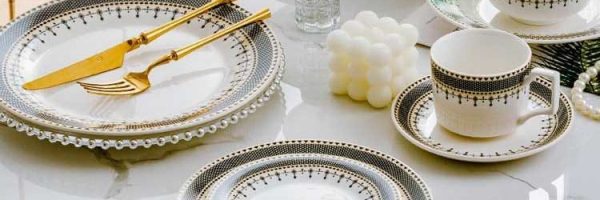
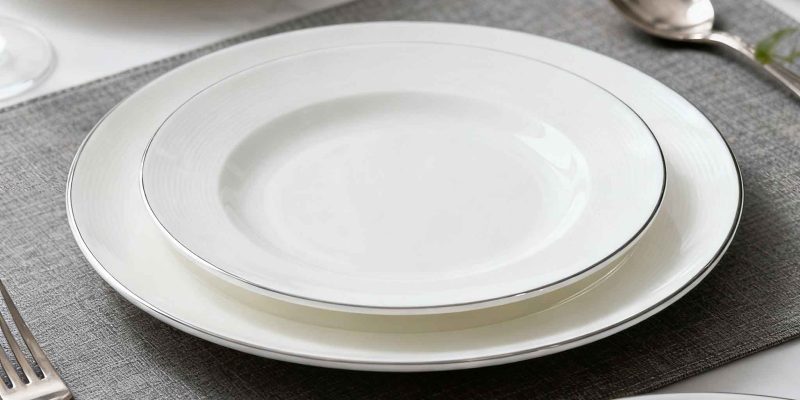
If porcelain is admired for its beauty, bone china elevates it to an art form. Recognized for its delicate translucency, light weight, and exceptional strength, bone china has long been associated with fine dining and luxury hospitality.
But what makes bone china so special? The answer lies in its unique material composition — particularly the addition of bone ash.
In this article, we’ll explore what bone china dinnerware is made of, how it’s produced, the ideal percentage of bone ash, and what sets it apart from other types of ceramics.
1. What is Bone China Dinnerware?
Bone china is a type of porcelain that contains bone ash, kaolin, and feldspathic material. The addition of bone ash — typically from animal bones that have been calcined (burned at high temperatures until they turn into a white, powdery form of calcium phosphate)— gives the material its signature whiteness, translucency, and chip resistance.
It was first developed in England during the 18th century as an attempt to improve the strength and beauty of traditional porcelain. The result was an extraordinary material that blended delicacy with durability — a combination few ceramics can match.
– (Source: Wikipedia – Bone china)
2. What Is Bone China Dinnerware Made Of?
Bone china is typically composed of three main materials:
Ingredient | % in Classic Formula | Function |
Bone Ash (Calcined animal bone) | 45–50 % | Adds whiteness, translucency, and strength |
Kaolin (China clay) | 25 % | Provides plasticity and shape during forming |
Feldspar (or Cornish stone) | 25–30 % | Lowers melting temperature and enhances vitrification |
The key ingredient — and what differentiates bone china from other porcelains — is bone ash, which acts as a fluxing and strengthening agent. The result is a product that’s lighter, thinner, yet stronger than standard porcelain.
Official definition :
“A type of porcelain that contains at least 30 % tricalcium phosphate derived from animal bone and calcined at high temperature.”
Anything below 30 %? Not legally bone china in the UK, EU, or US (per ISO 6486). It’s just “fine china” or “porcelain.”
3. How Much Bone Ash Should Be in Bone China Dinnerware?
The amount of bone ash is crucial to achieving the right quality and properties.
Traditionally, bone china contains between 40% and 50% bone ash by weight.
- Standard high-quality bone china: around 45%–50% bone ash
- Mid-range commercial versions:around 35%–40% bone ash
- Low-end imitations:sometimes contain less than 30%, which reduces translucency and strength
The ideal ratio ensures:
- Translucency (light passes gently through the body, giving it a glowing look)
- Whiteness (a hallmark of premium bone china)
- Mechanical strength (resistance to chipping and cracking)
Manufacturers who specialize in premium products — such as fine hotel tableware — often maintain a consistent 45% bone ash ratio to ensure both beauty and durability.
Summary Table:
Bone Ash % | Grade | Properties | Best For |
30–35 % | Entry-Level Bone China | Lightweight, decent translucency | Retail gift sets |
36–45 % | Standard Fine Bone China | Balanced strength + glow | Everyday luxury |
46–50 %+ | Premium / Hotel-Grade | Max chip resistance, ping tone | 5-star hotels, Michelin restaurants |
4. The Production Process of Bone China Dinnerware
Bone china’s refinement isn’t just about the ingredients — it’s also about how it’s made. The process involves precise craftsmanship and multiple firings at controlled temperatures.
Step 1: Preparing Bone Ash
Animal bones (usually from cattle) are cleaned, sterilized, and calcined at around 1,000°C (1,832°F) to remove organic materials and turn them into bone ash (calcium phosphate). This material is then finely ground.
Step 2: Mixing the Body
The bone ash is combined with kaolin and feldspar in precise proportions to form a smooth, workable clay body.
Step 3: Shaping
The clay is shaped into plates, bowls, cups, and other items using slip casting or pressing techniques.
Step 4: Biscuit Firing
The first firing hardens the body at about 1,200°C and removes water and impurities.
Step 5: Glazing and Second Firing
A glassy glaze layer is applied and fired again at a slightly lower temperature (around 1,050°C–1,100°C), creating a glossy, smooth surface.
Step 6: Decoration and Third Firing (Optional)
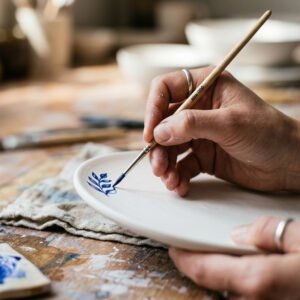
Fine bone china is often decorated with decals, gold rims, or underglaze patterns — fired once more to permanently fuse the design.
The end product: light, strong, and elegant dinnerware that radiates sophistication.
5. How Bone China Differs from Porcelain and Stoneware
Type | Main Ingredient | Firing Temperature | Color & Texture | Key Features |
Bone China | Bone ash + kaolin + feldspar | 1,200–1,250°C | Ivory-white, translucent | Light, strong, refined |
Porcelain | Kaolin + feldspar (no bone ash) | 1,300–1,450°C | Pure white, less translucent | Hard but more brittle |
Stoneware | Dense clay | 1,200–1,300°C | Natural, rustic | Opaque, durable, heavier |
Bone china occupies a unique space — whiter than stoneware, stronger than porcelain, and more elegant than both.
6. Benefits of Bone China Dinnerware
- Lightweight Yet Strong:Despite its delicate look, bone china is highly chip-resistant and stronger than most other ceramics.
- Elegant Translucency: Hold a bone china plate up to the light, and you’ll see a soft glow — a hallmark of high bone ash content and fine craftsmanship.
- Smooth, Refined Texture:Its glazed surface feels silky smooth and resists staining, making it perfect for both home and commercial dining.
- Timeless Appeal: Used in royal banquets and luxury hotels alike, bone china represents prestige and craftsmanship that never go out of style.
7. How to Identify Real Bone China
Here’s how to tell if your bone china dinnerware is authentic:
- Translucency Test:Hold it against the light — true bone china allows a gentle glow to pass through.
- Color:Genuine bone china has a slight ivory tint, not pure white.
- Sound:Tap it lightly — it should produce a clear, bell-like ring.
Markings: Many manufacturers include “Bone China” or percentage indicators on the base.
8. Sustainability and Modern Alternatives
Although traditional bone china uses animal-derived bone ash, modern manufacturers are exploring synthetic bone ash (derived from calcium phosphate) to create vegan-friendly versions without sacrificing quality.
This innovation ensures bone china’s artistry continues while aligning with today’s sustainability values.
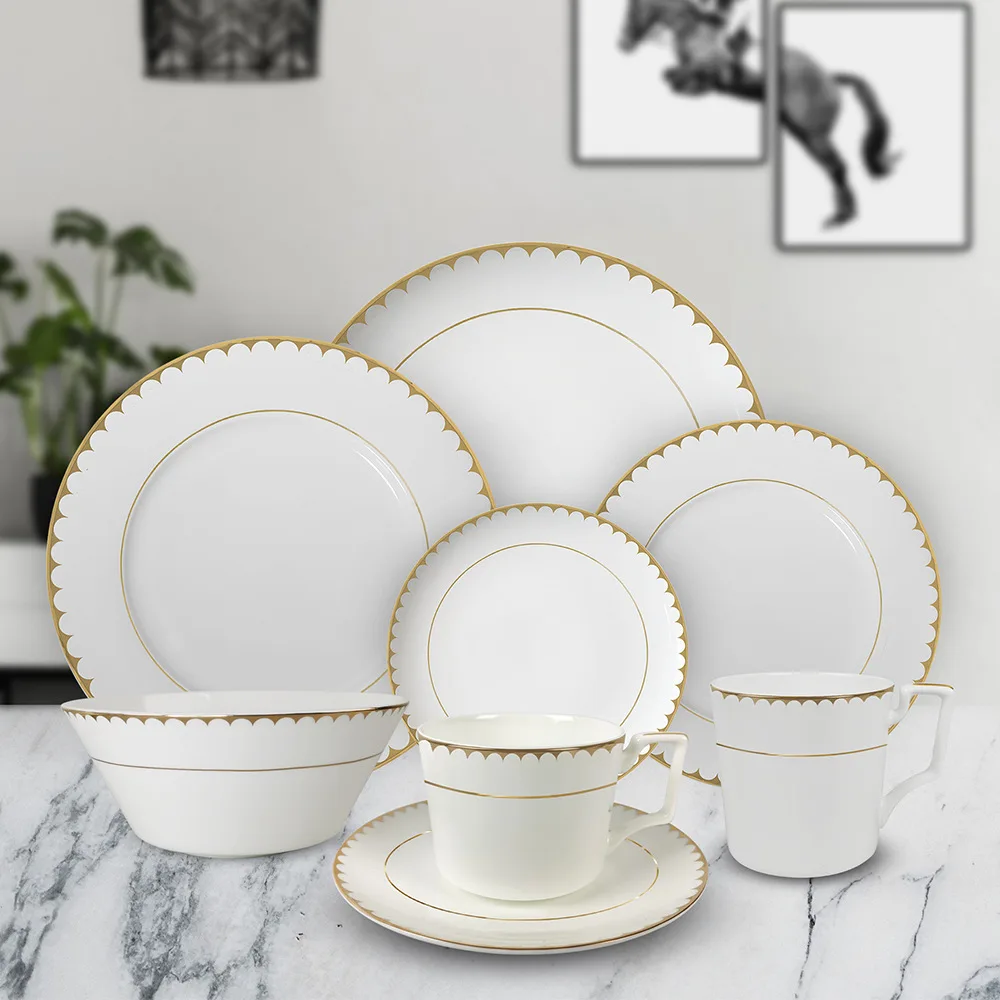
9. Why Brands and Hospitality Prefer Bone China Dinnerware
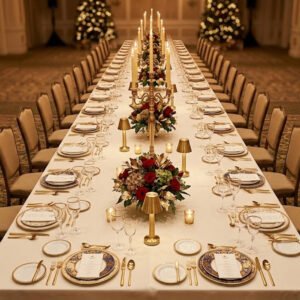
In the world of hospitality and branding, first impressions are everything — and tableware plays a quiet but powerful role in shaping them. That’s why many luxury hotels, fine dining restaurants, and lifestyle brands consistently choose bone china dinnerware over other materials.
- A Symbol of Prestige and Refinement: Bone china conveys an immediate sense of luxury and sophistication. Its subtle ivory tone, delicate translucency, and smooth finish elevate any dining presentation — aligning perfectly with the refined aesthetics of five-star hotels and upscale venues.
- Lightweight, Yet Built to Last: Despite its elegant appearance, bone china is surprisingly durable. Its unique composition allows it to withstand daily service without losing its beauty — ideal for hospitality environments where both performance and presentation matter.
- Consistent Brand Image: For hospitality groups and premium brands, uniformity across global locations is key. Bone china ensures consistent quality and color tone, helping maintain a cohesive visual identity that guests instantly associate with excellence.
- Versatile for Customization: From embossed logos to bespoke rim designs, bone china offers endless customization options. This makes it the perfect medium for branded collections that reflect a property’s unique culture or theme.
“Explore custom bone china dinnerware to create signature pieces that blend artistry with brand storytelling.”
- Enhancing the Dining Experience: The soft glow and refined touch of bone china subtly enhance the perception of food quality and craftsmanship. Guests may not consciously analyze the material, but they feel its luxurious tactility — a small detail that reinforces a brand’s dedication to excellence.
Conclusion
Bone china dinnerware is not just tableware — it’s a symbol of craftsmanship, tradition, and timeless beauty. Made from a refined blend of bone ash, kaolin, and feldspar, it delivers a unique combination of strength, elegance, and translucency unmatched by other ceramics.
So, whether you’re curating a luxury dining experience or selecting refined pieces for your collection, bone china remains the gold standard of fine tableware.