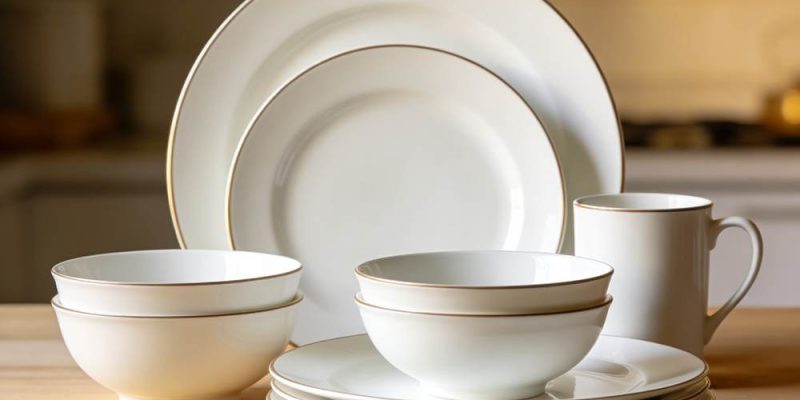
Choosing dinnerware may seem simple—until you realize how many materials, finishes, price points, and performance standards exist. A plate is not just a plate. In a restaurant, it must survive heat, stacking, dishwashers, and the occasional gravity test. At home, it must fit your lifestyle, storage space, and aesthetic taste (and possibly your dishwasher’s temperament).
In this guide, we’ll explore what to avoid when buying dinnerware for both commercial use (restaurants, hotels, catering businesses) and home use, helping you make smarter, longer-lasting decisions.
Understanding Dinnerware Materials First
Before discussing what to avoid, it’s important to understand the common materials used in dinnerware. According to Wikipedia, dinnerware includes items such as plates, bowls, and cups used for serving and eating food.
The most common materials include:
- Porcelain
- Bone china
- Stoneware
- Earthenware
- Melamine
- Glass
Each material has advantages and limitations. For example:
- Porcelainis fired at high temperatures, making it durable and non-porous
- Bone chinacontains bone ash, which improves translucency and strength
- Stonewareis known for its thickness and durability
Understanding these basics will help you recognize potential mistakes when selecting dinnerware. If you’re interested in the comparing between different material dinnerware, you can check out our previous articles: “bone china vs. porcelain dinnerware” and “stoneware vs. porcelain dinnerware“.
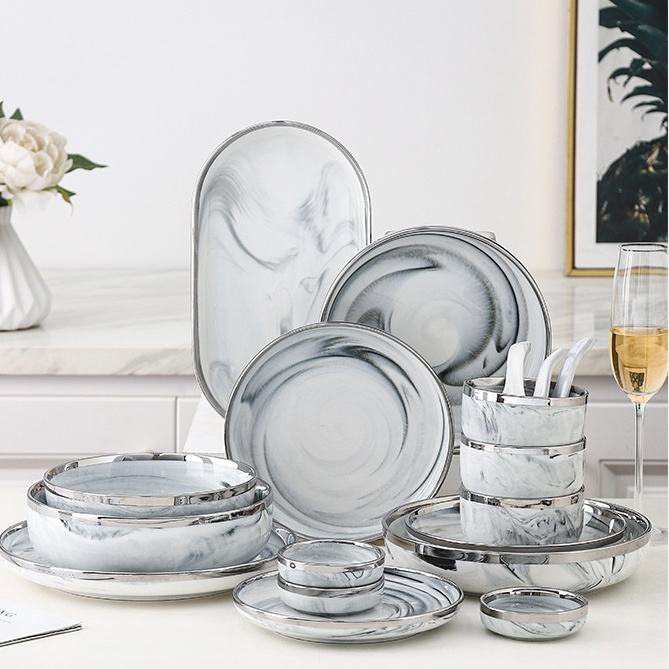
Part I: What to Avoid When Buying Dinnerware for Commercial Use
Restaurants, hotels, and catering services operate under very different conditions than households. High turnover, heavy usage, and frequent washing create unique requirements.
Here’s what commercial buyers should avoid.
1. Avoid Choosing Based on Appearance Alone
In hospitality, presentation matters—but durability matters more.
A plate that looks stunning but chips easily will quickly become a financial burden. Commercial environments require dinnerware that can withstand:
- Industrial dishwashers
- High-temperature sanitization
- Constant stacking
- Repeated transport
Avoid:
- Thin earthenware with low firing temperatures
- Decorative finishes that scratch easily
- Reactive glazes without durability testing
A chipped rim not only looks unprofessional—it can also become a safety issue.
2. Avoid Ignoring Thermal Shock Resistance
Commercial kitchens move fast. Plates may go from storage to warming cabinets to hot food service in minutes.
Thermal shock occurs when ceramics experience rapid temperature changes, causing cracking. Porcelain and vitrified stoneware typically perform better under temperature stress.
Avoid:
- Low-fired ceramics
- Dinnerware without thermal shock testing data
- Products that are not labeled as oven-safe or microwave-safe
If a plate cracks mid-service, it’s not just embarrassing—it’s expensive.
3. Avoid Inconsistent Product Supply
One common mistake in commercial purchasing is failing to consider long-term availability.
Restaurants often need:
- Replacement pieces
- Expansion quantities
- Matching batches over time
Avoid buying from suppliers who:
- Cannot guarantee ongoing production
- Frequently discontinue collections
- Lack stable inventory control
Consistency is critical in maintaining a professional brand image.
4. Avoid Poor Stackability
Storage space in commercial kitchens is limited. Poorly designed plates can:
- Stack unevenly
- Slide during transport
- Increase breakage rates
Good commercial dinnerware is engineered for efficient stacking. Flat foot rings and balanced rims are essential.
If your staff struggles to stack them, it’s not a staff problem—it’s a design problem.
5. Avoid Non-Certified Food-Safe Products
Safety is non-negotiable.
The U.S. Food & Drug Administration (FDA) regulates materials that come into contact with food. Certain glazes or decorations may contain harmful levels of lead or cadmium.
Avoid:
- Products without food safety certifications
- Imported dinnerware lacking compliance documentation
- Decorative metallic finishes not certified for food contact
Commercial buyers should always request certification reports.
6. Avoid Overlooking Weight
Heavier plates feel luxurious—but in high-volume operations, weight matters.
Excessively heavy dinnerware:
- Slows down service
- Causes staff fatigue
- Increases shipping costs
Balance durability with practical weight.
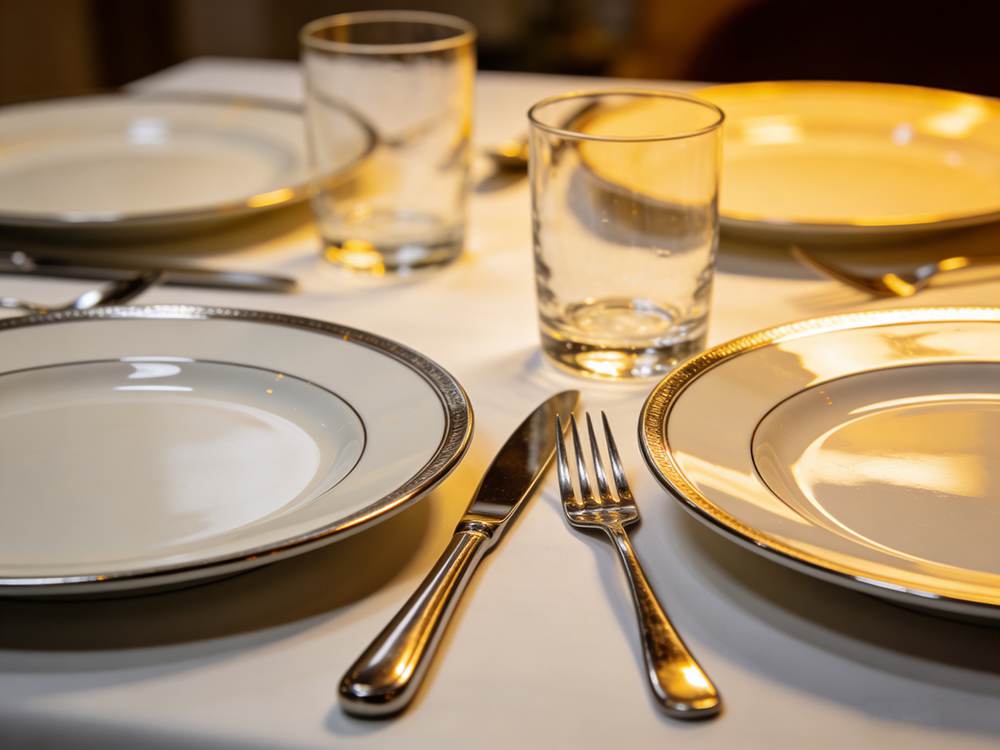
Part II: What to Avoid When Buying Dinnerware for Home Use
Home purchasing decisions differ significantly. While durability is important, lifestyle, aesthetics, and personal habits play larger roles.
Here’s what home buyers should avoid.
1. Avoid Buying Without Measuring Storage Space
It sounds simple, but many people purchase dinnerware sets only to discover:
- Plates don’t fit cabinets
- Bowls don’t stack properly
- Large charger plates crowd shelves
Before buying, measure:
- Cabinet height
- Shelf depth
- Dishwasher rack size
A beautiful 12-inch dinner plate is less charming if it doesn’t fit anywhere.
2. Avoid Ignoring Dishwasher & Microwave Compatibility
Not all dinnerware is dishwasher or microwave safe.
For example:
- Metallic trim may spark in microwaves
- Some glazes degrade in high-heat dishwashers
Check manufacturer specifications carefully.
According to general ceramic standards, porcelain and bone china are often microwave-safe unless metallic decoration is present.
If convenience matters to you, compatibility should be a top priority.
3. Avoid Trend-Driven Purchases
Trendy colors and shapes are tempting. However:
- Highly stylized shapes may limit food presentation
- Extreme colors may clash with changing home décor
- Novel shapes may become outdated quickly
Classic shapes (round or coupe) tend to remain versatile for years.
A bold matte-black set may look dramatic today—but will it match your table in five years?
4. Avoid Mixing Low-Quality Glazes
In home settings, aesthetic detail is important. However, low-quality glaze can cause:
- Staining
- Scratching
- Discoloration over time
Avoid porous surfaces that absorb sauces or oils.
High-fired porcelain and vitrified stoneware generally offer better stain resistance.
5. Avoid Underestimating Replacement Availability
Dinnerware breaks—it’s inevitable.
Avoid purchasing:
- Limited-edition collections
- Sets without open-stock replacements
- Brands that frequently change designs
Being unable to replace one broken plate often means replacing the entire set.
6. Avoid Overbuying (or Underbuying)
Consider your real lifestyle.
For households:
- 4-person families typically need 8–12 place settings for entertaining
- Small apartments may benefit from multipurpose plates
Avoid purchasing oversized sets if you rarely host gatherings.
On the other hand, if you entertain frequently, too few pieces can cause stress during events.
Key Differences: Commercial vs Home Considerations
Factor | Commercial Purchase | Home Purchase |
Durability | Critical | Important but balanced with design |
Certification | Mandatory | Recommended |
Replacement Supply | Essential | Convenient |
Stackability | High priority | Moderate priority |
Design Trends | Secondary | Often primary |
Weight | Operational concern | Personal preference |
Final Thoughts: Smart Buying Is Strategic Buying
Whether for a five-star hotel or a cozy dining room, understanding what to avoid when buying dinnerware can prevent costly mistakes.
For commercial buyers, focus on:
- Durability
- Supply stability
- Certification
- Operational efficiency
For home buyers, prioritize:
- Practical compatibility
- Storage considerations
- Long-term aesthetic value
- Replacement flexibility
Dinnerware should enhance dining—not complicate it.
A well-chosen set lasts for years, withstands daily use, and continues to elevate the dining experience. A poorly chosen one? It becomes an expensive lesson.
Choose wisely—and may your plates survive both dinner parties and dishwasher cycles with equal dignity.