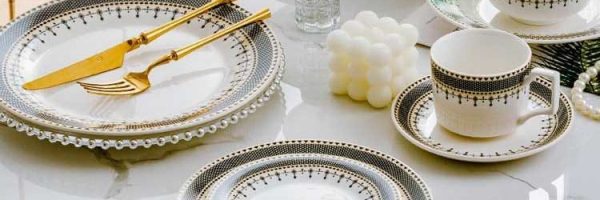
Bone china dinnerware is one of the most requested materials in hospitality procurement, and also one of the most confusing to buy correctly. Most suppliers don’t disclose the one spec that matters most: bone ash content, even though it directly determines how thin, light, strong, and translucent the finished piece will be. From composition to sourcing to durability, this guide gathers the key information a hotel or restaurant buyer needs to confidently choose bone china.
This guide does not duplicate information found elsewhere; it serves as a starting point, with links throughout to our more detailed guides on choosing a material, comparing materials, and choosing a brand for a particular part of the decision.
A bone china dinner set is a high-quality ceramic dishware that is created from a blend of bone ash, kaolin, and feldspar, known for its lightweight and strong construction and translucency. Not all suppliers are able to give the percentage of bone ash before it is sold, and buyers must inquire about it before buying. Bone china is appropriate for fine dining, hotels in five-star services, and formal dining situations where presentation is paramount, while commercial porcelain may be better for high-volume, casual, or buffet-style situations.
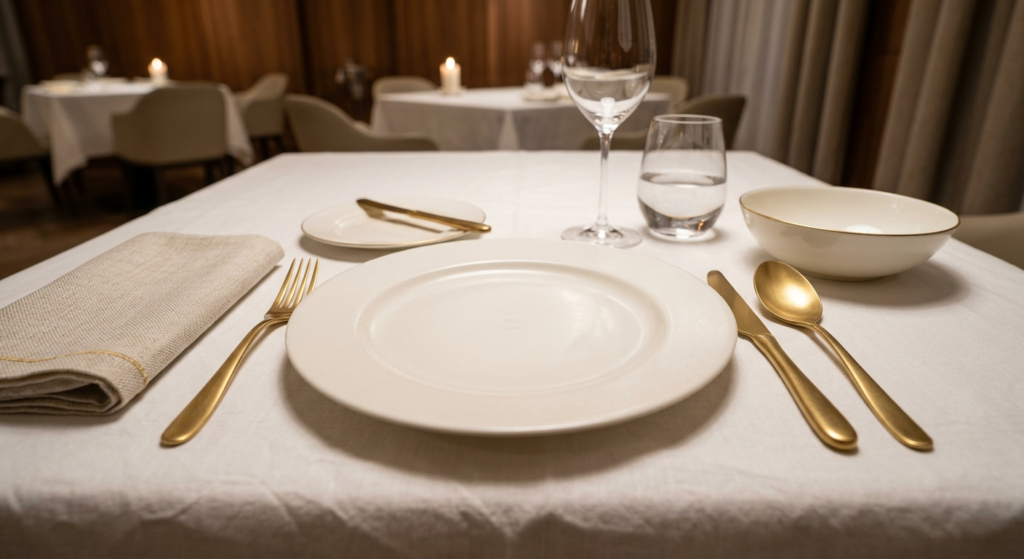
Table of Contents
What Bone China Is Made Of
Bone china is a type of porcelain that uses calcined bone ash mixed with kaolin clay and feldspathic material. This difference between bone china and normal porcelain is due to its bone ash content, which makes it lightweight, chip-resistant, and gives it a soft translucent appearance when held up to the light. If you’re interested in the components and firing results, read our guide to what bone china is made of.
Why Bone Ash Percentage Is the Spec Most Suppliers Don't Disclose
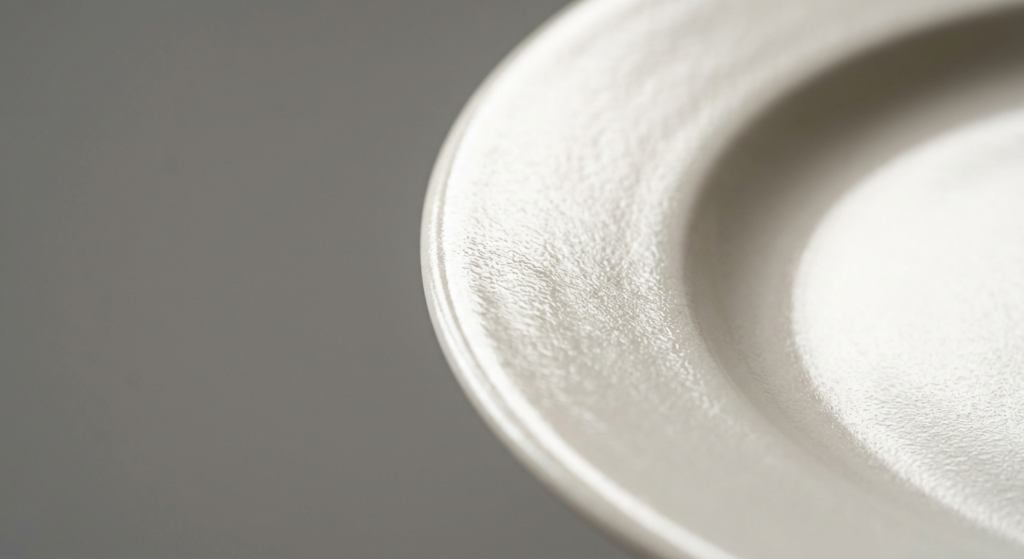
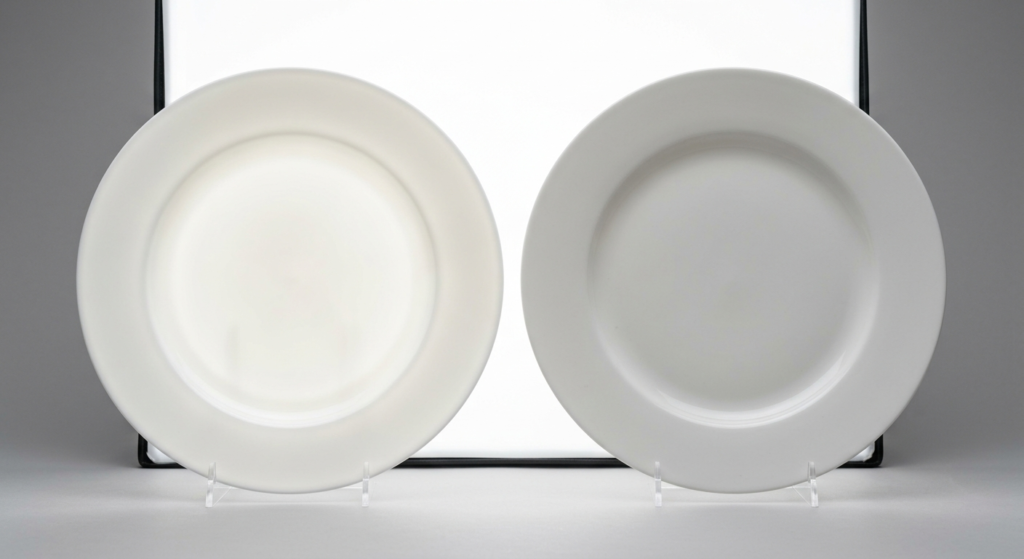
This is the most crucial (and overlooked) question when buying bone china. The amount of bone ash present in the market is significant, varying between approximately 25% and just over 50% of the material by composition; the higher the bone ash percentage, the thinner, lighter, stronger, and more translucent the finished bone will be. Many product lists and even some suppliers just say “bone china” without the percentage of bone ash content, making it hard to compare two suppliers as to quality.
When comparing transparency from various suppliers, buyers need to ask for the actual bone ash percentage in writing and have the supplier provide a sample that is translucent for comparison to a sample that is known to be translucent, and ask a supplier who does not disclose or cannot provide this information to return the item. This is the same documentation-first approach we recommend in our hotel tableware procurement checklist for any material specification, not just bone china.
How to Test Bone China Quality Before Ordering in Bulk
Quality can be checked on a sample piece, which can help to ensure it is of good quality before going into production.
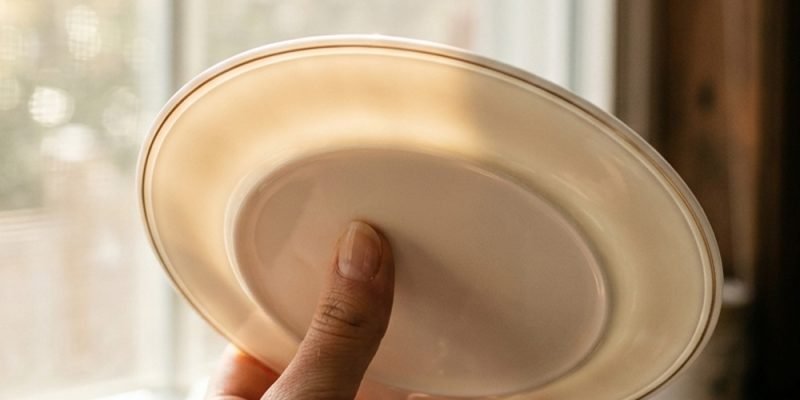
Light Test
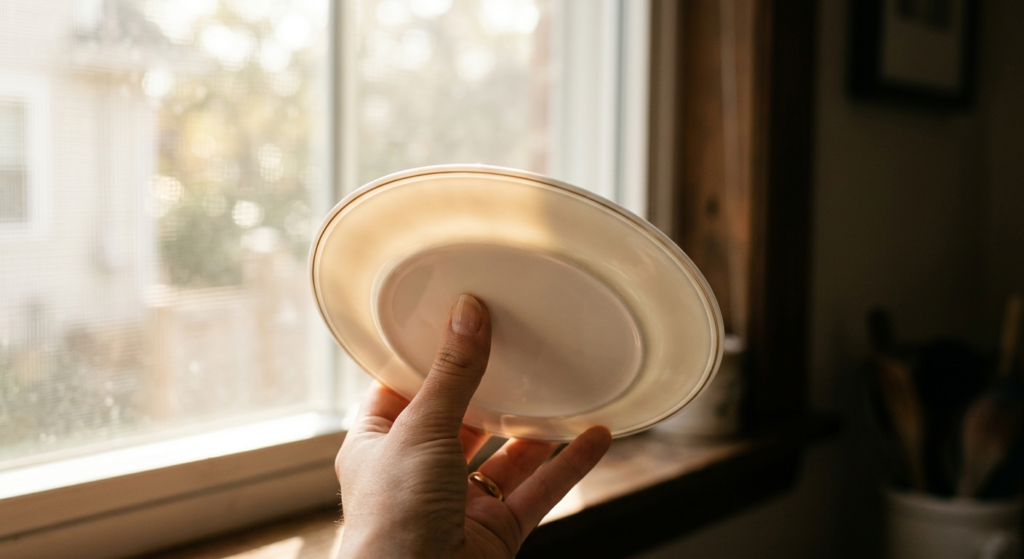
Hold the piece up to a bright window or lamp and look for an even, soft glow through most of the body, not just at the thinnest edges. A piece with genuinely higher bone ash content will show translucency across most of its surface, not only at the rim.
Tap Test
The test looks for a clear, ringing sound when the rim is tapped gently with a fingernail or other piece of ceramic. A flat or dull sound is usually a sign of a lower firing temperature or inconsistent body composition, and will impact the long service life of a product in commercial service.
A quick practical evaluation of the content of bone ash in a piece of bone china can be obtained by weight comparison visually with a known piece of bone china, or with a standard porcelain piece of the same size. The weight of genuine higher-bone-ash will always be less than that of an equally sized and shaped porcelain piece. None of these tests should be used in place of any written specification from a supplier, but they can be very useful in uncovering a blatant disparity between the claims made and what was actually produced before an order is put out into full production.
Bone China vs Porcelain: Which Fits Your Property
The answer is that bone china is good for fine dining and formal presentation, while porcelain is more likely to perform well for high-volume service or buffet, or casual upscale service. Bone China, as it is lighter than porcelain, will cause less fatigue for staff when working for long periods of time and will also photograph better for brand-awareness purposes; Porcelain’s thicker profile and heavier weight are more suited to the stacking and rapid handling required in high-turn environments. We’ve set up a bone china vs porcelain comparison that goes into operational differences and ranges of costs, etc and offers replacement rate data.
The decision also hinges on the expectations of your guests at your particular property. Bone china is refined enough to lend a star hotel restaurant or formal tasting menu concept a heady sense of refinement that’s difficult to achieve with any other material – and one that people in that environment are likely to notice and appreciate. The sturdiness and reduced replacement cost of porcelain is more suitable for a high-volume breakfast buffet, casual all-day dining concept, or a property serving hundreds of covers per service, as the cost savings add up over the course of an entire year of operation.
Within the same property, many properties sit in the middle ground – bone china for fine dining venues, formal banquet service, and porcelain for casual restaurants, room service, and buffet operations. This allows a hotel group to provide the appropriate offering for each guest experience, without burning through resources on bone china in environments where the benefits of such an offering can’t be measured and are not truly beneficial to the guest experience.
Cost Considerations for Bone China Programs
The two-stage firing process and the bone ash material cost contribute to the higher per-piece price of bone china. The cost of bone ash depends on its percentage, method of decoration, and quantity ordered; a direct cost comparison is only meaningful when all of these factors are the same in the two quotes. If the supplier quotes a bone china product at a significantly lower price than their competitors on an identical-sounding product, it’s worth checking the bone ash percentage question just raised in this guide: a lower price is often not a better value.
Total cost of ownership is as important as up-front cost. Bone china’s ability to withstand chipping and its superior handling qualities can also lead to fewer replacement costs over the long term due to breakage in an appropriate service environment, which in turn can mitigate the higher cost of bone china. When choosing bone china over porcelain for a particular outlet, consider the whole replacement cycle, rather than just the price of the initial order.
New Bone China: The Alumina Alternative
Many of the current trends in hospitality bone china involve the use of alumina, which is more cost-effective, consistent, and ethically sourced, instead of part or all of the traditional bone ash. The resulting material shares much of the beauty and lightness of bone china but also provides increased strength and, for some consumers, easier access to a supply chain than the acquisition of calcined animal bone ash on a large scale. Our guide to new bone china covers this shift and what it means for hotel procurement decisions.
Sourcing and Comparing Bone China Suppliers
In addition to bone ash, if you are comparing different suppliers, you should also look at their documentation for the firing temperature they used to produce bone china, the resistance of the chips to breakage on a full sample batch (not just one piece), and the consistency of the glaze on the batch that you would receive in production. Our article on the top bone china dinnerware brands guide provides a wider perspective on brand positioning and heritage brands that buyers tend to use as a gauge when considering a new brand.
Unlike most other tableware materials, the sample rounds of bone china are critical; not only is the quality of bone china more difficult to determine from a photo than that of porcelain or stoneware, but it is also actually more difficult to determine from a spec sheet. Do not take a single sample from a shortlisted manufacturer; a minimum of 4 – 6 samples from the same manufacturer should be taken, as the content of bone ash and firing may vary between batches if not all the same manufacturer, even if the manufacturer is reputable.
It’s also crucial to confirm that the lead time is appropriate early, as the two-stage firing procedure, it can take longer to produce bone china than standard porcelain. This can help you avoid the last-minute rush that seasonal orders can cause if your runway is underestimated.
Caring for Bone China in Daily Commercial Service
When bone china is actually fired to commercial standards, it is very serviceable with commercial dishwasher cycles, but there are a couple of handling practices that will give it a long and useful life. Avoid sudden temperature changes, such as moving a piece directly from a hot dishwasher cycle into a cold walk-in, since thermal shock is a more common cause of hairline cracking than everyday handling.
The stacking height is more important to the bone china than the heavier porcelain, as the lighter weight and thinner sections of bone china are more susceptible to damage to the rims when a heavy load is stacked. Even if it takes a little longer to stack in smaller groups of staff when bussing, there is a significant decrease in the number of breakages over the service period.
Bone china should be separated from other heavier stoneware or metal serving pieces, if possible, as incidental contact during transport and storage is a frequent cause of chips that do not become visible while being served, but which shorten the life of the piece.
Common Bone China Buying Mistakes
The most frequent error is to take “bone china” for granted as a quality assurance without inquiring into the exact percentage of bone ash that goes into the label. The second is choosing bone china for a high-volume buffet or casual setting where porcelain’s greater durability and lower replacement cost would serve the property better over time.
The third is omitting the batch consistency check, because a change in the quality of bone china glaze or translucency may be significant from one batch of production to another, even when obtained from the same supplier. The fourth is ignoring new bone china and alumina-based alternatives, which can have a very similar look and feel, but for a different price and durability profile to consider before going with the traditional formula.
How Brett Supports Your Bone China Program
Since 1998, we’ve been creating bone china dinnerware for restaurants and hotels throughout more than 80 countries, and we tell you the percentage of bone ash—you don’t have to guess. From introducing a new concept for fine dining to the market to comparing bone china with porcelain for a mixed-use establishment to examining a new bone china option, our staff can discuss the tradeoffs with you based on your service style and volume.
Frequently Asked Questions
Why don't suppliers provide the percentage of bone ash in bone china?
Many suppliers don’t even bother mentioning it in their product listings; in many cases, bone china is considered a continuum rather than a spectrum. If you are interested in comparing quality between suppliers, you should ask the buyer for the exact percentage, and do not take it for granted that the percentage will be disclosed.
Which are the most suitable choices for hotels: bone china or porcelain?
Bone china is ideal for fine dining or formal presentation where lightness and translucency have a high importance. In high-volume, buffet or casual upscale environments, porcelain is more likely to be the better choice, especially if it needs to be replaced or durability is important.
What is new bone china and how is it different?
New bone china is a blend of alumina in place of part of, or all of, the traditional bone ash, and is elegant and light, with a different sourcing profile and superior strength to conventional bone ash.
What can one do to ensure that the bone china they buy is of good quality before they start making their bulk order?
Ask for the bone ash percentage in writing, check translucency with a sample of known value, and verify firing temperature and glaze consistency documents in a complete sample lot (rather than one sample).
Can quality always be enhanced by increasing the amount of bone ash?
In general, the higher the bone ash content, the thinner, lighter, and more translucent the piece will be, but again, it is a matter of service style. Bone ash percentage might not be the only factor that comes into play when choosing between porcelain and bone china, as a high-volume buffet service can appreciate the extra durability that porcelain can offer more than bone china.
How many pieces of sample should be ordered before bulk orders for bone china?
Don’t only ask for one sample; ask for at least 4-6 pieces, as the firing consistency and the amount of bone ash in the pieces may differ more than the buyer would expect, even with a consistent supplier.
Is bone china dishwasher safe?
Yes, if it’s really fired to business standards. The cooler the temperature transitions are, the less chance of long-term hairline cracking, such as from a hot wash cycle to a cold storage cycle.
Conclusion
When purchasing bone china dinner plates for hotel or restaurant service, there are two questions that most consumers rush through too quickly: Is bone china the appropriate material for the service you want to use? Will the specific supplier you are considering reveal its content? The fine dining and formal presentation market may be the only one that really cares about the lightness or translucency of bone china, but that doesn’t mean it applies to all hospitality applications and doesn’t give a bone china supplier a license to avoid answering a direct question about bone ash content.
All the essential elements of a product label, verified composition, sample batch testing and documented firing standards should remain the same when you’re buying traditional bone china or a new bone china alternative, or when you’re choosing porcelain as the ideal operational china. Click on the links that appear in this guide for further details about each of the decision elements that are relevant to your property.
Bone china dinnerware and full alternative material options for hotels and restaurants, bone ash percentage and firing documentation on request, and backed up with FDA, LFGB, ISO 9001, BSCI and Sedex documentation. Contact us at Cbhoreca or WhatsApp +86 13535413512 to discuss the appropriate materials for your property.