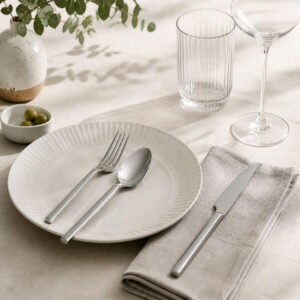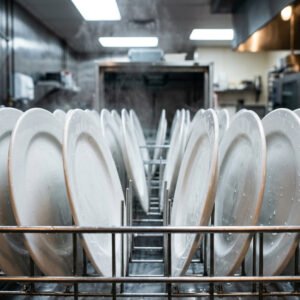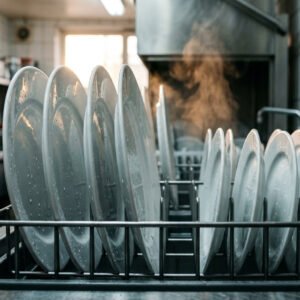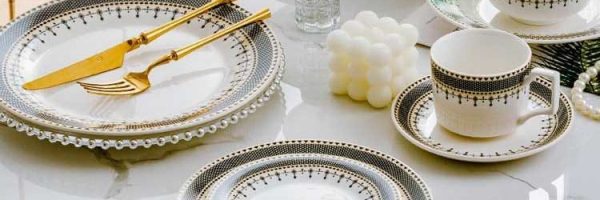
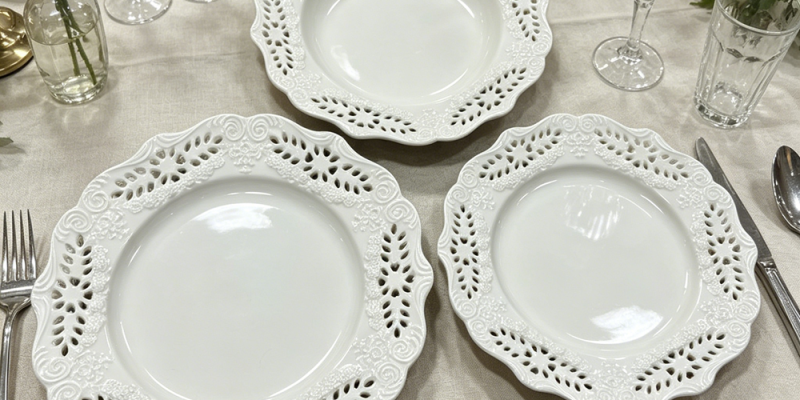
Walk into a luxury hotel dining room in 2019 and the table tells a predictable story. Bright white porcelain. Mirror finish flatware. Clear stemware. Clean, professional and completely neutral. Walk into one of the fastest growing luxury properties opening in 2026 and the table tells a different story entirely. Warm terracotta bowls. Matte sandy beige dinner plates. Brushed bronze flatware. Ribbed glassware catching the morning light. This is not a coincidence. It’s the biggest change in hotel tableware specification in 20 years — and it’s not just an aesthetic preference.
Industry analysts are referring to a ‘Restorative Luxury’ revolution in the global hospitality design scene. Nowadays, a hotel does not look inviting to guests if it appears sterile and institutional. They desire warm, intentional, and natural spaces. The first change is in the room design, and it trickles down to the dining table. Once the standard emblem of hotel quality, the white porcelain dinner plate is sending the wrong message in an age of luxury characterised by warmth, authenticity, and calm.
This guide explores the reasons behind the change, the earth-tone tableware specifications that are replacing white porcelain, and what it means for hotel procurement teams to update their dining programs in 2026.
Table of Contents
The Restorative Luxury Revolution and What It Means for Hotel Dining
The luxury definition is changing in the hospitality sector. A new trend is emerging after several years of sharp whites, cold greys and functional accuracy that designers referred to as the ‘wellness minimalism’ era. The direction is outlined in 2026 hotel design reports as ‘Restorative Luxury’: spaces and experiences that actively calm, ground and restore the guest instead of just impressing them.
The chocolate browns, deep caramels, enveloping taupes, and terracotta hues are re-modernizing hotel color schemes around the globe. Hospitality design research in early 2026 predicts that warm earth tones will be the mainstay of luxury hospitality interiors, with caramel, amber, terracotta and warm taupe taking the place of the cooler blue-grey hues of the last ten years.
The implications for the hotel tableware specification are direct and immediate. If the walls, the textiles, the lighting, and the nature in the hotel are warm and natural and then a bright white clinical porcelain plate is placed on the table, the mismatch is felt by the guests, even if it is not articulated precisely. The table is the most personal surface at the hotel. It is where visitors spend dedicated time, take a close look, and make the most distinct impressions about the attention to detail of the property.
This is being understood by forward-thinking hotel F&B directors. It’s not a styling trend they’re going for with the earth tone tableware. It is a brand alignment that they are making.
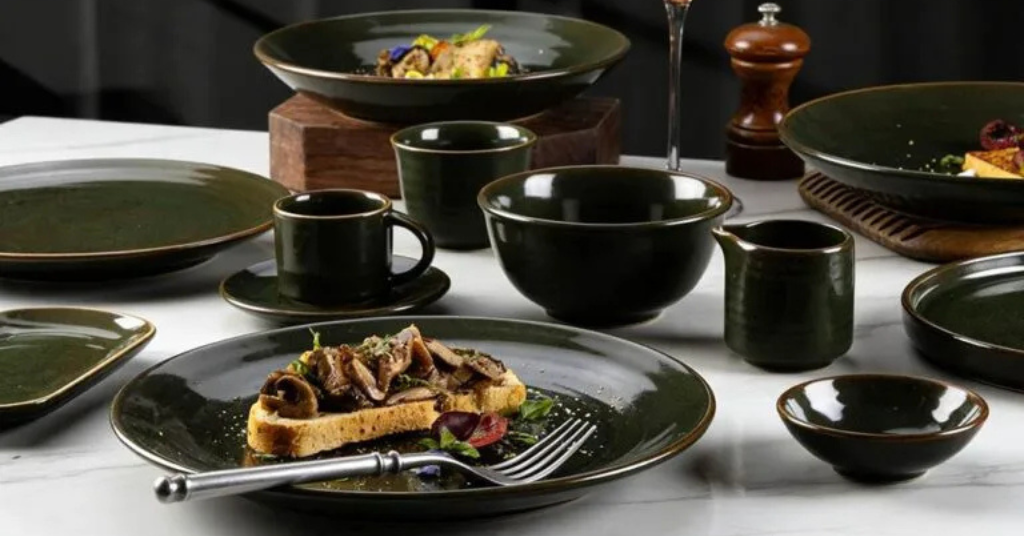
Why White Porcelain Is Losing Its Luxury Positioning
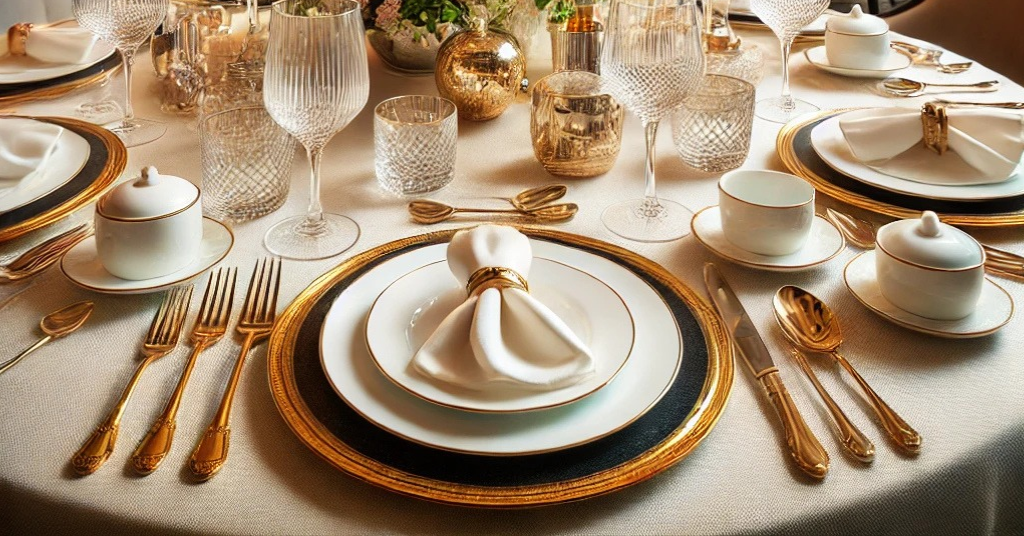
White porcelain became the standard for hotel dining rooms for good reason. Neutral, professional and versatile. It signifies cleanliness and efficiency. These are the perfect kind of messages to send in a business hotel or airport lounge. However, luxury hospitality in 2026 is a different thing, and white porcelain is now regarded as the institutional face of hospitality.
The Ubiquity Problem
Standard commercial white porcelain is now so commonplace in hospitality that it has lost any premium signal. The same white plate is encountered by a guest seated at a table in a business hotel, an airport business lounge, a midrange restaurant or a five-star property dining room. Ubiquity is the opposite of luxury positioning. When all properties are using the same hotel tableware, then no property can be communicated through it.
The Cold Tone Problem
In the luxury hospitality color direction of the year 2026, bright clinical white is a cool color that doesn’t fit. Hospital design reports reveal that luxury hotel color palettes are moving away from cool greys and neutral whites, and towards warmer and more subdued neutrals. A bright white plate in a dining room with caramel tones, warm timber and terracotta accents makes for an unconscious disconnection which sophisticated guests notice as a lack of coherence.
The Photography Problem
In a time when a hotel’s dining room is a marketing environment, not a food service environment, white porcelain tableware photographs flatly. The matte earth tone ceramics look great in photos, have texture and warmth that perform much better in social media and editorial coverage, and the sandy beige, warm terracotta and sage green colors make them look even better. This is a business-ready factor for luxury properties that have dining rooms that are a part of the visual brand story.
The Earth Tone Color Palette Dominating Hotel Tables in 2026
The transition from white porcelain is not a mere colour choice. It is a palette transition — knowing the exact tones that are driving the transition helps procurement teams to be more confident than ever when they’re specifying the direction of the trend.
Sandy Beige and Warm Cream
The most widely adopted earth tone tableware specification in 2026 luxury hotels is sandy beige and warm cream — less institutional, warmer in tone and more complementary to the organic design approach of modern hospitality. They are used throughout all day parts from breakfast to fine dining, and they are compatible with nearly all food presentation styles.
Warm Terracotta and Clay
The statement earth tone 2026. Warm terracotta is especially noticeable in boutique hotels, farm-to-table restaurant initiatives, Mediterranean-inspired properties and wellness restaurant concepts. It delivers grounding, nature and authenticity like no neutral palette can. Terracotta makes the table look extremely well photographed and well thought out when paired with warmer neutral tones on stoneware plates and side plates.
Sage Green and Olive
Rising quickly in farm-to-table hotel restaurants and botanical dining ideas. Guests in this segment are highly responsive to a connection between the table and the food (plant-based and garden sourced) being served, as sage green ceramic dinnerware provides this visual link. Especially effective in properties that have kitchen gardens or a local sourcing story.
Mushroom Grey and Stone
The sophisticated neutral of the earth tone palette. Mushroom grey and warm stone tones are in between beige and grey, with a grounding touch without the warmth of terracotta, cooler than sandy beige, but not so clinical as bright white. They work well in fine dining, as well as in contemporary hotel restaurants and lifestyle properties where the table must be both versatile and elevated.
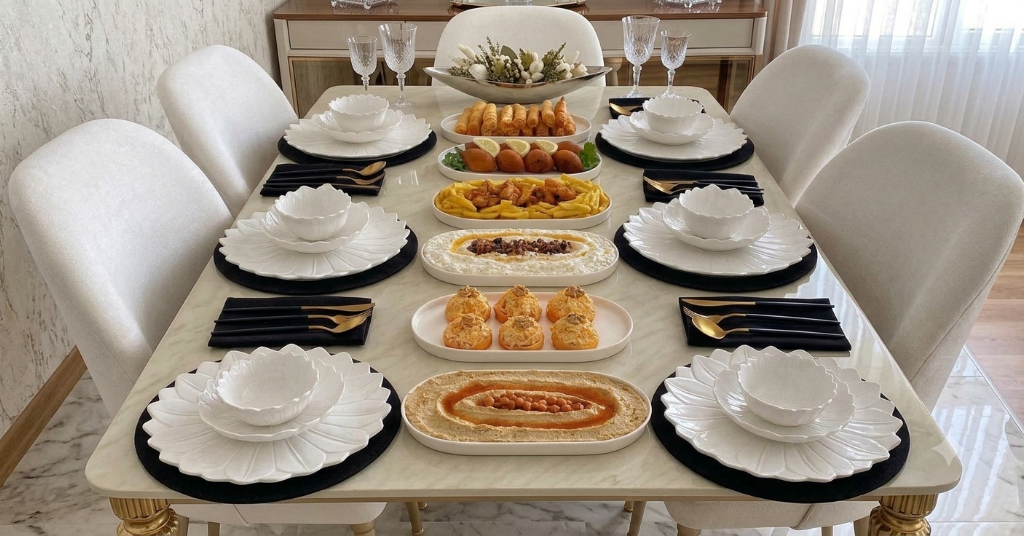
Matte Over Glossy
Across all earth tone specifications, matte finish hotel tableware is the standard in 2026. Matte glazes convey a more authentic handcrafted feel, look more realistic in photographs and mask less noticeable commercial service imperfections than glossy surfaces. The shift from glossy to matte is as important as the shift from white to earthy in capturing the visual trajectory of modern luxury hotel restaurants.
Material Specifications for Earth Tone Hotel Tableware
The earth tone shift is not just a color change to the same material specification. Materials convey the aesthetic in different ways and make different brand statements.
Stoneware — The Earth Tone Default
In 2026, the most popular material specification for earth tone hotel tableware is commercial grade stoneware dinnerware. Stoneware is naturally thick and has a slightly organic feel and variation of glaze to porcelain, which makes it more authentic and grounded. The range of stoneware glazes, with none ever being the same, is just right for the ‘Restorative Luxury’ approach, which embraces organic imperfection as a desirable quality.
Kiln Change Ceramics
The best prediction for the trend of hotel tableware in 2026. Natural color variation and organic surface texture are created in the firing process to give luxury hotel dining rooms table settings that can’t be replicated anywhere else. All pieces are unique. The visual impact conveys artisan sourcing and a true commitment to the dining experience, which is what luxury properties are competing for.
Matte Porcelain in Warm Specifications
Luxury properties that are concerned with refinement as well as the earth tone direction will find matte porcelain dinnerware in warm cream, bone white and sandy beige specifications to be a compromise between the commercial durability of standard porcelain and the aesthetic direction of the earth tone movement. The main factor is specification – matte finish and warm undertone make all the difference in the world when it comes to how the same material communicates.
Earth Tones by Hotel Segment
Different hotel segments are adopting the earth tone tableware shift in different ways. This framework helps procurement teams identify the right specification direction for their property.
Hotel Segment | Recommended Specification | Key Colors |
Luxury Resort | Kiln change ceramics, bone china in warm white | Warm cream, sandy beige, stone grey |
Boutique Hotel | Stoneware, kiln change ceramics | Terracotta, sage green, mushroom grey |
Wellness Hotel | Stoneware, matte porcelain in warm tones | Sandy beige, sage green, warm cream |
Farm-to-Table Restaurant | Stoneware, natural material accessories | Terracotta, olive, warm sandy beige |
Urban Design Hotel | Matte porcelain, kiln change ceramics | Stone grey, mushroom, warm cream |
Flatware and Glassware: Completing the Earth Tone Table
The earth tone tableware shift is only as effective as the flatware and glassware directions. Mirror finish silver flatware and standard clear commercial glassware detract from an otherwise well-thought out earth tone table setting.
Flatware Finishes for Earth Tone Tables
- Brushed bronze is the highest performing flatware finish for earth tone hotel dining in 2026. Warm, relaxed and elegant but not corporate. Ideal for terracotta, sandy beige and warm cream ceramic applications
- Satin or tumble finish— the all-purpose choice! Between mirror finish and brushed bronze, it’s less formal but more sophisticated than brushed bronze for properties where the earth tone direction is subtle rather than statement.
- Luxury wellness resortsand high-end boutique properties will make use of champagne gold for a more sophisticated look than rustic.
Glassware for Earth Tone Settings
Earth tone hotel tables are complemented by ribbed, fluted or seeded glass drinkware. The clear glass is also textured, which refracts and captures natural light in a different way than traditional commercial tumblers, adding to the tactile and visual interest of the pieces, and further enhancing the organic and handcrafted quality of the earth tone ceramics. The ribbed wide mouth tumblers have become the glassware of choice for wellness hotel breakfast programs and boutique hotel dining rooms.
Procurement Considerations When Transitioning from White Porcelain
The change of a hotel dining program from the traditional white porcelain to an earth tone tableware specification is a major procurement decision. These are the most important factors to take into account.
- Batch consistency — There may be variation between production batches for earth tone glazes, especially reactive and kiln change ceramics, due to batch consistency. Ensure that your supplier keeps batch consistency records for all current specifications — replacement pieces should be within acceptable tolerances from the original glaze
- Operational durability— in a commercial stoneware or matte porcelain, the operational durability must be specified to ISO 9001 standards and FDA compliance for use in hotel service areas. When it comes to earth tone tableware, not everything out there is commercially durable.
- Photography investment — When switching to earth tone furniture, invest in new photos for the dining room right away. For luxury properties that rely heavily on social media as their marketing tool, the ROI of this investment is pretty substantial.
- Phased transition— not all properties are transitioning to earth tones at the same time; many are starting with the most suitable concept for the dining area, for the new direction, which is more likely to be earth tones.
- OEM customization — Luxury properties are more likely to require special, non-standard glaze colors and shapes that are only available through OEM customization. Verify your supplier’s OEM / ODM ability before commitment to specification
How Brett Supports the Earth Tone Transition
At Brett, we have been supplying hotel tableware across more than 80 countries for over 20 years. This earth tone shift is the biggest hotel dining specification trend movement we’ve seen in the past 20 years and one we have been monitoring and reacting to since the early indicators appeared in 2024.
Our earth tone hotel tableware range covers every specification this guide covers:
- Stoneware dinnerware— commercial-grade, ISO 9001 certified, FDA compliant, in matte earth tone glazes including sandy beige, warm terracotta, sage green and mushroom grey
- Kiln change ceramic dinnerware— reactive glaze finishes that create natural variation between pieces while maintaining batch consistency standards for hotel operations
- Matte porcelain dinnerware— in warm cream, bone white and sandy beige specifications for luxury hotel and resort dining programs
- Bone china dinnerware— for premium wellness resorts and luxury boutique properties where refinement and earth tone direction meet
- Stainless steel flatware— in brushed bronze, satin and champagne gold finishes for earth tone dining contexts
- Glass drinkware— including ribbed and textured options for boutique hotel and wellness dining programs
All Brett products are certified to BSCI, Sedex, FDA, ISO 9001, ISO 22000, ISO 14001, Global Recycled Standard and Recycled 100 Claim Standard.
FAQ
Why are luxury hotels moving away from white porcelain tableware?
White porcelain is now considered to be associated with hotel and low-budget hospitality instead of luxury. The hospitality sector is embracing ‘Restorative Luxury’ in 2026 – inviting, grounded spaces that are connected to nature and convey calm and authenticity. This is not the direction that bright clinical white porcelain takes. Earth tone stoneware and matte ceramic tableware conveys the values that today’s luxury guests are seeking: warmth, intent and connection to the natural world.
What are the best earth tone colors for hotel tableware in 2026?
Warm sandy beige, soft terracotta, sage green, mushroom grey and warm cream are the top earth tone hotel tableware colors for 2026. Sandy beige and warm cream are the most versatile and can be used in all segments of hotels. Terracotta is ideal for boutique, wellness and farm-to-table settings. Sage green suits botanical and plant-forward dining concepts. For more elegant dining rooms in urban hotels, mushroom grey is a suitable color.
Is earth tone tableware as durable as white porcelain for hotel use?
Yes — if it is specified properly. Commercial quality stoneware dinnerware that meets ISO 9001 and FDA standards is as durable or more durable than standard white porcelain in hotel service settings. The difference is between commercial and retail earth tone ceramics. Retail-grade stoneware and earthenware are produced with different densities and hardness levels, and have higher breakage rates in the commercial hotel service. Always check the commercial certification by your supplier before specifying.
Can earth tone hotel tableware be customized with our hotel logo or branding?
Yes. Leading hotel tableware manufacturers provide complete OEM and ODM services for earth tone ceramic dinnerware, custom glaze colors unique to your property, embossed logos and shapes that are unique to your dining concept. Many luxury hotels are using custom earth tone specifications to make table identities, which guests photograph, remember, and return to. Talk to Brett about your customization needs at chinabrett.
What flatware finish works best with earth tone hotel tableware?
The top earth tone hotel dining flatware finish for 2026 is brushed bronze. It naturally and gracefully matches terracotta, sandy beige and warm cream ceramic specifications with its warm metallic tone. Other options are satin or tumble. The cool tone and high reflectivity of mirror finish silver flatware is definitely a no-go — it doesn’t “mix” with the warm, organic look of earth tone flatware.
Conclusion
The trend of replacing white porcelain with earth tone hotel tableware will not be reversed in the next two years. It’s designed to react to the biggest change in luxury hospitality positioning in a generation: from impressive to restorative, from institutional to intentional, from neutral to warm.
The properties driving this shift aren’t doing it for the sake of fashion in earth tones. They are doing it because the table, the most personal surface in the hotel, is being asked to say something that bright white commercial porcelain can’t.
Customize your exclusive earth tone hotel tableware solutions with Brett — quotes, catalogs and samples available. Contact us today at chinabrett to get started.