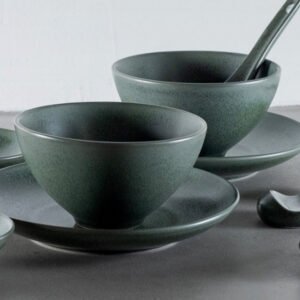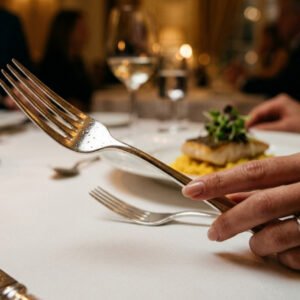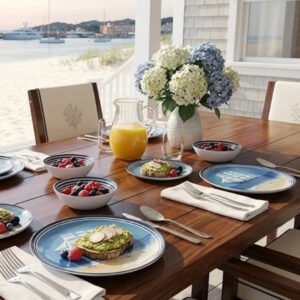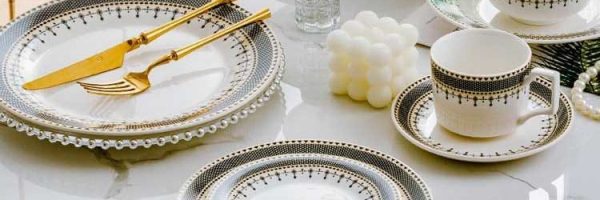
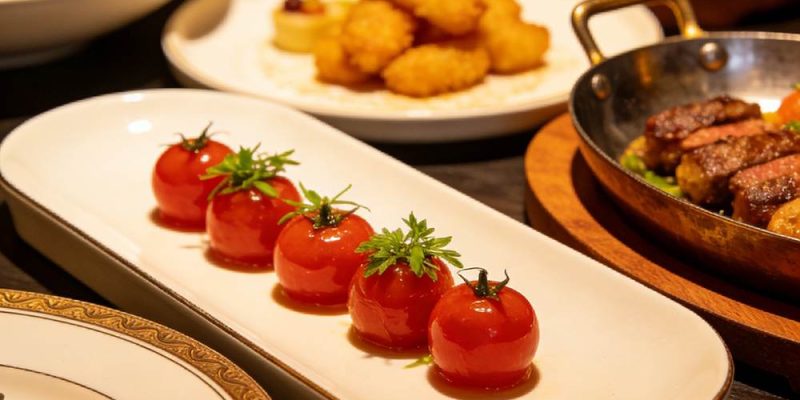
Every dish that leaves your kitchen lands on a surface before it reaches a guest. For individual diners, that’s a plate. For everyone else at the table, at the buffet station, or at the banquet spread, that’s a platter.
Restaurant serving platters are where your kitchen’s work becomes your guest’s first impression, and most procurement teams treat them as an afterthought.
They buy whatever matches the dinnerware. They order the minimum. They figure it out later.
This guide is for the operators who want to think through hotel serveware, catering serveware, and buffet serving dishes before the first event, not after the first problem.
Serveware Materials: Strengths, Trade-offs, and Best Applications
The material you choose for your restaurant serving platters affects more than how they look on the buffet line. It determines how long your staff can carry them, how well they hold temperature, how they survive a busy Saturday night, and what your replacement costs look like twelve months from now.
According to Foodservice Equipment & Supplies Magazine, material selection for serveware should account for heat retention, stackability, staff handling weight, and coordination with existing dinnerware programs. Most operators focus on the first factor and ignore the rest until it becomes a problem.
Here is how each material plays out in practice.
Porcelain and Bone China
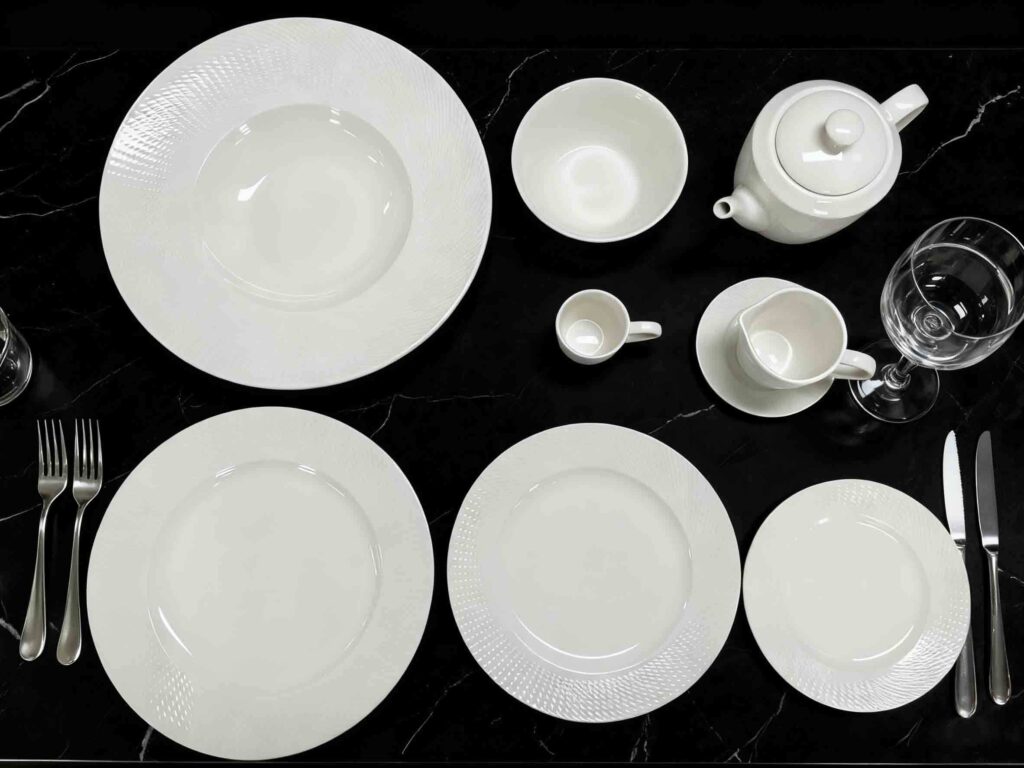
Porcelain dinnerware is the prestige choice for presentation serveware, and for good reason. It retains heat well, which matters when a roasted lamb dish needs to maintain its temperature throughout a 45-minute dinner service.
The clean white surface works as a neutral canvas, letting the food do the visual work. It coordinates with virtually any existing dinnerware program, which simplifies procurement decisions for hotel F&B directors managing multiple outlets.
For fine dining and upscale buffets, porcelain and bone china sit at the top of the list. Bone china dinnerware carries a slightly lighter build with comparable elegance, making it a strong choice when staff are carrying large platters across long dining rooms.
The trade-off is straightforward. Porcelain chips and breaks, and it costs more to replace than any other material on this list. In a controlled fine dining environment with trained staff and careful handling, that trade-off is manageable. In a 400-cover hotel breakfast buffet with rotating service teams, it becomes expensive fast.
Melamine
For high-volume catering serveware and casual buffet service, melamine is the practical standard. It is virtually unbreakable, lightweight enough for staff to carry multiple pieces at once, and significantly easier to handle during rapid replenishment cycles.
Modern melamine has come a long way. Current commercial grades convincingly mimic porcelain, slate, and wood finishes, which means you can get the aesthetic without the fragility.
A banquet manager running outdoor corporate events where pieces get stacked, transported, and handled by rotating staff will find melamine a far more sustainable choice than ceramic. But the limitation is heat.
Melamine should not go into microwaves, ovens, or under heat lamps, and should not be used for hot-hold buffet stations without separate chafer systems.
For cold stations, salad displays, and ambient-temperature catering serveware, it performs well. For anything requiring sustained heat retention, it needs a support system. For a deeper look at how melamine compares to ceramic across durability and presentation, that comparison is worth reviewing before committing to a material.
Stainless Steel
Stainless steel commercial serving trays and platters are the backbone of banquet and large-scale buffet operations. They are indestructible, easy to sanitize to food-safety standards, and available in mirror or satin finishes, depending on the formality of the setting.
Where stainless steel earns its place is in chafing dish setups, carving stations, and high-volume buffet lines, where durability and sanitation matter more than food presentation.
The limitation is visual. Food sitting directly on bare steel can read as institutional, which works against you in upscale hotel settings or branded catering events.
The best applications use stainless steel as an under-platter or chafer insert, with porcelain or melamine as the direct presentation surface above it. That combination gives you the structural durability of steel with the visual warmth of ceramic.
Wood, Slate, and Natural Materials
Natural materials are earning their place in artisanal, farm-to-table, and charcuterie-focused concepts. A slate board under a cheese selection, or a wooden platter for a shared antipasto course, creates a visual moment that porcelain simply cannot replicate.
Each piece carries natural variation, which adds character to specialty presentations.
The trade-off is maintenance. Porous surfaces like wood and slate are not dishwasher-friendly, require specific cleaning protocols to meet food safety standards, and are not suited for high-volume daily service.
For a boutique hotel running a weekly charcuterie evening or a restaurant with a dedicated sharing board menu, they add genuine value. For a 300-cover breakfast buffet, they create more problems than they solve.
Shapes and Sizes: Matching Restaurant Serving Platters to Your Service Size
Most procurement teams pick a platter shape because it looks good in a catalog photo. That’s the wrong starting point.
Shape determines how much food you can actually display, how your buffet line flows, how staff carry and stack pieces at the end of service, and how much storage space your kitchen gives up every night.
So here’s a question worth sitting with before you place an order.
Does your platter shape work for your service, or are you working around it?
Oval Platters
Oval is the classic format for a reason. It handles large, naturally shaped dishes well, whole roasted proteins, seafood displays, carved meats, and carved vegetables without forcing food into unnatural arrangements.
On a buffet table, ovals can be angled slightly to add visual movement to an otherwise flat line. The limitation shows up when you’re running a long straight buffet. Oval platters leave awkward dead space between pieces, which affects both presentation and how much you can fit per linear foot of table.
Rectangular and Square Platters
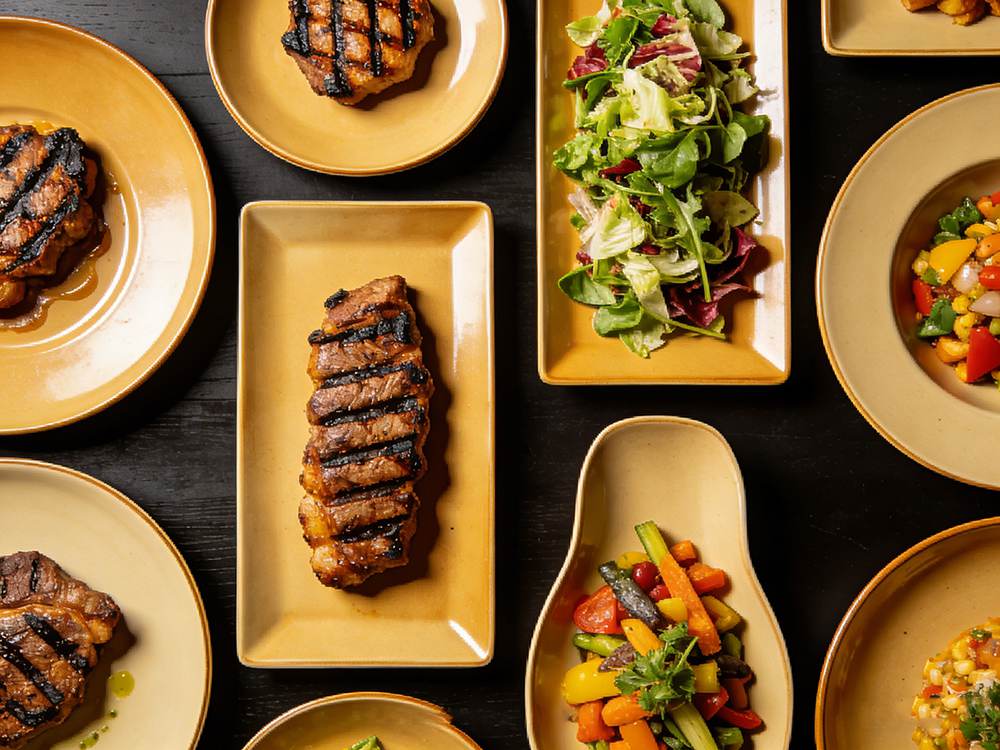
When your buffet line runs 10 to 12 feet, rectangular buffet serving dishes are the more efficient choice. Placed side by side, they eliminate the gaps that oval platters create and give you roughly 15 to 20% more usable serving surface across the same table length.
For high-volume hotel breakfast buffets and catering serveware programs running multiple stations, that difference adds up. Rectangular platters also suit modern plating aesthetics.
Sushi, canapés, dessert displays, and composed appetizers. All benefit from the structured, linear surface that a rectangular format provides.
Coupe and Rimless Platters
No rim means more food.
For presentation serveware in fine dining and passed appetizer service, coupe platters maximize the usable surface without the visual interruption of a raised edge.
They read as contemporary and clean, which pairs well with minimalist plating styles. But they are not the right call for anything with liquid, sauce, or loose components. That’s where the next category helps.
Commercial Serving Bowls and Bowl-Platters
Deep commercial serving bowls are the workhorses of family-style and buffet service. Why do we say this? Salads, pasta, rice, braised dishes, and anything with sauce need a vessel with depth.
And smaller bowls handle condiments and sides.
Medium sizes suit family-style table service where guests pass dishes. Large and oversized formats anchor self-service buffet stations where replenishment speed matters more than portion control.
For a complete look at how serving piece sizing connects to dinnerware, our guide covers the full picture.
Restaurant Serving Platters by Service Style: Buffet, Plated, Family-Style, and Banquet
The same restaurant serving platter that works beautifully for a fine-dining tableside presentation would be a liability at a 300-cover hotel breakfast buffet. Service format changes everything, and your serveware program should reflect that from the start. Here’s how to coordinate better.
Buffet and Self-Service
Durability and replenishment speed are the priorities here. When guests are serving themselves, your commercial serving trays and buffet platters need to withstand constant handling, heat exposure, and multiple refill cycles per service.
Large rectangular melamine platters are the practical standard for casual and mid-range buffets. Pair them with stainless steel chafer inserts for hot-hold stations and deep commercial serving bowls for anything with liquid or sauce.
Check that your platters work with existing sneeze-guard setups and that the surfaces are non-slip when wet.
Plated Service and Tableside
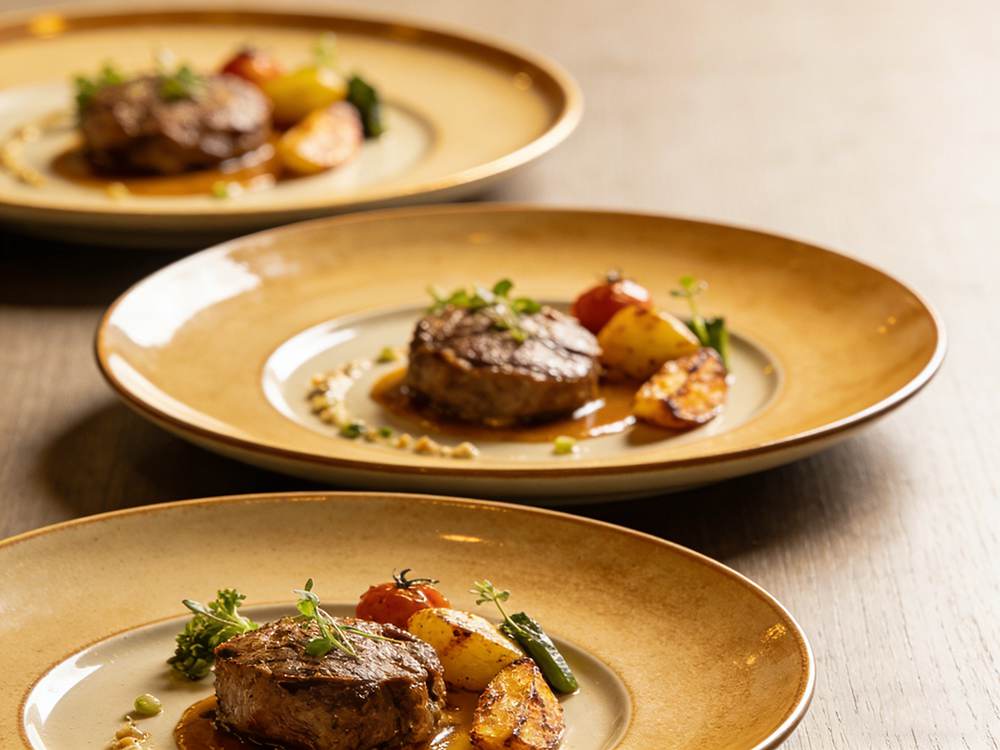
This is where presentation serveware earns its budget. Porcelain and bone china platters coordinate with your existing dinnerware sets and frame the food rather than competing with it.
Coupe shapes work well for modern fine dining. Oval platters suit classic tableside presentations and carved service.
Family-Style and Shared Platters
Generous sizing and ease of passing matter most here. A platter that’s awkward to grip across a table slows the meal down at exactly the wrong moment. Large oval or round platters in coordinating materials work well, and deep bowls handle sides cleanly without spillage risk.
Banquet and Large-Scale Events
Corporate events now represent roughly 41% of total contract catering service demand, according to market data, making professional banquet serveware one of the highest-stakes procurement decisions in the hospitality sector.
With peak dining windows running 75 to 90 minutes and average meal participation at 62%, your serveware program needs to support speed above everything else.
Standardized rectangular platters keep kitchen packing and plating consistent. Mirror-finish stainless steel suits formal event aesthetics while handling the volume that banquet service demands.
Sizing Your Serveware Program: How Much Do You Actually Need?
There is no universal number for serveware inventory, and any supplier who gives you one without asking about your operation is guessing. The right quantity comes from understanding how your service actually runs, not from a generic checklist.
For a restaurant serving platters specifically, the calculation starts with your service format and works outward from there.
Here is the 5-step thinking framework that works across most hospitality operations.
- Start with maximum simultaneous covers. A 200-cover buffet and a 40-seat family-style dining room have completely different serveware demands. Your peak service number is the baseline, not your average.
- Factor in replenishment rotation. Buffet operations need backup platters staged in the kitchen while front-of-house pieces are being refreshed. If replenishment takes five minutes and your guest volume is high, you need more stock than you think.
- Apply the 3:1 principle. The same rule that applies to commercial dinnerwareapplies here as well. One in use, one in the wash, one in reserve.
- Prioritize multi-use pieces. A platter that works across breakfast, lunch, and dinner service reduces total inventory without creating gaps.
- Plan for storage before you order. Platters are bulkier than plates. Rectangular shapes stack tighter and take up less shelf space than ovals.
Coordination: Making Serveware Work With Your Existing Tableto
Serveware doesn’t need to match your dinnerware exactly. It needs to belong with it. There’s a difference, and getting that distinction right is what separates a table that looks intentional from one that looks pieced together.
Your goal is coordination, not uniformity. Here’s how to think through it.
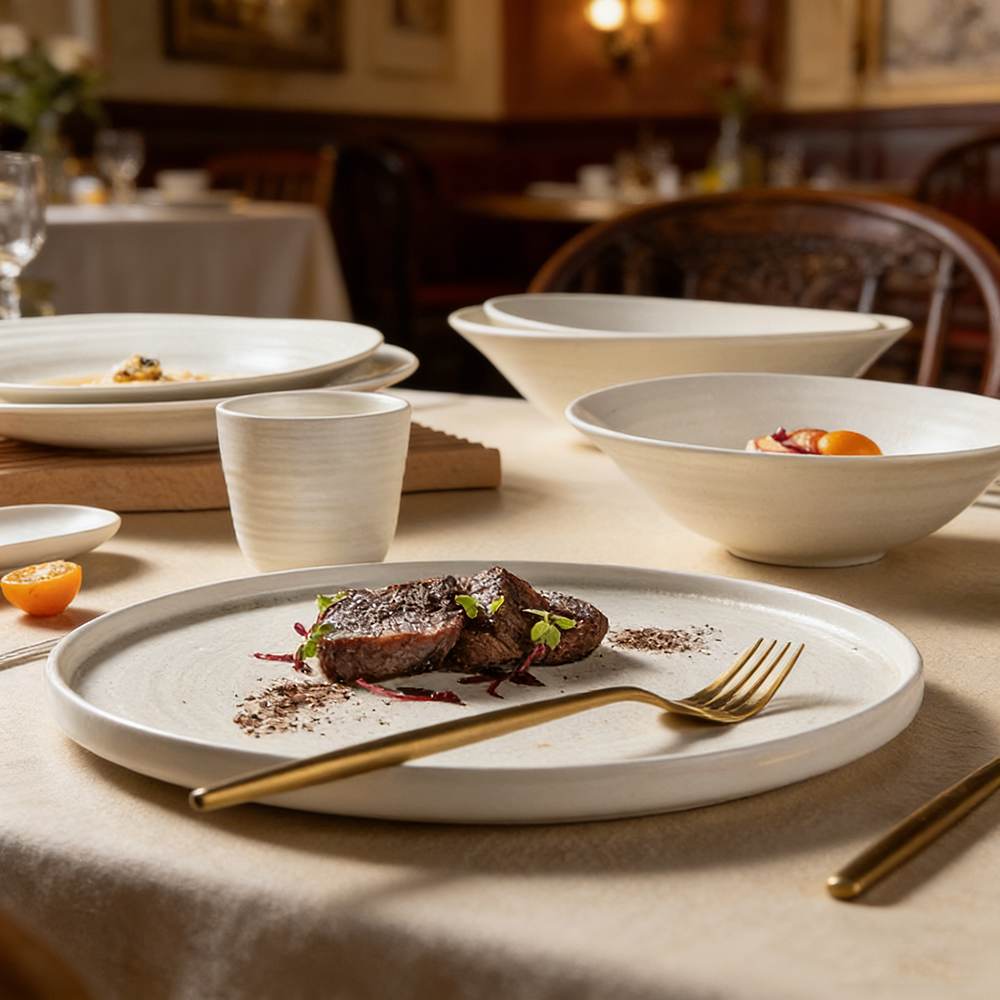
White porcelain serveware is the safest starting point. It pairs with virtually any existing dinnerware program and never competes with the food.
Contrast can work when it’s deliberate. Slate platters alongside white porcelain dinnerware, or wooden boards next to ceramic ramekins, add visual depth without looking mismatched.
Think in full table terms.
Serveware, flatware, glassware, and linens should tell one cohesive story, not four separate ones.
If you work with a dinnerware manufacturer, ask about full table coordination. A supplier who handles dinnerware, serveware, and flatware together removes a layer of procurement complexity.
Restaurant Serving Platters, Commercial Serveware, and Complete Tabletop Solutions With Brett
As presentation-led dining continues to grow across hotel buffets, corporate catering, and restaurant concepts, the operators who treat serveware as a strategic decision will always have a more consistent, more professional table than those who figure it out later.
Brett is a wholesale tabletop solution covering restaurant serving platters, commercial serving bowls, custom dinnerware, flatware, and glassware. One manufacturing partner and everything your table needs. Contact Brett to request samples and get guidance matched to your concept.
Frequently Asked Questions
1. What is the best material for restaurant serving platters?
It depends on your service style. Porcelain suits fine dining for heat retention and elegance. Melamine works best for high-volume casual and outdoor service. Stainless steel is the standard for buffet lines and banquet setups.
2. What size serving platters do restaurants use?
Small platters at 10 to 12 inches for passed appetizers, medium at 14 to 16 inches for table service, and large at 18 to 22 inches for buffet stations. The right mix depends on your service format.
3. Can you put melamine platters in the oven or under heat lamps?
No. Melamine should not exceed 200°F. Keep it away from ovens, microwaves, and heat lamps. For hot-hold stations, use melamine as a presentation surface only, with food transferred from chafers or separate hot-hold equipment.