Dinnerware bowls are among the most versatile pieces in any table setting. From comforting soups to vibrant salads and hearty grain dishes, the humble bowl plays a starring role in cuisines worldwide. Yet despite the endless shapes and designs available today, most bowls fall into three foundational categories based on their function and form.
Understanding these three basic types not only helps you build a practical dinnerware collection but also ensures the right presentation, portioning, and dining experience. In this guide, we’ll explore each type in depth, including their typical dimensions, uses, materials, and how they fit into modern tableware trends.
Why Bowl Types Matter in Tableware Design
In professional hospitality and home dining alike, bowl selection isn’t just about aesthetics—it affects:
- Portion control
- Heat retention
- Food presentation
- Dining comfort
Tableware design principles often follow functionality first, a concept widely discussed in culinary and design references.
With that foundation in mind, let’s look at the three core categories.
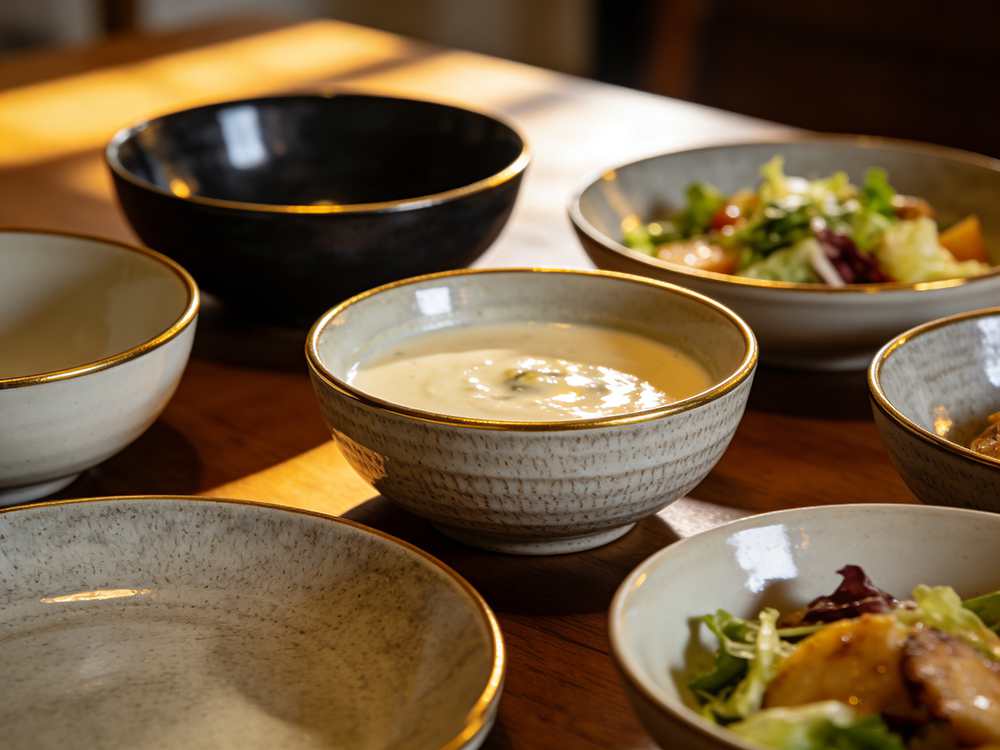
The 3 Basic Types of Dinnerware Bowls
1. Soup Bowls
Definition and Characteristics
Soup bowls are designed primarily for liquid or semi-liquid foods such as soups, stews, broths, and chowders. They typically feature:
- A deeper profilethan other bowls
- A wide rim or handle(in some styles)
- Capacity ranging from 300–500 ml (10–17 oz)
Their depth helps retain heat, while the curved interior makes spooning easier.
Common Types of Soup Bowls
- Rimmed Soup Bowls:Often used in formal dining, these have a flat rim that prevents spills and enhances plating.
- Coupe Soup Bowls: Rounded with no rim, popular in contemporary table settings.
- Handled Soup Bowls: Ideal for very hot soups like French onion, offering better grip.
Typical Uses
- Clear broths and consommés
- Cream soups
- Noodle soups
- Stews
In fine dining, soup bowls are often paired with underplates for presentation and heat insulation.
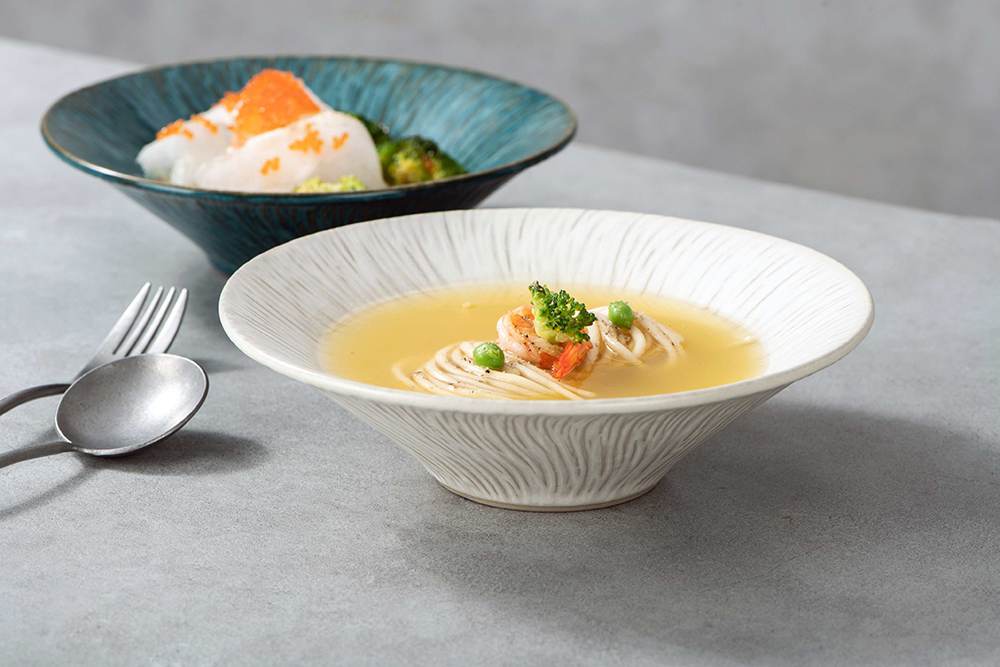
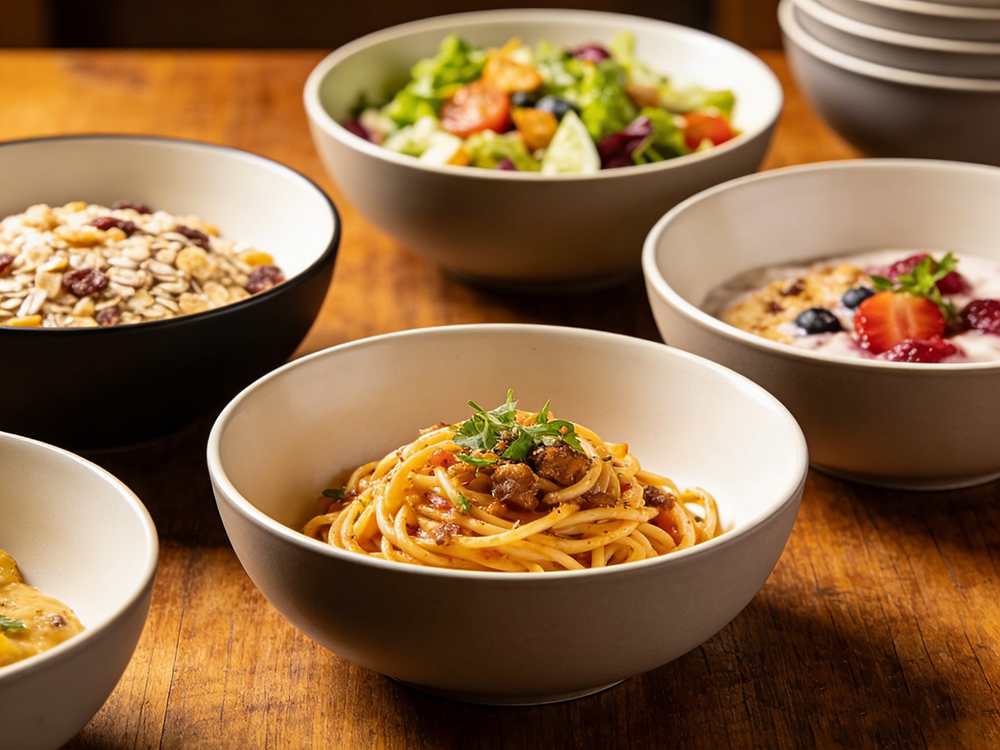
2. Cereal or All-Purpose Bowls
Definition and Characteristics
Cereal bowls—sometimes called all-purpose bowls—are the most versatile category of dinnerware bowls. They usually feature:
- A medium depth
- A diameter of 14–18 cm (5.5–7 in)
- Capacity around 350–600 ml (12–20 oz)
Their balanced proportions make them suitable for both liquid and solid foods.
Why They’re Considered Essential
In modern dining habits, the all-purpose bowl often replaces multiple specialized pieces because it can handle:
- Breakfast cereals
- Salads
- Rice or pasta
- Desserts
- Small entrée portions
This adaptability aligns with the shift toward casual, multifunctional tableware, especially in urban households.
Design Variations
- Straight-sided minimalist bowls
- Wide shallow bowls for grain dishes
- Stackable commercial designs for restaurants
Because they’re used daily, durability and stackability are key considerations in both hospitality and home settings.
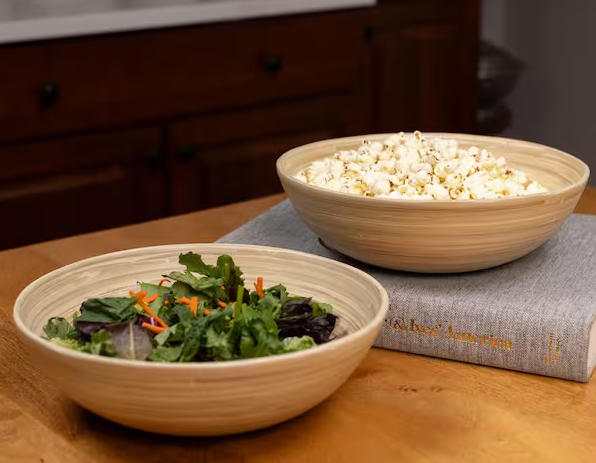
3. Serving Bowls
Definition and Characteristics
Serving bowls are larger bowls designed to hold shared portions placed at the center of the table. They typically feature:
- A larger diameter (20–30 cm / 8–12 in or more)
- Capacity from 1 to 4 liters
- Shallower depth relative to size for easy serving
Unlike individual bowls, their purpose is presentation and communal dining.
Typical Uses
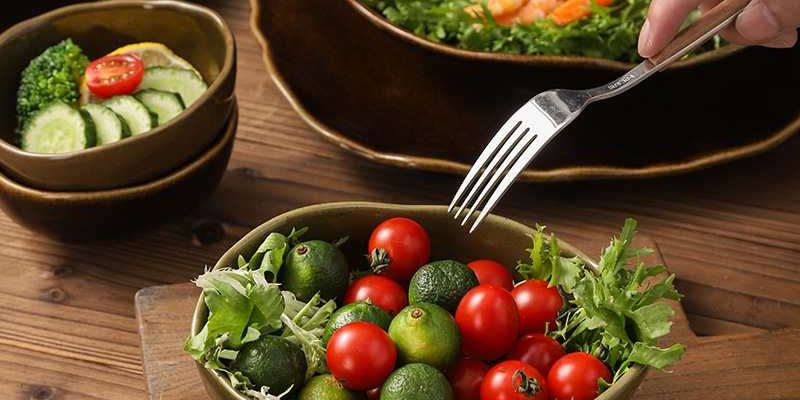
- Salads
- Pasta
- Side dishes
- Bread or fruit
- Family-style entrées
Serving bowls often act as a visual focal point, so design, color, and texture play a bigger role compared to functional bowls.
Role in Dining Culture
Communal serving vessels reflect dining traditions around the world—from family-style meals to banquet service—highlighting how tableware supports social interaction, not just eating.
Materials Commonly Used Across the Three Types
While the categories are defined by function, material choice influences durability, aesthetics, and price. The most common materials include:
- Porcelain and Bone China: Known for their refined appearance and strength. Bone china, in particular, combines translucency with durability due to its composition that includes bone ash.
- Stoneware: Heavier and more rustic, ideal for casual dining and excellent heat retention.
- Glass: Popular for cereal and dessert bowls because of its clean, modern look.
- Melamine: Lightweight and break-resistant, widely used in outdoor or commercial environments.
How the Three Bowl Types Work Together in a Place Setting
A complete table setting often uses multiple bowl types simultaneously:
- Soup bowl→ First course
- All-purpose bowl→ Main or side dish
- Serving bowl→ Shared components
In restaurant service, this layering ensures both visual harmony and efficient workflow.
Choosing the Right Bowl Type for Your Needs
When selecting dinnerware bowls—whether for hospitality projects or home use—consider these factors:
1. Menu Style
- Liquid-heavy menus → prioritize soup bowls
- Grain or salad-focused menus → versatile bowls
- Family-style service → larger serving bowls
2. Storage Space
Stackable all-purpose bowls save the most space.
3. Durability Requirements
High-volume restaurants often favor reinforced porcelain or vitrified stoneware.
4. Aesthetic Direction
Minimalist interiors often lean toward coupe shapes, while classic dining favors rimmed designs.
Modern Trends in Dinnerware Bowls
The evolution of dining habits has influenced bowl design significantly. Key trends include:
- Multi-functional deep plates(a hybrid between bowls and plates)
- Organic shapes and hand-crafted finishes
- Larger all-purpose bowls for “bowl meals”like poke or grain bowls
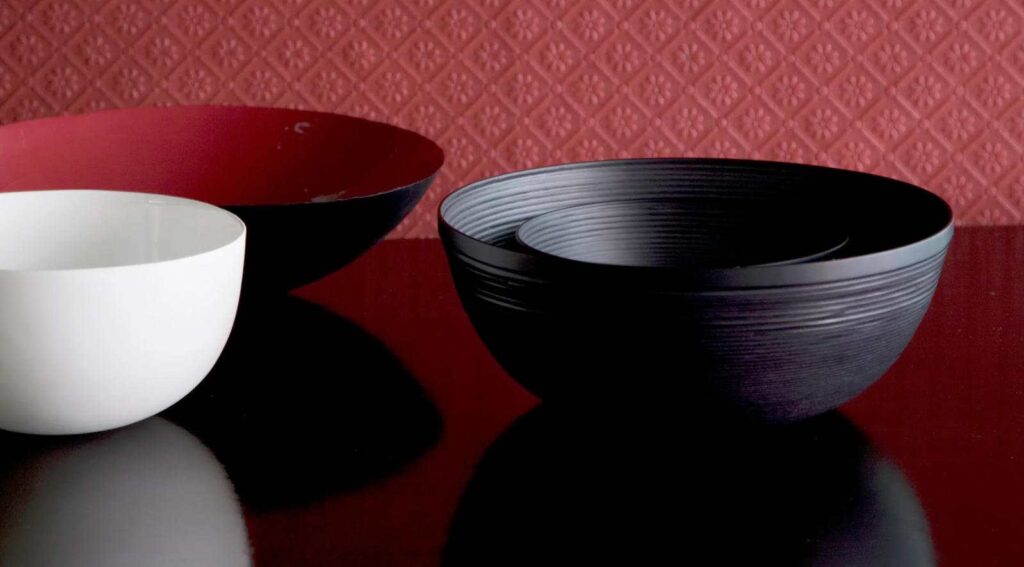
- Color-glazed interiorsfor visual contrast
These trends reflect how bowls have become central to contemporary food presentation, especially with the rise of single-dish meals.
Quick Comparison Table
Bowl Type | Depth | Capacity | Primary Use |
Soup Bowl | Deep | 300–500 ml | Soups & stews |
All-Purpose Bowl | Medium | 350–600 ml | Everyday meals |
Serving Bowl | Shallow-large | 1–4 L | Shared dishes |
Conclusion
Although the world of tableware offers endless styles, the foundation of any collection rests on three essential dinnerware bowls:
- Soup bowlsfor liquid dishes and heat retention
- All-purpose bowlsfor everyday versatility
- Serving bowlsfor shared meals and presentation
Together, they create a functional system that supports everything from casual breakfasts to formal dinners. Whether you’re designing a restaurant table setting or upgrading your home kitchen, understanding these core types ensures you choose bowls that are not only beautiful but perfectly suited to how people actually eat.