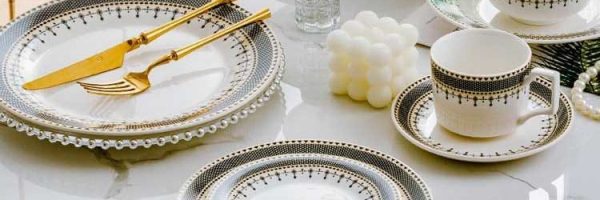
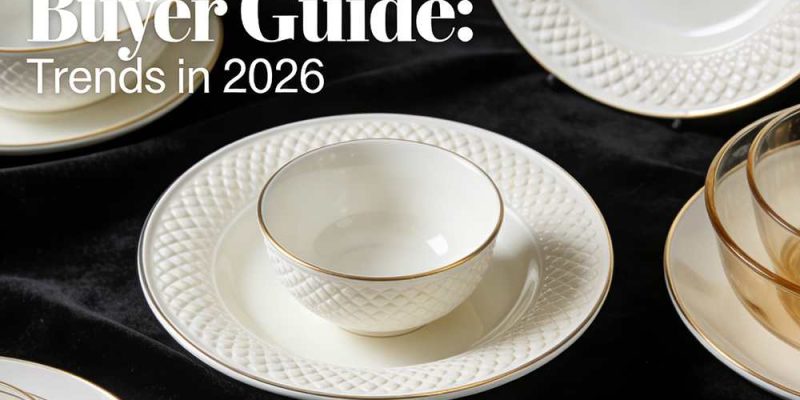
Modern porcelain dinnerware is quietly entering a new era. While porcelain itself has been used for centuries, the way it is designed, manufactured, and chosen—especially by hotels, restaurants, and design-driven consumers—is evolving faster than ever.
As we approach 2026, buyers are no longer asking only “Is this durable?” or “Is it elegant?”
They’re asking:
- Does it reflect modern dining culture?
- Is it sustainable?
- Will it still look relevant in five years?
This guide explores key trends shaping modern porcelain dinnerware in 2026, helping buyers make smarter, future-proof decisions.
1. What Defines “Modern Porcelain Dinnerware”?
Modern porcelain dinnerware is not a single style—it’s a mindset.
At its core, porcelain is a high-fired ceramic made from refined clay (kaolin), feldspar, and quartz, known for its strength, whiteness, and low porosity. According to Encyclopaedia Britannica, porcelain’s vitrified structure is what gives it superior durability and translucency compared to other ceramics.
What makes it modern today is how those traditional material advantages are paired with contemporary aesthetics, technology, and usage scenarios.
In 2026, modern porcelain dinnerware is defined by:
- Clean but expressive forms
- Subtle textures over heavy decoration
- Versatility across casual and fine dining
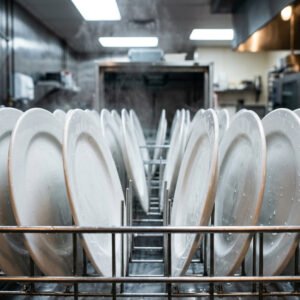
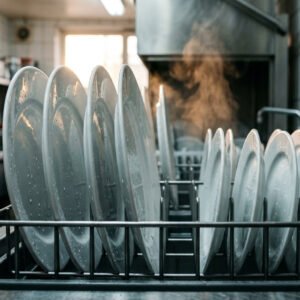
Compatibility with modern kitchens (dishwasher, microwave, stackability)
2. Why Porcelain Remains the Core Material for Modern Dining
Despite the rise of stoneware and alternative materials, porcelain continues to dominate modern tableware collections—especially in premium hospitality.
There are practical reasons for this:
- High firing temperature (≈1300°C)creates exceptional strength
- Low water absorption (<0.5%)improves hygiene
- Smooth glaze surfaceresists stains and odors
- Refined appearancesuits both minimalism and luxury
These characteristics make porcelain particularly suitable for restaurants, hotels, and home users who want dinnerware that performs daily yet photographs beautifully.
It’s why many designers still choose porcelain dinnerware as the foundation for modern collections, even when experimenting with new shapes and finishes.
3. Modern Porcelain Dinnerware Trends in 2026
Trend #1: Soft Minimalism Replaces Cold Minimalism
Minimalism isn’t disappearing in 2026—it’s evolving.
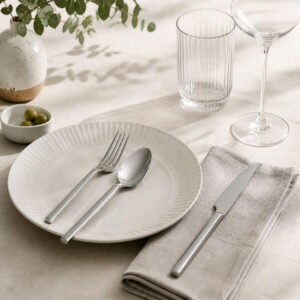
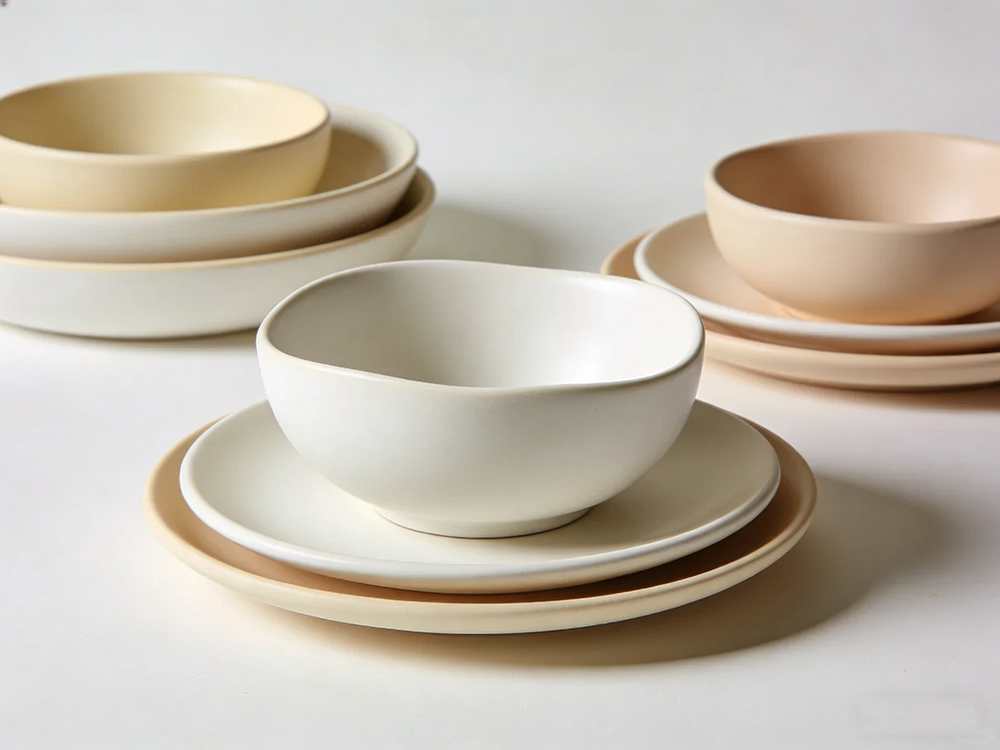
Earlier modern designs often leaned toward stark whites, sharp edges, and clinical precision. The new direction is soft minimalism:
- Rounded silhouettes
- Gentle curves instead of hard angles
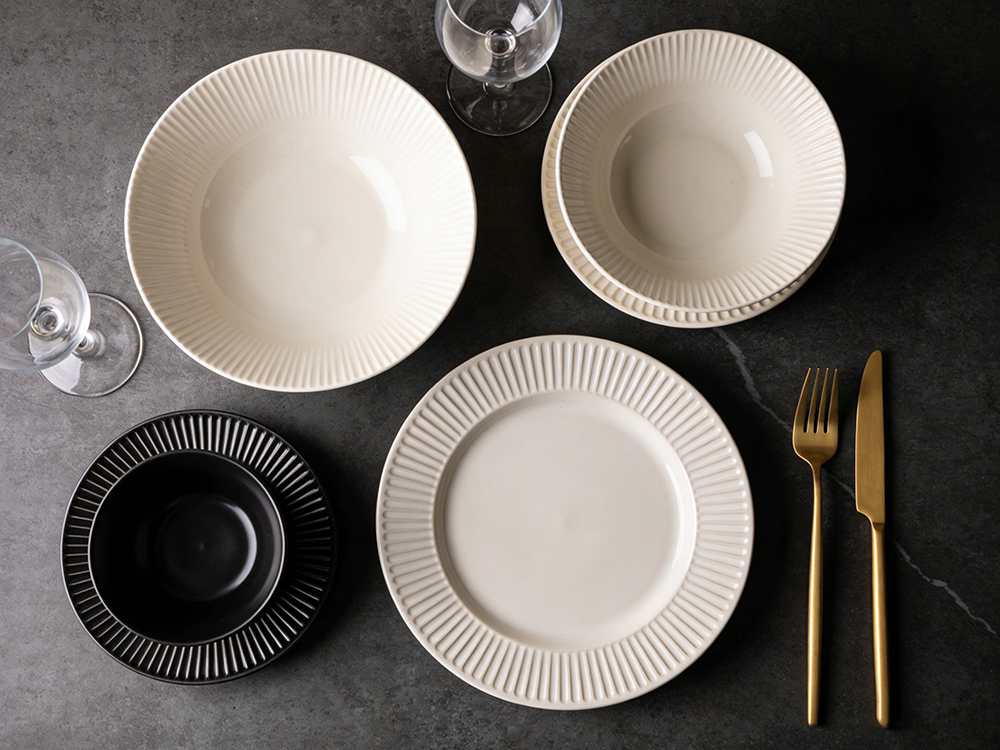
- Warm whites, ivory, and bone tones
- Matte or satin finishes replacing high gloss
This shift reflects broader interior and lifestyle trends where warmth and comfort balance modern aesthetics.
From a buyer’s perspective, soft minimalism has a practical advantage: it ages better. Plates with subtle character don’t feel outdated as quickly as overly trendy designs.
Trend #2: Texture Becomes the New Decoration
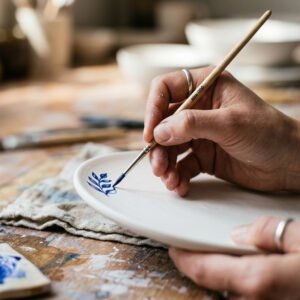
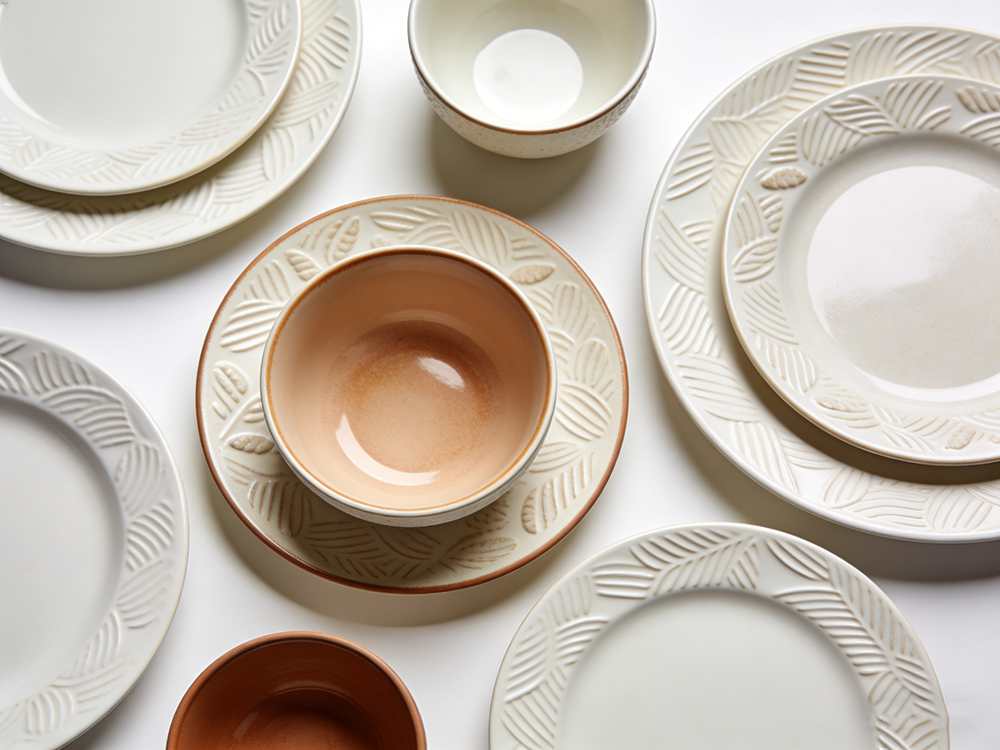
Instead of bold prints or heavy patterns, modern porcelain dinnerware in 2026 relies on surface texture.
Popular treatments include:
- Fine embossing
- Reactive-look glazes (controlled, food-safe versions)
- Hand-feel matte finishes
- Subtle concentric or organic relief patterns
Texture adds visual interest without overpowering food presentation—an important consideration in professional dining and social-media-driven cuisine.
Design historians often note that tableware trends move in cycles between ornament and restraint. As Robert Finlay discusses in The Pilgrim Art: Cultures of Porcelain in World History, understated surfaces allow porcelain to adapt across eras without losing relevance.
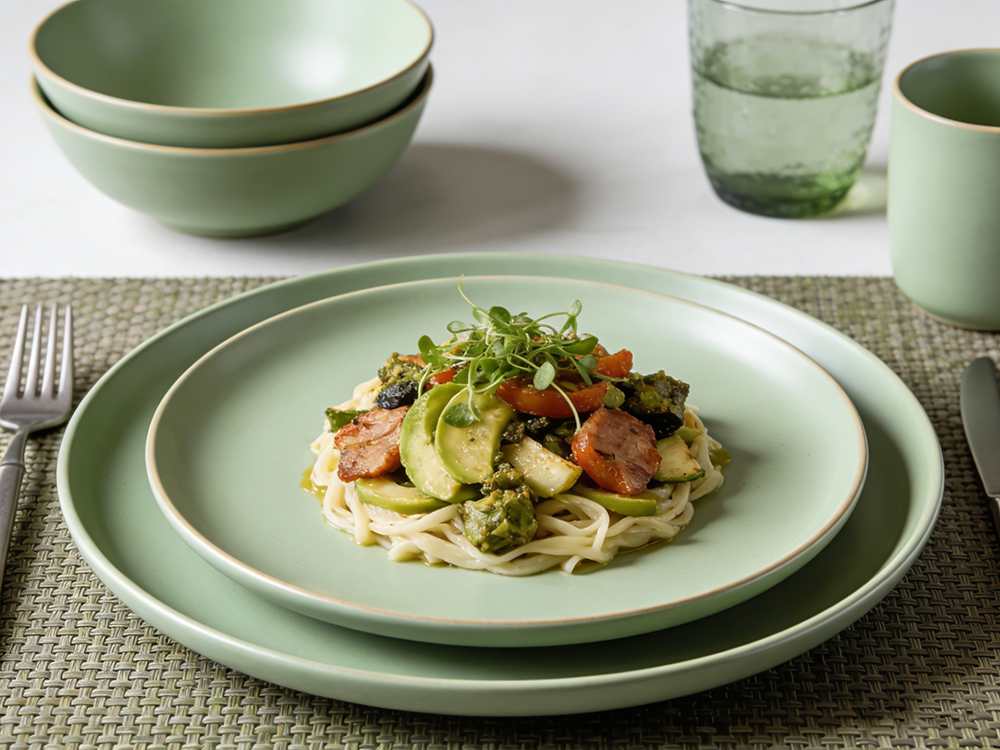
Trend #3: Natural & Muted Color Palettes
Color is returning—but quietly.
In 2026, modern porcelain dinnerware favors:
- Sand, linen, and clay tones
- Muted greens and sage
- Soft charcoal and warm gray
- Washed blue inspired by nature
These hues complement modern interiors and enhance food plating without competing for attention.
Bright colors still exist, but they are typically reserved for accent pieces rather than full dinnerware sets.
Trend #4: Sustainability Is No Longer Optional
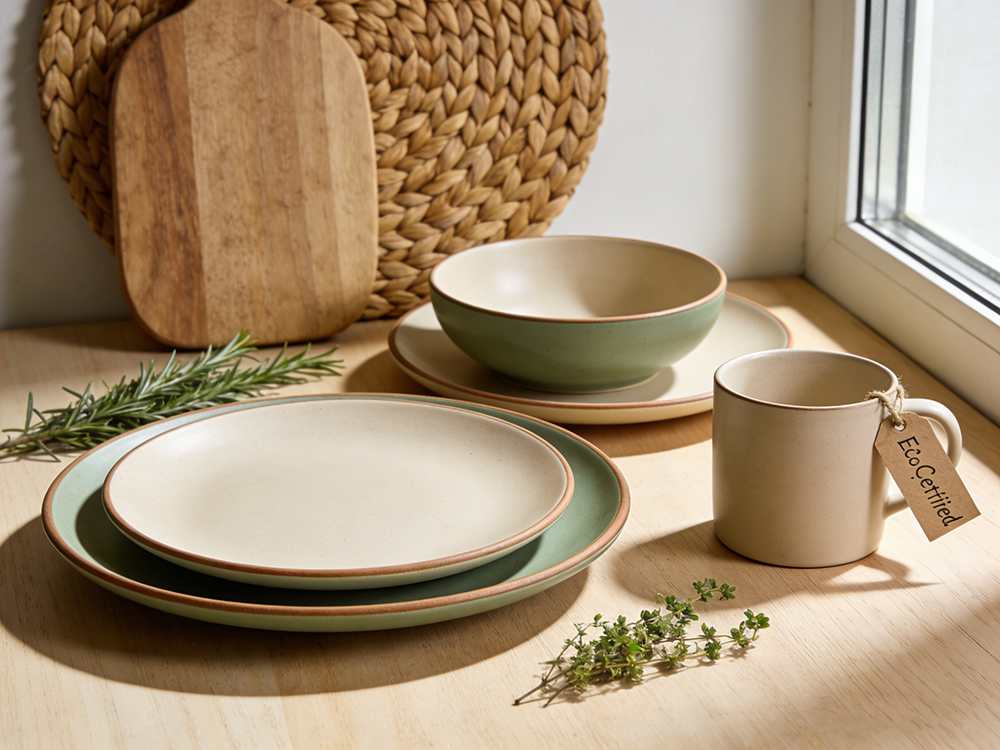
Sustainability has moved from a marketing bonus to a buying requirement.
Modern porcelain buyers increasingly ask about:
- Lead-free and cadmium-free glazes
- Efficient kiln firing processes
- Reduced waste in production
- Longevity over disposability
Porcelain’s long lifespan already gives it an advantage over short-use alternatives. According to the European Ceramic Industry Association, durable ceramic products contribute to sustainability by reducing replacement frequency and lifecycle waste.
In 2026, manufacturers that can document responsible sourcing and testing standards will clearly outperform those that cannot.
Trend #5: Microwave & Dishwasher Compatibility as a Design Rule
Modern lifestyles demand convenience.
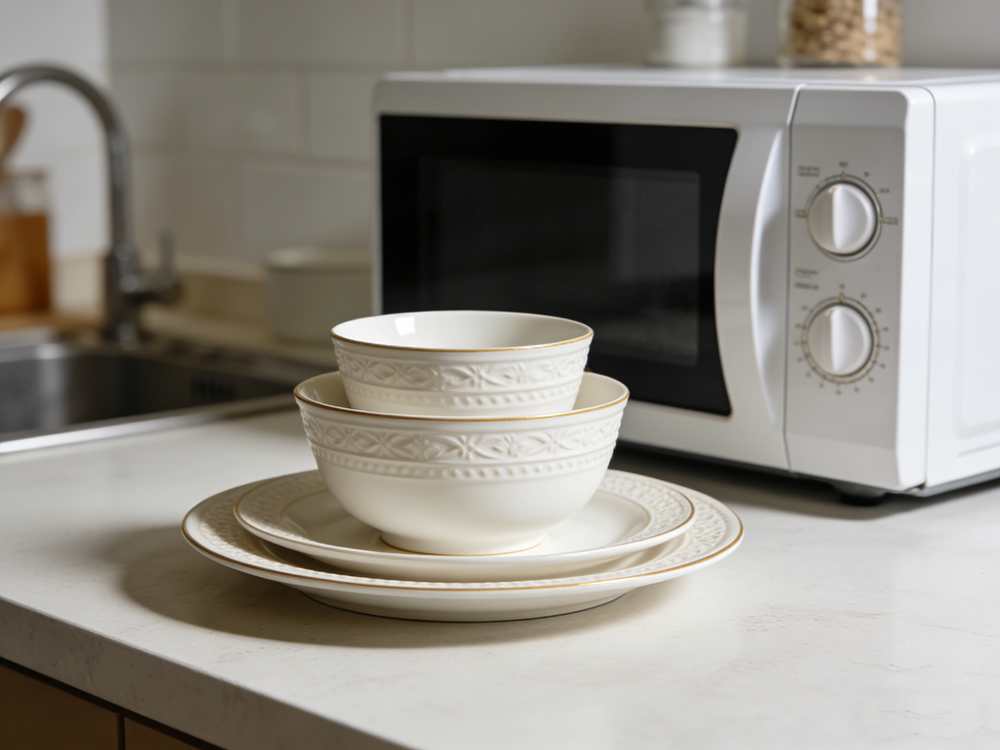
In 2026, buyers increasingly assume that modern porcelain dinnerware should be:
- Dishwasher safe
- Microwave safe
- Resistant to thermal shock
This has influenced design decisions, especially regarding metallic decorations. Gold or platinum accents are now applied more selectively—or replaced by matte textures and embossed detailing—to maintain usability without sacrificing elegance.
Functionality is no longer a compromise; it’s part of good design.
Trend #6: Multi-Use Forms Over Traditional Sets
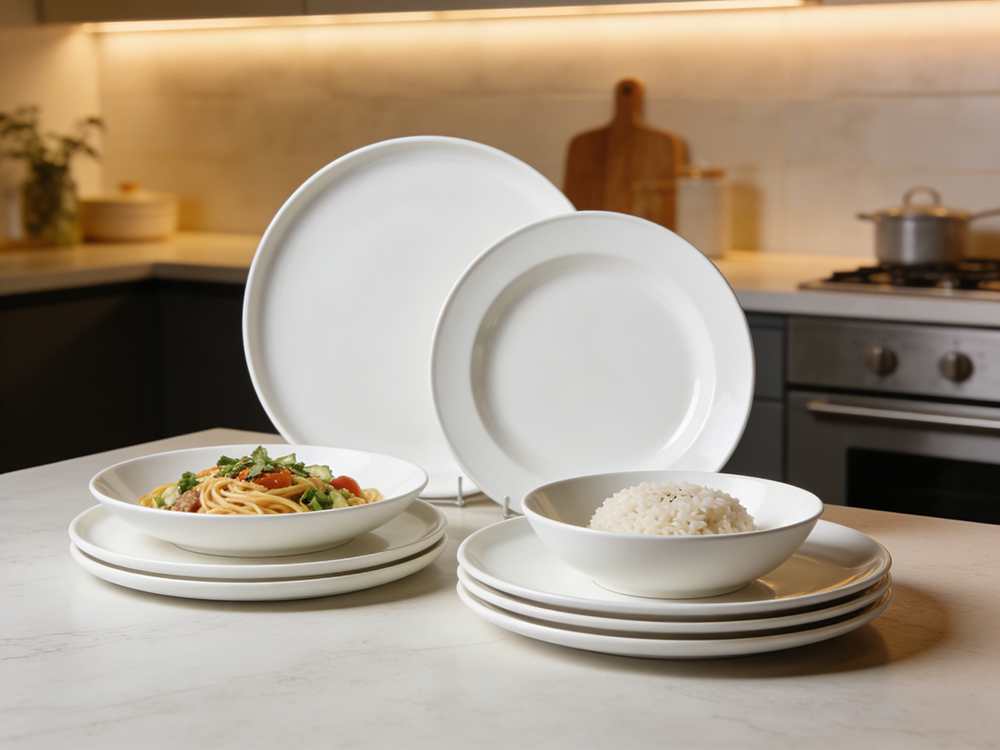
Rigid 20-piece sets are losing ground to modular collections.
Modern porcelain dinnerware increasingly features:
- Coupe plates that work for mains and sharing
- Bowls designed for pasta, salads, or rice
- Stackable forms optimized for storage
- Charger plates that double as serving pieces
This flexibility appeals to both hospitality buyers and modern households with limited space.
Trend #7: Hospitality Influence on Home Dining
One of the strongest forces shaping modern porcelain dinnerware is the hospitality industry itself.
Hotels and restaurants drive trends that later filter into home use:
- Neutral palettes
- Durable but elegant forms
- Tableware designed for visual storytelling
As open kitchens, chef-led concepts, and experiential dining grow, home consumers increasingly want plates that feel “restaurant-level” without being fragile or pretentious.
4. How Buyers Should Choose Modern Porcelain in 2026
When evaluating modern porcelain dinnerware, buyers should look beyond appearance.
Key questions to ask:
- Is the porcelain fully vitrified and low-absorption?
- Are the glazes food-safe and certified?
- Will the design still feel relevant in 5–10 years?
- Does it suit both daily use and special occasions?
Truly modern porcelain balances aesthetics, durability, and adaptability.
Final Thoughts
Modern porcelain dinnerware in 2026 is less about trends for their own sake and more about thoughtful evolution. Clean forms soften, textures speak louder than patterns, and sustainability quietly shapes design decisions behind the scenes.
Porcelain has survived centuries not because it stayed the same—but because it adapted without losing its essence.
For buyers, choosing modern porcelain today means investing in dinnerware that feels current now, functional tomorrow, and timeless long after trends shift again.