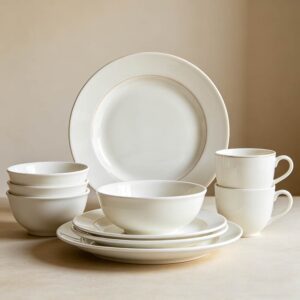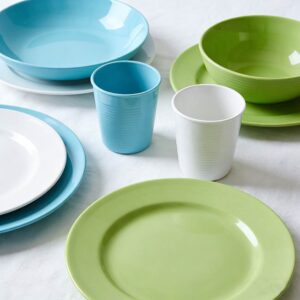
Easter is a celebration filled with renewal, joy, and meaningful traditions. Whether it’s a family brunch, a festive gathering, or a formal spring dinner, the table setting plays a central role in shaping the experience. Choosing the right Easter dinnerware is more than just selecting plates and bowls—it’s about creating a visual story that reflects the spirit of the season.
But what exactly makes dinnerware “Easter-themed”? Is it the colors, the patterns, or the symbolism behind the designs? In this guide, we’ll explore the key elements that define Easter dinnerware and how you can use them to create a beautiful and cohesive table setting.
The Meaning Behind Easter and Its Influence on Tableware
Before diving into design elements, it helps to understand the cultural and symbolic roots of Easter. Easter is one of the most important holidays in Christianity, celebrating resurrection and new life. Over time, it has also become associated with broader themes of spring, rebirth, and renewal.
According to Wikipedia, Easter traditions often incorporate symbols such as eggs, rabbits, and flowers—each representing fertility, growth, and new beginnings. These symbolic elements naturally translate into dinnerware design, shaping the aesthetics of Easter-themed table settings.
Signature Easter Color Palettes
1. Pastel Colors
Pastels are perhaps the most recognizable feature of Easter dinnerware. Soft hues like:
- Baby blue
- Blush pink
- Lavender
- Mint green
- Pale yellow
These colors reflect the gentle tones of spring and create a light, airy atmosphere at the table.
2. Nature-Inspired Greens and Neutrals
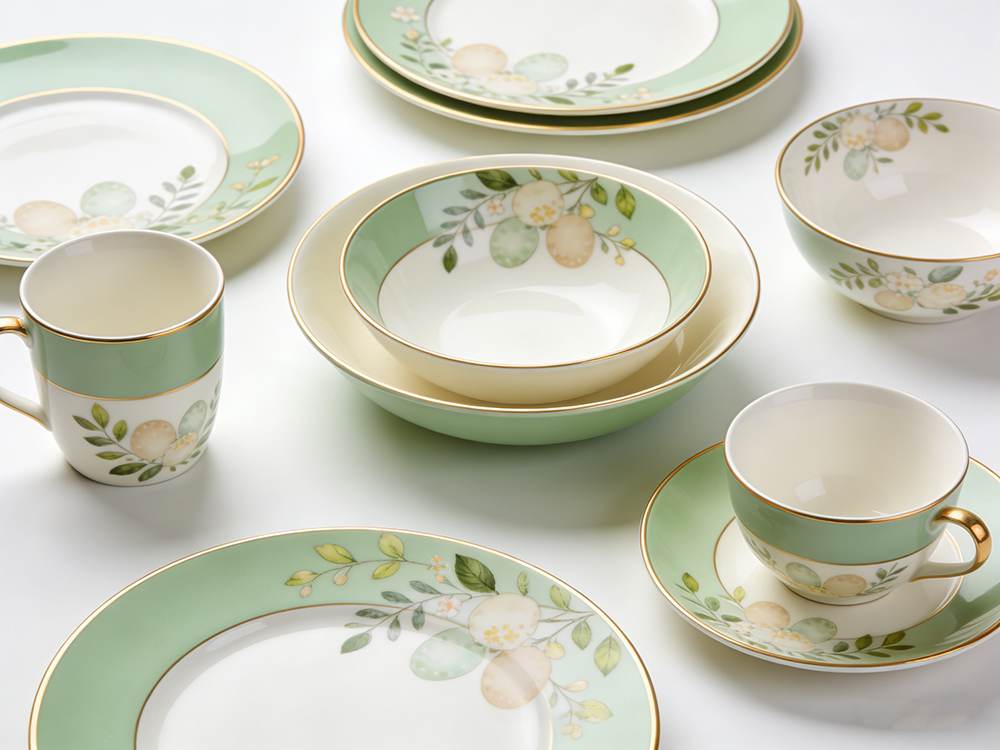
In addition to pastels, earthy greens and warm neutrals are increasingly popular in modern Easter tableware. These tones mimic fresh grass, budding leaves, and natural textures.
3. Subtle Gold Accents
Gold-rimmed or lightly gilded dinnerware adds elegance without overpowering the soft seasonal palette, making it ideal for more formal Easter gatherings.
Iconic Easter Motifs and Patterns
1. Bunnies and Rabbits
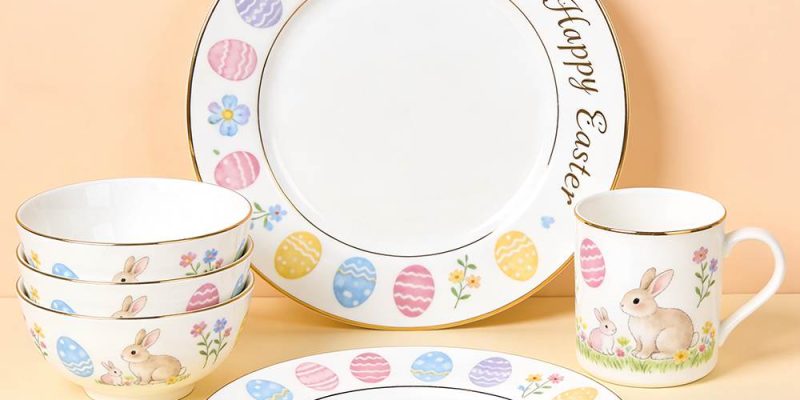
The Easter Bunny is one of the most iconic symbols of the holiday. Dinnerware featuring rabbit illustrations instantly signals an Easter theme, whether playful or sophisticated.
2. Easter Eggs
Decorated eggs symbolize new life and are a staple in Easter design. On dinnerware, they may appear as:
- Painted patterns
- Embossed textures
- Subtle border details
3. Floral Designs
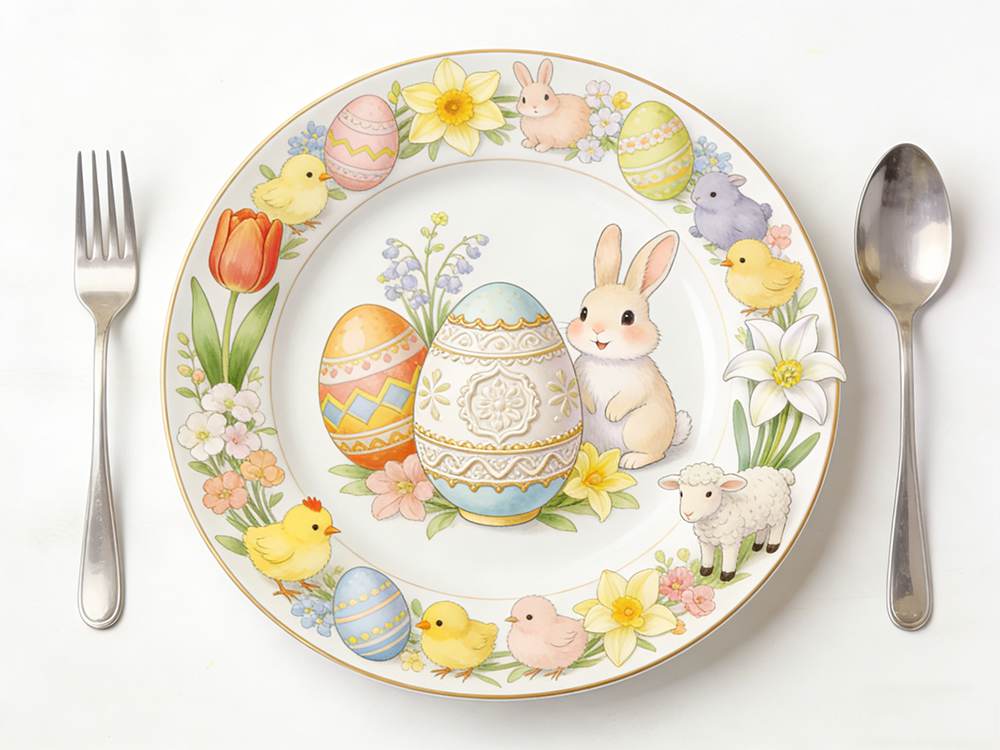
Spring flowers like tulips, daffodils, and lilies are commonly featured. These floral elements add freshness and connect the table to the natural world.
4. Chicks and Spring Animals
Chicks, lambs, and other young animals reinforce the theme of renewal and are often used in more casual or family-oriented dinnerware sets.
Material Choices That Enhance the Easter Theme
While design is important, the material of your dinnerware also contributes to the overall feel of your table.
Porcelain and Bone China
These materials offer:
- Smooth, refined surfaces
- Ideal backgrounds for pastel and floral designs
- A slightly translucent quality that enhances elegance
Stoneware
Stoneware provides a more rustic and grounded aesthetic, perfect for:
- Farmhouse-style Easter tables
- Natural or organic themes
Ceramic with Reactive Glaze
Reactive glaze finishes create subtle variations in color, echoing the imperfect beauty of nature—perfect for modern Easter settings.
Texture and Finishing Details
1. Embossed Patterns
Raised floral or egg motifs add depth and tactile interest without overwhelming the design.
2. Hand-Painted Elements
Hand-painted dinnerware feels more personal and artisanal, aligning with the idea of a thoughtfully prepared holiday meal.
3. Gloss vs Matte Finish
- Glossy finishescreate a clean, elegant look
- Matte finishesoffer a softer, contemporary feel
Mixing both can create visual contrast on your table.
Shape and Form: Subtle but Impactful
Easter dinnerware often features softer, more organic shapes compared to standard sets:
- Rounded edges instead of sharp lines
- Slightly scalloped rims
- Irregular or handmade-inspired silhouettes
These details help reinforce the relaxed and welcoming atmosphere typical of Easter gatherings.
Coordinating Easter Table Elements
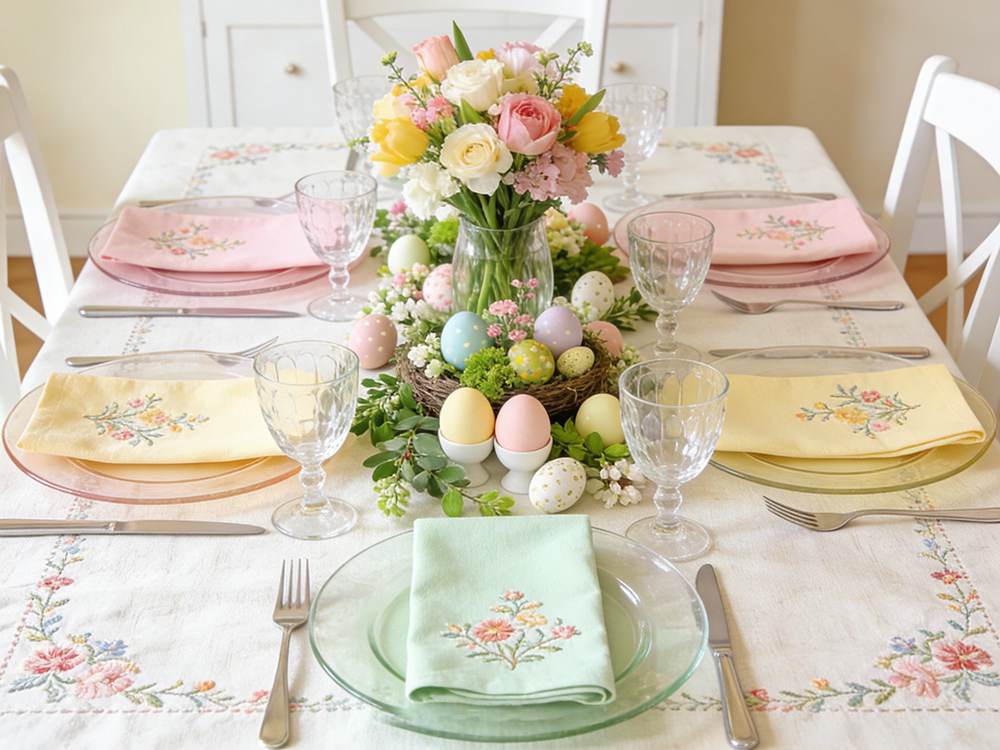
Easter dinnerware doesn’t exist in isolation—it works best when paired with complementary table décor.
1. Centerpieces
- Fresh flowers
- Decorative eggs
- Spring greenery
2. Linens
- Linen napkins in pastel tones
- Floral or embroidered tablecloths
3. Glassware and Accessories
Clear or lightly tinted glassware pairs well with Easter dinnerware, keeping the table light and cohesive.
Modern Trends in Easter Dinnerware (2026)
Easter tableware trends are evolving, blending tradition with contemporary design:
1. Minimalist Easter Aesthetic
Rather than bold motifs, many designs now use subtle nods to Easter—like a single embossed egg or a soft color gradient.
2. Eco-Friendly Materials
Sustainable ceramics and natural glazes are becoming more popular as consumers prioritize environmentally conscious choices.
3. Mix-and-Match Styling
Instead of uniform sets, mixing plates with different patterns or colors creates a curated, layered look.
How to Identify True Easter-Themed Dinnerware
To quickly determine whether a dinnerware set fits the Easter theme, ask yourself:
✔ Does it use soft, spring-inspired colors?
✔ Are there seasonal motifs like flowers, eggs, or animals?
✔ Does it create a light, fresh, and welcoming atmosphere?
✔ Can it pair well with spring décor and natural elements?
If the answer is yes to most of these, you’re looking at authentic Easter dinnerware.
Why Easter Dinnerware Matters
Easter is about more than just food—it’s about experience. The right dinnerware:
- Enhances presentation and visual appeal
- Sets the tone for the gathering
- Reflects care and attention to detail
- Creates memorable moments for guests
In many ways, the table becomes a canvas where tradition, design, and hospitality come together.
Final Thoughts
Easter dinnerware is defined by a harmonious blend of color, symbolism, material, and design. From pastel palettes and floral motifs to delicate porcelain finishes and handcrafted textures, every element contributes to a table setting that celebrates renewal and togetherness.
Whether you prefer a classic bunny-themed set or a modern minimalist approach, the key is to create a table that feels fresh, inviting, and aligned with the spirit of Easter.
Because at the end of the day, the best Easter table isn’t just about what’s served—it’s about how it makes people feel.