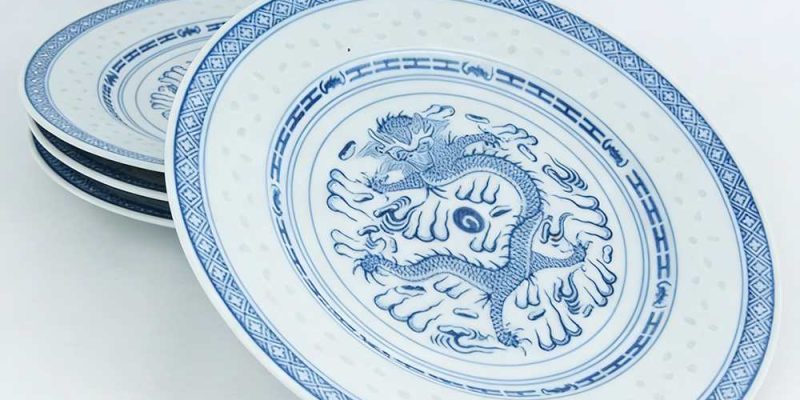
Rice grain china dinnerware — often called rice porcelain or rice pattern porcelain — is one of the most distinctive and artistic forms of traditional tableware. Known for its delicate translucent “grains” embedded in the body of the porcelain, this style blends craftsmanship, history, and functionality in a way few ceramics can match.
From its origins in traditional Chinese kilns to its modern presence on dining tables around the world, rice grain china dinnerware represents both cultural heritage and timeless design. In this guide, we’ll explore what it is, how it’s made, its history, and why it remains popular today.
The Definition of Rice Grain China Dinnerware
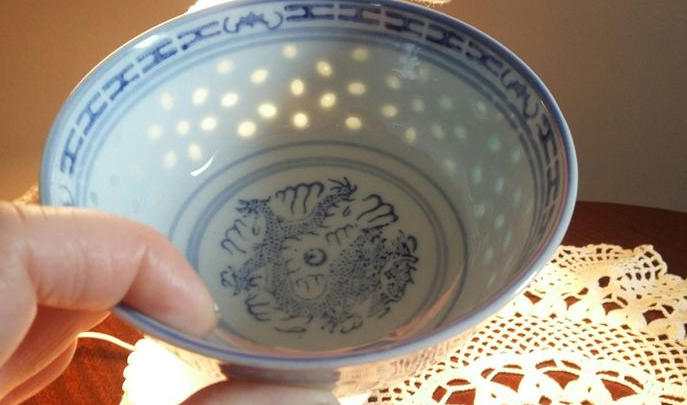
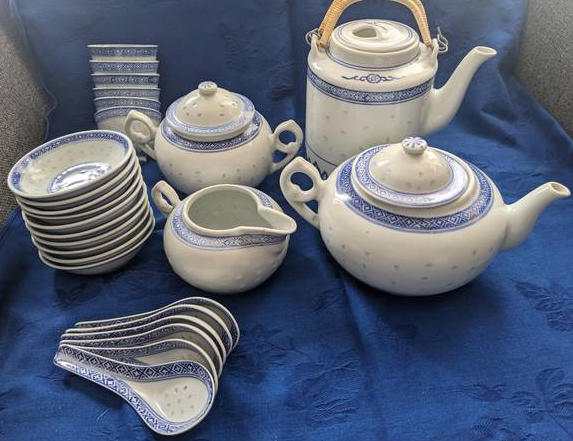
Rice grain china dinnerware is a type of porcelain characterized by small translucent patterns that resemble grains of rice. These oval or elongated shapes appear embedded within the ceramic body, creating a lace-like effect when held up to light.
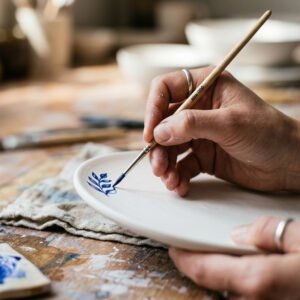
Unlike printed patterns or surface decorations, the rice grain effect is created through a piercing and glazing process, making it part of the structure of the porcelain itself rather than a surface design. This gives the dinnerware a refined, handcrafted look that feels both artistic and functional.
The Origins and Cultural Background
Rice grain porcelain has deep roots in Chinese ceramic history, particularly associated with the kilns of Jingdezhen, widely regarded as the porcelain capital of the world. For centuries, artisans there refined techniques that produced some of the finest ceramics ever made.
Historical records trace rice pattern porcelain back several hundred years, where it was valued for both its technical complexity and symbolic meaning. The rice motif was often associated with prosperity and abundance, making the dinnerware suitable for both everyday use and ceremonial occasions.
Today, rice grain china is still produced in China and other countries, but traditional methods from Jingdezhen remain the gold standard for authenticity and craftsmanship.
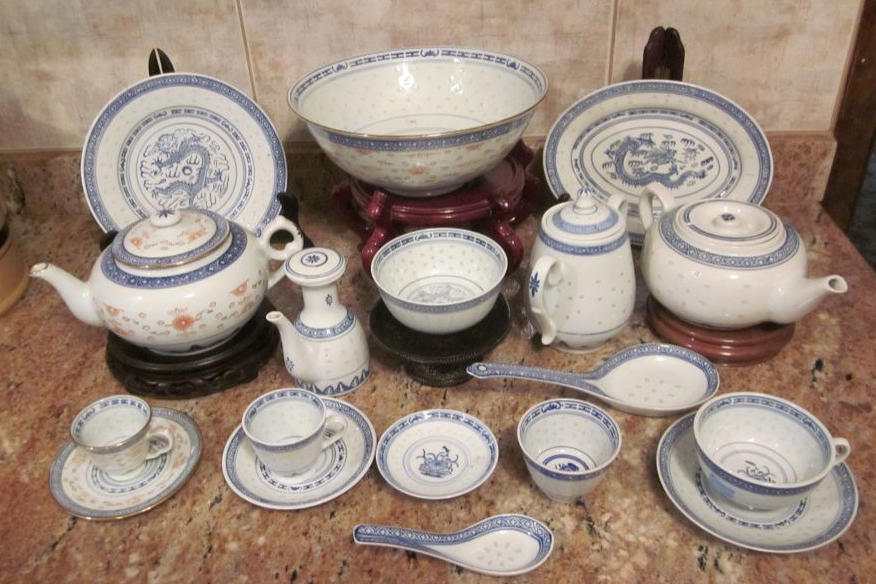
How Rice Grain China Is Made
The production of rice grain china dinnerware requires precision and skill. While modern manufacturing can assist with consistency, the technique remains rooted in traditional ceramic processes.
1. Forming the Porcelain Body
A mixture of kaolin clay, feldspar, and quartz is shaped into plates, bowls, or cups — similar to standard porcelain production.
2. Carving or Piercing the “Rice Grains”
Before firing, artisans carefully carve tiny openings into the semi-dry clay body. These openings form the iconic rice-shaped patterns.
3. Filling with Glaze
A transparent glaze fills the carved areas. During firing, the glaze melts and becomes translucent, creating the signature glowing effect.
4. High-Temperature Firing
The pieces are fired at temperatures typically exceeding 1,200 °C (about 2,200 °F). This vitrifies the porcelain and fuses the glaze into the body, ensuring strength and durability.
The result is dinnerware that appears almost luminous when light passes through the “grains,” combining delicacy with surprising structural strength.
Key Characteristics of Rice Grain China Dinnerware
1. Translucent Pattern
The most defining feature is the semi-transparent rice-grain motif, which creates a subtle decorative effect without overwhelming the design.
2. Lightweight Yet Durable
Like fine porcelain, rice grain china is thin and elegant but can be quite strong due to high-temperature firing.
3. Smooth Glazed Surface
The glaze gives the dinnerware a glossy finish that resists stains and makes cleaning easy.
4. Timeless Aesthetic
The understated pattern works well with both traditional and modern table settings, making it versatile for various dining styles.
Is Rice Grain China Real Porcelain?
Yes — rice grain china is a true porcelain, not a decorative imitation. Its base composition is similar to other fine porcelains, using kaolin clay and feldspathic materials fired at high temperatures.
The key difference lies in the decorative technique. Rather than painted or printed designs, rice grain porcelain incorporates patterns into the structure itself, which is why it’s often considered both a technical and artistic achievement in ceramics.
Uses of Rice Grain China Dinnerware
Everyday Dining
Because of its durability and smooth glaze, rice grain china can be used for daily meals if handled with normal care.
Formal Table Settings
Its refined look makes it suitable for special occasions, tea service, and elegant dining environments.
Decorative Display
Many collectors appreciate rice porcelain for its craftsmanship and display it in cabinets or as part of curated tableware collections.
Advantages of Rice Grain China Dinnerware
1. Unique Visual Appeal
The translucent grains create a subtle beauty that stands out without being overly ornate.
2. Cultural Heritage
Owning rice grain china connects users with a long tradition of ceramic artistry.
3. Versatility
Its neutral aesthetic pairs well with many table settings and cuisines.
4. Durability
Despite its delicate appearance, properly fired porcelain is resistant to chipping and cracking under normal use.
Are There Any Drawbacks?
While rice grain china is beautiful, there are a few considerations:
- Slightly higher costdue to craftsmanship
- Potential fragilitycompared to thicker stoneware
- Not always microwave-safeif metallic decorations are added
These factors vary by manufacturer, so it’s always wise to check product specifications.
Rice Grain China vs Regular Porcelain
Feature | Rice Grain China | Regular Porcelain |
Decoration | Translucent embedded pattern | Surface glaze or print |
Appearance | Light, lace-like effect | Smooth and uniform |
Craftsmanship | More labor-intensive | Standard production |
Collectibility | Often higher | Depends on brand |
Why Rice Grain China Remains Popular
Even in an era of minimalist tableware and modern materials, rice grain china continues to attract admirers. Its appeal lies in the balance between artistry and practicality — a piece that can be used daily yet still feels special.
Collectors appreciate its craftsmanship, while everyday users enjoy its lightweight feel and subtle elegance. In many ways, it represents the broader story of porcelain itself: a fusion of function, beauty, and cultural identity.
How to Care for Rice Grain China Dinnerware
To keep rice porcelain looking its best:
- Wash with mild detergent and avoid abrasive scrubbers
- Avoid sudden temperature changes to prevent thermal shock
- Store carefully to minimize chipping
- Check manufacturer guidelines for dishwasher or microwave safety
With proper care, rice grain china dinnerware can last for decades.
Final Thoughts
Rice grain china dinnerware is more than just tableware — it’s a testament to centuries of ceramic innovation and artistry. Originating from master potters in places like Jingdezhen, it combines the technical excellence of porcelain with a distinctive decorative tradition that remains instantly recognizable.
Whether you’re drawn to its cultural heritage, its delicate beauty, or its practical functionality, rice grain china offers a unique dining experience that stands apart from ordinary dinnerware. For anyone interested in ceramics or elegant table settings, it remains one of the most fascinating and enduring forms of porcelain ever created.