Choosing between custom dinnerware manufacturers and stock dinnerware suppliers is one of the first big decisions in hospitality procurement, and it affects more than just what ends up on the table.
For example, a hotel opening needs consistency across outlets, a restaurant wants a signature look guests remember, and a catering company needs reliable reorders when replacements come up.
In that moment, many buyers go with what’s easiest to order, not what’s the smartest long-term. This guide breaks down both options clearly, so you can choose based on cost, timelines, durability, brand control, and reorder stability.
Stock Catalogs vs Custom Manufacturing: How You’re Sourcing Dinnerware
Stock dinnerware (ready-made catalogs) is the “pick it, order it, move on” route. You’re choosing from collections that already exist, made in bulk, and sold to lots of buyers at the same time. That’s why it feels easy.
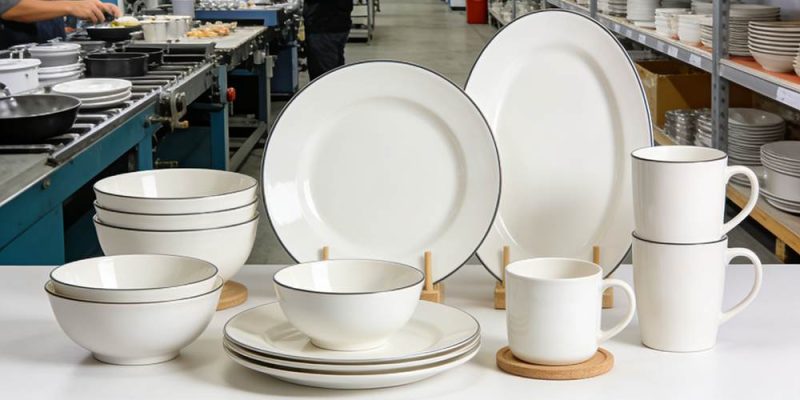
A restaurant that needs plates for next month’s opening can grab a clean white coupe plate from a large supplier, add a small logo on the rim, and be plating food within a couple of weeks.
The trade-off is that the design is shared.
If another venue down the road orders the same collection, your tables may start to look familiar. And if you prefer a specific glaze or design, you’re still at the mercy of the catalog. If it gets discontinued, your reorder becomes difficult to match.
Custom dinnerware (OEM/ODM manufacturing) is a different kind of purchase. You’re not buying what exists. You’re commissioning what you want.
In OEM, you bring the design (or a clear spec), and the manufacturer produces it to your requirements. In ODM, you bring the brief and constraints. For example, your specifications are matte ivory, wider rim, stack-safe, chip resistance, and a bowl that looks deeper than it is.
The manufacturer develops options, then refines them with you.
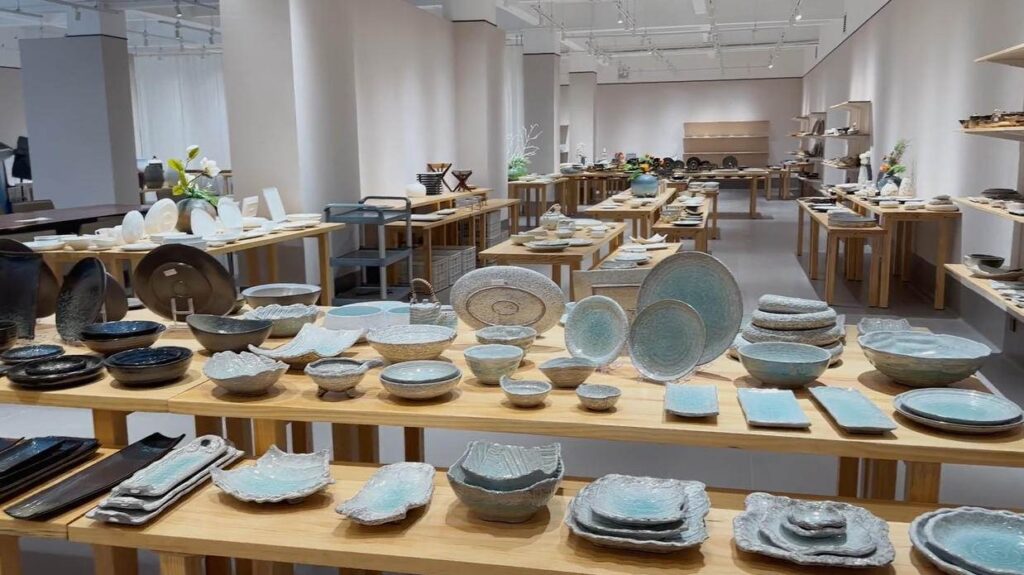
This is why boutique hotels prefer custom dinnerware options. They want a signature plate that matches the room palette, the menu style, and the photography. It takes longer because samples, molds, and production planning have to happen first, but the payoff is control and long-term repeatability.
Practical Difference
Stock is fast and budget-friendly upfront, but you’re working with someone else’s choices. Custom takes patience and more setup cost, but it turns dinnerware into a repeatable system you can reorder, expand, and keep consistent across years and locations.
Cost Comparison: Upfront vs Long-Term
In hospitality procurement, the dinnerware cost comes down to timing, replacement risk, and how stable your supply will be over the years.
With stock dinnerware suppliers, the upfront cost is usually lower. You are buying a ready-made line, available immediately or with a short lead time, which helps a tight procurement budget.
For a new opening, that speed can matter more than anything. The cost shows up later through breakage replacements, wear-related refreshes, and pattern changes.
If a line is discontinued, the same dinner plate becomes a new purchase decision, sometimes across multiple vendors.
With custom dinnerware manufacturers, the upfront cost is typically higher because you are funding development work (sampling and, in many cases, molds). Over time, the custom manufacturing cost can stabilize because reorders run from archived molds and glaze formulas.
That reduces mismatch risk, limits reorder premiums, and often cuts admin time through a single supplier relationship, especially important in hotel procurement and multi-location operations.
Factor | Stock Dinnerware Suppliers | Custom Dinnerware Manufacturers (OEM/ODM) |
Upfront Cost | Lower to mid-range | Mid-range to higher |
Long-term supplier pricing | Can rise with discontinuation | More stable on reorders |
Replacement Risk | Higher (match issues) | Lower (archived specs) |
Procurement Overhead | Higher (more vendors) | Lower (one partner) |
How Long Does Dinnerware Sourcing Take From Stock Suppliers vs Custom Manufacturers?
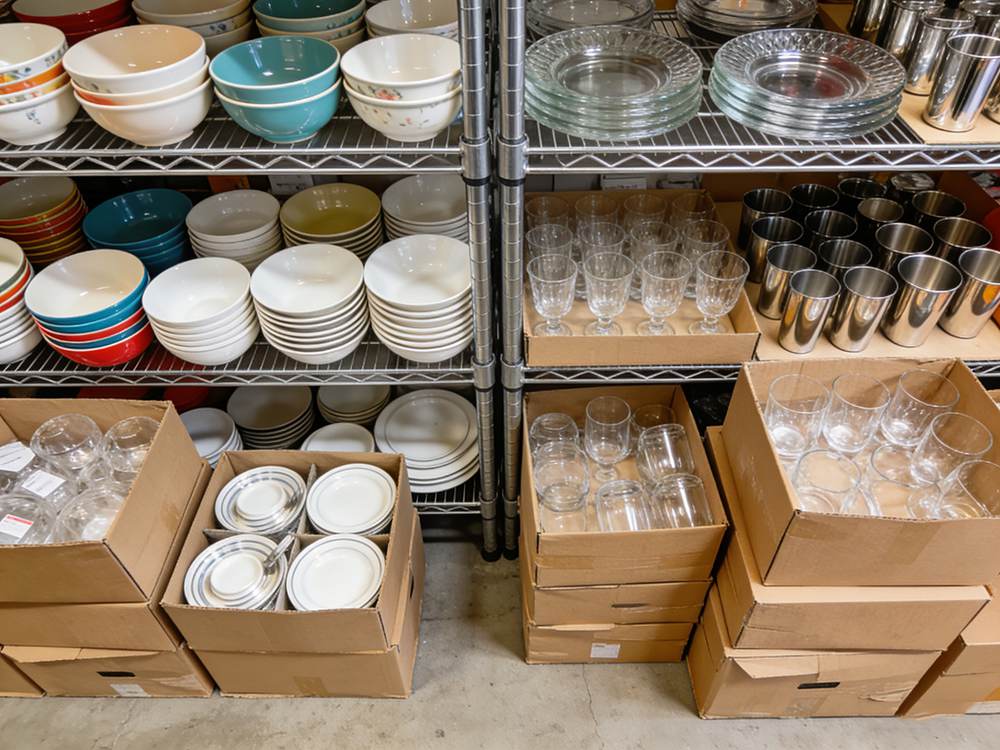
For hospitality procurement, the dinnerware lead time is the make-or-break constraint. With stock dinnerware suppliers, timelines are usually simple, as many core items ship immediately, and if something is not on the shelf, the typical production timeline is about 1 to 2 weeks.
If you add branding through logo printing on an existing line, plan for 2 to 3 weeks after artwork approval. Reorders tend to follow the same pattern, which is why stock feels predictable when you are opening fast or replacing pieces on short notice.
With custom dinnerware manufacturers, the custom manufacturing timeline is longer because you are building the product before you buy it. Here’s a quick breakdown.
Phase 1: Design Brief, Sampling, and Approvals
This focuses on translating your concept into clear specifications, confirming the ceramic material and glaze finish, and reviewing prototype samples until the final design is approved.
Phase 2: Mold Development and Fit Testing
This is where the manufacturer builds or adapts molds and runs fit testing. This step can take anywhere from 1 to 4 weeks, depending on whether an existing mold can be modified or a new mold must be created and validated.
Phase 3: Production, Quality Checks, and Packing
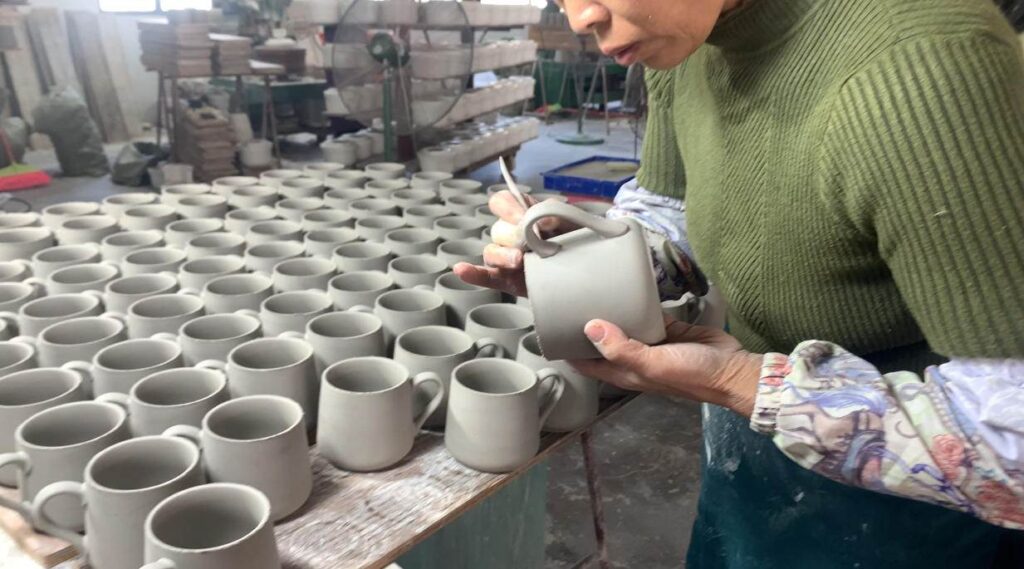
This process covers raw material sourcing, firing cycles, inspection and consistency checks, and packing and logistics coordination, which commonly adds up to 7 to 10 weeks of production time.
Which Option Delivers Better Quality: Stock Suppliers or Custom Manufacturers?
Quality in hospitality is about dinnerware durability under commercial dishwashing, chip resistance in stacking, and whether reorders still match when you need replacements. That is where the difference between stock dinnerware suppliers and custom dinnerware manufacturers becomes clear.
Stock Dinnerware Suppliers
Stock lines are built for speed and availability, but quality and consistency depend heavily on the specific catalog tier you choose.
Quality Variability by Tier
Stock lines range widely. For example, high-end brands can deliver commercial-grade dinnerware with strong finishes and reliable food-safe dinnerware documentation. Mid-range catalogs are often acceptable for many restaurants, but performance can vary by collection.
Budget imports are the most unpredictable; for instance, glaze hardness and rim strength can be inconsistent across batches.
Durability in Service
In commercial settings, premium stock may last years with manageable replacement rates, while mid-range and budget pieces tend to cycle out faster through chipping and glaze wear. The core limitation is control, as you are buying the supplier’s standard, not defining your own.
Consistency and Reorder Risk
Stock can drift over time. For instance, a reorder may arrive with a slightly different glaze tone or weight if production methods change. If a pattern is discontinued, matching becomes difficult, and mismatched pieces affect the presentation.
Custom Dinnerware Manufacturers (OEM/ODM)
Custom programs take longer upfront, but they give you control over materials, durability standards, and long-term reorder matching.
Quality Control
With OEM/ODM dinnerware, you define the standard instead of inheriting it. That means clear durability targets, specific glaze performance requirements, and checks that align with hospitality tableware standards.
Many custom dinnerware manufacturers can also provide documented quality criteria and optional third-party testing, which is helpful when procurement teams need traceability.
Built for Commercial Durability
Custom pieces are designed around how your operation actually runs: high-volume dishwashing, rapid turns, tight stacking, and constant handling.
For example, you can specify reinforced rims, tighter stacking tolerances, and glazes selected for commercial wear, which reduces chipping compared to generic catalog ware.
Stable Consistency
Custom programs are built for repeat orders. Manufacturers typically archive molds and glaze formulas, so reorders are made to match.
This matters most when you are replacing breakage over time or opening additional locations, because the dining room keeps a consistent look rather than shifting slightly with every new reorder.
Design Control and Brand Alignment With Custom Dinnerware Manufacturers vs Stock Dinnerware Suppliers
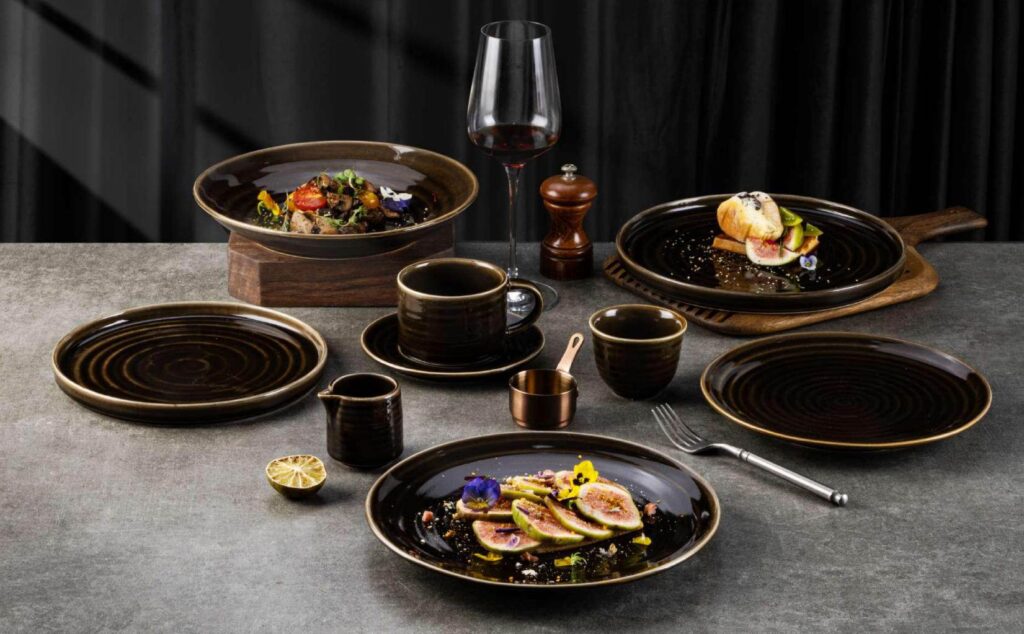
In hospitality procurement, purchasing dinnerware is about brand identity. Guests may not describe a rim profile or glaze finish, but they notice when a table feels intentional. That is why this custom vs. stock dinnerware decision is really a design control decision.
Design Control With Stock Suppliers
When purchasing from stock dinnerware suppliers, you are choosing from pre-built collections. It is fast for hospitality procurement, but it also means your design choices stay inside the catalog.
Brand Alignment Challenge
Stock is usually designed to fit a generic restaurant look. For instance, if your concept is farmhouse-luxury and you want a warm, earthy texture, the durable stock option you find may still read modern and glossy.
Mixing pieces from different suppliers can solve the look, but it undermines aesthetic consistency.
What you can control:
- Material and collection selection (within the supplier’s available lines)
- Color (limited to the manufacturer’s standard palette)
- Logo printing or decals (usually small and in standard placements)
- Quantity and mix (how many plates, bowls, cups, and backups)
What you cannot control:
- Shape details (rim width, bowl depth, handle geometry, profiles)
- Glaze finish options (limited to the catalog finish set)
- Patterns and surface treatments (fixed designs with minimal flexibility)
- Coordinated serving pieces if you want unique platters or chargers (often requires additional vendors)
Design Control With Custom Dinnerware Manufacturers (OEM/ODM)
With OEM dinnerware, you bring the design and the factory produces it. With ODM, the factory designs with you based on a brief, then manufactures the approved system.
Brand Alignment Advantage
Custom vs. stock dinnerware becomes a strategic choice when the table needs to look unmistakably like your brand. For example, a boutique hotel can standardize a warm sage tone with a reactive glaze across every piece, then reorder later without the look drifting.
What you can control:
- Shape (rim width, plate profile, bowl proportions, handle thickness)
- Color matching (including brand-specific tones)
- Glaze finishes (matte, satin, glossy, reactive, hand-applied effects)
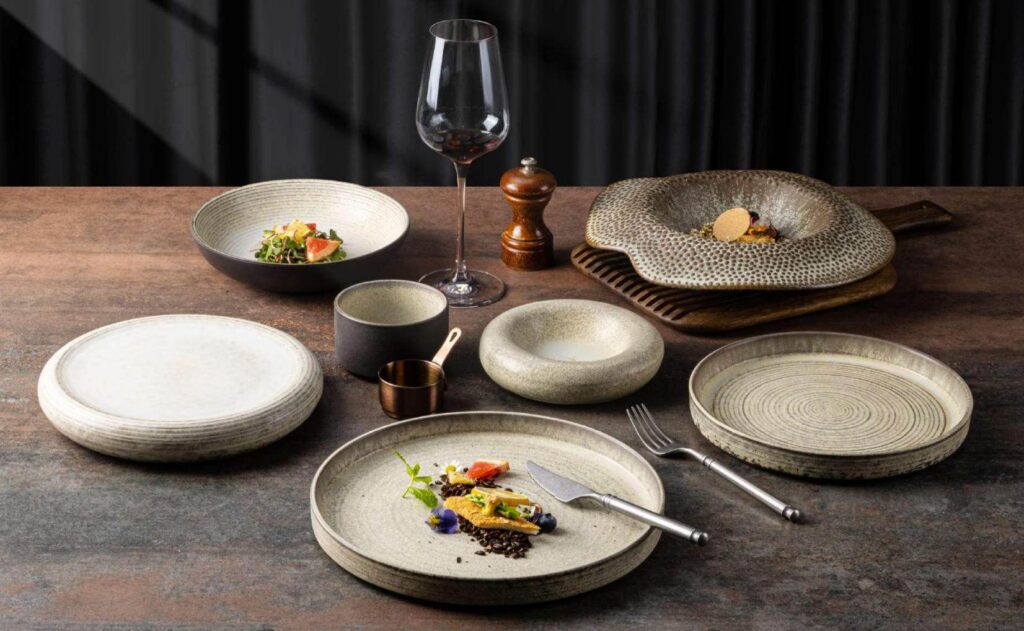
- Patterns and surface details (textures, motifs, in-glaze or printed elements)
- Logo integration (placement, scale, and design integration)
- A complete system (dinnerware, serving pieces, and specialty items)
- Material specification (porcelain, bone china, stoneware, and performance requirements)
What you cannot control:
- Slight variation with reactive or hand-finished glazes
- Minimum order quantities and production runs (custom is rarely viable at very low volumes)
- Lead times for development and production (sampling and firing schedules do not compress easily)
- Exact replication across different factories (consistency depends on staying with the same manufacturer and archived specs)
- Some extreme shapes or ultra-thin edges that conflict with commercial durability requirements
Flexibility, Reordering, and the Decision Framework: When Stock vs Custom Makes Sense
Here’s a decision framework.
Stock Dinnerware Suppliers
With stock dinnerware suppliers, you can usually reorder fast while the line is active, and it feels safe when you are under an opening deadline.
The risk shows up later when patterns can change, specific pieces can disappear, and matching across locations can get messy.
Choose stock dinnerware suppliers when:
- You need dinnerware in the next few weeks and cannot wait for a custom manufacturing timeline
- Cash flow is the priority, and you want the lowest upfront commitment
- The concept is still evolving, so you do not want to lock in a long-term look yet
- It is a single-location operation, and expansion is unlikely in the near term
- Function matters more than signature aesthetics (for instance, cafeterias or institutional dining)
- You are comfortable replacing a full line if the pattern is discontinued later
- Seasonal swaps are not a goal, and you are fine keeping one consistent catalog look
Custom Dinnerware Manufacturers (OEM/ODM)
With ODM dinnerware, the manufacturer develops options from your brief and refines them with you. This approach is stronger for long-term reordering and multi-location consistency because molds and formulas are archived for repeat runs.
Choose custom dinnerware manufacturers when:
- Brand identity is part of the guest experience, and the table needs a specific look
- You are planning additional locations and want identical pieces across properties
- You expect to run the concept for years and want stable dinnerware reordering
- Replacement planning matters, and you do not want “close enough” reorders
- You want a complete system, including serving pieces that match the same design
- Durability targets are strict (high-volume kitchens where chips and wear add up fast)
- You want the flexibility to add new pieces later without changing the core aesthetic
If you are comparing custom vs. stock dinnerware, the simplest rule is this: stock solves urgency, while custom protects consistency as you scale.
Wrap Up
If you’re evaluating custom dinnerware manufacturers for hospitality procurement, Brett is built for OEM/ODM projects that need long-term consistency.
Brett helps hotels, restaurants, and caterers design and produce commercial-grade dinnerware with reliable reorders, archived molds, and finishes made for service wear. Share your concept, volume, and timeline, and we’ll map a clear path from samples to production.