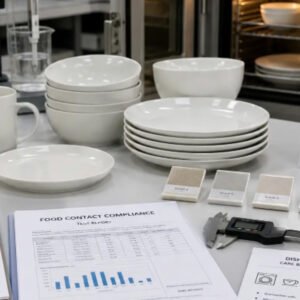

Restaurant dinnerware replacement is one of those things you don’t plan for until it starts causing problems. One chipped plate turns into three missing pieces. A rushed reorder shows up slightly off-white. Suddenly, your shelves don’t match, and staff are rotating plates to hide it.
If you run a restaurant or hotel, you’ve lived this moment. Breakage happens during service, clearing, storage, and busy weekends, not because something went wrong, but because that’s how operations work.
This guide looks at restaurants and hotel dinnerware replacement cycles in a practical way, so you can plan replacements before they disrupt service, budgets, or consistency.
Why You Should Plan Dinnerware Replacement Early
Once service is up and running, a rim gets pulled from rotation. A few pieces stop matching the rest.
One reorder turns into two. That’s usually the moment operators realize restaurant dinnerware replacement isn’t just one purchasing task; instead, it’s an operational one.
Planning early changes how hotel dinnerware breakage shows up on your side of the table. Instead of reacting to losses, you set expectations around dinnerware breakage rate, define replacement windows, and avoid scrambling when inventory thins out mid-season.
This is where scheduling earns its place.
When you understand the commercial dinnerware lifespan, costs become predictable. You stop guessing how often to replace dinnerware and start managing the dinnerware lifecycle with intent.
That control keeps dinnerware replacement cost steady, avoids visual inconsistency, and protects service flow. Early planning doesn’t prevent breakage, but it keeps breakage from disrupting your operation.
Dinnerware Lifecycle and Breakage in Commercial Service
A plate disappears from the rack, or a stack comes back uneven. Someone in the dish area sets a chipped piece aside and says, “We’ll deal with it later.” Dinnerware lifecycle doesn’t live on a spreadsheet. It only shows up during commercial service.
So let’s talk about how the dinnerware lifecycle and breakage rates actually play out when you’re running the floor.
What Lifespan Means in Practice
When suppliers talk about lifespan, they’re talking about ideal conditions. But you’re dealing with commercial conditions that include staff turnover, busy weekends, and back-to-back shifts.
Higher-grade materials such as bone china and premium porcelain dinnerware usually stay in rotation longer. They cost more upfront, yes, but replacements tend to be more controlled.
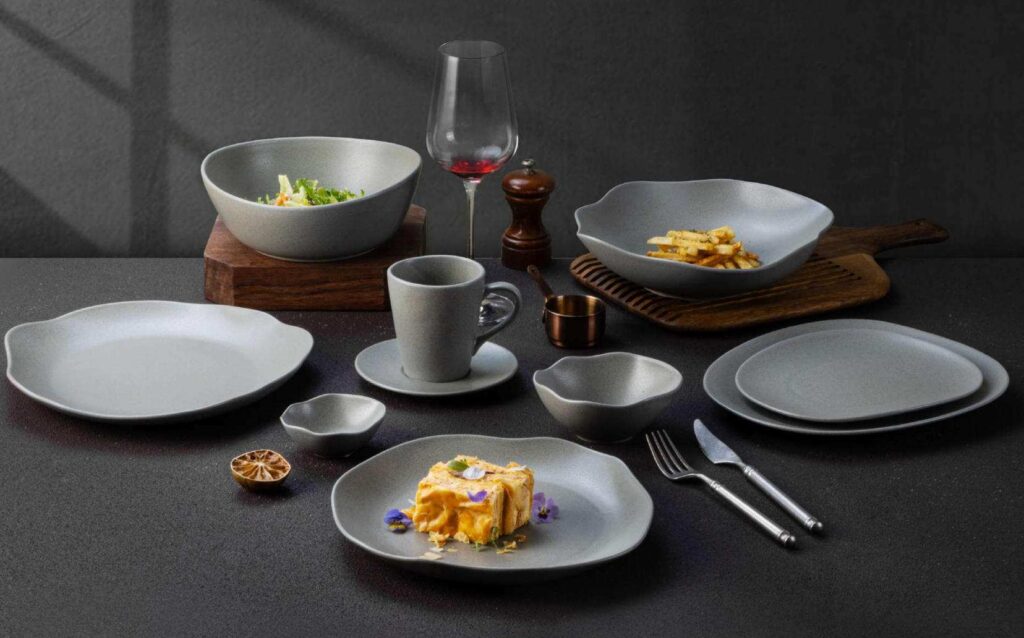
Stoneware brings personality, but you’ll notice pieces dropping out sooner, sometimes because of chips, sometimes because stains just won’t lift.
And here’s a quick reminder for you when planning: Melamine isn’t the villain people make it out to be. In casual or high-traffic areas, it can take the stress that ceramics won’t. It’s not for hot plating, but in the right role, it reduces replacement rates.
Where Breakage Actually Comes From
Most losses don’t happen at the table. They happen behind the scenes.
Think about it. A rushed close. Plates stacked too tightly. Dishwasher temperatures pushed higher to save time. New staff are learning to stack the racks quickly.
None of that shows up as breakage on day one, but over the week, it adds up. Higher volumes usually mean higher dinnerware breakage rates.
Slower, formal service tends to stretch lifespan. That’s why two venues using the same plates see very different hotel plate replacement patterns.
What This Means for Replacement Planning
So here’s the quick fact to keep in mind: the cost of replacing dinnerware creeps up over time, not all at once. A little reorder here. Another there.
When you plan replacement early, you stop reacting. You set expectations. You know roughly how often to replace restaurant dinnerware, which materials need closer watching, and where to spend more versus less.
That’s how replacement scheduling turns into control instead of cleanup.

Calculating the Cost of Dinnerware Breakage
On paper, dinnerware costs look simple. You buy a set, you use it, you replace what breaks. In service, it’s never that smooth.
Breakage doesn’t arrive as one big expense. If you’re running a restaurant or hotel, the cost of breakage isn’t just what you pay per plate.
It’s how often you’re forced to react instead of plan. Over a few years, replacement spending can match or exceed what you paid at the start, especially when prices increase, and availability tightens.
That’s why it helps to look at breakage as a long-term operating cost, not a one-time purchase problem.
Replacement Adds Up
In fine dining and hotel service, replacements don’t stop after year one. You might lose a smaller batch early on, then a similar amount every year after.
Over five years, it’s common for replacement spending to reach a similar level as the initial investment, even without any major incident. And if pricing rises during that time, which it usually does, later replacements tend to cost more than earlier ones.
Emergency Replacement Costs
This is where budgets really get tested. A few broken plates before service can trigger a rush order with higher prices.
Delivery fees also increase. Staff spend time rearranging and managing inventory rather than focusing on service and guests. On the other hand, planned replacements come at a lower price.
Operational Disruption
When plates run short, service slows down. Tables may also sit longer. In some cases, covers are lost because the kitchen can’t reset fast enough. None of that shows up on an invoice, but you feel it in the shift.
How Early Planning Cuts Costs
Regular planning helps you avoid rush orders and higher costs, manage price changes, and keep inventory steady.
Spending a small amount of time each month reviewing breakage trends can prevent high-cost surprises later. In practice, planning turns breakage from a recurring problem into a controlled expense.

Replacement Scheduling and Inventory Models That Work
Most restaurants and hotels don’t choose a replacement model on purpose. They fall into one by default.
Plates break, service keeps moving, and someone reacts. The difference between stress and control usually comes down to when you order replacements and how much buffer you keep on hand.
Here are the three most common ways venues handle dinnerware replacement and how each one affects hotel and restaurant operations.
Model A: Reactive Replacement
This is the “we’ll deal with it later” approach. A plate breaks, then another, and suddenly a rack feels light before service.
Orders go out under pressure, lead times feel longer than promised, and prices creep up because you don’t have leverage.
In this model, teams sometimes borrow from other sets or use mismatched plates just to get through service. It works in the moment, but it adds stress, extra costs, and visual inconsistency that most guests notice.
Model B: Scheduled Replacement
Here, you assume breakage will happen, and you plan for it. You estimate your annual loss, then place replacement orders on a regular schedule, maybe quarterly or twice a year.
A small buffer also stays in storage, so it doesn’t affect service.
This model keeps pricing steady and consistent and avoids rush orders. It also turns replacement into a predictable line item.
Model C: Predictive Replacement
This is the most proactive option. You track breakage month by month and start noticing patterns. Busy seasons need more coverage. Slow periods need less.
Orders are placed ahead of demand, not after shortages appear. It takes a little tracking, but it removes emergencies almost entirely.
A simple rule of thumb is to keep enough backup inventory to cover about three months of normal breakage. That cushion buys time, flexibility, and calm during service.

Why Supplier Relationships Matter More Than You Think
If you’ve ever been short on plates days before service, you already know this isn’t just a purchasing issue. It’s an operations problem.
When replacements don’t arrive on time, you’re the one adjusting table plans, briefing staff, and explaining why two plates don’t quite match. That’s why, when you plan restaurant dinnerware replacement, who you buy from matters as much as what you buy.
A reliable supplier keeps replacement planning quite boring, but in a good way. You know what’s available, how long it takes, and what it will look like when it arrives.
Without that clarity, dinnerware replacement cost climbs through rush fees, mismatched pieces, and unnecessary stress for you and your team.
Before getting into contracts or price lists, here’s a quick reminder of what you actually want your supplier relationship to do for you:
- You get matching replacement plates every time
- You avoid last-minute orders during busy service months
- You keep the table presentation consistent across months and seasons
- You plan replacement scheduling instead of reacting mid-shift
- You control dinnerware lifecycle costs instead of guessing later
What to Look for in a Long-Term Dinnerware Supplier
When you’re ordering replacements, reliability beats novelty every time.
You want confirmation that the same color, finish, and shape will still exist years from now. Clear lead times matter. So does responsiveness when you call and say, “I need help.”
You need suppliers who understand the commercial dinnerware replacement plan as part of the relationship, not as a separate transaction.
They keep records. They know your specs. They don’t treat a reorder like a one-off favor.
How to Build a Supplier Relationship
Start small and pay attention. Early orders tell you how communication works and whether timelines hold.
As replacement patterns settle in, regular ordering builds leverage. Over time, consistent volume earns better pricing and priority support.
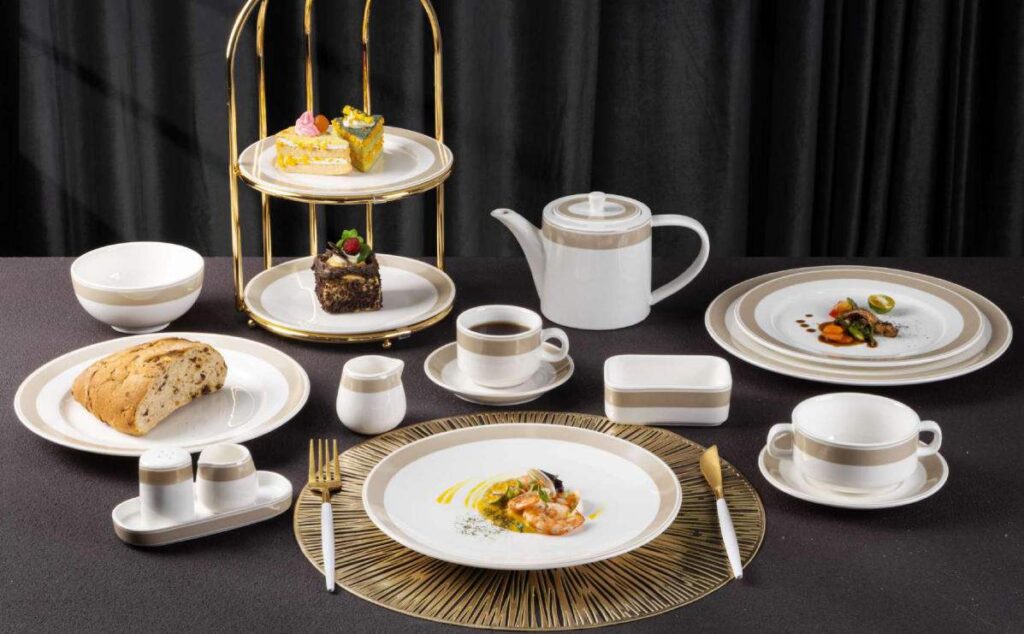
Suppliers like Brett work this way, supporting planned replacement schedules, consistent quality, and long-term availability so your dinnerware management stays predictable instead of reactive.
Operational Best Practices That Keep Breakage and Costs Under Control
If you run the service daily, some level of breakage is unavoidable. What creates pressure is when replacement starts happening without structure. Small, repeatable habits across shifts influence costs more than most teams expect.
Staff Handling Practices That Extend Dinnerware Lifespan
If you run the service daily, some level of breakage is unavoidable. What creates pressure is when replacement starts happening without structure. Small, repeatable habits across shifts influence costs more than most teams expect.
Using Breakage Tracking to Plan Replacement
Inventory control improves when breakage is tracked monthly. Patterns begin to appear. Seasonal volume changes, menus evolve, and onboarding periods work differently.
With that visibility, replacement scheduling becomes planned rather than reactive, supported by buffer stock instead of last-minute orders.
Quarterly Inventory Reviews That Prevent Shortages
A brief quarterly review helps teams stay ahead. Counting active stock, reviewing breakage rates, and identifying upcoming needs keep restaurant dinnerware replacement or hotel plate replacement from turning into an urgent problem. Clear communication with suppliers becomes easier as well.
Emergency Prevention Checklist
This checklist is meant to stop the spiral early. It gives restaurants and hotels a simple way to keep dinnerware replacement well-planned. Think of it as a shared reference for anyone touching purchasing, service setup, or storage.
- Keep a simple record of your original plate details so no one is guessing later
- Make sure supplier phone numbers and contacts are up to date before you actually need them
- Note losses as they happen instead of relying on memory at the end of the season
- Store backup pieces away from daily rotation so they don’t disappear quietly
- Place top-up orders before stock runs thin, not after service feels tight
- Pay attention to which sizes and styles disappear first and track those patterns
- Rely on one supplier to keep your core look consistent over time
- Know who you’ll call if something urgent comes up and your main supplier can’t move fast
When these practices are part of how you operate, missing plates don’t turn into last-minute scrambles. Service stays smooth, teams stay focused, and replacements feel planned instead of reactive.
Suppliers like Brett work best in this kind of setup, where continuity, availability, and predictable costs are built in from the start rather than patched together later.
FAQs
How often do restaurants and hotels usually replace dinnerware?
Most venues replace a portion every year. Plates don’t disappear all at once, but small losses add up. Regular top-ups keep sets intact without forcing full replacements.
Is it better to order replacements as needed or plan them ahead?
Planning works better. Scheduled orders keep sizing and color consistent, avoid rush pricing, and give operators control instead of reacting under pressure.
Wrap Up
Dinnerware replacement only becomes costly when it’s reactive. Brett helps restaurants and hotels plan ahead with consistent specifications, reliable replacement availability, and lifecycle-focused sourcing.
Instead of scrambling after breakage, you get control, continuity, and predictable costs. Reach out to Brett to build a dinnerware system that supports service long-term.