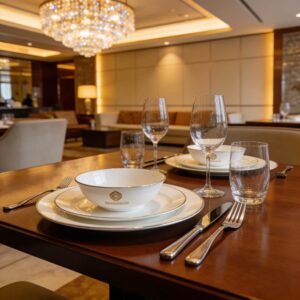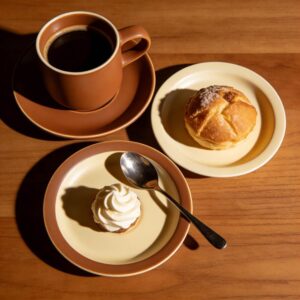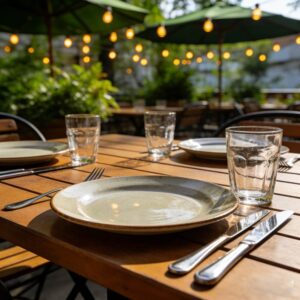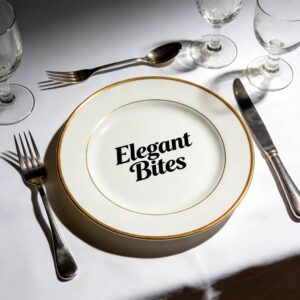
Custom dinnerware has become more than a decorative choice—it’s now a powerful branding tool for restaurants, hotels, cafés, and corporate events. From fine-dining establishments to boutique coffee shops, more businesses are choosing custom printed plates to reinforce brand identity and elevate the dining experience.
But how exactly is a logo printed on a plate? And which printing method is right for your use case?
In this guide, we’ll break down the most common and reliable ways to print on plates, explain their pros and limitations, and help you choose the best solution for long-term use, durability, and visual impact.
What Is Custom Dinnerware?
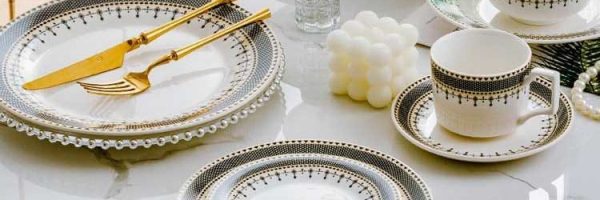
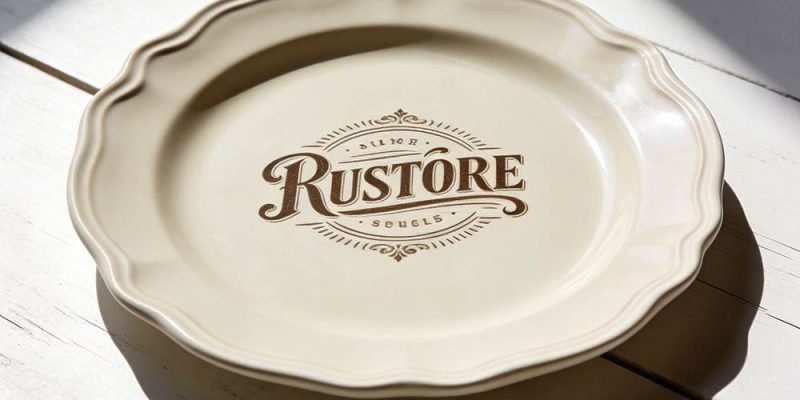
Custom dinnerware refers to plates, bowls, cups, and serving pieces that are personalized with logos, patterns, text, or artwork. Customization can be subtle—such as a small logo at the rim—or bold, covering the entire surface with branded visuals.
In professional settings, custom printed plates are commonly used by:
- Hotels and resorts
- Restaurants and café chains
- Catering companies
- Corporate gifting programs
- Event planners and wedding venues
Because dinnerware is directly handled and seen by guests, it offers repeated brand exposure in a way that menus or packaging often can’t.
Why Print a Logo on Plates?
Printing a logo on plates is not just about aesthetics—it’s strategic.
♦ Brand Recognition
A logo plate reinforces brand identity every time food is served. Over time, this visual consistency strengthens customer recall.
♦ Professional Image
Custom printed plates signal attention to detail, which guests often associate with higher food quality and service standards.
♦ Differentiation
In competitive markets, custom dinnerware helps businesses stand out visually—especially in social media photos and reviews.
According to hospitality branding studies, consistent visual identity across touchpoints improves brand trust and perceived value.
Ways to Print on Plates
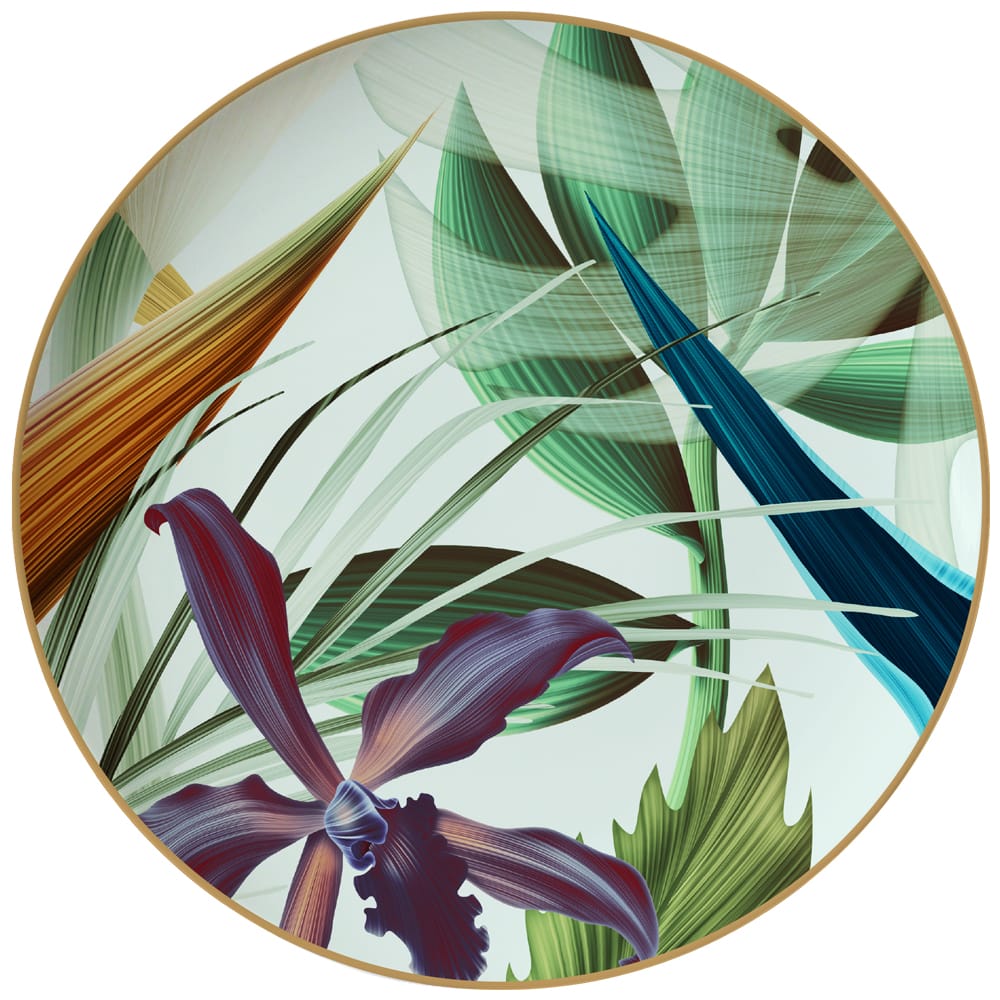
There are several established techniques for printing logos and designs on ceramic plates. Each method differs in durability, cost, and visual effect.
1. Underglaze Printing (Most Durable Method)
How It Works
The design is printed directly onto the unfired ceramic body or bisque ware. A transparent glaze is then applied over the design, and the piece is fired at high temperature (typically above 1200°C).
The result: the logo becomes sealed under the glaze, permanently fused into the plate.
Key Advantages
- Extremely durable
- Dishwasher-safe
- Microwave-safe (no metallic inks)
- Ideal for restaurants and hotels
Limitations
- Limited color vibrancy compared to decals
- Best for logos, simple patterns, and line art
Best For: High-volume custom dinnerware projects for hospitality and foodservice.
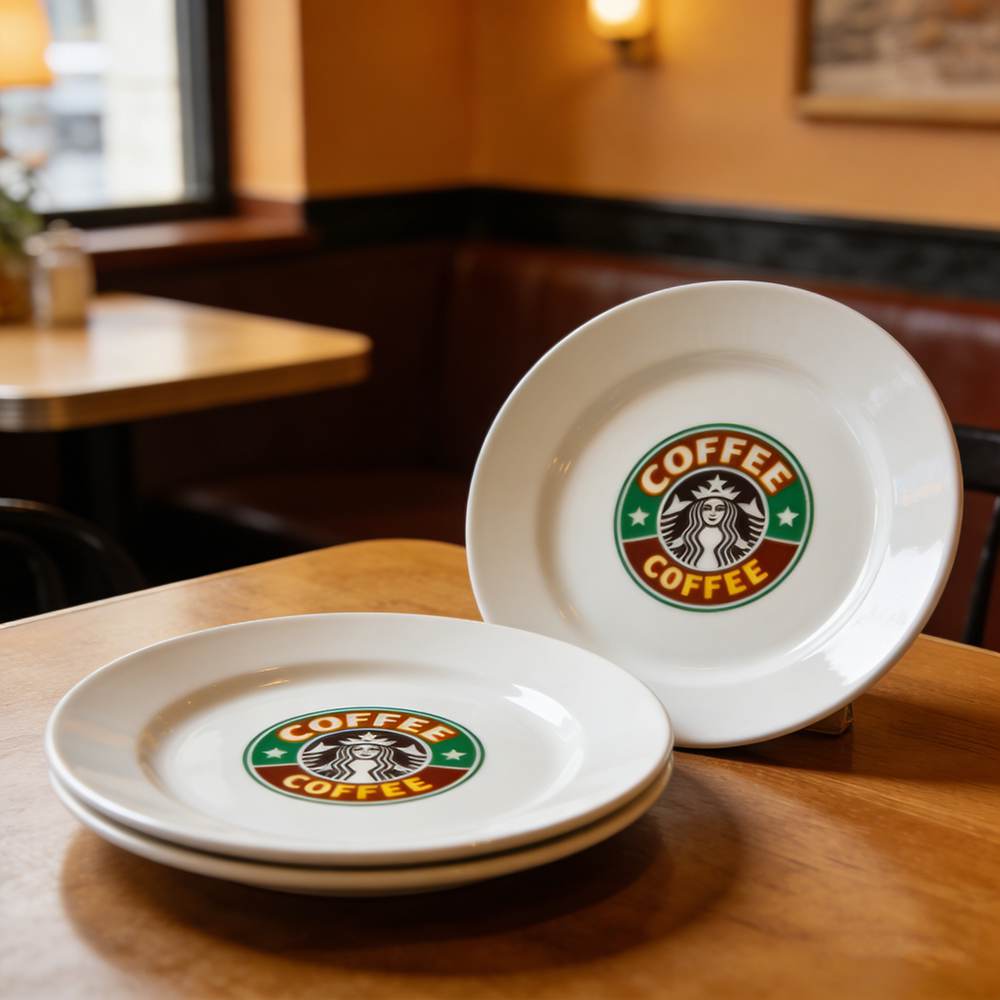
2. Overglaze Decal Printing (Most Common for Logos)
How It Works
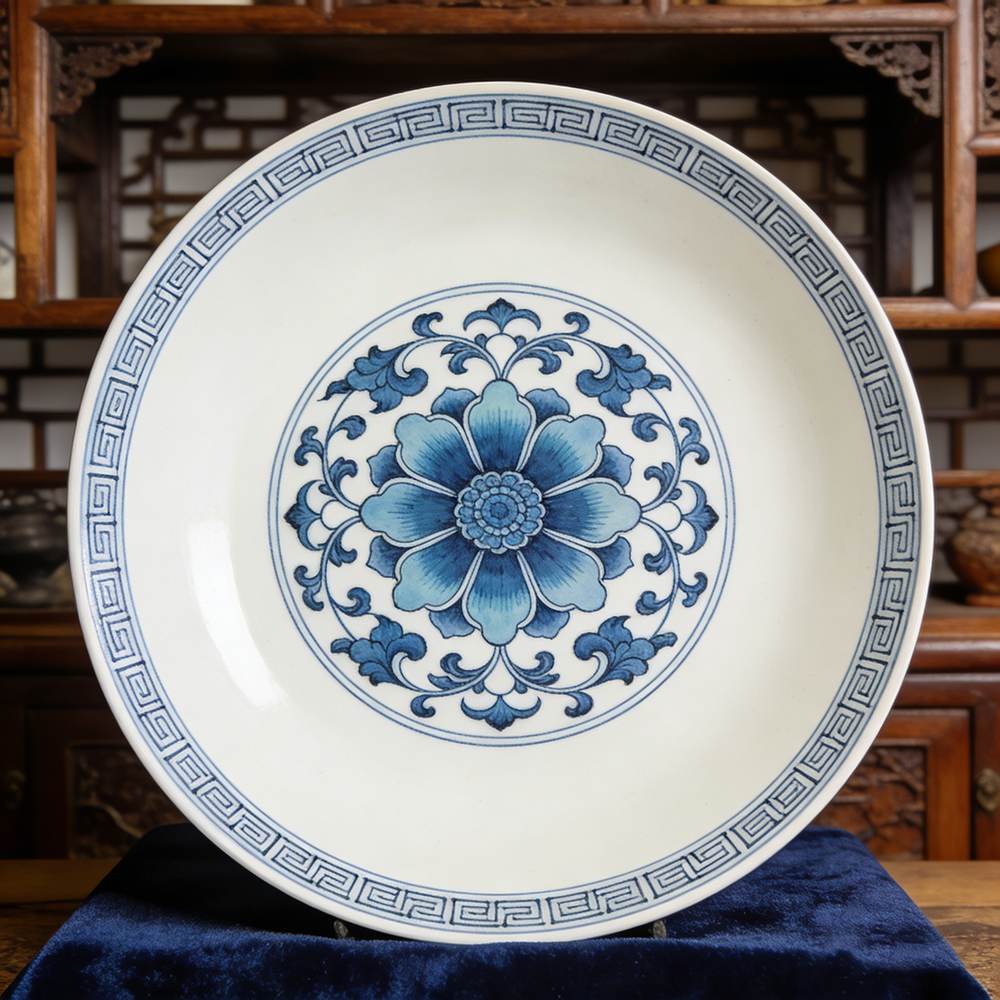
The logo is printed on special ceramic decal paper and applied on top of the glazed surface. The plate is then fired again at a lower temperature (typically 750–850°C) to bond the decal to the glaze.
Key Advantages
- Rich colors and fine details
- Suitable for complex logos and gradients
- Cost-effective for medium runs
Limitations
- Slightly less durable than underglaze
- Gold or metallic decals may limit microwave use
Best For: Restaurants, cafés, and brands prioritizing logo clarity and color accuracy.
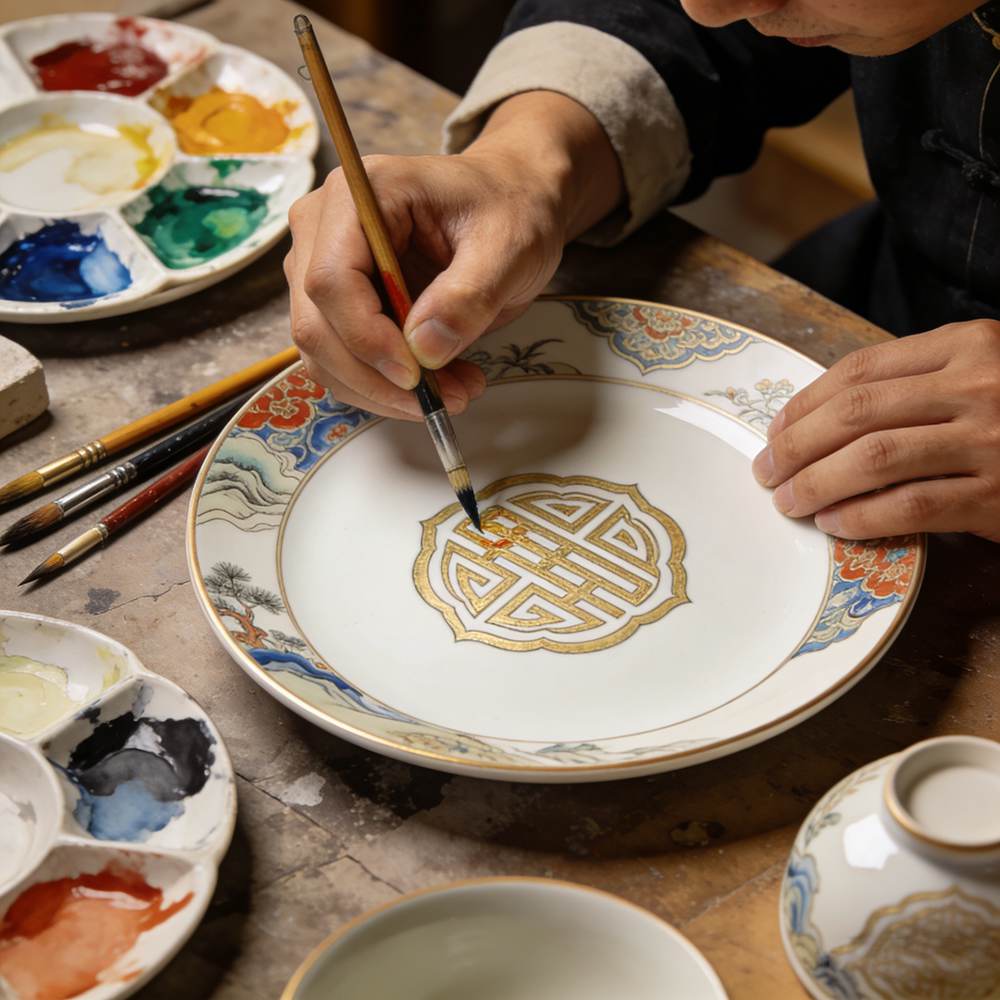
3. Hand-Painting (Artisan & Premium Look)
How It Works
Skilled artisans paint logos or motifs by hand using ceramic pigments, either under or over the glaze. Each piece is individually finished.
Key Advantages
- Unique, handcrafted feel
- Ideal for artistic or heritage brands
- High perceived value
Limitations
- Higher cost
- Less consistency across large batches
Best For: Boutique restaurants, luxury hotels, limited editions, and display pieces.
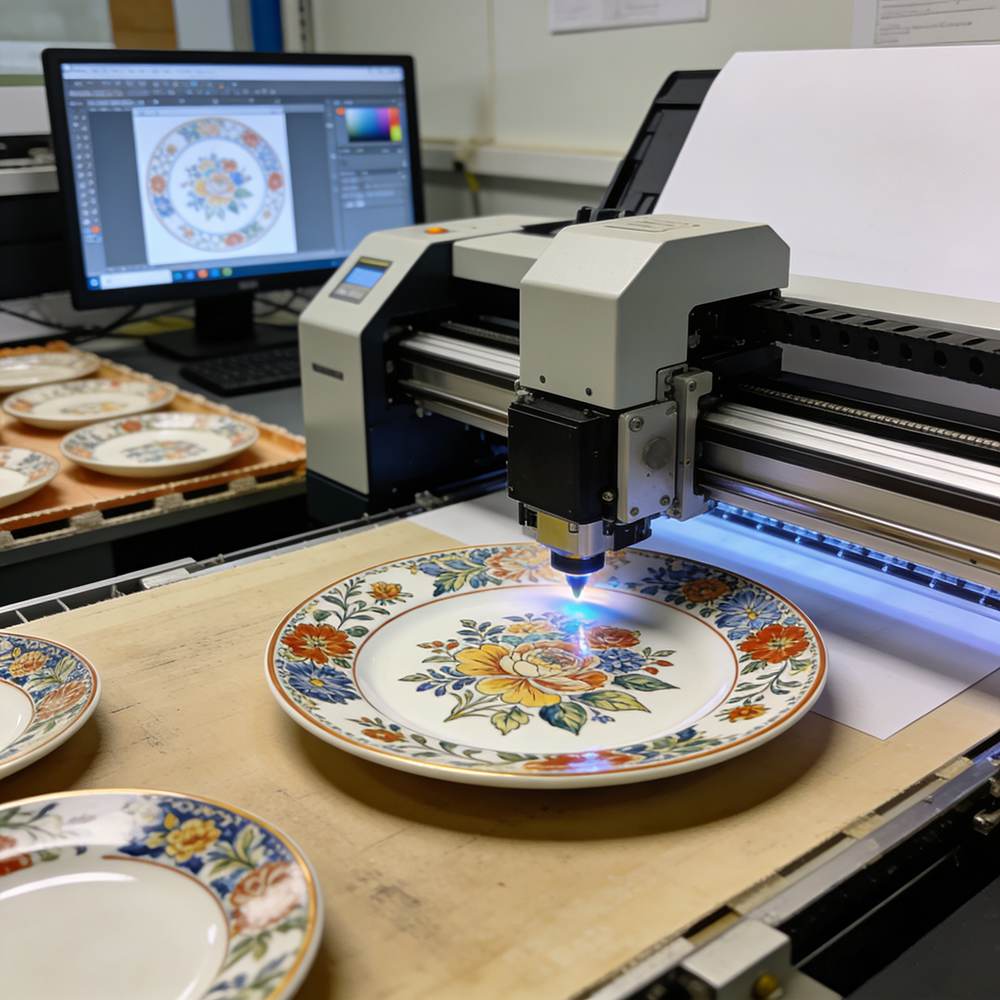
4. Digital Ceramic Printing (Modern & Flexible)
How It Works
Special ceramic inkjet printers apply designs directly to the ceramic surface. Depending on the system, the print may be underglaze or overglaze, followed by firing.
Key Advantages
- High-resolution images
- Photo-quality prints
- Suitable for small batches and prototypes
Limitations
- Higher unit cost
- Durability depends on firing method
Best For: Short runs, seasonal promotions, test designs.
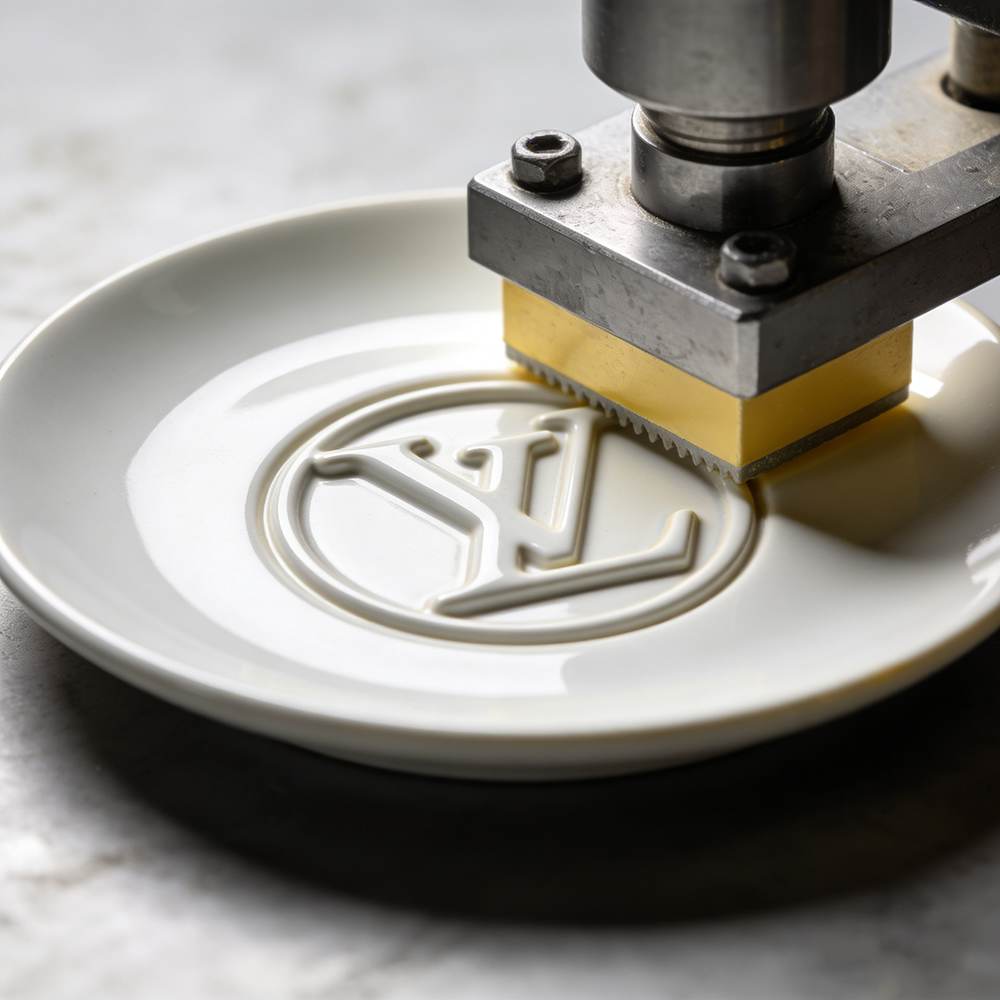
5. Engraving & Embossing (No Ink Required)
How It Works
Instead of printing, the logo is molded, embossed, or engraved into the plate surface during forming.
Key Advantages
- Permanent, no fading
- Subtle and elegant
- Fully microwave and dishwasher safe
Limitations
- No color
- Requires custom molds
Best For: Luxury branding, minimalist design aesthetics.
Choosing the Right Printing Method
Here’s a quick comparison to help decision-making:
Method | Durability | Color Detail | Cost | Best Use |
Underglaze | ⭐⭐⭐⭐⭐ | ⭐⭐⭐ | Medium | Hotels, restaurants |
Overglaze decal | ⭐⭐⭐⭐ | ⭐⭐⭐⭐ | Medium | Logos, branding |
Hand-painted | ⭐⭐⭐⭐ | ⭐⭐⭐ | High | Luxury, limited |
Digital print | ⭐⭐⭐ | ⭐⭐⭐⭐⭐ | Medium-High | Short runs |
Embossed | ⭐⭐⭐⭐⭐ | N/A | High | Premium branding |
Food Safety & Compliance
All ceramic printing methods used for tableware must comply with food safety regulations, particularly limits on lead and cadmium release.
According to Wikipedia’s overview of ceramic glazes, modern food-safe ceramics rely on stable pigments and controlled firing to prevent harmful leaching.
Source:
Professional manufacturers test printed plates to meet FDA (U.S.) and EU food contact standards.
Final Thoughts
Printing a logo on plates transforms ordinary tableware into a brand asset. Whether you choose underglaze durability, overglaze color richness, or handcrafted artistry, the right method depends on how the plates will be used—and how long you expect them to last.
When done correctly, custom printed plates don’t just carry food—they carry your brand story to every guest at the table.
If you’re exploring long-term branding solutions, working with experienced manufacturers who specialize in custom dinnerware ensures that design, durability, and compliance all align with your business goals.