
Three years ago, the hotel procurement manager who inquired about sustainable tableware was ahead of his time. Today, those who are not asking are behind.
The change was more rapid than most hospitality operators had expected. In 2026, sustainability has moved from a marketing consideration to a procurement requirement — driven by regulatory pressure, investor ESG mandates and a guest demographic that actively researches sustainability before booking.
The HoReCa market is projected to grow by 6.6 percent per year to $4.56 trillion in 2030, globally. Many of those gains are being driven by properties that have embedded sustainability into every operational decision. For hotel operators still treating sustainable hotel tableware as an optional upgrade, the commercial and reputational cost of that position is increasing every quarter.
This guide will explain what this means in practice: the certifications that matter, the materials behind sustainability claims, and how to choose tableware that meets both ESG objectives and commercial requirements.

Table of Contents
Why Sustainability Has Become a Procurement Requirement
Sustainability is moving from many different fronts in the hospitality sector — and the pressure is only growing.
Regulatory Pressure
The EU’s Single-Use Plastics Directive has already had an impact on F&B procurement in the European hotel sector. The EU ESG reporting requirements are expanding to include hotel supply chains and operators are now required to report on their own practices and also those of their suppliers. As the number of sustainability certifications for tableware increases, so too does the compliance risk for properties that source tableware without documented sustainability certifications from their manufacturers.
Investor and Financing Requirements
By 2026, hotel financing and eligibility for hotel investments are directly dependent on ESG performance. Sustainability reports are no longer considered enough to secure properties that are not on the list of preferred vendors for green financing, high-value corporate travel contracts, or other preferred vendor programs. Sustainability investment is not just an ethical choice, it’s also a financial one, as hotels with strong ESG scores gain investor attention and more favorable financing.
Guest Expectations
The guests who are pushing luxury hotel revenue growth in 2026 are the same ones who are researching sustainability before they book a hotel. Hospitality research shows that sustainability credentials have become a top five reason for choosing a hotel for high value leisure travellers. These sustainable tableware options are more visible, from the table at each meal, to being photographed and shared on social media, and now more and more being mentioned in guest reviews.
Corporate Travel Requirements
Hotels in the preferred supplier network for large companies must now comply with certain ESG standards for their corporate travel programs. A hotel with no sustainability initiatives, such as supply chain sustainability, will increasingly be cut off from the corporate travel market, which accounts for a large portion of premium hotel revenue.
What Sustainable Hotel Tableware Actually Means
Sustainability of tableware is not a single thing. It’s a set of overlapping criteria that include manufacturing processes, sourcing of materials, end of life options and transparency of the supply chain. Understanding what sustainability actually covers helps procurement teams evaluate claims rather than simply accept them.

Manufacturing Process Sustainability
Most of the environmental impact of a piece of tableware is determined by its method of manufacture. Energy consumption, water use, waste generation and emissions are monitored and minimised throughout the manufacturing process in ISO 14001 certified manufacturers’ environmental management systems. This certification is the most basic for any sustainable supplier.
Material Sustainability
Raw materials used to make the tableware for the hotel and where they come from will affect the sustainability of the product. The key criteria are recycled content and responsibly sourced raw materials and materials with documented supply chains. Global Recycled Standard and Recycled 100 Claim Standard certifications offer third-party audit documentation to assure accuracy of content claims.
Durability as Sustainability
Durability is the most forgotten aspect of sustainable hotel tableware. A piece of commercial-grade hotel tableware that lasts five years has a dramatically lower lifetime environmental impact than a cheaper alternative that is replaced every 18 months. Commercial durability is the most overlooked dimension of sustainable hotel tableware procurement — and one that material credentials alone cannot address.
Supply Chain Transparency
Hotel sustainability commitments are increasingly extending to supply chain documentation. BSCI and Sedex certifications validate social compliance and ethical manufacturing processes along the supply chain, including the standards of labour and welfare of workers, and supply chain transparency that is now normal in hotel procurement.
Certifications That Matter for Sustainable Hotel Tableware
The field of sustainability certification is complex. These are the third-party certified tableware products that will truly be part of the tableware procurement process for hotels in 2026.
Certification | What It Verifies | Why It Matters |
ISO 14001 | Environmental management system | Baseline for credible sustainability claims |
Global Recycled Standard | Verified recycled content in products | Third-party verified recycled material claims |
Recycled 100 Claim Standard | 100% recycled content verification | Supports full recycled content positioning |
BSCI | Social compliance and labor standards | Required for major retailer and hotel group programs |
Sedex | Supply chain ethical trading audit | Transparent supply chain documentation |
FDA | Food contact safety standards | Essential for US market and global safety standards |
Sustainable Materials in Hotel Tableware
Not all products sold as sustainable are able to achieve the same environmental impact in the commercial service of a hotel. This section deals with the facts of the evidence.
Commercial-Grade Ceramic and Porcelain
Commercial-grade porcelain dinnerware and stoneware dinnerware manufactured under ISO 14001 offer a strong sustainability profile. Ceramic and porcelain are 100% recyclable at end of life, use natural raw materials and when specified to commercial durability requirements, offer durability that leads to a significantly reduced replacement frequency and lifetime environmental impact compared to alternatives being marketed as eco-friendly and specified to retail-grade durability requirements.
Recycled Content Ceramics
Manufacturers that are certified to the Global Recycled Standard and Recycled 100 Claim Standard use verified recycled content in the manufacturing of their ceramic tableware. These certifications serve as the third-party evidence needed to back up the recycled content claims made by hotel operators in their ESG reporting for which they have specific commitments.
18/10 Stainless Steel Flatware
The 18/10 stainless steel flatware is extremely durable and recyclable, offering a good sustainability option. Stainless steel is one of the most recycled materials in the world and commercial grade flatware with a 10-year or longer service life has a very low lifetime environmental impact per unit of service delivered. Just as with tableware, the sustainability case for commercial versus retail grade flatware is the same: Durability is a key sustainability consideration.
Glass Drinkware
Glass is 100% recyclable, and made from natural materials. Commercial glass drinkware use for hotels has good durability and sustainability. The energy consumption of the manufacturing process is high, but the recyclability and durability of well-specified commercial glassware strengthens the sustainability arguments of glassware in hotel F&B programs.
Operational Sustainability — Beyond the Material
The selection of materials and certifications is just the beginning of sustainable hotel tableware procurement. Operational practices determine a significant portion of the lifetime environmental impact of any tableware program.
- Reduction of breakage— each broken piece of tableware is a waste of materials, energy and resources. The use of commercial tableware and proper washing and storage practices directly minimize the environmental footprint of the F&B operation by decreasing the amount of tableware being replaced.
- Packaging reduction— Suppliers that minimize packaging materials and use recyclable or reusable packaging help reduce waste throughout the hospitality supply chain.
- Lifecycle procurement planning— procurement of tableware that has a documented 5 year lifecycle target, instead of replacing on an ad hoc basis, will reduce the total material throughput of the F&B operation, and help with ESG reporting on supply chain sustainability.
- Supplier documentation— keeping certified supplier certificates and audit documentation helps to give the supply chain transparency that is needed for ESG reporting and corporate travel program compliance.
Common Sustainability Mistakes in Hotel Tableware Procurement
Choosing Retail-Grade Products with Eco Credentials Over Commercial-Grade Durability
The most frequent hotel tableware sustainability error is selecting products that have strong sustainability claims but lack the durability of retail products. A bamboo plate replaced every 6 months has a higher lifetime environmental impact than a commercial grade ceramic plate lasting 5 years. Durability specification is required in sustainability evaluation, beyond material credentials.
Accepting Certification Claims Without Documentation
Sustainability certifications are based on third party audit documentation. The ISO 14001, Global Recycled Standard and BSCI certificates should be checked for validity and authenticity and not taken on trust from suppliers. A reputable supplier will not hesitate to give copies of certificates when asked.
Ignoring Supply Chain Social Compliance
A complete ESG position is environmental sustainability with social compliance. BSCI and Sedex certifications confirm that the social aspects of sustainability – worker welfare, labour standards and supply chain ethics – are documented and audited. Compliance documents are required for tableware suppliers for hotel operators who have ESG reporting requirements.
How to Evaluate a Supplier on Sustainability
Use this framework to assess any hotel tableware supplier’s sustainability credentials before committing to procurement.
- ISO 14001— request the current certificate. Verify the certification body and expiry date
- Global Recycled Standard or Recycled 100— required if recycled content is a procurement criterion. Request product-specific certification documentation
- BSCI or Sedex— request the most recent audit report. Check the audit date and any corrective actions raised
- FDA compliance— essential for food contact safety. Request product-level FDA documentation
- ISO 9001— quality management system certification that underpins consistent production standards
- Durability specification— request commercial durability test data. A sustainable product must also be a durable product
How Brett Supports Sustainable Hotel Programs
At Brett, sustainability has been integrated into our manufacturing operations and supply chain documentation for over a decade. We recognize that hotel operators in 2026 need more than products — they need the certification documentation that supports ESG reporting, corporate travel program compliance and guest-facing sustainability communications.
Our complete sustainable hotel tableware range is certified across every dimension that hotel sustainability procurement requires:
- Porcelain dinnerwareand stoneware dinnerware — commercial-grade, ISO 9001 certified, FDA compliant, manufactured under ISO 14001 environmental management systems
- Bone china dinnerware— premium specification with full certification suite for luxury hotel sustainability programs
- Stainless steel flatware— 18/10 commercial grade, corrosion resistant, long service life with full BSCI and Sedex social compliance documentation
- Glass drinkware— commercial hotel grade with complete certification documentation
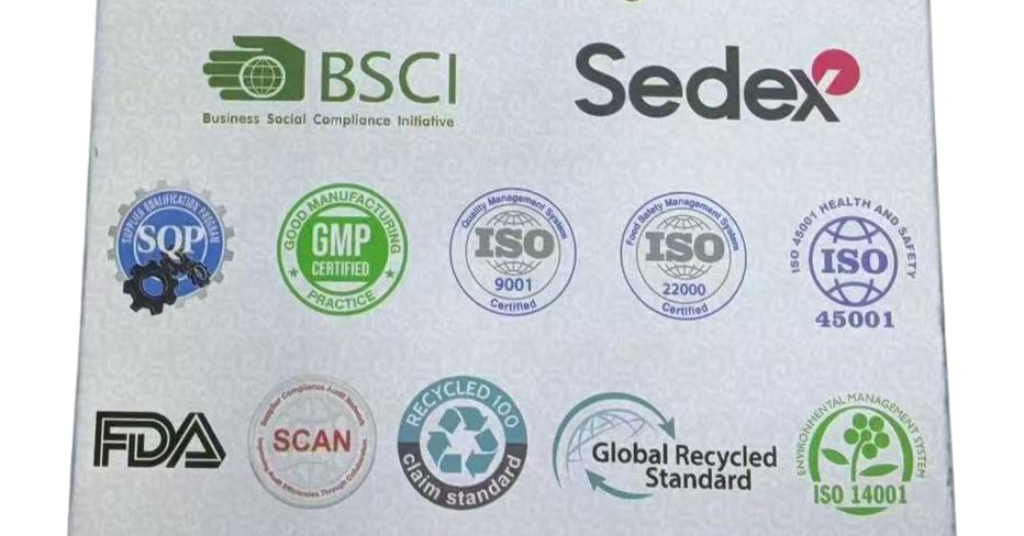
All Brett products are certified to BSCI, Sedex, FDA, ISO 9001, ISO 22000, ISO 14001, Global Recycled Standard and Recycled 100 Claim Standard. Full certificate documentation is available on request for ESG reporting and procurement compliance purposes.
FAQ
What certifications should sustainable hotel tableware have?
In 2026, the main certifications that define credible sustainable hotel tableware will be ISO 14001 (environmental management), Global Recycled Standard or Recycled 100 Claim Standard (verified recycled content), BSCI or Sedex (social compliance and supply chain transparency), and FDA (food contact safety). Commercial durability is possible because of ISO 9001 quality management certification that ensures consistent production standards to support sustainability claims.
Is sustainable tableware durable enough for hotel use?
Yes — if they are properly specified. Commercial-grade sustainable hotel tableware (ISO 9001) and manufactured under ISO 14001 environmental management systems will have the same commercial durability as standard hotel tableware. The difference is between commercial grade products that have sustainability attributes and retail grade products that are marketed as eco-friendly. The former delivers both sustainability performance and commercial durability. The latter typically compromises one for the other.
Does sustainable tableware cost more than standard hotel tableware?
Certified sustainable hotel tableware carries a modest premium over standard catalog pricing. However commercial grade certified tableware has a significantly lower cost per use over its service life compared to uncertified retail grade alternatives because its replacement frequency is substantially lower. The business case is strongest when evaluated on lifecycle cost rather than unit price.
How do I verify a supplier's sustainability certifications?
Specifically ask for certificates, not a claim, and ensure that all certificates are valid, from a recognized certification body, and are for the products being purchased. The ISO 14001, Global Recycled Standard and BSCI certificates are issued by accredited third party certification bodies with verification information that can be independently verified. A reputable supplier will be able to give all certificate documentation without any hesitation.
Can Brett provide sustainability documentation for ESG reporting?
Yes. Brett offers full certification documentation for all products including ISO 14001, Global Recycled Standard, Recycled 100 Claim Standard, BSCI, Sedex, FDA, ISO 9001 and ISO 22000. Our team can offer the specific documentation packages that may be required for hotel operators who need to report on ESG or have compliance requirements for their corporate travel programs. Call us at chinabrett to talk about your documentation needs.
Conclusion
Sustainable hotel tableware isn’t something that hotel operators can track from afar and implement when it’s convenient. The regulatory, financial, corporate travel and guest expectation pressures that are pushing sustainability procurement are all accelerating in the same direction – and they are accelerating quickly – in 2026.
The bright side is that it isn’t a choice between sustainable hotel tableware and commercially durable hotel tableware. The manufacturers producing the most durable commercial grade hotel tableware are the same ones investing in ISO 14001, recycled content certification and social compliance audits — because that is what the hotel groups who require all these standards are buying.
Customize your exclusive sustainable hotel tableware solutions with Brett — quotes, catalogs and samples available. Contact us today at chinabrett.