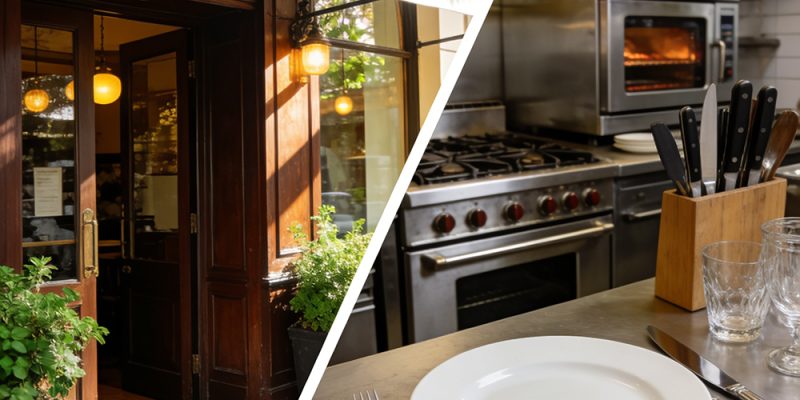
Starting a restaurant means making hundreds of purchasing decisions before opening day. Your restaurant equipment list is one of the biggest capital commitments you’ll make, and getting it wrong is expensive.
Most guides cover the kitchen hardware, the ovens, the ranges, the fryers, and then treat everything else as an afterthought. Two sentences on plates. One line about glasses. Done.
That gap costs operators more than they expect.
The US restaurant industry is projected to reach $1.5 trillion in sales in 2025, according to the National Restaurant Association. New venues are opening constantly, and the ones that struggle share one thing: they planned the kitchen and forgot the table.
This guide covers both.
Start With Your Concept, Not a Generic List
Before you buy a single piece of equipment, write down what your restaurant actually is. Not the dream version. The operational version.
What’s on the menu? How many covers are you running per service? Are guests staying for 90 minutes or turning tables every 30? These answers determine your equipment list, and skipping this step is one of the most expensive mistakes a new operator can make.
In our experience working with hospitality clients, the operators who struggle most are the ones who bought equipment based on what looked professional rather than what their concept demanded.
A fast-casual bowl shop and a fine-dining steakhouse are not the same restaurant. They don’t need the same kitchen, and they definitely don’t need the same tableware. Buying heavy forged flatware for a counter-service concept wastes budget. Putting melamine plates in a white-tablecloth dining room loses guests before the food arrives.
Here’s what your concept should determine before you spend anything.
- QSR and fast-casual concepts prioritize speed, volume, and durability over presentation. Equipment and tableware should reflect that.
- Casual and upscale casual dining needs a balance between cost control and guest perception. Material quality starts to matter here.
- Fine dining and boutique venues should treat tableware as part of the brand, not a line item to cut.
- Your menu drives kitchen equipment. Your brand drives tableware. Both decisions deserve equal attention.
- Buying what looks impressive instead of what your service demands creates mismatched setups that cost more to fix later.
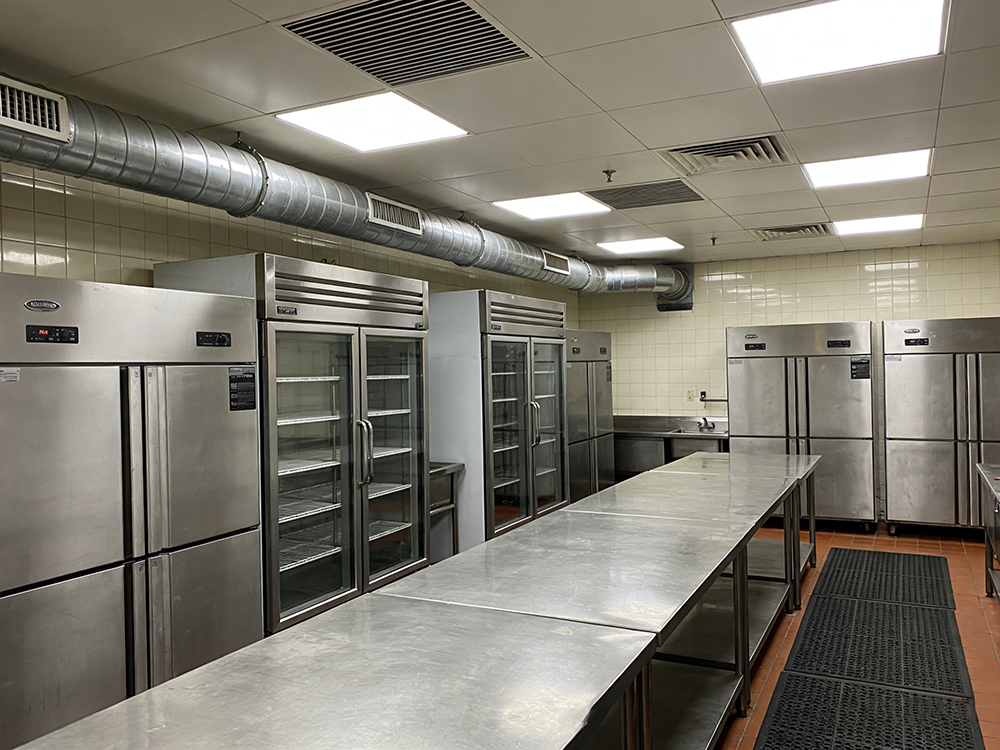
Core Kitchen Equipment: Cooking, Refrigeration, and Prep
Every restaurant equipment list starts here, and for good reason. Kitchen equipment takes up the largest share of most startup budgets, and the decisions you make early set the pace for everything that follows.
The goal isn’t to buy everything at once. It’s to identify what your menu genuinely requires on day one and build from there.
According to a Bar and Restaurant Industry Survey, 68% of restaurant owners planned to invest in equipment upgrades in 2025, with 53% prioritizing kitchen equipment spending.
By 2026, that number is expected to climb as more operators recognize that underpowered kitchens create bottlenecks that hurt service from the first week. Any serious restaurant opening equipment list needs to account for this upfront.
Cooking Equipment
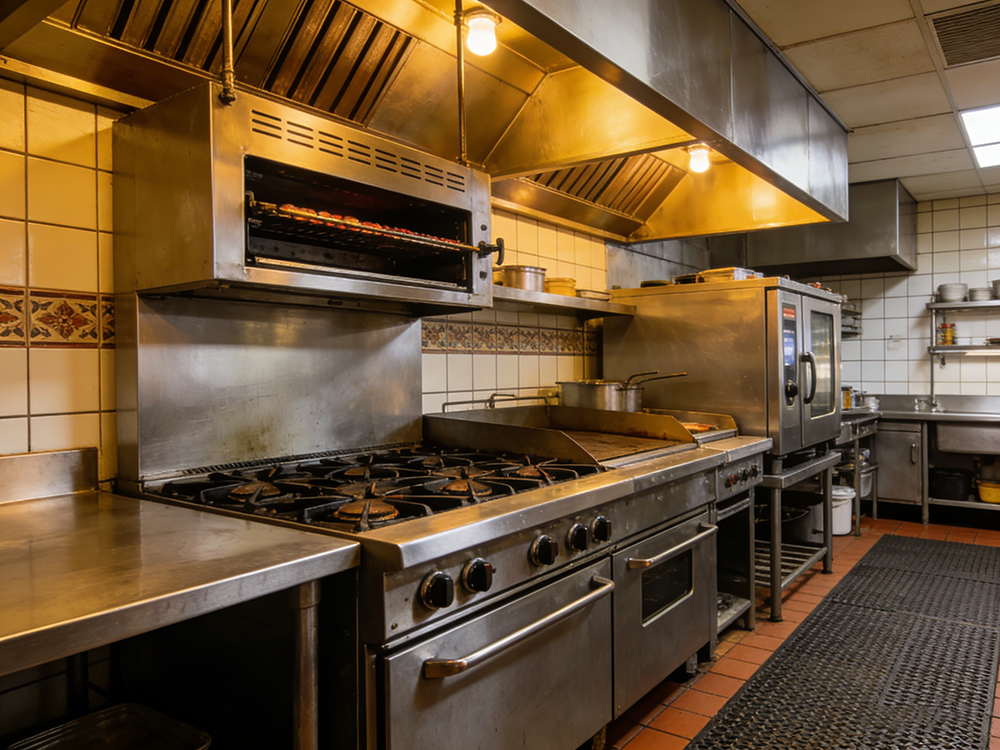
Every kitchen needs a reliable cooking core for its restaurant equipment list. For most concepts, that means a commercial range or stove, a convection oven, and either a grill or fryer, depending on the menu. Combi ovens are worth the investment for concepts running high volume across multiple preparations since they handle roasting, steaming, and baking in a single unit.
Start with versatile equipment and add specialty items only when the menu demands it. A wood-fired pizza oven is essential for a Neapolitan concept.
For a modern cafe, it’s a capital expense that adds no value. Your restaurant supplies checklist should reflect what you actually cook, not what a generic template suggests.
Refrigeration and Cold Storage
Cold storage is one of the areas where new operators consistently underestimate their needs. A commonly used sizing rule puts it at roughly 1 cubic foot of refrigeration per $75 to $100 of daily sales.
Walk-in coolers make sense for high-volume kitchens processing large ingredient quantities. Reach-in units work for smaller operations with tighter kitchen footprints.
Ice machines are easy to overlook and expensive to add later. Factor them into the initial plan, not as an afterthought.
Food Prep and Processing
Prep tables, cutting boards, food processors, commercial mixers, and slicers form the backbone of daily kitchen operations. The right configuration depends entirely on your menu.
A bakery-forward concept needs a heavy-duty mixer from day one. A poke bowl concept needs efficient cold prep surfaces and slicing capacity.
Prioritize equipment that your kitchen will use for every service. Specialty tools can follow as your operation grows.
Tableware and Dinnerware: The Most Overlooked Equipment Decision
Most restaurant equipment lists spend three pages on kitchen hardware and one sentence on plates. That sentence usually says something like “purchase dinnerware as needed.”
It’s the kind of advice that sounds reasonable until you’re six months into service, replacing chipped porcelain for the third time, and realizing the pattern you chose has been discontinued.
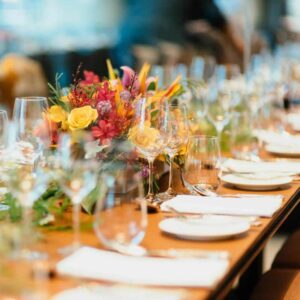
Tableware is a strategic decision. Your custom dinnerware is the first physical thing a guest interacts with at the table, before the food arrives, before the server speaks. It sets an expectation.
Getting that decision right from the start is one of the highest-return investments in your restaurant opening equipment list.
Choosing the Right Material
The material you choose determines how long your plates last, how much you spend replacing them, and how well they hold up through daily dishwashing cycles. Here’s how the main options compare.
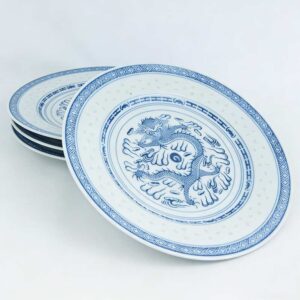
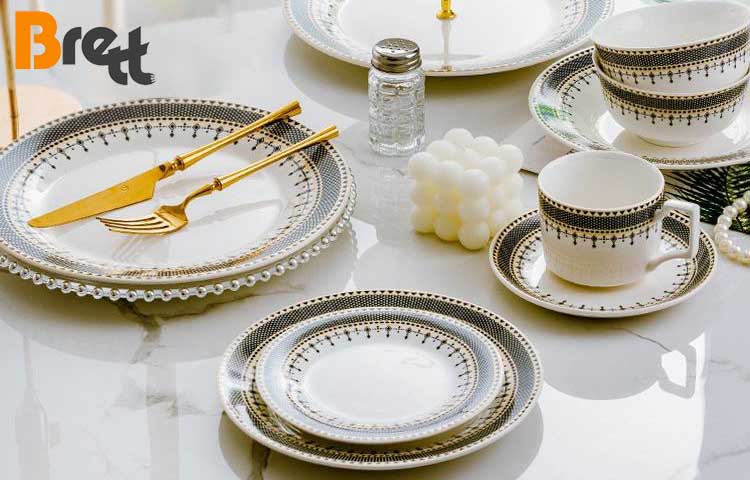
- Porcelain is the standard for fine dining. It looks clean, holds heat well, and photographs beautifully. The porcelain tableware marketis expected to witness steady growth between 2025 and 2035, driven by increasing consumer preference for premium dining aesthetics, which tells you something about where guest expectations are heading. The trade-off is durability under pressure. Custom porcelain dinnerware works well for controlled service environments where staff are trained, and handling is careful.
- Bone chinacarries a premium look with a surprisingly strong build for its weight. It chips less at the edges than standard porcelain, which is why luxury hotels and upscale venues lean toward it for long-term use. The upfront cost is higher, but replacement frequency tends to be lower.
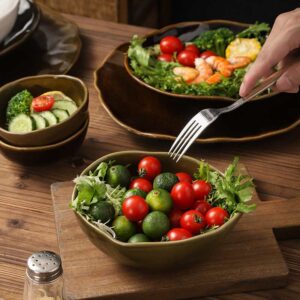
- Stonewaresuits farm-to-table, rustic, and casual-upscale concepts. The handcrafted aesthetic works as a brand signal, and the material handles everyday wear well. The limitation is reordering consistency, as textured and colored pieces are harder to match exactly if a pattern is discontinued.
- Melamine is the practical choice for outdoor dining, QSR, and high-volume casual concepts. It won’t shatter when dropped, and annual replacement rates are low, a significant difference from porcelain in cost terms.
The 3:1 Inventory Rule
The industry standard for tableware inventory is three pieces per seat: one in use, one in the wash, and one in reserve.
For a 60-seat restaurant, that’s 180 dinner plates as a starting point, not 60. New operators underorder here because they calculate for covers, not service flow.
Factor in your dishwashing cycle time, peak turnover, and breakage rate. Then add a replacement buffer on your opening order, because buying mismatched inventory six months later costs more than getting it right the first time.
Also, confirm whether your chosen collection will remain available for reordering. Discontinued patterns are a genuine operational problem that most new restaurant tableware checklists never mention.
Matching Tableware to Your Concept
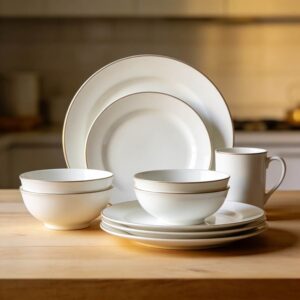
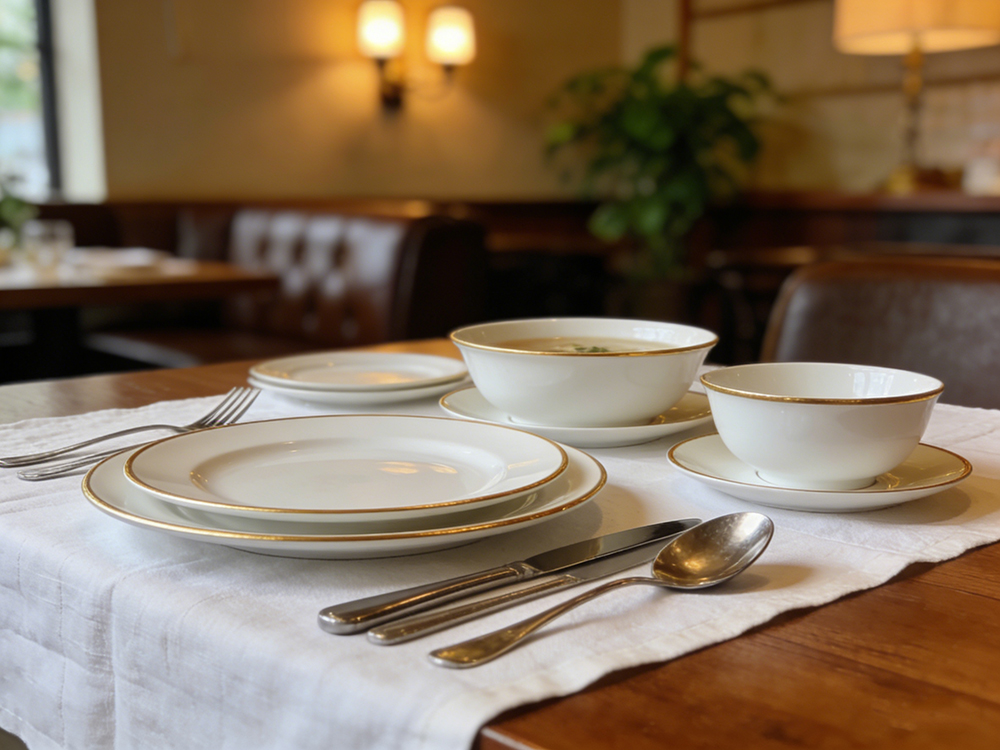
White porcelain is the safest default. It lets the food take center stage, pairs with any plating style, and is the easiest to replace consistently.
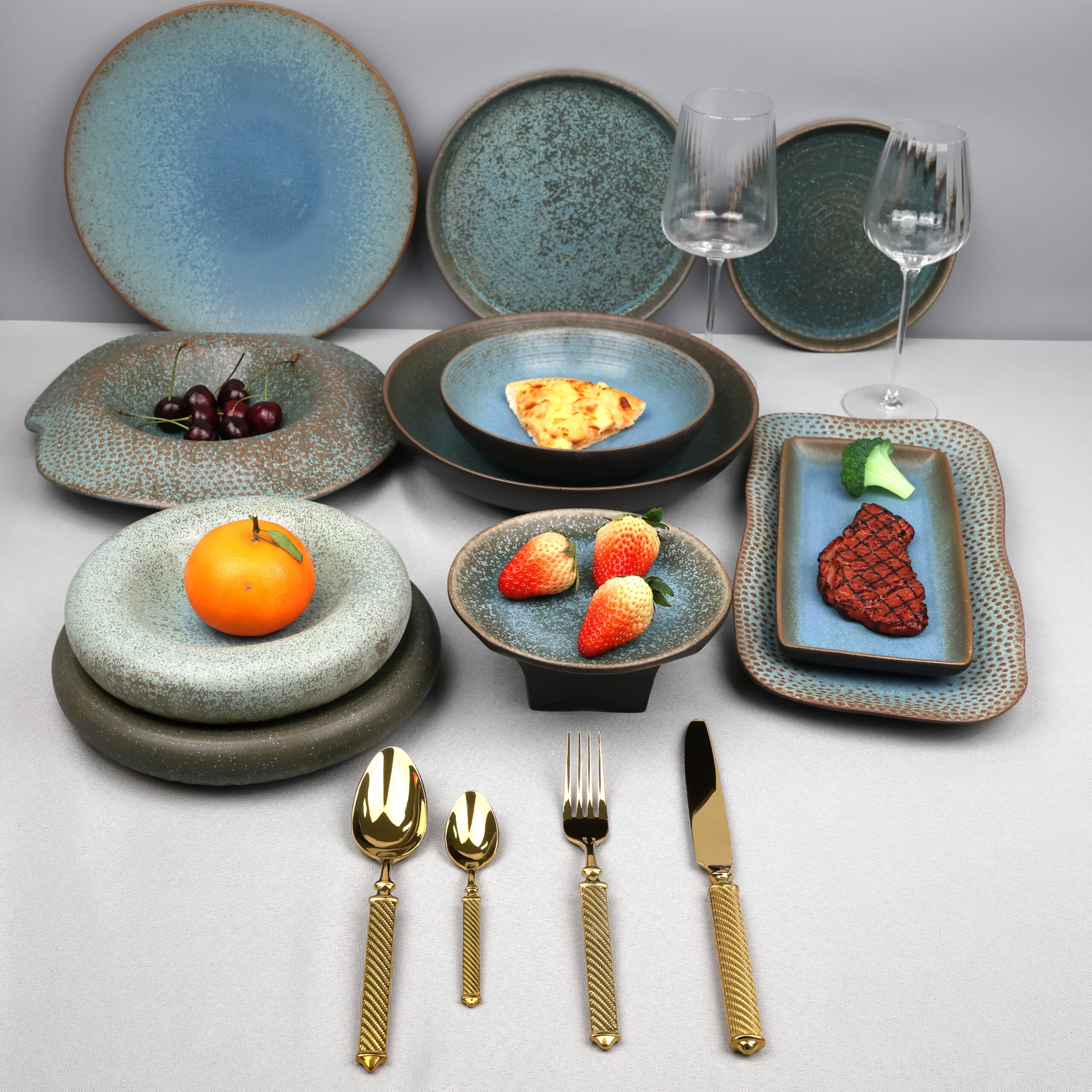
Colored and textured stoneware makes a stronger brand statement but carries more reordering risk. If the look is central to your concept, commit to it early and order deeper inventory upfront.
The plate is part of how your guest reads the room. Investing in quality ceramic dinnerware from the start means fewer reorders and a more consistent table over time.
Flatware, Glassware, and Serving Pieces
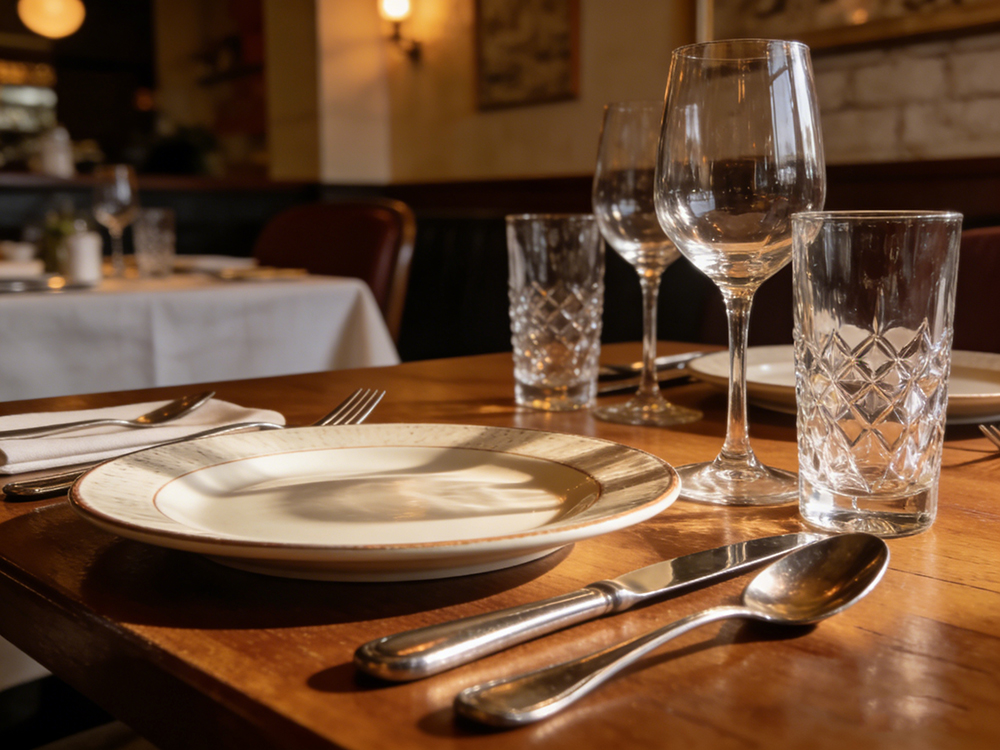
Your tabletop works as a system when building a restaurant equipment list. Plates, flatware, and glassware should feel like they belong together, not like three separate purchasing decisions.
For a complete breakdown, see our commercial flatware selection guide and commercial glassware selection guide.
- Flatware:18/10 stainless steel holds its finish longer and resists corrosion better than 18/0. Weight signals quality to guests before they take a bite.
- Glassware:Tempered commercial glassware breaks less and lasts longer. The upfront cost difference pays for itself within the first year of service.
- Serving pieces:Platters, sharing bowls, and specialty vessels matter for buffet, family-style, and tasting menu formats.
Safety, Sanitation, and Compliance Equipment
This restaurant equipment list isn’t optional. Every item below is tied to passing inspection and operating legally from day one.
According to NSF International, all commercial food equipment must meet NSF/ANSI certification standards before use in a licensed food service operation. Check every purchase against this before signing an order.
- Fire suppression systems, extinguishers, and first aid kits are non-negotiable in every kitchen.
- Ventilation hoods and exhaust systems keep air quality and fire risk under control.
- Three-compartment sinks and handwashing stations are required by health code in most jurisdictions.
- Anti-slip mats and wet floor signs protect staff during service.
- Thermometers and food safety monitoring tools keep temperature logs inspection-ready.
Budgeting and Smart Buying Tips
A medium-sized full-service restaurant typically requires $100,000 to $250,000 in equipment investment, and 47% of restaurateurs say that if they had extra money, they’d repair or update equipment, according to Toast and NRA data.
That number is the reality of building your restaurant’s opening equipment list. Here’s how to manage it without cutting corners where it counts:
- New vs. used:Buy new for anything with moving parts or heating elements. Used equipment for shelving, prep tables, and storage units is a reasonable save.
- Leasing vs. buying:Leasing preserves startup cash but costs more long-term. Buying outright makes sense for equipment you’ll use every single service.
- Total cost of ownership:Cheap startup restaurant dinnerware replaced three times costs more than quality commercial dinnerware bought once. Factor replacement cycles into every purchase decision.
- Prioritize daily-use items: Your cookline, refrigeration, and restaurant plates are used every service. These are not the places to cut the budget.
Build Your Restaurant Equipment List the Right Way With Brett
A complete restaurant equipment list covers more than the kitchen. The plates, flatware, and glassware your guests interact with every service deserve the same planning attention as your cookline.
Get the strategy right first, then buy.
Brett offers end-to-end sourcing for commercial dinnerware, custom porcelain, and tableware built for hospitality use. If you’re building your opening order and want guidance on materials, quantities, and concept matching, contact Brett to get started.
Frequently Asked Questions
1. What equipment do I need to open a restaurant?
A complete restaurant opening equipment list covers cooking appliances, refrigeration, food prep tools, commercial dinnerware, safety equipment, POS systems, and furniture. The specific setup depends on your concept and menu.
2. What type of plates do restaurants use?
The types of plates that restaurants commonly use are porcelain. Casual and outdoor dining uses melamine. Bone china is preferred in luxury and upscale hotel settings. Stoneware works well for rustic and farm-to-table concepts. Material choice directly affects presentation quality and long-term replacement costs.
3. How often do restaurants replace dinnerware?
Restaurants replace dinnerware depending on the material. Porcelain replacement rates run between 50 and 150% annually. Melamine sits at 10 to 20%. The industry standard is a 3:1 plate-to-seat ratio to account for breakage and dishwashing cycles at any given time.