In a region where hospitality standards are high and competition is growing fast, tableware shapes the guest experience. Running a hotel in the Middle East means every detail is under the spotlight, especially at the table.
Guests notice the plates, the glassware, and how everything comes together before the first bite. From luxury resorts to business hotels, the right choices help teams stay consistent, control costs, and deliver memorable service.
This guide explores how thoughtful tableware selection supports both daily operations and long-term brand success.
How Tableware Influences Guest Experience
Walk into any hotel restaurant, and the first impression usually happens before the menu opens. It’s the table, the plate, the glass, and the way everything else feels pulled together. Guests notice the small details as these set expectations long before the food arrives.
Across the Middle East, hospitality spaces are growing quickly, and competition is no longer just about location or design. Competition is about consistency now.
Guests expect the same quality experience whether they’re dining in a beachfront resort, a city hotel, or a business lounge.
When tableware looks thoughtful and well-matched, it builds confidence. When it feels random or worn, it does the opposite.
What many teams discover over time is that tableware isn’t just a purchasing decision. It’s a branding decision.
Plates, cups, and serving pieces are captured in guest photos, social posts, and memories long after the meal ends. When those pieces feel intentional, they reinforce the care behind the entire experience.
There’s also a practical side you need to consider when sourcing dinnerware for hospitality.
Hospitality teams manage busy service cycles, high turnover, and tight schedules. When tableware holds up well, and replacements match without hassle, operations run smoothly. When it doesn’t, small problems pile up fast.
That’s where a more considered approach makes a difference.
Working with a partner who understands hospitality needs, rather than just selling products, helps create consistency across locations, menus, and seasons.
Material Selection: Bone China, Porcelain, and Stoneware in the Middle East
Choosing the right tableware in the Middle East is less about trends and more about understanding how your space actually runs.
A five-star hotel hosting gala dinners has very different needs than a resort serving all-day dining or a business hotel running breakfast at full speed. That’s why hotel tableware selection in the Middle East starts with materials.
Let’s break down the three most common options on how they perform in hospitality service.
Bone China: Refined, Lightweight, and Built for Premium Dining
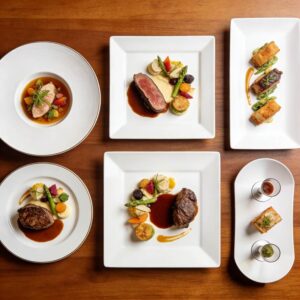
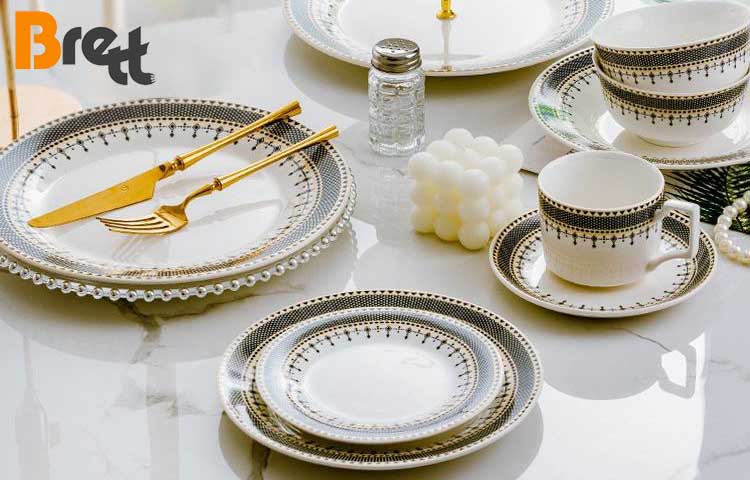
Bone china premium dinnerware is the first choice for fine dining and luxury hotels, as it looks delicate, but it is surprisingly strong. The material is fired at high temperatures and reinforced with bone ash, which gives it strength without bulk.
Now, what does this mean in practice?
Plates feel lighter in the hand, keep food warm a little longer, and present beautifully under soft lighting. That’s why bone china remains a favorite in fine dining restaurants, hotel tasting menus, and signature outlets. That said, it does require more care.
Your teams need proper handling and storage routines, and replacement costs sit at a higher tier. For hotels focused on refined experiences and presentation, the trade-off usually makes sense.
Porcelain: The Everyday Dinnerware
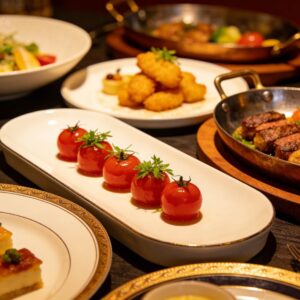
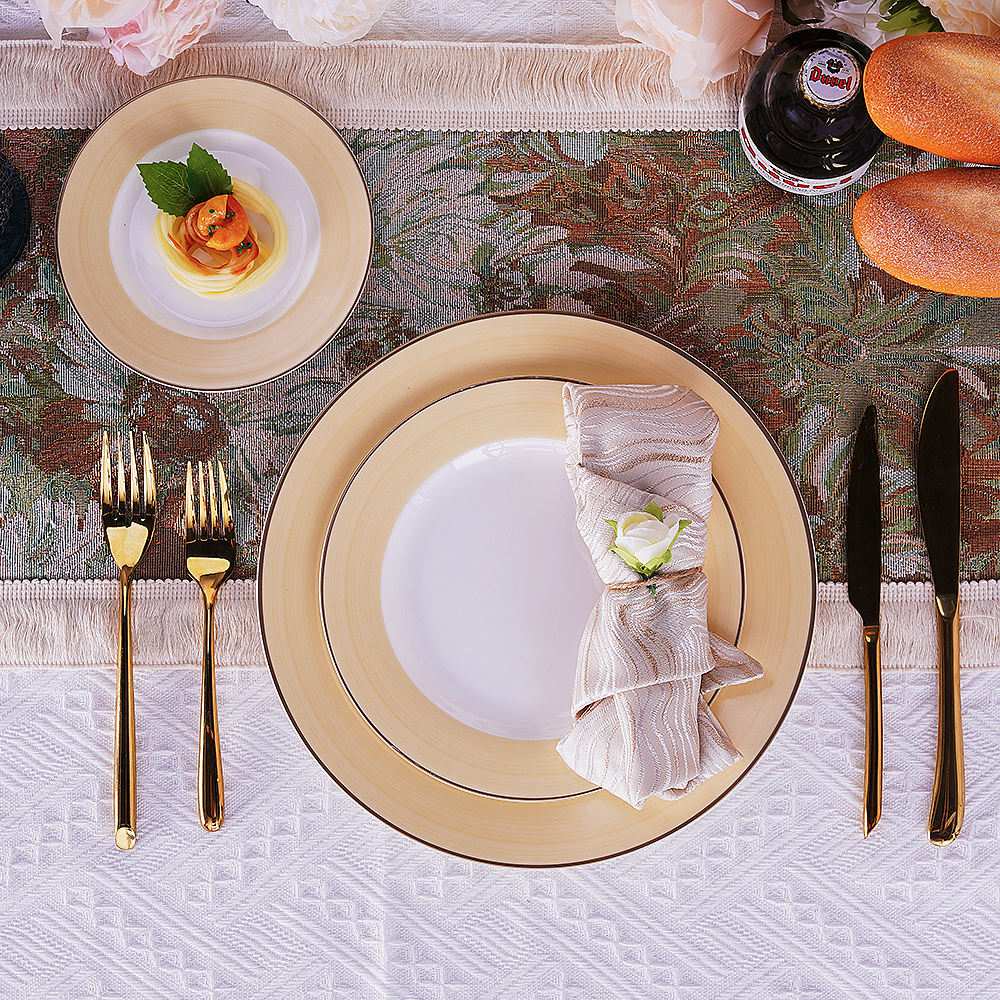
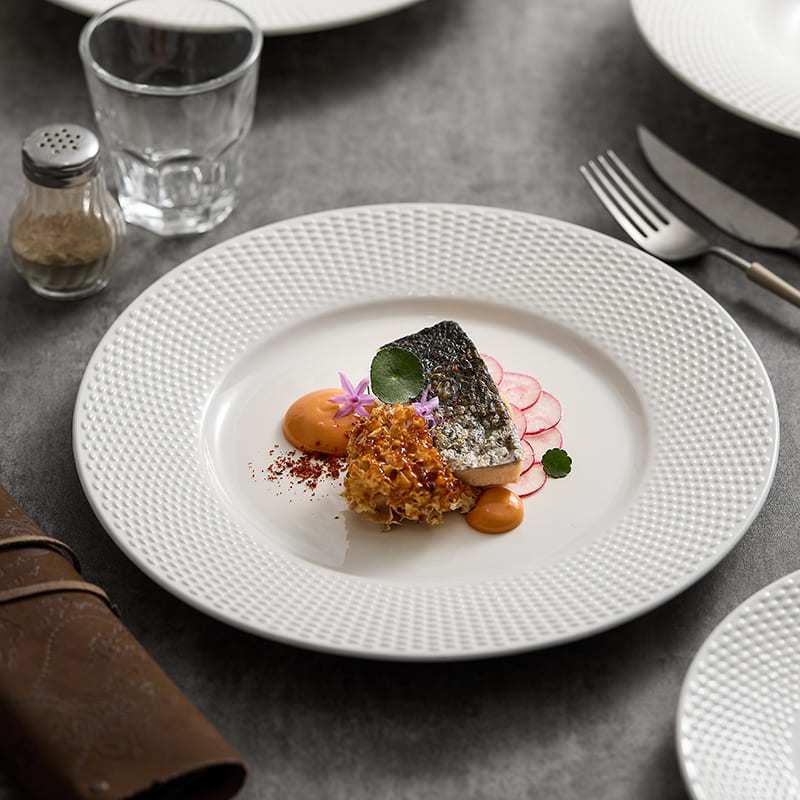
Porcelain dinnerware continues to dominate hotel crockery procurement, especially in high-volume operations. It strikes a balance between durability and design flexibility, which is why many hotels rely on it for all-day dining, buffets, and room service.
In the Middle East, white porcelain still leads, but warmer tones and subtle textures are becoming more common as properties look for character without sacrificing consistency. For many operators, this is the safest long-term choice when your durability, cost control, and visual consistency matter equally.
Stoneware: Character With a Purpose
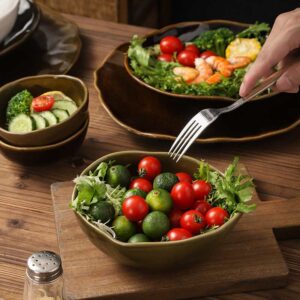
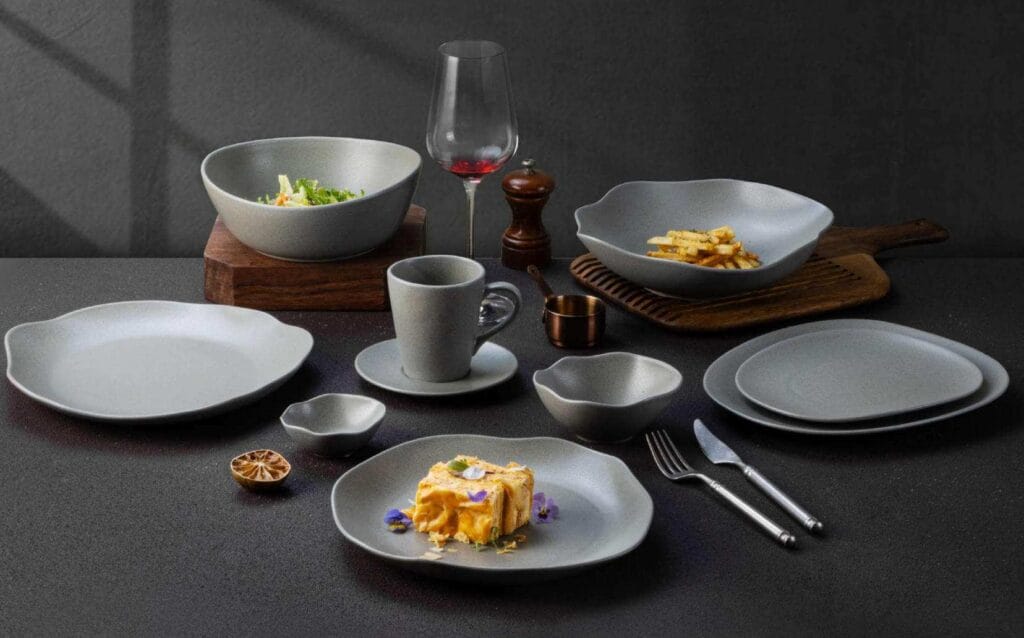
Stoneware is becoming popular in lifestyle hotels and concept restaurants looking for something less formal. It has a tactile feel and a more organic look, which does work well for relaxed dining environments.
It is also heavier and typically more scratch-resistant than other materials, but not always ideal for fast-paced operations or large banquets. Stoneware dinnerware works best when used intentionally, often as an accent rather than the entire set.
The Sustainability Imperative: Why Durable Tableware Builds Value Over Time
Sustainability in hospitality has changed. It’s no longer about making a statement. It’s about making smart, long-term decisions that reduce waste, bring the costs down, and still feel good to guests. By sustainability, we mean how things perform over the years of use in hospitality.
Responsible Choices
Most travellers today expect responsible choices as part of the dining experience. In fact, a large majority of guests now prefer brands that take sustainability seriously, especially in hospitality.
Now that doesn’t mean every guest will be asking you about sourcing, but they will definitely notice the quality, care, and consistency.
A chipped plate or mismatched set sends a negative message. On the other hand, well-kept pieces represent care, investment, and professionalism.
Reduces Waste
Single-use and short-lifespan tableware contribute significantly to global waste. Disposable tableware alone accounts for tens of millions of tons every year.
While biodegradable options are growing, durable and premium dinnerware performs better in the long term. High-quality porcelain or bone china can last 5 to 10 years in active service. That means fewer replacements, fewer shipments, and far less material ending up in landfills.
Over time, durable tableware becomes the more sustainable choice, even if the upfront cost feels higher.
Cost Over Time
Sustainability shows up on your balance sheet. Cheaper pieces chip faster, leading to constant reorders, higher logistics costs, and inconsistent presentation. Premium tableware spreads its value over years of use.
Hotels that invest in durable collections also benefit from easier inventory management and fewer emergency purchases.
Also, let’s consider staff training. When teams understand how to handle and store quality pieces, breakage drops noticeably, often by double-digit percentages.
Builds Brand Trust
Guests may not ask what a plate is made of, but they notice when everything feels considered. Thoughtful tableware supports a sense of quality and care. Over time, that consistency strengthens brand perception and justifies pricing without needing to say a word.
Procurement Framework: A Practical Decision Guide for Buyers
Choosing tableware is a process that sits between design, operations, and long-term planning. The most successful hospitality teams follow a simple framework that keeps things practical for them. Here’s a buying guide.
Step 1: Define Your Concept and Guest Experience
When procuring dinnerware for hospitality services in the Middle East, get clarity on what kind of experience you’re building. Think about who your guests are and what they expect when they sit down.
Younger travelers respond to thoughtful design and sustainability cues, while traditional luxury guests expect refinement and consistency. Your dinnerware should support that story without stealing attention from the food in the space.
Step 2: Understand Your Operations
A busy hotel restaurant running hundreds of covers a day needs durability above all else. High turnover means plates are handled fast, washed frequently, and stacked very often. Staff experience also matters.
Delicate materials look beautiful, but they might not perform well in an environment where handling isn’t careful.
Commercial dishwashers also play a role. Most hospitality kitchens rely on high-temperature systems, which means materials must handle heat and pressure without wearing down.
Step 3: Plan the Budget With Long-Term Value
Tableware budgeting works best when you plan beyond the first order. Most operators set aside a portion of the budget each year for replacement.
Premium materials may cost more upfront, but they reduce long-term spending by lasting longer and maintaining their appearance. You need to think in terms of life cycle cost. If you think only about the upfront cost, your budgets will not stay predictable.
Step 4: Evaluate the Supplier
Reliable supplier maintains consistent stock, understands hospitality timelines, and also supports your reorder years later. Look for partners with proven experience in hotel and restaurant environments. Don’t choose the supplier simply by relying on their retail catalog.
Step 5: Test Before You Commit
Before placing a full order, you should test samples in commercial kitchens. Run them through the dishwasher, plate dishes, and see how they look under your lighting. Testing before you commit to tableware helps you make the right purchasing decision for your hospitality needs.
Customization vs Stock: Finding the Right Balance for Middle East Hospitality
In the Middle East, tableware decisions sit between two strong pulls.
On one side, there’s the appeal of custom pieces that reflect a brand personality and help a venue stand out. On the other hand, there’s the operational reality of lead times, replacements, and consistency across busy service schedules.
The smartest hospitality teams don’t treat this as an either-or decision. They look for a balance that protects creativity while keeping daily operations smooth.
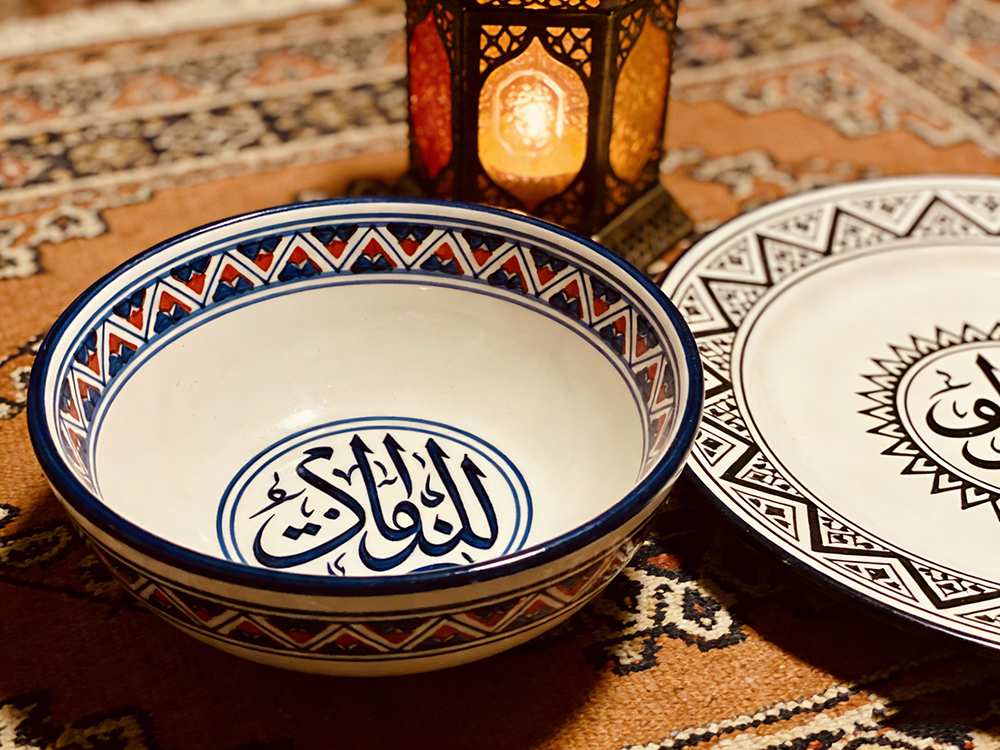
Custom tableware brings identity to the table. A branded plate, a signature room, or a specific glaze can instantly make the dining experience feel intentional. This is one of the easiest ways for hotels and restaurants to visually separate themselves in a competitive Middle East market.
Fully custom programs come with longer production timelines and tighter re-ordering windows. So you’d expect many operators to pause, especially when no replacements will be needed months or years later. That’s why many Middle East buyers tend to order a blended approach.
Core pieces that define the brand are customised, while supporting items remain stock-based for flexibility and faster replenishment. This approach keeps the look consistent without creating supply pressure during peak seasons or large events.
What this balanced approach typically looks like in practice:
- Custom dinner plates or signature serving pieces carry the brand identity
- Stock bowls, side plates, and service items that are easy to replace and readily available
- Access to regional suppliers that hold inventory while still offering customization options
- Shorter lead times for replacements without sacrificing design consistency
- Fewer operational delays when volumes increase or events overlap
Middle East Market Specifics: Design Trends, Guest Preferences, and What’s Changing
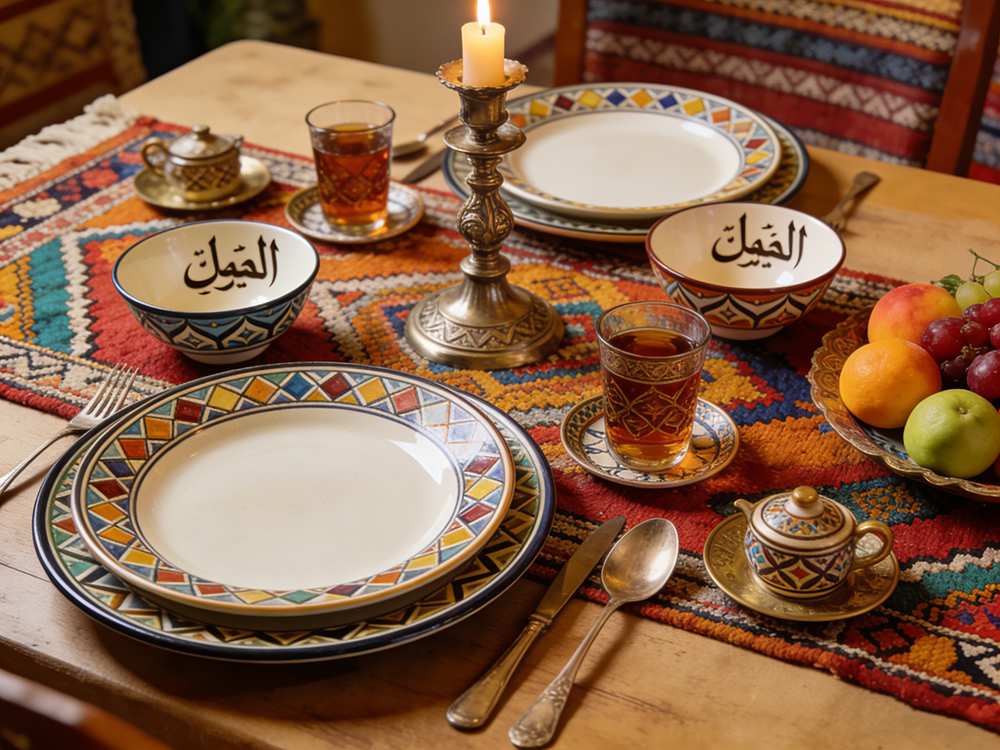
When you’re running a hotel or banquet space in the Middle East, you’re serving guests who notice details, take photos, and expect things to feel intentional. The plate is part of the experience you’re selling.
What Guests Are Responding To Right Now
Clean white porcelain still leads the way, especially for hotels that host everything from business lunches to weddings. It works because it adapts.
But alongside that, there’s a growing appreciation for warmer tones, softer finishes, and pieces that feel less factory-perfect and more human.
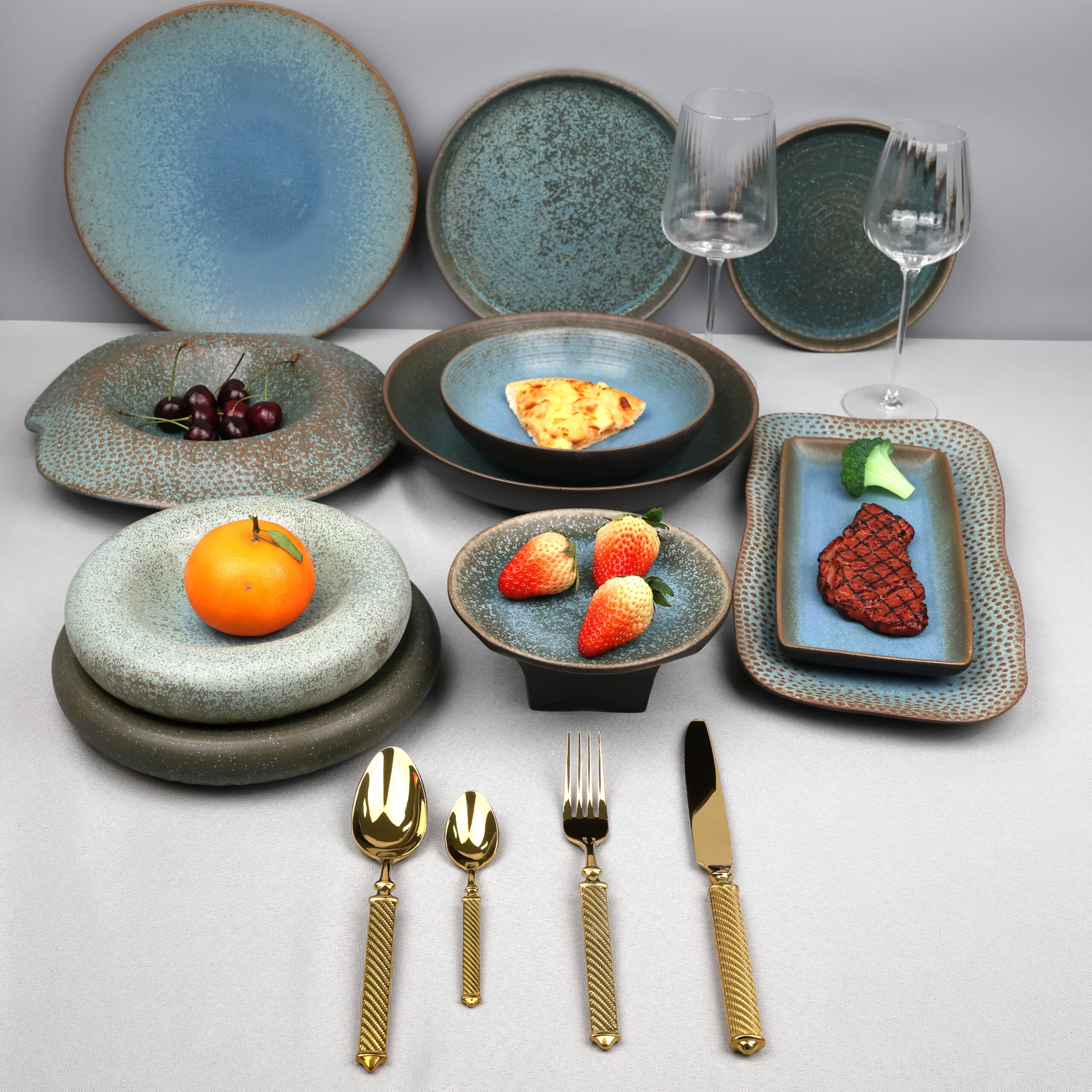
You see it in stoneware accents, slightly textured glazes, and smaller plates used for tasting menus or shared courses. These details help guests feel like the experience was designed.
Redefined Luxury
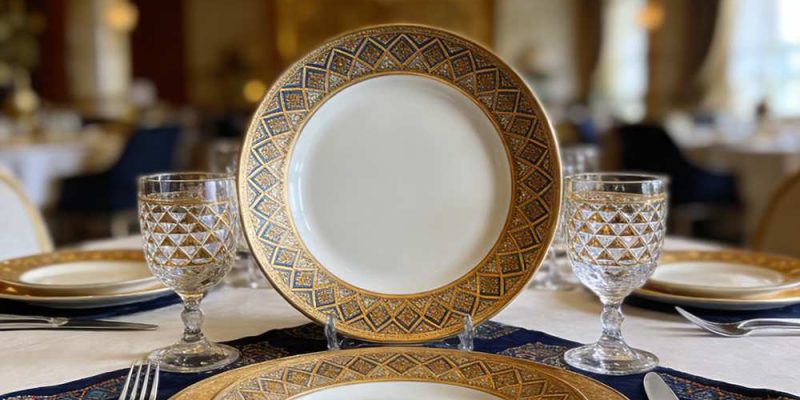
Luxury isn’t about heavy decoration now. Guests notice when a plate feels intentional, when the size fits the dish, and when everything on the table feels like it belongs together. That sense of ease matters more than shine.
Many venues now use tableware to indicate care and quality. When the plate feels right in the hand and the presentation feels balanced, guests feel looked after without being told so.
Why This Matters for Growing Hotels
With new hotels opening across the region, operators are planning beyond opening day. You might be thinking about the next location, or how your current setup will hold up over time. That’s where reliable sourcing matters.
You want partners who can keep styles consistent, support future growth, and respond quickly when you need more pieces.
Action Checklist for Middle East Hospitality Teams
Here’s a simple, practical checklist many hotel and banquet teams use to stay on track:
- Clarify your concept first. Know who you’re serving, what kind of experience you’re creating, and how formal or flexible your setup needs to be.
- Set a realistic budget. Include a 15 to 20% buffer for replacements, so you’re not caught off guard later.
- Look at daily operations. Consider event volume, staff experience, storage space, and dishwashing capacity.
- Request samples from 2 to 3 regional suppliers. See how pieces feel, stack, and perform under service conditions.
- Test with food and lighting. What looks good in a showroom may feel different on a banquet table.
- Confirm lead times and reordering ease. You’ll need matching pieces again.
- Plan basic handling guidelines for staff. Small habits extend lifespan.
- Choose a partner, not just a product. Long-term support matters in this region.
This approach keeps decisions grounded and helps your tableware support your operation long after opening night.
FAQs
Does custom tableware make replacements harder later on?
No, when planned and sourced properly, replacements are a part of the routine. You can re-order the same design and the pieces from the same manufacturer.
How long does it usually take to complete a full tableware order?
Timelines depend on what you’re ordering and how customized it is. Custom pieces take more time for sampling and production. Most full setups take somewhere between a few weeks and a few months, depending on scale and finish.
Wrap Up
If you’re building or upgrading a hospitality concept in the Middle East, Brett helps bring everything together. From custom tableware to full coordinated setups, we support hotels and venues with reliable sourcing, consistent quality, and long-term support. Ready to simplify your decisions? Reach out to Brett for premium custom dinnerware.