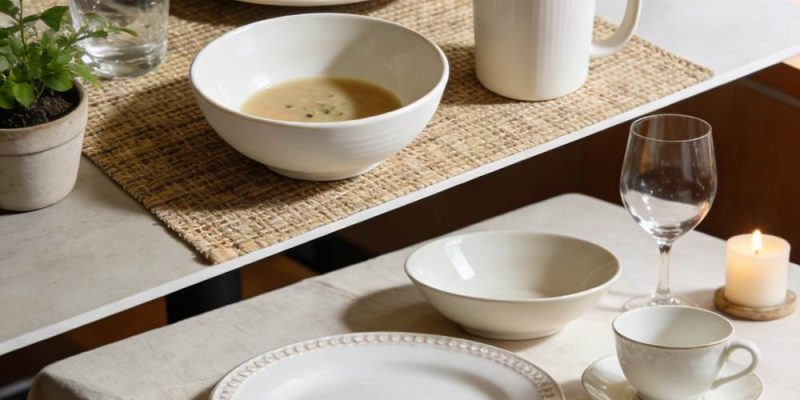
You’re reviewing your dinnerware because something isn’t working anymore. The plates chip too fast, and replacements cost more than expected. Or you’re simply unsure whether melamine or ceramic suits your restaurant style better.
One option promises durability and low cost. The other feels better suited to your food and your brand. Suppliers give you mixed advice, and the trade-offs? They aren’t obvious.
Melamine and ceramic behave very differently. This guide points out those differences, so you can choose the option that best fits your volume, menu, and guest expectations.
Melamine vs Ceramic Dinnerware: What’s the Difference?
When restaurant teams compare melamine and ceramic, they’re really deciding how their plates behave once service begins. The material you choose affects speed, safety, costs, and how guests read your brand long before the first bite.
What is Melamine?
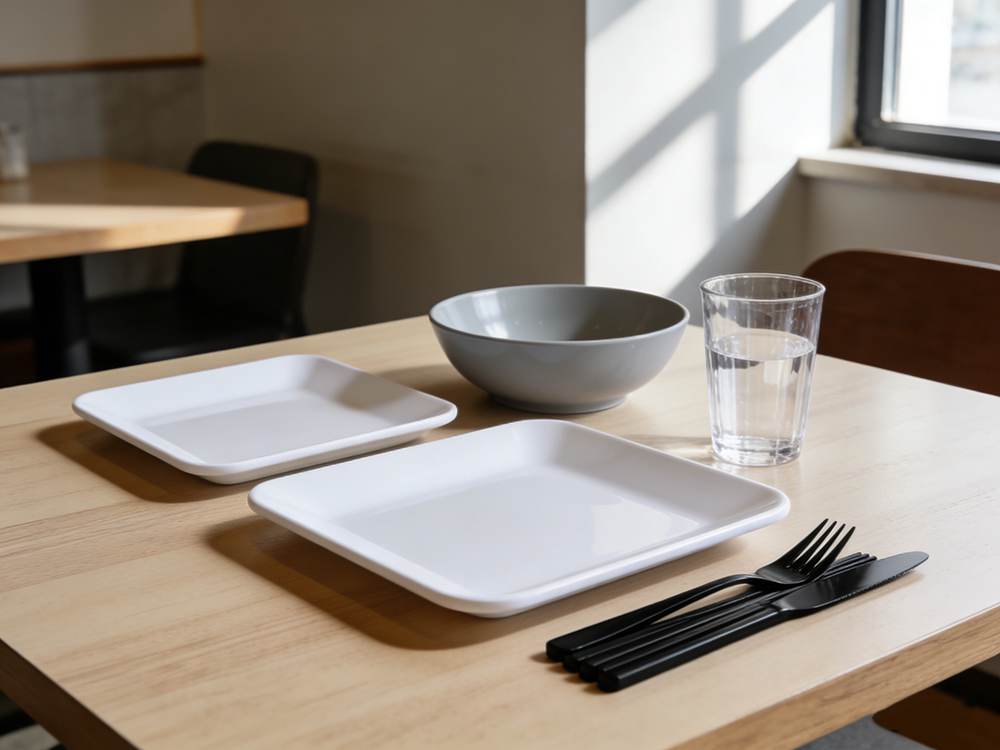
Melamine is a molded resin, not a ceramic. It’s made from melamine-formaldehyde compounds pressed under heat into lightweight, rigid shapes. The surface feels smooth and slightly matte, with color molded all the way through.
Melamine doesn’t chip or shatter, but it cannot handle high heat or prolonged contact with hot, acidic foods. It isn’t meant for oven-to-table service, reheating, or dishes that stay piping hot. You wouldn’t pull a bubbling stew from the pass in a melamine bowl or rest a just-seared entrée on it straight from the pan.
You’ll see melamine dinnerware commonly used in buffets, cafeterias, fast-casual dining, outdoor service, and high-volume environments.
Why Restaurants Rely on Melamine?
Melamine suits kitchens that prioritize speed and efficiency. It reduces breakage, lowers replacement costs, and lets staff stack and clear quickly without worrying about shattered pieces.
What is Ceramic?
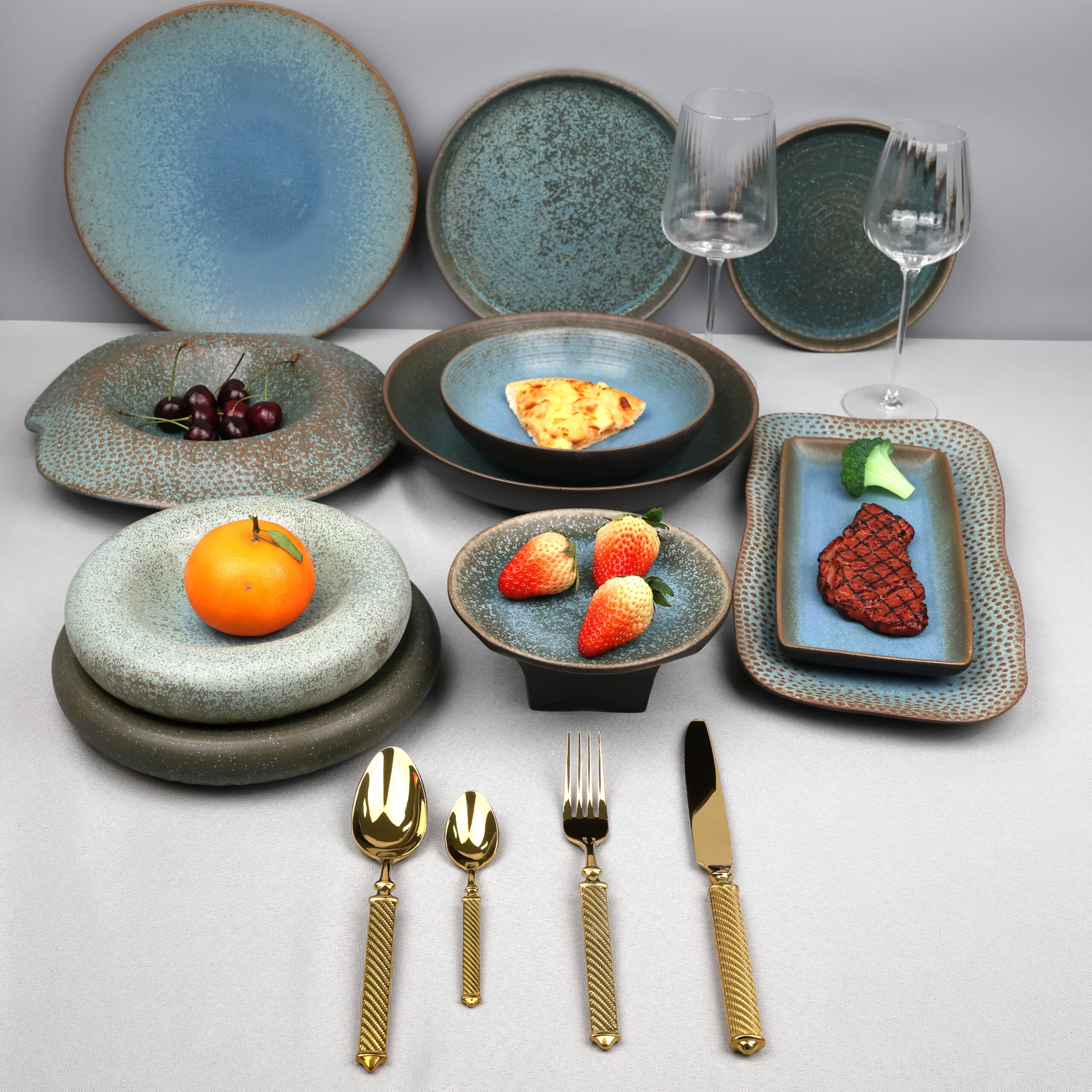
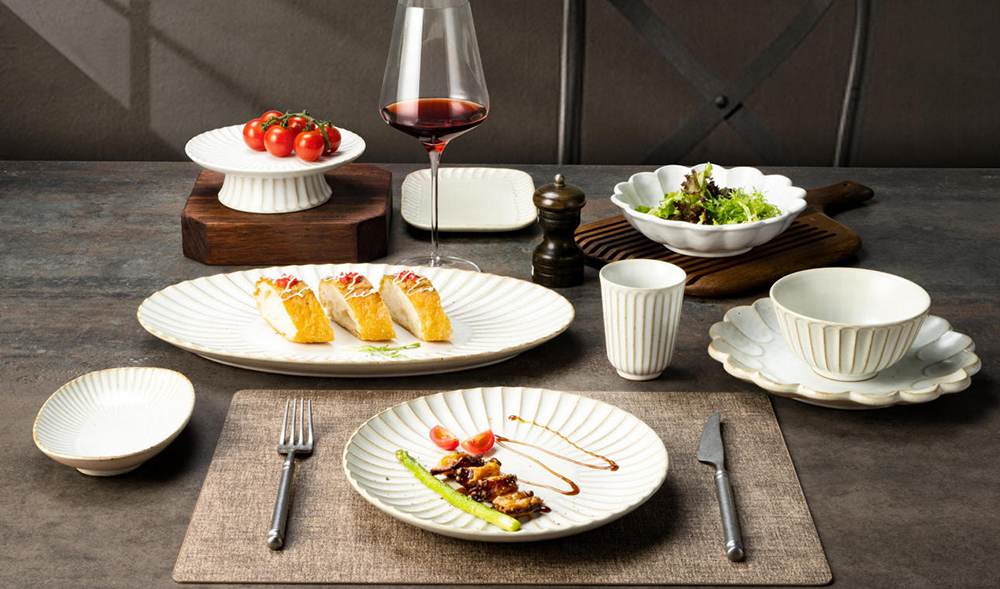
Ceramic dinnerware is made from refined clay fired at very high temperatures until it becomes hard, dense, and non-porous. This category includes porcelain, bone china, and stoneware.
Ceramic dinnerware plates have a solid feel, stay bright through years of washing, tolerate heat, and remain food-safe even with acidic dishes. They’re common in full-service restaurants, upscale casual dining, and fine dining.
Why Restaurants Rely on Ceramic?
Ceramic supports hot food, polished presentation, and long-term durability.
It also enhances plating in a way that melamine can’t. The glazed surface reflects light evenly, keeps the whites bright, and lets sauces, textures, and colors stand out, which elevates even the simple dishes.
For restaurants exploring ceramic dinnerware, working with a supplier who understands service flow makes the difference. Brett helps operators compare materials and choose ceramic collections built for tough kitchen conditions.
Physical Characteristics: Melamine vs Ceramic
Melamine focuses on impact resistance and light handling, while ceramic relies on fired mineral strength, heat tolerance, and surface stability during service.
Take a look at this quick comparison of the physical characteristics of melamine and ceramic.
Physical Characteristic | Melamine | Ceramic |
Material Composition | Melamine-formaldehyde resin (thermoset plastic) | Natural clay minerals fired at high temperatures |
Firing/Production | Molded under heat and pressure (not kiln-fired) | Kiln-fired at 1,200 to 1,450°C |
Texture | Smooth but plastic-like; can feel hollow | Smooth, dense, glazed, glass-like |
Weight | Very lightweight | Light to moderate, feels more substantial |
Thickness | Uniform thickness, less structural depth | Can be thin yet strong, depending on type |
Chip/Break Resistance | Won’t shatter but gets scratches | Can chip or break if dropped |
Heat Tolerance | Limited | High (handles hot food and plating) |
Reaction to Acidic Foods | Can degrade over time | No reaction; fully stable |
Color & Design Range | Wide colors, patterns, faux finishes | White, neutral, modern, artisanal options |
Visual Impression | Functional, casual | Polished, professional, premium |
Typical Restaurant Use | Buffets, fast casual, outdoor service | Full-service, upscale casual, fine dining |
Melamine vs Ceramic: Factors to Consider for Restaurants
Instead of lab specs or marketing claims, we’re looking at what actually matters once plates hit the floor, the dishwasher, and the table. Each factor below answers a question restaurant owners and managers ask when deciding between melamine and ceramic dinnerware.
Food Safety and Heat Exposure
Picture a busy service where hot pasta, soups, and sauces sit on the plates for a few minutes before runners grab them. Ceramic handles this well because heat, acidity, and long table times are part of its comfort zone.
Melamine, on the other hand, works best when food is served warm or cool. If your menu includes steaming bowls or tomato-heavy dishes, ceramic removes a layer of risk from your daily service.
Dishwasher Safety
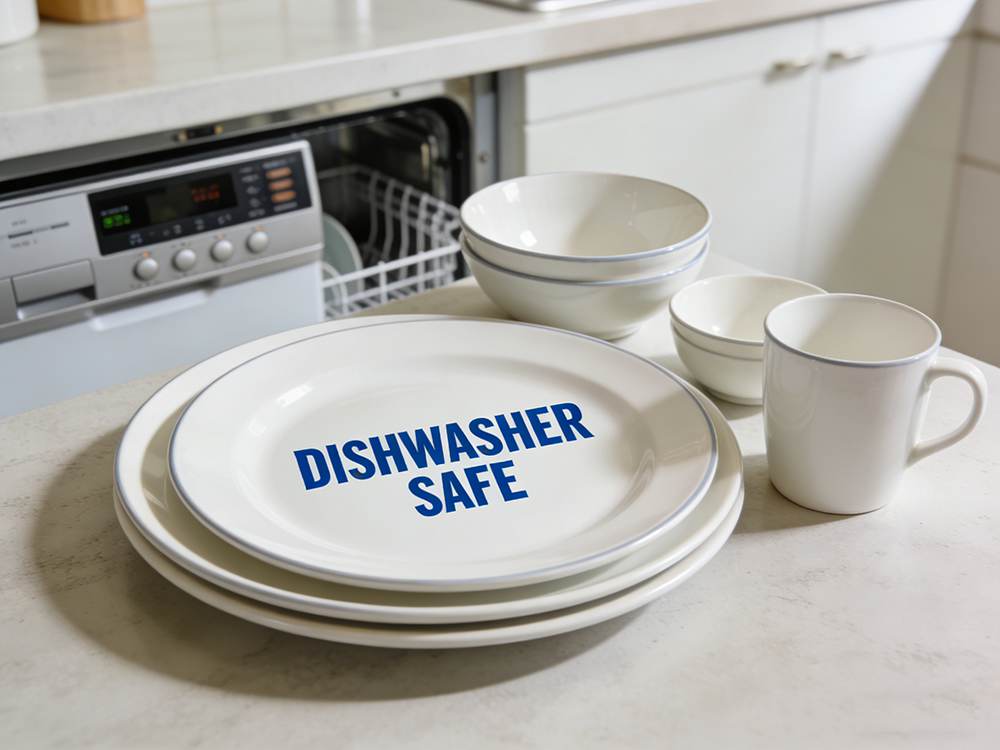
In commercial kitchens, dishwashers operate continuously throughout the day. High water temperatures, strong spray pressure, and industrial detergents place consistent stress on dinnerware materials.
Ceramic dinnerware is designed for this environment. It tolerates repeated high-heat cycles and prolonged exposure to commercial detergents without compromising surface integrity or finish. This makes it well-suited for operations where dishwashing volume remains constant during service hours.
Melamine is generally dishwasher safe, but temperature control is critical.
While it can withstand standard wash cycles, repeated exposure to high heat accelerates surface wear over time. Commercial dishwashers typically run at elevated temperatures by default, which increases the rate of fading and surface dulling in melamine compared to ceramic.
For kitchens with continuous, high-temperature wash cycles, ceramic aligns more closely with how commercial dishwashing equipment is used in practice.
Durability
Think about clearing a packed dining room at peak hour. Plates knock together. Racks are pushed at speed through busy service aisles.
Melamine shrugs off drops and collisions, which is why it shines in fast, crowded spaces where constant movement matters more than preserving a pristine surface over time.
Ceramic responds differently.
It does not forgive drops, but it holds its surface and structure far longer. In restaurants where handling is steady and staff are trained, ceramic lasts for years.
Replacement Rates by Restaurant Type
Replacement patterns are a very important consideration when you’re buying premium dinnerware for your restaurant.
Fine dining rooms replace fewer ceramic pieces because services stay controlled. Upscale casual sees steady ceramic loss but manageable planning.
High-volume operations replace melamine more frequently, but at a lower overall cost. The critical factor is aligning the material with operational handling demands, not initial appearance.
If replacement planning and consistency matter, Brett works with restaurants to source dinnerware that stays available year after year. That means fewer mismatched plates, easier reorders, and table settings that stay consistent as your business grows.
Cost Over Time
Opening budgets focus on unit price. Operating budgets are a longer story.
Melamine lowers upfront spend and absorbs breakage. Ceramic costs more initially, but spreads that investment across more years of use and better presentation.
What looks cheaper on day one can feel expensive after repeated reorders and visible wear start affecting the dining room.
For restaurants planning to grow, expand, or protect a consistent look over time, ceramic turns early investment into long-term stability rather than recurring compromise.
Aesthetics and Styling
Dinnerware sets expectations before the food even arrives, and this is where melamine and ceramic pull in different directions.
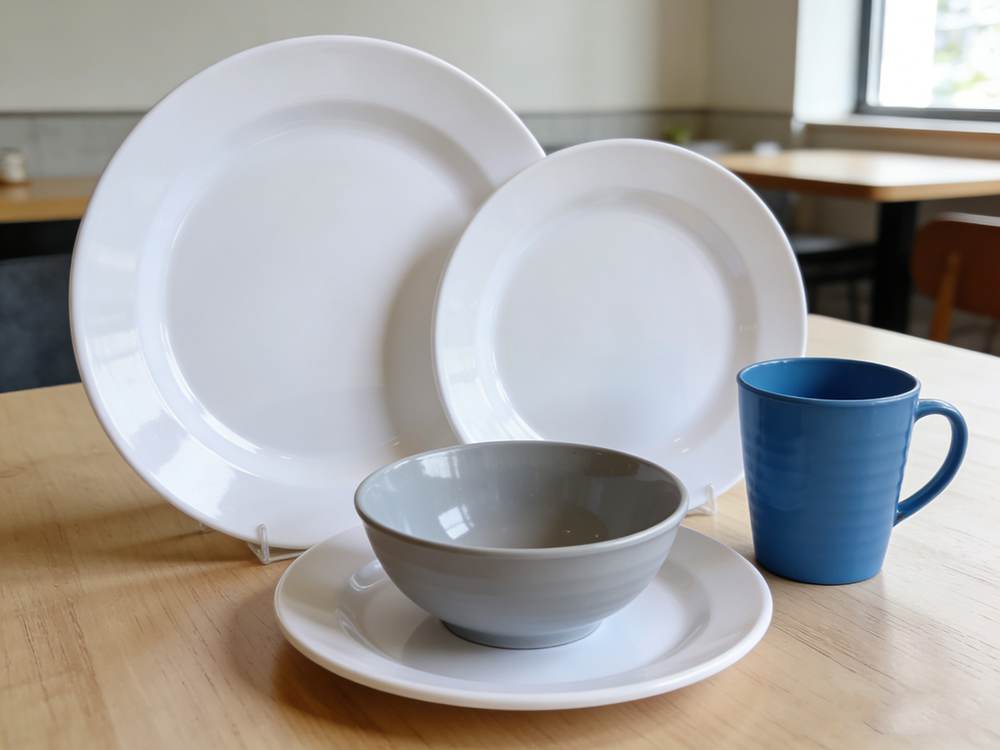
Melamine keeps things visually calm and consistent. Colors stay uniform, finishes stay predictable, and nothing feels precious.
In fast-paced or crowded dining rooms, that simplicity helps the food speak without visual noise. It suits casual concepts where guests expect function over flair and where plates blend into the background rather than framing the dish.
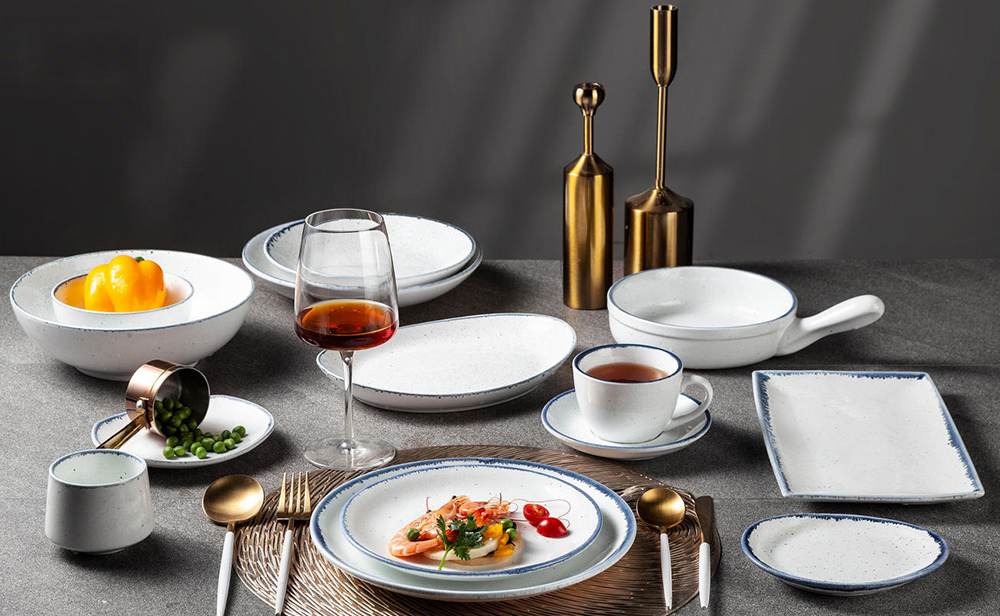
Ceramic has intentional weight. Glazes catch light. Whites look sharper, sauces look richer, and plating feels more deliberate. In restaurants where presentation supports pricing, ceramic helps your food look better.
Daily Maintenance
Maintenance separates the two types of dinnerware.
Melamine wipes clean easily and resets fast, but scratches build over time and signal when replacement is due.
Ceramic needs slightly more care around chips, yet its sealed surface resists stains, odors, and discoloration through heavy dishwashing.
One prioritizes speed while the other rewards presentation with longevity.
Melamine vs Ceramic: Which Should You Choose?
Two stacks of plates. Similar shapes. Similar sizes. One option feels almost weightless in your hands. The other carries a reassuring heft.
Both claim durability, yet the moment they enter a kitchen, their differences become noticeable to the managers, operators, chefs, and the waitstaff.
Some dining rooms need plates that can handle speed, noise, and constant movement. Others need plates that frame the food and elevate the experience. Understanding which type of restaurant service you’re running makes the choice much easier.
Choose Melamine
Opt for melamine dinnerware if speed, volume, and break resistance shape your restaurant’s service.
- In fast-moving dining rooms, melamine keeps service flowing without the constant worry of breakage.
- Drops and collisions happen during busy shifts, and melamine handles that better than most materials.
- Because the plates are lightweight, staff can clear and restack quickly during rush hours.
- Budgeting stays predictable when replacements are frequent but inexpensive.
- For short food contact and moderate temperatures, melamine performs reliably day after day.
- The overall feel is practical and value-driven, which works well in casual or high-volume settings.
- Performs best when function matters more than presentation
Choose Ceramic
Opt for ceramic dinnerware when presentation, versatility, and long-term consistency matter more.
- Ceramic shines when food presentation plays a role in how guests judge the experience.
- Hot dishes, sauces, and longer table times are never an issue with ceramic plates.
- The added weight in the hand subtly signals quality before the first bite.
- Even after years of washing, ceramic keeps a clean, professional look.
- It transitions easily across fine dining, upscale casual, and chef-led concepts.
- Menus and plating styles can evolve without forcing a change in dinnerware.
- A cohesive table setting comes naturally, rather than feeling pieced together.
- Resistance to stains, odors, and flavor transfer keeps presentation consistent.
- With standard kitchen care, ceramic lasts long enough to justify the higher upfront cost.
Melamine keeps your service running smoothly while ceramic shapes how the meal is experienced. The right choice depends on which problem your restaurant is solving every day.
FAQs
Is melamine safe for restaurant use?
Yes, melamine is safe for restaurant use as it works best for cold or room-temperature foods and short service times. Heat, acidic foods, and scratched surfaces change how it performs, so regular inspection and timely replacement matter.
Why do many restaurants still choose ceramic over melamine?
Ceramic supports presentation, handles heat without limits, and stays stable over years of service. It suits restaurants where plating, guest perception, and menu flexibility matter more than break resistance.
Can restaurants use both melamine and ceramic?
Yes, many operators use ceramic in the dining room and melamine for outdoor seating, buffets, or high-risk areas. This mix cuts down the costs and keeps the guest experience consistent where it counts.
Wrap Up
Melamine and ceramic both serve a purpose, but the right choice depends on how your restaurant runs, not just how plates look on the shelf.
When presentation, heat, and longevity matter, ceramic dinnerware leads. For custom premium dinnerware that fits your service style, reach out to Brett for expert guidance and tailored solutions.