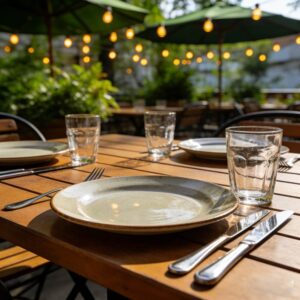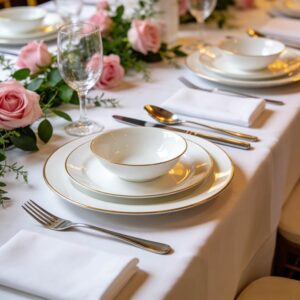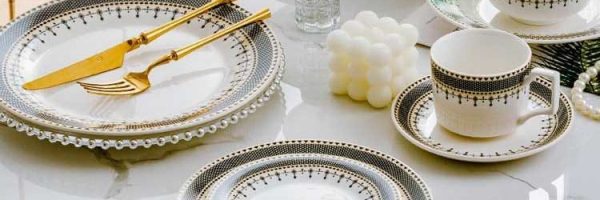
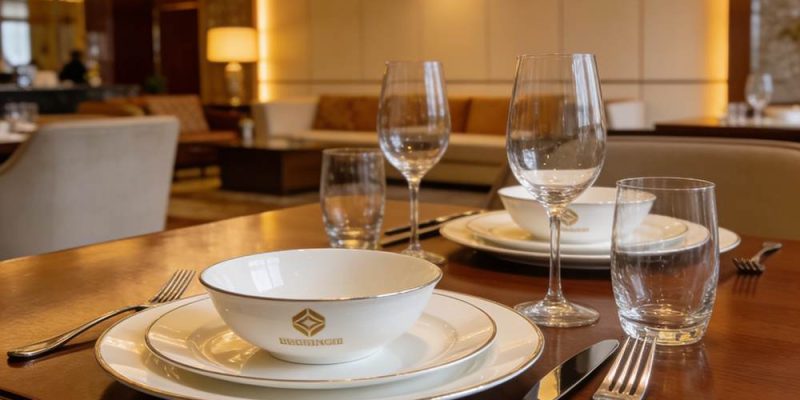
A guest dines in your signature hotel and is impressed by the ambience, menu, serving style, and food presentation. The table is set perfectly with the plates shining and clean, the bowls are just the right size, and even the glassware feels exquisite in their hand.
The experience feels so delightful and satisfying that they want to bring their family or friends a couple of days later. The same person, with their guests, now visits another outlet of your hotel chain. Obviously, they expect the same quality and the same attention to detail. But something feels off.
In this outlet, the plates have a slightly different color, the bowls hold a different portion, and the glassware just doesn’t feel like before. That subtle inconsistency, though minute, is noticed. It leaves a quiet impression that your brand promise doesn’t fully carry across properties.
In the hotel industry, consistency matters. That’s not just for appearances, but every detail, especially tableware, speaks of your brand persona. This is where the hotel procurement process becomes important.
When you standardize dinnerware, you can maintain the same look, feel, and portion size. It reinforces trust in your brand and shows that you care. Hotel tableware standardization is a powerful way for a brand to communicate quality and reliability.
Why Multi-Property Tableware Standardization Is Strategic
Whether you are an overseas luxury brand or a rapidly growing regional chain, standardized hotel tableware affects guest perception of your brand and, by extension, long-term financial performance.
In fact, research shows that visual and experiential consistency strengthens guest trust, loyalty, and hence, brings in positive reviews. All of these are the key drivers of repeat business and revenue, and can elevate the brand reputation and operations.
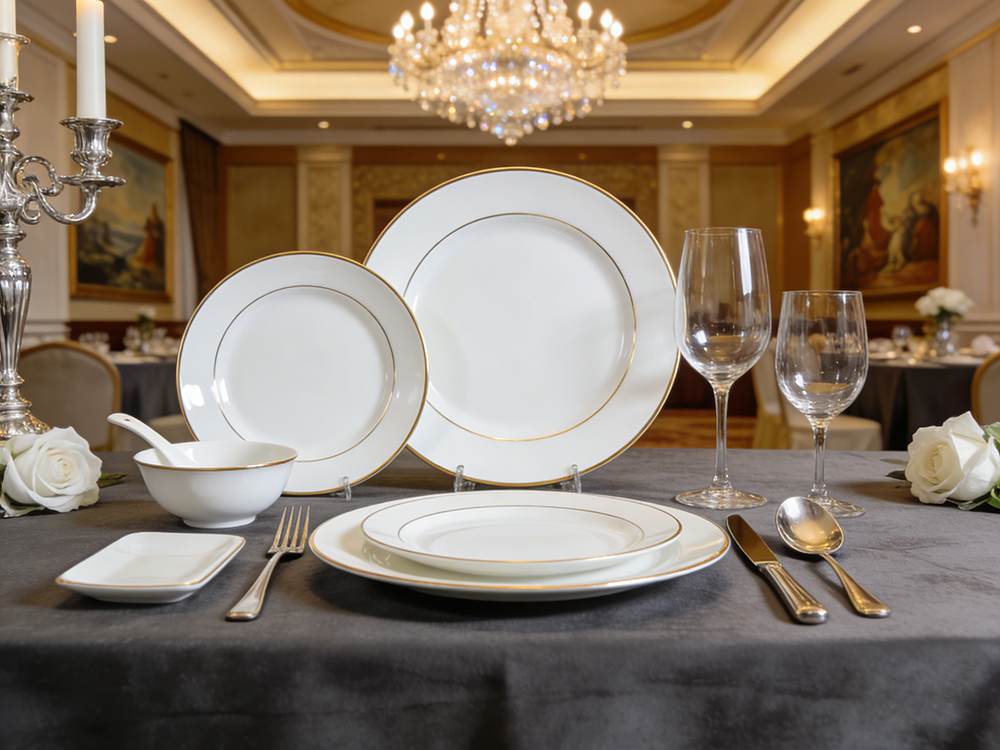
Brand Integrity and Guest Experience
Every time guests walk into your restaurant or concept, they interact with your tableware. Though seemingly simple, this interaction reinforces the brand standards.
Efficient procurement teams recognize this pattern and ensure uniform tableware in terms of shape, color, materials, and finishes on all their properties. So no matter where the guest dines, they get the same visual experience.
Hotel tableware standardization ensures every visit feels familiar, encouraging guests to return again and again.
Operational Efficiency
Standardizing restaurant dinnerware also simplifies the ordering forecasts and inventory management. Instead of dealing with dozens of individual SKU variations per outlet, procurement leaders can just consolidate the list and negotiate volume-based contracts.
By using the same plates, bowls, and glassware across all outlets, you reduce operational errors. The staff no longer serves mismatched items or struggles with incorrect portions.
Stacking and dishwashing go smooth and there’s less of a wastage and replacement cost. The process also streamlines staff training as servers just need to learn one set of handling, stacking, and presentation procedures.
Cost Control
Having consistent specifications throughout the multi-property chain can help the hotel purchasing department predict breakage patterns and appropriate re-order times. They can also take advantage of predictable bulk hotel supplies pricing from vendors.
Hotel tableware standardization also helps eliminate last-minute emergency orders and reduces wastage, which directly lowers the cost per use of each item.
Sustainability and Compliance
Hospitality procurement standardization also supports a broader goal of sustainability and compliance. Most global brands now incorporate these factors in their procurement policies.
There’s a dire need to have dishwasher-safe porcelain and environmentally responsible material certifications. When you procure consistent, high-quality tableware, you can meet these standards on every property, thus supporting ESG (Environmental, Social, and Governance) reporting and guest expectations.
Inventory Forecasting
Hotel chain dinnerware consistency dramatically reduces SKU complexity. You can work with automated inventory systems that track the usage, breakage rates, and re-order points.
Rather than juggling with warehouse space, extra paperwork, and excessive stock to prevent shortages, standardized procurement lets you work more efficiently.
Supplier Partnerships
Another benefit of standardizing tableware is that hotel groups can strengthen the procurement processes while ensuring F&B brand alignment across multi-property outlets. With standardized dinnerware, you can create stronger, more collaborative relationships with strategic suppliers.
Top-quality vendors like Brett comply with international standards like ISO, FDA, and LFGB. This reduces the risk of supply disruptions or batch mismatches, which are common when working with multiple unaligned vendors.
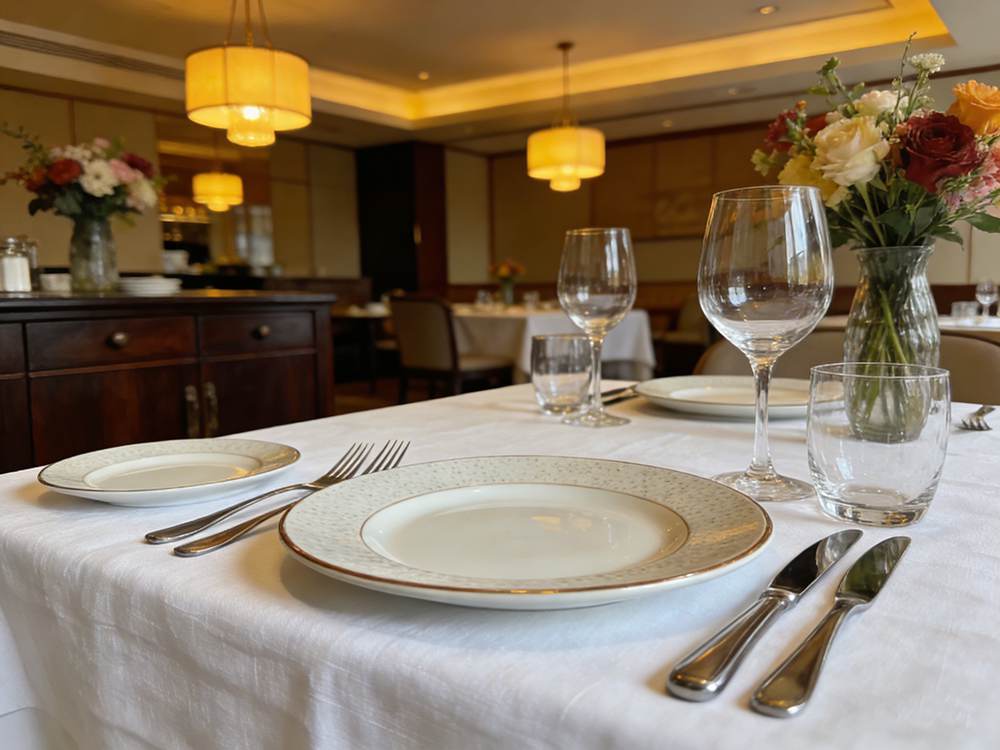
Hotel Procurement Process for Tableware Standardization
The hotel procurement process must be structured in a way that ensures the tableware is consistent and durable.
In multi-property operations, the stakes are ever high. If the specifications are misaligned, they can lead to inefficiencies and higher costs, ultimately resulting in an inconsistent guest experience.
Here is a step-by-step approach to follow to ensure hotel tableware standardization.
Gather Multi-Property Requirements
Studies in hospitality procurement show that supplier contract misalignments due to inconsistent specifications can increase project costs by around 10 to 15%.
The first step in avoiding these issues is to collect detailed tableware requirements from all outlets, including bars, banquet halls, restaurants, and room service. Document all the specifications. That includes the material type, dimensions, stackability, dishwasher compatibility, and design aesthetics. This practice will give you clarity about what exactly to procure, reduce errors, and lay the foundation for multi-outlet tableware management.
Define Brand and Operational Standards
The tableware must align with the hotel brand standards. That means the color, finishes, and functionality must be the same and consistent with the brand across multiple outlets.
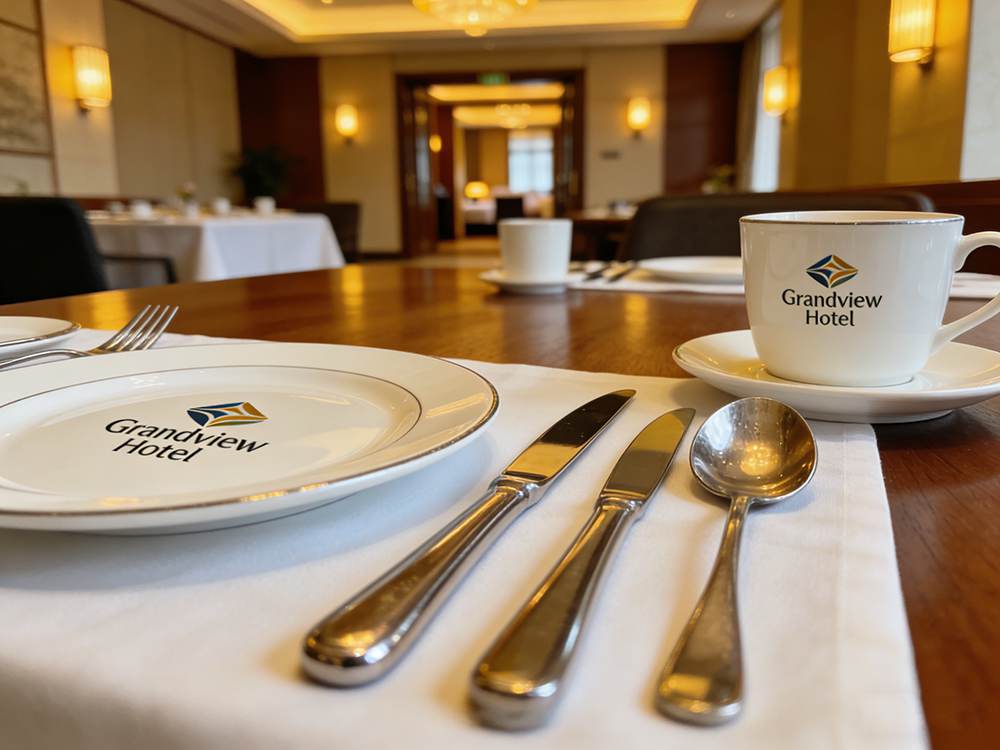
You may consider ordering custom-designed dinnerware with brand logos or defined colors and other specs. Also, factors in elements such as stacking, storage dimensions, and durability, so all the materials and tableware can withstand heavy usage.
Supplier Evaluation and Selection
Next, you need to identify the vendors who are capable of supplying uniform tableware across multiple properties. Evaluate them based on their capacity to deliver consistent batches and lead time reliability.
Also, ensure to check their compliance with food safety standards such as ISO or FDA, and you can also ask for bulk pricing discounts for large-scale orders. Read more about it in our guide: Hotel Dinnerware Procurement: Specifications, Standards & Supplier Selection.
Sample Approvals
An important step before finalizing a large tableware order is to request samples. Run the pilot orders, select properties, and check if the tableware is durable under the operational conditions and offers aesthetic consistency.
Once the serving cycle is complete, check if it’s compatible with the dishwashing system and storage solutions, including proper stackability.
Inventory Forecasting
Centralize the tableware procurement process through the hotel purchasing department. This way, you can use historical data and forecast models to predict the breakage rates and determine the optimal reorder points.
Implementation
Once you have procured the tableware, roll it out across the chain. However, make sure the staff is trained on handling, storing, and replenishing the inventory.
Following a consistent approach ensures you maintain operational efficiency and can manage breakage and inventory across multi-property outlets.
Continuous Feedback
Procurement doesn’t end once the order is placed. Regularly review supplier performance metrics, including on-time delivery, defect rates, and product quality. This ongoing feedback loop helps maintain consistent tableware quality and reinforces your hospitality brand standards across all properties.
Aesthetics/Design Standards for Multi-Property Tableware
Procurement directors and F&B leaders know that the table influences the guest perception as well as the operational workflow. Making the right design choice and brand standards reduces the hidden costs of mismatched inventory or low-performing pieces.
Visual Consistency
When you serve a guest, they will not explicitly analyze the plate. Rather, they will be focused on serving. But still, if the background dinnerware doesn’t go in contrast with the serving or is chipped or different in any way, they will notice.
Consistent shapes, colors, and materials talk about professionalism and quality. People want some level of predictability when they eat, and coherent tableware gives them the comfort that things are just as they expected.
The modern dinnerware leans more towards minimalist designs with thoughtful textures. Clean backdrops or white dishes are still trending due to their ability to enhance the food presentation. White color gives all the space to the serving, making it the star rather than competing with it.
Subtle textures, on the other hand, give chefs a frame to create culinary art with precision. These are useful in both casual and fine dining concepts.
Material and Color
Tableware aesthetics must be balanced with performance. Many luxury and boutique stores prefer dark tones such as charcoal, midnight blue, and forest green, or earth-tone plates with matte finishes. These exude a luxury look and also give a visual depth to culinary plating.
Materials like bone china and porcelain provide elegance and make the brand feel more premium. While stoneware and commercial ceramics are more suited for the thematic or casual outlets.
Then, for poolside or outdoor concepts, we need lighter but strong materials like melamine, which combines aesthetics with durability.
Brand Storytelling
The tableware is the brand story. Whether you opt for a pattern, a subtle monogram, or color themes, each plate is a micro expression of your brand. This is especially true for restaurants with diverse dining concepts or strong narratives.
Even though these custom-designed tableware pieces come at a higher cost, it pays off with the loyalty and luxury positioning you get in the customers’ minds.
Functional Design
Criteria | Porcelain | Bone China | Stoneware/ Ceramics | Commercial Melamine | Vitrified Glass |
Durability | Highly durable | Lightweight but lasting | Thick and dense but heavy | Virtually unbreakable | Strong but can shatter under force |
Breakage Tolerance | Excellent chip resistance | Chip resistant | High damage risk | Almost unbreakable | Low to Moderate risk |
Dishwasher and Microwave Safety | Safe for both
| Dishwasher and microwave safe | Dishwasher safe only | Good for the dishwasher, but not the microwave | Dishwasher and microwave safe |
Handling Efficiency | Staff fatigue can occur in heavy service rotations | Low, lightest ceramic option | Heavy increases staff strain | Lightweight, faster service cycles | Similar to ceramic |
Aesthetics | Premium, classic luxury | Premium for signature dining, VIP areas | Rustic/ casual is best for café and casual concepts | Casual and outdoor focus | Sleek, best for bar & beverage displays |
Cost | Medium High | Premium upfront | Affordable | Lowest initial price | Medium cost |
Guest Experience | Classic and elegant | Premium | Casual, trendy | Functional, less premium | Sleek, modern |
However, all these aesthetics must be aligned with practicality. Even though the plates might have patterns or unique shapes, they must be standardized so the logistics and breakage are predictable. In multi-property outlets, brands usually prefer simpler inventory as it’s easy to source and standardize.
Also, it is dishwasher safe and has a more predictable procurement cycle.
Material Performance Vs. Suitability Choosing the Right Material for Multi-Outlet Tableware
Choosing the right tableware for a multi-outlet venture can be difficult, but it is an important part of hotel tableware standardization. Here’s how different materials work and suit different situations and brand personas.
Porcelain Dinnerware
Full-service restaurants and premium outlets prefer porcelain material, given its elegance and durability. Porcelain dinnerware is easy to maintain, is dishwasher safe, and balances the guests’ view of reliability. Restaurants with high turnover that do not want any compromise on the brand standards can standardize custom porcelain dinnerware in their outlets.
Amongst the main areas where porcelain is ideal are buffet settings, à la carte service, and main dining rooms.
Bone China
Being extremely lightweight and strong, bone china dinnerware is perfect for VIP dining and fine dining restaurants. It has a luxury brand alignment and so comes at a higher upfront cost. However, the replacement rates are much lower, which reduces the TCO over time.
Perfect for VIP lounges, higher-end dining, and signature restaurant concepts, multi-outlet hotels must keep custom bone china dinnerware as part of the inventory to enhance the guest experience.
Stoneware / Ceramics
Stoneware dinnerware is textured and has tactile aesthetics, which makes it the top choice for thematic outlets. Although it’s heavier than bone china and porcelain, it brings a visual personality to the dishes while being of lasting quality.
Also, handling is critical, so the staff needs to be trained on serving and stacking stoneware and ceramics. Best for use in cafés, casual dining, and brunch spots.
Learn more about how it differs from porcelain material in this guide: Stoneware VS. Porcelain Dinnerware: Complete Buyer’s Guide.
Commercial-Grade Melamine
Engineered melamine is highly durable and literally shatterproof. That makes it extremely durable and perfect for outdoor spaces, banquets, poolside service, and high-turnover buffet lines.
Melamine is also preferred for high-volume or rough-handling scenarios. The material makes multi-outlet tableware management simple while reducing SKUs and replacements.
Glass / Vitrified Glass
Glass has a high breakage risk; however, tempered or vitrified glassware serves the purpose, enhances the bar area, and provides great service. Many restaurants include it in part inventory as part of modern tableware aesthetics, as it provides a contemporary feel for cocktails and beverages.
The best use case is in beverage stations, bars, dessert presentations, and casual modern dining concepts.
Conclusion
When a guest walks into a multi-outlet hotel, the details barely go unnoticed (they are, after all, paying for the experience!) From the lighting and service to the tableware placed in front of them, everything quietly shapes their perception of your brand.
Hotel tableware standardization is not just about the looks, but it signals the effort your brand puts into maintaining uniformity across properties.
Hence, partnering with an experienced supplier can make the hotel procurement process easier. Brett offers high-quality custom dinnerware so every dish looks and feels the same, on every table you own.