Hotel dinnerware procurement exists to manage scale, consistency, and long-term use across a property. Hotels don’t buy plates for one service or one outlet. They plan for restaurants, banquets, room service, lounges, and staff dining, all under the same brand standard.
So why does procurement matter? Because the decision doesn’t end after the first delivery.
Buyers have to plan for storage, replacement cycles, and future reorders while working within fixed timelines. Plates ordered today need to match in size, color, and performance months later.
Procurement turns dinnerware from a simple purchase into an operational asset that supports kitchens, service teams, and guest experience over time. Let’s take a look at how dinnerware procurement works.
How Hotel Dinnerware Procurement Works in Practice
Hotel dinnerware procurement follows a structured path. Volume, timelines, and long-term use shape the process. It usually starts when an opening date is fixed or a renovation is approved. What looks like a simple plate decision becomes a coordinated operational project.
How Dinnerware Decisions Actually Get Made in Hotels
Procurement usually starts with the basics: what materials make sense, how many pieces are needed, and how the plates need to perform day to day.
Those decisions don’t sit with one team. Operations, culinary, design, and finance all weigh in before anything moves forward.
Once there’s alignment, buyers narrow the list and bring in samples. Those samples don’t stay in a showroom. They go straight into the kitchen. Plates get stacked, washed, and handled during service to see how they really hold up.
The final choice comes down to what works consistently, not what looks best on paper. If the quality feels right, reorders look predictable, and the supplier can support long-term use, the decision sticks.
Procurement Timelines Buyers Plan Around
Timing drives every decision. Buyers plan months ahead, working backward from opening dates or relaunch deadlines.
Sometimes, production lead times span several weeks, especially for custom designs. Delivery buffers are built to handle shipping delays and inspection windows.
Successful procurement only happens when dinnerware arrives early enough for staff training, table setup, and last-minute adjustments without any pressure from the calendar.
Defining Dinnerware Specifications Before You Contact Suppliers
This part usually starts with a simple question from someone on the team: “Can’t we just pick a plate and order it?”
That question tends to disappear the first time mismatched sizes show up or a re-order doesn’t quite match the originals. Clear specifications save you from these moments and make supplier conversations much easier from day one.
Material and Performance Expectations
Start with how your kitchen actually runs. Porcelain, bone china, and stoneware all look good on the table, but they behave very differently in service. A breakfast buffet with heat lamps and fast turnover needs something tougher than a quiet lounge.
Fully vitrified bodies matter because they handle constant washing and heat without absorbing moisture. Think about dishwasher cycles, serving speed, and how often plates move from the hot line to the cold rinse. The right material supports service pace instead of slowing it down.
Design, Size, and Brand Consistency
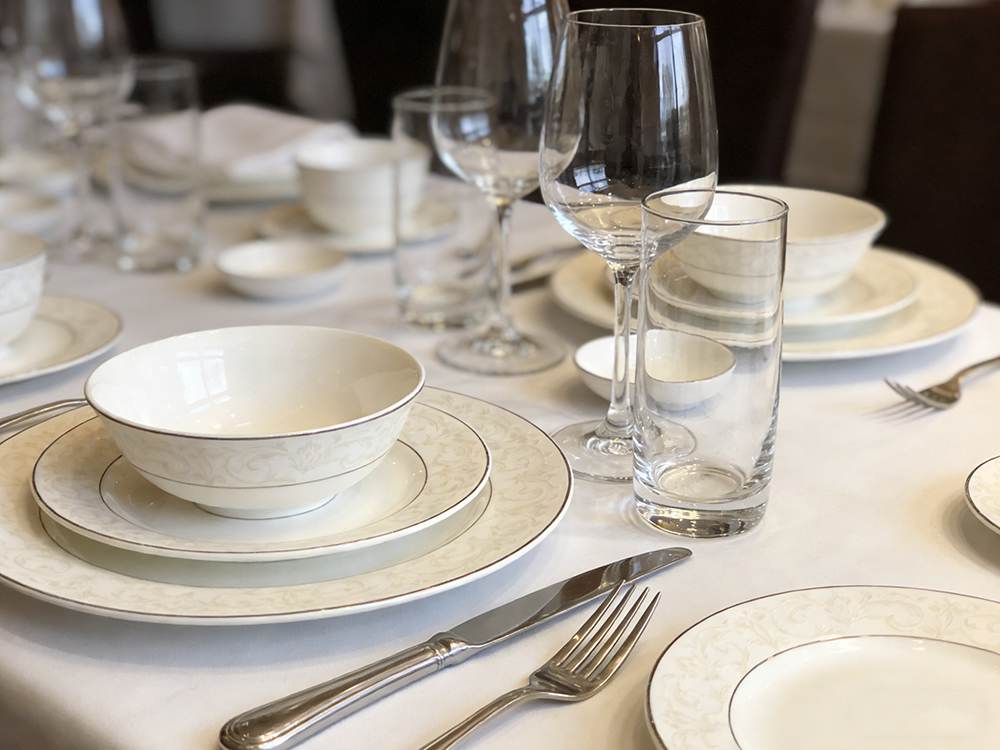
This is where many hotels question their buying decisions later. Plate diameters sound minor until banquet plates aren’t the right size or salad plates crowd the tables.
Rim profiles affect plating space and how sauces sit. Logo placement matters because it shows up in photos and room service trays.
Color tolerance is critical for reorders. If the second batch looks slightly off, guests notice. Consistency is what keeps your stacks looking intentional months after opening.
Functional Use in Hotel Kitchens
Picture a busy night. Plates stack high behind the pass. Room service loads trays quickly. Banquet teams clear hundreds of covers at once.
Specifications should account for stacking stability, weight, and grip. Heat lamps, carts, and tight storage spaces all test dinnerware daily. When specs match commercial kitchen behavior, plates feel like tools, not liabilities.
Food Safety, Compliance, and What Procurement Teams Verify
Choosing dinnerware for your restaurant comes with food safety concerns. Food comes in contact with the dinnerware surface, so procurement teams treat compliance as a shared language between chefs, operations managers, and legal teams.
FDA Food Contact Compliance in the US
In the US, hospitality food contact compliance starts with how materials behave once food hits the plate.
Testing focuses on whether substances such as lead or cadmium migrate into food under heat, acidity, and repeated washing. During everyday service at the restaurant, plates end up holding hot sauces, citrus, oils, and desserts shift after shift. Over time, that exposure is exactly what testing is meant to account for.
For procurement teams, FDA documentation isn’t paperwork for the file. It becomes part of the purchasing trail, backing internal sign-offs, vendor reviews, and brand standards checks. When questions come up later from ownership, auditors, or operations, having clear test reports keeps the conversation factual, simple, and easy to trace.
Quality Management and Manufacturing Controls
Quality management systems like ISO 9001 speak less about the plate itself and more about how it gets made every time.
In plain terms, ISO 9001 shows that a manufacturer follows repeatable processes for sourcing materials, controlling production, inspecting output, and correcting issues before shipment.
For hotels ordering thousands of pieces, consistency matters more than surface branding. A dinner plate re-ordered six months later needs to match weight, color, glaze feel, and stack height.
Procurement teams rely on manufacturing controls to protect that consistency across batches and future orders.
Decorative vs Service Grade Dinnerware
Not all ceramics are built for hospitality use. Decorative dinnerware prioritizes visual appeal over structural performance.
In the kitchen, those pieces face heat lamps, commercial dishwashers, stacking pressure, and fast clearing during service.
Service-grade dinnerware is designed with those conditions in mind. Materials, firing temperatures, and glaze formulations support repeated use rather than occasional display.
Procurement teams verify this difference early because plates behave very differently once they leave the showroom and enter a working kitchen.
Creating an Effective Dinnerware RFP
An RFP or Request for Proposal is the document hotels use to explain exactly what they want to buy and how suppliers should respond.
It turns a vague request like “we need new plates” into something measurable and comparable. Procurement teams get proposals that line up cleanly, suppliers receive clear direction, and kitchens end up with plates that behave the same way six months from your purchase.
A strong RFP keeps conversations focused and helps avoid the classic surprise where samples look perfect, but the full delivery feels different once service begins.
What Strong RFPs Include
A good RFP sets the tone early. It makes it clear what matters before numbers ever come up. It spells out the basics that affect daily service, like materials, finishes, sizes, and how the plates are expected to perform in the kitchen.
Quantities are planned with service in mind, including extra pieces for banquets and room service. Timelines connect back to opening dates or renovation schedules, and compliance paperwork is asked for upfront. This saves you from delays.
Evaluation Criteria Procurement Teams Use
When proposals come back, price is only one part of the picture. Hotels look closely at how durable the plates are, whether future orders will match, and how well everything holds up in commercial dishwashers.
A slightly higher cost matters less than knowing the plates won’t cause problems down the line.
Service support, communication speed, and replacement availability matter because dinnerware lives beyond the opening week. Reliable delivery timelines also play a role, especially when multiple outlets depend on the same shipment.
Samples Testing and Internal Reviews
Samples are where theory meets reality. Plates are run through dishwashers, stacked in racks, and handled by service staff to gather feedback.
Teams look at how pieces feel under heat lamps and finishes appear under dining room lighting. These checks help confirm that what looks good on paper performs just as well during service.
Working With Source Manufacturers for Custom Hospitality Dinnerware
Some hotels choose to work directly with source manufacturers because it aligns better with long-term planning.
When consistency, reorders, and grand presentation matter across multiple dining spaces, closer production relationships make daily operations smoother rather than more complicated.
What Source Manufacturer Means for Buyers
A source manufacturer produces the dinnerware rather than reselling it through multiple layers. For buyers, this creates clarity.
Design decisions, material choices, and production timelines stay in one place instead of passing through several intermediaries.
Direct production oversight helps when specifications feel detailed. Plate weight, rim thickness, glaze tone, and stacking behavior can be discussed with the people actually shaping and firing the pieces.
Fewer handoffs mean fewer interpretation gaps, which show up later as consistent deliveries rather than mixed batches.
Clear accountability also supports procurement teams. When questions come up about performance, timelines, or reorders, conversations stay focused and efficient.
This structure fits hospitality environments where kitchens, service teams, and purchasing departments all rely on the same answers.
Brett works directly as a source manufacturer, which gives hotels more control from the start. Materials, finishes, and production stay under one roof, so customization doesn’t create surprises later.
When it’s time to reorder, everything still matches, helping procurement teams protect brand standards without adding risk to daily operations.
Customization Without Operational Risk
Customization sounds risky until it is handled correctly.
Logos, shapes, and finishes work best when built on proven base forms rather than experimental designs. A reliable source manufacturer keeps customization tied to materials and processes already tested in hospitality service.
Logos remain crisp when decal placement and firing are controlled from the start. Custom shapes perform better when stackability and dishwasher flow guide the design.
Finishes stay consistent when glaze formulas and firing cycles remain unchanged across runs.
Matching future reorders becomes easier as well. When molds, colors, and specifications live with the producer, replacement orders feel like extensions of the original project instead of fresh negotiations.
For hotels planning years ahead, that continuity supports branding, budgeting, and calm kitchens long after opening day.
FAQs
How many place settings do hotels typically order?
Most hotels order far more than the number of seats in one dining room. Between restaurants, banquets, room service, and backups, purchases range from several hundred to several thousand place settings, so service never pauses during peak periods.
What certifications matter most for hotel dinnerware?
The certifications that matter the most for hotel dinnerware are food-contact compliance. Manufacturing consistency certifications like ISO 9001 also matter, as they confirm controlled production processes across batches.
Why do hotels prefer consistent suppliers over one-time purchases?
Hotels prefer consistent suppliers because problems rarely show up on day one. They show up six months later, when a plate chips, a stack runs short, and the replacement doesn’t quite match. Hotels stick with the same suppliers, so new pieces blend in.
Wrap Up
Good dinnerware procurement isn’t about finding plates that look right once. It’s about choosing pieces that keep working long after opening week. Clear specifications, realistic timelines, and long-term supplier relationships make the difference between constant reordering and calm, predictable service.
For hotels that want consistency without the headaches, working with experienced hospitality manufacturers like Brett helps keep standards intact across every outlet. If you’re planning ahead and want dinnerware that holds up over time, reach out to Brett to start the conversation.