Earthenware, stoneware, and porcelain all fall under ceramic dinnerware, which is exactly why choosing between them gets tricky. They’re equally common, equally recommended, and all sold as interchangeable dinnerware when they’re not.
Restaurant operators run into this decision when opening a new concept, refreshing tableware, or trying to fix rising replacement costs.
One supplier promotes durability aspects. Another sells aesthetics. A third promises “restaurant grade” without explaining what that really means.
Let’s look into how earthenware, stoneware, and porcelain actually behave in service so you can choose the material that works for your kitchen, your guests, and your budget long-term.
Earthenware vs. Stoneware vs. Porcelain
Earthenware, stoneware, and porcelain are all made from clay fired in a kiln and used across hospitality. But once plates start being used for service, stacking, dishwashing, and daily handling, the differences become very evident.
What Is Earthenware?
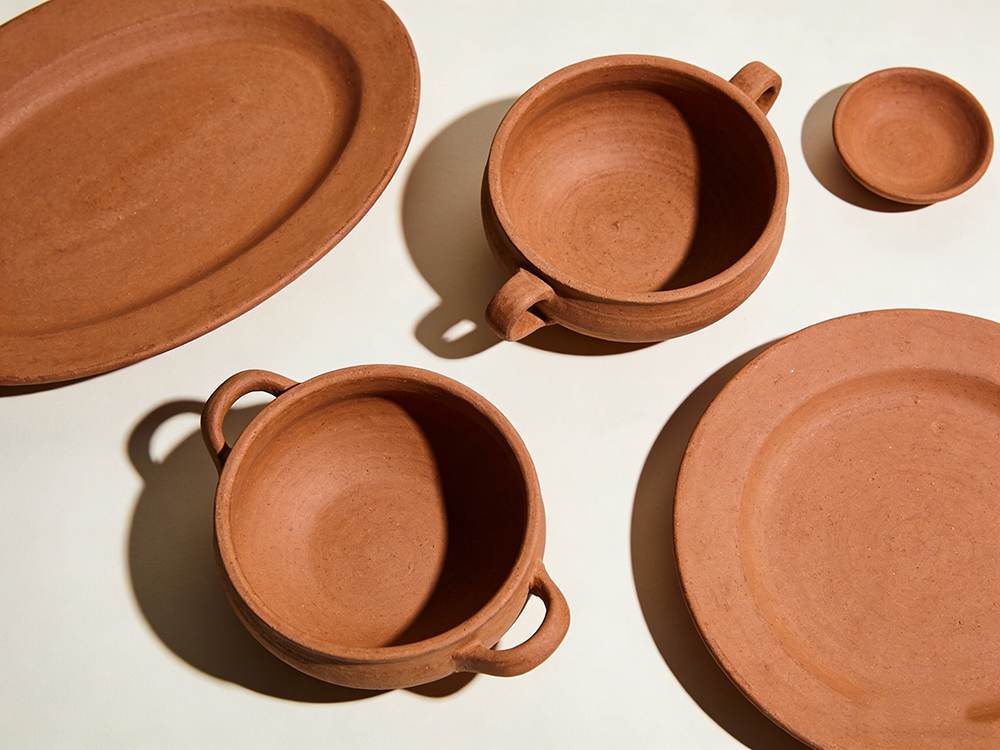
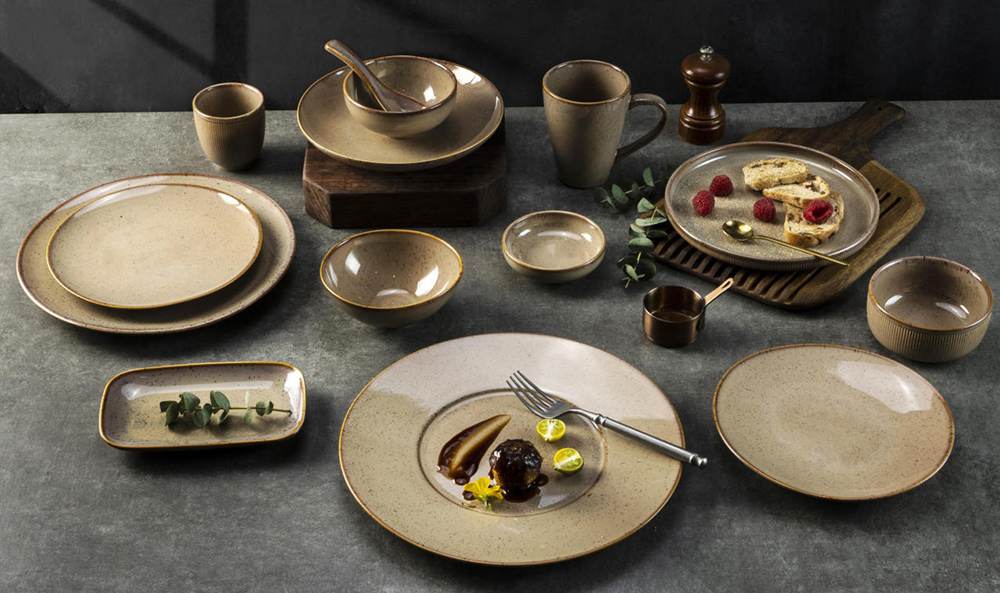
Pick up an earthenware plate, and you’ll feel it immediately. It’s thicker, heavier, and a little rough around the edges in a “this feels handmade” way.
Earthenware is made from natural clay fired at lower temperatures, which is why it keeps that softer, more rustic texture.
Visually, earthenware leans warm with muted colors, matte, or lightly glossy finishes. Sometimes you will see tiny imperfections that remind you of the handcrafted process. That’s exactly why earthenware is exclusively used in cultural restaurants, regional concepts, and places where building a restaurant narrative matters more than speed and efficiency.
In hospitality, you usually find earthenware used selectively. Mostly, accent plates and signature bowls are used. It’s not built for rough handling or aggressive dishwashing, so most operators keep it away from high-volume service.
What Is Stoneware?
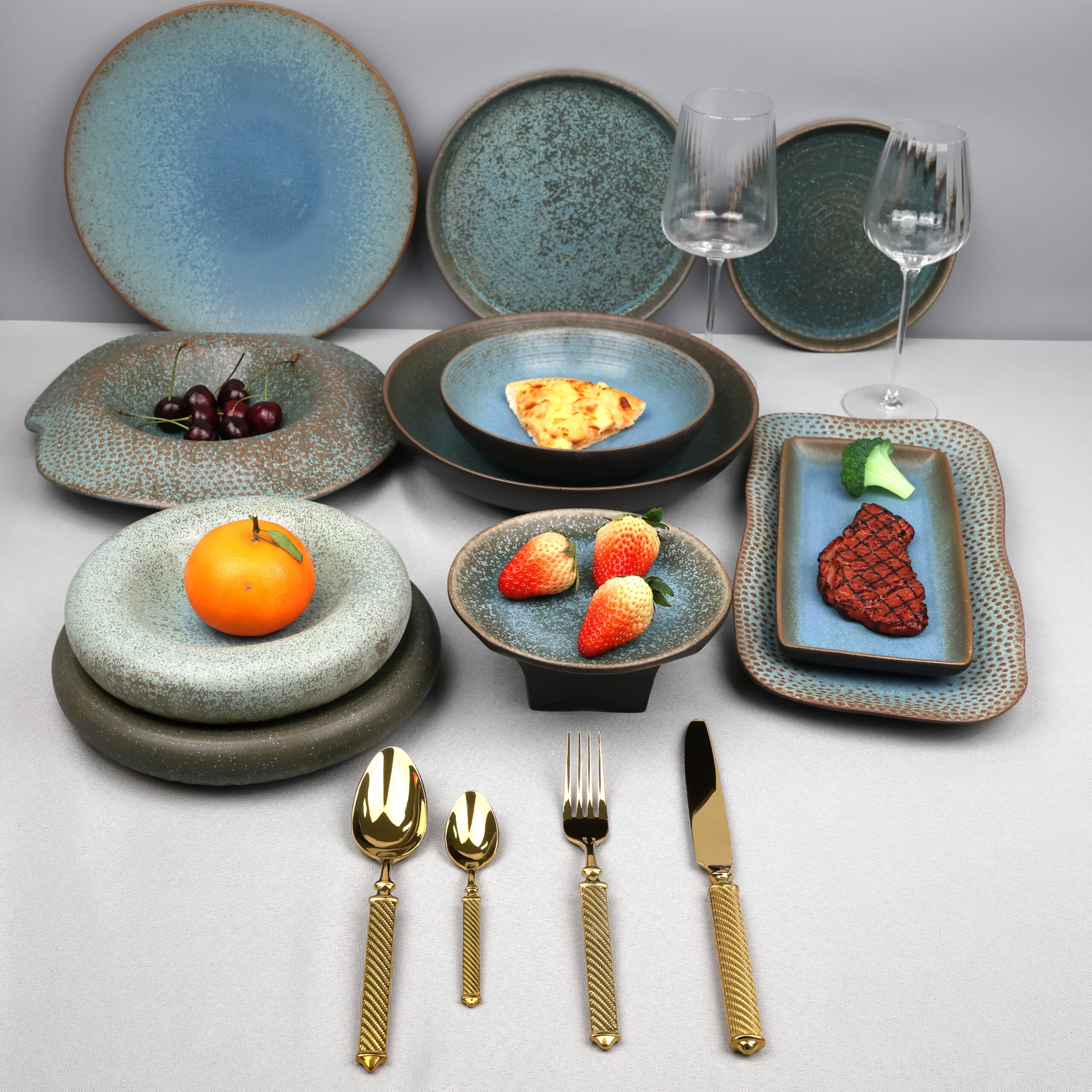
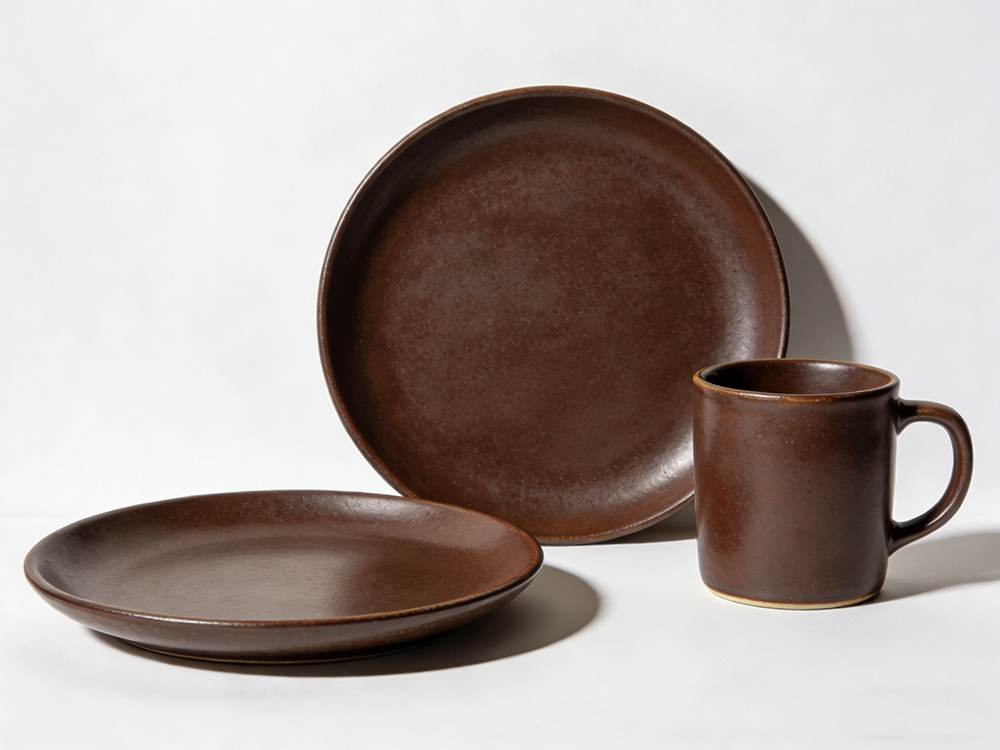
Now grab a stoneware plate. It feels heavier than porcelain, sturdier than earthenware. It feels solid, almost grounding.
Stoneware is fired hotter than earthenware, which tightens the clay and gives it better strength while still keeping that natural, tactile feel.
Stoneware is what a lot of modern restaurants pick. Farm-to-table spots, neighborhood bistros, and chef-led casual dining all use premium stoneware dinnerware.
When you want plates that feel intentional but not precious, this is usually it. You notice the texture right away. Subtle speckling and reactive glazes with soft color changes make every piece feel related but not always identical.
If you want a quick gut-check dinnerware moment, ask yourself, “Can this survive a busy Friday night?” In most kitchens, yes, as long as handling is reasonable and temperature shocks are avoided, stoneware remains durable.
What Is Porcelain?
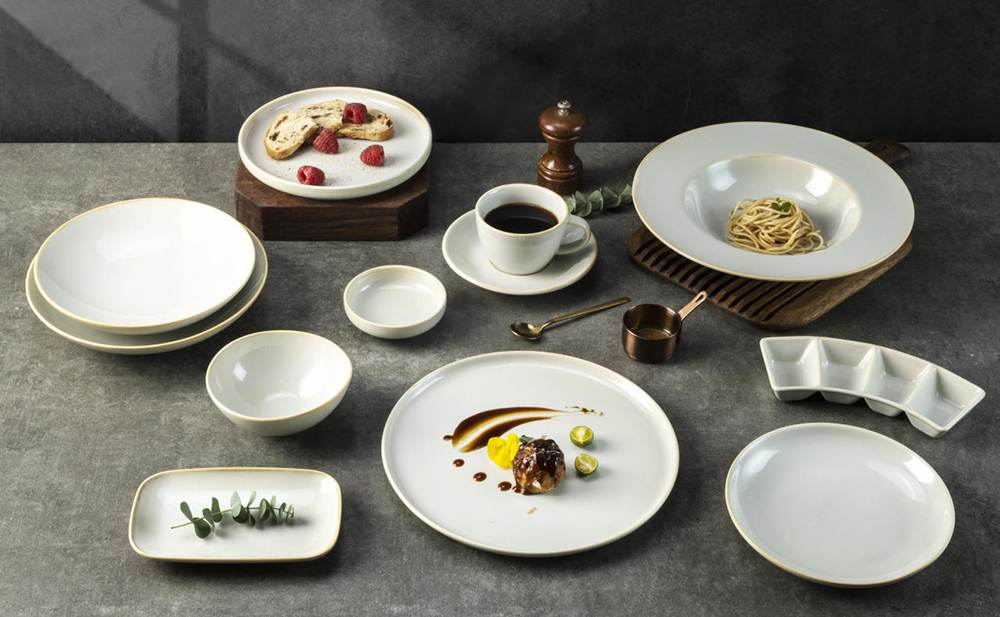
Porcelain feels different the second you lift it. It is lighter than you expect, much smoother in texture. It is made from highly refined clay fired at very high temperatures, which creates a dense, non-porous body that is strong without needing bulk.
Bright white, crisp edges, and glazes reflect light evenly, adding to your ambience. When sauces pop and plating looks sharp, porcelain is fully doing its job in hospitality settings.
In restaurants, porcelain dinnerware is used everywhere for a reason. It handles heat and survives commercial dishwashers. It also stays consistent when you re-order replacement sets six months later. That reliability matters when menus are changing, staff are always rotating, and service stays busy.
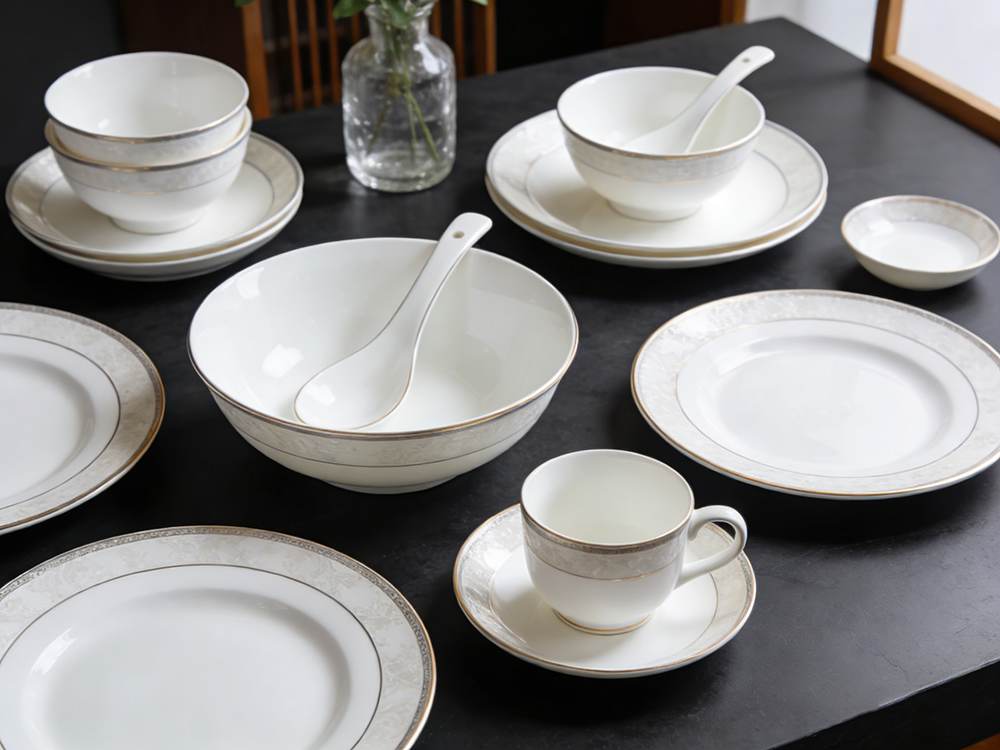
A Quick Look: Earthenware vs. Stoneware vs. Porcelain
Before we get into durability tests, dishwashers, and long-term costs, this is the simple at-a-glance view.
Feature | Earthenware | Stoneware | Porcelain |
Material | Natural clay | Refined clay | Highly refined kaolin clay |
Firing Temperature | Low (softer body) | Medium-high | Very high (fully vitrified) |
Weight and Feel | Heavy, thick, slightly coarse | Solid, substantial, balanced | Light, dense, smooth |
Surface Texture | Matte or soft gloss, rustic | Smooth with organic variation | Glass-like, polished |
Porosity | More porous | Less porous | Non-porous |
Visual Style | Warm, handcrafted, traditional | Earthy, modern-rustic | Clean, refined, minimalist |
Common Hospitality Use | Accent pieces, cultural concepts | Casual to upscale casual dining | Full-service, fine dining hotels |
Kitchen Performance, Durability, Cost Analysis
Once a plate leaves the shelf and enters the kitchen, more factors come into play. In a commercial kitchen, heat lamps are always on, ovens are busy, dishwashers are running non-stop, and staff are quickly moving.
This is where earthenware, stoneware, and porcelain stop being design choices. The difference matters most during service cleanup and replacement planning, and not when the dining room is quiet.
Durability Under Kitchen Pressure
Think about an oven-to-table moment. A bubbling stew, baked pasta, or gratin comes straight out of the oven. Earthenware struggles here. Its lower firing temperature makes it more sensitive to sudden heat changes, so cracks and glaze stress are common in fast-paced kitchens.
Stoneware handles this better. It is built for heat retention and gradual temperature changes, which is why it is popular for baked dishes and comfort food concepts.
Porcelain generally performs best under pressure. It tolerates high heat, fast service, and repeated handling without compromising structure, which is why hotels trust it for consistent and long-term use.
Daily Kitchen Performance
In a busy hotel breakfast service, plates stack high, clatter into racks, and go straight into industrial dishwashers.
Earthenware shows wear quickly. Glazes dull faster, and chips appear sooner under heavy handling. On the other hand, stoneware holds up longer, especially in kitchens with trained staff and controlled clearing routines.
Porcelain thrives here. Its dense body and sealed surface handle constant washing, strong detergent, and heat without absorbing stains or odors.
Cost Over Time
Upfront pricing is very misleading.
Earthenware looks affordable at first, but higher breakage and replacement rates increase the costs quickly. Stoneware sits in the middle. Per-piece pricing is moderate, and replacements are manageable in casual and upscale casual restaurants.
Porcelain costs the most initially, but replacement cycles are slower. Hotels and full-service restaurants spend less over several years because sets stay consistent longer.
Food Safety Across Earthenware, Stoneware, and Porcelain
Food safety isn’t something restaurants get to “feel out.” Once the plate is at the table, it becomes a food contact surface, and the material matters more than the design ever will.
Earthenware, stoneware, and porcelain are all ceramic but behave differently when heat, acidity, moisture, and time get involved.
Earthenware
Earthenware needs the most caution.
Firing at lower temperatures means that the body can still remain slightly porous. Now, how does porosity matter in hospitality settings?
If the glaze isn’t applied and fired correctly, then liquids, oils, and food residues slowly absorb into the surface. Historically, earthenware also carried a higher risk of lead or cadmium in decorative glazes.
Modern, FDA-compliant earthenware exists, but it must be explicitly certified for food service. Picture a tomato-based dish left on the plate during a long service window.
With low-quality earthenware, this is where safety concerns show up, as bodies such as the U.S. Food and Drug Administration (FDA) and the European Union (EU) strictly limit the amount of lead and cadmium that can leach into food.
Stoneware
Stoneware is far more stable. It’s fired hotter, making the body denser and less absorbent. Properly glazed stoneware forms a sealed surface that resists moisture, odors, and bacteria.
In a busy kitchen where plates cycle constantly through dishwashers and hold hot food, stoneware performs reliably as long as the glaze remains intact.
Most commercial stoneware used in restaurants meets FDA food contact standards when sourced from reputable dinnerware manufacturers.
Porcelain
Porcelain set the benchmark for food safety in hospitality. Porcelain dinnerware is fully vitrified, meaning it’s non-porous all the way through and not just on the surface.
When you source premium porcelain dinnerware, acidic foods, high heat, and repeated washing don’t affect it. That’s why hotels, fine-dining restaurants, and healthcare kitchens trust porcelain for consistent and low-risk service. There’s no absorption, no chemical interaction, and no concern about flavor transfer.
Side-by-Side Comparison: Earthenware vs. Stoneware vs. Porcelain
Here’s a breakdown of the three materials and how they perform in the kitchen.
Factor | Earthenware | Stoneware | Porcelain |
Dishwasher Use | Limited, gentle washing works best | Commercial-safe with normal care | Excellent for high-heat commercial dishwashers |
Microwave Use | Not recommended | Generally microwave safe | Fully safe |
Oven-to-table | No | Yes, with gradual heat | Yes (best option) |
Durability | Low, chips and cracks easily | Medium high, handles daily service | High, very durable if handled correctly |
Break Resistance | Breaks easily | Moderate | Strong but can chip or break if dropped |
Heat Tolerance | Low | Medium-high | High |
Porosity | Porous unless fully glazed | Low-porosity | Non-porous |
Replacement Rate | High | Moderate | Low |
Upfront Cost | Low | Mid | High |
Long-term Cost | High | Balanced | Lower over time |
Visual Consistency, Reordering & Long-Term Supply
Opening day plates have a perfect look, but the differences in visual consistency show up over time. A few pieces get chipped while the others get stress and thermal cracks.
You place a reorder, and suddenly the new plates don’t quite match the originals. The color is slightly off. The glaze breaks differently. The stack on the shelf looks uneven, even if guests can’t name why.
This happens most frequently with earthenware and stoneware. Their charm lies in variation and inconsistency.
Porcelain is highly refined and tightly manufactured, and reorders stay visually aligned even years later. That’s why hotels and full-service restaurants lean on it when continuity matters.
Experienced operators plan for replacements early. Working with suppliers like Brett, who track shapes, glazes, and production runs, helps avoid the slow creep of mismatched tables and discontinued lines. Because consistency isn’t about perfection on day one, it’s about still looking intentional a year in.
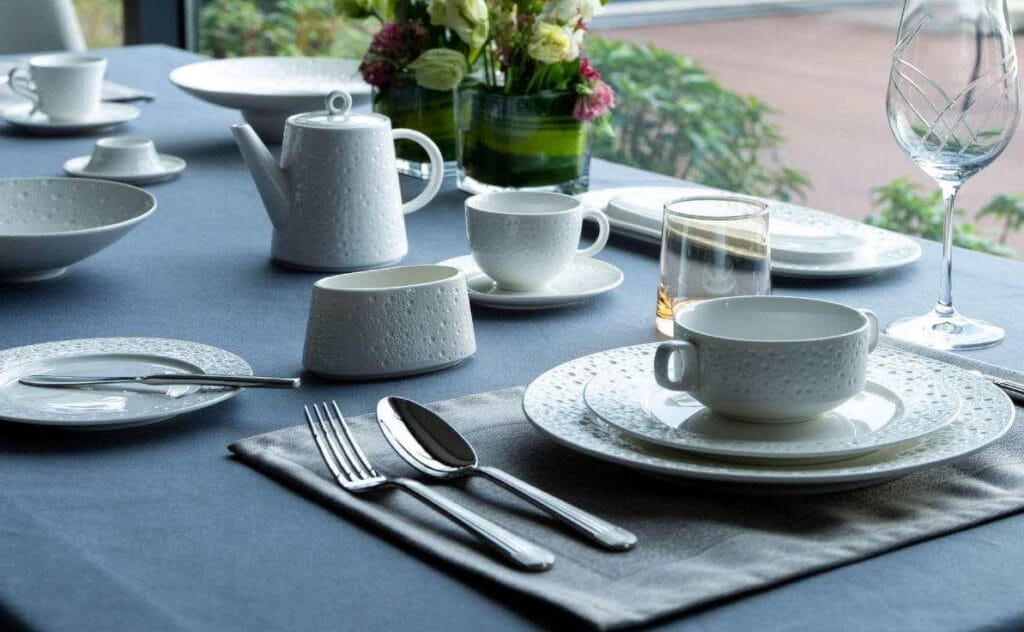
Earthenware vs. Stoneware vs. Porcelain: Which Material Fits Your Restaurant?
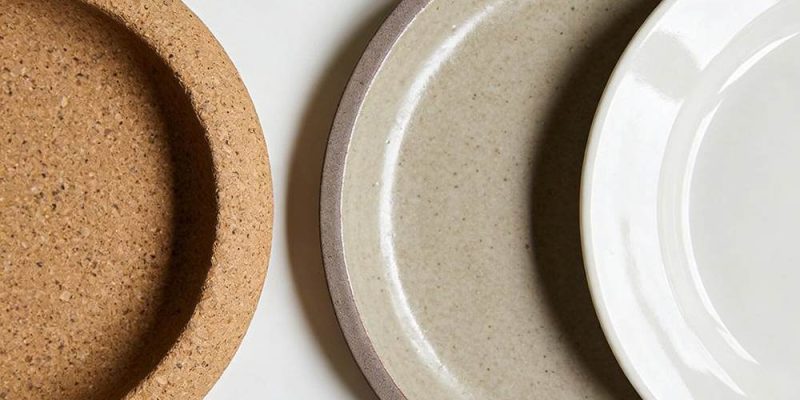
Three plates may share the same size, but each one carries a completely different personality and feel the moment you pick it up.
All three materials serve the same purpose, but the right choice depends on what your dining room requires every single day.
Earthenware
Choose earthenware for your hospitality setting when ambience and restaurant narrative matter more than efficiency.
- Use earthenware when your concept leans towards cultural, artisanal, or is deeply rooted in tradition.
- Expect charm the moment the plate hits the table because guests notice texture and imperfections first.
- Use it for signature dishes where the plate becomes part of the narrative.
- Plan carefully since earthenware prefers gentle handling and lower heat.
- Accept variation because no two pieces will look exactly alike.
- Works best in low-volume, controlled service where replacement pressure stays low.
Stoneware
Stoneware is built for daily service and personality.
- Reach for stoneware when you want durability without losing warmth.
- Choose the weight that reassures staff and guests alike during busy service.
- Rely on it for shared plates, comfort food, and rustic presentations.
- Handle heat better than earthenware, including oven-to-table moments.
- Expect character as glazes evolve naturally over time.
- Fits perfectly in casual dining, bistros, and farm-to-table concepts.
Porcelain
Choose porcelain when consistency, heat, and presentation must never fail.
- Use porcelain when hot dishes, sauces, and long table times are part of the service.
- Porcelain makes food colors pop without extra styling.
- The surface stays clean through constant dishwashing.
- Adapts easily as menus and plating styles change.
- Choose when you have more upfront cost, but you need fewer replacements over time.
FAQs
Which dinnerware material is the most common for commercial kitchens and restaurants?
Porcelain and stoneware are the most common dinnerware materials for commercial kitchens and restaurants because they handle hot and acidic food well. Stoneware works best for casual concepts, while porcelain is better-suited to fine dining where visual character and durability matter.
Is earthenware safe for food service?
Yes, modern earthenware is safe for food service when it is properly glazed and fired. Low-quality and highly porous earthenware is not safe, so you must source from reliable manufacturers.
Why do restaurants prefer porcelain dinnerware?
Restaurants prefer porcelain dinnerware because it is safe for commercial dishwashers, oven-to-table service, and is quite durable. It also resists stains and odors. For hotels, porcelain simplifies replacements, too.
Wrap Up
To correctly choose the dinnerware material, you must know how your hotel operates and what you want guests to feel at the table. If you’re ready to invest in high-quality, premium custom dinnerware built for hospitality use, contact Brett to find the right material, shape, and finishes. Reach out to explore custom dinnerware sets!