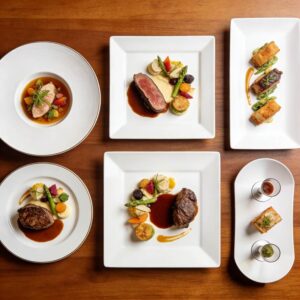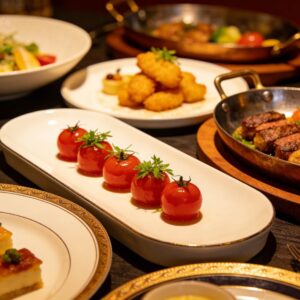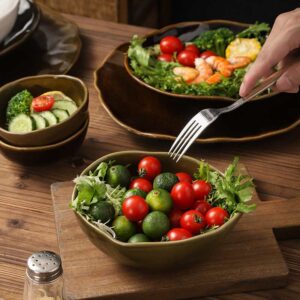
Wedding venues depend on dinnerware that holds its form and appearance across repeated events. Plates are handled closely, served hot, and reused throughout long service days, which is why durability becomes a practical focus early on in the decision process.
Operations teams need confidence that the dinnerware they choose will stay consistent in feel, finish, and production over time.
This guide explains how durable dinnerware is evaluated for wedding venues, covering chip-resistant dinnerware, dishwasher durability standards, and practical venue dinnerware testing methods used to select the best durable dinnerware for weddings.
Why Should Wedding Venues Consider Dinnerware Durability?
In a wedding venue, dinnerware sits closer to the guest experience than most people realize. Plates appear in photographs, stay on the table through multiple courses, and get picked up again and again during service.
When everything looks consistent, no one thinks twice. When a rim chip or mismatched plate shows up, it gets noticed immediately, which is why durable dinnerware becomes part of early planning for venue teams.
Operators look for chip-resistant dinnerware that holds its finish and feel across long event calendars. Dishwasher performance matters too.
Dishwasher durability standards help venues understand whether commercial dinnerware can keep its surface stable after repeated cleaning cycles without dulling or surface wear.
Chip resistance deserves special attention. The rim takes the most contact during service, and that’s where problems usually start.
Plates that fail here lead to earlier replacements and inventory gaps. Over time, venues that rely on venue dinnerware testing and clear durability benchmarks manage replacements with less disruption.
We’re drawing this comparison because no venue wants service surprises on a wedding day. Understanding the durability and chip-resistance of wedding venue tableware, testing dinnerware for durability upfront, and choosing the best durable dinnerware for weddings help teams avoid last-minute fixes.
How Do Dishwasher Testing Standards Apply to Wedding Venue Dinnerware?
In wedding venues, dishwashers affect the longevity of dinnerware.
If a plate looks fine but can’t handle repeated commercial dishwasher cycles, problems show up sooner than expected.
Let’s take a look at dishwasher testing standards so operations teams know what the numbers reflect and how to purchase premium dinnerware that survives repeated cycles.
What a Dishwasher Cycle Means for Commercial Dinnerware
When suppliers talk about one dishwasher cycle, they’re describing a full commercial wash sequence. That includes pre-rinse, wash, rinse, and heat drying under elevated temperatures and pressure.
Water temperatures sit well above home machines, detergents are stronger, and spray pressure is higher. For commercial dinnerware, that combination puts steady stress on glaze, body, and rim integrity.
In a wedding venue, the same dishwasher-safe dinnerware standards define performance under cycles. Plates may go through multiple cycles in a single week during busy seasons. Over time, this exposes weaknesses that aren’t visible early on, especially in lower-grade materials.
Dishwasher Durability Standards
Venues place unique demands on the durability of wedding venue tableware. A single event can involve dozens to hundreds of place settings, all needing turnaround before the next booking.
Over the course of a year, active inventory can experience thousands of dishwasher cycles. That’s why durability benchmarks matter more here than in lighter-use environments. Many venues use NSF commercial food-service certification as a baseline.
This standard tests dinnerware through continuous commercial cycling under heat, pressure, and detergent exposure. Passing indicates the plate can tolerate professional use, but it’s only a starting point.
NSF vs Advanced Venue Dinnerware Testing
NSF confirms baseline durability, often around 1,000 cycles. It confirms that dinnerware is suitable for commercial food-service use and dishwasher exposure. For wedding venues, additional cycle and rim-strength testing helps predict long-term durability.
ASTM ceramic tests add detail by measuring rim strength, impact tolerance, and thermal response. Together, these results give a clearer picture of how plates age.
For teams handling operations, the takeaway is simple.
NSF testing answers whether dinnerware survives commercial use. ASTM-style data explains how and where it eventually gives way. Using both helps venues choose durable dinnerware with fewer surprises and more predictable replacement planning.
To translate testing standards into professional use expectations, the table below summarizes how common dinnerware materials typically perform in wedding venue service.
Material | Typical Commercial Testing Range | Expected Service Lifespan | Estimated Chip Rate (High-Volume Use) | Wedding Venue Fit |
Bone China | Manufacturer-tested beyond the NSF baseline | 4 to 7 years | 1-2% | Excellent |
Porcelain | Manufacturer-tested beyond the NSF baseline | 3 to 6 years | 2-4% | Very Good |
Stoneware | Limited commercial testing | 2 to 4 years | 4-6% | Moderate |
Melamine | Not rated for high-heat commercial dishwashers | <1 year (restricted use) | N/A | Poor |
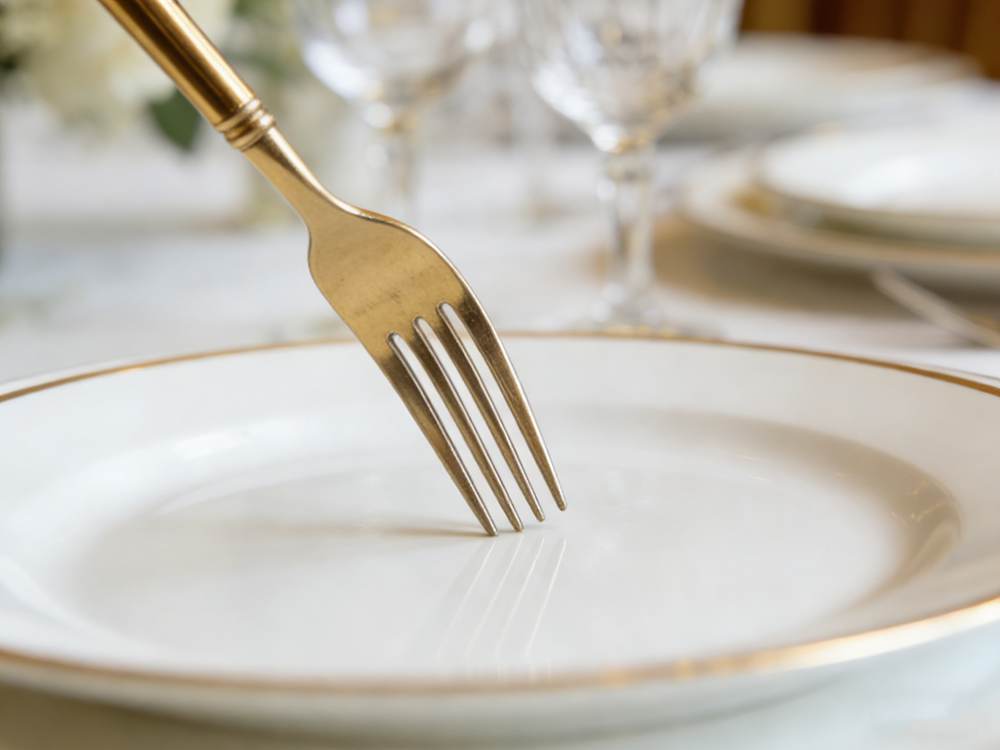
Why Does Chip Resistance Determine Dinnerware Lifespan at Wedding Venues?
Before plates fail completely, they give small warnings. Tiny marks at the rim. Slight roughness where the edge meets the glaze.
Many venues focus on dishwasher durability and miss what actually causes replacements first. Chip-resistant dinnerware becomes the deciding factor long before a plate looks worn overall.
Rim Damage
In a wedding service, staff continuously handle plates and return them to storage in tight cycles. The rim carries most of that contact.
Pressure builds where plates meet each other, where racks guide them into place, and where temperature changes place stress on the edge.
Over repeated use, that stress concentrates at the rim. Within a few weeks of a busy season, early chips begin to show on lower-resistance plates.
Chip Resistance Testing
Chip resistance testing focuses directly on the rim. NSF-style rim tests apply controlled pressure on plate edges and check for visible damage after repeated cycles.
ASTM ceramic testing goes further by measuring edge strength and impact tolerance numerically. For venue dinnerware testing, these results help compare materials beyond visual inspection.
How Materials Perform in Chip Resistance Testing
In a venue running large guest counts across many events, even small differences add up. Plates with lower chip resistance tend to require more frequent replacements, which increases cost and creates inconsistencies across settings.
For wedding venues, rim condition matters because edges are visible in close settings and photography. Selecting durable dinnerware with tested rim strength reduces visible defects and keeps tables consistent throughout the season.
Take a look at how different materials perform in chip resistance testing.
Material | Rim Strength | Estimated Chip Rate (per 500 cycles) | Wedding Venue Fit |
Bone China | High | Low | Strong choice |
Porcelain | Medium-high | Moderate | Reliable |
Stoneware | Medium | Higher | Limited use |
Melamine | Not rated | Deforms under heat | Not suitable |
How Does Thermal Shock Testing Protect Dinnerware During Wedding Service?
A plate can look perfect and still struggle once temperature changes come into play. Many teams look into dishwasher durability standards, but forget how heat during service affects wedding venue tableware durability. That gap is where thermal shock testing earns its place.
How Thermal Shock Affects Dinnerware
Thermal shock happens when a plate goes through sudden temperature changes. For example, a cold starter lands on a plate that’s been sitting out.
A few minutes later, a hot entrée replaces it. That back-and-forth puts stress on the surface.
Another common moment? Soup service. The bowl feels fine at first. Then it cools down fast before the next round.
Do this across several events, and weaker glazes start to complain. You won’t hear it, but you’ll see it later in the form of tiny cracks. With repeated stress, those cracks spread.
Temperature Tolerance and Material Behavior
Different materials react to heat in their own ways. Premium bone china dinnerware stays calm when hot food hits the plate, which is why venues trust it for plated dinners. Vitrified porcelain dinnerware handles heat well, too, as long as the transitions aren’t abrupt.
Stoneware prefers a gentler approach. Push it too hard, and it shows signs sooner. Melamine has firm limits and simply doesn’t belong in hot service.
For example, when a plate comes straight from chilled storage to hot plating, the material decides the outcome. Some stay steady. Others keep a record of that moment for later. Some materials warp and bend, while others lose their glaze.
Thermal Shock Testing Procedure
ASTM thermal shock testing heats dinnerware to elevated temperatures, then introduces rapid cooling. This cycle repeats to reveal cracks or durability loss. The results help venues compare materials beyond appearance.
Thermal Tolerance Details Suppliers Should Share
Suppliers should be able to tell you how much heat their plates can handle and how they’re meant to be used during service. Test results help here.
Fully vitrified bodies, even glazes, and proper tempering keep plates steady under pressure. For venues, that kind of clarity keeps dinnerware dependable across busy event schedules.
What Happens When Dinnerware Durability Falls Short?
You don’t notice durability issues on day one because they show up gradually, usually during busy stretches when events run close together. A plate looks fine until it’s placed on the table. A rim catches light in photos. A replacement doesn’t quite match the rest. That’s typically how durability problems announce themselves.
Low Durability Adds Extra Work
Venues that start with lower-priced dinnerware usually have good reasons. The set looks presentable, the budget works, and nothing feels risky at first.
As the season progresses, though, replacements become part of the routine, a few plates here. Another reorder there. Over time, keeping sets complete starts to demand more attention than expected.
Service Benefit of Strong Rims
This is where chip-resistant wedding dinnerware makes a noticeable difference. Plates with stronger rims don’t demand frequent checks or last-minute decisions.
For example, when a venue runs multiple weddings in a short window, staff can focus on service instead of wondering which pieces still belong in rotation. Replacements happen less frequently and feel planned rather than urgent.
Costs Beyond Replacements
Durability issues don’t stop at replacement pieces. Staff time gets redirected. Rush orders complicate schedules.
Visual inconsistencies show up in photos, and photos are how wedding venues get remembered. When these moments repeat, confidence in the table setup starts to slip.
Durability and Daily Workflow Stability
Durable commercial dinnerware supports a steadier workflow.
Tables stay consistent across events. Inventory remains predictable. Teams spend less time managing gaps and more time preparing for what’s next.
For wedding venues, that kind of reliability supports smoother seasons without constant adjustments.
Supplier Selection and Testing Verification for Wedding Venue Dinnerware
Once durability risks are clear, the next step is making sure suppliers can prove what they claim. Many venues rely on product descriptions instead of documentation, and that gap usually shows up later.
Supplier selection is where durability becomes either predictable or uncertain, depending on how carefully this step is handled.
Strong and reliable suppliers are comfortable sharing test results and explaining what those results mean in day-to-day use. They don’t just say their dinnerware is durable. They show how it was tested, under what conditions, and where its limits sit.
For wedding venues, this clarity simplifies replacement planning across seasons.
You should treat testing documents as working tools rather than as paperwork sitting in a folder. Here’s what to ask from suppliers.
- Verified cycle counts that extend beyond basic minimum thresholds
- Clear defect rate documentation based on actual production batches
- Named third-party labs responsible for durability and impact testing
- Chip resistance data with measurable rim performance comparisons
- Wedding venue references with similar service volume and style
- Replacement and continuity for future matching inventory
Suppliers who provide this level of detail tend to support smoother onboarding. When documentation, testing, and references align, venues also trust that their selected dinnerware will behave consistently, not just at launch but throughout ongoing wedding service.
FAQs
What is the lifespan of wedding venue dinnerware in commercial use?
The lifespan of wedding venue dinnerware in commercial use is anywhere between 3 and 7 years. Most replacements happen due to rim chips, surface wear, or mismatched pieces over time. Lifespan also depends on event volume, handling practices, and material choice.
Does NSF certification guarantee durable dinnerware for wedding venues?
No, NSF certification isn’t a guarantee of long-term durability for wedding venues, but it does confirm that the dinnerware meets baseline standards for commercial use.
Should wedding venues use one dinnerware material?
Not ideally, as many wedding venues mix materials. Using porcelain for core service and reserving higher-end pieces for select courses controls costs while keeping presentation consistent.
Wrap Up
So, what makes dinnerware durable for wedding venues? It comes down to durability under pressure. Strong rims, proven dishwasher performance, and consistency you can rely on across events.
When dinnerware holds up season after season, service stays smooth, and tables stay cohesive. For durable, customized wedding venue dinnerware solutions, reach out to Brett to plan pieces built around how your venue operates.