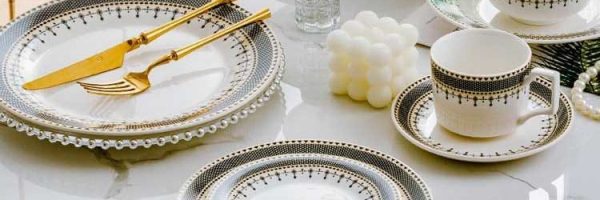
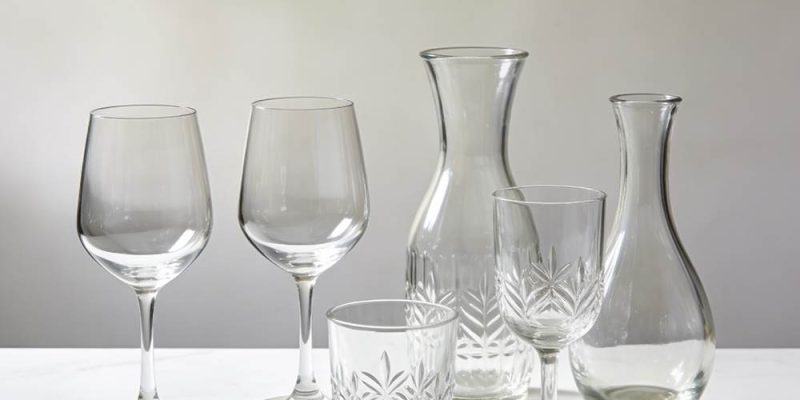
Commercial glassware influences guest perception long before the food arrives. The server places a water glass on the table. It feels cold, smooth, and reassuring in the hand. In that first sip, a silent judgment forms: this venue pays attention to quality.
Many restaurants still select restaurant glasses based purely on price, without considering glassware durability, visual harmony, or how each piece contributes to the overall table setting.
Glassware is one of the few items every guest interacts with repeatedly, and its quality communicates standards as clearly as dinnerware and flatware.
So how do you make the right glassware selection, one that performs well, lasts for years, and pairs naturally with your table presentation? Let’s find out.
Glassware Types and Durability
Before deciding which commercial glassware to bring into your venue, it helps to understand what actually separates one glass from another.
On the surface, most restaurant glasses look similar sitting on a shelf. In service, though, the difference shows up during a busy dinner rush, a packed bar night, or the tenth dishwasher cycle of the day. This is where durability starts becoming a cost, safety, and consistency issue.
Annealed Glass: The Budget Choice
Annealed glass is standard, untreated glass, the most familiar and least expensive option. For example, a small cafe might accept frequent losses because the upfront cost stays low.
The downside becomes clear in commercial kitchens: annealed glass struggles with heat changes from dishwashers and daily handling.
When it fails, it breaks into hazardous fragments, which raises safety concerns for staff and guests. Over time, replacement costs tend to climb higher than expected.
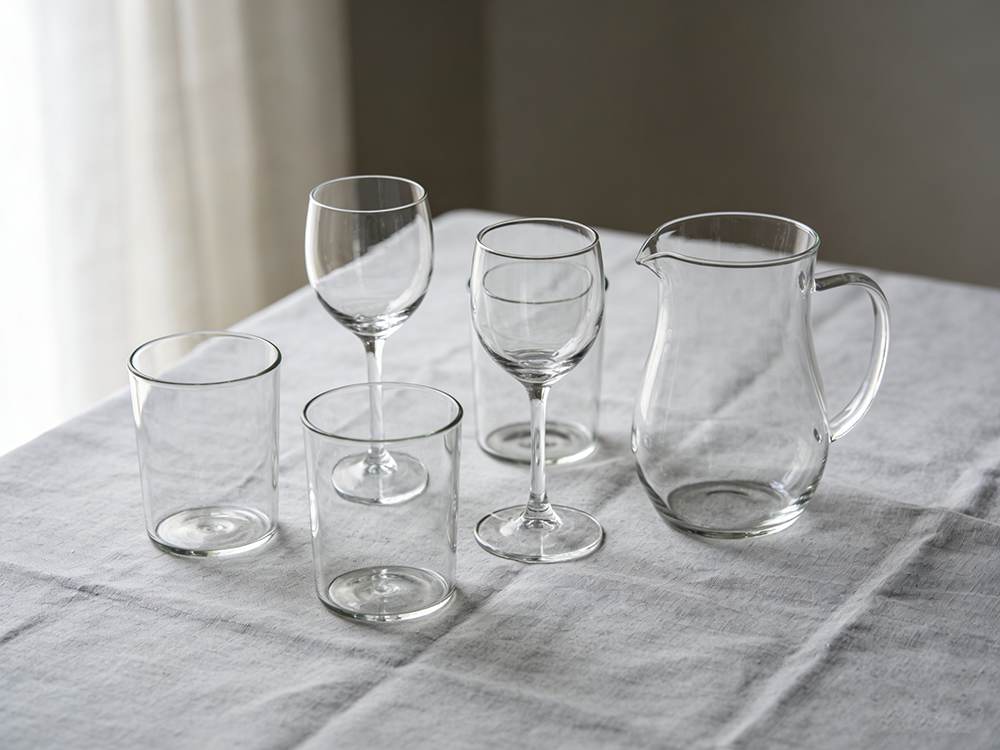
Rim-Tempered Glass: The Middle Ground
Rim-tempered glass is designed with restaurants in mind. Only the rim and upper portion receive tempering, which targets the area most likely to take impact.
In practice, this means fewer losses when glasses collide during clearing or loading racks. For instance, a busy bar running multiple turns per night may find rim-tempered glass a smart balance between glassware durability and cost control. It performs better than annealed glass while keeping budgets in check.
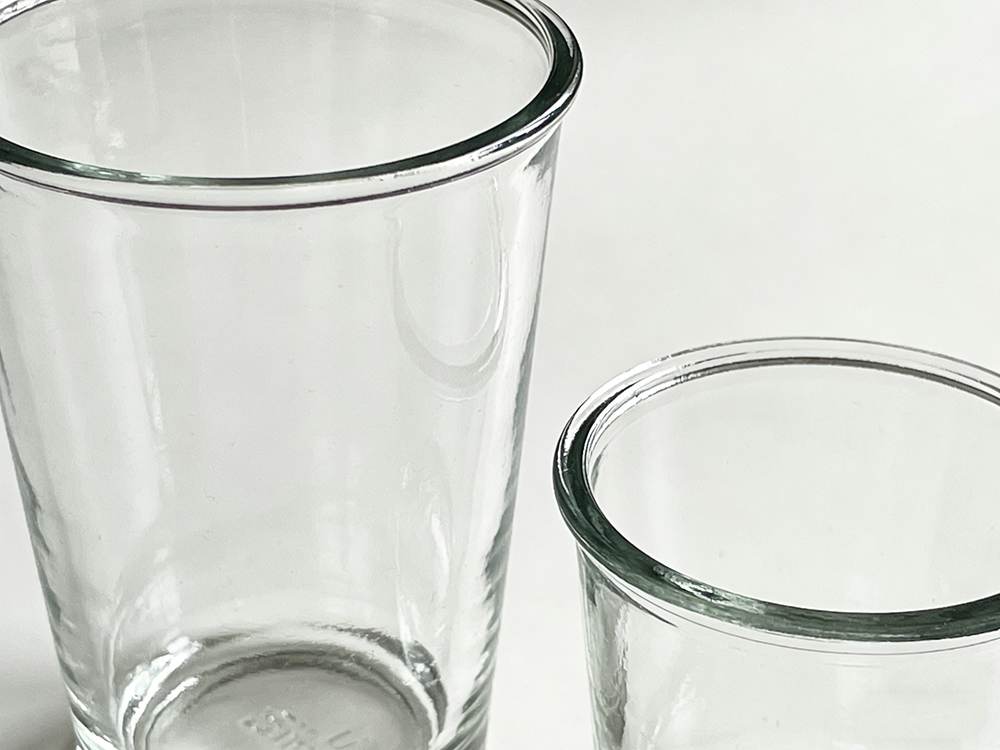
Fully Tempered Glass: The Commercial Standard
Fully tempered glass is tempered throughout for strength and safety. It handles dishwasher temperature changes well and offers the longest lifespan in hospitality settings.
When breakage happens, it breaks into small, blunt pieces rather than dangerous shards. That’s why fine dining rooms, hotels, and high-volume operations rely on fully tempered glass as a professional standard.
While the initial price is higher, long-term replacement costs are lower, and brand consistency stays intact.
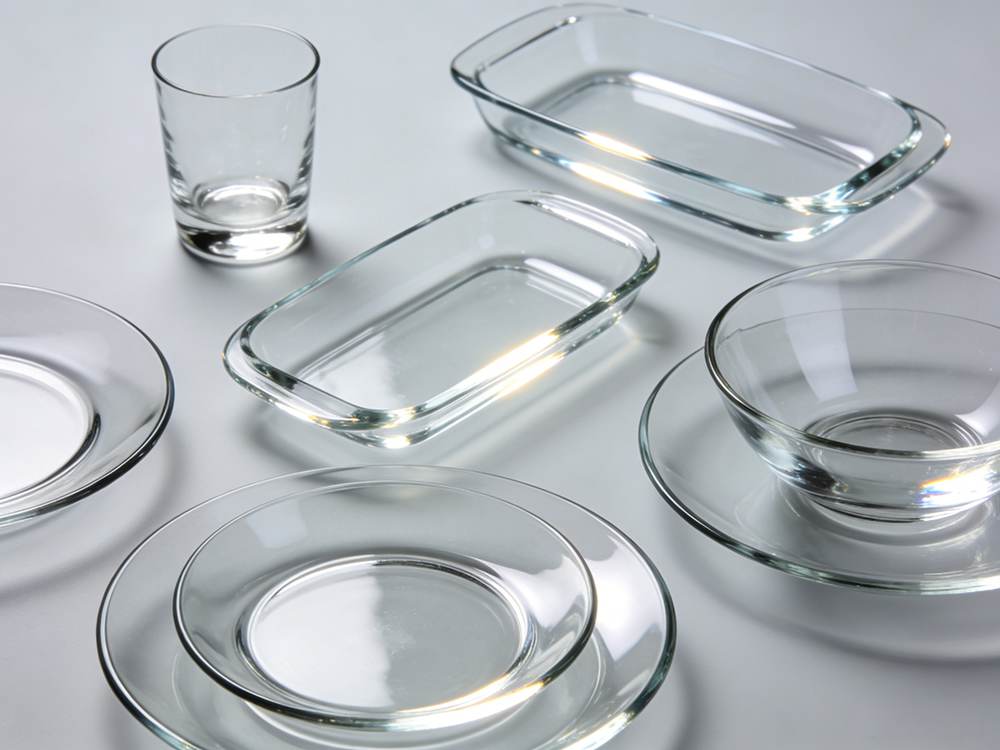
Glassware Styles for Different Occasions
From water service to wine pours and cocktails, glassware styles are shaped by how drinks are served, how often they’re handled, and how well they need to hold up in a commercial setting.
Choosing the right glassware types helps restaurants balance appearance, glassware durability, and guest experience without creating unnecessary breakage or storage issues.
Water Glasses/Tumblers (The Essential Piece)
Water glasses are served to every guest, at every meal, in every type of setting. They’re also the most frequently used restaurant glasses on the table.
Most commercial glassware programs rely on 12-ounce tumblers, which remain the industry standard. Larger 14 to 16-ounce sizes are common in casual dining, allowing room for ice and reducing refill frequency.
Style options range from tall water glasses with a classic profile to smaller juice glasses used for non-water beverages. Stemmed goblets signal a more formal table setting, while stemless tumblers offer a modern, practical look.
Because water glasses arrive before food or wine, they set the tone for the table. For durability and service flow, operators typically stock two to three glasses per seat to account for breakage and dishwashing cycles. More than any other piece, water glasses anchor the entire glassware selection.
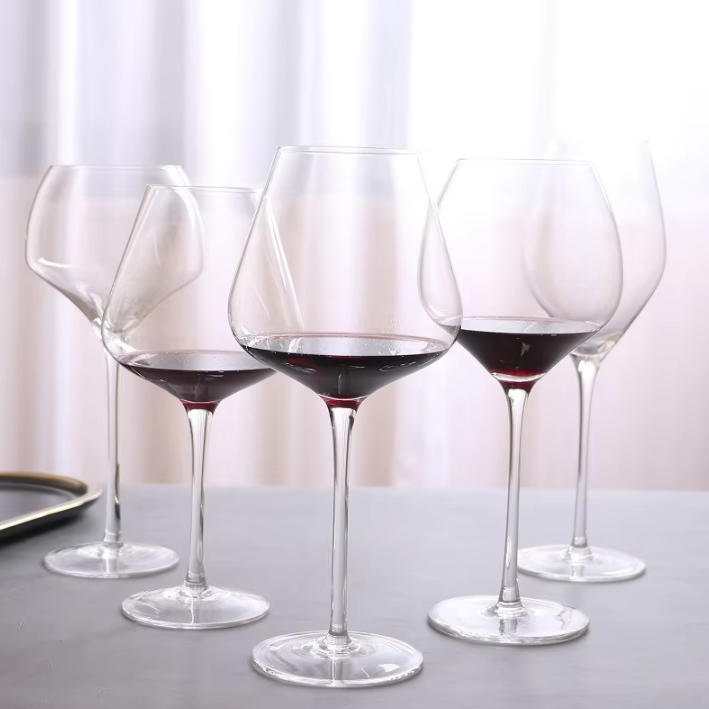
Wine Glasses (Stemmed Glassware)
Let’s start with a simple question: why do wine glasses all look different in the first place?
Because the glass changes how the wine behaves.
A red wine glass usually has a wider bowl. That extra space lets the wine open up when it’s poured. In most restaurants, a red pour lands around 5 to 6 ounces, which feels generous without overwhelming the glass. Guests notice that immediately.
White wine glasses tell a different story. They’re slimmer, a bit taller, and built for 4 to 5-ounce pours. The narrower opening keeps the wine cooler longer and preserves the crisp, acidic edge guests expect from whites.
In a commercial setting, stems are where things go wrong.
They snap during dish runs. They catch on racks. They break when servers rush. That’s why many operators choose shorter, thicker stems instead of delicate ones designed for home use.
And increasingly, some skip stems altogether.
Stemless wine glasses have moved from a casual option to an everyday solution in high-volume restaurants. They stack more easily, withstand dishwashers better, and dramatically reduce losses, all while still looking clean and intentional on the table.
Beer and Cocktail Glasses
Pint glasses remain the workhorse for beer service. They are easy to handle, hard to knock over, and tough enough to survive busy nights without constant replacement.
Spirits tell another story.
Rocks or lowball glasses, usually 6 to 8 ounces, are compact, heavy, and stable. The thicker base isn’t decorative, but it helps the glass survive repeated ice drops, muddling, and bar-top use. One glass, many drinks. That versatility matters for commercial glassware.
For mixed drinks, highball and Collins glasses step in. With a capacity of 10 to 12 ounces, they leave room for ice, mixers, and garnishes without feeling crowded.
Then there are specialty cocktail glasses, martinis, margaritas, and statement pieces. They add character, but they’re also the first to chip or crack. That’s why many bars choose tempered versions here for the same look and a better survival rate.
The goal isn’t variety for variety’s sake. It’s choosing glassware that matches how drinks are actually made, carried, washed, and served, night after night.
Breakage Reality: Planning for Inevitable Losses
Glassware breakage is inevitable. It is part of the daily service. It happens during dishwashing when hot water meets cooler glass. It happens behind the bar when a server rushes a rack back into storage.
It happens when a guest bumps a water glass while reaching for flatware. It even happens during stacking and overnight storage. It’s simply the reality of commercial glassware use.
Once you accept that glass loss is unavoidable, inventory planning becomes clearer and smarter.
Breakage Rates by Glass Type
To reduce breakage, consider different types of glassware and their durability. The figures below reflect typical industry ranges, not guarantees, but they’re useful for planning because they show how different glassware types perform in everyday service.
- Annealed Glass:With annealed glass, restaurants typically lose 10 to 15% of inventory each year. In a 100-seat venue stocking around 1,250 pieces, that means replacing 125 to 188 glasses annually. Over time, that leads to frequent reorders and inconsistent table presentation.
- Rim-tempered Glass: This glass performs better. Loss rates drop to 5 to 8% per year, translating to 63 to 100 pieces replaced annually. Replacement cycles stretch longer, and costs stay more predictable.
- Fully Tempered Glass:It delivers the lowest breakage. At 2 to 4% annually, that same 1,250-piece inventory loses just 25 to 50 glasses per year. Many operators see usable lifespans extending beyond five years.
Why Inventory Buffers Matter
What happens if your dishwasher goes down mid-service? Or a busy weekend wipes out half your clean racks? That’s why most operators maintain two to three times their seating capacity in glassware.
For a 100-seat restaurant, that typically looks like:
- 300+ water glasses
- 200 to 250 wine glasses
- 150+ beer and cocktail glasses
- 75 to 100 specialty glasses
This buffer keeps service smooth, even during peak hours, deep cleans, or unexpected losses.
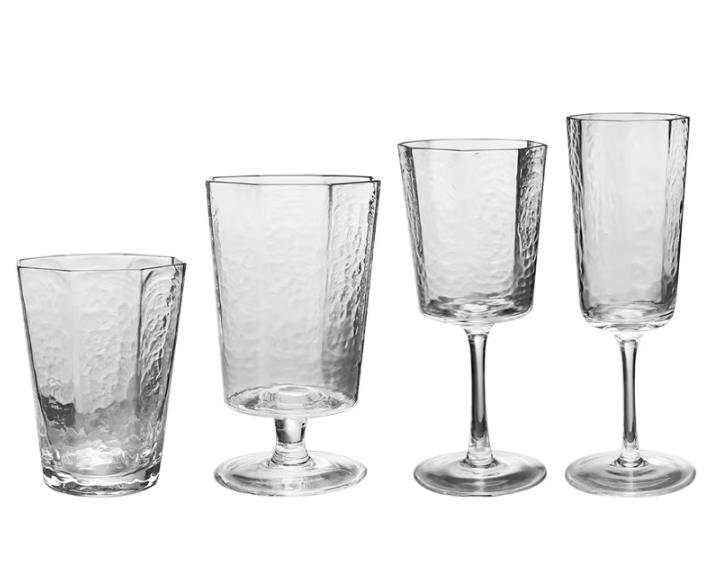
Coordinating Glassware With Dinnerware: Building a Table That Makes Sense
A table works best when every element feels connected. Glassware, dinnerware, flatware, and linens should support one another visually, creating a cohesive look that feels deliberate rather than pieced together.
Before diving into specific venue styles, there’s a simple framework most industry buyers rely on. When evaluating commercial glassware, three questions matter every time.
1. Does it look right?
Glassware should align with your concept, decor, and dinnerware. A refined plate paired with a thick, budget tumbler sends mixed signals.
2. Can it survive your service?
A busy dining room, stacked racks, and fast dish cycles demand high glassware durability.
3. Does it suit the drink?
Water, wine, and cocktails each need glassware that supports how they’re served and enjoyed.
The best selections hit all three. Miss one, and the table feels compromised. Let’s take a look at different glassware and the venues each type complements best.
Fine Dining Coordination
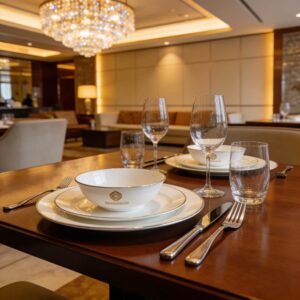
White tablecloth. Premium porcelain. Now ask yourself, what glass actually fits here?
Stemmed water goblets make sense right away. They match the formality of the plates. Add separate red and white wine glasses, maybe champagne, and the table starts to feel intentional. Clear, tempered glass keeps everything consistent through service.
It works because the pieces speak the same language. Refined plates need refined glassware. Mixing premium dinnerware with budget glasses just feels off.
Upscale Casual Coordination
Upscale casual dining lives in the middle. The table should feel polished, not precious.
Here, stemless wine glasses or elegant tumblers strike the right note. Water glasses should feel substantial in the hand, never flimsy.
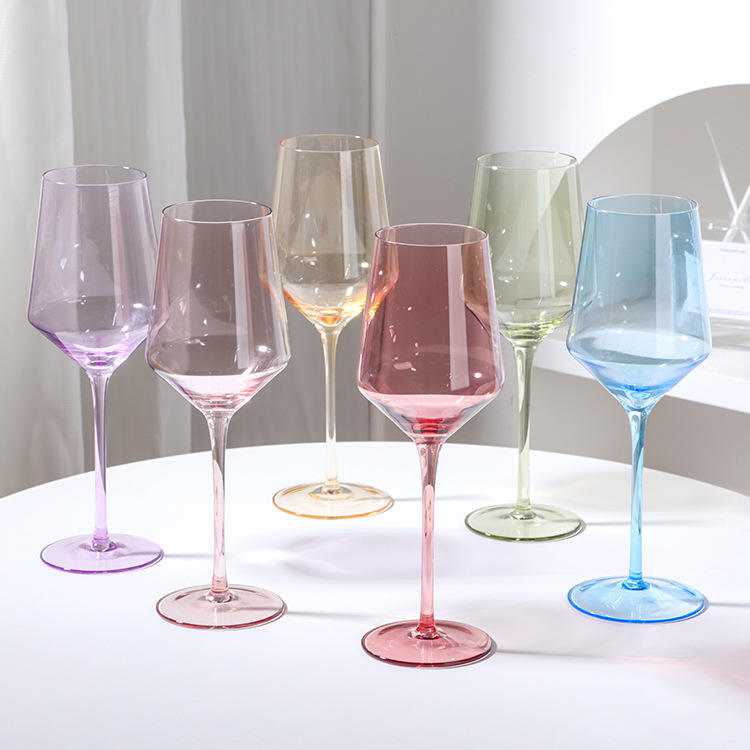
Rim-tempered or fully tempered glass supports durability without sacrificing appearance. Color accents can work when they echo the dinnerware palette.
Why does this work?
The table reads approachable but intentional. Guests sense quality without formality, and the glassware holds up to steady volume.
Contemporary/Modern Coordination
Minimal plates demand minimal glassware. Anything ornate feels out of place. Stemless wine glasses, clean-lined tumblers, and simple silhouettes pair naturally with modern dinnerware. Clear glass or very subtle tinting keeps the focus on form.
Farm-To-Table/Rustic Coordination
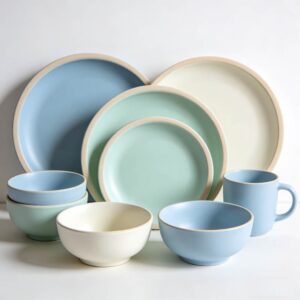
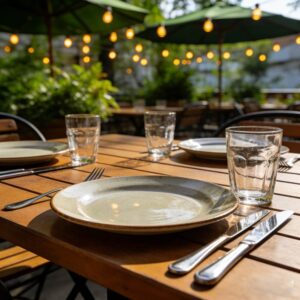
Rustic concepts allow more freedom but still need intention. Stoneware plates, earth tones, and varied textures pair well with eclectic glassware.
Vintage styles, muted colored glass, and mixed silhouettes can all work when done on purpose. Durability matters here, as volume is often high and service is relaxed.
The Glassware Selection Decision Framework
Choosing glassware gets easier when you stop thinking in styles and start thinking in decisions. This framework walks you through the same questions experienced operators use before placing an order.
Step 1: Decide How Long You Expect Glassware to Last
Start with lifespan. This alone narrows your options fast.
- 2 to 3 years: Annealed glass can work for budget-driven or short-term concepts
- 3 to 5 years: Rim-tempered glass is the safer middle ground
- 5+ years:Fully tempered glass makes sense for long-term operations
If you already know you don’t want to reorder constantly, this answer points you forward.
Step 2: Set Your Brand Consistency Bar
How important is it that your table looks consistent, day after day?
- High priority (fine dining, luxury): Fully tempered, premium feel
- Medium priority (upscale casual): Rim-tempered or quality tempered
- Lower priority (casual, quick-service): Practical options are fine
The more consistency matters, the less forgiving breakage becomes.
Step 3: Match the Look You’re Building
Now bring aesthetics into the conversation. This step is about alignment, not decoration.
- Formal/elegant:Stemmed water goblets, multiple wine glasses
- Contemporary: Stemless wine glasses, clean tumblers
- Rustic/eclectic:Mixed styles, muted or earth tones
- Minimalist: Simple shapes, no ornamentation
Step 4: Pressure-Test the Budget
Instead of asking “What’s cheapest?”, ask “What can I maintain?”
- Premium budget: Fully tempered, long replacement cycles
- Moderate budget: Rim-tempered, balanced durability
- Tight budget: Annealed, plan for higher replacements
Step 5: Factor in Service Volume
How busy is your service on a typical day?
- High volume (100+ covers/day): Fully tempered
- Moderate volume (50–100): Rim-tempered
- Low volume: Any option can work
Step 6: Run the Coordination Check
Before finalizing, confirm:
- Does glass quality match dinnerware quality?
- Do both support the same concept?
- Do color and finish feel intentional together?
Wrapping Up
If dinnerware feels upgraded and glassware feels basic, the table sends mixed signals. Glassware isn’t a standalone purchase. It’s part of the table system.
This is where selection decisions move beyond individual pieces and into overall table planning. That’s why it helps to have a custom glassware option that best suits your venue and aligns with your dinnerware.
Brett designs and manufactures premium glassware alongside custom dinnerware solutions for the global hospitality industry, helping venues create a cohesive table presentation. Reach out to Brett today to request sample glassware sets for evaluation.