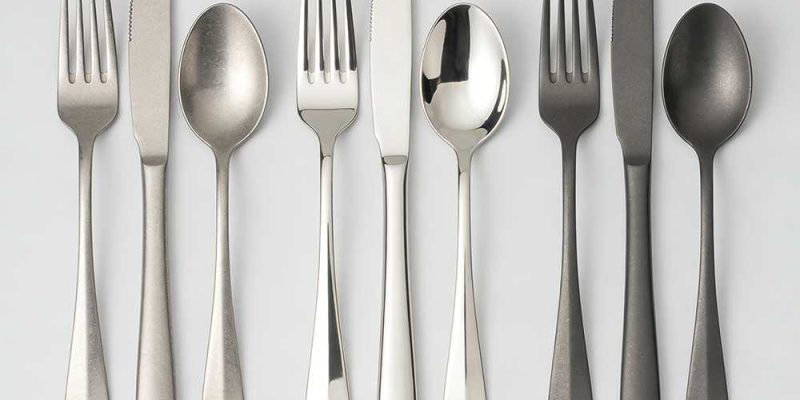
Flatware finishes can change the entire vibe of your table, even when the pattern stays the same. You’re holding the exact same fork in three versions.
One is a mirror polish that reflects the ceiling lights like a spotlight. One is a satin finish with a soft, brushed glow. And one is matte flatware that looks modern and clean.
Same steel, same shape, but totally different look.
Here’s the part most buyers learn after the purchase: the finish you pick doesn’t just affect the look. It affects flatware maintenance, staff time, and how your flatware holds up after months of dishwashing and daily service. Let’s explore the different types of commercial flatware finishes and how they perform in service.
What Are the Main Flatware Finishes in Restaurants and Hotels?
Flatware finishes influence how your cutlery looks under lighting, how fast it shows wear, and how much effort it takes to keep it looking clean between services. Here’s a simple breakdown.
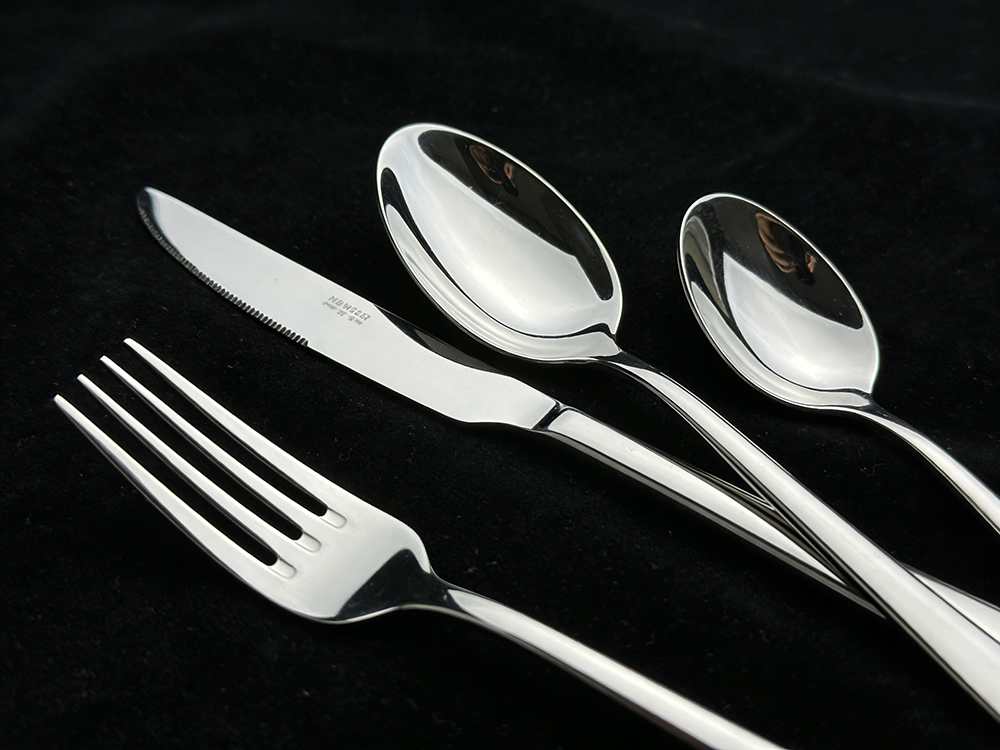
Mirror Polish Flatware (Bright Finish)
Mirror polish is the classic ‘shiny silver’ look. It’s made by buffing the surface until it becomes smooth and reflective, like a mini mirror on the table. This finish makes flatware look more formal and high-end, which is why it’s common in fine dining, luxury hotels, and weddings.
Satin Finish Flatware (Brushed Finish)
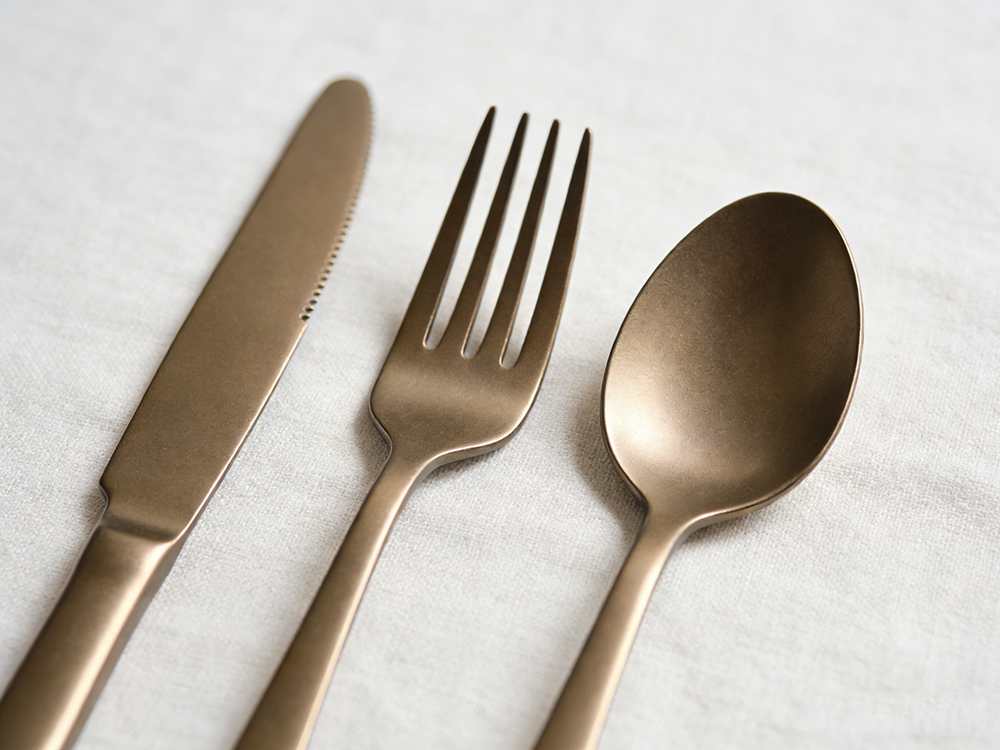
A satin finish (also called a brushed finish) has a soft shine, not a full reflection. It’s created using brushing or abrasion techniques that leave a subtle texture on the surface.
This is the best-of-both-worlds finish for most venues because it looks premium without demanding constant attention. It hides fingerprints better than mirror polish, holds its look longer in busy service, and works across modern, classic, and upscale concepts without clashing with your dinnerware.
Matte Flatware (Modern Finish)
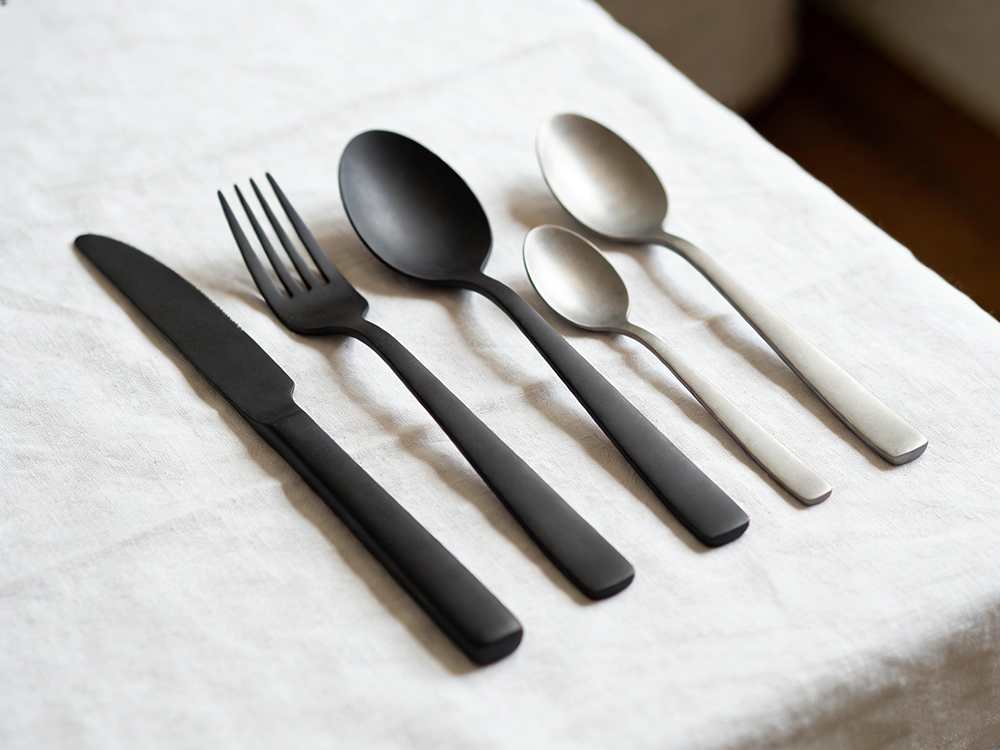
Matte flatware is the low-shine, modern finish that gives a contemporary look. It absorbs light instead of reflecting it, so it does not sparkle like mirror polish or glow like satin.
This finish is popular in trendy restaurants, cafes, high-volume venues, and catering kits because it hides wear extremely well and needs very little visual upkeep.
If your flatware goes through nonstop wash cycles, matte usually stays good enough without requiring extra work.
Aesthetic Impact: How Flatware Finish Changes the Dining Experience
Flatware finishes do more than change a fork’s look. They change the message your table sends before the food even lands.
So if you’re deciding on a hotel, restaurant, or catering program, this is really a brand choice, not just a style preference.
Mirror Polish: The Formal Statemen
Mirror polish is the finish that makes a formal statement. Light bounces off it, candles reflect in it, and the table instantly feels more elevated. Guests usually read polished flatware as “high standards,” especially in luxury hotels, fine dining, and formal events, where the goal is to make everything feel intentional.
But that same shine that looks premium can also feel a little too serious in a casual concept. A bright finish in a busy brunch spot can look out of place, like it’s trying too hard.
So in this case, you normally expect mirror polish to be the best, but it only works when the entire setup supports it. If your dining room is built for elegance, mirror polish creates the celebratory look design pros talk about.
Satin Finish: The Safe Choice That Still Looks Premium
A satin finish is what you choose when you want the table to look expensive without putting on a show. The surface has a soft glow instead of a full reflection, which makes it feel modern.
Restaurant operators love it because it fits almost anywhere: boutique hotels, upscale casual, modern dining rooms, and even corporate catering, where everything needs to look clean and consistent.
Honestly, satin saves you from design regret. You can pair it with porcelain dinnerware, stoneware, wood boards, darker plates, and lighter plates, and it rarely clashes.
In other words, if you want quality without the “spotlight effect,” a satin finish strikes a balance between polish and practicality.
Matte Finish: The Modern, Minimal Look
Matte finish is what you pick when the concept is clean, current, and not trying to look traditional. The finish stays low-shine, so the table feels more relaxed, more design-forward, and less formal.
You’ll see it in farm-to-table restaurants, wellness cafes, modern casual spots, and venues with darker dinnerware or textured plating.
So in this case, you’d normally expect matte to feel too casual, but that’s not always true. In the right concept, it feels intentional. Matte is also a strong fit for venues that want a modern, minimal table aesthetic without extra shine.
How the Finish Works With Your Dinnerware
Mirror polish stands out the most, so it works best with classic or dramatic table settings where you want contrast and sparkle.
Satin finish blends easily and supports almost any dinnerware style without taking over. Matte flatware pairs best with minimalist plates, darker tones, modern shapes, and textured ceramics, where the goal is harmony.
Which Flatware Finish Is Easiest to Maintain?
Flatware finishes do not just change how your table looks. They change how much time your team spends wiping, drying, polishing, and “fixing the shine” before service.
Mirror polish looks stunning, but it shows fingerprints and water spots immediately, so staff usually end up hand-drying and touching it up more than they planned.
To keep it looking pristine, most venues end up stocking microfiber cloths, stainless steel-safe polish, and soft buffing towels, and they usually have someone assigned to do quick touch-ups before service.
Satin finish still looks elevated, but the brushed surface hides smudges, so normal dishwashing is usually enough.
Matte flatware is the lowest-effort option because it hides water spots, fingerprints, and light scratches so well, making it easier for high-volume venues to keep service looking clean without extra steps.
Maintenance comparison by finish:
- Mirror polish: Highest upkeep, most polishing, and hand-drying
- Satin finish:Moderate upkeep, hides marks well
- Matte flatware: Lowest upkeep, the easiest to maintain during daily service
Do Flatware Finishes Affect Durability or Lifespan?
Flatware finishes don’t change the steel’s actual strength. So if you’re comparing mirror polish, satin finish, or matte flatware, the lifespan comes down to how the flatware looks over time, not whether it breaks faster.
In other words, when you ask “Which finish lasts longest?” you’re really asking: Which one stays presentation-ready through daily service, commercial dishwashing, and constant handling.
That’s where finish comparison becomes a procurement decision, because appearance is part of your dining experience.
Mirror Polish: The Finish That Shows Age First
Mirror polish looks stunning on day one. It gives you that bright, high-end shine that works perfectly for formal dining rooms, luxury hotels, and plated service. The issue is what happens next.
After weeks of dishwashing, stacking, and rushed resets, tiny surface scratches start building up. Because the finish is reflective, those marks show up more quickly and make the flatware look cloudy sooner than you would expect. Water spots and fingerprints also stand out more, which adds extra pressure on staff.
So while polished flatware can stay in rotation for years, the new look usually fades earlier, and that’s why some venues replace mirror polish for appearance reasons, not because the steel failed.
Satin Finish: The Most Consistent Over Time
A satin finish, sometimes called a brushed finish, does a better job of hiding the normal wear that comes from busy service. The surface has a soft grain, so scratches blend in.
You still get a professional look, but without the constant shine-checking that mirror polish demands.
For hotel procurement managers and F&B teams, satin is a safe long-term choice because it supports the commercial flatware aesthetic without creating extra work. It also stays visually stable across seasons, staff changes, and high-volume shifts, which protects your dining experience without forcing extra maintenance routines.
Matte Flatware: The Best at Hiding Wear
The surface is non-reflective, so scratches, water marks, and minor wear stay hidden. That makes matte flatware a strong option for high-turnover dining, catering kits, and venues where flatware is used roughly.
Ironically, matte can feel premium in modern concepts, because it looks intentional and clean even after months of use. If you want the lowest-maintenance look without sacrificing style, matte is usually the easiest finish to live with day to day.
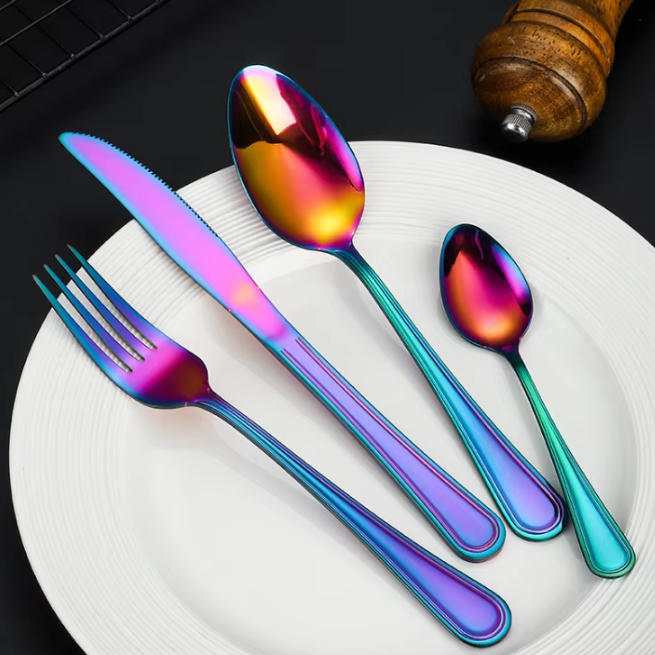
Cost Comparison: Mirror vs Satin vs Matte Flatware Finishes
Flatware finishes change your long-term spend through maintenance time, replacement cycles, and how fast your flatware starts looking worn out during service. This finish comparison breaks down what usually costs more and what stays easier to manage over time.
Mirror Polish: Higher Upfront, Higher Upkeep
Mirror polish usually sits in the premium price range, but the higher cost shows up after purchase. Since it highlights fingerprints, water spots, and small scratches, many teams end up spending extra time wiping, drying, and polishing just to keep it photo-ready.
Satin Finish: Mid Range Cost, Low Stress
Satin finish sits in the middle for pricing in most commercial flatware programs. It keeps an elevated look without demanding constant polishing, which is why it tends to be a safer long-term choice for restaurants and hotels, balancing aesthetics with staff time.
Matte Flatware: Similar Price to Satin, Lowest Upkeep
Matte flatware is usually priced close to satin, but it tends to win on maintenance. It hides smudges, water marks, and light wear so well that most venues can run it through daily service without adding extra labor just to keep it looking clean.
Here’s a comparison of commercial flatware finishes.
Flatware Finish | Typical Upfront Cost | Maintenance Effort | Replacement Risk | Best Fit For |
Mirror Polish | High | High | High | Luxury hotels, formal dining, photo-heavy service |
Satin Finish | Mid | Low to Medium | Low | Upscale casual, boutique hotels, modern dining rooms |
Matte Finish | Mid | Low | Low | High-volume venues, modern casual, low-labor operations |
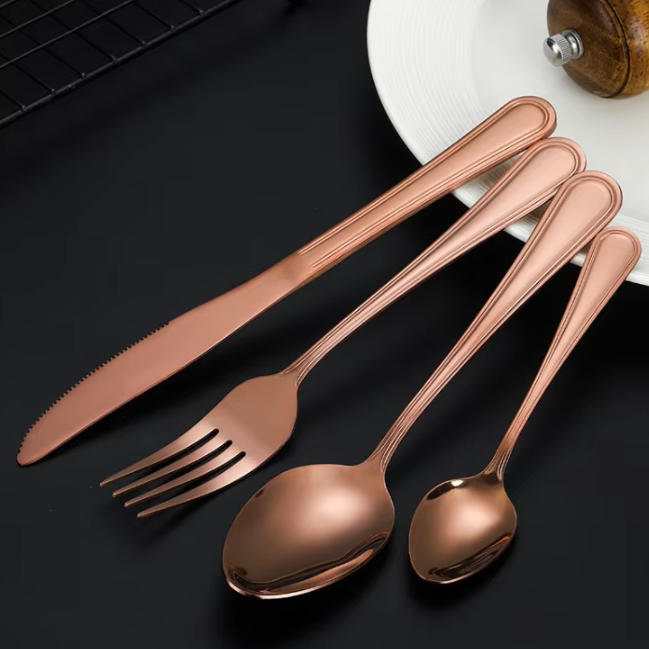
Best Flatware Finishes by Venue Type
The best flatware finishes depend on how your venue runs service, handles maintenance, and replaces inventory over time.
Mirror Polish (Premium Commitment Required)
Mirror polish works best for fine dining, luxury hotels, and formal events where the table setting is part of the full experience. It looks high-end, photographs beautifully, and instantly signals premium.
That said, it only stays impressive when the team has time to maintain it. Fingerprints, water spots, and light scratches show quickly, so staff must maintain consistency in drying and polishing.
If that upkeep slips, mirror polish can start looking worse than satin, even if the flatware itself is still fine.
Satin Finish (Best Value for Most Venues)
Satin finish is the best pick for upscale casual, boutique restaurants, and hospitality brands that want quality without the nonstop upkeep. It feels refined, works with almost any decor and dinnerware style, and hides everyday marks better than mirror polish.
In most operations, satin finish delivers the best balance of commercial flatware aesthetic, flatware maintenance effort, and long-term value.
Matte Finish (Most Practical for High-Volume Use)
Matte flatware is ideal for casual dining, high-volume restaurants, quick-service setups, and institutions. It hides wear extremely well, needs almost no polishing, and stays visually consistent even with heavy turnover and frequent washing.
Matte also fits farm-to-table and modern concepts where the vibe is intentional and understated, not overly formal.
Why More Venues Are Choosing Satin and Matte Finishes
Mirror polish looks amazing on day one, but it also requires a bit of work, as we mentioned earlier. Drying, wiping, polishing, and constantly chasing fingerprints is the norm.
Satin and matte finishes skip most of that work, which is why more venues are moving in that direction.
A satin finish gives you a minimal and premium look without feeling overly formal. It also hides water spots and light scratches better, so flatware stays presentable through busy shifts.
Matte flatware is even more low-maintenance. It covers up smudges, wear, and small marks so well that it keeps service looking consistent with almost no extra effort.
Here’s a quick decision framework:
- Choose satin if you want polished and versatile
- Choose matte if you want modern and easiest to maintain
- Choose a mirror polish only if you can commit to upkeep
Wrapping Up
If you’re upgrading your flatware, Brett makes it easy to choose the right finish for your venue. Explore Brett’s commercial flatware in mirror polish, satin, and matte, with options built for regular service and long-term reordering. Reach out to Brett today to request specs, pricing, or samples and get a set that fits your table.