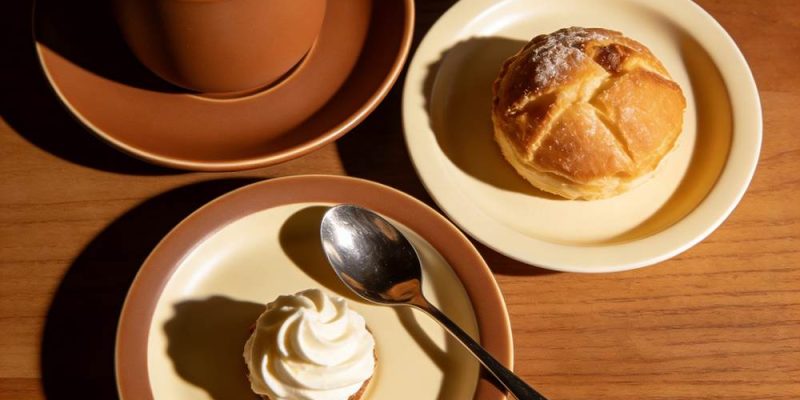
It’s early morning, around 7 a.m., and you walk into the welcoming aroma of espresso at a busy café. The baristas move at high speed, steaming, pouring, and serving people standing at the counters or sitting under the umbrellas.
Much of this is part of the daily routine, but the moment that really matters is when the coffee cup reaches the customer’s hands. It might be a simple cappuccino served in an exquisite cup and saucer, the old English style. Or perhaps a latte in a glass served on a tray.
Maybe the customer didn’t even come for coffee, but for the delicious-looking cookies and pastries displayed along the side bar.
No matter the order, the way it will be served is how the guest will physically experience the brand. This is the core reason why coffee shop operators must look into coffee shop supplies such as cups, saucers, glasses, or plates as working tools rather than simple tableware.
Many cafés source coffee cups wholesale and other café supplies wholesale, ensuring they have enough stock for high-volume service while maintaining consistency.
These pieces of crockery keep a check on the temperature, milk ratio, and survive the hundreds of daily dishwasher and service cycles. In other words, they decide how the brand looks on the table or feels in the hands of the customer.
Let’s take a look at the coffee shop tableware, starting from the essential equipment to the café cups and saucers.
Why Coffee Shop Tableware Matters
Most café start-ups precisely plan for the equipment, menu, opening date, and all the other details well in time. But the tableware decisions often come later. In daily operations, the coffee shop’s dinnerware influences the workflow and cost so much more than you’d expect.
Service Flow and Inventory
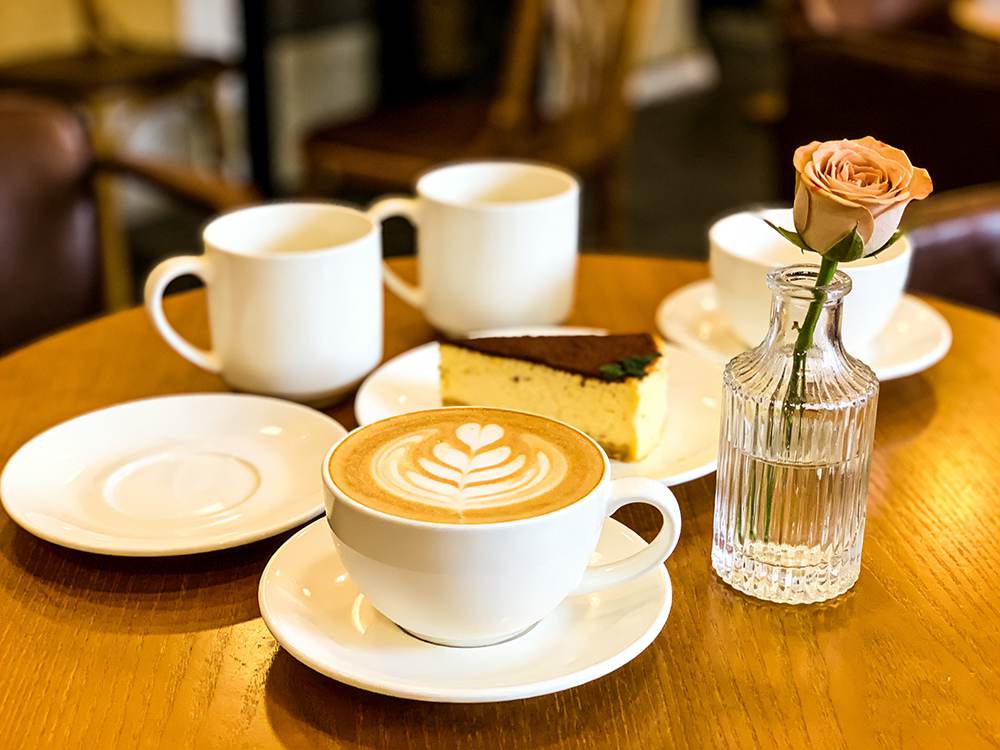
A busy café often needs more inventory than the number of occupied seats would imply. The tableware must be enough to keep the service moving even while the cups or glasses are being cleared, washed, or restocked.
The common practice is to maintain up to 3 or 4 pieces of tableware per seat. This way, if one is in use, one could be in the dishwasher, another one in cleaning, and still one ready for service.
For high turnover cafés, you need a ratio closer to 4:1, so there’s no shortage, especially during the peak hours. If we don’t account for the buffer, high-traffic times can create a huge operational bottleneck. So if the bar runs out of cappuccino cups during the morning, no matter how expensive or prestigious your coffee machine is, it won’t be the limiting factor anymore.
Breakage
In the café business, cups, plates, and glasses are constantly rotated between baristas, servers, dishwashers, and customers. The tableware constantly changes hands the whole day, and even in the most careful of handling, breakage is inevitable.
In fact, most hotel and restaurant planning guides recommend setting aside a replacement allowance of about 15 to 20% every year for plates and similar items.
In a high-volume environment, the cost scales up further. Some large food service operations, including restaurants and cafés, have reported spending over USD20,000 to USD 50,000 a year just for replacing their tableware.
Again, this is why the choice of material is very important. This difference between ceramic dinnerware and commercial porcelain dinnerware can determine how often replacements will be necessary.
Cup Geometry
Specialty coffee isn’t all about the ingredients. The beans or the espresso machine don’t do as much as the serving cup does for how the drink performs. Most cafés usually have specific cup sizes that influence the milk-to-espresso ratio, foam texture and stability, and the heat retention.
A right cup helps maintain the perfect balance of flavor, temperature, and texture. Not just that, it also elevates the visual appeal, turning the serving into a moment of indulgence.
The Guest Experience
Much of what goes on behind the counter is hardly noticed by the guests. They don’t listen to or look at the grinder burring, the espresso shots being timed to the second, or the milk being steamed. Just like that, they won’t notice the rotation of cups, or the precise tamping of coffee grounds, but will immediately notice how the rim feels or how much the cup weighs.
They will notice how you present the coffee and whether the coffee shop tableware you are serving is of good quality or not.
Coffee Shop Equipment List
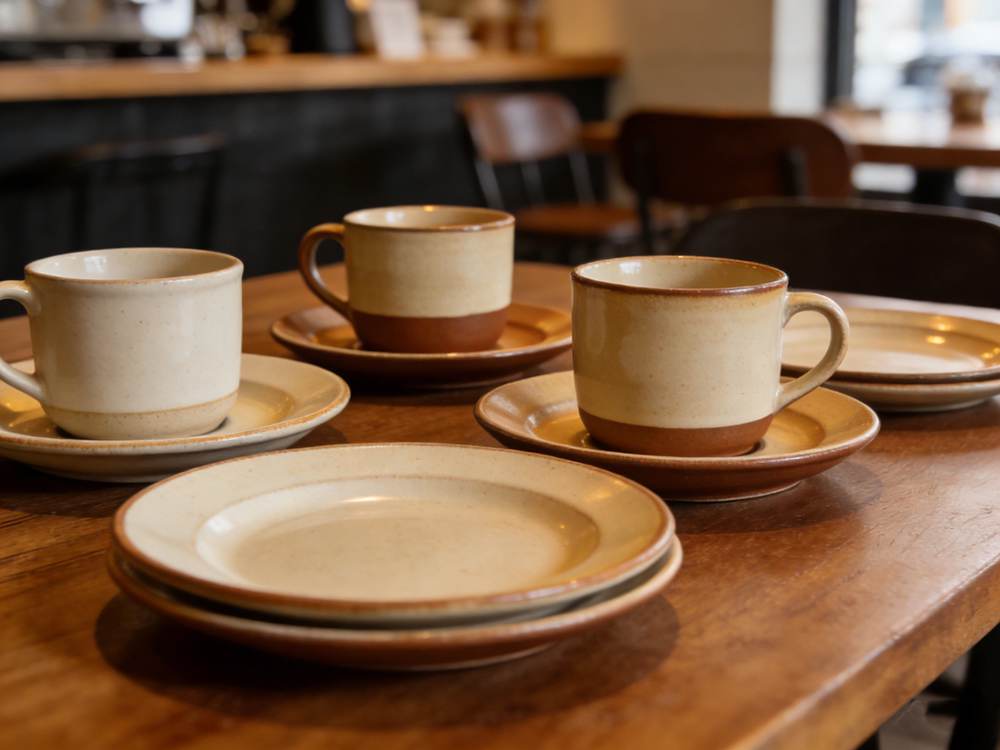
If you take a look at the basic coffee shop equipment, you will notice the same things. There’s the espresso machine, grinder, refrigerator, and maybe a blender for making iced drinks. These are the basic coffee shop supplies or engines of the café.
But of course, they are entirely dependent on the coffee shop tableware that moves the drinks from the bar to the customers. These supplies are broadly defined into two categories.
Production Equipment
The production equipment, or the back-of-the-house equipment, is the hardware that produces the drinks. These are the highest budget items for a coffee shop start-up business and include
- Commercial Espresso Machine:The commercial espresso machine is the highest and most expensive piece of equipment for a barista service setup. The price typically ranges between USD 6000 to USD 25,000.
- Commercial Coffee Grinders:Espresso and brewed coffee require precision grinding. The commercial coffee grinders handle this with ease. These ensure each shot or brew hits the perfect balance of aroma and texture.
- Batch Coffee Brewer: Usually used for high-volume drip coffee programs, the batch coffee brewer is commonly found in busy cafés, hotels, and offices. It can handle high-volume drip coffee programs, giving you a consistent quality in every batch.
- Refrigeration:We need a commercial refrigeration system for the supplies used for coffee and pastry. Typically, it’s required to store milk, cream, syrups, and pastries.
- Ice Machine:For all the iced coffees or specialty cold drinks, a steady supply of ice is crucial to keep up with customer demand. The ice machine, hence, does the job and provides ready-to-serve ice as needed.
Service Equipment
The second part of the coffee shop equipment is where most start-up guides underestimate the scale. This is the front-of-house equipment. It includes the tableware, washing equipment, and the trays on which the drink or order is to be carried.
During high-volume days, every cup undergoes the cycle of preparation, serving, washing, and returning to the bar hundreds of times a day. Having a well-stocked inventory of durable tableware keeps the flow smooth, and each customer leaves well served and happy.
Typically, the coffee shop supplies must include:
- Cappuccino and flat white cups
- Latte cups or glasses
- Espresso cups and demitasse saucers
- Teacups and teapots
- Cold drink glassware (for iced coffee and cold brew)
- Coffee spoons
- Serving trays
- Pastry plates and dessert dishes
- Milk frothing pitchers and other barista tools
- Takeaway cups with lids
Coffee Shop Tableware Categories
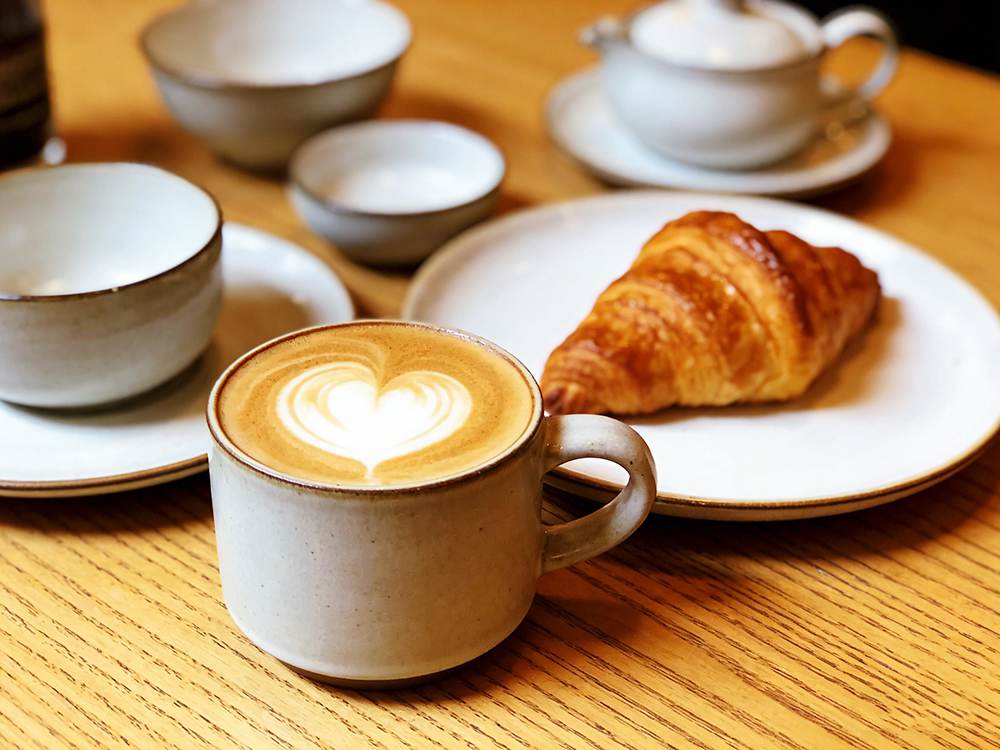
In a specialty café, every drink is a carefully crafted choice. The size of the cup, its shape, and the material all influence both the flavor and the presentation. This way, you ensure the beverage delivers the intended experience to the customer.
Espresso Cups
Espresso is the heart of the café menu. Most shops brew it as their main method. In fact, industry research confirms that lattes, cappuccinos, and other espresso drinks make up about 45% of coffee shop sales.
Hence, when building coffee shop tableware inventory, cafés often prioritize purchasing demitasse cups first. A demitasse cup is commonly used for serving espresso and can hold about 2 to 3 ounces (60–90 ml) of concentrated coffee drinks.
Material matters just as much as size. Thick porcelain helps maintain the temperature during the first few critical seconds of extraction, when the crema and aroma are at their peak. It delivers the smooth, full-flavored experience that customers expect from an espresso.
Cappuccino and Flat White Cups
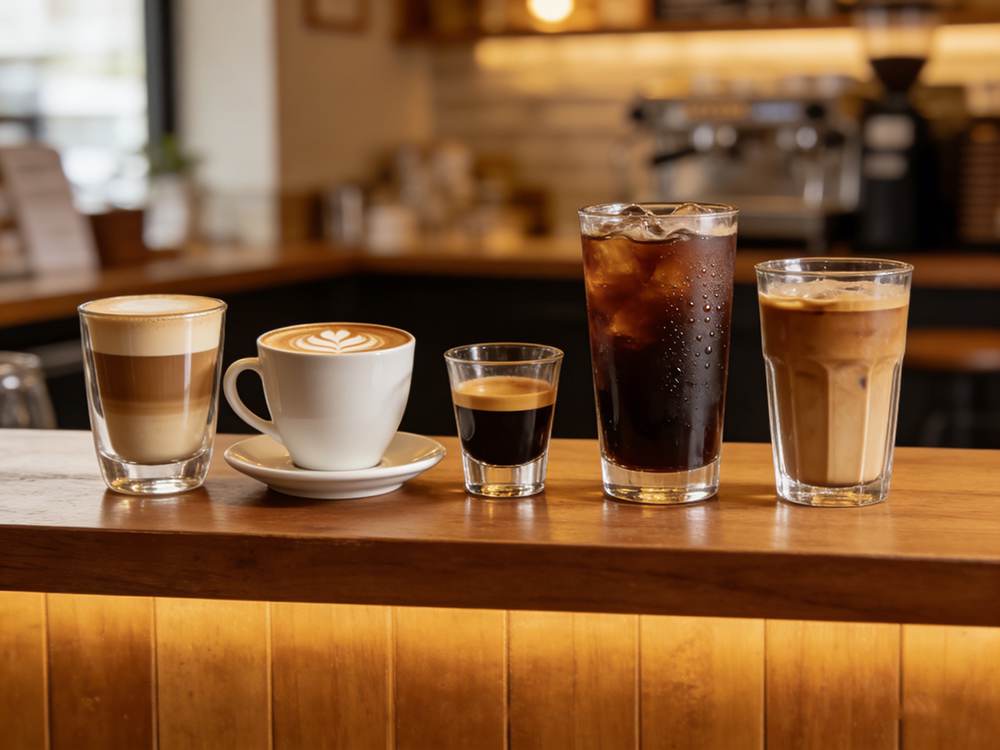
For all the other milk-based drinks, we need carefully sized cups that maintain the ratio of espresso to milk. Flat white cups, commonly used in cafés, can hold 150 to 180 ml, helping keep the drink concentrated while preserving its creamy texture.
In contrast, cappuccino cups usually have a slightly larger capacity of 180 to 200 ml and have a wide bowl shape. This design not only provides the ideal space for pouring latte art but also ensures a balanced layer of microfoam. Choosing the right cup size and shape is important for both flavor and presentation.
Latte Cups or Latte Glasses
Most lattes require larger drinkware due to their higher milk volume. The common glass or cup capacities range between 200 ml and 350 ml, depending on the recipe and presentation.
Latte glasses are popular in specialty coffee environments because their transparent design lets the customers see the espresso crema, milk layering, and latte art, enhancing visual appeal.
However, for everyday café use, the glass must be commercial-grade, such as the Custom Glassware by Brett. Also, it must be heat-resistant to withstand frequent dishwashing and temperature changes without chipping or cracking.
Cold Drink Glassware
According to the National Coffee Association, 75% of American adults drink coffee weekly, and roughly 32% enjoy cold coffee beverages such as cold brew, frozen, or nitro drinks, reflecting the growing popularity of chilled coffee options.
Due to this shift, modern cafés need to have dedicated cold drink glassware. The glassware is typically available in sizes like 12 ounces, which is perfect for iced coffee or iced latte. There are also 16-ounce glasses for cold brew and iced drinks.
Then, there is a larger cup of 20 ounces, which is perfect for large iced beverages.
Tea Service Cups and Teaware
Coffee-focused cafés also run strong tea programs. Tea drinkers typically expect tea cups with saucers, tea pots, tea strainers, and honey and sugar dishes.
The service equipment is very important because we need to preserve the traditional tea experience while providing convenience and elegance in service.
Specialty Coffee Drinkware
Beyond the classic espresso, modern cafés serve a growing variety of drinks. There are cortados and Gibraltar style espressos to seasonal specials and signature creations. These beverages don’t fit neatly into standard cup sizes, so cafés need custom coffee bar drinkware that preserves the proper espresso to milk ratio and temperatures.
The right glass or cup not only helps maintain flavor balance and sensory experience, but it also enhances presentation, making visually striking layers, textures, and garnishes.
Dinnerware for Food Programs
Most café owners initially work on drinks when planning the coffee shop supplies, but food programs usually and quickly become part of the revenue stream. There are pastries, sandwiches, desserts, and breakfast items that encourage the customers to stay for longer and order additional drinks as they do.
For serving these, we need a well-planned dinnerware, including items like
- Porcelain pastry plates of 6 to 7 inches or 8 inches for larger baked goods or plated desserts.
- Large plates of 8 to 10 inches for serving breakfast items or light lunches,
- Dessert bowls, small dishes, and sandwich boards
- Wide-rimmed or rustic stoneware dishes.
Specialty Coffee Tableware Trends and Materials
Speciality coffee tableware is more than just a choice for style. It’s a brand statement as well as a workflow tool.
Your choice of material matters. You might choose a cup that photographs beautifully for Instagram, only to find it cracks after a few dishwasher cycles. Or you could pick a durable, dishwasher-safe cup that loses heat within 30 seconds, leaving drinks lukewarm before they reach the customer.
Neither option works in the fast-paced, high-turnover café environment. Let’s take a look at the most commonly used coffee shop tableware materials:
Material | Best Use | Durability | Heat Retention | Brand Value | Workflow Tips |
Porcelain | Espresso, cappuccino, and flat white cups | Withstands hundreds of dishwasher cycles | Keeps drinks hot longer | Classic, premium look | Ideal for specialty drinks and preserves crema |
Stoneware | Plates, dessert bowls, pastry service | Heavy, can chip if mishandled | Good | Premium, rustic | Used for food plating and gives a high-end feel |
Ceramic | Lattes, cappuccinos, mugs | Varies by grade | Good | Versatile, colorful options | Only use commercial- grade ceramics |
Melamine | Cold drinks, outdoor service, trays | Unbreakable under normal use | Not for hot drinks | Modern, practical | Perfect for high-volume or outdoor seating |
Porcelain
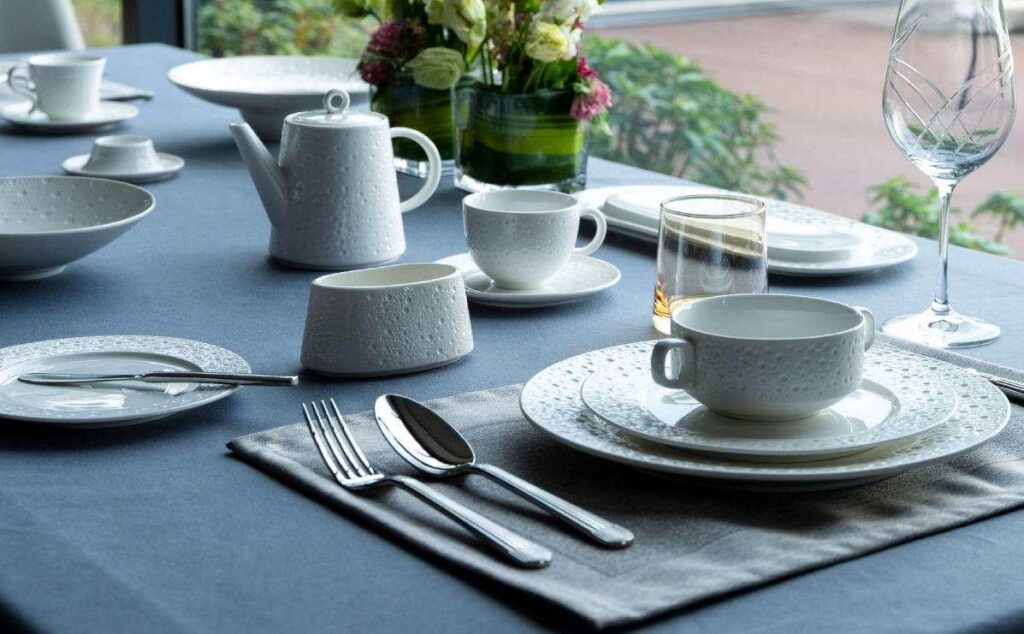
Porcelain is thick, heat-retentive, and ideal for serving cappuccinos and espressos. It keeps drinks hot, preserves the crema for that perfect first sip, and ensures the flavors stay balanced with each subsequent mouthful.
High-quality porcelain is also durable enough to withstand hundreds of dishwasher cycles, making it a reliable choice for high-volume café service.
Stoneware
Stoneware is heavy, has a premium feel, and looks aesthetic when served in the café. Also, stoneware plates can be used for pastries and as dessert plates, as it conveys quality and reinforce the café’s brand image.
However, stacking and handling require care as the material is heavy. Too much load can lead to cracks.
Ceramic
Ceramic is versatile and affordable, making it popular for lattes, cappuccinos, and everyday café service. However, it’s generally not commercial-grade, so in high-volume settings it can chip or crack more easily compared to porcelain or stoneware.
While ceramic works well for lower-traffic cafés or specialty drinks that are served occasionally, it’s not ideal for everyday dishwashing and stacking as required in busy coffee bars.
Melamine
Melamine is ideal for high-volume cafés, especially those with outdoor seating. Its lightweight, virtually unbreakable, and dishwasher-safe properties make it perfect for serving cold drinks, desserts, or carrying full trays.
However, melamine is not the best for heat retention, so it’s less suitable for hot espresso-based drinks where maintaining temperature is critical. Read more about Melamine vs. ceramic dinnerware here.
In practice, it’s best to mix materials strategically.
Use porcelain for hot specialty drinks, stoneware or bone china for premium desserts and plated items, and melamine for fast-paced or outdoor service. This combination balances aesthetics, durability, and operational efficiency, ensuring both style and a smooth café workflow.
Conclusion
In specialty coffee culture, thoughtful coffee shop tableware becomes part of the recipe itself. It shapes the aroma delivery, retains heat, and becomes the reason for the overall enjoyment from the first sip to the last.
Therefore, investing in durable and commercial-grade coffee shop supplies from a trusted supplier like Brett is not an expense. It is your investment in a presentation that stands out and gets you customers who love walking into your café every morning.