
Have you ever wondered where event organizers often lose money? It’s not broken crockery or post-event replacements; it’s the frequent overpriced bulk purchase orders.
When caterers, event planners, and hotels buy dinnerware without planning it out, they end up spending a lot more than they actually have to. So when placing orders with dinnerware suppliers, the less you know, the easier it is to fall for the first quote that comes your way.
So what is bulk dinnerware ordering all about?
Let’s talk MOQs, negotiations, volume tiers, and lead time planning!
What are MOQs and Volume Pricing Tiers?
Without understanding MOQs or planning the order, you could actually end up buying the same designed plates from the same supplier but at widely different rates.
How is that possible? It’s usually about the order size and timing.
MOQ
Say you buy 500 units from a supplier first. It feels like a safe choice. You don’t want to over-order, and 500 is also their dinnerware MOQ (Minimum Order Quantity).
But then later, demand increases, so you order 1000 more units. But now the price per piece drops, and the supplier may even waive the shipping fee. Then demand rises again, and you place another order for 500 units.
So instead of placing a single planned bulk order, you’ve now placed three orders. You paid the shipping thrice and unlocked a better deal on one of them.
This is what bulk dinnerware ordering is all about. It starts with the MOQ, which becomes the gatekeeper for your pricing tiers. The higher (and better planned) your order, the more leverage you have on price and terms.
Volume Pricing Tiers
Many suppliers use tiered pricing structures where the unit price decreases as the order volume increases. These tiers reward large orders with better discounts to encourage buyers to buy in bulk.
So you might find suppliers offering small discounts for small bulk orders or MOQs. Then, larger percentage discounts for mid-range bulk orders, and the best prices for very large order quantities. They might also offer shipping concessions and other incentives with these orders.
Although the exact discount levels vary by supplier and product, the percentage of discount usually grows with the order size.
Experienced buyers know about these dinnerware volume pricing tiers. This is why they consolidate their orders. So, as in the example above, they plan their purchases. Instead of purchasing dinnerware thrice a year, they place a bulk order once and bag the best deals.
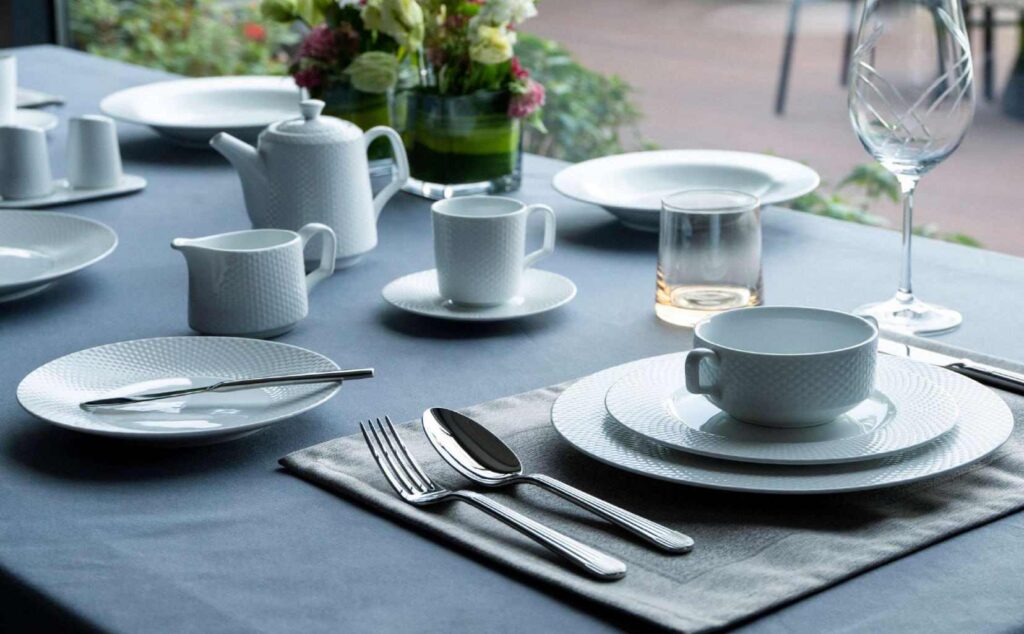
Bulk Dinnerware Ordering for Events: How it Works
So, how do we place dinnerware orders in bulk? Here’s a little guide on how to talk to the suppliers and grab the best deals.
The First Quote
When you place a dinnerware order, keep in mind that the price is rarely ever fixed. The first quote you get off the website or from the supplier themselves is usually just a test.
It’s their way of checking:
- How serious are you about placing the order?
- How price sensitive are you?
- Your knowledge of wholesale dinnerware pricing tiers.
If the seller senses you are uncertain or exhibiting any sign of one-off buying behaviors, they will protect their profit margin. So give them a feeling that you’re serious and plan your orders strategically.
That way, you can unlock better pricing, negotiate shipping, and take full advantage of volume discounts.
Structure the Conversation
When you are negotiating with the sellers, don’t attack their quoted price. Instead of saying it’s too high, ask them questions as a knowledgeable buyer.
Ask them these questions:
- How does the price change if I order a larger quantity?
- What would the unit cost become if I plan future orders with you?
- Can adjustments to packaging or lead time reduce the overall cost?
This way, you’ll be protecting their reputation as well as margins. As a result, you are likely to get more structural concessions.
Trade Certainty for Cost
Suppliers want predictability in the deal. They are never going to squeeze their margins. When you understand this, you can gain the upper hand in the negotiation.
Ask them direct questions mentioning clear quantities you want to purchase instead of referencing flexible ranges. Talk about firm timelines instead of vague details.
Then mention consolidated SKUs. When you talk about these specifics, you will sound like an informed buyer. You’ll become a priority lead who is actually there to make the real deal and not to waste their time.
This will up your chances of getting the best deals possible from them, too.
Use Silence As a Negotiation Tool
Another great tactic to win at negotiations is to use silence or a pause. Do not respond immediately to the offer. In fact, wait or pause before you respond.
What happens when you do that is that suppliers assume you are comparing options. This way, your chances of receiving a quote revision increase.
Remember that negotiation is not a one-time win. Usually, you get the top offers on your second or third order. That’s because, by that time, you are established as a high-volume buyer that the suppliers will want to retain.
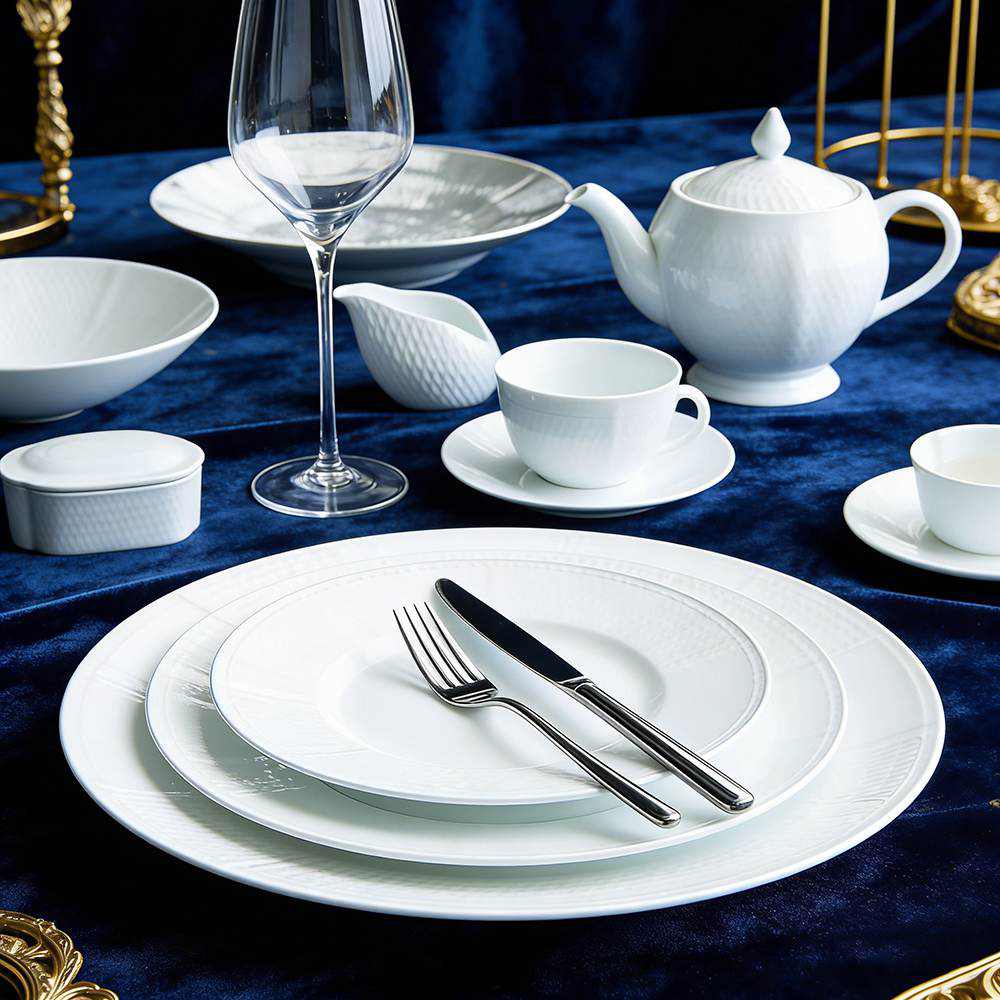
Factors to Consider Before Placing Your Bulk Dinnerware Order
Instead of rushing to place your order, take a strategic pause. Of course, it’s natural to feel drawn to the first supplier who comes your way. You may feel rushed to take up the cheapest offering, too.
But before you confirm your purchase, consider these elements so you get the best value and avoid hidden costs.
Annual Volume and Storage Capacity
First, calculate how many bulk event plates you actually need for the year. Calculate the demand for seasonal peak times and any high-demand events you’re expecting through the year.
This approach keeps you from overestimating the requirement. Buying too much could tie up unwanted capital in the inventory. Too little can lead to placing rushed orders later on, which, of course, become more costly.
So make sure you plan out your annual volume first. Then, negotiate with the supplier so you can get a better price and avoid last-minute ordering costs.
Plate Specifications and Customization
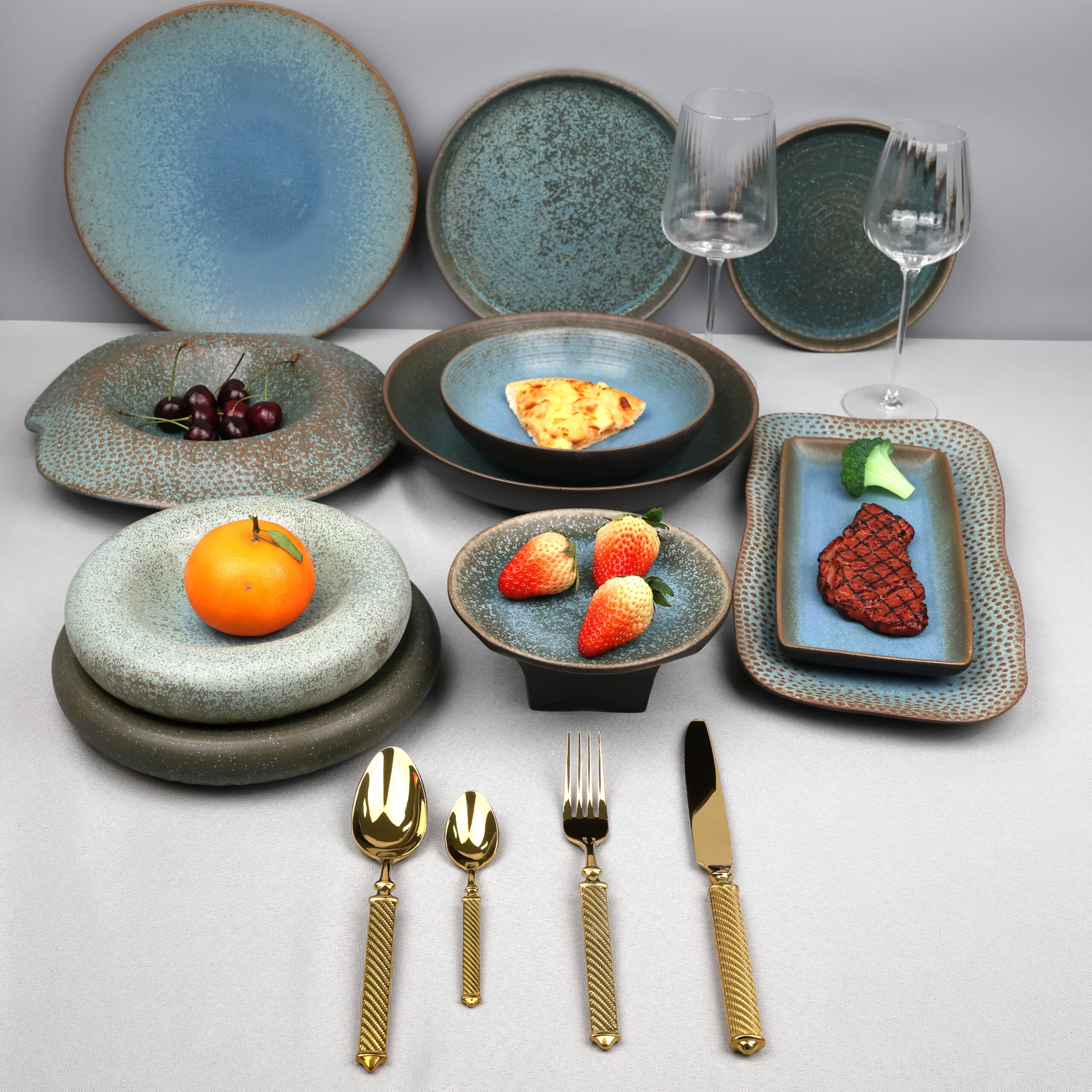
Next, think of the material for the dinnerware you want. Porcelain and stoneware are usually preferred due to their elegance and durability. But these are more expensive than melamine and tempered glass alternatives.
So, for high-volume events, maybe going for tempered glass and melamine will be a more affordable option. But if you want lasting convenience and have to cater for high-value events, porcelain is the best option.
Order quantities according to your business needs. Factor in expected guest numbers, event frequency, and storage capacity. This way, you will strike a balance between cost and quality.
Then, if you want customization like placing brand logos on the dinnerware, ask the supplier. But keep in mind, it will increase the lead time and MOQ.
Supplier Reliability
When you are placing the order, price should not be the only factor to consider. Always choose a reliable supplier with a history of consistent deliveries and responsiveness.
In fact, finding a supplier with low defect rates and consistent offers is worth it even if they come at a slightly higher price.
Lead Times and Seasonal Constraints
Producing and shipping bulk orders takes time. The lead time is the total duration of an order from the time it is placed to the time it is delivered. It includes the time for order processing, production, quality checks, and transportation.
The timeline can vary depending on how complex the product is and other factors like logistics and capacity.
Holidays, seasons, and peak manufacturing periods can further affect the delivery times.
Freight and Landed Costs
The unit cost of the wholesale event dinnerware is actually just one part of the total cost you’ll be paying for your order. There are other costs involved, too, that become part of your order. These include freight, insurance, customs duties, and handling charges.
These added up can increase the landed cost per plate.
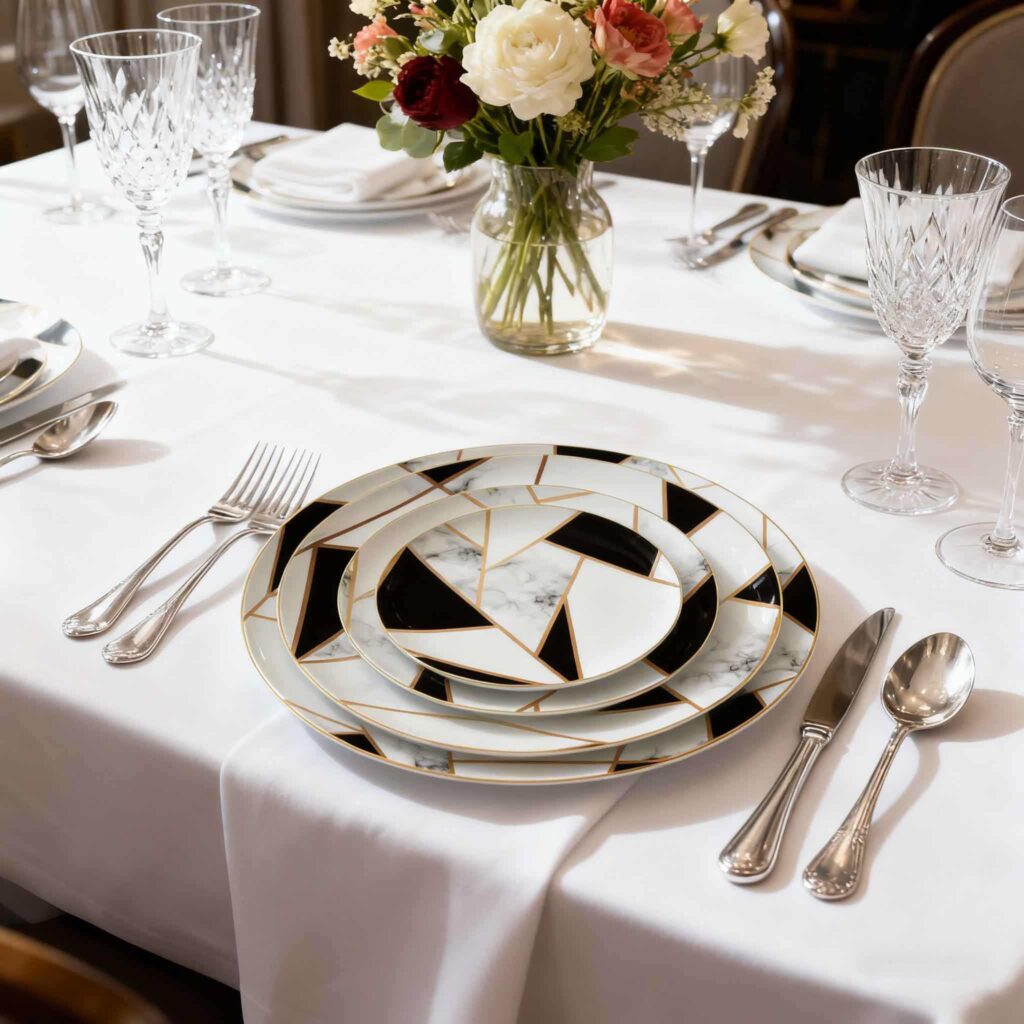
Types of Bulk Dinnerware Suppliers
When you look for suppliers for bulk dinnerware ordering, you’ll come across many manufacturers, distributors, and importers.
Here’s the difference between the three:
Supplier | Benefit | Trade-off |
Direct Manufacturers | Offer the lowest per unit cost and flexible MOQs |
l Usually situated overseas. l Take longer shipping times l Language/logistics barriers
|
Distributors | Keep local stock, so you have a faster turnaround. |
l Higher unit cost l Limited customization
|
Importers/Wholesalers | One-stop shop for bulk orders. You can buy from multiple manufacturers, and they handle freight and compliance |
l Higher MOQs l High price markups |
How to Find the Right Supplier for Bulk Dinnerware Orders
Finding the right supplier for bulk ordering is the most important step. It’s not just about getting bulk event plates but also about getting them at reduced rates and the top quality you can consistently order in the future, too.
Identify Suppliers
The first stage is to look for suppliers who can meet your volume, quality, or customization requirements. You can find them at trade shows, online marketplaces, or industry directories.
Simply make a list of the top options and reach out to request quotes, samples, and other production details.
You can filter them by their certifications or customization capabilities and narrow down a list of credible manufacturers.
Check Certifications
The supplier you choose should be consistently able to deliver high-quality products while meeting the timelines and compliance matters. To check credibility, take a quick look at their certifications.
A few good certifications to look out for include:
- BSCI: for social compliance and ethical production
- ISO 900: Quality management standard
- Third-party test reports: These ensure food contact safety (e.g., EC No 1935/2004)
- Compliance with EU or FDA food safety standards
- Verified materials like glassware, porcelain, and stainless steel
Compare Value
Ask the supplier for detailed quotes, including high-volume discounts and repeat order benefits. Ask them if they offer any bundled shipping deals, too.
Then they must be able to provide flexible shipping options with clear timelines.
Another very important consideration is the response rate. The best suppliers are highly responsive and immediately handle inquiries and claims against defective items.
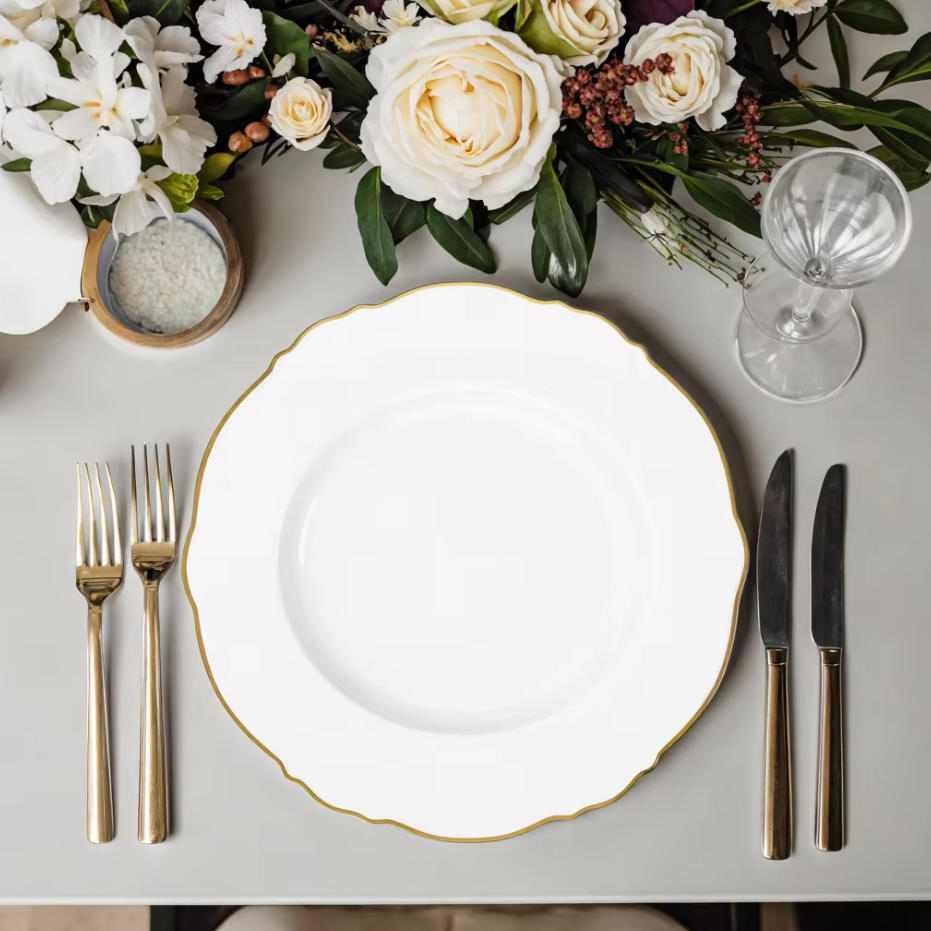
How to Place a Bulk Dinnerware Order
Buying wholesale dinnerware in bulk from the first website or vendor you come across will likely get you the highest rates. At times, it will also compromise the quality.
Here’s a step-by-step process for ordering bulk dinnerware from a supplier as an informed buyer:
- Step 1: Confirm the MOQ and other specifications like material, size, finish, and any customization features you want in the dinnerware.
- Step 2: Always ask for a sample before you order the entire production. Inspect it for color, durability, finish, and other specifications before you finalize your order.
- Step 3: Issue the Purchase Order (PO) that includes details like order quantities, price, delivery dates, payment terms, and shipping information.
- Step 4: Stay in touch with your supplier, especially during the manufacturing process. Ask them for photos or small batch inspections so your order can progress as specified.
- Step 5: Before the goods leave the factory, check with the supplier if the packaging is sufficient for safe transport.
- Step 6: Once you receive the shipment, inspect it for defects or color variations. Document transit damage is any, and file the claim if needed as per your contract.
Tips for Working With Suppliers
Whenever you choose a new bulk event plates supplier, make sure you do your due diligence. Here are some tips that’ll help:
- Do not make 100% prepayments to unknown or new suppliers
- Get multiple quotes to get a competitive and better price.
- Always ask for samples and inspect the quality before making the final payment.
- Always document payment schedules and penalties for defects or delays in the terms of the contract.
- Do not offer long payment terms to a new supplier. That can lock up capital and risk future deals if expectations aren’t met.
Wrap Up
When you’re thinking of bulk dinnerware ordering, it’s not about picking the right supplier, but finding a strategic partner.
This way, you’ll not only get better price deals but also lower the risks of ordering. Partnering with them gives you an upper edge in negotiations while giving your business a competitive advantage.
So, if you’re ready to take on every upcoming event with confidence and backup, check out Brett’s durable and customizable dinnerware today. Make every table tell a story and stand out just the way you want.