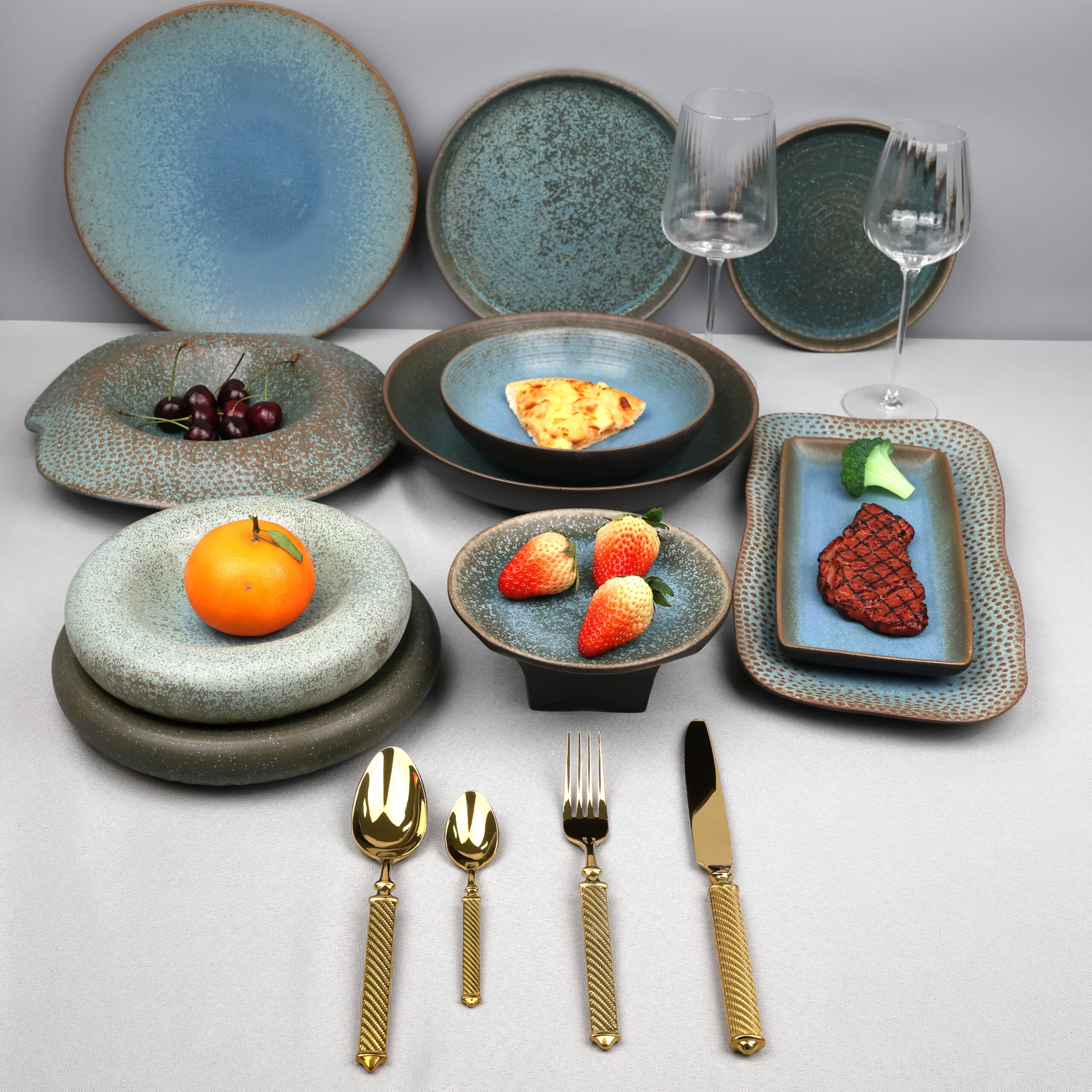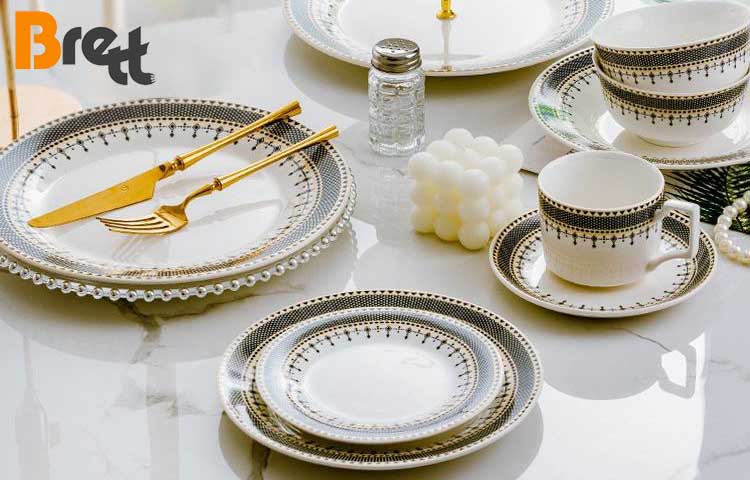
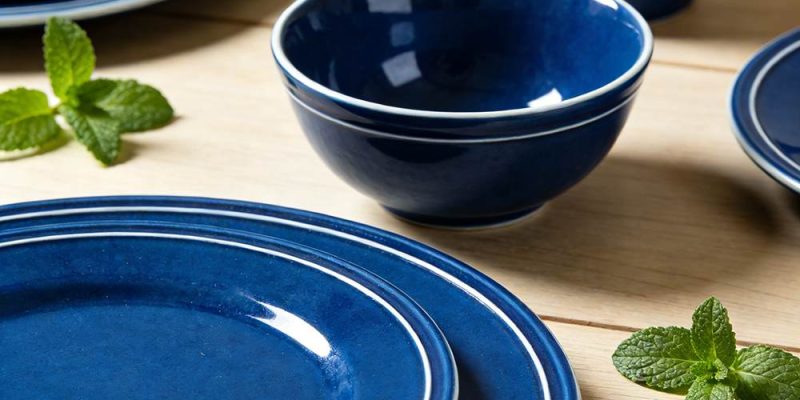
When choosing dinnerware, color is far more than an aesthetic decision. It influences appetite, perception of food quality, table ambiance, and even brand identity for restaurants and hospitality businesses. Among all color options, blue ceramic dinnerware stands out as both timeless and controversial.
This raises an important question for buyers, designers, and restaurateurs alike:
– Is blue a good color for dishes?
The answer depends on psychology, culture, cuisine type, and practical usage. In this guide, we explore the design logic, science, advantages, drawbacks, and best-use scenarios of blue ceramic dinnerware.
Why Blue Ceramic Dinnerware Has Enduring Appeal
Blue has been used in ceramics for centuries, long before modern dining trends existed. From Chinese blue-and-white porcelain of the Ming Dynasty to European Delftware, blue has historically symbolized refinement, trust, and craftsmanship.
According to Wikipedia’s overview of blue-and-white pottery, cobalt blue was favored because it remained stable under high kiln temperatures, making it ideal for ceramic decoration.
Today, blue ceramic dinnerware continues to appeal for several reasons:
- It pairs naturally with white porcelain bases
- It works across traditional, coastal, and modern aesthetics
- It conveys calm, cleanliness, and sophistication
- It photographs exceptionally well (important in the Instagram era)
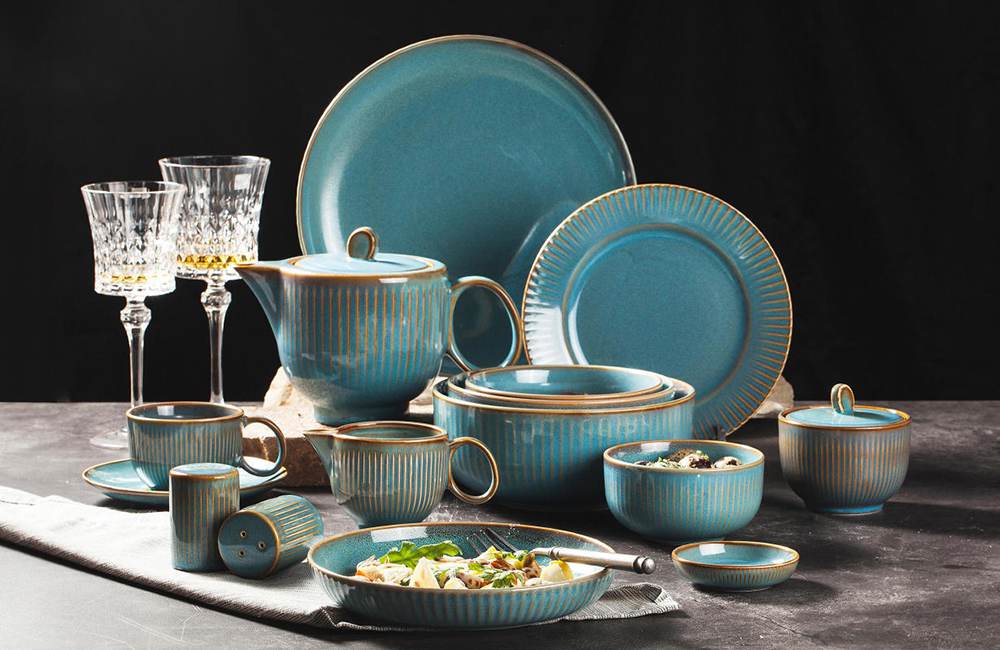
Is Blue a Good Color for Dishes? The Psychology Explained
Color psychology plays a crucial role in dining experiences. Research in environmental psychology and food science suggests that color can influence appetite and taste perception.
Blue and Appetite
Blue is often described as an appetite-suppressing color, largely because naturally blue foods are rare. According to color psychology studies summarized by Wikipedia’s article on color psychology, blue is associated with calmness, stability, and restraint rather than stimulation.
This leads to a common concern:
– Does blue dinnerware make food less appealing?
The answer: Not necessarily.
How Blue Dinnerware Affects Food Presentation
While color psychology suggests that blue can suppress appetite, this isn’t necessarily true for plates. It depends on both the color combination of the food and the plate’s design. Blue tableware can positively impact our dining experience through these two factors.
1. Color Combination of Tableware and Food
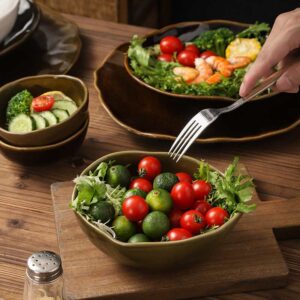
Blue ceramic tableware pairs exceptionally well with foods in contrasting colors:
- White or beige dishes (pasta, risotto, seafood)
- Warm-toned foods (roasted meats, roasted vegetables)
- Vibrant garnishes (green, red, yellow)
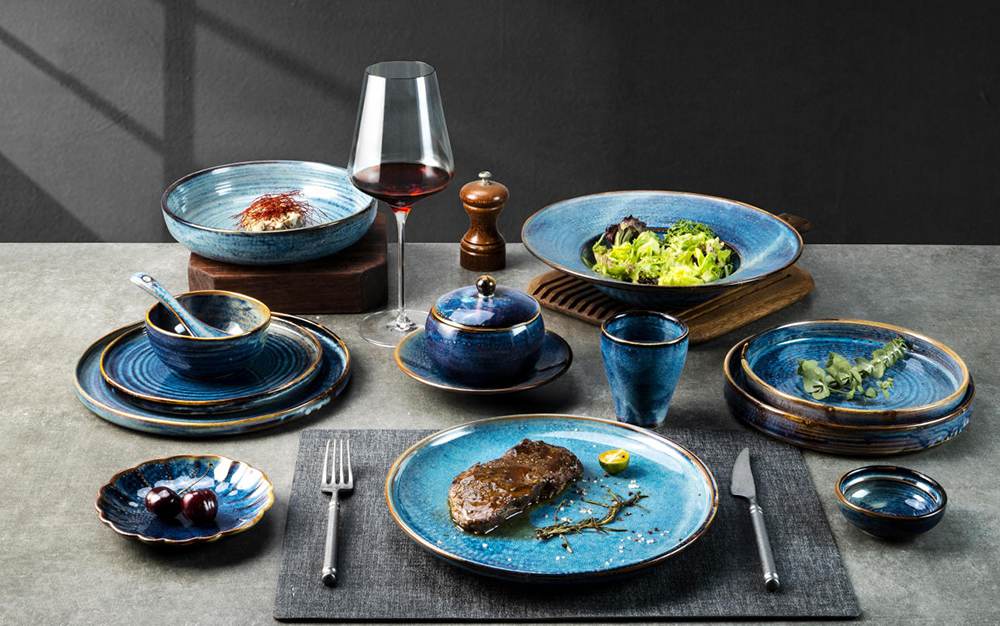
In professional food presentation, contrast enhances visual appeal. Dark blue plates, in particular, can make lighter-colored foods appear more refined and carefully prepared.
2. Blue Tableware Design Enhances a Premium Feel
Consumer behavior research shows that even with smaller portions, darker or cooler plate colors can improve people’s perception of food quality. Therefore, the blue plate is the choice of many high-end restaurants, fine seafood cuisine, and some themed restaurants and hotels, such as Michelin-starred restaurants, boutique hotels, and some restaurants with seafood and ocean themes.
The Cultural Connotation of Blue in Tableware
Color perception is not universal. Different countries, cultures, and ethnicities have different understandings of color. Below are the meanings of blue in different regions:
- East Asia: Blue symbolizes harmony, eternity, and refinement (especially evident in Chinese porcelain).
- Europe: Associated with tradition, trust, and elegance.
- Mediterranean Region: Evokes the ocean, freshness, and coastal life.
- Modern Western Dining: Reflects minimalist and tranquil luxury.
Blue has relatively positive symbolism and meaning across different regions, making it a globally accepted color. Blue ceramic tableware is often considered a safe global choice for international hotel brands.
Advantages of Blue Ceramic Tableware
1. Timeless and Classic Design
Blue is a globally inclusive color, evokes feelings of comfort, and is one of the most popular colors. It pairs well with food (especially seafood), making it a timeless choice for tableware design.
2. Ideal for the Catering Industry
Blue plates are better at concealing minor stains, dishwashing marks, and food residue than pure white (of course, this doesn’t mean restaurants can be lazy with cleaning; hygiene is still very important). Therefore, blue tableware is ideal for high-traffic dining environments. Even with frequent use, minor imperfections won’t be as noticeable, and it’s more durable than pure white tableware.
3. Abundant Style Selection
Blue ceramic tableware is available in the following styles:
- Matte or glossy finish
- Active glaze
- Hand-painted or printed patterns
- Minimalist modern designs or classic edges
4. Distinctive Brand Image
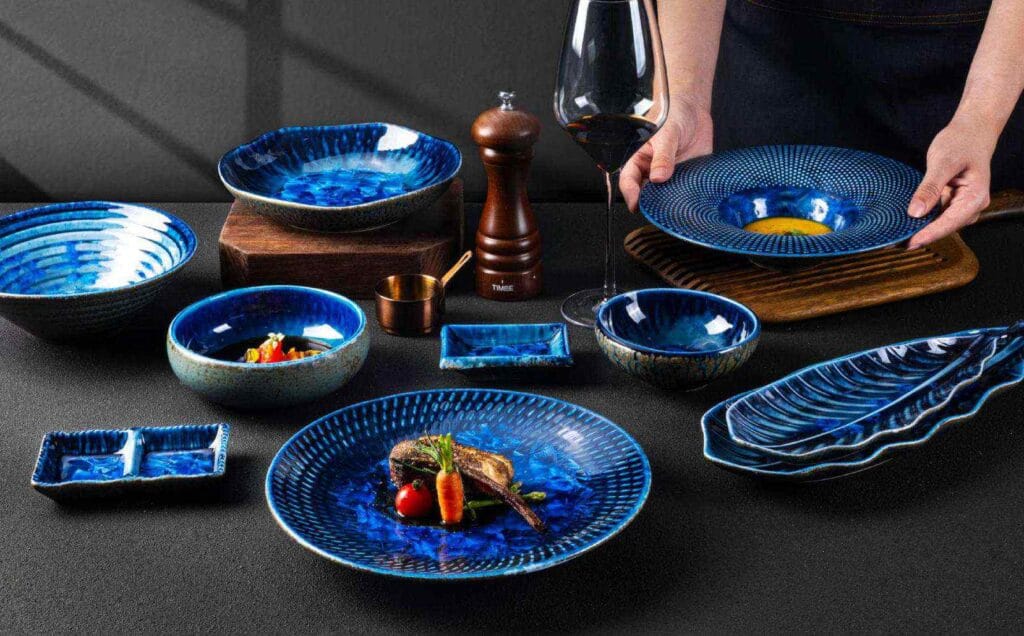
Blue, as a universally popular color, has a striking effect when used in tableware. Exquisitely designed blue tableware, such as the deep-sea blue ceramic tableware set from Brett’s high-temperature kiln change series, can create a striking impression, enhance the dining experience, elevate the ambiance of hotels and restaurants, and enhance the brand image.
Potential Drawbacks of Blue Dishes
To answer honestly whether blue is a good color for dishes, it’s important to acknowledge limitations.
1. Not Ideal for All Cuisines
Blue may not complement:
- Heavily brown or beige foods (some stews, gravies)
- Certain desserts where warmth is key
- Traditional cuisines emphasizing red or gold tableware symbolism
2. Appetite Perception Concerns
In casual dining or buffet settings, blue plates may feel less “inviting” than warm-toned alternatives like cream or ivory.
3. Shade Matters
Not all blues perform equally:
- Very dark navy may overpower small dishes
- Bright cobalt can feel too bold for minimalist concepts
- Muted or dusty blues tend to be the most versatile
Best Uses for Blue Ceramic Dinnerware
Restaurants & Cafés
Ideal for:
- Seafood restaurants
- Contemporary fine dining
- Coastal or Mediterranean concepts
- Chef’s tasting menus
Hotels & Resorts
Blue ceramic dinnerware works well in:
- Boutique hotels
- Breakfast service (especially with white food items)
- Poolside or seaside dining areas
Retail & Home Use
For consumers, blue dishes offer:
- Everyday elegance
- Easy coordination with neutral table linens
- A balance between decorative and functional design
Modern Trends in Blue Ceramic Dinnerware
Current market trends show a move toward:
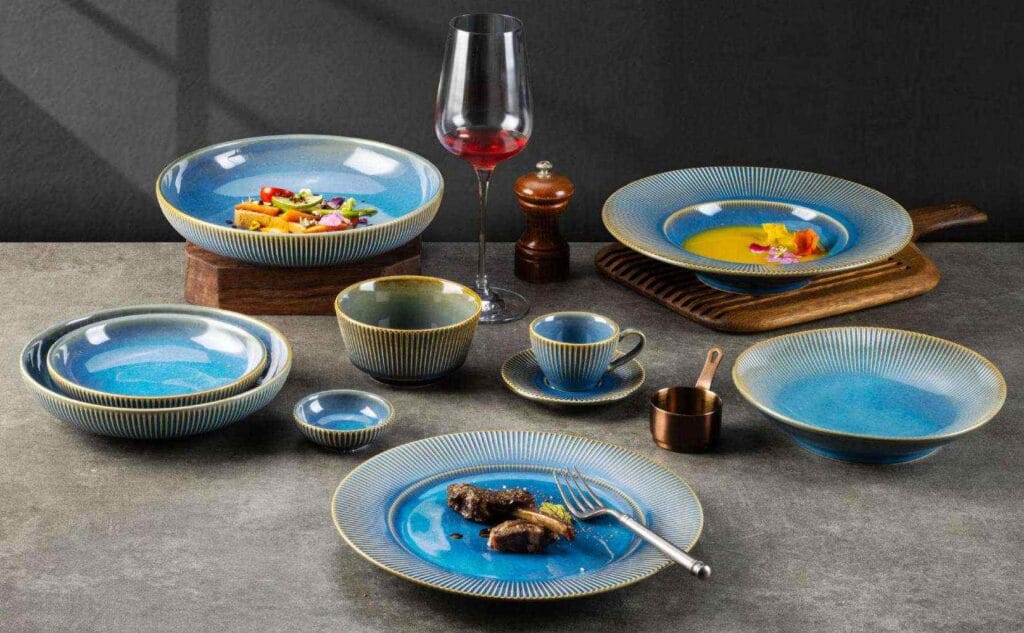
- Reactive blue glazeswith organic variation
- Matte blue stonewarefor modern aesthetics
- Blue-on-white minimal patternsinstead of heavy decoration
- Sustainable ceramic production, emphasizing durability and longevity
According to design trend analyses from hospitality sourcing platforms, blue remains one of the top three most specified dinnerware colors for modern restaurant projects globally.
Final Verdict: Is Blue a Good Color for Dishes?
Yes — blue is a good color for dishes, when used intentionally.
Blue ceramic dinnerware offers:
- Timeless appeal
- Cultural versatility
- Strong contrast for food presentation
- Professional credibility in hospitality settings
While it may not suit every cuisine or concept, blue remains one of the most reliable and elegant choices for both commercial and residential dining.
In short:
If you want dinnerware that feels calm, refined, and enduring — blue is not just a good choice, it’s a smart one.