Catering companies have tight margins. One great weekend might look profitable on paper, but then a stack of chipped plates or emergency replacements end up keeping your profits low. Dinnerware is one of those costs that people don’t think about until it starts causing problems. When you choose the right pieces from the start, you spend less over time, keep your presentation consistent, and avoid scrambling for replacements before a big event. That’s why wholesale dinnerware sourcing matters. Instead of cutting corners here, you need to choose dinnerware that works event after event, without dragging down your reputation or your profit margins. Let’s explore what works for catering companies and how to choose dinnerware that supports everyday business operations. Why Catering Companies Choose Wholesale Dinnerware When you run a catering business, you’re handling things much differently than a restaurant. You’re not plating the same meals in the same room every night. One weekend might be a 300-guest wedding, the next a corporate lunch, then a backyard celebration. Your dinnerware gets stacked multiple times and gets washed on repeat, only to go through this process again shortly. That is where wholesale purchasing changes everything. When buying dinnerware in volume, you’re not paying retail pricing for something you’ll use hundreds of times. You’re building a working inventory that supports your operations instead of draining it. For example, when you buy 1500 to 3000 place settings at once, you’re not just stocking your shelves. You’re locking in consistent color, shape, and quality across every event. This means you won’t have mismatched plates halfway through a season and no panic orders the week before a big booking. Wholesale dinnerware sourcing also gives you room to plan. You can account for breakage, build a replacement buffer, and know exactly what your cost per event looks like. That kind of predictability matters when your margins are tight and schedules are packed. Most importantly, wholesale sourcing gives catering companies control over pricing, availability, and their brand identity. But how does this play out? When your dinnerware is sourced this way, you no longer react to shortages or last-minute fixes. You know what you have, and you know what you can replace, and you know it will look the same every time it hits a table. This predictability keeps service running smoothly even on the busiest days. Catering Dinnerware Requirements vs Restaurants Catering and restaurant operations look similar from the outside, but the way dinnerware gets used is completely different. If you’ve ever packed up 400 plates at midnight after a wedding, you already know this. The demands are not just about how a plate looks on the table but how it survives the full cycle of transport, service, cleaning, and storage. Event-Based Use vs Daily Restaurant Service In a restaurant, plates come out for lunch and dinner, get washed, and return to the same shelves. Over time, the investment balances out because each plate gets steady, repeated use. Catering works differently. A plate might only touch the table once per event, but it gets handled a lot more. Think loading trucks, stacking racks, quick resets, and long wash cycles. For instance, a plate used at a 300-guest wedding might only see food once that night, but it’s handled by five people before and after service. So what does this mean for durability? You don’t need ultra-delicate china built for fine dining rituals. What you need is commercial-grade porcelain that can take repetition without getting stress cracks. For example, many caterers choose pieces rated for 1500 to 2000 wash cycles because that gives reliable performance across busy seasons. Because catering relies on volume, you can lean into smart compromises. A slightly heavier porcelain works well. White or cream tones stay flexible across themes. Branding matters less than consistency for catering companies. Guests remember clean presentation, not the logo under the plate. Specs That Actually Matter For a bulk dinnerware purchase, look for pieces designed for service. Here’s what to look for. Commercial porcelain rather than bone china Sizes around 10.5” for mains, 8 to 9” for salads, 6 to 7” for bread Tested durability with 1500+ wash cycles Food safety certification and commercial standards Low defect rates, so replacements don’t become a hassle This wholesale purchasing approach works because you build a system that holds up through 200 to 300 events a year. Volume Purchasing Strategy and Pricing If you run catering at any scale, volume is your biggest advantage. You just have to use it correctly. Buying dinnerware for one event at a time usually feels safe, but it costs more over the year. Wholesale purchasing flips that dynamic. Instead of reacting to breakage or shortages, you plan ahead and let volume work in your favor. How Wholesale Pricing Works Most suppliers price dinnerware in tiers. The more you commit upfront, the better the unit cost becomes. For example, once you cross the 1000 to 2000 piece range, pricing usually drops by 15 to 20%. Push past 3000 pieces, and those savings grow even more. At that level, suppliers start seeing you as a long-term buyer. This is where catering companies benefit from wholesale dinnerware sourcing. You already know that you’ll use the inventory. The volume isn’t a risk. Planning for Replacements Most catering teams start with 1500 to 2000 settings, then replace a few hundred pieces annually as wear happens. Smart operators negotiate replacement pricing upfront, usually in the $5 to $15 range per piece. That way, breakage never becomes a budget price. How to Negotiate Volume is your leverage. You need to ask for tiered pricing, extended payment terms, and locked-in pricing for future reorders. Suppliers expect these conversations. When you treat purchasing as a long-term relationship rather than a one-time buy, the numbers start working for you, and your margins breathe a little easier. Durability and Quality Testing Standards When you’re running catering at scale, you stop thinking about plates as “products” and start treating them as everyday tools. Some days, these plates
Top 10 Dinnerware Brand in Portugal Recommended
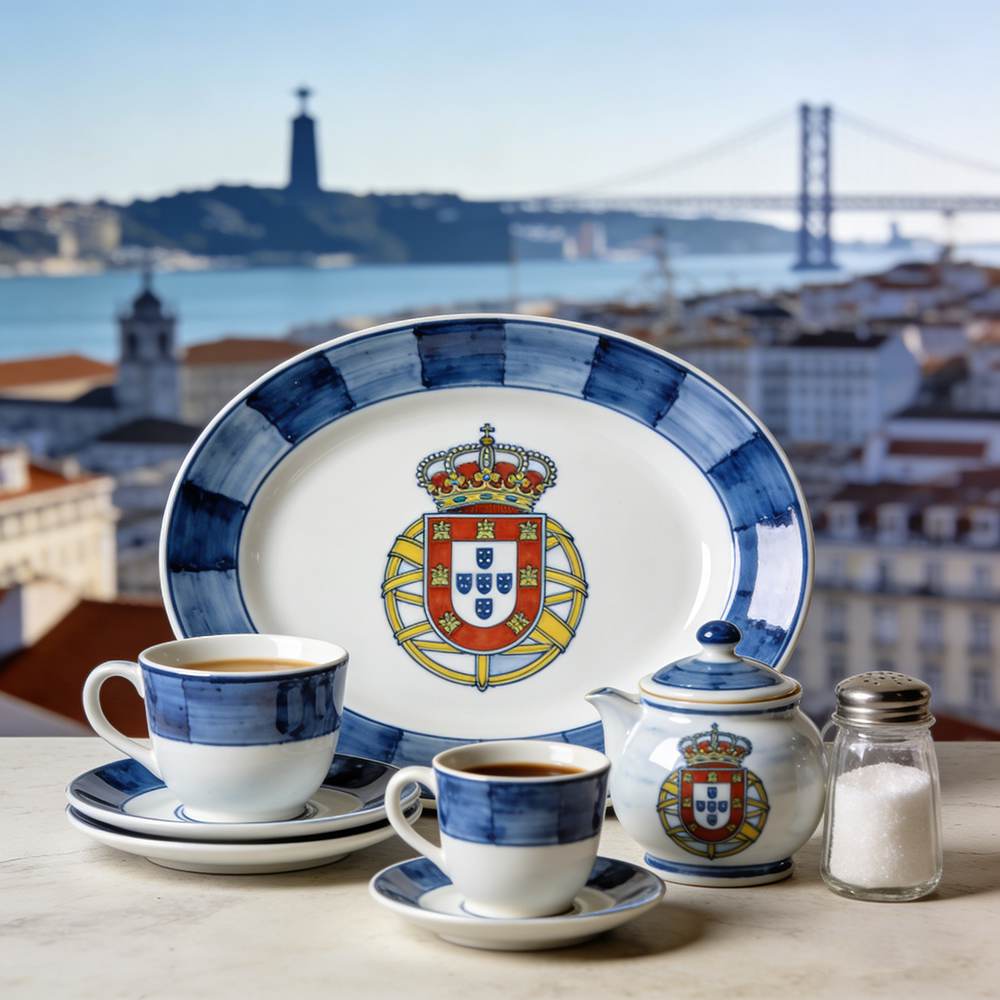
Portugal has quietly become one of Europe’s most respected ceramic hubs. While countries like France and the UK often dominate public attention, Portuguese dinnerware brands have earned global recognition for their balance of craftsmanship, design innovation, and manufacturing expertise. From fine porcelain used in luxury hospitality to relaxed stoneware favored by lifestyle brands, choosing the right dinnerware brand in Portugal means gaining access to centuries of ceramic tradition combined with modern production standards. In this article, we highlight 10 of the most reputable Portuguese dinnerware brands, widely trusted by hotels, restaurants, retailers, and international distributors. Why Portugal Is a Strong Source for Dinnerware Portugal’s ceramic industry benefits from several structural advantages: A long history of porcelain and stoneware production Skilled artisans and advanced kiln technology Strong export orientation to Europe, the US, and the Middle East Competitive pricing compared to Western Europe, with consistent quality For buyers comparing European craftsmanship with scalable global manufacturing, Portugal often sits between premium heritage markets and high-volume production countries. Dinnerware Brand in Portugal Recommended 1. Vista Alegre Founded: 1824Specialty: Fine porcelain, bone china, luxury tablewareWebsite: https://vistaalegre.com Vista Alegre is Portugal’s most iconic dinnerware brand and one of Europe’s oldest porcelain manufacturers. Known for refined craftsmanship and artistic collaborations, the brand supplies luxury hotels, royal households, and high-end retailers worldwide. Its collections blend classical elegance with contemporary design, making Vista Alegre a benchmark dinnerware brand in Portugal. 2. Porches Pottery Founded: 1998Specialty: Hand-painted artistic stoneware and porcelainWebsite: https://www.porchespottery.com/ Porches Pottery combines artistic creativity with traditional Portuguese ceramics. Each piece features hand-painted designs inspired by coastal life and Iberian culture. Exported to design boutiques and galleries around the world, Porches Pottery dinnerware embodies both functionality and artistic expression. 3. Costa Nova Founded: 1998Specialty: Stoneware dinnerwareWebsite: https://www.costanova.pt Costa Nova is widely recognized for its relaxed, coastal-inspired stoneware. Produced using high-fired clay, Costa Nova pieces are known for durability, organic shapes, and soft glaze finishes. The brand is especially popular in boutique hotels, casual dining concepts, and lifestyle retail markets. 4. Grestel Founded: 1991Specialty: Stoneware and porcelain dinnerwareWebsite: https://www.grestel.pt Grestel is one of Portugal’s most export-oriented ceramic manufacturers, supplying private-label and branded collections globally. The company invests heavily in sustainability, digital decoration, and advanced firing technology. Its flexibility makes Grestel a preferred partner for brands seeking design-driven Portuguese production. 5. Bordallo Pinheiro Founded: 1884Specialty: Artistic faience and earthenwareWebsite: https://bordallopinheiro.com Bordallo Pinheiro is famous for its bold, nature-inspired designs—think cabbage leaves, fruits, and animals sculpted into functional tableware. While less traditional than porcelain brands, Bordallo Pinheiro represents the artistic soul of Portuguese ceramics and is frequently featured in design-focused restaurants and retail collections. 6. SPAL – Sociedade de Porcelanas de Alcobaça Founded: 1965Specialty: Porcelain tableware for hospitalityWebsite: https://www.spal.pt SPAL focuses heavily on the professional HoReCa sector. Its porcelain collections are designed for durability, stackability, and consistent performance in hotels and restaurants. For buyers prioritizing function and long-term use, SPAL is a strong dinnerware brand in Portugal for commercial environments. 7. Porcel S.A. Founded: 1987Specialty: Fine porcelain and custom porcelain solutionsWebsite: https://www.porcel.com Porcel S.A. is a well-established Portuguese porcelain manufacturer with a strong reputation for quality, creative design, and technical excellence. Firing its porcelain at high temperatures yields bright white, shiny, and durable pieces that are exported worldwide. It also offers custom ceramic solutions, making it ideal for brands and projects requiring bespoke dinnerware. 8. Ceramirupe Founded: 1993Specialty: Porcelain and stoneware manufacturingWebsite: https://ceramirupe.com/ Ceramirupe operates primarily as a manufacturer for international brands, producing both porcelain and stoneware collections. Its strength lies in OEM/ODM capability and consistent quality control. This makes Ceramirupe a behind-the-scenes contributor to many globally recognized tableware lines. 9. Val do Sol Cerâmica Founded: 1995Specialty: Stoneware and ceramic tablewareWebsite: https://www.valdosol.com/ Val do Sol focuses on contemporary ceramic tableware with strong design flexibility. The company often collaborates with international designers and private labels, offering adaptable production solutions. Its collections suit modern restaurants and emerging lifestyle brands. 10. Cerutil – Cerâmicas Utilitárias de Barcelos Founded: 1995Specialty: Decorative and functional ceramicsWebsite: https://pt.cerutil.com/ Cerutil blends traditional Portuguese decorative styles with functional dinnerware forms. The brand is known for hand-finished details and expressive glazing, appealing to buyers who value authenticity and craftsmanship. Portugal vs Global Dinnerware Manufacturing Portuguese dinnerware brands excel in: Design originality European quality standards Medium-scale manufacturing flexibility However, for buyers requiring very large volumes or aggressive cost control, comparing Portugal with overseas production is common. That’s why many sourcing teams evaluate European brands alongside guides such as dinnerware manufacturer in China recommended to build balanced supply strategies. Final Thoughts Choosing the right dinnerware brand in Portugal means investing in a blend of craftsmanship, cultural identity, and modern manufacturing reliability. Whether you’re sourcing for hospitality, retail, or brand development, Portuguese tableware offers a compelling alternative to traditional Western European markets—often with greater flexibility and competitive pricing.
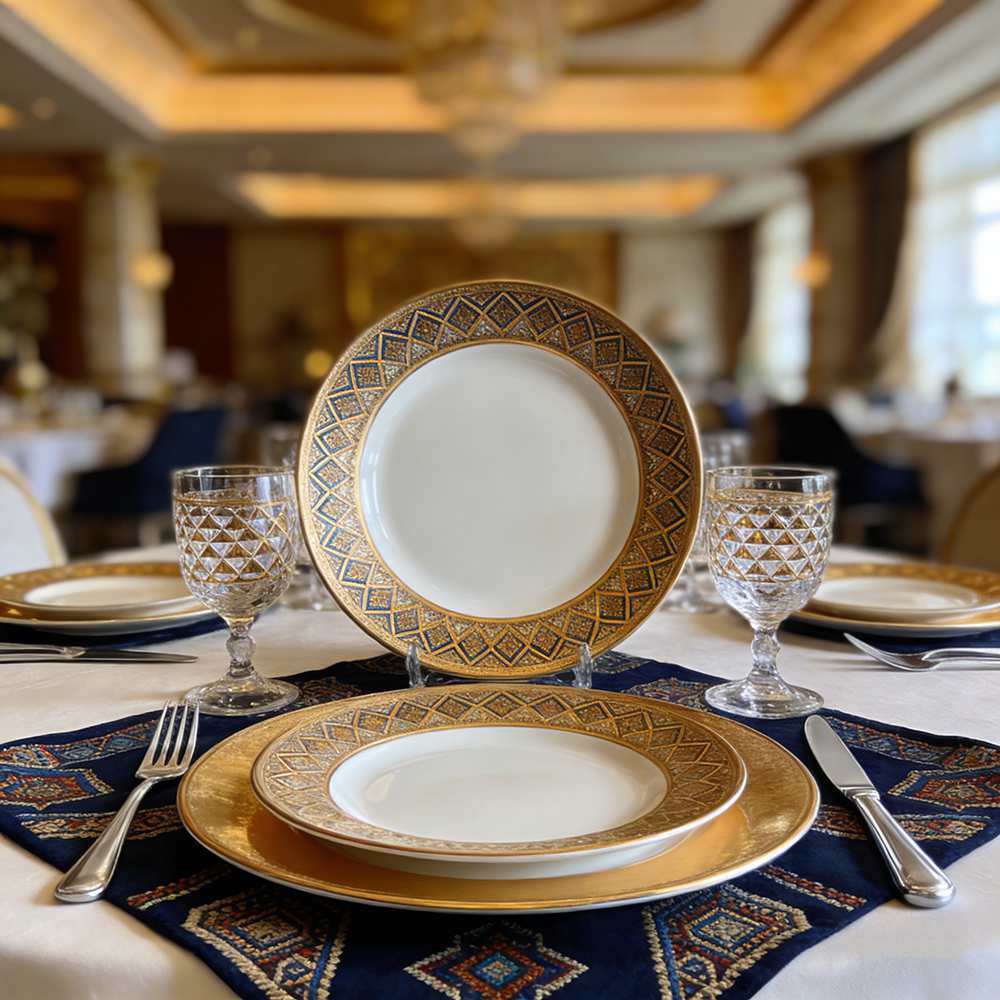
Hotel Catering Tableware Procurement in the Middle East
In a region where hospitality standards are high and competition is growing fast, tableware shapes the guest experience. Running a hotel in the Middle East means every detail is under the spotlight, especially at the table. Guests notice the plates, the glassware, and how everything comes together before the first bite. From luxury resorts to business hotels, the right choices help teams stay consistent, control costs, and deliver memorable service. This guide explores how thoughtful tableware selection supports both daily operations and long-term brand success. How Tableware Influences Guest Experience Walk into any hotel restaurant, and the first impression usually happens before the menu opens. It’s the table, the plate, the glass, and the way everything else feels pulled together. Guests notice the small details as these set expectations long before the food arrives. Across the Middle East, hospitality spaces are growing quickly, and competition is no longer just about location or design. Competition is about consistency now. Guests expect the same quality experience whether they’re dining in a beachfront resort, a city hotel, or a business lounge. When tableware looks thoughtful and well-matched, it builds confidence. When it feels random or worn, it does the opposite. What many teams discover over time is that tableware isn’t just a purchasing decision. It’s a branding decision. Plates, cups, and serving pieces are captured in guest photos, social posts, and memories long after the meal ends. When those pieces feel intentional, they reinforce the care behind the entire experience. There’s also a practical side you need to consider when sourcing dinnerware for hospitality. Hospitality teams manage busy service cycles, high turnover, and tight schedules. When tableware holds up well, and replacements match without hassle, operations run smoothly. When it doesn’t, small problems pile up fast. That’s where a more considered approach makes a difference. Working with a partner who understands hospitality needs, rather than just selling products, helps create consistency across locations, menus, and seasons. Material Selection: Bone China, Porcelain, and Stoneware in the Middle East Choosing the right tableware in the Middle East is less about trends and more about understanding how your space actually runs. A five-star hotel hosting gala dinners has very different needs than a resort serving all-day dining or a business hotel running breakfast at full speed. That’s why hotel tableware selection in the Middle East starts with materials. Let’s break down the three most common options on how they perform in hospitality service. Bone China: Refined, Lightweight, and Built for Premium Dining Bone china premium dinnerware is the first choice for fine dining and luxury hotels, as it looks delicate, but it is surprisingly strong. The material is fired at high temperatures and reinforced with bone ash, which gives it strength without bulk. Now, what does this mean in practice? Plates feel lighter in the hand, keep food warm a little longer, and present beautifully under soft lighting. That’s why bone china remains a favorite in fine dining restaurants, hotel tasting menus, and signature outlets. That said, it does require more care. Your teams need proper handling and storage routines, and replacement costs sit at a higher tier. For hotels focused on refined experiences and presentation, the trade-off usually makes sense. Porcelain: The Everyday Dinnerware Porcelain dinnerware continues to dominate hotel crockery procurement, especially in high-volume operations. It strikes a balance between durability and design flexibility, which is why many hotels rely on it for all-day dining, buffets, and room service. In the Middle East, white porcelain still leads, but warmer tones and subtle textures are becoming more common as properties look for character without sacrificing consistency. For many operators, this is the safest long-term choice when your durability, cost control, and visual consistency matter equally. Stoneware: Character With a Purpose Stoneware is becoming popular in lifestyle hotels and concept restaurants looking for something less formal. It has a tactile feel and a more organic look, which does work well for relaxed dining environments. It is also heavier and typically more scratch-resistant than other materials, but not always ideal for fast-paced operations or large banquets. Stoneware dinnerware works best when used intentionally, often as an accent rather than the entire set. The Sustainability Imperative: Why Durable Tableware Builds Value Over Time Sustainability in hospitality has changed. It’s no longer about making a statement. It’s about making smart, long-term decisions that reduce waste, bring the costs down, and still feel good to guests. By sustainability, we mean how things perform over the years of use in hospitality. Responsible Choices Most travellers today expect responsible choices as part of the dining experience. In fact, a large majority of guests now prefer brands that take sustainability seriously, especially in hospitality. Now that doesn’t mean every guest will be asking you about sourcing, but they will definitely notice the quality, care, and consistency. A chipped plate or mismatched set sends a negative message. On the other hand, well-kept pieces represent care, investment, and professionalism. Reduces Waste Single-use and short-lifespan tableware contribute significantly to global waste. Disposable tableware alone accounts for tens of millions of tons every year. While biodegradable options are growing, durable and premium dinnerware performs better in the long term. High-quality porcelain or bone china can last 5 to 10 years in active service. That means fewer replacements, fewer shipments, and far less material ending up in landfills. Over time, durable tableware becomes the more sustainable choice, even if the upfront cost feels higher. Cost Over Time Sustainability shows up on your balance sheet. Cheaper pieces chip faster, leading to constant reorders, higher logistics costs, and inconsistent presentation. Premium tableware spreads its value over years of use. Hotels that invest in durable collections also benefit from easier inventory management and fewer emergency purchases. Also, let’s consider staff training. When teams understand how to handle and store quality pieces, breakage drops noticeably, often by double-digit percentages. Builds Brand Trust Guests may not ask what a plate is made of, but they notice when everything feels considered. Thoughtful tableware supports a sense
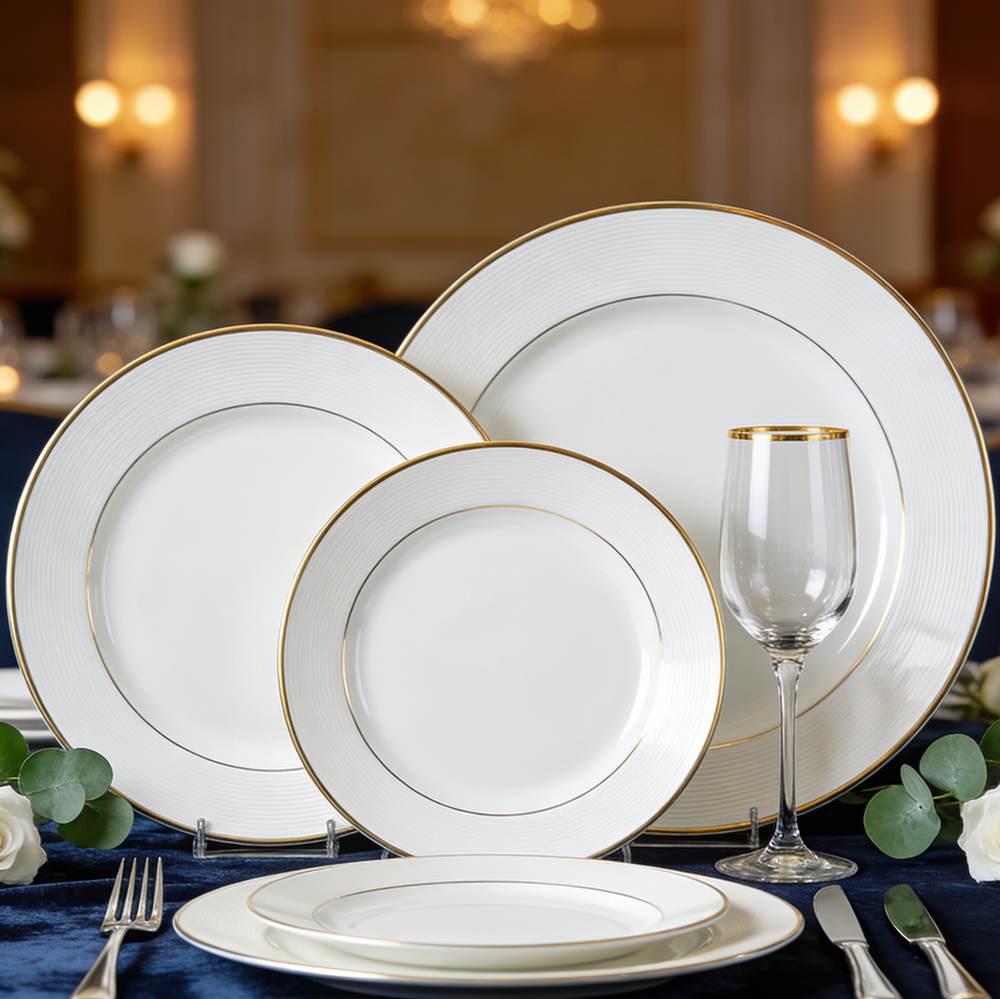
Banquet Hall Dinnerware: Selecting Durable, Elegant Tableware for Events
If you run a banquet hall, one weekend you’re hosting a wedding for two hundred guests, the next it’s a corporate dinner, then maybe a birthday or a conference lunch. Every event looks different, but the plates still need to hold up through all of the events. They get stacked, washed, and reused constantly. That’s why choosing banquet hall dinnerware is about finding pieces that can handle service without becoming a problem six months later. Let’s talk about what actually works in banquet settings and how the right dinnerware choices save time and money. Dinnerware Requirements by Banquet Type Plates need to look good enough for weddings and galas, but tough enough to survive back-to-back events, quick turnovers, and busy staff. What works beautifully for one type of venue can feel completely wrong for another. That’s why banquet dinnerware choices usually come down to how the space is used day to day, not just how it looks in photos. Here’s how different banquet settings usually approach dinnerware and why the right fit makes such a big difference over time. Luxury and Fine-Dining Banquet Halls In upscale venues, presentation carries weight. Guests notice details even if they cannot explain why something feels polished. This is where bone china fits best. It feels refined in the hands, photographs beautifully, and holds up well when cared for properly. These spaces usually choose classic shapes and soft tones like white, cream, or ivory. Subtle logo placement or a gentle rim detail adds identity without pulling focus from the food. While this category sits at a higher price point, the durability and visual consistency justify the investment over the years. Contemporary and Upscale Event Spaces Contemporary and upscale venues usually host a mix of weddings, corporate dinners, and private events, so flexibility really matters. Premium vitrified porcelain works well here because it’s durable without looking heavy or overly formal. Slightly larger plates give chefs more room to play with presentation, while neutral shades or soft signature colors make it easy to adapt the table to different themes without starting from scratch. Casual and Multi-Purpose Banquet Halls High-volume spaces need reliability first. Commercial-grade porcelain is the practical choice. It handles frequent washing, quick resets, and constant movement without fuss. These venues usually stick to simple shapes and familiar colors that work across many event types. Custom branding is minimal or optional, focusing more on longevity than detail. The goal here is consistency, easy replacement, and plates that perform well even when the schedule is packed. Quick Comparison: Dinnerware Choices by Banquet Type The right dinnerware choice usually comes down to how often you host events and how polished you want the experience to feel over time. Here’s a quick summary. Banquet Type Best Material Look and Material Durability Best For Luxury / Fine Dining Bone China Soft, elegant, refined High Weddings, galas, premium events Contemporary / Upscale Premium Porcelain Clean, modern, versatile Medium-high Corporate dinners, upscale socials Casual / Multi-Purpose Commercial Porcelain Simple, practical, reliable High High-volume events, community halls Critical Specifications and Durability Standards When you’re choosing banquet hall dinnerware, looks matter, but performance decides everything. Plates in event spaces go from storage to service to wash racks, sometimes multiple times in one day. That’s why durability standards matter just as much as design when choosing banquet plates or event tableware. What Banquet Hall Dinnerware Needs to Handle Durability isn’t optional for banquet hall dinnerware, as they host frequent events. Plates should comfortably survive thousands of wash cycles without losing their finish or strength. A good benchmark is dinnerware built for long-term use, not seasonal service. Thermal tolerance also matters more than most people expect. Plates regularly meet hot entrees, warming lamps, and rapid temperature changes. Materials that handle heat smoothly prevent cracking and stress damage. Non-slip bases are another consideration. They keep plates steady on linen-covered tables and reduce accidents during fast-paced service. Strong edges also matter because most damage happens during stacking and clearing. Why These Details Matter in Service Banquet halls run several events per week, sometimes back-to-back. That means plates are handled by different teams, washed repeatedly, and stacked quickly. A chipped rim or cracked edge during service does more than cause inconvenience. It disrupts the presentation, slows the staff, and breaks the flow of an event that guests paid for. Durable banquet plates maintain consistency even when staff changes or schedules get tight. When replacements match, the room still looks polished months or years later. Safety, Certification, and Long-Term Reliability Commercial dinnerware should meet food safety standards and be built for professional use. FDA compliance is essential for food contact. Certifications like NSF or ISO show that manufacturing follows a consistent quality system, which matters when reordering years later. Customization, such as logos, colors, and finishes, should be applied in ways that last through washing and daily use. Most importantly, your supplier should be able to reproduce the same look long after the first order, so your banquet hall never feels mismatched. The Complete Table Setting Ecosystem When people picture a banquet setup, they think of the plate first. But in event spaces, the plate is just one part of a much bigger picture. What guests actually experience is the full table setting working together. When the event element feels connected, the whole room feels intentional. A complete table setting usually includes more than just dinnerware. It’s the mix of shapes, finishes, and textures that sets the tone for the event. What a full tableware setup usually includes: Dinnerware foundation:Dinner plates, salad plates, bread plates, and soup bowls from the base. These pieces carry the food and set the visual mood from the first course to the last. Charger plates: Often glass or metallic, chargers add depth and presence to the table. They sit beneath the dinner plate and instantly elevate formal events or weddings. Flatware: Stainless steel in polished, matte, or brushed finishes. The weight and feel matter more than people realize, especially during long seated meals. Glassware: Water
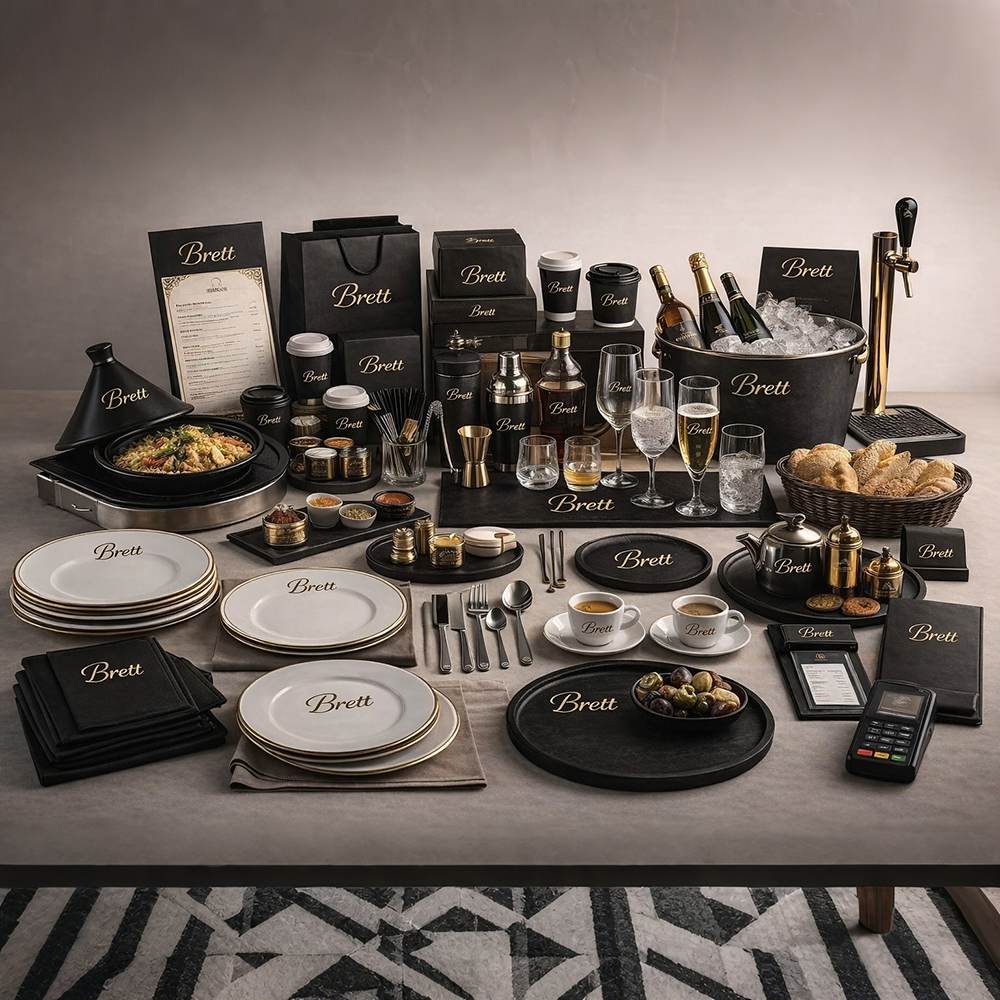
Complete One-Stop Sourcing Solutions for Coffee Bar and Catering Chains
Running a coffee brand today means more than brewing good drinks. As locations grow, so does the pressure to keep every cup, plate, and package feeling part of the same story. What starts as a simple tableware order quickly turns into a juggling act between suppliers, timelines, and brand consistency. Teams coordinate across cafes, kitchens, and storage rooms, all while trying to keep service smooth and visuals on point. That’s where sourcing stops being a task and becomes a business strategy. Let’s take a look at how coffee and catering brands approach long-term sourcing. The Multi-Supplier Challenge Coffee Brands Face Anyone who has opened a second or third cafe knows this moment. The first location runs smoothly, the plates look right, the cups feel right, and everything else looks aligned. Then expansion happens. Suddenly, one supplier handles cups, another handles plates, and packaging comes from somewhere else, and then nothing quite matches anymore. The glazes don’t match, the cup weight feels different, and the napkins look like they belong to another brand altogether. This is where many coffee and catering brands start to feel the difference in fragmented sourcing. A supplier comes with its own timelines, minimum orders, and quality standards. Managing those relationships takes time, and small inconsistencies begin to show up across locations. What once felt cohesive slowly turns uneven. There’s also the cost consideration. Ordering in smaller volumes across multiple vendors often means higher per-unit pricing, repeated shipping fees, and more frequent re-orders. Teams spend hours tracking deliveries and chasing updates instead of focusing on service and growth. The global tableware and catering supplies market continues to expand, projected to grow from roughly $15 billion to over $23 billion in the coming years, which means more options, but also more confusion. That’s why many brands start looking for a simpler approach. One-stop sourcing brings the structure back into the process, and partners like Brett unify tableware, packaging, and presentation under one coordinated system that grows alongside your brand. Why Does One-Stop Sourcing Matter? When a coffee brand grows beyond one location, sourcing stops being a simple purchasing task and starts shaping your daily operations. What once felt manageable with one supplier per category quickly becomes harder to control as menus expand, teams grow, and expectations rise. One-stop sourcing brings structure to this complexity without limiting creativity. Centralized Sourcing When you work with one sourcing partner, things instantly fall into place. Instead of juggling emails from three vendors and tracking four delivery timelines, everything runs through one system. Cups, plates, packaging, and accessories come from the same supplier. Timelines are easy to keep up with. Updates come from one place. Your team spends less time coordinating and keeping track of sourcing. You save up time that you can invest in your guests, service, and growth. Cost Efficiency Through Consolidation When orders are grouped together, pricing becomes more predictable and easier to plan around. Brands with multiple locations see 15 to 25% savings simply by consolidating purchasing and avoiding last-minute re-orders. Fewer suppliers also mean fewer shipping fees, fewer minimums, and more stable budgeting across locations. Consistency Across Locations If you have a coffee shop chain with cafes in multiple locations, one-stop sourcing protects your visual identity. The tableware matches, and all other materials feel familiar from cafe to cafe. That consistency builds trust with guests and reinforces your brand recognition. It also helps you avoid mismatched replacements or discontinued items. Faster Decisions and Fewer Errors Think about how decisions usually happen in a cafe group. Someone asks a question. Someone else checks with the supplier. Then someone waits for a reply. Suddenly, a simple cup order turns into a week of messages. When you work with one sourcing partner for dinnerware, that loop gets shorter. You know who to ask. They already know your specs. You’re not explaining sizes, finishes, or brand colors every time something new comes up. That is exactly what happened with one European cafe brand we worked with. They started with custom ceramic cups. Once those were in use, the team realized they also needed matching glassware. Later, branded paper cups and packaging followed. Nothing felt like starting from scratch because the foundation was already there. This kind of consistency saves your time, reduces second-guessing, and lets your team focus on running the cafe instead of managing suppliers. From Cups to Complete Systems: What Can Be Customized When people hear “custom tableware,” they picture a logo on a mug and stop there. In reality, customization for coffee shops also covers every touchpoint for intentional branding. From the cup in a guest’s hand to the napkin beneath it, every detail plays a role in how the brand is experienced. This is where one-stop sourcing starts to show its value. Core Tableware Most brands begin with the essentials like cups, saucers, plates, and bowls. These pieces set the tone for everything else. Shape, weight, and glaze all influence how food and drinks feel in the hand and on the table. A thicker rim feels comforting for a cafe, while a thinner profile feels refined for a specialty concept. With partners like Brett, customization goes beyond surface decoration. Brands can adjust proportions, choose glaze finishes that photograph well, and ensure consistency across every batch. That matters when you re-order months later and expect everything to stack, match, and feel exactly the same. Specialty Glassware As menus change, many brands expand into specialty drinks. Iced coffees, signature teas, or seasonal beverages need heat-resistant or uniquely shaped glassware. This is where one-size-fits-all options fall short. Custom glassware allows cafes to support hot and cold drinks without compromising safety or aesthetics. In one European cafe project, the brand started with ceramic cups, then added heat-resistant glass once their beverage menu expanded. With the right sourcing partner, this customization and transition become seamless because the same partner handles both. Paper and Disposable Products Paper cups, sleeves, napkins, and packaging get treated as afterthoughts, but guests notice them instantly. Matching tones, textures, and finishes across
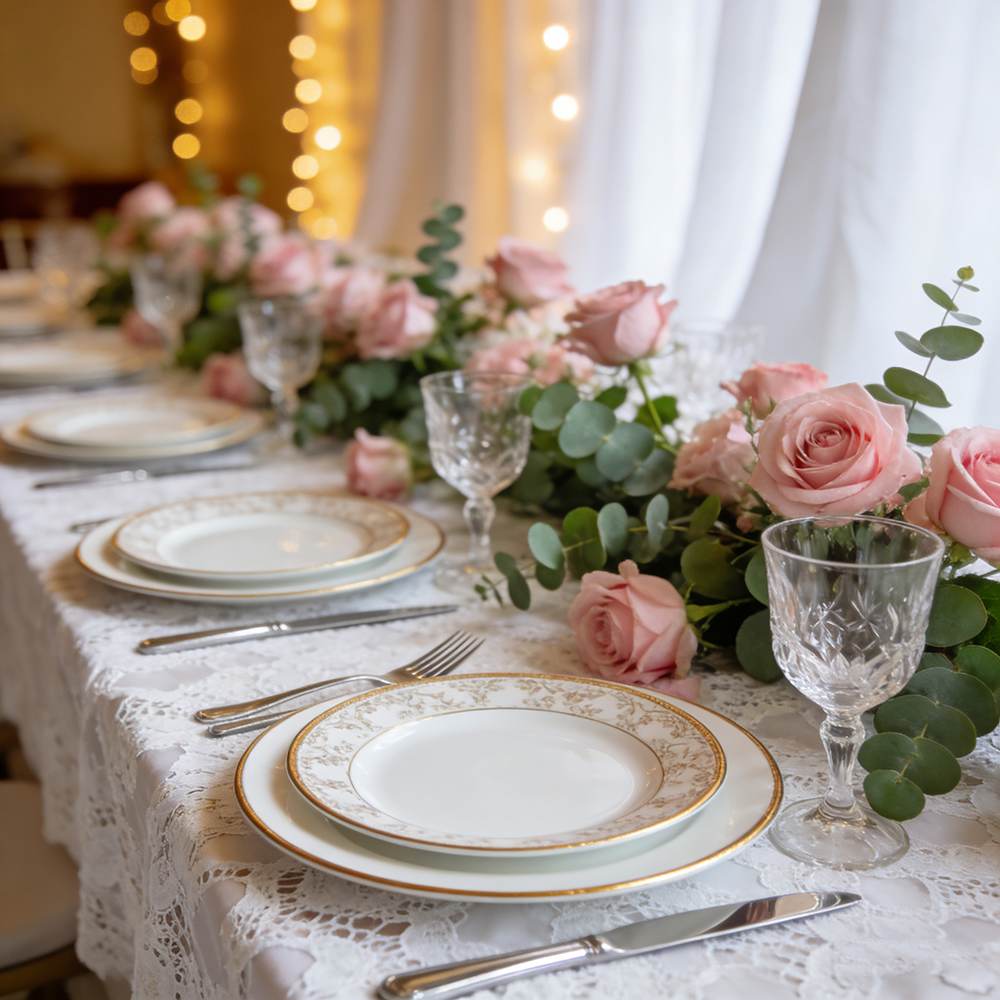
Wedding Venue Dinnerware Requirements: How to Choose & Supply for Your Venue
Weddings are beautiful. But when every detail is carefully planned, they become logistical pressure cookers! Surprisingly, most problems don’t come from the dress, decor, or photos. They come from the things usually treated like an afterthought, like the wedding venue dinnerware. At times, the plates run out during the ceremony. At times, the choice of the set is so wrong that the servings look too small or inadequate. We know the wedding dinnerware is not the star of the show. But it can have a silent yet strong impact on the experience and visual representation of the whole event. Why Dinnerware Matters Weddings are beautiful. But when every detail is carefully planned, they become logistical pressure cookers! Surprisingly, most problems don’t come from the dress, decor, or photos. They come from the things usually treated like an afterthought, like the wedding venue dinnerware. At times, the plates run out during the ceremony. At times, the choice of the set is so wrong that the servings look too small or inadequate. We know the wedding dinnerware is not the star of the show. But it can have a silent yet strong impact on the experience and visual representation of the whole event. Wedding Venue Dinnerware Materials There are different materials used to make the dinnerware. Each has its strengths and differences. The most common types of dinnerware you find on the shelves include: Material Durability Heat Retention Maintenance Breakage Risk Best For Porcelain High High Dishwasher safe and customizable glaze Low Formal indoor weddings Bone China Medium (fragile edges) Medium Recommended to wash by hand High Small guest count and premium venues Stoneware Very high High Dishwasher safe Low Outdoor and casual weddings Glass High Medium Shows fingerprints, scratches easily High Indoor contemporary venues Earthenware Low Medium Can stain if the glaze is compromised High Small, intimate weddings Disposable / Reusable Plastics High Low No cleanup risk, easy logistics Very low Large guest counts, outdoor events Porcelain Porcelain is non-porous and strong. It is manufactured at a very high temperature, which makes it dense and well able to handle heat. So, the serving remains warmer for longer. Porcelain dishes look very clean and are the safest choice to present the menu without any chaos in the background. Porcelain is ideal for formal indoor weddings and plated meals. It is also dishwasher safe, which minimizes the maintenance. It can also be customized with different glazes and designs, so venue tableware suppliers can match them with the event theme easily. Check out the beautiful range by Brett of custom porcelain dinnerware to suit your style and brand theme. Bone China Bone china dishes are lighter than porcelain. They are also a bit more expensive, but look very exquisite. So they are often the top serving choice in premium weddings. The downside is that the ends of these plates chip off quite easily. So during weddings where there’s a high risk of breakage, these are not the best choice. Stoneware Stoneware is thicker and heavier than porcelain. It has a kind of rustic look and a high tolerance for rough handling. All these factors make it the perfect choice for outdoor events. It can work really well in windy conditions. It can also hold heat longer than other lightweight materials, so food stays warm for longer. Then its natural, earthy texture goes really well in casual and semi-formal types of events. Glass Dinnerware Then we have the glass dinner plates and bowls. These look quite modern and aesthetic, but the only problem is that fingerprints and scratches are clearly visible on them. They easily break if dropped, and are not very forgiving of scratches. However, this type of dinnerware is a winner when serving in contemporary venues where you have experienced staff and the movement is contained. Earthenware Earthenware is porous but can also chip easily. Once the glaze is compromised, it absorbs moisture and stains, and doesn’t last long. However, it’s still very rustic and preferred in casual and artisan style weddings. The earthenware dinner sets are visually striking and can make the table look quite aesthetic. So you can use it for small, intimate types of events where you want the look to be perfect. But these are not ideal for heavy handling. Disposable and Reusable Alternatives Disposable and reusable plastics are the best at saving cleaning time. There’s zero risk of breakage, and these work well indoors as well as outdoors. Disposable dinner sets are no longer a budget option, but are also quite easy for logistics. They are best for those looking for practical solutions or to serve large guest counts at weddings, where you have fewer staff or serving facilities. How to Choose the Right Dinnerware for A Wedding Many people often make the mistake of choosing dinnerware based only on the theme of the wedding. That’s not the most important factor. When deciding which dinnerware to go for, consider these factors: Multicourse Meal Vs. Buffet First, you need to ask if the dinner will be a multicourse meal or a buffet. For a multicourse meal, you will need multiple-sized plates and chargers. Since each course will be presented individually, you might also need special serving pieces. For a buffet, you need heavier and more durable wedding reception plates. You need dinnerware that can be stacked and serve more people. Indoor Vs. Outdoor Next, you need to check whether the event is being held indoors or outdoors. For indoor weddings, you can use fine dining venue dishware like porcelain or glass. But outdoors, there’s always a risk of wind, uneven flooring, and distances. So you should go for something heavier and heat-resistant like stoneware. Table Space Assess the available table space too carefully. Keeping very large dishes (or too many) can overload the table. It looks cluttered and messy, which also increases the chances of spills and accidents. Always select serving pieces and plates that fit along the centrepiece and glassware. Make sure the guests have enough space to

Blue Ceramic Dinnerware: Is It a Good Dining Choice?
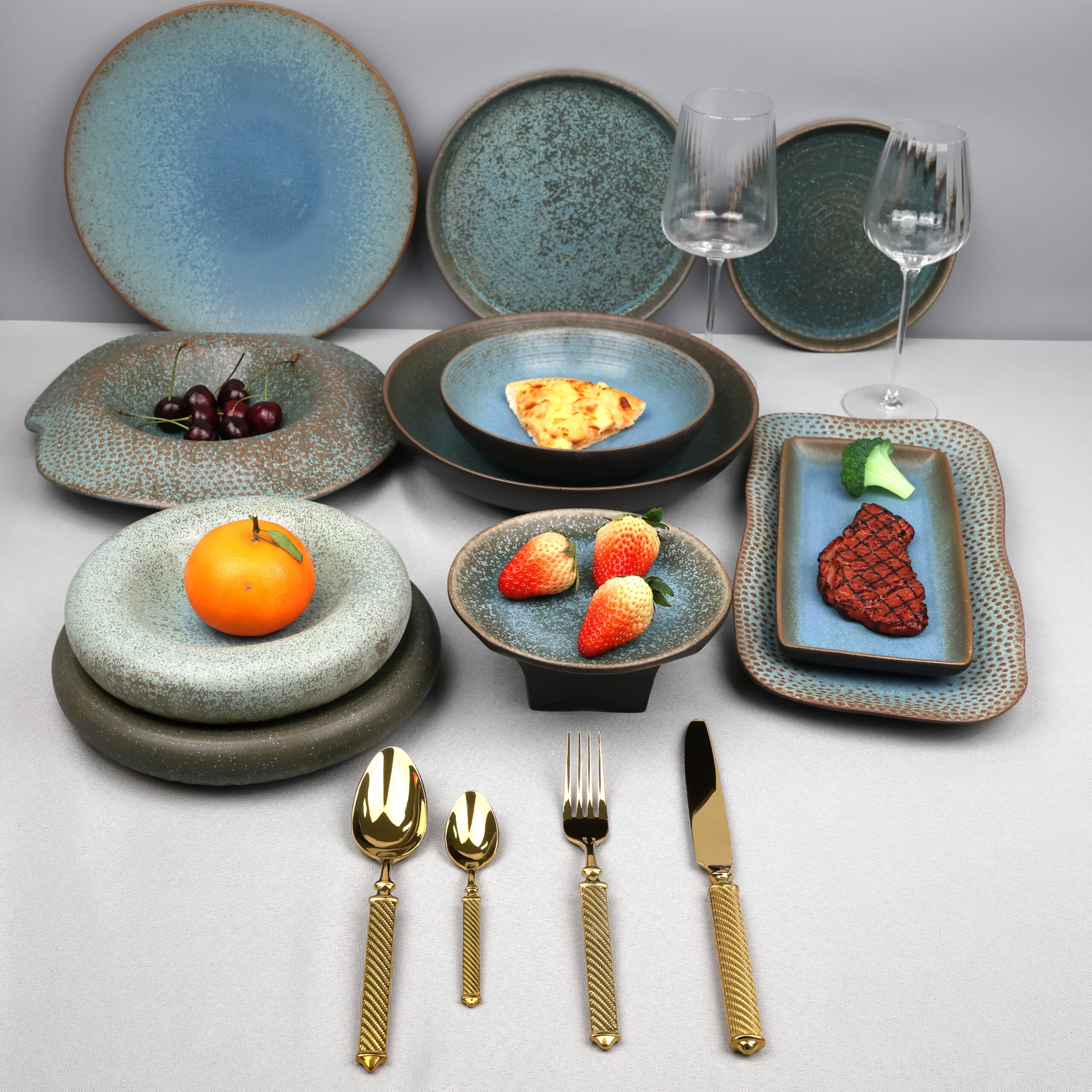
When choosing dinnerware, color is far more than an aesthetic decision. It influences appetite, perception of food quality, table ambiance, and even brand identity for restaurants and hospitality businesses. Among all color options, blue ceramic dinnerware stands out as both timeless and controversial. This raises an important question for buyers, designers, and restaurateurs alike: – Is blue a good color for dishes? The answer depends on psychology, culture, cuisine type, and practical usage. In this guide, we explore the design logic, science, advantages, drawbacks, and best-use scenarios of blue ceramic dinnerware. Why Blue Ceramic Dinnerware Has Enduring Appeal Blue has been used in ceramics for centuries, long before modern dining trends existed. From Chinese blue-and-white porcelain of the Ming Dynasty to European Delftware, blue has historically symbolized refinement, trust, and craftsmanship. According to Wikipedia’s overview of blue-and-white pottery, cobalt blue was favored because it remained stable under high kiln temperatures, making it ideal for ceramic decoration. Today, blue ceramic dinnerware continues to appeal for several reasons: It pairs naturally with white porcelain bases It works across traditional, coastal, and modern aesthetics It conveys calm, cleanliness, and sophistication It photographs exceptionally well (important in the Instagram era) Is Blue a Good Color for Dishes? The Psychology Explained Color psychology plays a crucial role in dining experiences. Research in environmental psychology and food science suggests that color can influence appetite and taste perception. Blue and Appetite Blue is often described as an appetite-suppressing color, largely because naturally blue foods are rare. According to color psychology studies summarized by Wikipedia’s article on color psychology, blue is associated with calmness, stability, and restraint rather than stimulation. This leads to a common concern:– Does blue dinnerware make food less appealing? The answer: Not necessarily. How Blue Dinnerware Affects Food Presentation While color psychology suggests that blue can suppress appetite, this isn’t necessarily true for plates. It depends on both the color combination of the food and the plate’s design. Blue tableware can positively impact our dining experience through these two factors. 1. Color Combination of Tableware and Food Blue ceramic tableware pairs exceptionally well with foods in contrasting colors: White or beige dishes (pasta, risotto, seafood) Warm-toned foods (roasted meats, roasted vegetables) Vibrant garnishes (green, red, yellow) In professional food presentation, contrast enhances visual appeal. Dark blue plates, in particular, can make lighter-colored foods appear more refined and carefully prepared. 2. Blue Tableware Design Enhances a Premium Feel Consumer behavior research shows that even with smaller portions, darker or cooler plate colors can improve people’s perception of food quality. Therefore, the blue plate is the choice of many high-end restaurants, fine seafood cuisine, and some themed restaurants and hotels, such as Michelin-starred restaurants, boutique hotels, and some restaurants with seafood and ocean themes. The Cultural Connotation of Blue in Tableware Color perception is not universal. Different countries, cultures, and ethnicities have different understandings of color. Below are the meanings of blue in different regions: East Asia: Blue symbolizes harmony, eternity, and refinement (especially evident in Chinese porcelain). Europe: Associated with tradition, trust, and elegance. Mediterranean Region: Evokes the ocean, freshness, and coastal life. Modern Western Dining: Reflects minimalist and tranquil luxury. Blue has relatively positive symbolism and meaning across different regions, making it a globally accepted color. Blue ceramic tableware is often considered a safe global choice for international hotel brands. Advantages of Blue Ceramic Tableware 1. Timeless and Classic Design Blue is a globally inclusive color, evokes feelings of comfort, and is one of the most popular colors. It pairs well with food (especially seafood), making it a timeless choice for tableware design. 2. Ideal for the Catering Industry Blue plates are better at concealing minor stains, dishwashing marks, and food residue than pure white (of course, this doesn’t mean restaurants can be lazy with cleaning; hygiene is still very important). Therefore, blue tableware is ideal for high-traffic dining environments. Even with frequent use, minor imperfections won’t be as noticeable, and it’s more durable than pure white tableware. 3. Abundant Style Selection Blue ceramic tableware is available in the following styles: Matte or glossy finish Active glaze Hand-painted or printed patterns Minimalist modern designs or classic edges 4. Distinctive Brand Image Blue, as a universally popular color, has a striking effect when used in tableware. Exquisitely designed blue tableware, such as the deep-sea blue ceramic tableware set from Brett’s high-temperature kiln change series, can create a striking impression, enhance the dining experience, elevate the ambiance of hotels and restaurants, and enhance the brand image. Potential Drawbacks of Blue Dishes To answer honestly whether blue is a good color for dishes, it’s important to acknowledge limitations. 1. Not Ideal for All Cuisines Blue may not complement: Heavily brown or beige foods (some stews, gravies) Certain desserts where warmth is key Traditional cuisines emphasizing red or gold tableware symbolism 2. Appetite Perception Concerns In casual dining or buffet settings, blue plates may feel less “inviting” than warm-toned alternatives like cream or ivory. 3. Shade Matters Not all blues perform equally: Very dark navy may overpower small dishes Bright cobalt can feel too bold for minimalist concepts Muted or dusty blues tend to be the most versatile Best Uses for Blue Ceramic Dinnerware Restaurants & Cafés Ideal for: Seafood restaurants Contemporary fine dining Coastal or Mediterranean concepts Chef’s tasting menus Hotels & Resorts Blue ceramic dinnerware works well in: Boutique hotels Breakfast service (especially with white food items) Poolside or seaside dining areas Retail & Home Use For consumers, blue dishes offer: Everyday elegance Easy coordination with neutral table linens A balance between decorative and functional design Modern Trends in Blue Ceramic Dinnerware Current market trends show a move toward: Reactive blue glazeswith organic variation Matte blue stonewarefor modern aesthetics Blue-on-white minimal patternsinstead of heavy decoration Sustainable ceramic production, emphasizing durability and longevity According to design trend analyses from hospitality sourcing platforms, blue remains one of the top three most specified dinnerware colors for modern restaurant projects globally. Final Verdict: Is Blue a Good Color for Dishes? Yes
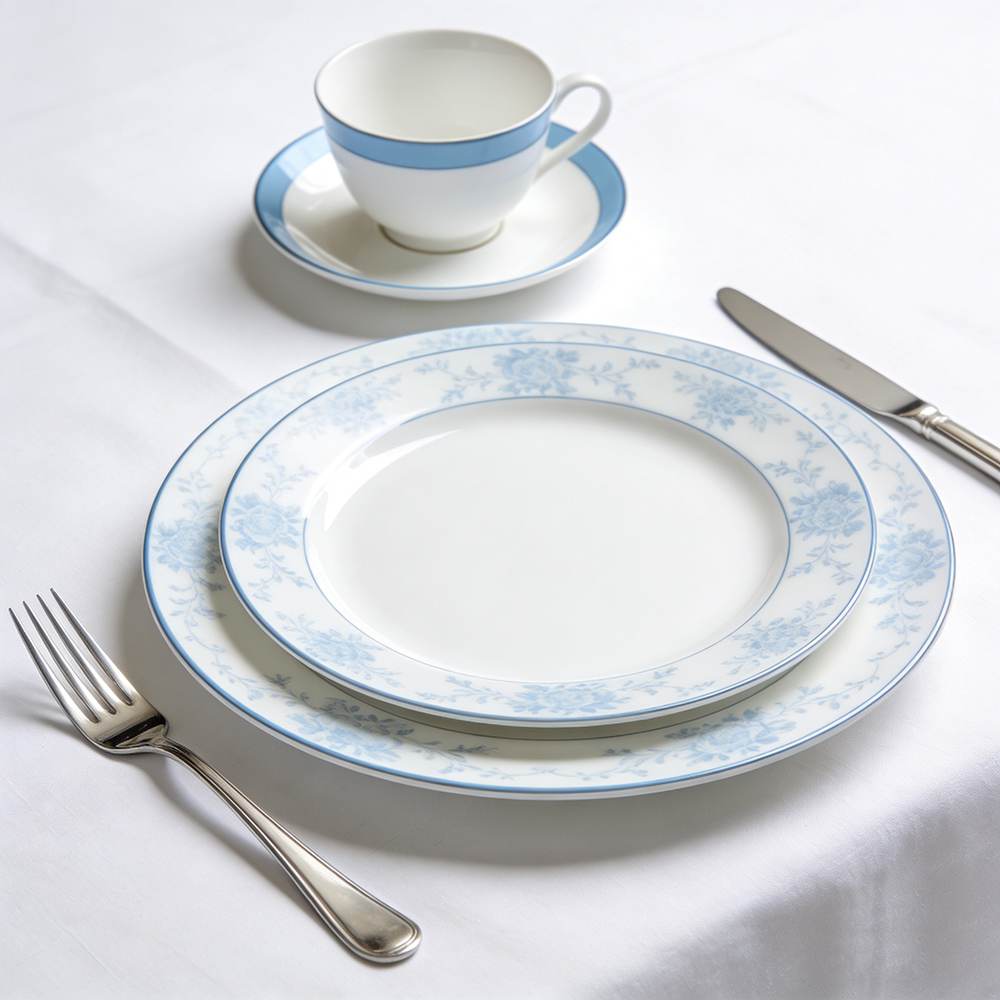
Top 10 Dinnerware Manufacturer in UK Recommended
If you are searching for a reliable dinnerware manufacturer in UK, whether for hospitality sourcing, retail distribution, or brand collaboration, understanding who truly manufactures (rather than just markets) their products is essential. The UK has a long and respected history in ceramic craftsmanship. From centuries-old pottery towns to modern design studios supplying Michelin-starred restaurants, the country remains an important player in the global tableware industry. This guide highlights 10 of the most reputable UK dinnerware manufacturers, selected based on heritage, manufacturing capability, design influence, and market presence. Why Choose a Dinnerware Manufacturer in the UK? UK-based manufacturers offer several distinct advantages: Strong heritage in ceramics, especially porcelain and fine bone china High design standards influenced by British lifestyle and dining culture Close alignment with European food-safety and sustainability regulations Strong reputation among luxury hotels, restaurants, and retailers That said, UK manufacturing often focuses on design, heritage, and premium positioning, while large-scale production is sometimes supplemented globally. Many buyers therefore compare UK suppliers with overseas manufacturing partners for cost efficiency. Top 10 Dinnerware Manufacaturer in UK Recommended 1. Wedgwood Founded: 1759Specialty: Fine bone china, porcelain tablewareWebsite: https://www.wedgwood.com Wedgwood is arguably the most internationally recognized British dinnerware manufacturer. Founded by Josiah Wedgwood, the brand has supplied royalty, luxury hotels, and collectors for over 250 years. Known for refined bone china and elegant patterns, Wedgwood represents the pinnacle of British ceramic heritage. Today, while production is partially global, design and brand identity remain deeply rooted in the UK. 2. Royal Doulton Founded: 1815Specialty: Porcelain and bone china tablewareWebsite: https://www.royaldoulton.com Royal Doulton blends British tradition with contemporary design. Its collections range from classic formal dining to modern, casual tableware suited for everyday use. The brand is widely used in hospitality and premium retail, making it a familiar name for buyers seeking a trusted UK-origin dinnerware manufacturer with global reach. 3. Emma Bridgewater Founded: 1985Specialty: Handmade, artisanal earthenwareWebsite: https://www.emmabridgewater.co.uk Emma Bridgewater is one of the UK’s most beloved ceramic brands, known for its hand-decorated earthenware. While not traditional porcelain, the brand has built a strong reputation for quality craftsmanship, authentic UK production ethos, and charming designs that resonate with both consumers and restaurants focusing on character-driven table settings. Their hand-painted mugs and plates are often used in boutique cafés and heritage-themed eateries. 4. Denby Pottery Founded: 1809Specialty: Stoneware dinnerwareWebsite: https://www.denbypottery.com Denby stands out among UK dinnerware manufacturers for its in-house production in England. Unlike many heritage brands, Denby still manufactures a large portion of its stoneware locally. Its products are highly durable, oven-safe, and designed for everyday use—making Denby especially popular in modern households and casual dining establishments. 5. Portmeirion Group Founded: 1960Specialty: Porcelain and ceramic dinnerwareWebsite: https://www.portmeiriongroup.com Portmeirion is best known for its botanical-inspired designs, particularly the iconic Botanic Garden collection. The group owns several well-known brands and focuses on decorative yet functional tableware. Portmeirion products are widely distributed internationally and appeal strongly to lifestyle and gift markets. 6. Steelite International (UK Origin) Founded: 1983Specialty: Professional hospitality dinnerwareWebsite: https://www.steelite.com Steelite is a major name in the HoReCa sector, supplying restaurants, hotels, and cruise lines worldwide. Headquartered in the UK, the company is known for technical performance, durability, and chef-driven design. For buyers focused on commercial dining environments, Steelite represents a highly functional dinnerware manufacturer in UK with strong global logistics. 7. Moorland Pottery Founded: 1980s (based in Devon, UK)Specialty: Handcrafted traditional potteryWebsite: https://www.moorlandpottery.co.uk/ Moorland Pottery is known for its authentic British stoneware and earthenware, handmade in small batches. Though smaller in scale than global brands, Moorland’s work emphasizes artisanal techniques and local craftsmanship. Their products are often chosen by boutique cafés, heritage hotels, and fine dining establishments looking for distinctive table settings. 8. Churchill China Founded: 1795Specialty: Hotel & restaurant dinnerwareWebsite: https://www.churchill1795.com Churchill China is one of the strongest UK-based manufacturers dedicated almost entirely to hospitality. Its collections focus on durability, stackability, and contemporary presentation. The company invests heavily in material technology and glaze development, making it a preferred supplier for chefs and hotel groups across Europe. 9. Burleigh Pottery Founded: 1851Specialty: Handcrafted earthenwareWebsite: https://www.burleigh.co.uk Burleigh is unique for its continued use of traditional handcraft techniques, including hand-applied transfer printing. Production still takes place in Stoke-on-Trent. While earthenware is less common in commercial dining, Burleigh’s products are highly valued in premium retail and heritage-driven collections. 10. Duchess China 1888 Founded: 1888Specialty: Fine bone chinaWebsite: https://www.duchess-china1888.com/ Duchess China focuses on elegant bone china collections, often associated with formal dining and tea service. The brand has strong historical ties to British ceramic craftsmanship and continues to appeal to traditional markets. UK vs Global Manufacturing: A Practical Perspective While UK dinnerware manufacturers excel in design, heritage, and premium positioning, buyers should also consider factors such as: Minimum order quantities Customization flexibility Lead times Cost efficiency This is why many international buyers compare UK brands with overseas production partners. If you are evaluating both heritage and scalability, our earlier article on dinnerware manufacturer in China recommended offers a complementary perspective on global sourcing strategies. Final Thoughts Choosing the right dinnerware manufacturer in UK depends on your priorities—whether that’s heritage, hospitality performance, design leadership, or brand recognition. The UK remains a cornerstone of global tableware culture, particularly for premium and professional dining. By understanding each manufacturer’s strengths, buyers can make informed decisions that balance tradition with modern commercial realities.
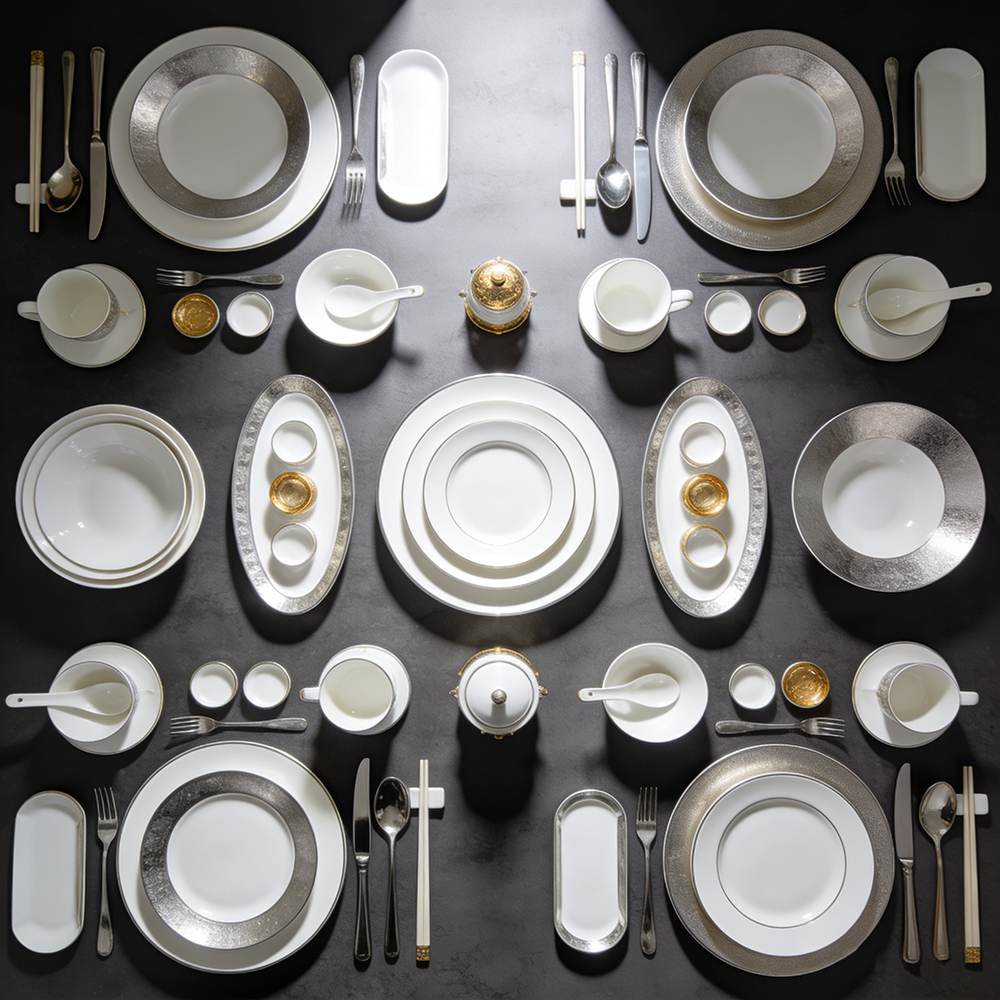
Hotel Dinnerware Procurement: Specifications, Standards & Supplier Selection
Hotel dinnerware procurement exists to manage scale, consistency, and long-term use across a property. Hotels don’t buy plates for one service or one outlet. They plan for restaurants, banquets, room service, lounges, and staff dining, all under the same brand standard. So why does procurement matter? Because the decision doesn’t end after the first delivery. Buyers have to plan for storage, replacement cycles, and future reorders while working within fixed timelines. Plates ordered today need to match in size, color, and performance months later. Procurement turns dinnerware from a simple purchase into an operational asset that supports kitchens, service teams, and guest experience over time. Let’s take a look at how dinnerware procurement works. How Hotel Dinnerware Procurement Works in Practice Hotel dinnerware procurement follows a structured path. Volume, timelines, and long-term use shape the process. It usually starts when an opening date is fixed or a renovation is approved. What looks like a simple plate decision becomes a coordinated operational project. How Dinnerware Decisions Actually Get Made in Hotels Procurement usually starts with the basics: what materials make sense, how many pieces are needed, and how the plates need to perform day to day. Those decisions don’t sit with one team. Operations, culinary, design, and finance all weigh in before anything moves forward. Once there’s alignment, buyers narrow the list and bring in samples. Those samples don’t stay in a showroom. They go straight into the kitchen. Plates get stacked, washed, and handled during service to see how they really hold up. The final choice comes down to what works consistently, not what looks best on paper. If the quality feels right, reorders look predictable, and the supplier can support long-term use, the decision sticks. Procurement Timelines Buyers Plan Around Timing drives every decision. Buyers plan months ahead, working backward from opening dates or relaunch deadlines. Sometimes, production lead times span several weeks, especially for custom designs. Delivery buffers are built to handle shipping delays and inspection windows. Successful procurement only happens when dinnerware arrives early enough for staff training, table setup, and last-minute adjustments without any pressure from the calendar. Defining Dinnerware Specifications Before You Contact Suppliers This part usually starts with a simple question from someone on the team: “Can’t we just pick a plate and order it?” That question tends to disappear the first time mismatched sizes show up or a re-order doesn’t quite match the originals. Clear specifications save you from these moments and make supplier conversations much easier from day one. Material and Performance Expectations Start with how your kitchen actually runs. Porcelain, bone china, and stoneware all look good on the table, but they behave very differently in service. A breakfast buffet with heat lamps and fast turnover needs something tougher than a quiet lounge. Fully vitrified bodies matter because they handle constant washing and heat without absorbing moisture. Think about dishwasher cycles, serving speed, and how often plates move from the hot line to the cold rinse. The right material supports service pace instead of slowing it down. Design, Size, and Brand Consistency This is where many hotels question their buying decisions later. Plate diameters sound minor until banquet plates aren’t the right size or salad plates crowd the tables. Rim profiles affect plating space and how sauces sit. Logo placement matters because it shows up in photos and room service trays. Color tolerance is critical for reorders. If the second batch looks slightly off, guests notice. Consistency is what keeps your stacks looking intentional months after opening. Functional Use in Hotel Kitchens Picture a busy night. Plates stack high behind the pass. Room service loads trays quickly. Banquet teams clear hundreds of covers at once. Specifications should account for stacking stability, weight, and grip. Heat lamps, carts, and tight storage spaces all test dinnerware daily. When specs match commercial kitchen behavior, plates feel like tools, not liabilities. Food Safety, Compliance, and What Procurement Teams Verify Choosing dinnerware for your restaurant comes with food safety concerns. Food comes in contact with the dinnerware surface, so procurement teams treat compliance as a shared language between chefs, operations managers, and legal teams. FDA Food Contact Compliance in the US In the US, hospitality food contact compliance starts with how materials behave once food hits the plate. Testing focuses on whether substances such as lead or cadmium migrate into food under heat, acidity, and repeated washing. During everyday service at the restaurant, plates end up holding hot sauces, citrus, oils, and desserts shift after shift. Over time, that exposure is exactly what testing is meant to account for. For procurement teams, FDA documentation isn’t paperwork for the file. It becomes part of the purchasing trail, backing internal sign-offs, vendor reviews, and brand standards checks. When questions come up later from ownership, auditors, or operations, having clear test reports keeps the conversation factual, simple, and easy to trace. Quality Management and Manufacturing Controls Quality management systems like ISO 9001 speak less about the plate itself and more about how it gets made every time. In plain terms, ISO 9001 shows that a manufacturer follows repeatable processes for sourcing materials, controlling production, inspecting output, and correcting issues before shipment. For hotels ordering thousands of pieces, consistency matters more than surface branding. A dinner plate re-ordered six months later needs to match weight, color, glaze feel, and stack height. Procurement teams rely on manufacturing controls to protect that consistency across batches and future orders. Decorative vs Service Grade Dinnerware Not all ceramics are built for hospitality use. Decorative dinnerware prioritizes visual appeal over structural performance. In the kitchen, those pieces face heat lamps, commercial dishwashers, stacking pressure, and fast clearing during service. Service-grade dinnerware is designed with those conditions in mind. Materials, firing temperatures, and glaze formulations support repeated use rather than occasional display. Procurement teams verify this difference early because plates behave very differently once they leave the showroom and enter a working kitchen. Creating an Effective Dinnerware RFP An RFP or Request for Proposal is the document
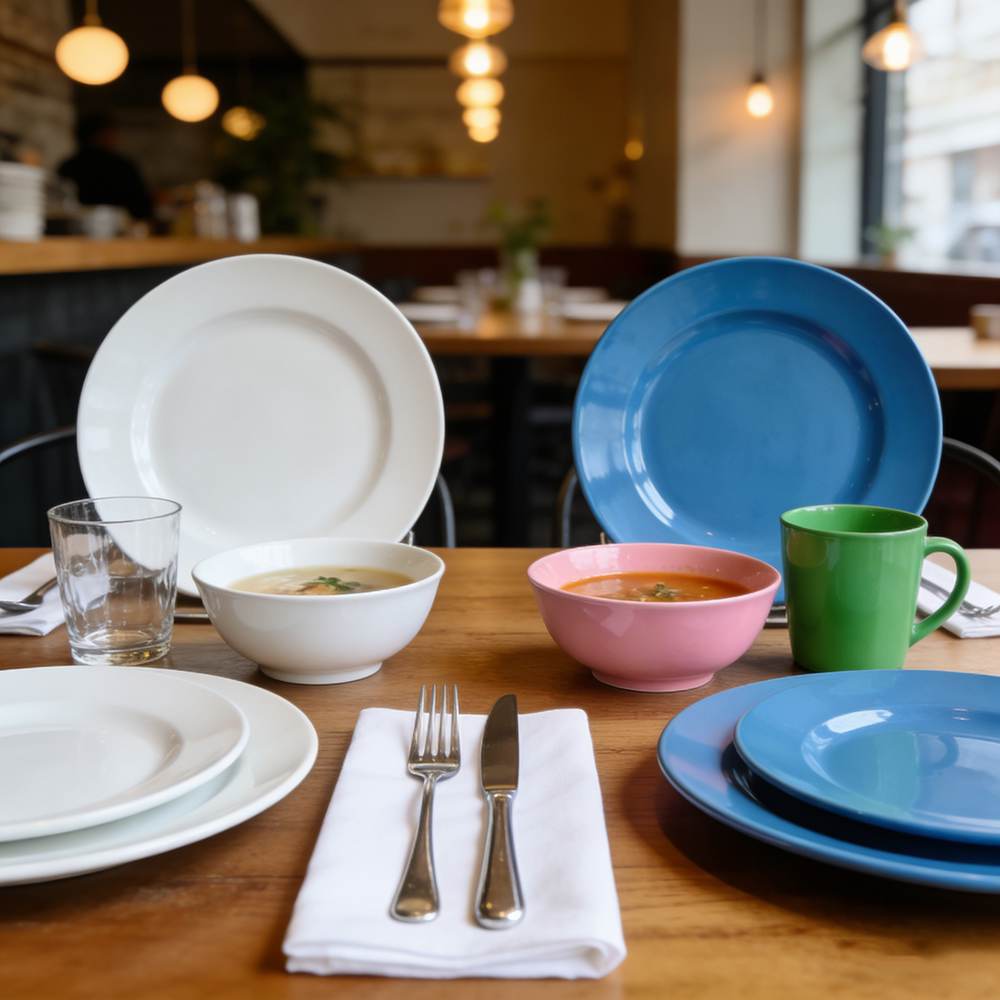
White vs Colored Dinnerware: Psychology and Plating Design for Restaurants
If you think your diner will be judging your food serving by taste only, you are wrong. They are judging for sure, but that begins way before they even start eating. Guess what creates the very first impression on their minds? The plate you serve the food on. Be it white, colored, patterned, or gold rimmed, each serving choice is a sales pitch for your cuisine. On the one hand, white colored plates make a dish look elegant and sophisticated. On the other hand, a boldly colored plate uplifts the entire dining experience. So, should you go for the contemporary white or bold black? Let’s learn about the plating colors. The Science Behind Visuals in Dining Your plates are the secret weapons that can change the entire perception of the food. As soon as the food lands on the table, the diners form an opinion about it. Visuals matter, and that’s just basic psychology in fine and casual dining. Research shows that visual cues, including the color and design of the weight plate, can change how people expect the food to taste. So keeping the visual appeal of your dish is not an add-on, but it actually drives satisfaction. As per another research, when the same dessert was served on different colored plates, people thought each serving had a different quality and sweetness. The color of the plate they were served on changed people’s perception of its sweetness and quality. In another study, people were asked to evaluate their servings in red, yellow, and blue colors. Red was associated with positive emotions and pleasure. Blue received negative reactions, where people even showed low appetite. This difference in attitudes was not due to the food quality but rather the color the food was served on. So, good-looking meals are more likely to get a higher ranking in the mind of the diner, which means they are likely to return and tip better. White Dinnerware: The Gold Standard There is a reason why white plates for plating have still survived today. They are timeless and versatile. You can’t ignore them, and they make the servings pop out. Another thing is that white goes with everything. No matter what the dish color (except for pure white, as it is!), it looks instantly vibrant on the solid background. Most restaurants still rely on white dinner plates due to control. It lets them display their artistry on a blank canvas. They can play around with all kinds of cuisines, color palettes, and seasons on white. Not All Whites Are Equal There are different shades of white. We have the pure white, which is sharp and modern but very unforgiving. It’s the best for contemporary restaurants looking at standardized servings. Then we have cream or ivory, which gives a bit of form to the serving. The shade feels classic and elegant, which is best for fine dining and Instagram, of course. The most popular one, however, is eggshell. This is like the balanced ground between both. It’s clean, just like pure white, but also elegant, like cream. It can work with different cuisine menus and seasons with ease, which is why it’s the hottest choice. Advantages of White Dinnerware White colored dishes are very versatile, and that makes them an all-around favorite in the food business. Let’s take a look at some of the key advantages of using white dinnerware. Neutral Canvas White provides a neutral background to your food. It doesn’t compete with it, but rather lets it shine. Whether you are serving fresh vegetables, proteins, or desserts, all hues are accentuated on white. Cleanliness White color also depicts cleanliness. Although it’s very unforgiving of the stains, it makes the food look well thought out, hygienic, fresh, and sophisticated. Portion perception Food appears larger on white. The color makes the serving look more generous without increasing your ingredient costs. So it’s more like a money-saving hack as well. Instagram Ready The color white is a clear winner in high-end dining. It lets the focus stay on the technique and detail. The dish is always Instagram-ready, where the meal is the star. That goes for all kinds of serving, whether in white bowls, dessert plates, or dishes. It gives a consistent baseline and doesn’t let the meals clash with each other. Colored Dinnerware – The Silent Advocates Bold, playful, and full of personality, that’s what colored plates are. They are the ideal tool for food businesses that want their dishes to advocate for them. Remember, though, going for bold colored plates is not a rebellion against white color. It’s more of making a statement. The plate color psychology goes far beyond presentation. Warm colors like red, orange, and yellow work as appetite boosters. They increase the appetite. While cool colors like green and blue look sophisticated and calm. But they can also suppress the appetite. How Different Food Businesses Use Colored Plates Not all food businesses use dinnerware color in the same way. Restaurants that focus on plated dining choose dinnerware based on how they want food to be perceived. Fine-dining and most Michelin-style restaurants use white or muted tones. They serve on white plates as they want the ingredients and serving styles shine. However, there are trending cafés and modern style bistros that use bold and colored plates. This is because they want to create memorable visuals. They also use it as a marketing strategy, as when pictures of the dishes are shared on social media, they can instantly be associated with their brand. So, colored dinnerware becomes a silent ambassador for them. You’ll find colored dishes in many ethnic or themed restaurants. They use color to match the cultural or seasonal vibes. For example, many Japanese restaurants use dark and earthy-toned plates for serving sushi and other cuisines. These natural and neutral backgrounds make the colors and textures of the food stand out without distraction. Colored Dinnerware and Its Influence on Different Foods The color of the plate also influences how the serving will be