If you think your diner will be judging your food serving by taste only, you are wrong. They are judging for sure, but that begins way before they even start eating.
Guess what creates the very first impression on their minds? The plate you serve the food on. Be it white, colored, patterned, or gold rimmed, each serving choice is a sales pitch for your cuisine.
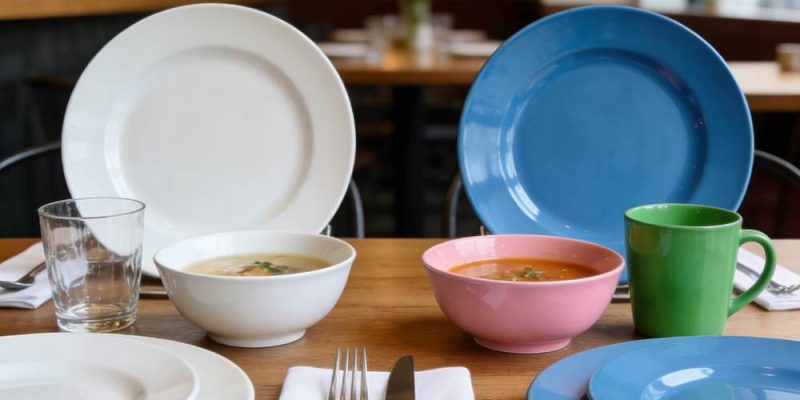
On the one hand, white colored plates make a dish look elegant and sophisticated. On the other hand, a boldly colored plate uplifts the entire dining experience. So, should you go for the contemporary white or bold black? Let’s learn about the plating colors.
The Science Behind Visuals in Dining
Your plates are the secret weapons that can change the entire perception of the food. As soon as the food lands on the table, the diners form an opinion about it. Visuals matter, and that’s just basic psychology in fine and casual dining.
Research shows that visual cues, including the color and design of the weight plate, can change how people expect the food to taste.
So keeping the visual appeal of your dish is not an add-on, but it actually drives satisfaction. As per another research, when the same dessert was served on different colored plates, people thought each serving had a different quality and sweetness. The color of the plate they were served on changed people’s perception of its sweetness and quality.
In another study, people were asked to evaluate their servings in red, yellow, and blue colors. Red was associated with positive emotions and pleasure. Blue received negative reactions, where people even showed low appetite. This difference in attitudes was not due to the food quality but rather the color the food was served on.
So, good-looking meals are more likely to get a higher ranking in the mind of the diner, which means they are likely to return and tip better.
White Dinnerware: The Gold Standard
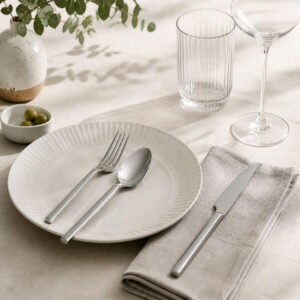
There is a reason why white plates for plating have still survived today. They are timeless and versatile. You can’t ignore them, and they make the servings pop out. Another thing is that white goes with everything. No matter what the dish color (except for pure white, as it is!), it looks instantly vibrant on the solid background.
Most restaurants still rely on white dinner plates due to control. It lets them display their artistry on a blank canvas. They can play around with all kinds of cuisines, color palettes, and seasons on white.
Not All Whites Are Equal
There are different shades of white. We have the pure white, which is sharp and modern but very unforgiving. It’s the best for contemporary restaurants looking at standardized servings.
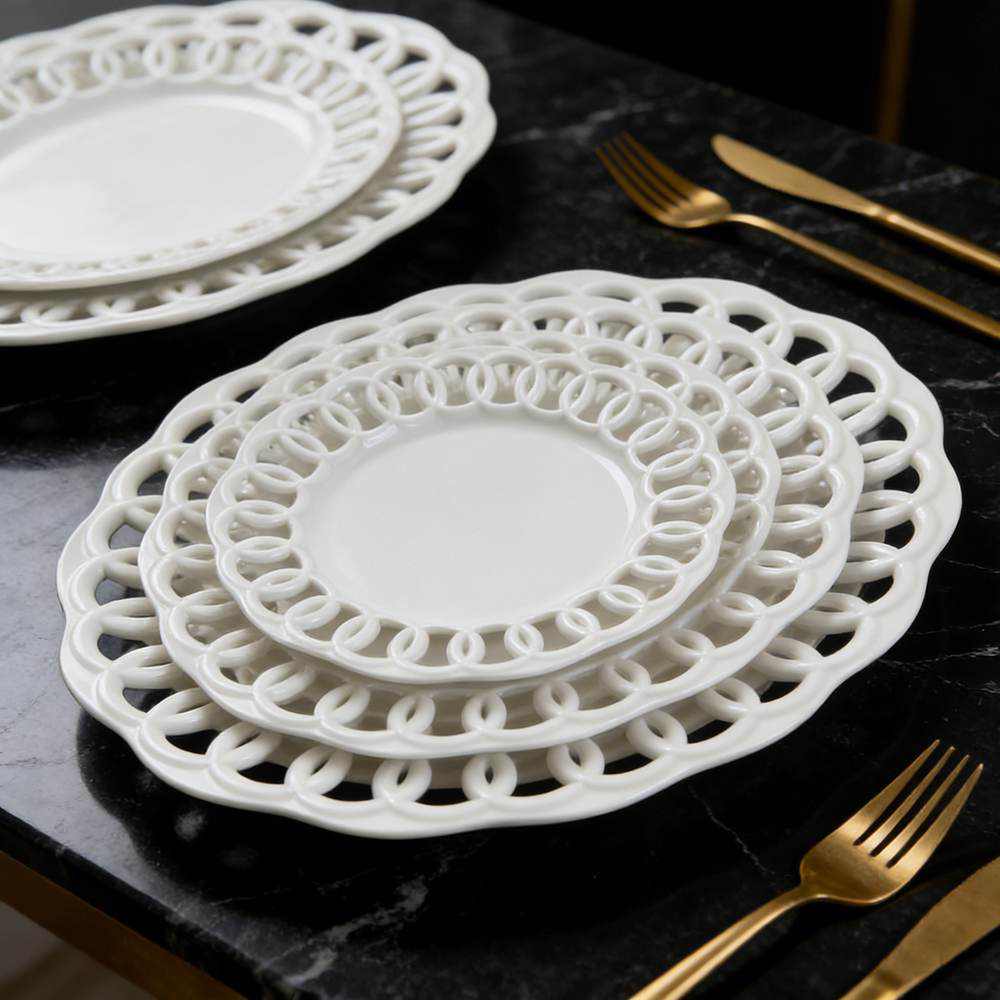
Then we have cream or ivory, which gives a bit of form to the serving. The shade feels classic and elegant, which is best for fine dining and Instagram, of course.
The most popular one, however, is eggshell. This is like the balanced ground between both. It’s clean, just like pure white, but also elegant, like cream. It can work with different cuisine menus and seasons with ease, which is why it’s the hottest choice.
Advantages of White Dinnerware
White colored dishes are very versatile, and that makes them an all-around favorite in the food business. Let’s take a look at some of the key advantages of using white dinnerware.
Neutral Canvas
White provides a neutral background to your food. It doesn’t compete with it, but rather lets it shine. Whether you are serving fresh vegetables, proteins, or desserts, all hues are accentuated on white.
Cleanliness
White color also depicts cleanliness. Although it’s very unforgiving of the stains, it makes the food look well thought out, hygienic, fresh, and sophisticated.
Portion perception
Food appears larger on white. The color makes the serving look more generous without increasing your ingredient costs. So it’s more like a money-saving hack as well.
Instagram Ready
The color white is a clear winner in high-end dining. It lets the focus stay on the technique and detail. The dish is always Instagram-ready, where the meal is the star. That goes for all kinds of serving, whether in white bowls, dessert plates, or dishes.
It gives a consistent baseline and doesn’t let the meals clash with each other.
Colored Dinnerware - The Silent Advocates
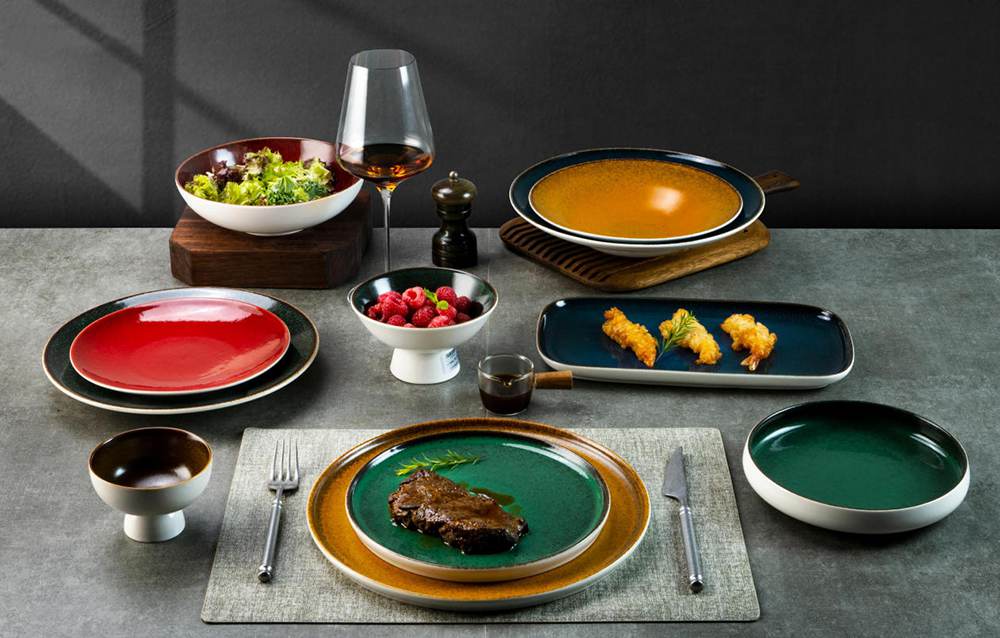
Bold, playful, and full of personality, that’s what colored plates are. They are the ideal tool for food businesses that want their dishes to advocate for them. Remember, though, going for bold colored plates is not a rebellion against white color. It’s more of making a statement.
The plate color psychology goes far beyond presentation. Warm colors like red, orange, and yellow work as appetite boosters. They increase the appetite. While cool colors like green and blue look sophisticated and calm. But they can also suppress the appetite.
How Different Food Businesses Use Colored Plates
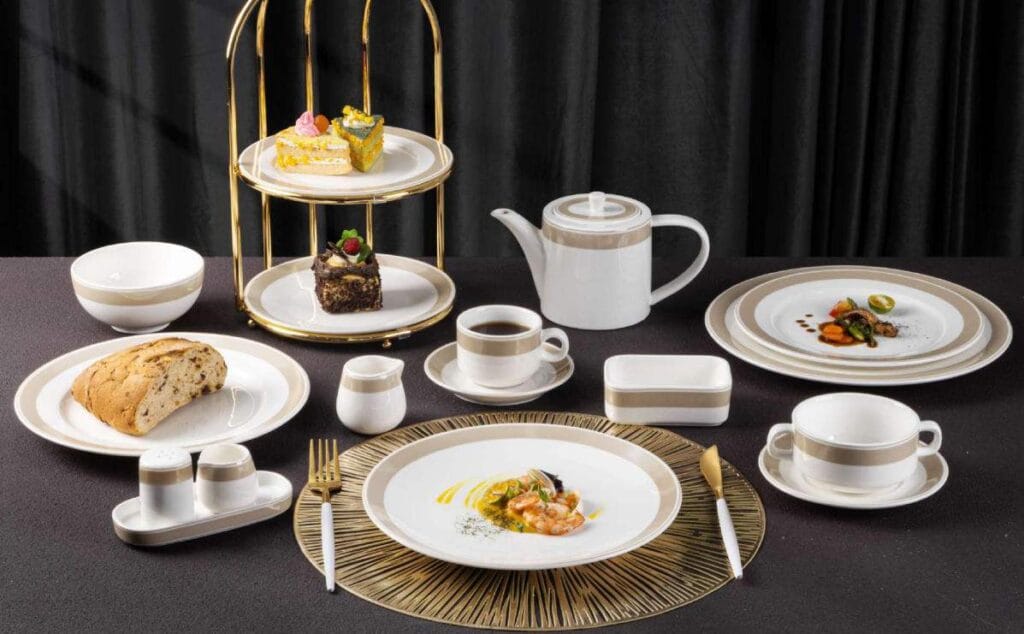
Not all food businesses use dinnerware color in the same way. Restaurants that focus on plated dining choose dinnerware based on how they want food to be perceived. Fine-dining and most Michelin-style restaurants use white or muted tones.
They serve on white plates as they want the ingredients and serving styles shine.
However, there are trending cafés and modern style bistros that use bold and colored plates. This is because they want to create memorable visuals. They also use it as a marketing strategy, as when pictures of the dishes are shared on social media, they can instantly be associated with their brand.
So, colored dinnerware becomes a silent ambassador for them. You’ll find colored dishes in many ethnic or themed restaurants. They use color to match the cultural or seasonal vibes.
For example, many Japanese restaurants use dark and earthy-toned plates for serving sushi and other cuisines. These natural and neutral backgrounds make the colors and textures of the food stand out without distraction.
Colored Dinnerware and Its Influence on Different Foods
The color of the plate also influences how the serving will be perceived by the diners:
- Red and Orange: These make the food look hot and intense.
- Yellow:It is bright and happy and ideal for breakfast spreads or desserts.
- Blue:Blue is ideal for small portions as it suppresses appetite.
- Green: Green indicates health and freshness. But it’s not the best choice to serve vegetables, as it can camouflage the greens.
- Black and Dark Hues:These plates make the serving look luxurious and dramatic. They also make them Instagram-ready and are ideal for serving colorful proteins and desserts.
- White:White is the king of dinnerware. It’s neutral and works with all kinds of foods, especially the multicolored servings.
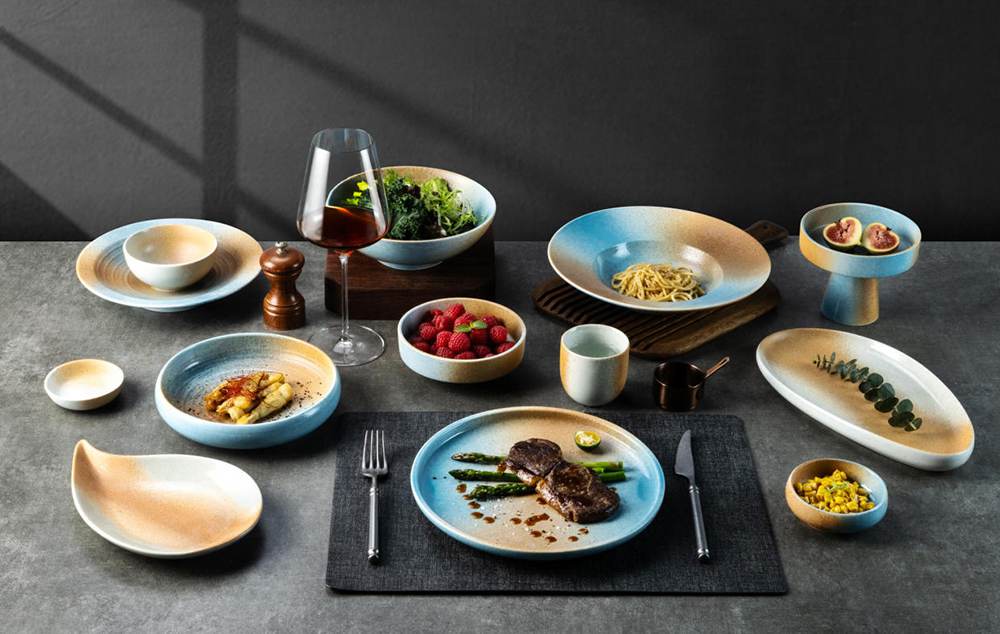
- Earthy tones:Colors like terracotta and taupe work well in wellness-focused restaurants. These naturally feel warm and grounding.
Advantages of Using Colored Dinnerware
Colored dinnerware doesn’t just serve the meal; it reshapes the diner’s experience with it.
Visual Contrast
Using the right plate color for the meal can make ingredients appear fresher and portions look more intentional. It makes the whole serving well thought out and refined. Bright foods pop against dark plates, while pale or delicate dishes feel cleaner and more premium on light or neutral tones.
When the contrast is high, the flavours are intensified; when the contrast is low, the food often gets muted. Like serving red or dark sauces on a red plate is a recipe for disaster. It only looks like a mess. But serving something that’s bright white or yellow on red is definitely going to stand out.
Perception Control
Using color also allows servers to influence the way people perceive the sweetness and quality of the dish. You don’t even have to change the recipe or ingredients. Just changing the background, i.e., the dinnerware color, can do the trick. This is especially helpful for desserts and visually driven cuisines.
Branding
The plate color showcases the restaurant’s identity, like earthy tones that depict craftsmanship and ethnicity. At the same time, bold colors point to creativity and modernity. Apart from the printed logo on the plates, the color can also be used as a branding strategy.
Repeated over time, these visual cues become part of the dining memory. The color becomes a brand advocate for the concept.
Portion Illusion
Dinnerware color can also make the serving size look big, small, or balanced. The brain takes the visual clues from the serving dish to see how much food is there. Like when you serve a brightly colored serving on a neutral plate, it appears bigger and more filling.
Low contrast food, however, can visually just disappear on such a plate.
FAQs
Does plate color really change how food tastes?
Yes, the word here is ‘cross-modal perception’. Our eyes see something, and instantly our brain predicts how the taste will be. The sweetness, freshness, and flavor are often intercepted by the brain as soon as you lay eyes on the plate, color, and presentation. That happens much before it touches our taste buds.
So there’s science that the same kind of food served can taste sweeter or more refined depending on the color it is served on, even though the recipe hasn’t changed.
Should I always use white plates in my restaurant?
White is the safest bet for vibrant and colorful dishes. So always keep white dinnerware in reserve. But if you want to add personality or support your branding in some way, colored dinnerware works out well, too. You just have to ensure the food contrasts with the color of the plate.
Which colors increase appetite?
Warmer tones like red, orange, and yellow can increase appetite and excitement. But cooler tones like blue and green can suppress it. They make the food look less tempting.
Should contrast always be high?
Yes, contrast makes the food pop out visually. Too little contrast can mute out the dish. The goal is to highlight the food naturally, without overpowering the presentation.
Can colored plates backfire?
Yes, which is why white is often the safest choice. Using the wrong color combinations can make the food disappear or look unappetizing. Using busy patterns or colors that clash with the main dish can take all the attention away from the dish.
Wrap Up
If you nail your dinner-wear color strategy, your diners won’t just walk in to eat. They will notice it, remember it, and keep coming back.
Often, the perfectly cooked steak or russian salad flops visually just by landing on the wrong-colored dinnerware. Whether you go with white or color, your choice will shape the perception and appetite.
So, if you are looking for quality dinnerware, whether white or colored, Brett has a range of exquisite and contemporary options. Check out our range today.