You’ve probably stood in a home store holding two beautiful plates, one stoneware, one porcelain, and wondered why they look the same but feel completely different.
Both fall under the big family of ceramic dinnerware, yet their behavior on your table, in your hands, and in your kitchen couldn’t be more distinct.
Porcelain is technically a type of ceramic, but it has a refined structure that gives it a personality that sets it apart from the rest of the ceramic pieces.
Stoneware has more weight, while porcelain has finesse and strength. So which one deserves a place in your kitchen? Let’s break it down into every possible difference in a way that helps you choose the best dinnerware.
Stoneware vs Porcelain: What’s the Difference?
Most people use both without realizing they come from very different clay firing methods and histories. Stoneware brings weight while porcelain brings refinement and precision.
What Is Stoneware?
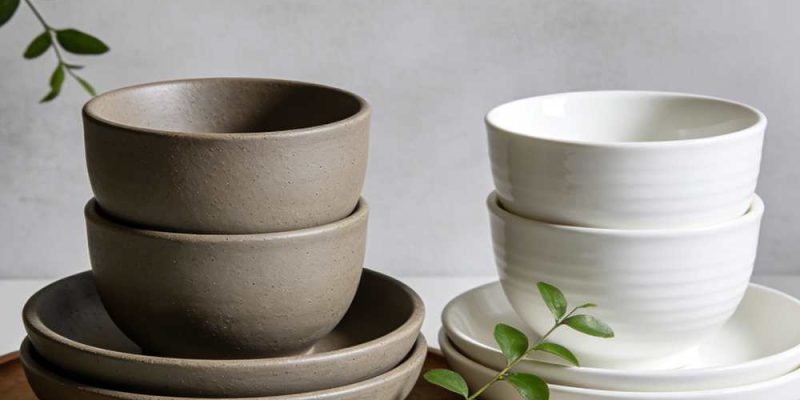
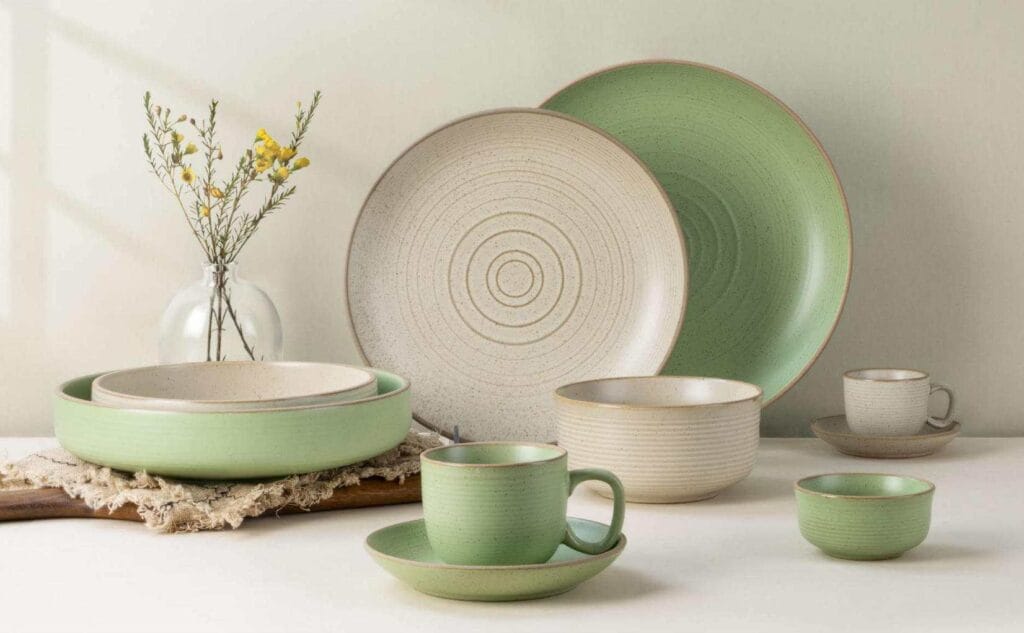
Think of stoneware as the “comfort food” of the dinnerware world. It starts with a sturdy clay body mixed with sand minerals that give it weight and a personality. The clay goes into hot kilns, hot enough to bake a pizza, until the surface hardens into a strong ceramic frame.
Stoneware holds a tiny bit of moisture inside the clay body, which is why you’ll feel that the plate has a solid touch and it’s more grounded when you pick it up. That dense feel is all about stoneware’s charm.
It has a long global history, too, actually. Ancient Chinese makers shaped early forms of stoneware, and European artisans later turned it into everyday tableware for homes, dining inns, and bakeries. Now, those very vintage dishes today with earthy dinnerware look strong and reliable on our dinner tables as they’re built for everyday use.
What Is Porcelain?
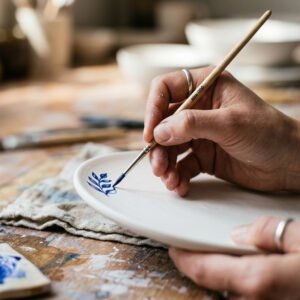
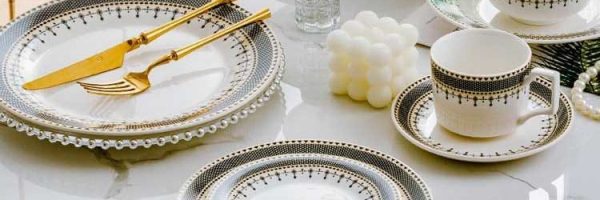
Porcelain is the polished cousin in the ceramic family. It starts with kaolin clay, a very fine and very smooth clay with a mix of minerals that melt together during the firing process. The result is a ceramic body with a glass-like shine.
When held to the light, thin porcelain even glows slightly at the edges.
Ancient Chinese makers perfected this formula thousands of years ago, and the world admired it so much that “China” became a universal nickname. European workshops spent centuries trying to re-create it, which only added to its name.
Now porcelain has become a favorite in fine dining because it stays bright, clean, and elegant. And it also feels light in the hand, but the structure underneath is tougher than people expect. This balance of beauty and strength suits both modern homes and luxury hospitality.
Physical Characteristics: Stoneware vs. Porcelain
Here’s a quick breakdown of the physical characteristics of stoneware vs porcelain.
Physical Characteristic | Stoneware | Porcelain |
Color | Earthy palettes (brown, greys, blacks, creams) | Bright white, off-white, or fine black options |
Texture | Slightly coarse, organic, handcrafted feel | Smooth, fine-grain, glass-like finish |
Weight | Solid and substantial | Light and refined |
Finish | Matte, gloss, speckled, or reactive glazes | Glossy; edges may show translucence |
Glazing | Bases often unglazed | Fully glazed, including the base |
Thickness | Sturdy, thicker profiles | Durable even at thin profiles |
Aesthetic | Warm, rustic, casual | Elegant, formal, minimal |
The Kitchen Test: Stoneware vs Porcelain
You pull a dish from the cabinet, and before the food even touches the plate, your brain asks you, Why is this one heavier, and keeps the pasta warmer. That tiny questioning moment is why we explore this section. Stoneware and porcelain behave very differently, especially when the kitchen is involved.
Heat Retention and Cooking Performance
We’re looking into heat retention because you want to know which one actually helps your food stay warm and suits your cooking routine.
Stoneware is like it was built for winter comfort food. Once warm, it keeps soups, pasta, curries, and baked dishes cozy on the table.
The thicker wall spreads heat evenly, so casseroles and roasted vegetables stay at the right temperature once they’re plated. It’s reliable, predictable, and a good choice if you bake or reheat meals.
Porcelain, on the other hand, is a little more refined. It heats up slowly and cools quickly, which surprises people who expected it to behave like stoneware.
Its clay composition still allows even heat distribution, but porcelain suits dishes where temperature balance matters more than heat retention for foods like pastries, desserts, and other delicacies.
One more thing, so if you like oven-to-table moments, stoneware is a better choice. Porcelain is more of a plating choice here.
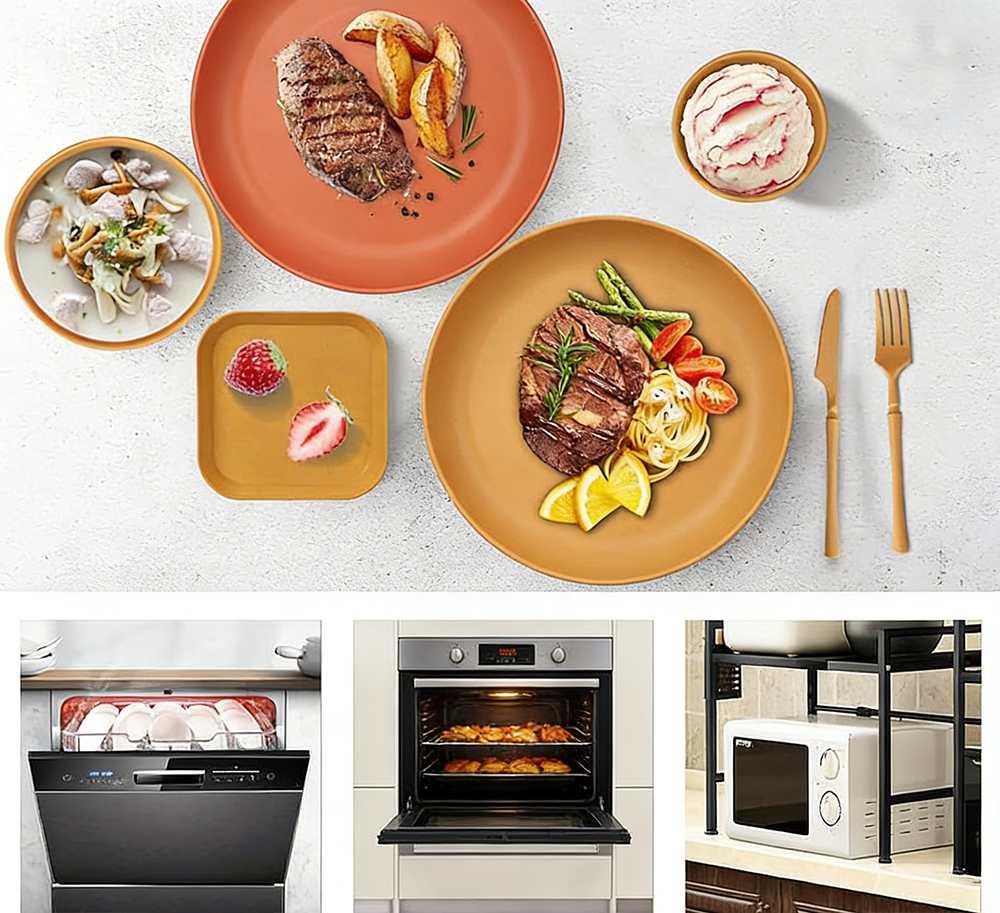
Microwave, Dishwasher, and Oven Safety
We are drawing this comparison because nobody wants dinner where that turns into kitchen drama, so here’s a safe use breakdown.
Stoneware works well in a microwave unless there’s metallic decoration. It handles the dishwasher, although the glazes may darken with long-term cycles.
It does well in the oven and is a favorite for reheating baked dishes. Just keep the temperature changes gentle. Stoneware likes slow warm-ups, not abrupt transitions from cold to hot.
Porcelain stays microwave-friendly, but again, you need to avoid metallic accents. It glides through dishwashers without losing color or sheen.
Oven use is also allowed with the manufacturer’s guidelines, so it’s important that you read them and get the high-quality porcelain dinnerware. Porcelain reacts more sharply to temperature jumps, so letting it adjust gradually helps protect it from stress cracks.
One more reminder is that you should always check the base stamp or brand notes. Kitchen safety is piece-specific.
Aesthetic and Styling Differences
Dinnerware sets the mood before the meal even starts. The right plating, aesthetics, and styling differences are important.
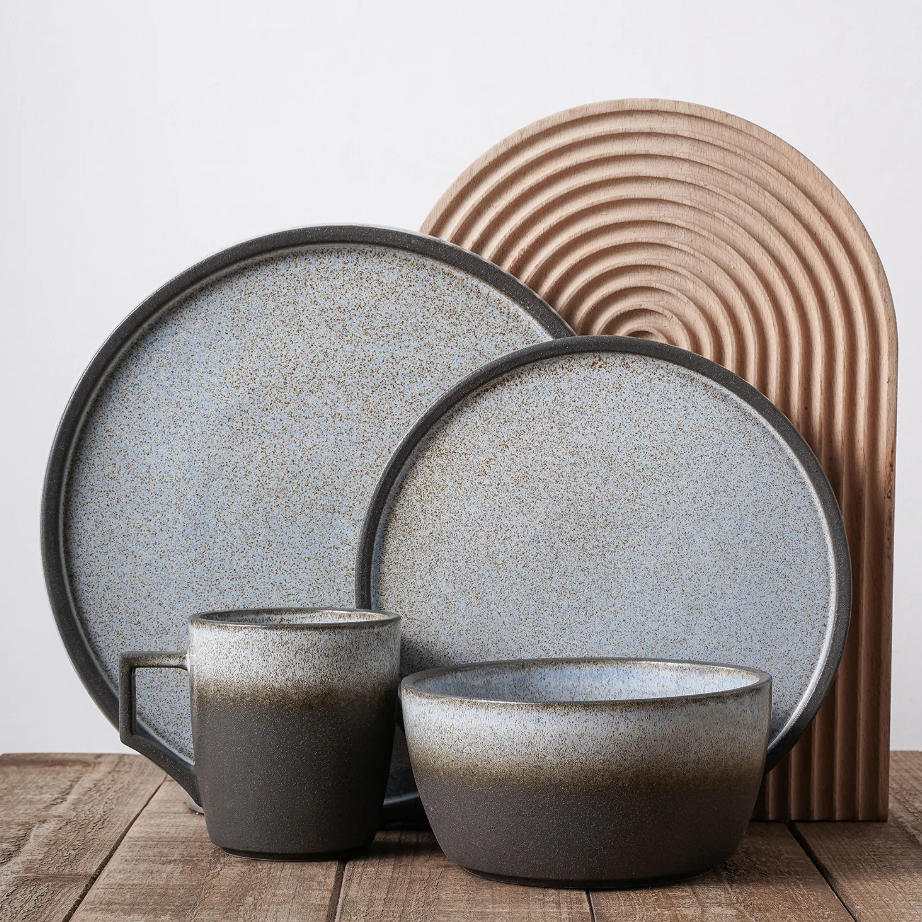
Stoneware brings a cozy, rustic personality.
Earth tones, speckled glazes, and natural textures make it perfect for casual dining, family tables, and farmhouse or boho themes. Every piece carries tiny variations, especially in reactive places, giving your table a charming character, and it also plays well with wood and other natural materials.
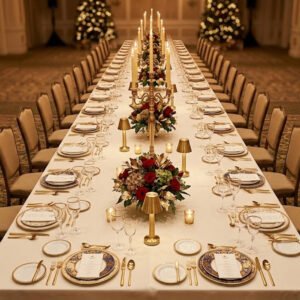
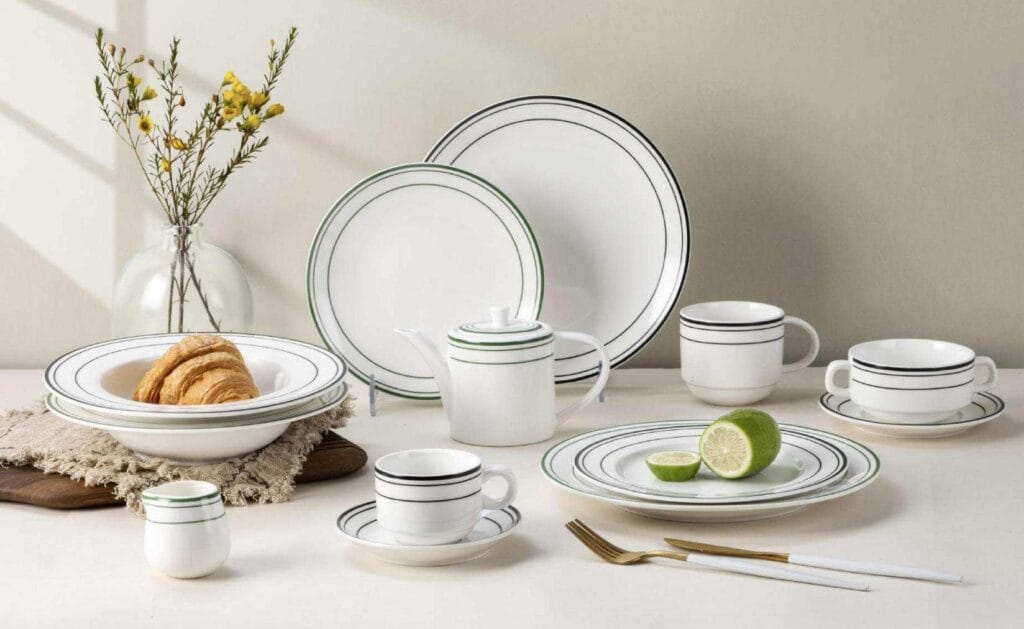
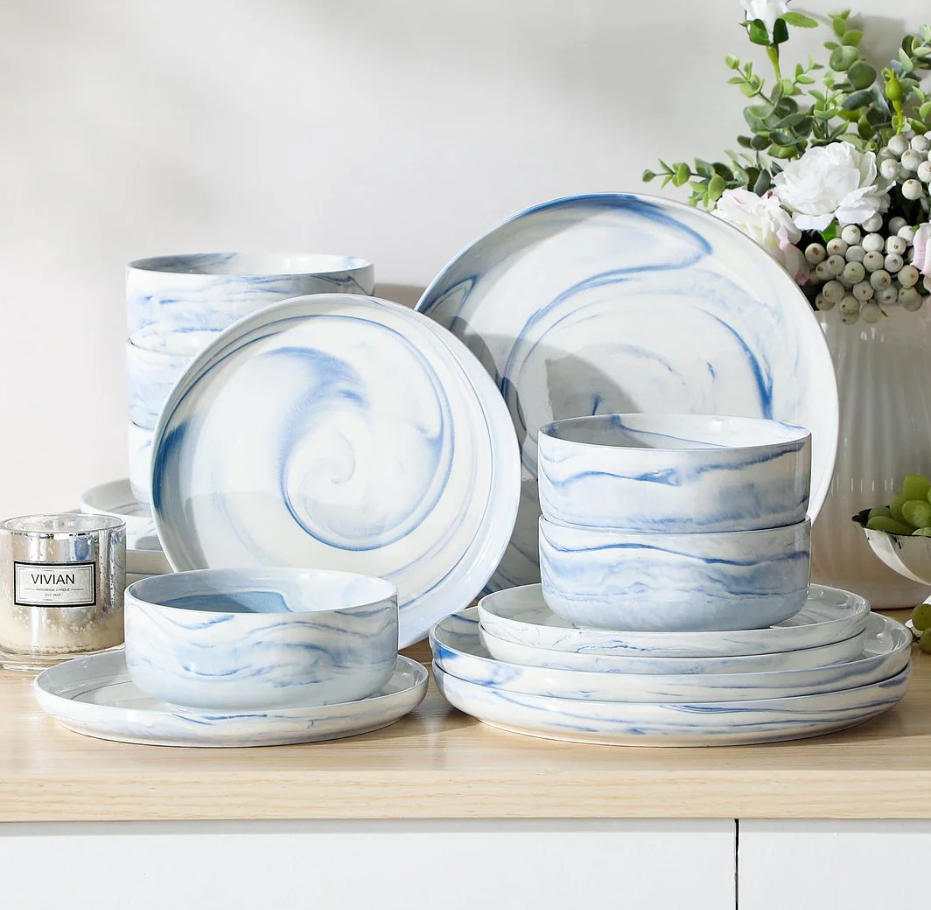
Porcelain delivers a clean polish. Bright white surfaces, a smooth texture, and a refined finish give your table a classic, formal look. It creates a sense of uniformity that hotels and special occasion dinners love.
With the right styling, porcelain creates an elegant and modern style. If you want a styling tip for photography-ready plating, porcelain makes all the colors pop.
Cleaning and Maintenance
The prettiest dinnerware should never become a hassle to clean.
Stoneware has a slightly coarse surface, which means the stains and strong food aromas can cling if they are left too long. A baking soda paste cleans all the marks without harming the glaze.
You should avoid harsh scrubbers and bleach for cleaning stoneware, and the reactive glazes will age gracefully over time, building a natural patina. Gentle hand washing keeps stoneware in top shape.
Porcelain, in contrast, stays easy to clean and maintain.
Its smooth sealed surfaces resist stains, odors, and flavor absorption. It handles stronger cleaning agents when needed and remains bright through endless dishwasher cycles. Porcelain offers quick maintenance, so if you want a “grab, use, wash, repeat” routine, porcelain takes the lead here.
Cost and Durability: What You Really Pay for (and How Long It Lasts)
When you shop for dinnerware, it really comes down to two things. The first is how much you spend, and the second is how long the pieces stay in good shape.
Stoneware and porcelain stay in very different lanes here, and the gap becomes obvious once you compare prices and how each material behaves across the years of use.
Price Comparison
Stoneware lasts for a good four years and costs around $30 to $150, depending on the brand and glaze work. Porcelain has a higher price point for the same set, but this difference is because porcelain uses kaolin clay.
A simple rule to understand the price point is that porcelain costs around three times more than stoneware.
Some cost-driving factors are brand name, detailed glazes, designs, handmade processes, durability ratings, and where the dinnerware is produced. Largest sets drop the per-piece price, which also helps if you’re creating a collection.
Value for Money
Stoneware gives great value upfront because it lasts long, stays sturdy for daily use, and you can expand your set slowly without overspending. Plenty of families have used stoneware for years or even decades.
With porcelain, the colors are bright, the surface stays clean, and you replace pieces less frequently. Some sets even gain resale value. It’s an investment, but it pays off when you want heirloom-level durability.
A quick way to see it is that stoneware is budget-friendly now, but porcelain is economical in the long term.
Durability
Stoneware is better for regular use. Its thicker structure gives it chip-resistant edges and strong thermal performance. It handles bumps well, though the glazes may darken with heavy use.
Porcelain shines in structural strength. A fully vitrified body resists stains, odors, scratches, and long-term discoloration.
Thin rims can chip if hit hard, but overall porcelain stays pristine longer, especially in a restaurant environment where performance matters.
At home? Both serve you well. Families might choose stoneware. Hosts and collectors choose porcelain.
Stoneware vs Porcelain: Which Should You Choose?
Walking through dinnerware aisles gets confusing, especially when stoneware and porcelain sit side-by-side looking equally convincing.
Each one shines in its own, but the best choice depends on how you cook, how you eat, and how lively your household gets.
Some kitchens want durability, others want elegance, so let’s break it down in a way that makes your decision easier.
Stoneware
Choose a stoneware dinner set when you want every day strength with a relaxed dinner personality.
- Built for busy homes that deal with bumps and drops
- Great for families who want plates that shrug off rough handling
- Perfect for casual rustic boho and earthy table settings
- Known for keeping soups and hot meals warm longer
- Welcomes natural patina and glaze variation
- Works well for daily use without feeling too precious
- Pairs easily with wood linens and warm decor styles
- Fits tighter budgets without sacrificing charm
- With your kitchen, since you can add pieces slowly
- Has thicker edges that resist chipping
Porcelain
Choose porcelain when you want refinement, longevity, and crisp presentation.
- It is more durable with proper care
- Elevates formal dinners with a polished, bright white finish
- Stays clean-looking due to its non-porous surface
- Maintains color and shine for decades
- Suit smaller households that treat dishes gently
- Creates a uniform restaurant-style table setting
- Serves special occasions beautifully
- Blends well with modern minimalist decor
- Rewards the extra cost with fewer replacements
- Provides food-safe surfaces that resist stains and odors
Care and Maintenance
Good dinnerware lasts for years when treated with a little routine care. Simple habits keep your dinnerware in good condition.
Here’s a quick guide to help your dinnerware pieces stay in top shape.
Stoneware Care Tips
- Hand wash when possible and dry with a cloth after use to avoid stains
- Use mild dish soap with a soft sponge
- Lift stains with a baking soda paste
- Skip metal scouring pads to protect the glaze
- Avoid bleach-based cleaners
- Lets reactive glazes age naturally
- Warming cool pieces slowly to prevent stress cracks
- Store in a dry space
- Check for cracks before serving
Porcelain Care Tips
- Dishwasher safe, although gentle hand washing helps longevity
- Use a mild detergent
- Apply ceramic-safe cleaners for tough stains
- Gentle metal utensils and cutleryare fine on their non-porous surface
- Store carefully to prevent rim chipping
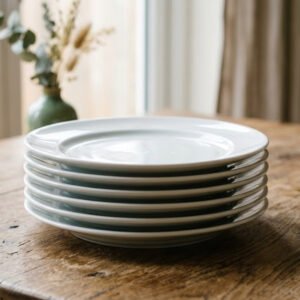
- Add padding between stacked plates
- Keep away from certain temperature swings
- Polished with a dry cloth for shine
Wrap Up
Stoneware has warmth, weight, and comfort. Porcelain brings finesse and a cleaner look. Plenty of households enjoy both stoneware for everyday meals and porcelain for evenings that deserve a little polish.
The best pick is the one that matches your lifestyle, but mixing them does create a flexible and stylish table without locking you into one material forever.
Sometimes it all comes down to the quality of the dinnerware.
Ready to upgrade your table? Explore premium and custom dinnerware sets, discover expert buying tips, and pick pieces that make every meal feel intentional. Your perfect set is only a click away.