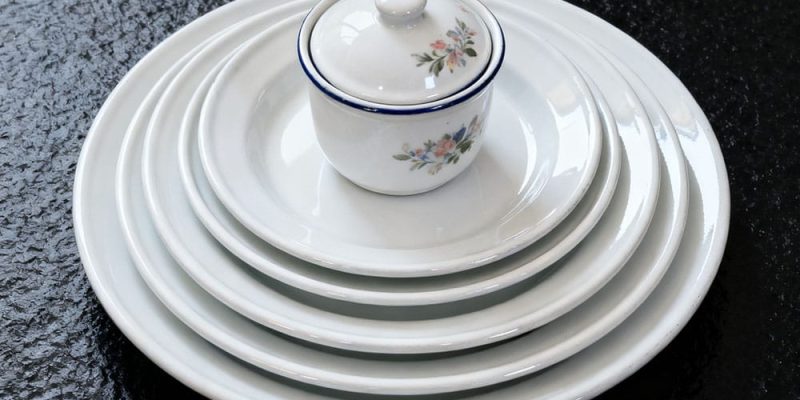
When you’re in the hospitality industry, whether you’re a restaurant owner, hotel procurement manager, or supermarket buyer, every detail counts, especially when it comes to tableware. You’ve probably come across the term “porcelain enamel” in product catalogs or spec sheets. But what does it really mean, and why is it important for your business? This guide will explain porcelain enamel in simple terms, covering what it is, how it’s made, and why it’s an excellent choice for restaurants, hotels, and retail businesses.
We’ll also dive into its benefits, from durability to aesthetic appeal, and explain how it can help you offer high-quality, long-lasting products that your customers will love. So whether you’re outfitting a luxury hotel or stocking up for holiday sales, understanding porcelain enamel will help you make smarter procurement decisions.
What is Porcelain Enamel?
Porcelain enamel (sometimes called vitreous enamel) is a type of glass coating that’s applied to metal surfaces, like steel or cast iron, through a high-temperature process. This isn’t the same as regular porcelain, which is a type of ceramic made from clay and fired to be strong and translucent. Instead, porcelain enamel is a protective, decorative glass layer that’s fused onto a metal base, creating a smooth, shiny surface that’s much harder than regular ceramic glazes.
The process involves mixing a powdered glass called “frit” with pigments and binders, then applying it to the metal. It’s then fired at very high temperatures (between 750–850°C or 1,380–1,560°F), where it melts and bonds to the metal, creating a smooth, glassy surface that’s durable and resistant to wear and tear. This combination of metal and glass makes porcelain enamel ideal for dinnerware that needs to look elegant but also withstand the demands of heavy use.
Here’s a quick breakdown of what makes up porcelain enamel:
- Frit Base: This is a special kind of glass that helps the enamel stick to the metal and expand and contract with temperature changes.
- Pigments:These are metal oxides (like cobalt for blue or iron for red) that give the enamel its vibrant colors.
- Ground Coat:A base layer applied before the colored layers, often made from metals like cobalt or nickel to help with bonding.
With its hard, non-porous surface, porcelain enamel is much more durable than regular glazes. It’s scratch-resistant, heat-resistant, and chemical-free, which makes it perfect for the high-demand environment of hotels, restaurants, and catering.
A Brief History of Porcelain Enamel
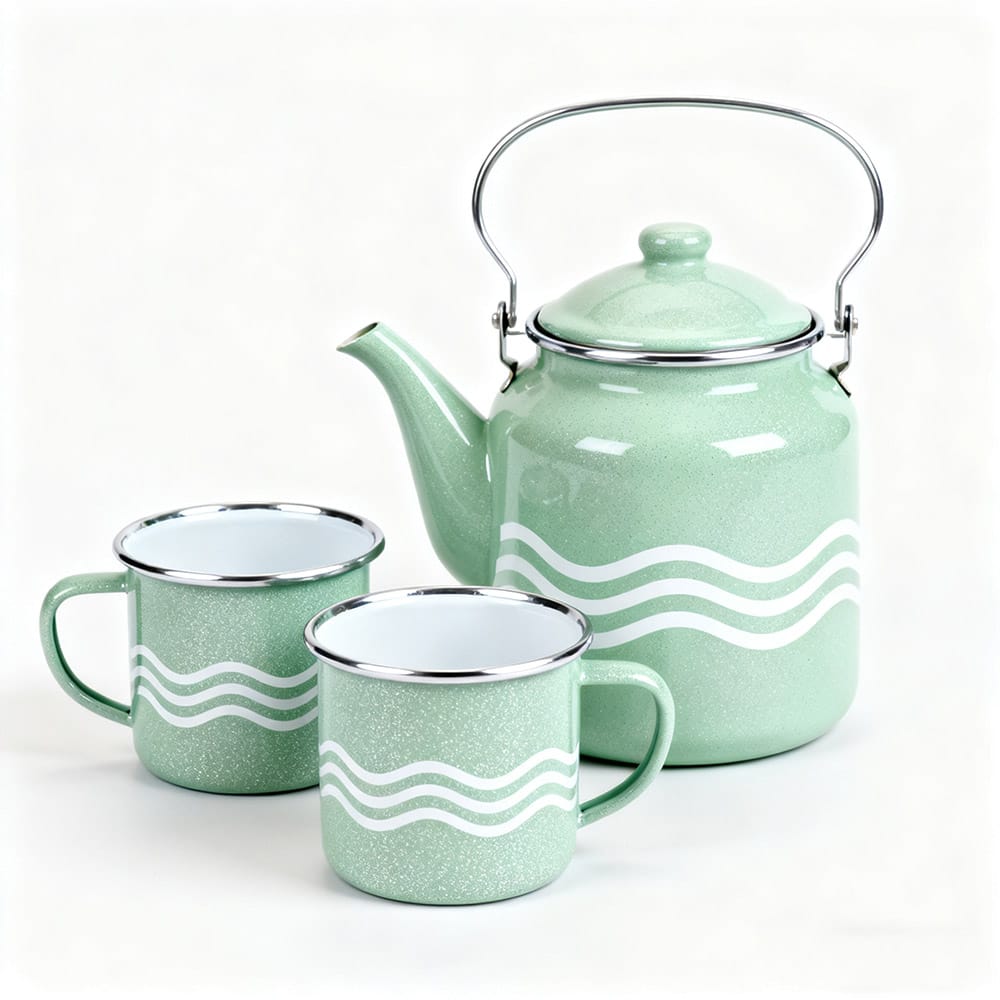
The use of porcelain enamel dates back to ancient times. In fact, it was first used in jewelry and decorative pieces. By the 13th century BC, ancient civilizations in Cyprus were using enamel on rings, and later in the Byzantine era, it was used for both art and practical items. In China during the Ming Dynasty (14th–17th centuries), enamel was used to decorate porcelain, combining artistic designs with everyday use.
It wasn’t until the Industrial Revolution in the 18th century that porcelain enamel began to be used in mass production. By the 19th century, it became a popular way to protect metal from corrosion, and by the 20th century, it was widely used in cookware and bathroom products. Today, it’s a key material in the hospitality industry, offering the perfect balance of durability and aesthetic appeal for high-end tableware.
How Porcelain Enamel is Made
Understanding how porcelain enamel is made can help you make better decisions when sourcing your dinnerware. Here’s how the process works:
- Making the Frit:Raw materials like silica, borax, and feldspar are melted into liquid glass at high temperatures (around 1,150–1,450°C), then cooled and crushed into a powder (called frit). This powder is mixed with water and clay to form a slurry.
- Preparing the Metal: The metal plates or other items (usually made from high-quality steel or cast iron) are cleaned and prepped to ensure the enamel sticks properly.
- Applying the Enamel: The frit slurry is sprayed, dipped, or electrostatically applied to the metal. This is done in several layers—starting with a base coat, followed by colored layers. The enamel is usually applied in a thickness of about 0.1 to 0.5mm.
- Firing:After the enamel is applied, the pieces are fired in a kiln at temperatures between 800–1,800°F, turning the frit into a smooth, glass-like surface. Sometimes, additional firings are done to add extra features like gold rims or embossing.
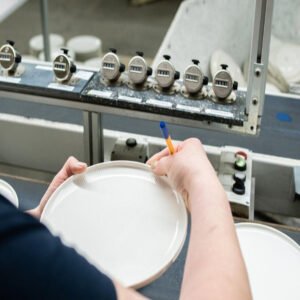
- Quality Control:After firing, the pieces are checked for defects such as cracks or pinholes. They also undergo testing to make sure they meet safety and food-grade standards.
This process results in a durable, glossy finish that’s resistant to fading, chipping, and staining. It’s perfect for restaurants and hotels that need tableware that looks great and lasts a long time.
Key Benefits of Porcelain Enamel for Hospitality Tableware
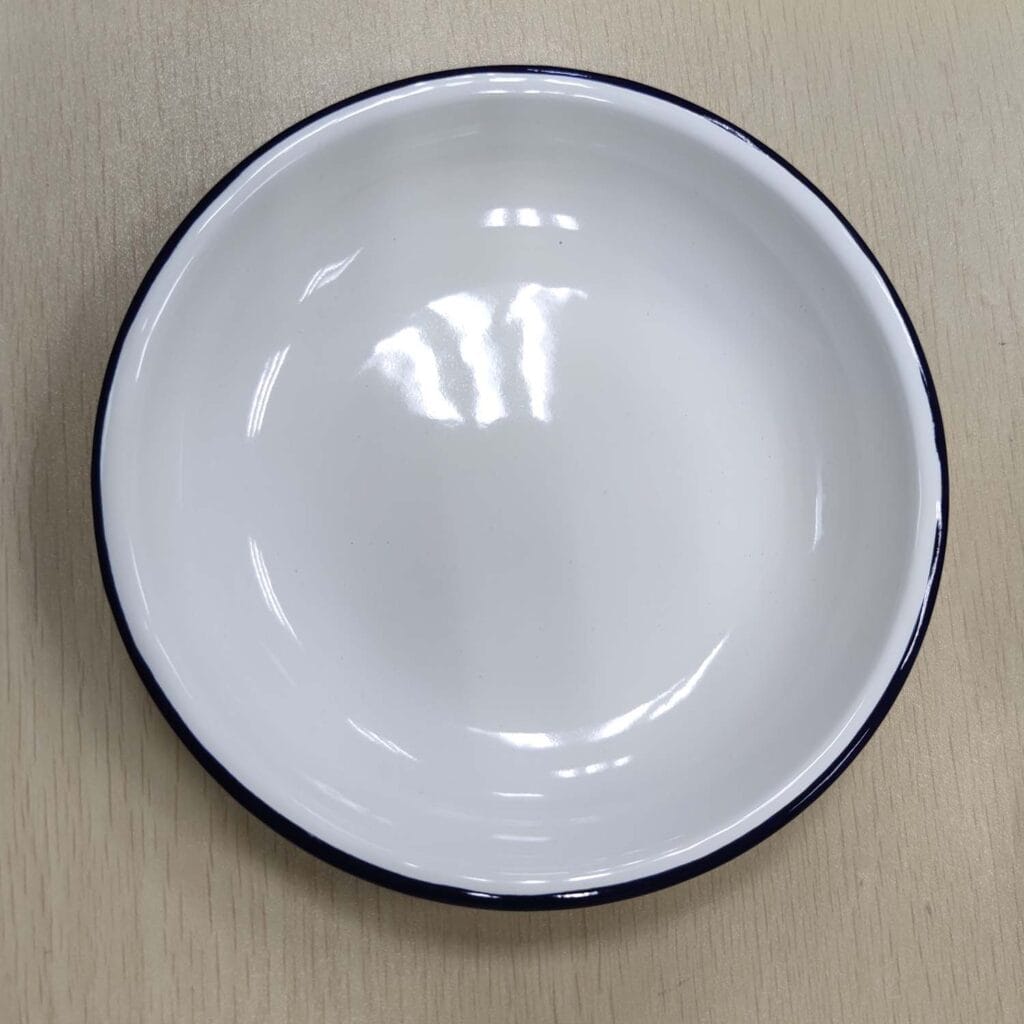
Porcelain enamel is a great choice for hospitality businesses for several reasons. Here are some of the top benefits:
Benefit | What It Means for Hospitality |
Durability & Heat Resistance | The surface is hard and non-porous, making it resistant to scratches, chips, and heat (up to 500°C). Perfect for busy kitchens and high-volume use. |
Hygiene & Safety | The glass composition prevents bacteria growth, and it’s safe to use with food. No risk of leaching harmful chemicals, unlike some metals. |
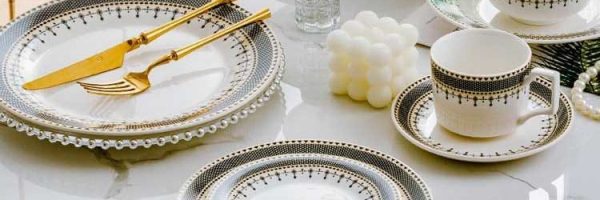
Aesthetic Versatility | Porcelain enamel comes in vibrant, fade-resistant colors and finishes (like metallic rims or custom patterns), perfect for creating a stylish dining experience. |
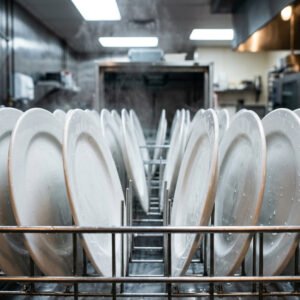
Ease of Maintenance | It’s dishwasher and microwave-safe, and stains wipe off easily, saving time and labor. |
Sustainability | The long lifespan of porcelain enamel reduces waste, and the metal used is recyclable, making it an eco-friendly option. |
Cost-Effectiveness | Porcelain enamel offers a premium look at a reasonable price and lasts much longer than other materials, saving money in the long run. |
Applications in the Hospitality Industry
Porcelain enamel is used in a variety of ways across the hospitality industry:
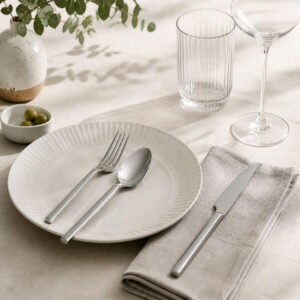
- Hotels and Restaurants: It’s used for dinner plates, bowls, and mugs that need to withstand heavy use while looking beautiful. The material is perfect for both elegant dining and casual settings, with customizable options for themed collections (like special designs for weddings or holiday events).
- Supermarkets and Retailers:Porcelain enamel tableware is a popular choice for gift hampers, especially during the holidays. The vibrant designs make it a great option for seasonal promotions.
- Catering Companies:The durability and heat retention properties make porcelain enamel perfect for catering and outdoor events. It’s also lighter and easier to transport compared to alternatives like cast iron.
Maintenance and Best Practices for Longevity
To keep porcelain enamel dinnerware looking its best:
- Daily Care:Hand wash your items at first, and then use dishwasher-safe cycles without harsh detergents.
- Avoid Abrasive Scrubbing: Don’t use metal utensils or abrasive cleaners that could scratch the surface.
- Storage:Keep your tableware in a cool, dry place to prevent thermal stress and damage.
- Repairs:Minor chips or cracks can be professionally repaired, extending the life of your tableware.
Conclusion
Porcelain enamel is a great choice for anyone in the hospitality industry. It’s durable, looks great, and is easy to maintain, making it a solid investment for restaurants, hotels, and catering companies. Whether you’re looking for elegant dinnerware for fine dining or functional tableware for everyday use, porcelain enamel provides the perfect balance of style and practicality.
If you have any questions,Please feel free to contact us. For more information on this material, check out resources like the Vitreous Enamel page on Wikipedia, or browse our porcelain dinnerware collections to find the perfect pieces for your business.