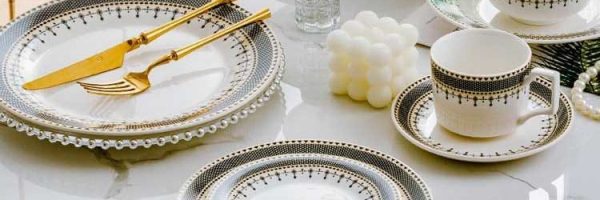
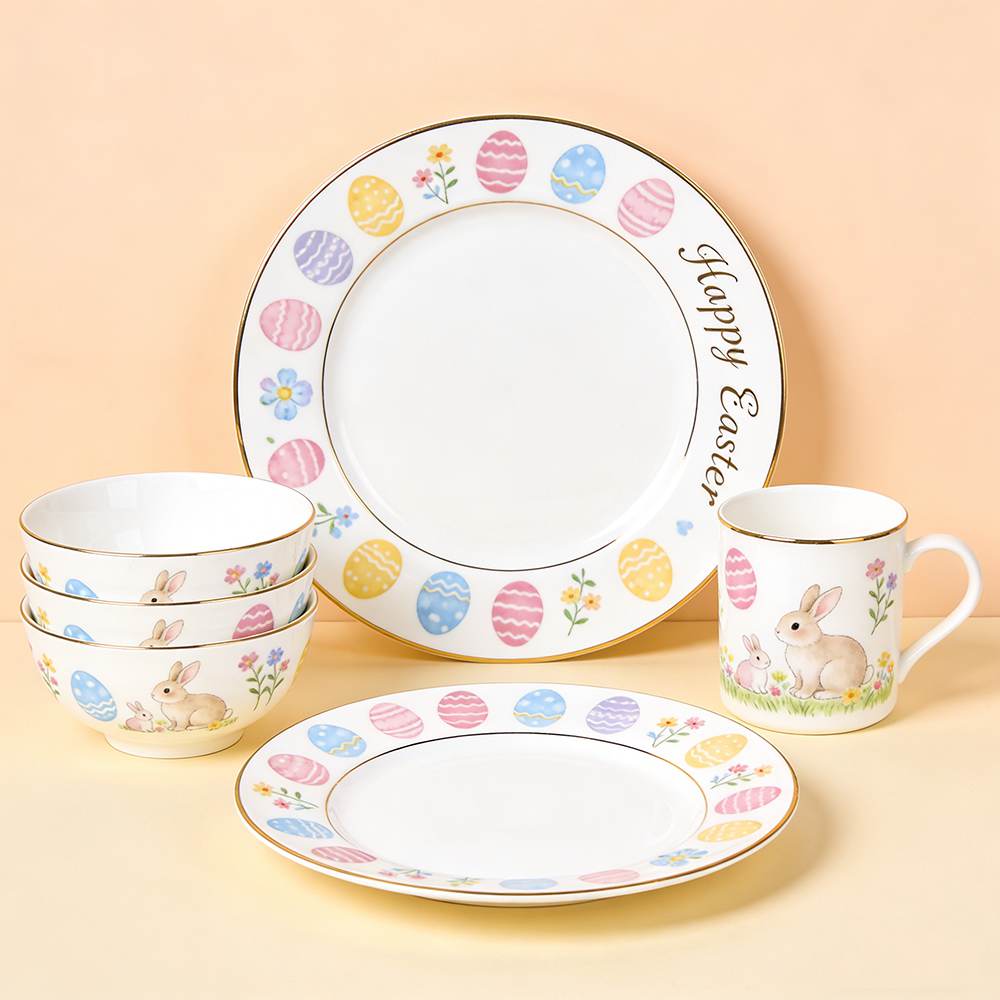
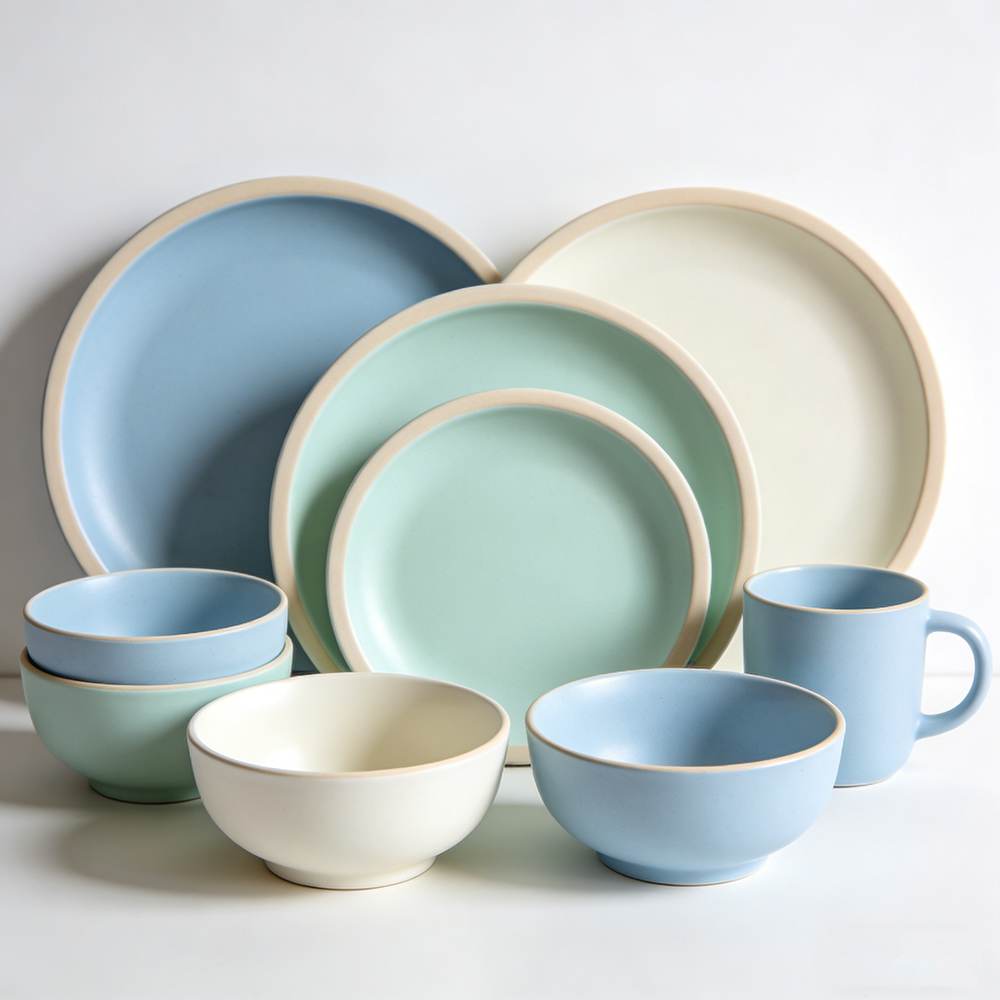
Easter is a celebration filled with renewal, joy, and meaningful traditions. Whether it’s a family brunch, a festive gathering, or a formal spring dinner, the table setting plays a central role in shaping the experience. Choosing the right Easter dinnerware is more than just selecting plates and bowls—it’s about creating a visual story that reflects the spirit of the season. But what exactly makes dinnerware “Easter-themed”? Is it the colors, the patterns, or the symbolism behind the designs? In this guide, we’ll explore the key elements that define Easter dinnerware and how you can use them to create a beautiful and cohesive table setting. The Meaning Behind Easter and Its Influence on Tableware Before diving into design elements, it helps to understand the cultural and symbolic roots of Easter. Easter is one of the most important holidays in Christianity, celebrating resurrection and new life. Over time, it has also become associated with broader themes of spring, rebirth, and renewal. According to Wikipedia, Easter traditions often incorporate symbols such as eggs, rabbits, and flowers—each representing fertility, growth, and new beginnings. These symbolic elements naturally translate into dinnerware design, shaping the aesthetics of Easter-themed table settings. Signature Easter Color Palettes 1. Pastel Colors Pastels are perhaps the most recognizable feature of Easter dinnerware. Soft hues like: Baby blue Blush pink Lavender Mint green Pale yellow These colors reflect the gentle tones of spring and create a light, airy atmosphere at the table. 2. Nature-Inspired Greens and Neutrals In addition to pastels, earthy greens and warm neutrals are increasingly popular in modern Easter tableware. These tones mimic fresh grass, budding leaves, and natural textures. 3. Subtle Gold Accents Gold-rimmed or lightly gilded dinnerware adds elegance without overpowering the soft seasonal palette, making it ideal for more formal Easter gatherings. Iconic Easter Motifs and Patterns 1. Bunnies and Rabbits The Easter Bunny is one of the most iconic symbols of the holiday. Dinnerware featuring rabbit illustrations instantly signals an Easter theme, whether playful or sophisticated. 2. Easter Eggs Decorated eggs symbolize new life and are a staple in Easter design. On dinnerware, they may appear as: Painted patterns Embossed textures Subtle border details 3. Floral Designs Spring flowers like tulips, daffodils, and lilies are commonly featured. These floral elements add freshness and connect the table to the natural world. 4. Chicks and Spring Animals Chicks, lambs, and other young animals reinforce the theme of renewal and are often used in more casual or family-oriented dinnerware sets. Material Choices That Enhance the Easter Theme While design is important, the material of your dinnerware also contributes to the overall feel of your table. Porcelain and Bone China These materials offer: Smooth, refined surfaces Ideal backgrounds for pastel and floral designs A slightly translucent quality that enhances elegance Stoneware Stoneware provides a more rustic and grounded aesthetic, perfect for: Farmhouse-style Easter tables Natural or organic themes Ceramic with Reactive Glaze Reactive glaze finishes create subtle variations in color, echoing the imperfect beauty of nature—perfect for modern Easter settings. Texture and Finishing Details 1. Embossed Patterns Raised floral or egg motifs add depth and tactile interest without overwhelming the design. 2. Hand-Painted Elements Hand-painted dinnerware feels more personal and artisanal, aligning with the idea of a thoughtfully prepared holiday meal. 3. Gloss vs Matte Finish Glossy finishescreate a clean, elegant look Matte finishesoffer a softer, contemporary feel Mixing both can create visual contrast on your table. Shape and Form: Subtle but Impactful Easter dinnerware often features softer, more organic shapes compared to standard sets: Rounded edges instead of sharp lines Slightly scalloped rims Irregular or handmade-inspired silhouettes These details help reinforce the relaxed and welcoming atmosphere typical of Easter gatherings. Coordinating Easter Table Elements Easter dinnerware doesn’t exist in isolation—it works best when paired with complementary table décor. 1. Centerpieces Fresh flowers Decorative eggs Spring greenery 2. Linens Linen napkins in pastel tones Floral or embroidered tablecloths 3. Glassware and Accessories Clear or lightly tinted glassware pairs well with Easter dinnerware, keeping the table light and cohesive. Modern Trends in Easter Dinnerware (2026) Easter tableware trends are evolving, blending tradition with contemporary design: 1. Minimalist Easter Aesthetic Rather than bold motifs, many designs now use subtle nods to Easter—like a single embossed egg or a soft color gradient. 2. Eco-Friendly Materials Sustainable ceramics and natural glazes are becoming more popular as consumers prioritize environmentally conscious choices. 3. Mix-and-Match Styling Instead of uniform sets, mixing plates with different patterns or colors creates a curated, layered look. How to Identify True Easter-Themed Dinnerware To quickly determine whether a dinnerware set fits the Easter theme, ask yourself: ✔ Does it use soft, spring-inspired colors?✔ Are there seasonal motifs like flowers, eggs, or animals?✔ Does it create a light, fresh, and welcoming atmosphere?✔ Can it pair well with spring décor and natural elements? If the answer is yes to most of these, you’re looking at authentic Easter dinnerware. Why Easter Dinnerware Matters Easter is about more than just food—it’s about experience. The right dinnerware: Enhances presentation and visual appeal Sets the tone for the gathering Reflects care and attention to detail Creates memorable moments for guests In many ways, the table becomes a canvas where tradition, design, and hospitality come together. Final Thoughts Easter dinnerware is defined by a harmonious blend of color, symbolism, material, and design. From pastel palettes and floral motifs to delicate porcelain finishes and handcrafted textures, every element contributes to a table setting that celebrates renewal and togetherness. Whether you prefer a classic bunny-themed set or a modern minimalist approach, the key is to create a table that feels fresh, inviting, and aligned with the spirit of Easter. Because at the end of the day, the best Easter table isn’t just about what’s served—it’s about how it makes people feel.
Hotel Dinnerware UAE: Materials, Standards & Sourcing Guide
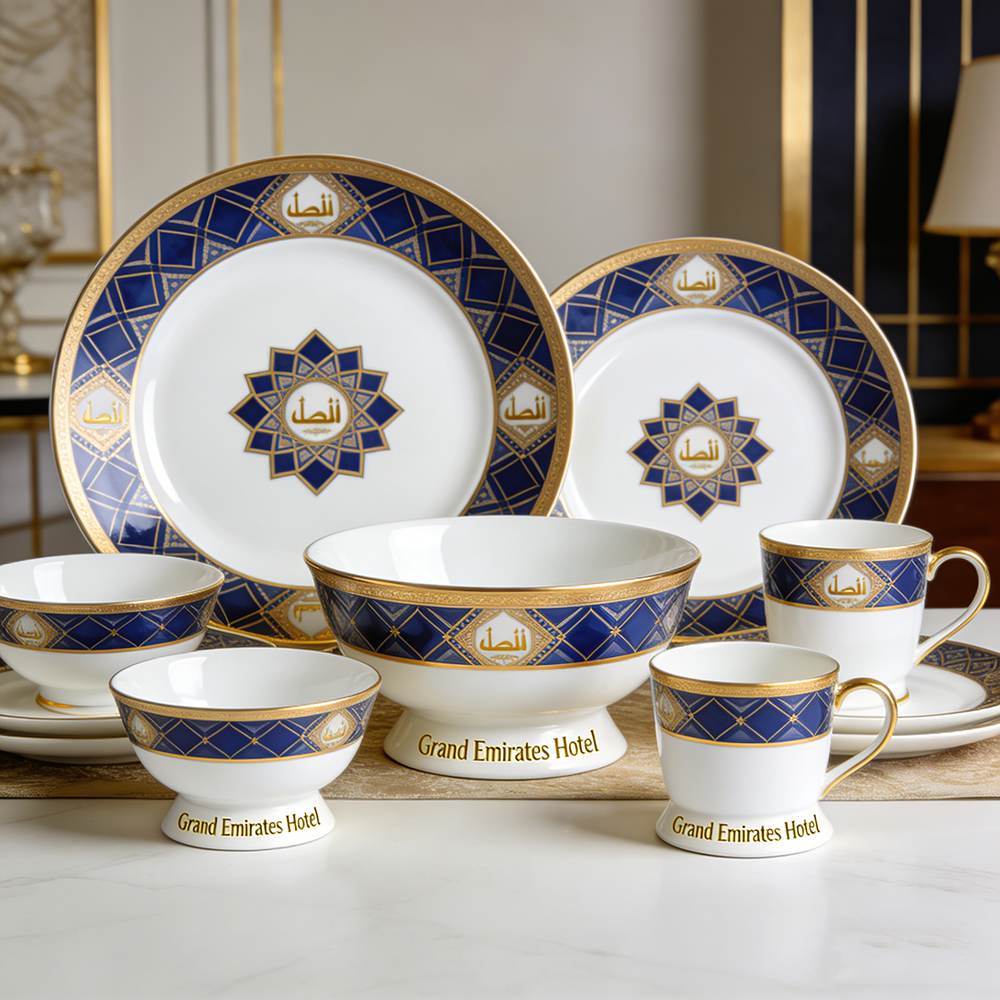
Few things in a hotel are used (and judged) as often as dinnerware. Dinner service in the UAE isn’t just about food; it’s a complete performance package. The dinnerware has to survive high-volume buffets, dishwashing cycles, and outdoor service in extreme heat without compromising presentation. That makes procurement of hotel dinnerware in the UAE a frontline operational decision. The UAE hospitality sector is scaling fast, with over 1,200 hotels and 216,000 rooms already in operation as per the UAE Ministry of Economy and Industry reports. In 2025, revenues hit AED 89 billion (USD 24.2 billion), and today, there are over 26,000 rooms in the pipeline, where procurement teams are working in a constant cycle of new openings and F&B concept launches. What that means is, there’s scope, growth, and zero room for error. Whether you are serving guests in a luxury branch in Dubai Marina or hosting a small business lunch in Sharjah, the entire dining experience, including the dinnerware, has to perform consistently, service after service. In this guide, we’ll cover how to choose the right hotel dinnerware in the UAE and how to bring durability, compliance, logistics, and brand alignment together so it shows up in your service cost and guest reviews. Choosing Materials for UAE Hotel Conditions During the summer, temperatures in coastal cities like Dubai and Abu Dhabi climb up to 45°C and occasionally around 49-50°C. In a high-volume service, with around 300–500 breakfast covers, the material choice isn’t about the looks. It becomes an operational decision. Consider the frequent dishwashing cycles, cleaning detergents, and fast clearing, and the weaker materials will start failing within just the first few months. So which materials stand up to the UAE heat, humidity, and high-volume hotel service? Porcelain Porcelain is the backbone or workhorse of hotel dinnerware in the UAE, and for good reason. The material is non-porous and vitrified, making it highly resistant to staining, moisture absorption, and chemical wear. Many traditional Emirati and Middle Eastern dishes are prepared in rich oils and aromatic spice blends. Ingredients like cumin, turmeric, and saffron add a deep flavor to the dishes but can also leave persistent stains on the dinnerware. Since dinnerware is also exposed to high humidity and heat in the commercial kitchens, there is an increased risk of moisture absorption in lower quality ceramics. Over time, consistent exposure weakens the structure and accelerates cracking. Toss them into industrial dishwashers with high alkaline detergents (pH 11–13), and whatever strength was left gets washed away. In these situations, Porcelain Dinnerware, given its thermal stability, lasts. It remains the default hotel tableware in Dubai, for all-day dining outlets, breakfast buffets, banqueting, and high-volume room service programs. Learn more about dinnerware durability and lifecycle cost in our guide: Best Restaurant Dinnerware: Material Selection & Buying Guide. Bone China In luxury hotel dinnerware Middle East programs, Bone China Dinnerware serves as the ultimate stage for fine dining. Its qualities, such as being lighter than porcelain, natural translucence, and aesthetics, make it more suited for premium dining concepts, such as in 5-star properties. Since the material is lightweight, it’s easy to handle, reducing server fatigue. The delicate presentation makes it ideal for plated cuisines, and a perfect option for signature restaurants and fine dining tasting menus. However, bone china is generally less forgiving in high-speed dining. The material is more prone to chipping, especially around the edges, compared to porcelain. That’s why it isn’t standardized across all outlets, but rather reserved for controlled or lower-volume high-value dining concepts. Learn more in our guide: What is Bone China Dinnerware Made Of? Stoneware With the increasing number of concepts leaning towards chef-led and farm-to-table dining, Stoneware Dinnerware is slowly making its way into the hotel F&B programs. The earthy tones, textured finish, and often intentional variations between the finishes make each dish tell a story. However, since stoneware has its limitations, like being porous, heavier, and less resistant to dishwashing than porcelain and bone china, it’s more suited for specialty dining. It is not for the outdoors or buffets, but can be part of the non-core inventory for moderate-volume dining restaurants. Read more about the material here: What is Stoneware Dinnerware? A Complete Guide to This Timeless Tableware. Melamine Just as porcelain is the top choice for dinnerware for indoor dining, melamine keeps the outdoor service running, especially in scorching summers. In pool bars, beach clubs, and casual outdoor restaurants in resort-heavy markets like Palm Jumeirah and Ras Al Khaimah, Melamine Dinnerware works well. It’s lightweight, shatter-resistant, and easy to handle for the staff through the sun loungers and crowded patios. Melamine is also UV-resistant and can handle chlorine exposure and sand abrasion better than its counterparts. Also, replacement costs are low, so hotels can maintain large inventories for high-traffic outlets without blowing their F&B budget. Most UAE hotels use a layered dinnerware strategy where they procure porcelain for high volume and durability, bone china for luxury dining, and melamine for outdoor serving. Many also invest in stoneware for concept differentiation in their hotel chains. This multi-material approach works and helps them manage multiple outlets with multiple service styles, in widely unique environmental conditions. UAE-Specific Procurement Considerations The UAE market is highly unique compared to other markets in the USA, UK, and other parts of the world. The hotel procurement in the UAE decision isn’t just made for the price and design. It is influenced by the climate extremes, cultural dining formats, regulatory environment, and import logistics, all coexisting in one of the fastest-growing hospitality markets in the world. The UAE hospitality market is expected to reach USD 30.07 billion this year, 2026, and by 2031, it is to reach USD 43.92 billion. They are also targeting 40 million annual hotel guests under Tourism Strategy 2031. For hotel dinnerware UAE procurement, this means considering the: Climate:The climate can be a silent damage factor for dinnerware materials. With humidity levels as high as 80-85%, the climate causes slow surface degradation in dinnerware, especially in plates with metallic rims or low-grade ceramics. Culture
How Many Plates Does a Restaurant Need? A Practical Guide
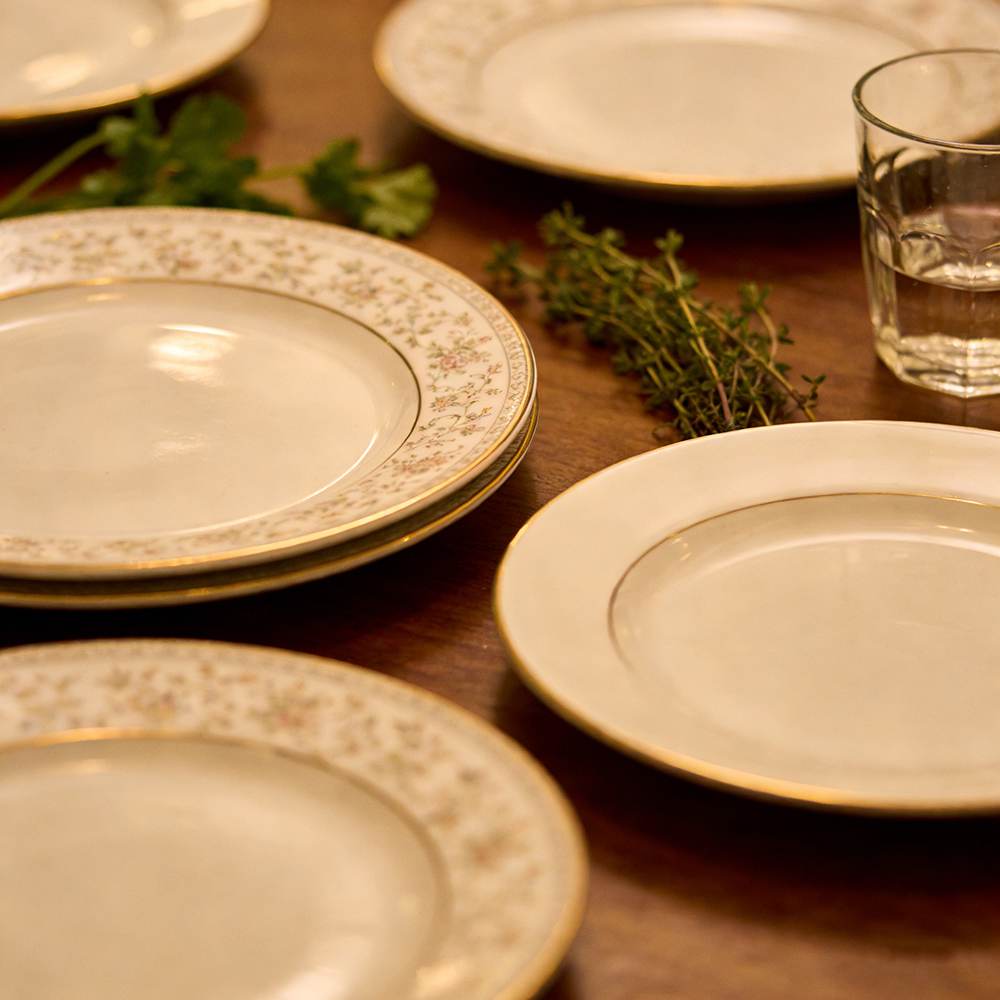
When opening a restaurant, most people have only planned the major factors like the type of cuisine or location. No one really prepares you for the technical aspect of things, like how many plates does a restaurant need? This may seem like a minor detail, but it has a huge impact on your daily operations. Order too few plates, and your servers will be waiting on the dish pit during rush hour. Order too many, and you’ll waste money and storage. A good industry baseline to follow is the 3:1 rule, meaning 3 plates per seat. Of course, this isn’t a strict expectation, just a starting point to help you kick off your restaurant plate inventory. The final answer depends on menu complexity, service format, plate categories, and replacement planning. In this guide, we’ll cover everything you need to calculate the right number of plates for your business. The 3:1 Rule — Your Starting Calculation There’s no universal answer to “how many plates does a restaurant need?” However, most restaurants follow the 3:1 plate ratio, which means 3 plates per seat. This rule comes from G.E.T. Enterprises, a leading commercial dinnerware manufacturer for restaurants. This way, there’s always one plate in service, one in the wash cycle, and one cooling or resting. This prevents thermal stress, which happens when you put hot-washed plates right into service instead of cooling down. Most plate materials don’t tolerate rapid temperature changes too well. When the surface cools down before the interior, it can lead to warping and cracking over time. Plus, this ratio also ensures that you never run short even during peak hours. Dropping below this ratio almost guarantees trouble. You’ll be forced to serve plates that are still wet or hot from the washer, which increases the risk of breakage and costs you more than it saves you. In any standard restaurant where the dish pit runs nonstop, a 2:1 plate ratio would create a bottleneck within the first hour. Still, remember that the 3:1 rule is just the starting point. Your final answer needs to account for many other factors and still add a few extra plates for good measure. Let’s say there are 100 seats in your restaurants, which means you need at least 300 plates as a baseline. Then, add a 10–15% buffer in case of breakage or peak surges. That brings you to about 330–345 plates. Since dinnerware is usually sold by the dozen commercially, it’s best to round up to the next dozen. That means you need to order 29 dozen or 348 plates for your 100-seat restaurant. Of course, you’ll need to apply this ratio to each type of plate, bowl, or piece of cutlery in your restaurant. At the end, your total restaurant dishware inventory will be much higher than 348. We’ll help you calculate that in the next section. Beyond Dinner Plates — Building Your Full Plate Inventory by Category Of course, no restaurant serves just one type of plate. You need to factor in all the dinner plates, side plates, bowls, and other dinnerware in your restaurant plate inventory calculation. Based on your menu structure, you may need different amounts of each type of plate. According to commercial dinnerware quantity guidelines per 100 seats, your calculation would be: Dinner Plates (10–12”):This is the non-negotiable backbone of any dinnerware program. You’ll need at least 3 per seat, so that’s 300 pieces. Side/Salad Plates (7–8”):Your usage of side/salad plates depends on whether your menu features any plated salads, shared appetizers, or bread-and-butter services. As a good rule of thumb, you’ll need about 1.5 or 2 per seat, which means around 150–200 pieces total. Bread and Butter Plates (6–7”):You’ll only need these plates if your concept includes bread service. In that case, you’ll need about 1 or 1.5 per seat, meaning 100–150 pieces. If not, many casual-concept restaurants skip this plate entirely. Bowls:If you have a few pastas and soups in your menu, you’ll need no more than 1.5 to 2 bowls per seat. That means around 150–200 pieces. However, if your menu is bowl-heavy, centering around soups, ramen, poke, or pasta, it’s better to follow the 3:1 ratio. Dessert Plates (6–8”):Most restaurants need 1 or 1.5 desserts per seat, which means around 100–150 pieces. These can also double as appetizer plates to reduce the total stock-keeping unit (SKU) count. Specialty Pieces:These include charger plates, share platters, appetizer boats, and other miscellaneous pieces. You only need to order them based on what your menu actually uses. Unused specialty pieces are typically dead inventory that takes up time and money. Before making your restaurant opening dinnerware order, make sure to do a complete menu analysis. For instance, if you have a steakhouse that doesn’t serve soups or pastas, you can skip bowls entirely. On the other hand, a pasta-centered restaurant would need twice as many bowls as dinner plates. Adjusting Quantities by Restaurant Type Here’s what most people don’t cover when you ask, “How many plates does a restaurant need?” The 3:1 plate ratio isn’t a universal rule to be followed by all types of restaurants. It’s just a starting point to help you kickstart your calculation. The final number will be vastly different depending on the type of restaurant you have. Fine Dining Most fine dining restaurants typically have 50 to 80 seats. There’s a much higher variety of menu options, which translates to variety in plate types, too. However, the overall volume will be low since there aren’t that many people dining at a time. Additionally, fine dining places typically have a multi-course service, ranging between 4 and 7 courses. This means there may be around 5 plate categories, with 3 pieces per seat for each category. In the end, the total number of unique plates may be higher than standard, but the total volume will be moderate. You may also need to budget for premium materials like bone china or fine porcelain. Casual Dining Casual dining restaurants have anywhere between 80 and 150
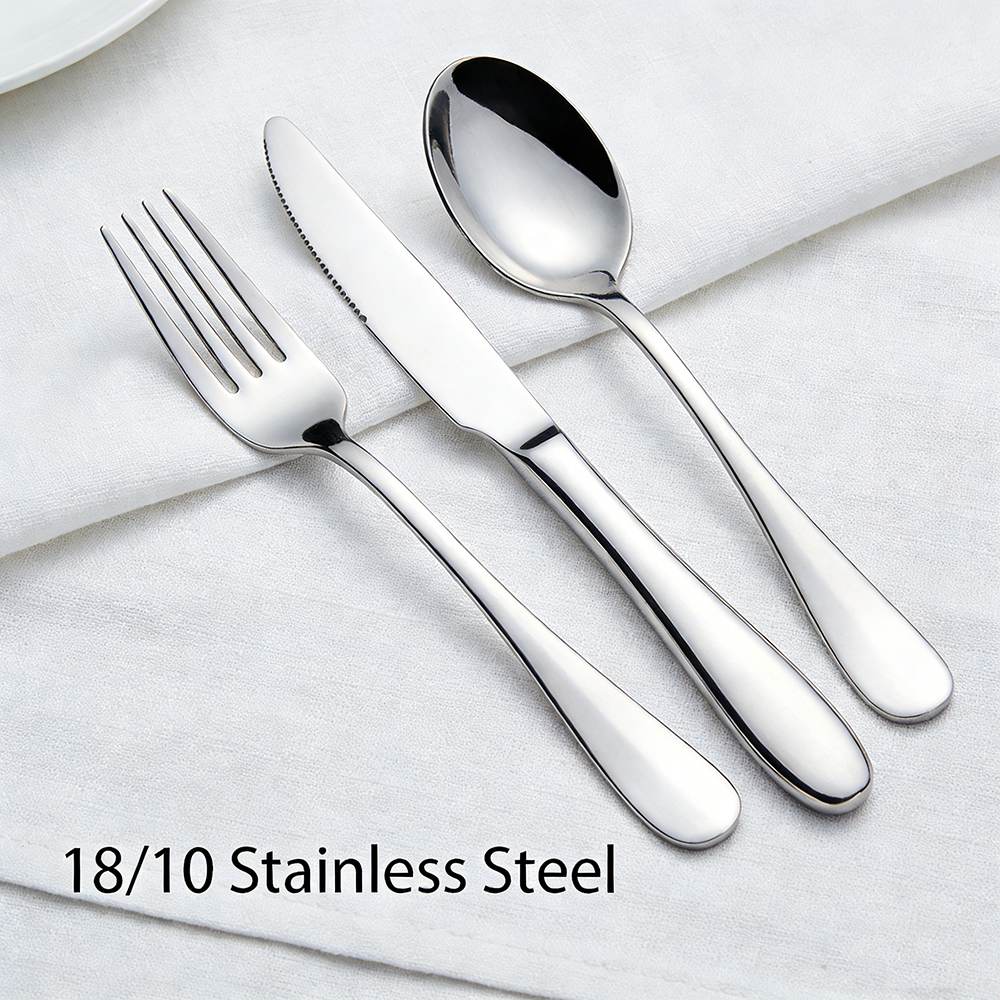
What Is 18/10 Stainless Steel Flatware? Guide for Hotel Buyers
You’ve requested quotes to procure flatware from multiple suppliers. Now you’ve narrowed down to three, where the pricing, seller’s profile, and designs appear the same. But, as you look up close, you notice the fine print: 18/10, 18/8, and 18/0. Makes you wonder, are you buying flatware or decoding a secret message? If you think these numbers don’t matter, you could end up with a bulk order that doesn’t even hold up for six months. What is 18/10 stainless steel, and why should you care about it? Let’s learn about these stainless steel grades of flatware from a procurement floor perspective. What is 18/10 Stainless Steel? Composition and Metallurgy The stainless steel grades in flatware are a telltale number for the composition. Two sets may look and feel the same, but the composition can determine how long they’ll last before they start giving you trouble. Take 18/10, for instance. It means it has 18% chromium and 10% nickel in its composition, where the rest is made up of iron and trace elements. What does the composition do to the metal? That’s where a little chemistry comes in. Chromium reacts with oxygen to form an ultra-thin passive oxide layer on the surface. The layer protects the metal from rust and scratches. In other words, that’s the kind of stainless steel that can survive the daily abuse in commercial kitchens. The nickel composition stabilizes the surface. Or in other words, it increases corrosion resistance against acids and detergents. It keeps the surface brighter for longer, and also, it is nickel that makes the metal ductile, so it can be molded into thinner and more refined designs. The Grade 304 Most mills wouldn’t advertise their offering as 18/10. They use another terminology for it: Grade 304 stainless steel. This means there isn’t a fixed percentage of the metals but more of a range, like: Chromium: 18–20% and nickel: 8-10.5%. In practice, Grade 304 flatware usually has a nickel composition of around 8.2-8.5%. The 18/10 vs 18/8 stainless steel debate, hence, becomes more of a marketing gimmick than actual metallurgy unless you’re getting a good look at the mill test certificates (MTCs). So go by the grade and performance, which brings us to another interesting difference, austenitic stainless steel vs ferritic. In this grade, Brett’s 24 PCS Gold-Plated Stainless Steel Cutlery Gift Set is worth considering. Austenitic 304 or 18/10 Vs Ferritic 430 or 18/0 Austenitic stainless steel is non-magnetic, ductile, and can resist corrosion and handle commercial cycles better. Ferritic, on the other hand, is magnetic and stiffer. It has, however, a low resistance to corrosion and dulling over time. The difference is not subtle in a hotel environment. You’re working with high alkaline detergents (pH 11–13 in many commercial systems), rinse temperatures of around 80-90°C, and hundreds of cycles a week in high-volume settings. The combination of heat and chemicals starts to expose the materials. Lower nickel content and you’ll see dulling, staining, and even early signs of corrosion creeping in. Higher nickel content? The finish holds, the shine lasts, and the pieces age far more slowly and gracefully. Under FDA 21 CFR food-contact frameworks, stainless steel is assessed on its chemical stability and resistance to leaching, rather than fixed composition ranges. Both 18/10 and 18/0 stainless steel are widely used in food-contact applications and can meet regulatory requirements when properly manufactured. So, even though compliance can get the flatware in through your door, it’s the durability that’ll keep you from reordering emergency batches just half a year after procuring your first batch. Learn more in our guide: Stainless Steel Flatware Grades Explained: 18/10 vs 18/0 What Hotel Buyers Need to Know About 18/10 vs 18/8 vs 18/0 The stainless steel flatware grades are not about buying premium vs economy. They reflect the long-term impacts on the appearance, durability, losses, and replacement cycles. The Grade Comparison Grade What It Is Performance Where It Works Where It Fails 18/10 Grade 304 (austenitic) Highest corrosion resistance, polish retention, and non-magnetic Fine dining, in-room dining, guest-facing service Excessive for high-loss environments 18/8 Grade 304 (austenitic) Almost the same as 18/10 in Same as 18/10, but better value Excessive for high-loss environments 18/0 Grade 430 (ferritic) Low corrosion resistance, magnetic, dulls faster Buffets, banquets, staff dining, pool service Visible wear in premium outlets 18/10 (Grade 304) 18/10 is the front-of-house flatware. Even after undergoing hundreds of commercial dishwasher cycles, it looks the same. Even if you use it for serving acidic foods like citrus and dressings, it doesn’t lose its shine, whereas lower grades may start to dull out. The grade is the preferred choice for signature restaurants, VIP dining, and in-room dining trays. 18/8 (Grade 304) 18/10 vs 18/8 are often the same steel. The difference is usually just a market positioning strategy. They’re both Grade 304, operate within the accepted chromium and nickel range, and behave the same in commercial kitchens. It’s just a branding difference. So, unless you’re verifying the mill certificates, there’s not much of a difference here. However, in the world of procurement, that yields an opportunity, many procurers do not know of. You can actually buy 18/8 patterns cheaper without a performance trade-off. 18/0 (Grade 430) Next, we have the operational workhorse, or the 18/0 stainless steel. The grade has no nickel, which makes it ferritic. 18/0 comes at a low upfront cost and has enough durability to work in an environment where covering for flatware losses is the priority. You won’t get long-term shine, high resistance to chemical wear, or a consistent appearance even after repeated cycles. In fact, the flatware may start looking dull and call for replacements within the first year. But, in buffet and banquets or in outdoor and poolside service, where frequency of losses is high, 18/0 becomes the practical choice. Learn more about Commercial Flatware Finishes: Satin, Bright, and Matte here. Why Hotels Choose 18/10? Performance Under Commercial Conditions Unlike dinnerware, flatware downgrades subtly and takes longer to show. Nobody would notice it on
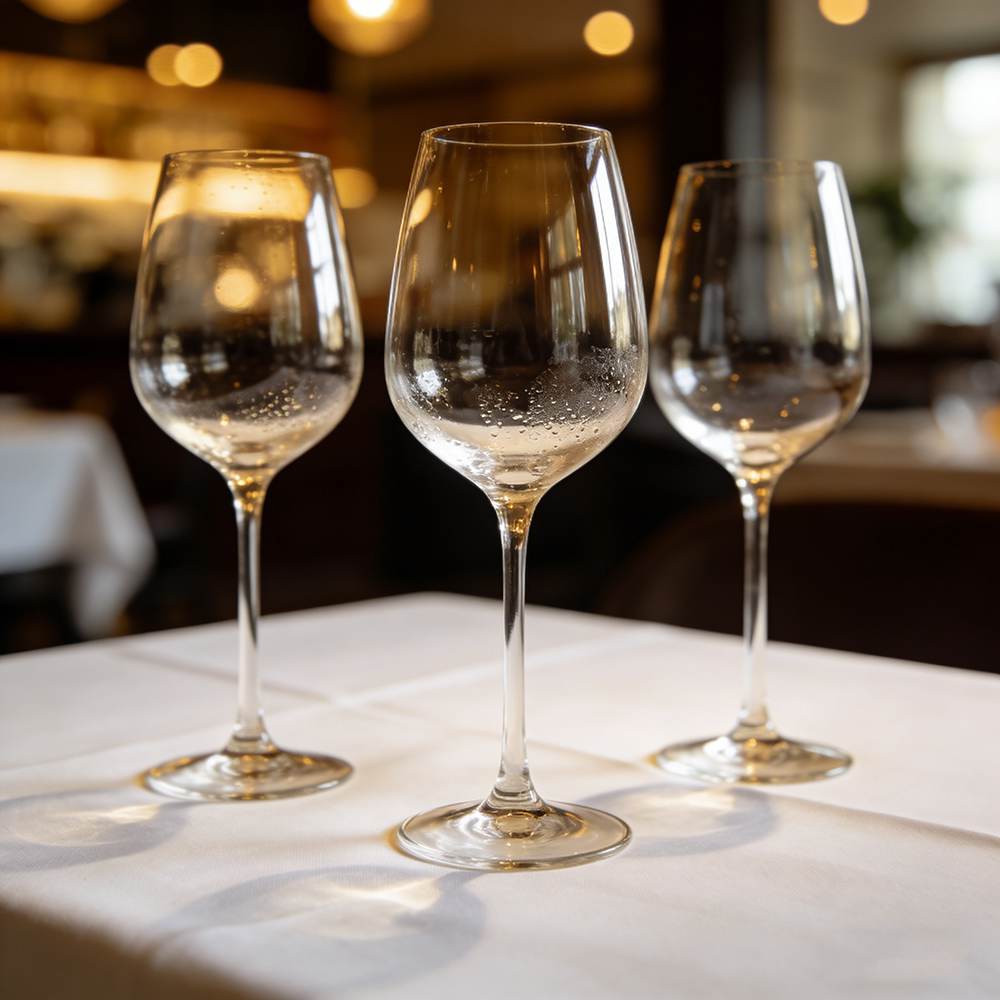
Wine Glasses for Restaurants: Types, Grades & Buying in Bulk
A guest just ordered your most expensive Burgundy. Your servers move in, just as they’ve been trained to, and present the bottle, label forward. On approval, the tumblers arrive polished, but thick-rimmed and heavier than usual. The wine is poured in, and the guest lifts the glass. Just one sip and they notice the thick rim, the tight bowl, and the aroma of the layered notes of Burgundy that never comes. And that just kills the whole experience. Here, every part of the service was elegant and carried to perfection, except the part that mattered most: the glassware. Unfortunately, this is where most restaurants and fine dining concepts fall short. Wine glasses for restaurants aren’t just a tabletop accessory; they can alter the whole experience from the way the wine tastes, feels, or even smells. The bowl width controls the oxygen exposure or aroma, the rim changes the entire way the wine feels on the palate, and so even the rarest Burgundy can fall flat when served in the wrong glass. In this guide, we will talk about what actually matters in glassware, including the material, shape, and type, along with how to control breakage and the number of glasses you need for your concept. Wine Glass Types for Restaurant Programs Glass Type Best For Operational Strength Maintenance Breakage Procurement Notes Universal (Crystalline) Full-service restaurants Suits most of the wine-by-the-glass programs Dishwasher-safe Manageable with proper racks Ideal core inventory for bulk wine glasses for restaurants Red Bordeaux/ Burgundy style Wine-forward concepts Larger bowl supports aeration Dishwasher-safe High risk due to size Buy only if the wine list depth justifies expansion White Wine Glass Seafood-heavy or white-dominant menus Small bowl preserves temperature and aroma Dishwasher-safe Moderate risk Core inventory if using a well-designed universal stem Champagne Flute Restaurants serving sparkling wine Preserves carbonation and uplifts presentation Dishwasher-safe The tall profile increases handling risk Specialty glass most programs need Stemless Wine Glass Casual, fine-casual concepts Stackable, low breakage Dishwasher-safe no stem, low risk best for a relaxed service style Crystal (Leaded) Fine dining with trained staff Ultra-thin rim Requires controlled washing Highly fragile Best for low-volume, high-touch programs Crystalline (Lead-Free Crystal) Modern restaurants Clear with thin rims Commercial dishwasher compatible Low risk of breakage Ideal for hospitality stemware Tempered Glass High-volume and institutional use Impact- resistant Dishwasher-safe Shatters under stress Useful in banquet-heavy environments Glass vs Crystal vs Crystalline: Which Material Grade Belongs in Your Restaurant? When you’re looking for commercial wine glasses, the choice of material isn’t a style decision only. These glasses won’t be up for display, but will carry the serving itself. So the choice of material, type, and size all matter. Standard Glass Also known as the Soda-Lime Glass, this is the workhorse of the industry. The standard glass is non-porous, completely dishwasher-safe, and hence the most widely used glassware in high-volume venues. Another advantage is that it comes with an affordable price tag. It’s a high-quality commercial glass and can withstand up to 1,000 dishwasher cycles under proper handling conditions. However, there are trade-offs with this style, such as thicker rims, added weight, and low brilliance. Think of it more like a convenient but less glamorous option in your serveware. Learn more in our guide: Commercial Glassware Selection. Crystal Traditional crystal material contains lead oxide. The lead composition changes the glass structure and makes it thinner, but gives it a high refractive index or ‘sparkle’. These glasses look extremely elegant and are usually more suited for fine dining concepts and tasting menus. However, since they are thin, they are more prone to breakage. The same quality also makes them more eligible for gentle hand washing. Since the material is delicate and porous, it’s also not the best for high-volume concepts, unless the staff is well-trained and the handling procedures are more controlled. Brett’s Custom Luxury Crystal Wine Glass Set and Luxury Gold-Rimmed Crystal Glass Set are some options worth exploring in this category. Crystalline The crystalline category is the literal sweet spot for modern dining concepts. The material is lead-free, in fact, replacing the oxide with alternative minerals like zinc and magnesium oxides. This is the very property that gives it the almost crystal clarity and refined look. It’s also dishwasher safe, which is another reason why it’s becoming one of the fastest-growing segments in professional stemware. Many concepts, in fact, consider it to be amongst the best wine glasses for restaurants. Explore Brett’s Minimalist Spherical Crystal Wine Glass and Vintage Diamond-Shaped Embossed Crystal Glass Set here. Tempered Glass Tempered glass material is heat-treated, which gives it high impact resistance and the ability to resist temperature changes. The material is commonly used in high-volume environments such as banquet halls, catering businesses, and institutes. However, it can still shatter under stress. Learn more in our guide: Tempered vs Annealed Glassware: Safety, Durability, and ROI Analysis for Commercial Kitchens. The Rim Quality When it comes to delivering a great guest experience, the rim quality matters just as much as the glass material. There are three types of rim qualities: Rolled Rims: These are thick and so less refined, but also economical and best for budget SKUs. Cut and Polished Rims: These are thinner and smoother compared to rolled types. Since they give a better drinking experience, they are found in most casual and fine dining concepts. Laser-Cut Rims: The laser-cut rims have smooth edges but are extremely thin. These are mostly found in premium and specialty dining concepts. Wine Glass Shapes: What Your Restaurant Actually Needs (and What It Doesn’t) Most restaurant owners make the mistake of overbuying glassware. Some do it to buffer for breakage, others for aesthetics, and still others just for a varietal lineup. But if the glassware doesn’t move, it’s just dead inventory. So what type of wine glasses does your concept really need? Remember, a standard wine pour is 5 oz. That yields about 5 servings per 750 mL bottle. Some venues even pour up to 6 oz, depending on their pricing strategy. So a
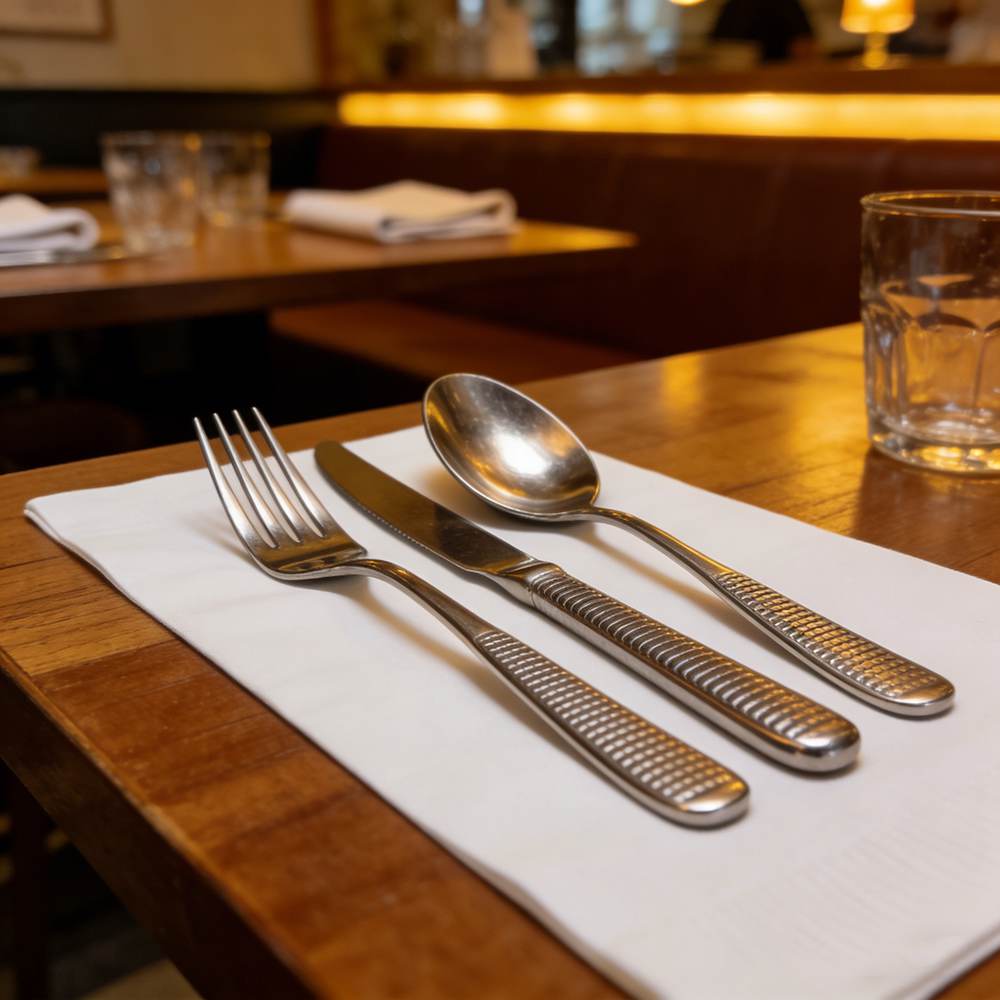
Restaurant Supply Flatware: Stainless Steel Grades and Buying Guide
You sprinkle the final garnish onto your signature dish, and it heads to the table in perfect form, looking like a delicacy. The guest leans in, picks up the fork, and notices one tine is slightly bent, and suddenly, he’s questioning the entire experience. The thing about flatware, unlike tableware or decor, is that it’s not visibly dramatic, but anything off and it’s enough to be noted. Even before the guest takes the first bite, the ambience and service are perceived as low in their minds. Behind the scenes, another situation is brewing. The procurement manager is struggling with another problem: the flatware loss. The teaspoons are shrinking in number, and during peak service, by the time of dessert, there isn’t a single spoon left to send out. To avoid these recurring concerns, we need a mindful procurement strategy to buy quality restaurant supply flatware. Being the only tabletop item the guests physically hold and literally put in their mouths, it has more influence than the dinner plates or glassware. However, unfortunately, restaurant flatware is often treated as an afterthought. Stainless Steel Flatware Grades: What the Numbers Actually Mean Most dinnerware procurement teams are misled by the stainless steel flatware grades. There’s the famous 18/10 and 18/8 debate, which is usually perceived as a quality gap. However, in reality, the numbers indicate the content, not the quality. The first number, 18, refers to the chromium content. Chromium forms an invisible protective layer on the flatware that keeps it rust-free and lasting. In fact, most commercial flatware starts with a chromium content of 18%. The next number after the slash is nickel. Nickel enhances the shine and improves the corrosion resistance of the spoons and forks. 18/10 vs 18/8 An 18/10 grade flatware contains 10% nickel, and 18/8, 8%. However, in practice, both qualities are made from the same grade 304 stainless steel. Meaning, they both meet the global standard for premium commercial flatware. As for performance, the difference between the two is hardly noticeable. Both grades provide strong corrosion resistance, durability, and excellent polish retention. However, 18/10 has a slightly higher margin of shine and resistance under demanding conditions. 18/10 also comes with a more efficient price tag and serves best in concepts where the menus lean towards acidic ingredients like citrus, wine, or vinegar. 18/0 18/0 stainless steel has no added nickel in its composition (hence the 0 here) and is manufactured from Grade 430 stainless steel. That makes it comparatively more affordable and suited for high-volume operations. However, flatware without nickel may get dull or develop water spots over time, especially with extensive dishwashing. 13/0 You’ll rarely see any flatware sets with a 13/0 grading. It’s more specific to knife blades. With low chromium and zero nickel content, the material is harder, giving the knife blades a sharper edge. However, it comes at a cost. Since there’s no added nickel, the blades are susceptible to rusting. However, proper drying and maintenance can enhance the life and prevent rusting. In commercial settings, many knives combine a 13/0 blade with stainless steel handles of 18/0 grade. The Verdict Restaurant supply flatware selection isn’t about going with the highest number or grade. It’s about aligning the material performance with your operational needs. For fine dining or premium concepts and hotels, 18/8 and 18/10 grades work best as they have a lasting polish and lead to a premium perception of the brand. For casual dining and in high turnover venues, 18/0 is the norm for its cost efficiency. However, many concepts go with 18/8 as the sweet spot between durability, looks, and price. Learn more about these grades in our guide: Stainless Steel Flatware Grades Explained: 18/10 vs 18/0 Flatware Weight and Construction: Why Thickness Matters More Than You’d Expect In flatware, weight is a combination of three elements: gauge, mass, and the weight distribution. Gauge: It is the metal thickness usually measured in millimeters. Mass: Expressed in grams, it is the weight of each flatware piece. Weight Distribution: It determines the way the mass is balanced between the handle, neck, and head of the flatware. You can specify the grade, say 18/10, finish, design, the handles with the most ergonomic grip, and patterns for your flatware supplies, but still end up looking for or replacing forks within months. This isn’t because your choice of material was wrong, but rather the build wasn’t right for your concept. Most suppliers would discuss with you the grade, but won’t tell you it’s the weight that directly affects the performance of the flatware. Forged vs. Stamped Flatware Before we get to the weight categories, it’s important to learn how flatware is commercially produced. There are two ways: Forged Flatware: The flatware is formed from a single, thick piece of stainless steel. It’s shaped under pressure but not pressed or cut. It is denser and has a patterned design that runs all the way around the handle. Stamped Flatware: Stamped flatware is cut from flat sheets and pressed to shape. It’s easier and quicker to produce, and hence more cost-effective. Heavy-gauge stamped flatware pieces can generally last for years without bending or getting dull. Commercial Weight Categories There are four established commercial flatware categories based on weight. Forged This is the premium tier category and is immediately felt by diners given its weight and presence. Mostly common in fine dining concepts, the forged flatware leads to an elevated perception of the brand well before the food lands on the table. These pieces also serve well under extensive serving cycles and dishwashing and have high resistance to high heat, chemical exposure, and handling. Extra-Heavy Weight This is the stamped category, but it comes with a thick gauge, which makes it heavy in the hand. It balances the premium feel without the heavy price and is often the preferred choice in upscale casual dining concepts and hotels. Heavy Weight Reliable, thick, and resistant to reshaping and bending, heavyweight flatware feels high-quality but comes with a more manageable
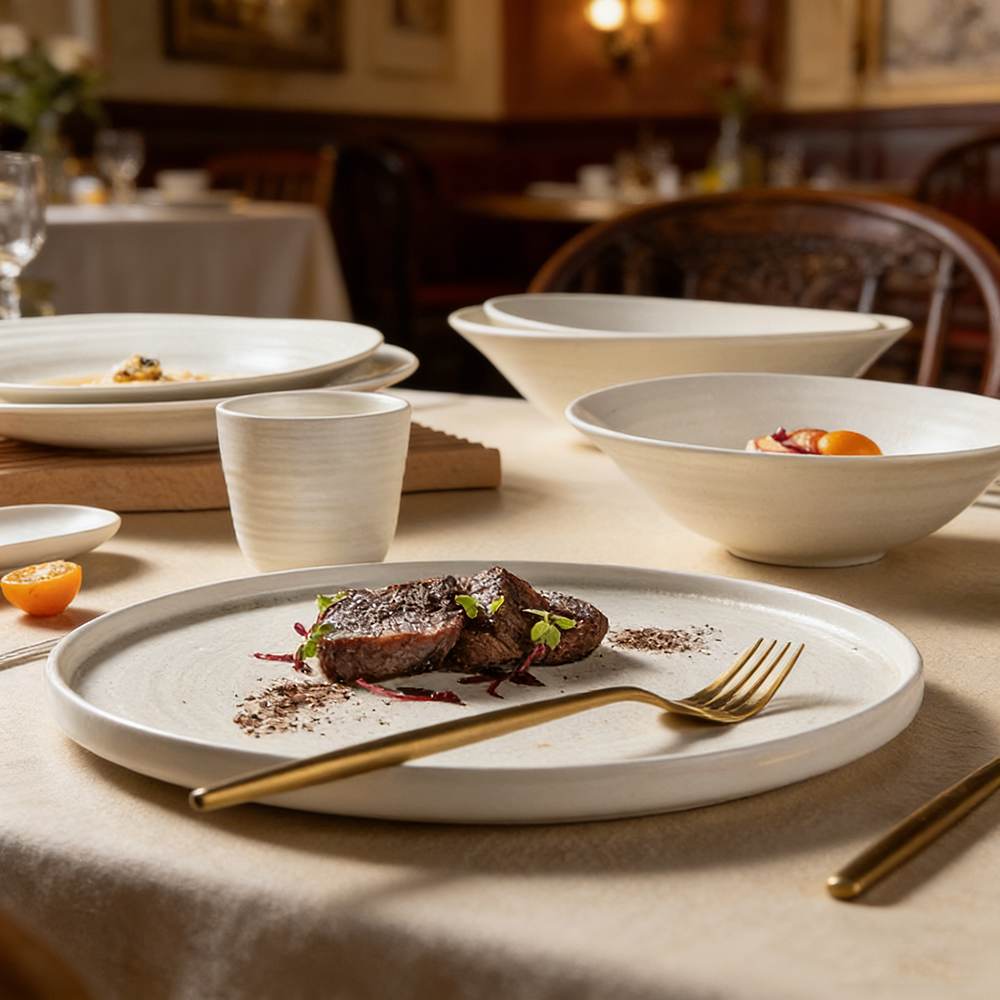
Commercial Dinnerware for Restaurants: Complete Buyer’s Guide
A chef spends twenty minutes on a stunning plate of duck confit, garnished with precision, sauced with care. The server sets it down in front of the guest, and the first thing they notice is a chip on the rim. That moment costs you, not just in perception, but sometimes in a review. Restaurant tableware is a recurring operational cost, not a one-time purchase. To give you an idea, the commercial tableware market is projected to reach $16.6 billion by 2034 with an annual growth rate of 6.1%. Commercial dinnerware for restaurants alone accounts for 59.2% of that market, emphasizing its role in the foodservice operations. This guide covers everything, from material selection, matching tableware to your concept, sizing standards, and quantity planning, to cost management, compliance, and supplier evaluation. The insights come from BRETT, a manufacturer with direct supply experience across 8,000+ five-star hotels and 10,000+ restaurants in over 60 countries. Restaurant Tableware Materials: What Works (and What Doesn’t) for Each Concept Walk into any restaurant supply showroom and you will see shelves of commercial dinnerware for restaurants that all look similar from a distance. Up close, the differences are enormous. Material determines how a plate holds up in a 180-degree commercial dishwasher, how it feels in the hand, how much it costs to replace, and whether it fits your concept visually. Porcelain This is the industry workhorse. Vitrified at temperatures above 1300 degrees Celsius, porcelain becomes non-porous, meaning it does not absorb water, bacteria, or food particles between washes. That is not just a durability feature; it is a food safety feature. Porcelain handles repeated commercial dishwasher cycles without the glaze softening, and its rolled-edge construction reduces chipping where plates stack and collide. For most restaurants, porcelain remains the benchmark for restaurant quality tableware, balancing durability, presentation, and cost. Vitrified porcelain sees an estimated annual replacement rate of 50-150% in high-volume settings. The main downside is that busy operations can still go through a lot of it. When NOT to use porcelain: If you want a rustic, handcrafted look, standard white porcelain will feel clinical by comparison. Bone China Bone china contains calcium phosphate from bone ash, which gives it a translucent quality and a lighter weight than standard porcelain. It is the material of choice for luxury restaurant tableware in white-tablecloth dining, private members’ clubs, and high-end hotel restaurants. It excels where presentation matters more than volume tolerance. The per-piece cost is higher, but in a controlled fine-dining environment where service is careful and breakage is low, the investment holds up. When NOT to use bone china: High-turnover casual or QSR operations. The cost of breakage at scale becomes hard to justify. Stoneware Stoneware has a denser, earthier look and feel than porcelain. It suits farm-to-table restaurants, rustic concepts, wine bars, and casual dining environments where the aesthetic is intentionally warm and informal. Reactive glazes, organic rim shapes, and tonal variation work in stoneware’s favor. The caution here is that some glazes soften under aggressive commercial wash cycles, so always ask suppliers about commercial dishwasher compatibility before ordering in bulk. When NOT to use stoneware: Fine dining environments where consistency across pieces matters most, or operations with very high dish turnover. Melamine Melamine is shatterproof and genuinely budget-friendly, which makes it the standard choice for QSR, outdoor dining, poolside service, and high-volume cafeteria settings. Drop a melamine plate on a tile floor, and it bounces. Drop a porcelain plate, and you are sweeping up. That difference alone justifies melamine in the right context. Melamine’s Annual replacement rates sit at roughly 10-20%, well below ceramic alternatives. But melamine has real limits: it is not microwave-safe, lacks the tactile quality that upscale settings require, and does not carry heat the way ceramic does. When NOT to use melamine: Any concept where guest perception of quality is central to the experience. Tempered Glass Glass tableware is a growing niche in modern restaurants. It has visual clarity and a contemporary look that works well in minimalist or high-design concepts. NSF/ANSI 2 was updated in 2021 to include glass and glass-like tableware, adding specific testing requirements for impact resistance and thermal shock. That regulatory recognition is a sign that glass is moving from novelty to mainstream in certain segments. The tradeoff is that glass remains more fragile than vitrified ceramics under heavy use. When NOT to use tempered glass: Busy casual dining environments with rapid table turns and high plate stacking volumes. Ceramic tableware is projected to hold a 52.7% market share in commercial foodservice in 2025, confirming that porcelain and bone china remain the dominant choices across the industry. Matching Tableware to Your Restaurant Concept Knowing what each material does is only half the equation. The other half is knowing which restaurant tableware belongs in your space. And that depends on what your restaurant is trying to be. The National Restaurant Association reports that 50% of consumers rank food quality as a top-three priority when selecting a full-service restaurant, and 18% of millennials specifically cite ambiance as a deciding factor. The plate is part of that ambiance, whether you think about it consciously or not. Fine Dining Wide-rimmed porcelain or bone china is standard. Main course plates typically run 11-12 inches; appetizer plates 8-9 inches. White or soft neutral tones work across almost every cuisine type. Consistency across the set is non-negotiable. Casual and Family Dining Durable porcelain or stoneware, with coupe shapes that stack efficiently in back-of-house. Forgiving colors and patterns that hold up visually after a few hundred wash cycles without looking tired. Farm-to-table and Artisan Concepts Stoneware with reactive glazes and organic shapes. Small variations between pieces are expected and add to the character rather than looking like quality control failures. QSR and Fast-casual Melamine or heavy-duty porcelain. Stackability and speed of handling matter more than presentation finesse here. Every second in the clearing process adds up across hundreds of covers. Buffet and Catering A mixed approach makes sense. Heavier plates for hot items on the serving line; lighter options for self-service stations where guests are carrying their

Choosing a Custom Dinnerware Manufacturer for Hospitality: OEM and ODM for Brands
A chef’s job begins long before the serving leaves the kitchen. Every dish is not only made from the perfect recipe, but is built balancing the flavor, texture, and color. The presentation is done just right with the garnish, the sideline, and the sauce all to make it look interesting and delectable. Only when everything conforms to the dish’s standard presentation is it sent out to the dining area. That is exactly why custom dinnerware is important. In the hospitality business, whether it’s a Michelin-star restaurant or a global hotel chain, procurement teams know that dinnerware is never just plates and bowls. It’s no wonder that the current dinnerware market is expected to grow from USD 15.6 billion in 2024 to USD 23.8 billion by 2032. Dinnerware becomes the frame that presents the dish. It can make the dish look either delectable or distasteful at a glance. And the very reason we need custom dinnerware manufacturers who can create private label tableware for hotels, restaurants, and other dining concepts. Why Do Hospitality Brands Invest in Private Label Dinnerware The one thing all successful restaurants and other dining concepts have in common is that the tableware is always a considered choice. The plates intentionally match the interior design or go in contrast with the theme of the restaurant. They may have logos or patterned rims, as part of the branding, too. All of this comes at a cost. But since hospitality brands are increasingly understanding the importance of enhancing the guest experience, they continue to spend on branding and presentation. In fact, around 61% of luxury hotel chains demand branded tableware collections today, and over 84% of luxury hospitality chains, in fact, use designer-branded tableware. Guest Perception The table presentation does much more than make the dish look attractive. A well-set table with inviting dinnerware can alter the guests’ perception of food quality. Everything from the plating style, color contrast, and design matters. For instance, white plates are associated with cleanliness and premium positioning. Dark tones enhance color contrast, whereas round shapes exude a traditional feel. The size of the plate also matters, as larger surfaces make portions appear smaller and vice versa. Consistency Another important detail for tableware standardization is consistency. It’s especially for hotel chains that have expanded to multiple locations. Whether a guest eats at an outlet in the busy, bustling, commercial area or another much more exclusive outlet of the same brand, they must experience the same service at both places. That’s the ‘uniform dining experience’ which can be achieved by standardizing the servings, ambiance, and serveware. Technically, in private label tableware, that means the plate diameter, stackability, color, and logo placement must be exactly the same. This way, every dish on the menu looks exactly the same at any outlet. Reflecting the same brand standards. Cost and Customization Another reason for the shift towards private label tableware is cost control. Initially, hospitality businesses found it easier to procure the tableware through distributors or retail collections. It was quicker, easier to source, and you could get everything from one place. However, the downside was that the channels often involved multiple markups and offered limited customization. Instead, working with a wholesale custom dinnerware manufacturer gives you far greater flexibility to design the tableware, choose the materials, and other specs. Professional OEM and ODM hospitality partners like Brett allow you to source dinnerware based on your operational needs. Reliability Restaurants and hotels will need replenishment of plates and bowls. The inventory wears down over time, and breakage and theft losses are inevitable. In such a case, partnering with a custom dinnerware manufacturer can get you the exact replacements of the original design. Seasonal catalogue products may come with small variations in design, glaze, or size. But they can disrupt consistency across locations. Partnering with a custom-branded dinnerware manufacturer resolves the challenge. OEM and ODM hospitality production ensures that exact molds, specifications, thickness, rim design, color codes, and logo placements can be replicated for years. OEM Vs. ODM Tableware Manufacturing When a hospitality brand uses private label dinnerware, it must choose the right manufacturing approach. The decision impacts both long-term consistency and operational reliability. This is where we use the terms OEM and ODM. OEM – Original Equipment Manufacturing OEM allows a brand to design its own custom restaurant plates from scratch. They provide their own design, technical drawings, structure, and other branding elements. The private-label dinnerware manufacturer then produces the tableware to match the given specifications. The OEM approach is typically useful for hotels and restaurant groups that need precise control over the mold thickness, rim structure, color specifications, and glaze finishes. This allows exact replication over time, meaning you can get consistent replenishment across multiple outlets over the long-term. ODM – Original Design Manufacturing The ODM process begins with a design that is developed by the manufacturer. It begins on pre-engineered models that are built on hospitality-grade standards. However, they can be minimally customized by the brand. You can decide the place and size of branding logos, color, surface finish, and patterns. The process is more suited for new hotel openings or rebound branding projects where you need to meet faster timelines. OEM Dinnerware Manufacturing Process In the OEM model, the restaurant group, hotel, or brand directly works with the OEM dinnerware manufacturer. Design Concept:The process begins with the design concept, where you discuss the requirements of the dinnerware. Everything from the size, rim, glaze finish, weight, color, logo, pattern, and structure is decided at this stage. Prototype Production:Once the design is approved, the manufacturer begins production of the physical samples. These prototypes allow hospitality buyers to assess how the plate performs in real conditions. Restaurants also test these samples in their kitchens to check stacking, serving, and repeated dishwasher use. Custom Mold Creation:Once the samples are approved, custom molds are produced that replicate the shape of the plate precisely. It’s a tooling process for long-term consistency that enables exact reorders in the future. Mass Production: Large-scale custom tableware production
Accessible Senior Living Healthcare Food Service Equipment
It’s late at night in a bustling assisted-living dining hall. The room is filled with the aroma of fresh bread and vegetables, but not every guest is enjoying their food. Margaret, 78, is battling with arthritis and the early stages of dementia. Even lifting a fork feels like a struggle. Across the table, Mr. Jackson trembles as he tries to lift a heavy plate, spilling food more often than not. Just the picture gives an idea that the senior living dining program is not about flavor or presentation. Every bite and every dish relies on healthcare food service equipment. We need tableware that’s lightweight and easy to grip. It must be designed to give independence and dignity back to those who need it the most. Why is Healthcare Food Service Equipment for Senior Living Dining Important In a senior living community, many people have limited dexterity. It makes them more dependent on the staff and accessibility features around the facility. They often need the same level of support at the dinner table, too. Healthcare senior living tableware, hence, must be procured and designed in a way that it’s safe and ergonomic for use. Afterall, healthcare food service isn’t just about filling plates; rather, it’s a vital part of recovery and important for the patients’ comfort and independence. That is the top reason why hospitals and senior living facilities spend billions each year on supplies, equipment, and foodservice operations. Senior healthcare facilities and hospitals are increasingly relying on tableware that is durable and sterilisable. There’s a dire need for ergonomic assisted living dinnerware that reduces the risk of spills and supports the patient’s nutrition. As per research, even tiny improvements to the plate design, such as adding portion cues, can influence food choices and portions in these dining environments. Research also shows that using high-contrast tableware can increase food intake in memory care residents by 25–30%. However, unfortunately, many facilities continue to use standardized institutional plates, which creates challenges for residents and extra work for caregivers. Healthcare Senior Living Tableware: Who Is It Designed For? Healthcare senior living tableware must support the unique needs of both residents and the staff. From hospitals to long-term care communities, accessible and durable dinnerware helps improve safety, nutrition intake, and independence during meals. Hospitals In the hospitals, there’s a need for tableware that withstands intensive daily use while meeting strict sanitation standards. Patients in acute care settings may be temporarily immobile due to surgery, injury, or other illnesses. Hence, they need lightweight plates with easy-grip rims and spill-resistant designs. This way, they can eat more independently while minimizing spills, cleanup, and the need for staff assistance. Assisted Living Communities In assisted living dining programs, residents want both independence and a pleasant dining atmosphere. The tableware must balance functionality with presentation. Accessible dinnerware that is lightweight and easy to handle allows residents with mild mobility challenges to eat comfortably while maintaining a restaurant-style dining experience. Memory Care Facilities Memory care dining requires specialized tableware designed to support residents living with dementia or those on a cognitive decline. High-contrast plates and bowls can help them visually distinguish food from the plate surface, making meals easier to make out and consume. Sectioned plates, color-coded designs, and simple layouts can encourage independent eating and reduce confusion during mealtime. Rehabilitation and Long-Term Care Centers Facilities supporting stroke recovery, Parkinson’s disease, arthritis, or other neurological conditions require dinnerware that supports safe self-feeding. Plates with raised edges, non-slip bases, and stable designs can help residents maintain control, reducing their frustration while eating. How Poorly Designed Tableware Impacts Seniors In the healthcare service and senior living dining settings, the tableware design directly affects the residents’ nutritional intake. The emphasis of the meal is to help the patients recover and regain their independence. Using highly aesthetic designs or standard tableware in this context only makes mealtime harder and more work for the staff. Physical Accessibility According to research, by the age of 75, the average grip strength declines by about 30 to 40% compared to the peak adult strength. As people age, physical changes continue to take place in their bodies, and fine motor skills continue to weaken. Many people struggling with arthritis, undergoing poststroke recovery, or Parkinson’s disease are also limited in dexterity. Their limitations directly affect the way they interact with the serving plates and utensils. If we use heavy or smooth-edged tableware in such a situation, it only increases the risk of spills and dependence on the staff’s assistance. It takes them longer to finish the meal, and often they develop an aversion to eating. Cognitive and Visual Accessibility In cases of dementia and Alzheimer’s, the ability to visually identify food and utensils can be affected. Foods that blend into low-contrast background plates are hard for them to make out and eat. So, a higher contrast is much needed in such cases. We can use colored tableware or designs and patterns that make the food easier to understand, thereby reducing their frustration. Operational Burdens If the tableware is inaccessible for the residents in any way, the care staff have to spend extra time feeding them. That leads to lost labor hours, which could otherwise have been invested in offering personalized care services or other productive activities for the patients. Safety and Risk Mitigation in Healthcare Food Service Equipment Safety is the priority in healthcare and senior living dining. The right tableware can make meal times safe, easy, and reduce the staff burden. Infection Control and Sanitation Senior living facilities and hospitals are high-risk environments where things easily get contaminated and foodborne illness is spread. The tableware must be frequently cleaned as per the FDA and CDC guidelines. In such an environment, Brett’s Custom Porcelain Dinnerware, Bone China Dinnerware, and antimicrobial melamine are the top choices given their durability and pathogen resistance. Spill Prevention The prime concern in serving meals to the elderly is spills and falls. Since the meals are often consumed in wheelchairs with limited upper body controls, tableware design must be standardized
Hotel Procurement Process: Standardizing Tableware Across Multi-Outlet Properties
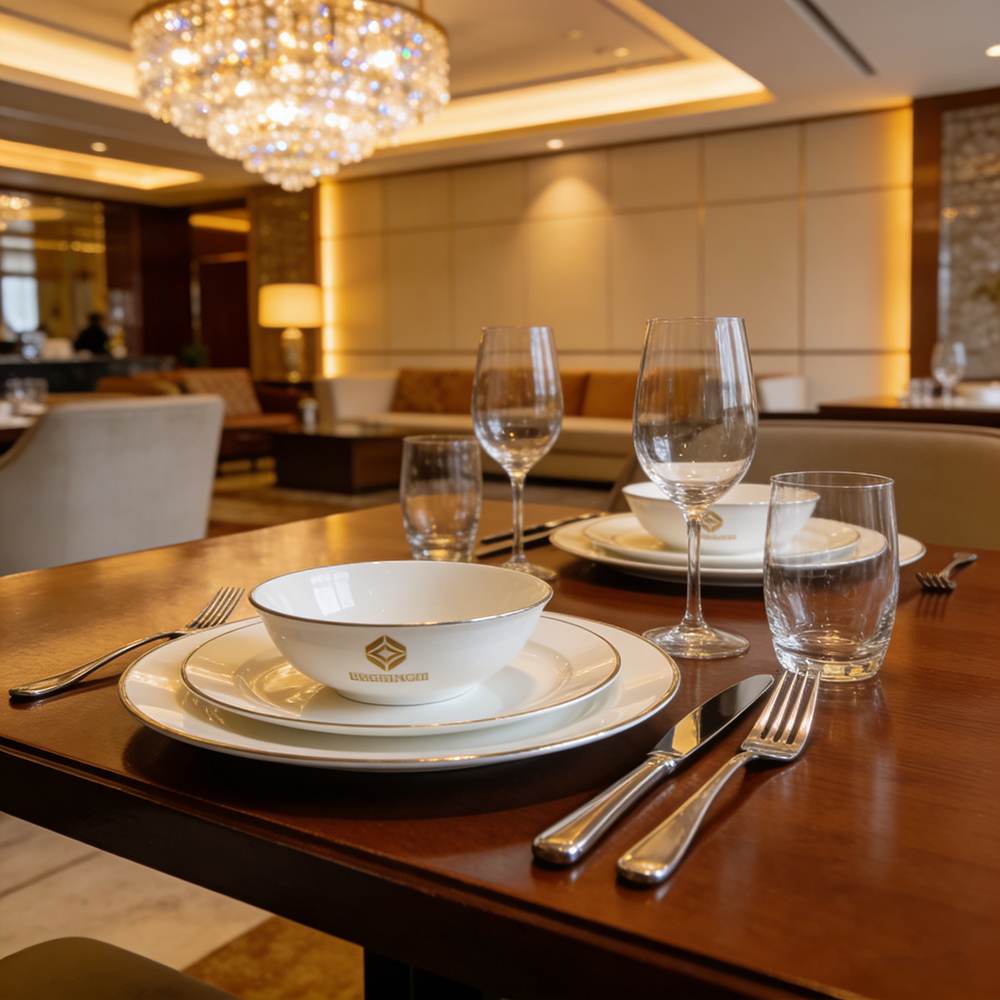
A guest dines in your signature hotel and is impressed by the ambience, menu, serving style, and food presentation. The table is set perfectly with the plates shining and clean, the bowls are just the right size, and even the glassware feels exquisite in their hand. The experience feels so delightful and satisfying that they want to bring their family or friends a couple of days later. The same person, with their guests, now visits another outlet of your hotel chain. Obviously, they expect the same quality and the same attention to detail. But something feels off. In this outlet, the plates have a slightly different color, the bowls hold a different portion, and the glassware just doesn’t feel like before. That subtle inconsistency, though minute, is noticed. It leaves a quiet impression that your brand promise doesn’t fully carry across properties. In the hotel industry, consistency matters. That’s not just for appearances, but every detail, especially tableware, speaks of your brand persona. This is where the hotel procurement process becomes important. When you standardize dinnerware, you can maintain the same look, feel, and portion size. It reinforces trust in your brand and shows that you care. Hotel tableware standardization is a powerful way for a brand to communicate quality and reliability. Why Multi-Property Tableware Standardization Is Strategic Whether you are an overseas luxury brand or a rapidly growing regional chain, standardized hotel tableware affects guest perception of your brand and, by extension, long-term financial performance. In fact, research shows that visual and experiential consistency strengthens guest trust, loyalty, and hence, brings in positive reviews. All of these are the key drivers of repeat business and revenue, and can elevate the brand reputation and operations. Brand Integrity and Guest Experience Every time guests walk into your restaurant or concept, they interact with your tableware. Though seemingly simple, this interaction reinforces the brand standards. Efficient procurement teams recognize this pattern and ensure uniform tableware in terms of shape, color, materials, and finishes on all their properties. So no matter where the guest dines, they get the same visual experience. Hotel tableware standardization ensures every visit feels familiar, encouraging guests to return again and again. Operational Efficiency Standardizing restaurant dinnerware also simplifies the ordering forecasts and inventory management. Instead of dealing with dozens of individual SKU variations per outlet, procurement leaders can just consolidate the list and negotiate volume-based contracts. By using the same plates, bowls, and glassware across all outlets, you reduce operational errors. The staff no longer serves mismatched items or struggles with incorrect portions. Stacking and dishwashing go smooth and there’s less of a wastage and replacement cost. The process also streamlines staff training as servers just need to learn one set of handling, stacking, and presentation procedures. Cost Control Having consistent specifications throughout the multi-property chain can help the hotel purchasing department predict breakage patterns and appropriate re-order times. They can also take advantage of predictable bulk hotel supplies pricing from vendors. Hotel tableware standardization also helps eliminate last-minute emergency orders and reduces wastage, which directly lowers the cost per use of each item. Sustainability and Compliance Hospitality procurement standardization also supports a broader goal of sustainability and compliance. Most global brands now incorporate these factors in their procurement policies. There’s a dire need to have dishwasher-safe porcelain and environmentally responsible material certifications. When you procure consistent, high-quality tableware, you can meet these standards on every property, thus supporting ESG (Environmental, Social, and Governance) reporting and guest expectations. Inventory Forecasting Hotel chain dinnerware consistency dramatically reduces SKU complexity. You can work with automated inventory systems that track the usage, breakage rates, and re-order points. Rather than juggling with warehouse space, extra paperwork, and excessive stock to prevent shortages, standardized procurement lets you work more efficiently. Supplier Partnerships Another benefit of standardizing tableware is that hotel groups can strengthen the procurement processes while ensuring F&B brand alignment across multi-property outlets. With standardized dinnerware, you can create stronger, more collaborative relationships with strategic suppliers. Top-quality vendors like Brett comply with international standards like ISO, FDA, and LFGB. This reduces the risk of supply disruptions or batch mismatches, which are common when working with multiple unaligned vendors. Hotel Procurement Process for Tableware Standardization The hotel procurement process must be structured in a way that ensures the tableware is consistent and durable. In multi-property operations, the stakes are ever high. If the specifications are misaligned, they can lead to inefficiencies and higher costs, ultimately resulting in an inconsistent guest experience. Here is a step-by-step approach to follow to ensure hotel tableware standardization. Gather Multi-Property Requirements Studies in hospitality procurement show that supplier contract misalignments due to inconsistent specifications can increase project costs by around 10 to 15%. The first step in avoiding these issues is to collect detailed tableware requirements from all outlets, including bars, banquet halls, restaurants, and room service. Document all the specifications. That includes the material type, dimensions, stackability, dishwasher compatibility, and design aesthetics. This practice will give you clarity about what exactly to procure, reduce errors, and lay the foundation for multi-outlet tableware management. Define Brand and Operational Standards The tableware must align with the hotel brand standards. That means the color, finishes, and functionality must be the same and consistent with the brand across multiple outlets. You may consider ordering custom-designed dinnerware with brand logos or defined colors and other specs. Also, factors in elements such as stacking, storage dimensions, and durability, so all the materials and tableware can withstand heavy usage. Supplier Evaluation and Selection Next, you need to identify the vendors who are capable of supplying uniform tableware across multiple properties. Evaluate them based on their capacity to deliver consistent batches and lead time reliability. Also, ensure to check their compliance with food safety standards such as ISO or FDA, and you can also ask for bulk pricing discounts for large-scale orders. Read more about it in our guide: Hotel Dinnerware Procurement: Specifications, Standards & Supplier Selection. Sample Approvals An important step before finalizing a large tableware order