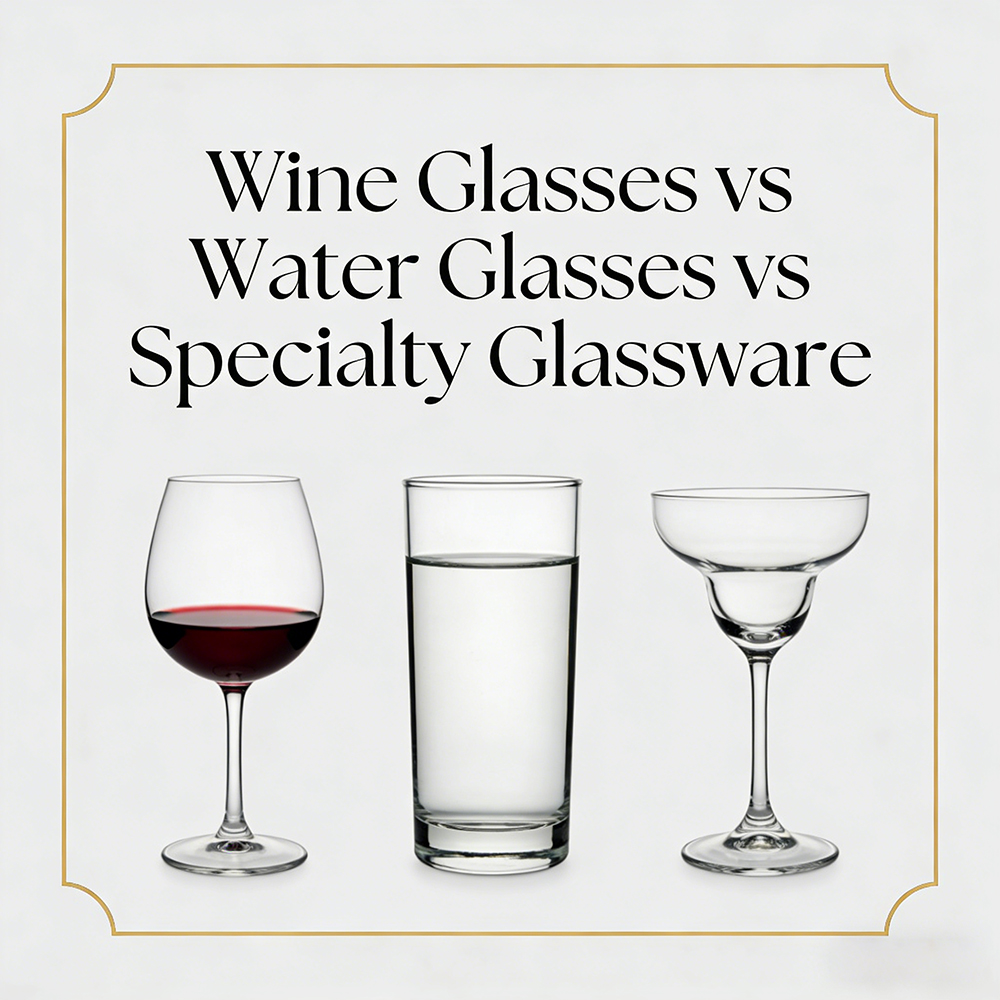
How many wine glasses should your restaurant actually own? How many water glasses are enough? When do specialty glasses make sense, and when do they become excess inventory? These questions come up once menus are finalized and budgets are set, yet they rarely have clear answers. Restaurant glassware selection depends on the type of operation you’re running. This guide looks at glassware by concept, helping you decide what to carry, how much to order, and where simplicity works better than excess. Choosing Glassware by Restaurant Concept Every restaurant concept places different demands on glassware. The mix that works for a tasting-menu dining room won’t suit a neighborhood bistro or a bar-led space. Before considering quantities or styles, it helps to anchor decisions in how the restaurant is designed to operate. Take a look at different restaurant concepts and their glassware approach. Fine Dining Fine dining tables are planned in advance, but they aren’t static. Glassware varies with the wines served. Red and white wines are served in separate glasses. Sparkling or dessert wines are added only when they appear on the menu. In a French-inspired dining room or a tasting-menu restaurant, this setup is normal. Multiple glasses per seat are expected. Stemmed designs, clear glass, and consistent sizing sit alongside formal plates and linens without competing for space. The result is a table that stays organized even as service progresses, with each glass added for a clear reason rather than decoration. Casual Dining Casual dining prioritizes comfort and consistency. Meals are shorter, menus are simpler, and beverage programs are usually limited. Glassware follows that approach. A neighborhood bistro or casual Italian restaurant typically relies on water tumblers and one practical wine glass. Wine selection exists, but it doesn’t drive table setup. Durability and ease of handling matter more than variety. Fine-Casual (Contemporary Casual) In fine-casual restaurants, stemless wine glasses are common because they feel more relaxed and are easier to handle. Water glasses lean toward heavier, design-forward styles rather than formal goblets. Cocktail glassware shows up selectively, usually tied to a short but intentional drink list. The goal isn’t variety for its own sake. It’s flexibility. Enough range to support the menu, without building a table setup that feels overplanned or precious. Bar/Lounge Bars and lounges revolve around beverages. Glassware becomes a defining element of the concept. A craft cocktail bar or upscale lounge requires a wide range of specialty glasses, rocks, coupes, highballs, and martini glasses, often in larger quantities than wine or water glasses. Variety reflects the drink menu rather than a fixed table structure. Fast-Casual Fast-casual restaurants are built around speed and volume. Glassware stays simple. Multi-purpose tumblers handle most beverages, and wine or specialty glasses only appear when they support the menu. Choices here are shaped by how quickly tables turn, how easily glasses stack, and how well they hold up through constant use. Wine Glasses: When to Use Them, How Many to Order, and What to Choose Wine glasses create some of the biggest planning questions for restaurant buyers. This section helps operators decide whether wine deserves separate glass types, how many pieces are needed, and where simplification makes sense based on the concept. Fine Dining Wine Strategy In fine dining, wine service carries weight, so separate glasses for red and white are part of the table from the start. Red wine glasses typically hold 12-14 oz, while white wine glasses are slightly smaller, at 10-12 oz. If the menu calls for it, dessert wine glasses and champagne flutes round out the selection. Dessert wine glasses usually hold 3-4 oz, and champagne flutes hold around 6-8 oz. For a 100-seat dining room, many operators plan to use an order factor between 1.5 and 2.0. That translates to roughly 300 red and white wine glasses combined before accounting for replacement needs. Casual Dining Wine Strategy In casual dining, wine plays a supporting role. It’s there for guests who want it, but it doesn’t shape the table. Many operators keep things simple with a single all-purpose wine glass that works for both red and white wines. Others use a basic red-and-white pair with slightly thicker glass, prioritizing durability over variety. A 1.0 to 1.25 ordering factor typically applies. For a 100-seat space, the total number of wine glasses needed is between 100 and 120 pieces, including a buffer. Pricing usually ranges from $3 to $6. Fine-Casual Wine Strategy Fine-casual concepts sit between formality and ease. Stemless wine glasses are common, though some programs retain traditional stems. For a 100-seat space, an ordering factor between 1.25 and 1.5 is typical, which usually lands around 150 to 155 wine glasses once a replacement buffer is included. This is also where design choices start to show. Colored glass, recycled materials, or distinctive shapes often fit the concept. Pricing generally sits in the $5 to $10 range per glass. Bar/Lounge Wine Strategy In bars and lounges, wine plays a secondary role. Ordering factors between 1.5 and 2.0 apply only when the wine is actively promoted. Otherwise, quantities stay limited and focused, scaled to the menu rather than seating alone. Water Glasses: The Operational Backbone of the Table Water glasses do more work than any other glass on the table. They’re set at every place, refilled often, and cycle through dishwashers continuously. Most restaurants stock two to three times their seating capacity in water glasses. Matching their quality to the rest of the table keeps operations smooth and the setting cohesive. Fine Dining Water Glasses Fine dining settings typically use stemmed water goblets. Sizes usually range from 10-14 oz, providing capacity while maintaining formal proportions alongside wine glasses. Materials lean toward crystal or high-quality clear glass, positioned to the right of the plate above the dinner knife. Ordering factors range from 2.0 to 3.0. For a 100-seat dining room, a mid-range estimate is about 250 water glasses. Costs typically range from $6 to $12 per glass, making water glasses a meaningful line item even before wine service begins. Casual Dining Water
Commercial Glassware Selection: Durability, Styles, and Pairing With Dinnerware
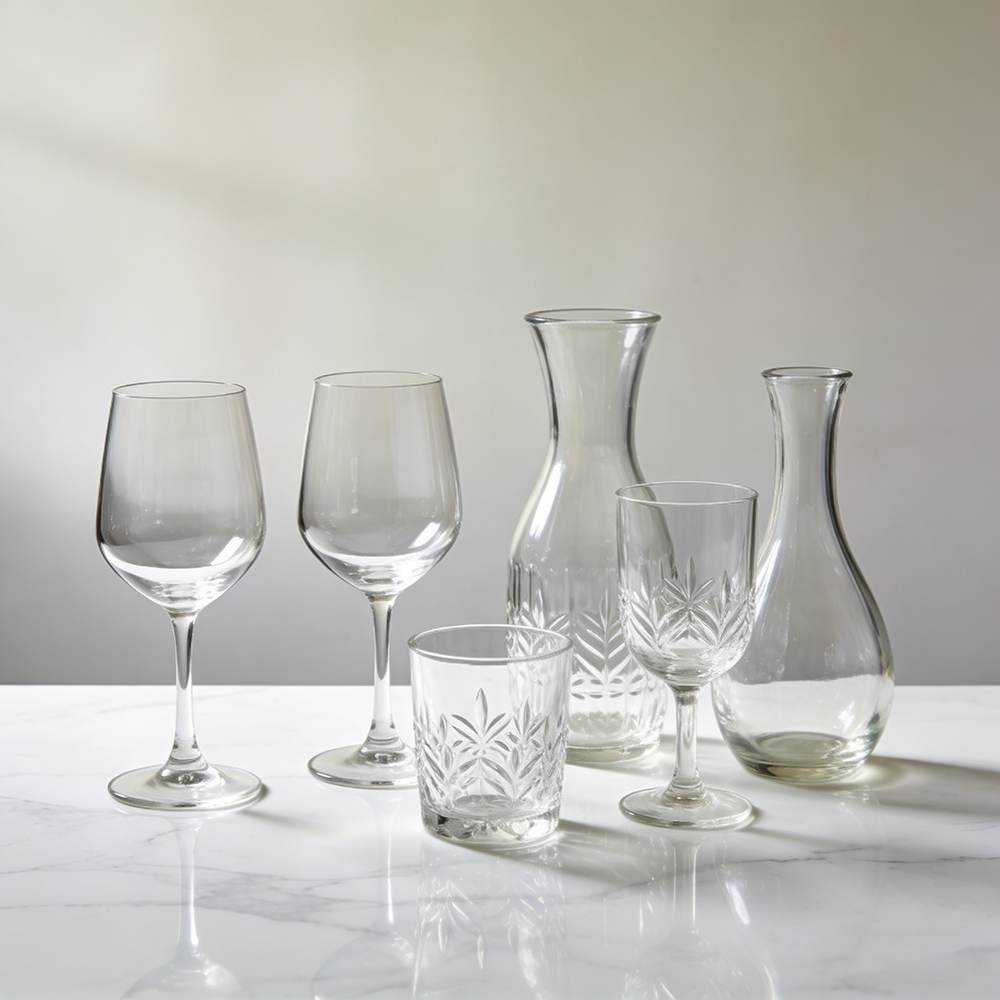
Commercial glassware influences guest perception long before the food arrives. The server places a water glass on the table. It feels cold, smooth, and reassuring in the hand. In that first sip, a silent judgment forms: this venue pays attention to quality. Many restaurants still select restaurant glasses based purely on price, without considering glassware durability, visual harmony, or how each piece contributes to the overall table setting. Glassware is one of the few items every guest interacts with repeatedly, and its quality communicates standards as clearly as dinnerware and flatware. So how do you make the right glassware selection, one that performs well, lasts for years, and pairs naturally with your table presentation? Let’s find out. Glassware Types and Durability Before deciding which commercial glassware to bring into your venue, it helps to understand what actually separates one glass from another. On the surface, most restaurant glasses look similar sitting on a shelf. In service, though, the difference shows up during a busy dinner rush, a packed bar night, or the tenth dishwasher cycle of the day. This is where durability starts becoming a cost, safety, and consistency issue. Annealed Glass: The Budget Choice Annealed glass is standard, untreated glass, the most familiar and least expensive option. For example, a small cafe might accept frequent losses because the upfront cost stays low. The downside becomes clear in commercial kitchens: annealed glass struggles with heat changes from dishwashers and daily handling. When it fails, it breaks into hazardous fragments, which raises safety concerns for staff and guests. Over time, replacement costs tend to climb higher than expected. Rim-Tempered Glass: The Middle Ground Rim-tempered glass is designed with restaurants in mind. Only the rim and upper portion receive tempering, which targets the area most likely to take impact. In practice, this means fewer losses when glasses collide during clearing or loading racks. For instance, a busy bar running multiple turns per night may find rim-tempered glass a smart balance between glassware durability and cost control. It performs better than annealed glass while keeping budgets in check. Fully Tempered Glass: The Commercial Standard Fully tempered glass is tempered throughout for strength and safety. It handles dishwasher temperature changes well and offers the longest lifespan in hospitality settings. When breakage happens, it breaks into small, blunt pieces rather than dangerous shards. That’s why fine dining rooms, hotels, and high-volume operations rely on fully tempered glass as a professional standard. While the initial price is higher, long-term replacement costs are lower, and brand consistency stays intact. Glassware Styles for Different Occasions From water service to wine pours and cocktails, glassware styles are shaped by how drinks are served, how often they’re handled, and how well they need to hold up in a commercial setting. Choosing the right glassware types helps restaurants balance appearance, glassware durability, and guest experience without creating unnecessary breakage or storage issues. Water Glasses/Tumblers (The Essential Piece) Water glasses are served to every guest, at every meal, in every type of setting. They’re also the most frequently used restaurant glasses on the table. Most commercial glassware programs rely on 12-ounce tumblers, which remain the industry standard. Larger 14 to 16-ounce sizes are common in casual dining, allowing room for ice and reducing refill frequency. Style options range from tall water glasses with a classic profile to smaller juice glasses used for non-water beverages. Stemmed goblets signal a more formal table setting, while stemless tumblers offer a modern, practical look. Because water glasses arrive before food or wine, they set the tone for the table. For durability and service flow, operators typically stock two to three glasses per seat to account for breakage and dishwashing cycles. More than any other piece, water glasses anchor the entire glassware selection. Wine Glasses (Stemmed Glassware) Let’s start with a simple question: why do wine glasses all look different in the first place? Because the glass changes how the wine behaves. A red wine glass usually has a wider bowl. That extra space lets the wine open up when it’s poured. In most restaurants, a red pour lands around 5 to 6 ounces, which feels generous without overwhelming the glass. Guests notice that immediately. White wine glasses tell a different story. They’re slimmer, a bit taller, and built for 4 to 5-ounce pours. The narrower opening keeps the wine cooler longer and preserves the crisp, acidic edge guests expect from whites. In a commercial setting, stems are where things go wrong. They snap during dish runs. They catch on racks. They break when servers rush. That’s why many operators choose shorter, thicker stems instead of delicate ones designed for home use. And increasingly, some skip stems altogether. Stemless wine glasses have moved from a casual option to an everyday solution in high-volume restaurants. They stack more easily, withstand dishwashers better, and dramatically reduce losses, all while still looking clean and intentional on the table. Beer and Cocktail Glasses Pint glasses remain the workhorse for beer service. They are easy to handle, hard to knock over, and tough enough to survive busy nights without constant replacement. Spirits tell another story. Rocks or lowball glasses, usually 6 to 8 ounces, are compact, heavy, and stable. The thicker base isn’t decorative, but it helps the glass survive repeated ice drops, muddling, and bar-top use. One glass, many drinks. That versatility matters for commercial glassware. For mixed drinks, highball and Collins glasses step in. With a capacity of 10 to 12 ounces, they leave room for ice, mixers, and garnishes without feeling crowded. Then there are specialty cocktail glasses, martinis, margaritas, and statement pieces. They add character, but they’re also the first to chip or crack. That’s why many bars choose tempered versions here for the same look and a better survival rate. The goal isn’t variety for variety’s sake. It’s choosing glassware that matches how drinks are actually made, carried, washed, and served, night after night. Breakage Reality: Planning for Inevitable Losses Glassware breakage is inevitable. It is part
Where to Buy Bone China Dinnerware Online? Best 5 Platforms Recommended
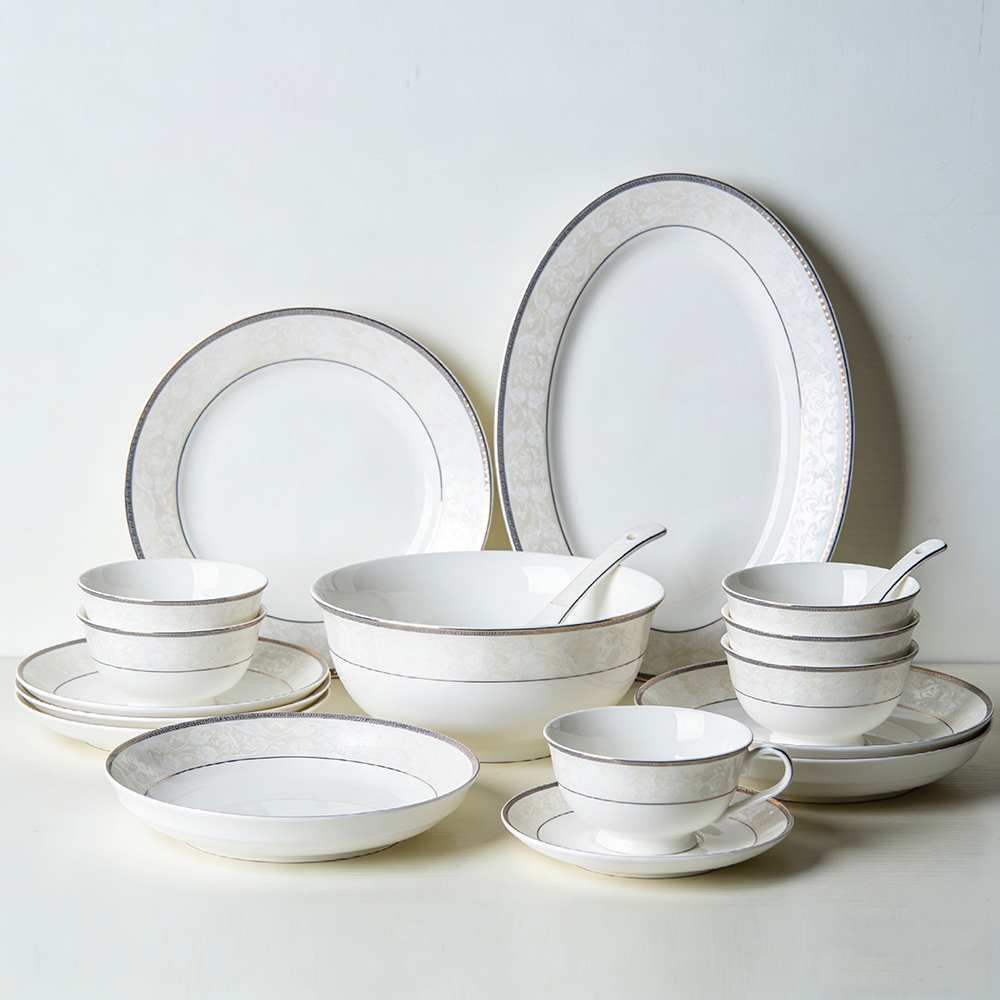
Bone china dinnerware is often regarded as one of the most elegant, refined, and durable choices for table settings. Its lightweight feel, translucent finish, and resilience make it a favorite for special occasions, gifting, and fine dining experiences. If you’ve decided to invest in a high-quality bone china dinnerware set but aren’t sure where to browse or buy online, this guide will point you to five of the best platforms available right now. We’ll highlight what each platform is best for, what kinds of collections you’ll find, and tips to help you make the right choice. Best 5 Platform to Buy Bone China Dinnerware Recommended 1. Replacements Ltd. — The Largest Online Marketplace for China & Dinnerware Website: https://www.replacements.com If you’re searching for bone china dinnerware — especially specific patterns, discontinued sets, or rare pieces — Replacements Ltd. is arguably one of the most comprehensive online platforms available. It specializes in sourcing and selling replacement dinnerware, glassware, and collectibles from a wide range of brands across the world. Why Replacements Ltd. Is Great Massive inventory of bone china from vintage to modern Ability to shop by brand, pattern name, or manufacturer Rare pattern matching and discontinued set finds Worldwide shipping options Best for Completing existing dinnerware collections Collectors looking for hard-to-find patterns Those who want a broad catalog of bone china options Whether you want a complete dinner set or just a few replacement pieces, Replacements Ltd. gives you flexibility and variety that’s hard to beat. 2. Wayfair — Wide Selection for Everyday & Elegant Bone China Website: https://www.wayfair.com Wayfair is one of the most popular online marketplaces for home goods, and it carries a substantial variety of bone china dinnerware sets suited for different styles and budgets. Why Wayfair Is Great Extensive selection from multiple brands Clear filters (material, dinnerware type, price, color) User reviews and ratings to guide purchases Often free shipping deals Wayfair’s interface makes it easy to quickly find bone china plates, bowls, cups, and complete dinner sets. Because the platform aggregates many brands, you can compare materials, finishes, and price points all in one place. Best for First-time buyers of bone china Families wanting mix-and-match pieces Budget to mid-premium dinnerware shoppers 3. Crate & Barrel — Curated Premium Dinnerware Selections Website: https://crateandbarrel.com If your goal is designer-inspired, refined bone china dinnerware, Crate & Barrel is one of the best platforms to explore. The brand is known for thoughtful design, quality materials, and pieces that bridge everyday use with elevated aesthetics. Why Crate & Barrel Is Great Curated premium bone china collections Design-led, classic and contemporary styles Excellent product photography and stacking visuals Reliable customer service and shipping Crate & Barrel often offers dinnerware collections that can stand alone or be integrated into larger tabletop sets, making it a go-to for wedding registries and gift lists. Best for Design-conscious buyers Gift registry and wedding dinnerware Those who want high-quality bone china with a modern aesthetic 4. Amazon — Convenience and Wide Brand Range Website: https://www.amazon.com Amazon is a giant marketplace for everything, including bone china dinnerware. While its range varies by seller and stock availability, it remains a convenient and trusted place to shop — especially if you’re looking for specific brands or value-oriented options. Why Amazon Is Great Huge selection from many sellers Fast shipping, especially via Prime User ratings and Q&A for guidance Easy returns and buyer protection Whether you’re looking for everyday bone china sets or more decorative collections, Amazon’s search filters let you narrow by material (e.g., bone china), price, and brand. Best for Quick and convenient shopping Comparing a broad range of price points Buyers who prioritize fast delivery 5. Bed Bath & Beyond — Trusted Home & Kitchen Retailer Website: https://www.bedbathandbeyond.com Bed Bath & Beyond has been a destination for home essentials and kitchenware for years, and its online store carries a good variety of dinnerware, including bone china dinnerware sets from respected brands. Why Bed Bath & Beyond Is Great Curated selection with seasonal deals Known brands and coordinated tableware collections Often offers sales, coupons, and rewards Easy online ordering and in-store pickup options The platform makes it easy to pair bone china sets with complementary items like flatware, serving pieces, and glassware. Best for Coordinated table-setting purchases Coupons and promotional savings Traditional and elegant dinnerware styles Comparison Table: Platform Best For Selection Variety Shipping & Returns Notes Replacements Ltd. Rare & collectible patterns ★★★★★ Worldwide shipping; pattern match support Excellent for hard-to-find pieces and expanding sets Wayfair Large catalog & filters ★★★★☆ Free/discounted shipping on many items; easy returns Good mix of brands and price points Crate & Barrel Premium & designer collections ★★★☆☆ Reliable delivery & support Focus on curated, stylish collections Amazon Convenience & fast delivery ★★★★☆ Fast shipping (Prime); easy returns Great for quick search and comparison Bed Bath & Beyond Coordinated table settings ★★★☆☆ In-store pick-up available; coupon savings Good for set coordination and promotions How to Choose the Right Platform for Bone China Dinnerware Choosing where to buy bone china dinnerware online depends on what you value most: Variety & Rarity If you want the largest possible selection — including rare and collectible patterns — Replacements Ltd. is unmatched. Designer Quality For dinnerware that feels like it belongs in a restaurant or design studio, Crate & Barrel’s curated collections are hard to beat. Convenience & Price Variety Amazon and Wayfair both offer vast catalogs and shopping filters that help you quickly narrow down options based on price, color, and set size. Coordinated Table Settings If you’re planning a full table setup — dinnerware plus serveware plus complementary pieces — Bed Bath & Beyond makes that process easy and visually assisted. Tips for Buying Bone China Dinnerware Online When purchasing bone china dinnerware online, keep these practical tips in mind: Check Material Definitions– True bone china contains bone ash; some sets labeled “bone china” may vary in composition. If purity matters, review technical details on product pages. Look for Microwave & Dishwasher Specs– Some bone china designs with metallic rims or details may not be microwave safe. Read Reviews Carefully–
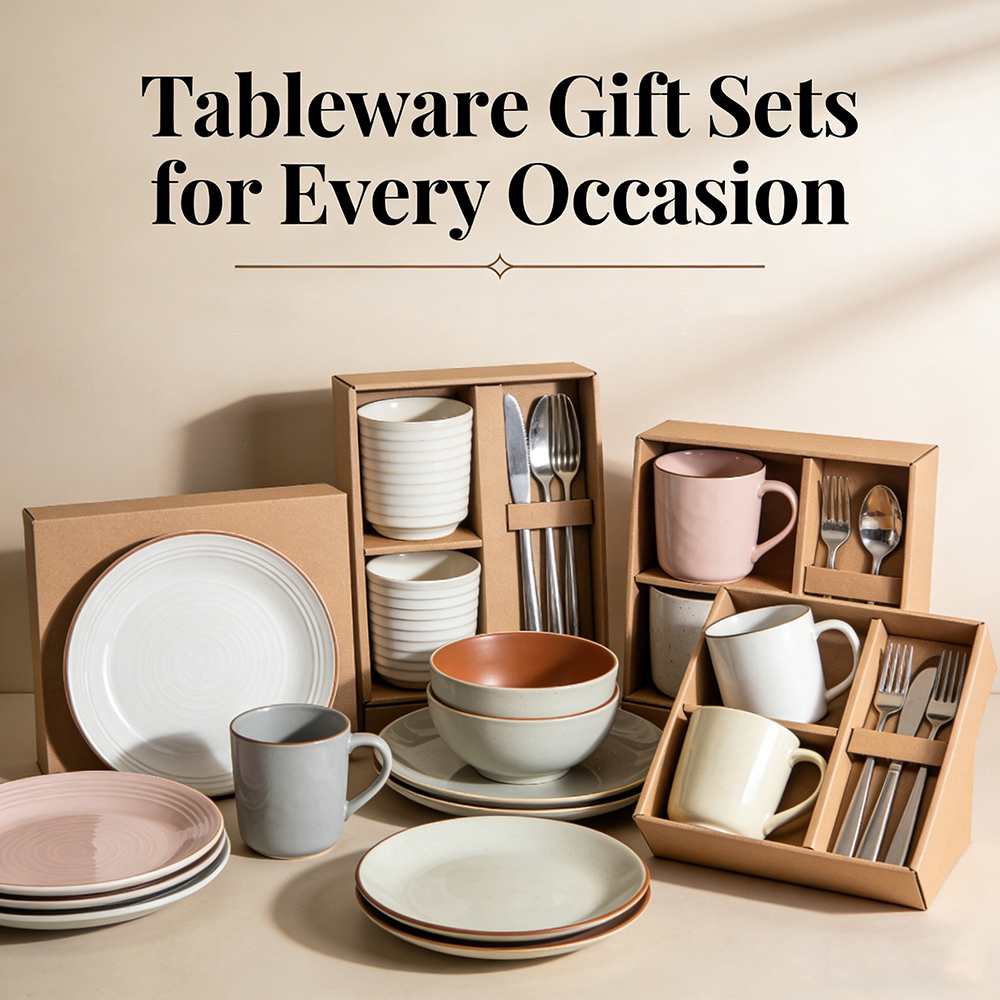
Tableware Gift Sets for Every Occasion: Premium Custom Dinnerware, Flatware, and Glassware Gifts
The best tableware gift sets do something other gifts never manage. They don’t just get opened, smiled at, and forgotten. They get used again and again at weeknight dinners, family parties, and the kind of moments people actually remember. That’s why dinnerware, flatware, cutlery sets, and glassware gift sets have become go-to choices for weddings, housewarmings, and modern business gifting. Companies are also moving away from generic items and choosing corporate gift tableware that feels personal and premium. This guide breaks down premium dinner set gifting options, including custom dinnerware sets from Brett for any occasion through OEM/ODM services. Why Tableware Gift Sets Are a Good Idea Tableware is practical, and it feels special. A well-packed set of ceramic dinnerware, flatware, or glassware is used at moments that matter. That makes it perfect for gift-wrapped tableware occasions like company annual meetings, anniversary celebrations, wedding guest gifting, housewarmings, and even family parties where you want the gift to feel thoughtful but not awkward. Another reason they’re a great gifting choice is visibility. People do not use a hoodie or a desk trophy every day, but they do use plates, forks, and glasses. Every meal becomes a reminder of who gave it, and that is what turns a nice gesture into something memorable. Tableware also fits a wide range of tastes. It is gender-neutral, easy to match with most home styles, and works across budgets. You can keep it simple for bulk gifting, or go premium for high-impact moments. And for brands, it gets even better. You can customize corporate tableware gifts with logos, event dates, or names, making them feel intentional rather than generic. That’s why custom dinnerware sets have become a smart upgrade for modern gifting that wants to look polished and feel meaningful. Tableware Gift Sets by Occasion A lot of gifts feel exciting for five minutes, then disappear. Flowers wilt. Chocolates vanish. Gift cards get spent and forgotten. But tableware gift sets stick around, which is exactly why they work for so many occasions. In this section, we’ll match the occasion with the right mix of ceramic dinnerware, flatware, and glassware sets, plus simple personalization ideas that instantly make the gift feel more meaningful. Corporate Annual Meetings and Company Events So you’re gifting for a company event and want something that looks premium but still makes sense in bulk. In this case, a complete place setting works best. Think a 4 to 6 piece setup with durable ceramic or bone china, plus matching stainless steel flatware. You can also add coordinating glassware if the event is more formal or client-facing. Corporate tableware gifts also offer a clean branding opportunity, such as a logo on the plate, the event year, or even executive names for top-tier recipients. Budget-wise, most brands land in the $50 to $200 per person range because it feels high-value without going overboard. Wedding Celebration Gifts Wedding gifting is different because couples actually want tableware. If you’re stumped for ideas, go with a custom wedding dinnerware set, matching flatware, and a few glasses that make hosting easy. In this case, a 12-piece dinnerware set is a common starting point, especially for couples building their home. You’d normally expect cash to be the safe gift, but wedding guest gift sets feel more personal and last longer. Add a monogram, initials, or the wedding date, and suddenly you have personalized dinnerware sets that feel like part of the celebration. Anniversary Celebrations Anniversaries are all about meaning, so the gift should feel commemorative. For instance, a premium upgrade set with coordinating custom glassware is perfect for couples who already have basics. Milestones like 25th or 50th anniversaries pair well with silver or gold accents. In this case, custom dinnerware sets that include names and the anniversary year feel intentional without needing anything flashy. Housewarming Parties Housewarming gifts are practical first, pretty second. So what should you gift? An everyday dinnerware set, quality stainless flatware, and optional glassware to round it out. New homeowners usually need the essentials, and housewarming gift tableware gets used immediately, which is the best kind of gift. Family Party Gifts (Graduations, Milestones, Birthdays) Family events deserve gifts that feel personal but still useful. Actually, this is where customized sets shine. A premium dinnerware set for a graduate, or a personalized set for a milestone birthday, feels like a “grown-up” upgrade they’ll use for years. Customization and Personalization Options for Tableware Gift Sets The best tableware gift sets don’t just look premium. They also feel personal. That’s where customization turns a nice set into something people actually remember. Personalization Strategies 1. Monogramming Well, this is the classic move when you want the gift to feel instantly meaningful. For weddings, monogrammed gifts like a couple’s initials on a plate rim or cup set the tone without feeling too loud. For corporate orders, adding a company name or logo keeps it polished and professional. For family occasions, individual names or a short message make personalized dinnerware sets feel like a keepsake. In most cases, you can place this on dinnerware surfaces, flatware handles, or even subtle underside markings. 2. Branding So in this case, you’re not just giving a gift, you’re reinforcing identity. Corporate branding can be as simple as a clean logo placement or as specific as corporate colors built into the pattern. Some companies even request custom dinnerware sets designed exclusively for their annual meeting or milestone event. Limited-edition numbering is another smart option when you want the set to feel collectible instead of mass-produced. 3. Commemoration Adding the event year, anniversary number (25th or 50th), or a short title like “Founders Dinner” instantly makes the gift feel tied to a moment in time. Recipient names can also be included for high-value guests or executives, especially when you want the gift to feel premium and intentional. 4. Packaging Gift-wrapped tableware matters more than people think. A premium box, custom print, tissue protection, and clean labeling create an “unboxing moment” before the first plate is even used. Small touches
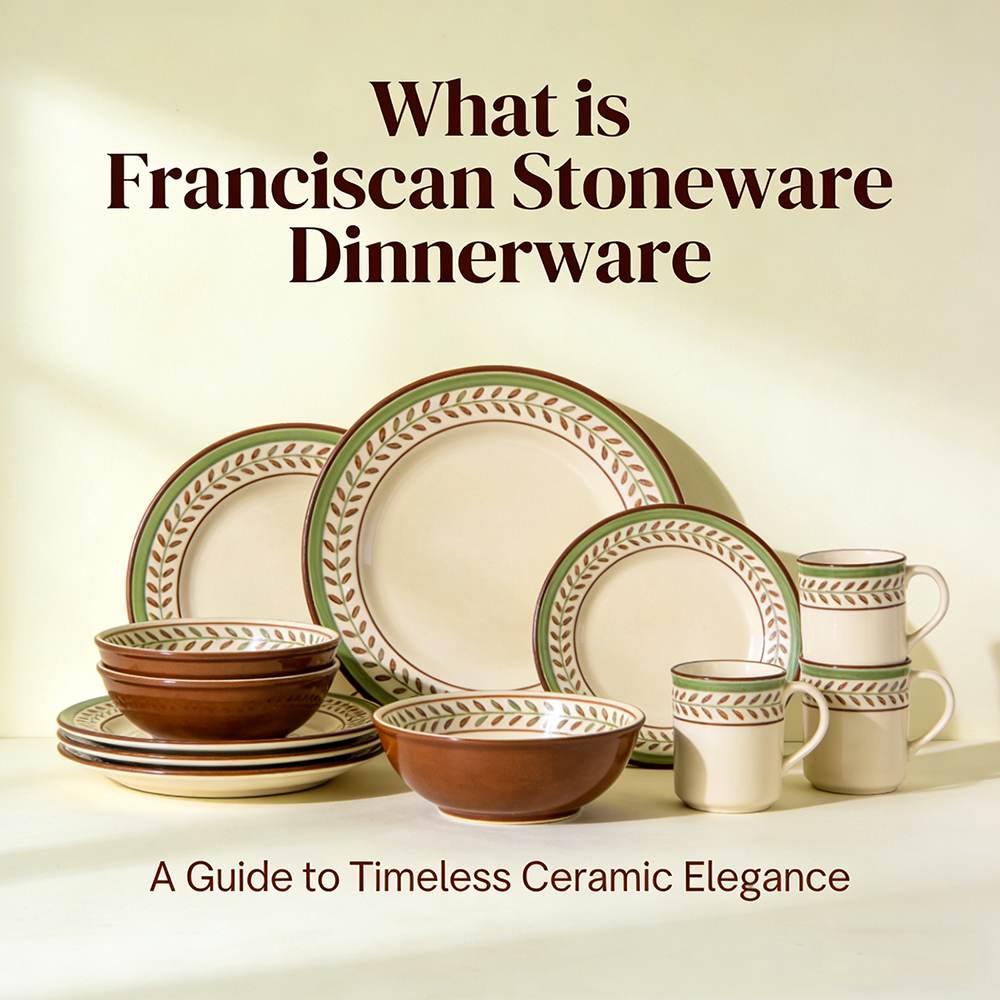
What is Franciscan Stoneware Dinnerware?
Dinnerware isn’t just a functional necessity; it’s an integral part of creating memorable dining experiences. From fine porcelain to rustic stoneware, different materials offer unique aesthetics and qualities. Among these, Franciscan Stoneware Dinnerware stands out as a beloved classic. Known for its durability, timeless design, and distinctive craftsmanship, Franciscan stoneware has made its mark as one of the most recognizable dinnerware brands in the United States. In this article, we’ll explore what Franciscan stoneware dinnerware is, its history, features, and why it remains a popular choice for collectors and everyday use alike. What Is Franciscan Stoneware? Franciscan stoneware refers to the dinnerware line produced by Franciscan Pottery, an American ceramics manufacturer founded in 1934. The company is known for crafting high-quality stoneware and pottery, with dinnerware sets that became particularly popular in the mid-20th century. Over the years, Franciscan stoneware has come to symbolize both functionality and elegance in American homes. Unlike fine china, which is made from porcelain, stoneware is crafted from clay and fired at a high temperature, making it denser, thicker, and more durable. Franciscan stoneware, in particular, often features beautiful, intricate designs, and is made to be used for both everyday dining and special occasions. The History of Franciscan Stoneware Dinnerware Franciscan Pottery was founded by Frederick Hurten Rhead, an English-born designer, who introduced a range of stoneware pieces for the American market. The brand quickly gained recognition for its combination of innovative designs and durable craftsmanship. In 1934, Franciscan pottery began producing stoneware dinnerware sets that became known for their beauty and practicality. Throughout the years, Franciscan Pottery evolved, with designs shifting in line with various cultural and aesthetic movements, such as Art Deco, Mid-Century Modern, and Retro designs. The company was especially known for creating intricate hand-painted patterns and vibrant glazes, which helped to establish the popularity of Franciscan stoneware across American homes, as well as overseas. In the 1950s, one of the most iconic patterns, “Franciscan Desert Rose”, was introduced. This pattern featured delicate pink roses on a muted cream-colored base, and it became an instant classic. For many, Franciscan Desert Rose remains the brand’s most recognizable design. By the late 1980s, Franciscan Pottery was acquired by Wedgewood, which is now part of the Waterford Wedgwood group, but the legacy of the brand continues to influence stoneware design to this day. Key Features of Franciscan Stoneware Dinnerware 1. Durability One of the defining characteristics of Franciscan stoneware is its durability. Stoneware is known for being thick and strong, making it a practical choice for daily use. The high firing temperatures at which the stoneware is baked contribute to its strength and chip resistance, making it an ideal material for both casual and formal dining. 2. Distinctive Designs Franciscan Pottery was famous for its innovative and varied patterns, which set the brand apart from other dinnerware makers. From the delicate florals of Desert Rose to the rustic Ivy pattern, Franciscan stoneware often featured hand-painted designs or beautifully glazed finishes. These vibrant colors and artistic patterns made the brand’s dinnerware a standout in homes and restaurants. 3. Versatility Franciscan stoneware is known for its ability to transition from everyday dining to special occasions with ease. Whether hosting a casual dinner or a formal gathering, Franciscan pieces bring a level of elegance and charm to any table setting. The stoneware is also microwave-safe and dishwasher-safe, adding to its practicality for modern-day dining. 4. Heirloom Quality Many collectors of Franciscan dinnerware appreciate its heirloom quality. Due to the timeless designs and durable material, Franciscan pieces often become cherished family heirlooms. Many people find that the pieces retain their beauty and function for generations, which contributes to their lasting popularity. Popular Patterns and Designs of Franciscan Stoneware Franciscan Desert Rose Undoubtedly the most famous pattern of Franciscan dinnerware, Desert Rose was first introduced in 1941. Featuring soft pink roses set against a warm cream-colored background, this design exudes a vintage charm that has made it a favorite among collectors. Desert Rose continues to be highly sought after, especially for those seeking to complete or expand their collection of Franciscan dinnerware. Franciscan Ivy The Ivy pattern is another signature design from Franciscan, characterized by green ivy leaves against a white or cream background. This elegant and nature-inspired design offers a more understated alternative to the floral motifs, and its simplicity makes it versatile enough to be paired with various other dinnerware collections. Franciscan Apple Apple is a charming, playful pattern that features vibrant red apples set against a soft cream-colored background. It captures the essence of home cooking and comfort, making it an ideal choice for casual dining or country-themed décor. Franciscan Monterey The Monterey pattern stands out with its vibrant blue, orange, and yellow hues. This design evokes a more retro vibe, reminiscent of mid-century modern aesthetics. It is bold and colorful, making it an excellent choice for those looking to add a touch of excitement to their table settings. Why Franciscan Stoneware is Still Popular Today Even though Franciscan Pottery ceased production decades ago, its stoneware continues to be beloved for several reasons: Timeless Beauty: The intricate designs and craftsmanship of Franciscan stoneware have never gone out of style. Whether it’s the vintage charm of Desert Roseor the sleek elegance of Ivy, these patterns still fit perfectly in contemporary settings, providing a beautiful contrast to today’s minimalist trends. Collectibility: Franciscan dinnerwareis highly collectible, with many sets and individual pieces still being sold on the second-hand market. Whether bought for its value or nostalgia, collectors continue to seek out rare pieces, ensuring the brand’s legacy. Durability and Practicality: Despite being a vintage brand, Franciscan stoneware is known for its durability and functionality, making it a great option for both practical everyday use and special occasions. Vintage Appeal: For those who love vintage décor, Franciscan dinnerwareoffers an opportunity to own a piece of history, connecting the modern world to the mid-century era. Conclusion Franciscan stoneware dinnerware is a symbol of American craftsmanship and timeless design. Its rich history, exceptional durability, and iconic patterns have made it a favorite among collectors and everyday users alike. Whether you are looking for the charming Desert Rose, the understated elegance of Ivy,
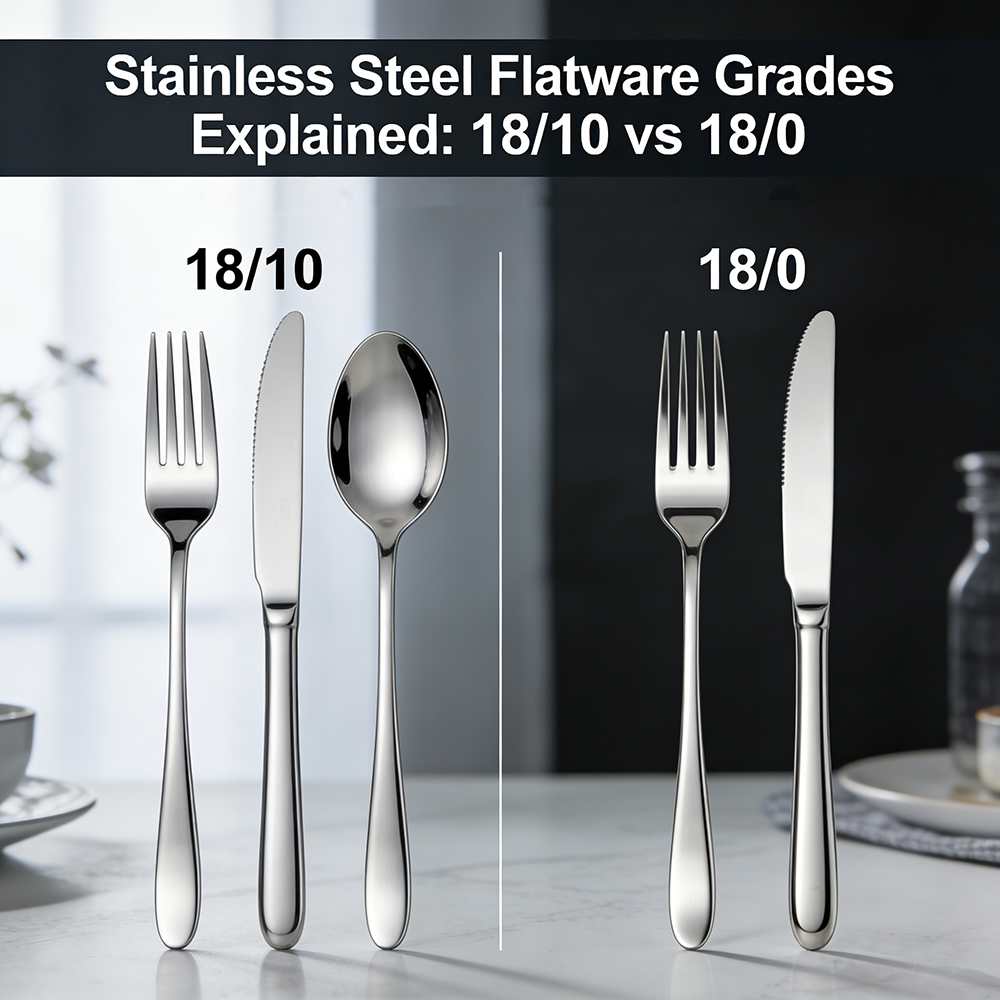
Stainless Steel Flatware Grades Explained: 18/10 vs 18/0 (Cost vs Lifespan Comparison)
Stainless steel flatware comes in different quality levels, and the numbers on the box, like 18/10 or 18/0, actually tell you what you’re buying. Those grades refer to the mix of chromium and nickel inside the steel, and that mix affects flatware durability, shine, and how long it holds up in daily service. If you’re comparing 18/10 flatware vs 18/0, the decision usually comes down to one thing: do you want a lower upfront price, or a longer flatware lifespan with fewer replacement cycles? In this guide, we’ll break down stainless steel grades, performance, and a simple cost comparison so your hospitality procurement choice feels easy. What’s the Difference Between 18/10 Flatware vs 18/0? When you’re buying flatware for a restaurant, hotel, or catering setup, these stainless steel grades tell you what the steel is made of, and that directly affects how your flatware looks after months of dishwashing, heavy service, and constant handling. So if you’re stuck choosing between 18/10 vs 18/0 flatware, this section breaks it down. 18/10 Stainless Steel Flatware 18/10 flatware is stainless steel flatware made with 18% chromium and 10% nickel. That nickel is the reason it’s considered the premium option in hospitality. It helps the flatware stay shinier, resist rust spots, and hold up better through heavy dishwashing and daily service use. This is the type of flatware you pick when you want your cutlery to still look sharp after a long season of service, not just on day one. 18/0 Stainless Steel Flatware 18/0 flatware is stainless steel flatware made with 18% chromium and 0% nickel. It’s usually the budget-friendly option because it skips the nickel, which keeps the cost down. The trade-off is that it can lose its shine faster over time and may show more spotting or surface wear in busy commercial kitchens. How 18/10 and 18/0 Stainless Steel Grades Are Named The format for stainless steel grades is simple: X/Y. The first number is the chromium percentage, and the second number is the nickel percentage. So when you see 18/10, that means the flatware contains around 18% chromium and 10% nickel. And 18/0 means around 18% chromium and 0% nickel. Now you might ask, why does this matter? Because those two metals decide how your flatware holds up once it’s been through hundreds of wash cycles, gets tossed into bus tubs, and gets handled by multiple staff members in one night. What Chromium Does (The “18” Part) Chromium is what gives stainless steel its basic rust resistance. It forms a protective layer on the surface, so the steel doesn’t break down easily when it’s exposed to water, heat, and daily washing. That’s why both 18/10 and 18/0 can still qualify as “stainless,” because both rely on chromium for that base protection. So even if you choose 18/0 flatware, you’re not choosing something low-quality by default. You’re choosing a grade that’s built for value, with fewer extras. What Nickel Changes (The “10” vs “0” Part) Nickel helps flatware keep that cleaner shine longer, and it improves resistance to spotting, surface wear, and corrosion marks that can show up when cutlery goes through heavy service routines. It also changes the feel in the hand. If you’ve ever picked up cutlery and thought, “Yeah, this feels premium,” nickel is usually part of that story. The reason 18/10 costs more is simple: nickel isn’t cheap, and adding it changes both performance and price. Why You’ll Also See 18/8 (And Why It Confuses Buyers) If you’ve been shopping for stainless steel grades, you’ve probably noticed 18/8 sitting right beside 18/10. Here’s the short version: in most commercial cases, 18/8 and 18/10 perform very similarly, and the difference is rarely something you’ll feel during service. A lot of suppliers buy steel that falls within a range, then label it based on what sells best. Some call it 18/10. Some call it 18/8. The British Stainless Steel Association even notes that 18/10 is sometimes used as an alternative label to 18/8, and in practice, it can be more marketing than a true upgrade. So treat them as the same tier and compare quality, pros, and cons instead. Take a look at the pros and cons of stainless steel flatware grades. Grade Pros Cons 18/10 Stainless Steel Flatware l Strong rust and corrosion resistance in commercial dishwashing l Holds its shine and polish for longer l Better resistance to staining, spotting, and pitting l Feels more premium in weight and finish l Long-term durability makes it ideal for daily service l Not magnetic (can matter for some recovery systems) l Not always necessary for casual or short-term setups l Higher upfront cost compared to 18/0 18/0 Stainless Steel Flatware l Lower cost upfront (budget-friendly for bulk buying) l Magnetic (easier to recover in dishwashing/trash systems) l Works fine for casual service and lower-expectation settings l Good corrosion resistance for the price (still stainless steel) l More likely to lose shine faster over time l Can show spotting, staining, or dulling sooner l Less resistant to harsh washing conditions and acidic residue l May need more frequent replacement in high-volume venues Performance Comparison: How Stainless Steel Grades Differ in Practice Both stainless steel grades look great when they’re brand new. The difference shows up after weeks of dishwashing, busy shifts, and constant contact with food, water, and heat. If you’re choosing based on flatware durability and flatware lifespan, this is the part that makes the decision clear. Durability and Lifespan In a restaurant, hotel, or catering business, flatware gets tossed in bus tubs, soaked, washed on high heat, and used the same day. That’s where 18/10 stainless steel usually performs better. It stays cleaner and brighter longer and holds up better when your menu includes acidic foods like lemon, vinegar, or tomato sauce. This is why flatware lifespan can look completely different between stainless steel grades, even when both sets start out looking the same. 18/0 flatware still works, but in heavy service, it can start looking dull or spotty sooner, especially with hot dishwashing, hard water, or wet storage. The Visual Aging Story At
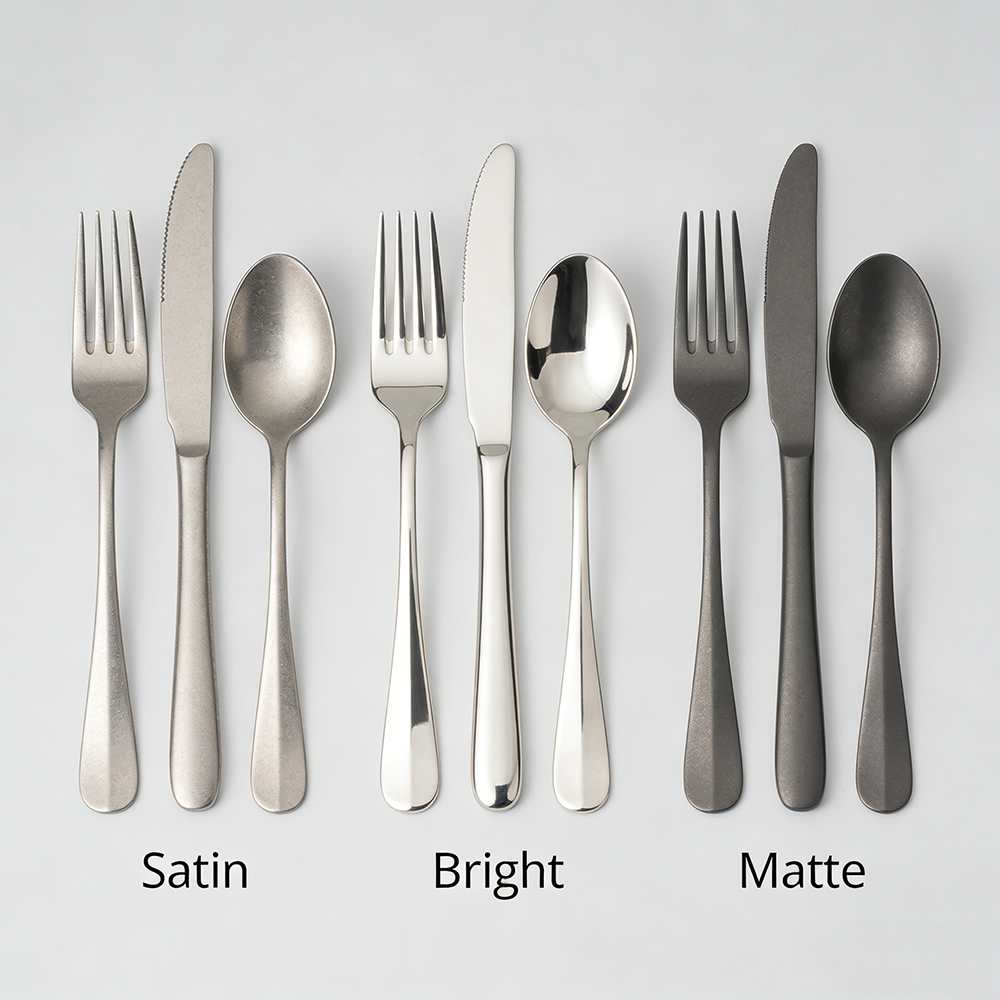
Commercial Flatware Finishes: Satin, Bright, and Matte (Aesthetic, Maintenance, and Cost)
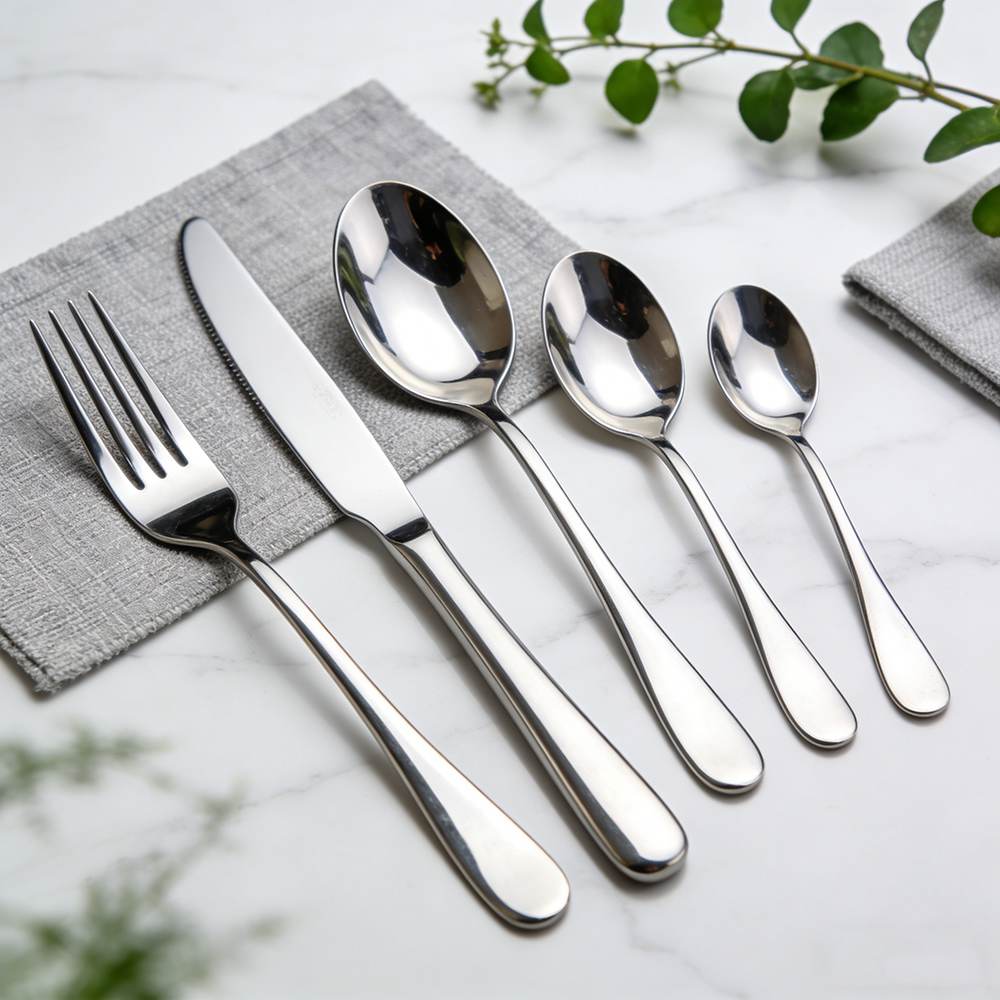
Flatware finishes can change the entire vibe of your table, even when the pattern stays the same. You’re holding the exact same fork in three versions. One is a mirror polish that reflects the ceiling lights like a spotlight. One is a satin finish with a soft, brushed glow. And one is matte flatware that looks modern and clean. Same steel, same shape, but totally different look. Here’s the part most buyers learn after the purchase: the finish you pick doesn’t just affect the look. It affects flatware maintenance, staff time, and how your flatware holds up after months of dishwashing and daily service. Let’s explore the different types of commercial flatware finishes and how they perform in service. What Are the Main Flatware Finishes in Restaurants and Hotels? Flatware finishes influence how your cutlery looks under lighting, how fast it shows wear, and how much effort it takes to keep it looking clean between services. Here’s a simple breakdown. Mirror Polish Flatware (Bright Finish) Mirror polish is the classic ‘shiny silver’ look. It’s made by buffing the surface until it becomes smooth and reflective, like a mini mirror on the table. This finish makes flatware look more formal and high-end, which is why it’s common in fine dining, luxury hotels, and weddings. Satin Finish Flatware (Brushed Finish) A satin finish (also called a brushed finish) has a soft shine, not a full reflection. It’s created using brushing or abrasion techniques that leave a subtle texture on the surface. This is the best-of-both-worlds finish for most venues because it looks premium without demanding constant attention. It hides fingerprints better than mirror polish, holds its look longer in busy service, and works across modern, classic, and upscale concepts without clashing with your dinnerware. Matte Flatware (Modern Finish) Matte flatware is the low-shine, modern finish that gives a contemporary look. It absorbs light instead of reflecting it, so it does not sparkle like mirror polish or glow like satin. This finish is popular in trendy restaurants, cafes, high-volume venues, and catering kits because it hides wear extremely well and needs very little visual upkeep. If your flatware goes through nonstop wash cycles, matte usually stays good enough without requiring extra work. Aesthetic Impact: How Flatware Finish Changes the Dining Experience Flatware finishes do more than change a fork’s look. They change the message your table sends before the food even lands. So if you’re deciding on a hotel, restaurant, or catering program, this is really a brand choice, not just a style preference. Mirror Polish: The Formal Statemen Mirror polish is the finish that makes a formal statement. Light bounces off it, candles reflect in it, and the table instantly feels more elevated. Guests usually read polished flatware as “high standards,” especially in luxury hotels, fine dining, and formal events, where the goal is to make everything feel intentional. But that same shine that looks premium can also feel a little too serious in a casual concept. A bright finish in a busy brunch spot can look out of place, like it’s trying too hard. So in this case, you normally expect mirror polish to be the best, but it only works when the entire setup supports it. If your dining room is built for elegance, mirror polish creates the celebratory look design pros talk about. Satin Finish: The Safe Choice That Still Looks Premium A satin finish is what you choose when you want the table to look expensive without putting on a show. The surface has a soft glow instead of a full reflection, which makes it feel modern. Restaurant operators love it because it fits almost anywhere: boutique hotels, upscale casual, modern dining rooms, and even corporate catering, where everything needs to look clean and consistent. Honestly, satin saves you from design regret. You can pair it with porcelain dinnerware, stoneware, wood boards, darker plates, and lighter plates, and it rarely clashes. In other words, if you want quality without the “spotlight effect,” a satin finish strikes a balance between polish and practicality. Matte Finish: The Modern, Minimal Look Matte finish is what you pick when the concept is clean, current, and not trying to look traditional. The finish stays low-shine, so the table feels more relaxed, more design-forward, and less formal. You’ll see it in farm-to-table restaurants, wellness cafes, modern casual spots, and venues with darker dinnerware or textured plating. So in this case, you’d normally expect matte to feel too casual, but that’s not always true. In the right concept, it feels intentional. Matte is also a strong fit for venues that want a modern, minimal table aesthetic without extra shine. How the Finish Works With Your Dinnerware Mirror polish stands out the most, so it works best with classic or dramatic table settings where you want contrast and sparkle. Satin finish blends easily and supports almost any dinnerware style without taking over. Matte flatware pairs best with minimalist plates, darker tones, modern shapes, and textured ceramics, where the goal is harmony. Which Flatware Finish Is Easiest to Maintain? Flatware finishes do not just change how your table looks. They change how much time your team spends wiping, drying, polishing, and “fixing the shine” before service. Mirror polish looks stunning, but it shows fingerprints and water spots immediately, so staff usually end up hand-drying and touching it up more than they planned. To keep it looking pristine, most venues end up stocking microfiber cloths, stainless steel-safe polish, and soft buffing towels, and they usually have someone assigned to do quick touch-ups before service. Satin finish still looks elevated, but the brushed surface hides smudges, so normal dishwashing is usually enough. Matte flatware is the lowest-effort option because it hides water spots, fingerprints, and light scratches so well, making it easier for high-volume venues to keep service looking clean without extra steps. Maintenance comparison by finish: Mirror polish: Highest upkeep, most polishing, and hand-drying Satin finish:Moderate upkeep, hides marks well Matte flatware: Lowest upkeep, the easiest to
Commercial Flatware Selection Guide: Materials, Weights, and Durability for Restaurants
Commercial flatware selection sounds simple until you start tracking replacements and realize some sets cost less upfront but create more work and spend over time. Some bend more easily during heavy use. Others lose their shine sooner. Only a few hold up through years of dishwashing and handling. For hotel procurement managers and restaurant teams, which stainless steel grade and weight will match your concept and still last in daily service is a practical question. This guide breaks down commercial flatware, including stainless steel flatware grades, weight, and durability. You will also learn how to choose the right set for your restaurant so your hospitality tableware stays consistent across service and reorders. Stainless Steel Flatware Grades: 18/10 vs 18/8 vs 18/0 After you notice the look and feel of your commercial flatware, the next question is always the same. Will it stay that way after months of dishwashing and daily handling? That answer depends more on stainless steel flatware grades than on pattern or finish. If you want a reliable restaurant flatware selection process, start here first, because the grade is what drives corrosion resistance, shine retention, and long-term flatware durability in hospitality tableware. 18/10 Flatware (Premium Standard) 18/10 flatware is the option many hotels and fine dining rooms default to when they want a polished, high-end look that holds up. It keeps its shine longer and handles frequent dishwashing well. If you often serve acidic foods, or if you want your hospitality tableware to look consistent across every service, 18/10 is usually the safest pick. It also feels more substantial, which many guests associate with quality. 18/8 Flatware (Balanced Choice) 18/8 is the practical middle ground. It performs well in busy dining rooms, looks clean on the table, and usually comes in a wider range of patterns. If you are managing a procurement budget but still want strong flatware durability, this is the grade many operators land on. You may see it listed as 304 stainless steel in supplier specs. 18/0 Flatware (High-Volume, Budget-Friendly) 18/0 flatware is chosen when loss and replacement are part of the reality, like cafeterias, schools, and quick service. It can be more prone to spotting and wear over time, so you plan for more frequent replacement. One practical advantage is that 18/0 is magnetic, which can help if your dish area uses magnetic retrievers. Flatware Weight Categories and Performance Flatware weight comes from metal thickness, not from stainless steel flatware grades. In commercial flatware, weight affects how often your team replaces bent forks and how well your set stands up to service. You can have 18/10 flatware that feels light, and 18/0 flatware that feels substantial. Here’s how to determine which flatware works best for your restaurant. Forged Flatware (Ultra-Premium, 70 to 90 grams) Forged flatware is made from a thicker piece of steel, so it feels solid and resists bending. In practice, this is what you choose when your dining room is selling an experience, and you want the guest to feel it in their hand. For instance, a fine dining restaurant serving steaks every night will notice fewer damaged pieces over time. The trade-off is that forged commercial flatware can feel heavy for some guests, especially in older audiences, and it sits at the top end of most procurement budgets. Extra Heavy Weight Flatware (Premium, 60 to 80 grams) Extra-heavy flatware gives you a premium feel without going fully forged. This is a common choice in hotel programs and upscale casual concepts because it balances flatware durability with cost control. For example, if your hotel has a breakfast outlet and a dinner outlet, an extra-heavy restaurant flatware selection helps both spaces feel consistent. It also holds up well in busy dishwashing cycles, which matters when volume is high. Heavy Weight Flatware (Standard, 55 to 70 grams) Heavyweight is the practical sweet spot for many operations. It feels substantial enough that guests read it as quality, but it is not so heavy that it feels bulky. A bistro with steady turnover, or a catering company that needs reliable hospitality tableware for repeated events, often lands here. If you want commercial flatware that performs well across most menus, this is usually the safest starting point. Medium Weight Flatware (Budget, 40 to 55 grams) Medium-weight flatware is built for cost and replacement flexibility. It can work in cafeterias, schools, and quick service settings where loss is expected and the priority is keeping inventory moving. The limitation shows up when food requires pressure. For instance, a medium-weight dinner knife and fork can bend more easily during steak service, which increases replacement needs over time. Forged vs Stamped Flatware Construction for Restaurants After you choose stainless steel flatware grades and flatware weight, the next decision in restaurant flatware selection is flatware construction. Construction is about how the piece is formed, and it affects bending, long-term wear, and how the pattern holds up through commercial dishwashing. For hotel procurement teams and catering operations, this is one of the easiest ways to predict flatware durability. Stamped Flatware Construction (Most Common in Commercial Flatware) Stamped flatware starts as a flat sheet of steel that is cut into shape, then pressed to form the handle design. It is fast to produce and easy to scale, which is why most commercial flatware programs use stamped patterns. For example, if you are buying hospitality tableware for a busy restaurant or a hotel buffet, stamped construction paired with heavyweight flatware can perform well in daily service. The key is to avoid thin economy sets. With the right weight and grade, stamped flatware can still feel professional and stay stable through repeated washing and handling. Forged Flatware Construction (Premium Build) Forged flatware is made by heating and shaping a thicker piece of steel, which creates a stronger utensil with more resistance to bending. The pattern is formed through the handle, not only pressed onto the surface. In practice, this matters when the flatware sees high pressure and constant use. For instance, a fine dining room using
Dinnerware Color Trends in Hospitality 2026: What’s Trending and Why It Matters
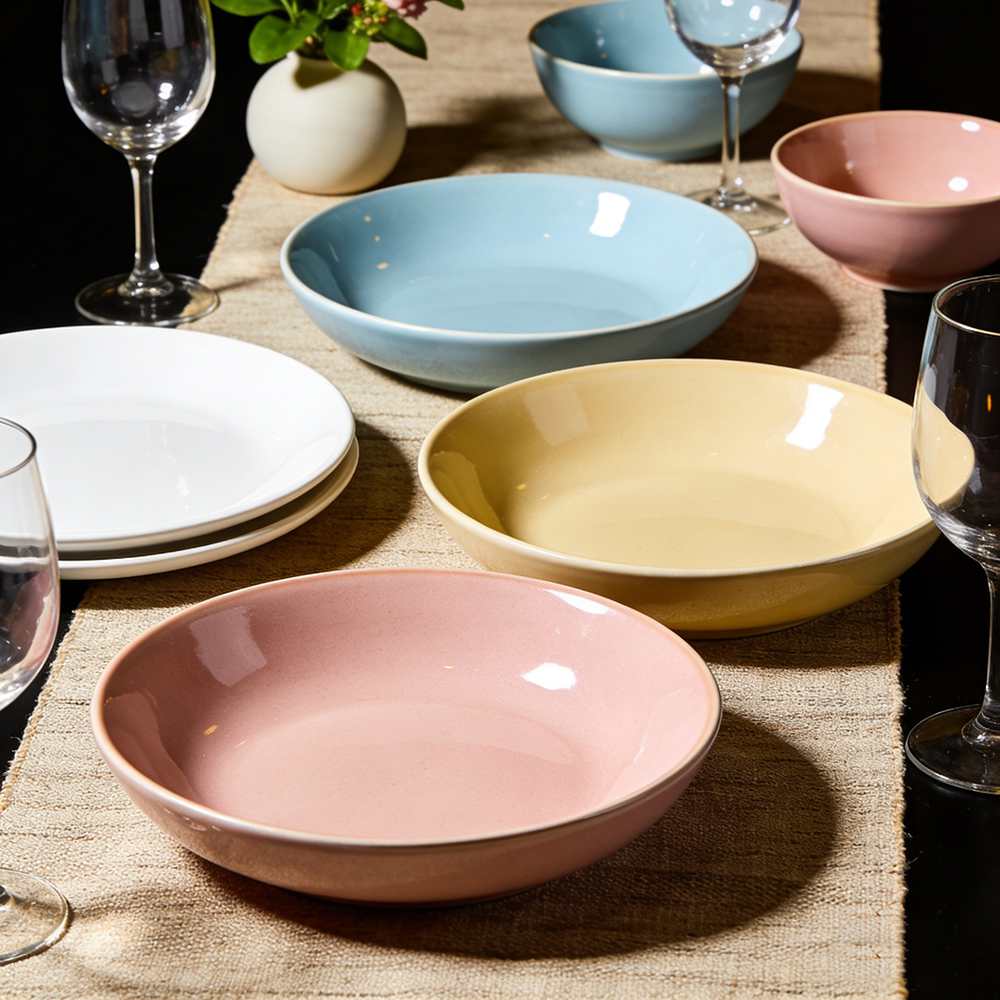
You walk into an intricately designed restaurant. Everything looks on point and beautiful. The lightning, the ambience, and the aroma of delicious food, all about the place, are inviting. But then you notice the plates. They stand out more than they should, and that, too, not in a good way. Dinnerware color today is no longer something you just put off to the last minute. It is part of the whole theme and customer experience. Apart from the very basic stark white today, we see a lot of warmer and earthier palettes. We have bold to pastel colors that look amazing on Insta, too. The color of the plate matters so much that you are judged before the first bite even lands in the mouth of the guest. Let’s talk about dinnerware color trends 2026. The Big Shift From Matching Sets For decades, hotels, restaurants, and event managers have played it safe with dinnerware colors. They chose one color, one size, and one finish. One matching set was used for all occasions, tables, and outlets, making it easy to source and replace. (Unfortunately, it was also quite easy to forget!) So today, we see hotels and restaurants moving towards creating intentional color schemes. They spend a lot of time and effort bringing color to the table without creating chaos. The plates, bowls, platters, and all other serving pieces are selected to work together visually. Like, they use ceramic tableware colors, and so the table looks better in photographs and Insta. It gives food a sense of depth that was initially lacking with flat, white sets. Pairing a warm neutral plate with a slightly darker bowl or a contrasting charger gives another dimension to the food. It makes things look well thought out and planned. These mixed and intentional palettes also increase the life of your dinnerware. Minor chips and glaze variations blend in better on earthy or jeweled-tones compared to white. Industry reports cite that the demand for mix-and-match tableware is rising, with an approximately 18% increase since 2024. Top Three Dinnerware Color Trends 2026 Dinnerware color trends in hospitality are designed based on certain elements. They are selected by keeping in view the space and how the businesses operate every day. Eyeing closely, you’ll see there are actually three broad categories of custom dinnerware colors that dominate the hospitality dinnerware design in 2026. Earthy Neutrals First off, you’ll see earthy-toned dinner plates as the top dinnerware color trend for 2026. There are different tones like clay, warm sand, terracotta, limestone, mushroom gray, and the like. These are loved because they solve a number of problems for event managers: Grounding: These tones do not compete with the main serving. Rather, they make them look rich and intentional. Hide Chips and Scratches:The earthy tones are very good at hiding minor scratches and chips (where white can be the least forgiving). Consistency:When used in high-volume restaurants, earthy dinnerware looks consistent and lasts without needing replacement for years. Depth: When different glazes are used in a combo, it feels like the spread is handcrafted. It shouts premium quality. Authenticity: Earthy dinnerware goes with all boutique restaurants, hotels, farm-to-table restaurants, resorts, and a host of other venues. That’s because it looks authentic. Deep Nature and Jewel Tones Many spaces layer their serving dishes in olive, forest greens, basal black, and stormy blue hues. But there’s a catch. Choosing the wrong shade or overly glossy finish can give off cheap vibes. The colors need to be aligned strategically. Usually, the best option is to go with neutral base plates like cream or bone white colors. Then, combine them with a deep green bowl or salad plate. Playing with contrasts makes it less overwhelming, yet the courses stand out visually. Jewel tones like emerald, deep navy, cobalt, burgundy, etc., too, are meticulously selected as intended accents. Here’s why: Drama: Deep nature tones bring drama to the table. They subtly elevate the perceived value as they trigger strong emotions. Luxury Feel: When used in the right combos, these make the food and setting feel more luxurious and well planned. Trending:Since the pandemic, hospitality dinnerware design is no longer minimalistic. Today, it has personality and depth. Rich:If you do not want to invest further in elaborate decor, just use deep ceramic tableware colors. These alone can make the ambience feel rich and confident. Soft Whites and Muted Washes Since we are talking colors and hues, you might be thinking, “Is white really out of style this year?” Short answer: No. But it definitely has evolved. Instead of using stark white, we now have options like eggshell, cream, and bone white. There are also pastel and other softly washed tones like blush, sage, pale blue, ash rose, and terracotta. Each piece makes the serving look appealing yet balanced. Neutral: These colors look neutral. They make the meal feel warm and intentional. Modern: The look gives off modern vibes. Photogenic: These tones also perform better on camera than white. Create a Difference: Muted washes and reactive glazes also make each serving look slightly different, which makes things visually interesting. It makes people feel that everything is consistent with the decor. Ideal For: This type of color family is best for contemporary cafés, concepts, lifestyle hotels, and wellness spaces Why Are These Color Trends Dominating 2026? In 2026, you can’t let your dinnerware’s color work on its own. To stand out in the competition, you need to respond to the way your guests want. You have to keep up with the market and how other event venues are performing. So, although dinnerware color is about appeal, behind these bold tones are the cultural shifts and psychological triggers. Let’s take a look at the ‘way’ behind these dominating color families. Let’s learn why they are leading the markets in 2026. Earthy and Natural Colors Natural energy, like warm sand, terracotta, and soft caramel, indicates authenticity and connection to nature. Today, diners expect sustainability as a core value. It’s no longer an option or add-on.

Brett Relocates to a New Office — A Warm Thank You for Joining Our Officewarming Ceremony
We’re excited to share an important milestone: Brett has officially relocated to our new address! To mark this new chapter, we recently hosted a housewarming ceremony at our new site, and it was truly an honor to celebrate together with so many wonderful people. We would like to extend our heartfelt thanks to all the friends, partners, and customers who took the time to visit, congratulate us, and share their kind wishes. Your support and encouragement mean a great deal to us—this celebration was made special because of your presence. This move represents more than just a change of location. It reflects Brett’s continued growth and our commitment to delivering even better service, stronger collaboration, and consistent quality for every project we support. With improved facilities and a refreshed working environment, we’re ready to serve you more efficiently and create even more value together. Once again, thank you for being part of this exciting moment. We look forward to welcoming you at our new location and continuing our journey together. https://youtu.be/3Fs2RDVjkyk?si=wpdJFY-LKPUemlIE Brett New address: Linrun Intelligent Valley, No. 1, R&D Route 5, SongShan Lake, Dongguan City,Guangdong Province Tel/WhatsApp: +86 13535413512 Email: ann@chinabrett.com