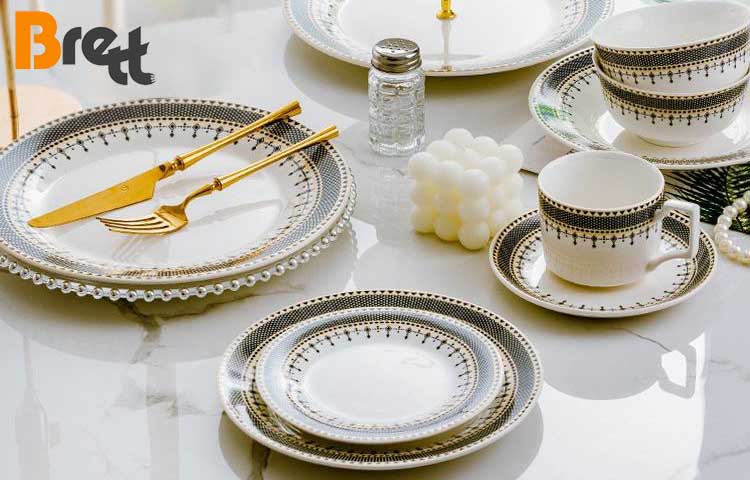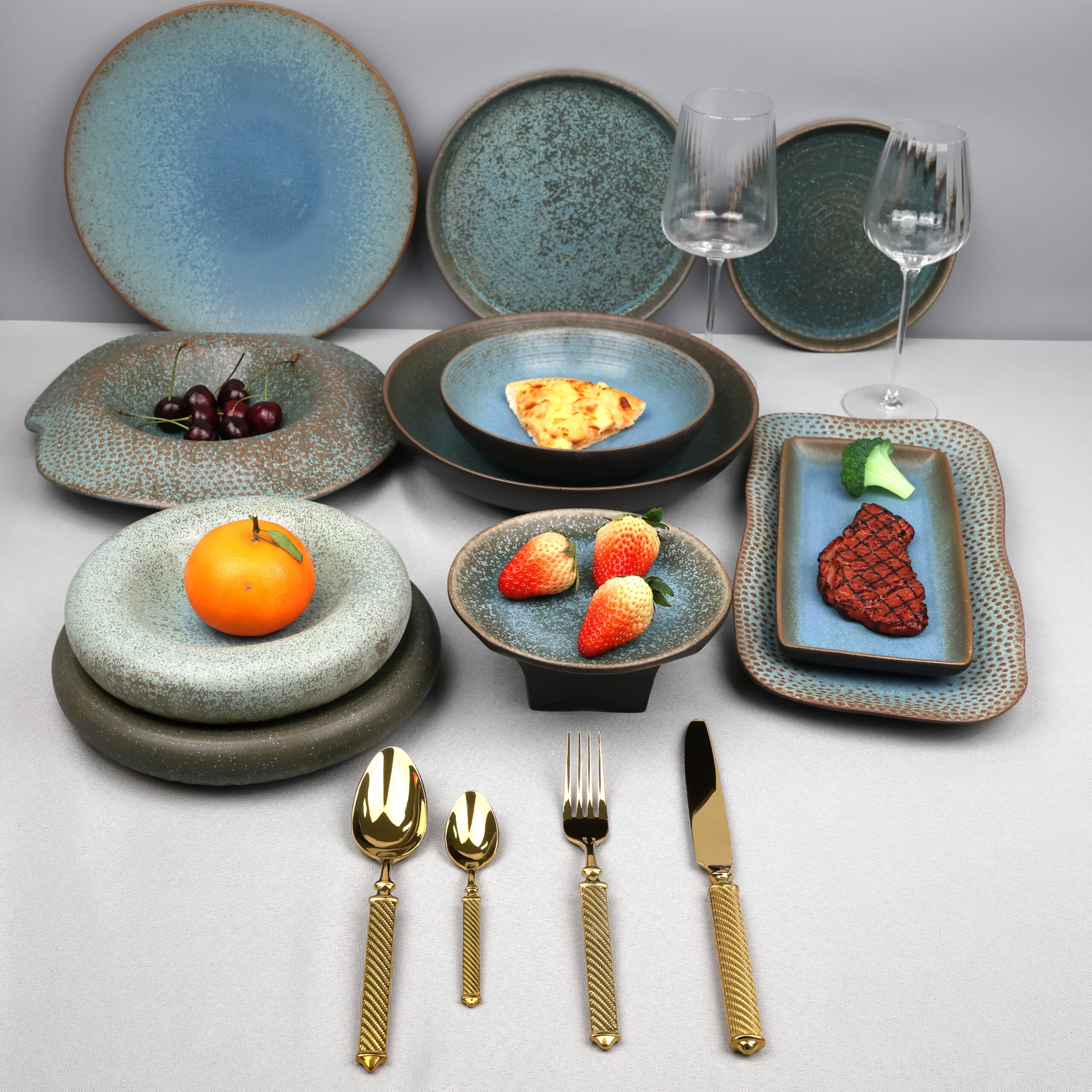
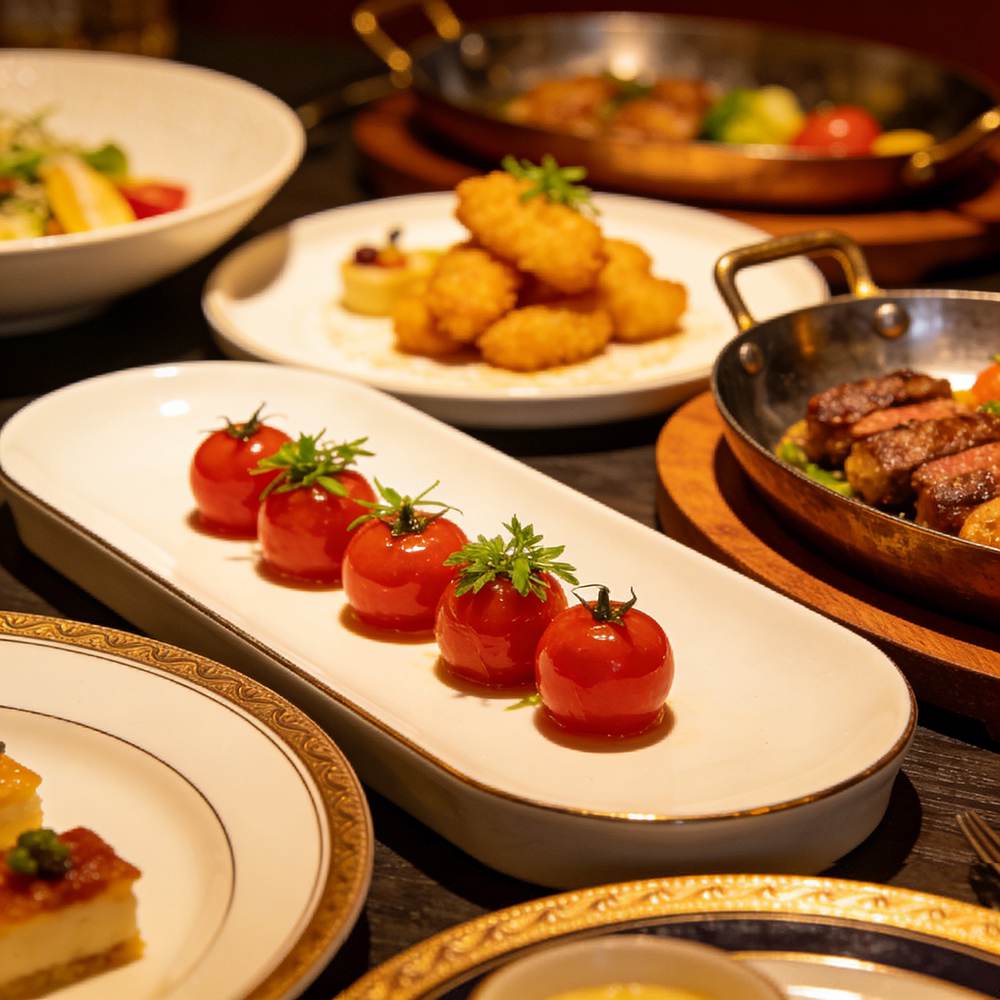
Every dish that leaves your kitchen lands on a surface before it reaches a guest. For individual diners, that’s a plate. For everyone else at the table, at the buffet station, or at the banquet spread, that’s a platter. Restaurant serving platters are where your kitchen’s work becomes your guest’s first impression, and most procurement teams treat them as an afterthought. They buy whatever matches the dinnerware. They order the minimum. They figure it out later. This guide is for the operators who want to think through hotel serveware, catering serveware, and buffet serving dishes before the first event, not after the first problem. Serveware Materials: Strengths, Trade-offs, and Best Applications The material you choose for your restaurant serving platters affects more than how they look on the buffet line. It determines how long your staff can carry them, how well they hold temperature, how they survive a busy Saturday night, and what your replacement costs look like twelve months from now. According to Foodservice Equipment & Supplies Magazine, material selection for serveware should account for heat retention, stackability, staff handling weight, and coordination with existing dinnerware programs. Most operators focus on the first factor and ignore the rest until it becomes a problem. Here is how each material plays out in practice. Porcelain and Bone China Porcelain dinnerware is the prestige choice for presentation serveware, and for good reason. It retains heat well, which matters when a roasted lamb dish needs to maintain its temperature throughout a 45-minute dinner service. The clean white surface works as a neutral canvas, letting the food do the visual work. It coordinates with virtually any existing dinnerware program, which simplifies procurement decisions for hotel F&B directors managing multiple outlets. For fine dining and upscale buffets, porcelain and bone china sit at the top of the list. Bone china dinnerware carries a slightly lighter build with comparable elegance, making it a strong choice when staff are carrying large platters across long dining rooms. The trade-off is straightforward. Porcelain chips and breaks, and it costs more to replace than any other material on this list. In a controlled fine dining environment with trained staff and careful handling, that trade-off is manageable. In a 400-cover hotel breakfast buffet with rotating service teams, it becomes expensive fast. Melamine For high-volume catering serveware and casual buffet service, melamine is the practical standard. It is virtually unbreakable, lightweight enough for staff to carry multiple pieces at once, and significantly easier to handle during rapid replenishment cycles. Modern melamine has come a long way. Current commercial grades convincingly mimic porcelain, slate, and wood finishes, which means you can get the aesthetic without the fragility. A banquet manager running outdoor corporate events where pieces get stacked, transported, and handled by rotating staff will find melamine a far more sustainable choice than ceramic. But the limitation is heat. Melamine should not go into microwaves, ovens, or under heat lamps, and should not be used for hot-hold buffet stations without separate chafer systems. For cold stations, salad displays, and ambient-temperature catering serveware, it performs well. For anything requiring sustained heat retention, it needs a support system. For a deeper look at how melamine compares to ceramic across durability and presentation, that comparison is worth reviewing before committing to a material. Stainless Steel Stainless steel commercial serving trays and platters are the backbone of banquet and large-scale buffet operations. They are indestructible, easy to sanitize to food-safety standards, and available in mirror or satin finishes, depending on the formality of the setting. Where stainless steel earns its place is in chafing dish setups, carving stations, and high-volume buffet lines, where durability and sanitation matter more than food presentation. The limitation is visual. Food sitting directly on bare steel can read as institutional, which works against you in upscale hotel settings or branded catering events. The best applications use stainless steel as an under-platter or chafer insert, with porcelain or melamine as the direct presentation surface above it. That combination gives you the structural durability of steel with the visual warmth of ceramic. Wood, Slate, and Natural Materials Natural materials are earning their place in artisanal, farm-to-table, and charcuterie-focused concepts. A slate board under a cheese selection, or a wooden platter for a shared antipasto course, creates a visual moment that porcelain simply cannot replicate. Each piece carries natural variation, which adds character to specialty presentations. The trade-off is maintenance. Porous surfaces like wood and slate are not dishwasher-friendly, require specific cleaning protocols to meet food safety standards, and are not suited for high-volume daily service. For a boutique hotel running a weekly charcuterie evening or a restaurant with a dedicated sharing board menu, they add genuine value. For a 300-cover breakfast buffet, they create more problems than they solve. Shapes and Sizes: Matching Restaurant Serving Platters to Your Service Size Most procurement teams pick a platter shape because it looks good in a catalog photo. That’s the wrong starting point. Shape determines how much food you can actually display, how your buffet line flows, how staff carry and stack pieces at the end of service, and how much storage space your kitchen gives up every night. So here’s a question worth sitting with before you place an order. Does your platter shape work for your service, or are you working around it? Oval Platters Oval is the classic format for a reason. It handles large, naturally shaped dishes well, whole roasted proteins, seafood displays, carved meats, and carved vegetables without forcing food into unnatural arrangements. On a buffet table, ovals can be angled slightly to add visual movement to an otherwise flat line. The limitation shows up when you’re running a long straight buffet. Oval platters leave awkward dead space between pieces, which affects both presentation and how much you can fit per linear foot of table. Rectangular and Square Platters When your buffet line runs 10 to 12 feet, rectangular buffet serving dishes are the more efficient choice. Placed side by side, they eliminate the gaps that
Restaurant Equipment List: Complete Setup Guide for New Restaurants
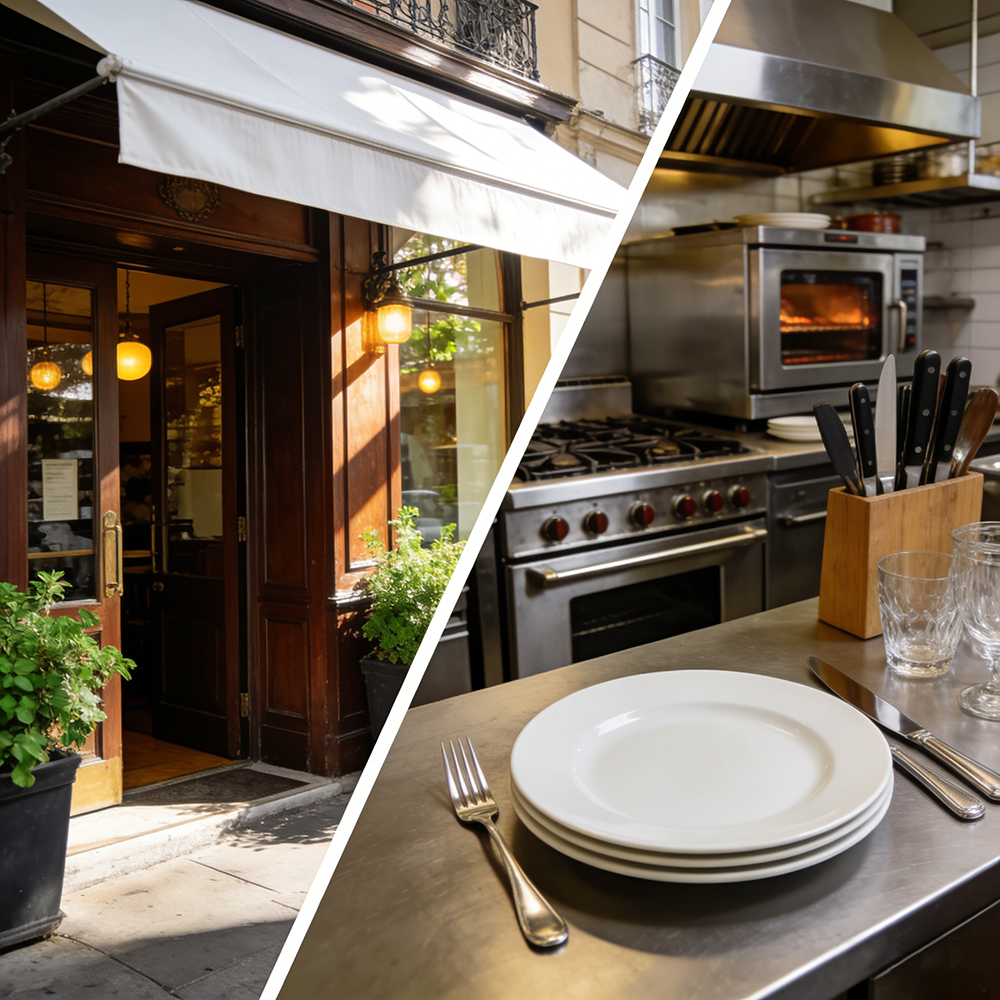
Starting a restaurant means making hundreds of purchasing decisions before opening day. Your restaurant equipment list is one of the biggest capital commitments you’ll make, and getting it wrong is expensive. Most guides cover the kitchen hardware, the ovens, the ranges, the fryers, and then treat everything else as an afterthought. Two sentences on plates. One line about glasses. Done. That gap costs operators more than they expect. The US restaurant industry is projected to reach $1.5 trillion in sales in 2025, according to the National Restaurant Association. New venues are opening constantly, and the ones that struggle share one thing: they planned the kitchen and forgot the table. This guide covers both. Start With Your Concept, Not a Generic List Before you buy a single piece of equipment, write down what your restaurant actually is. Not the dream version. The operational version. What’s on the menu? How many covers are you running per service? Are guests staying for 90 minutes or turning tables every 30? These answers determine your equipment list, and skipping this step is one of the most expensive mistakes a new operator can make. In our experience working with hospitality clients, the operators who struggle most are the ones who bought equipment based on what looked professional rather than what their concept demanded. A fast-casual bowl shop and a fine-dining steakhouse are not the same restaurant. They don’t need the same kitchen, and they definitely don’t need the same tableware. Buying heavy forged flatware for a counter-service concept wastes budget. Putting melamine plates in a white-tablecloth dining room loses guests before the food arrives. Here’s what your concept should determine before you spend anything. QSR and fast-casual concepts prioritize speed, volume, and durability over presentation. Equipment and tableware should reflect that. Casual and upscale casual dining needs a balance between cost control and guest perception. Material quality starts to matter here. Fine dining and boutique venues should treat tableware as part of the brand, not a line item to cut. Your menu drives kitchen equipment. Your brand drives tableware. Both decisions deserve equal attention. Buying what looks impressive instead of what your service demands creates mismatched setups that cost more to fix later. Core Kitchen Equipment: Cooking, Refrigeration, and Prep Every restaurant equipment list starts here, and for good reason. Kitchen equipment takes up the largest share of most startup budgets, and the decisions you make early set the pace for everything that follows. The goal isn’t to buy everything at once. It’s to identify what your menu genuinely requires on day one and build from there. According to a Bar and Restaurant Industry Survey, 68% of restaurant owners planned to invest in equipment upgrades in 2025, with 53% prioritizing kitchen equipment spending. By 2026, that number is expected to climb as more operators recognize that underpowered kitchens create bottlenecks that hurt service from the first week. Any serious restaurant opening equipment list needs to account for this upfront. Cooking Equipment Every kitchen needs a reliable cooking core for its restaurant equipment list. For most concepts, that means a commercial range or stove, a convection oven, and either a grill or fryer, depending on the menu. Combi ovens are worth the investment for concepts running high volume across multiple preparations since they handle roasting, steaming, and baking in a single unit. Start with versatile equipment and add specialty items only when the menu demands it. A wood-fired pizza oven is essential for a Neapolitan concept. For a modern cafe, it’s a capital expense that adds no value. Your restaurant supplies checklist should reflect what you actually cook, not what a generic template suggests. Refrigeration and Cold Storage Cold storage is one of the areas where new operators consistently underestimate their needs. A commonly used sizing rule puts it at roughly 1 cubic foot of refrigeration per $75 to $100 of daily sales. Walk-in coolers make sense for high-volume kitchens processing large ingredient quantities. Reach-in units work for smaller operations with tighter kitchen footprints. Ice machines are easy to overlook and expensive to add later. Factor them into the initial plan, not as an afterthought. Food Prep and Processing Prep tables, cutting boards, food processors, commercial mixers, and slicers form the backbone of daily kitchen operations. The right configuration depends entirely on your menu. A bakery-forward concept needs a heavy-duty mixer from day one. A poke bowl concept needs efficient cold prep surfaces and slicing capacity. Prioritize equipment that your kitchen will use for every service. Specialty tools can follow as your operation grows. Tableware and Dinnerware: The Most Overlooked Equipment Decision Most restaurant equipment lists spend three pages on kitchen hardware and one sentence on plates. That sentence usually says something like “purchase dinnerware as needed.” It’s the kind of advice that sounds reasonable until you’re six months into service, replacing chipped porcelain for the third time, and realizing the pattern you chose has been discontinued. Tableware is a strategic decision. Your custom dinnerware is the first physical thing a guest interacts with at the table, before the food arrives, before the server speaks. It sets an expectation. Getting that decision right from the start is one of the highest-return investments in your restaurant opening equipment list. Choosing the Right Material The material you choose determines how long your plates last, how much you spend replacing them, and how well they hold up through daily dishwashing cycles. Here’s how the main options compare. Porcelain is the standard for fine dining. It looks clean, holds heat well, and photographs beautifully. The porcelain tableware marketis expected to witness steady growth between 2025 and 2035, driven by increasing consumer preference for premium dining aesthetics, which tells you something about where guest expectations are heading. The trade-off is durability under pressure. Custom porcelain dinnerware works well for controlled service environments where staff are trained, and handling is careful. Bone chinacarries a premium look with a surprisingly strong build for its weight. It chips less at the edges than standard porcelain, which is why
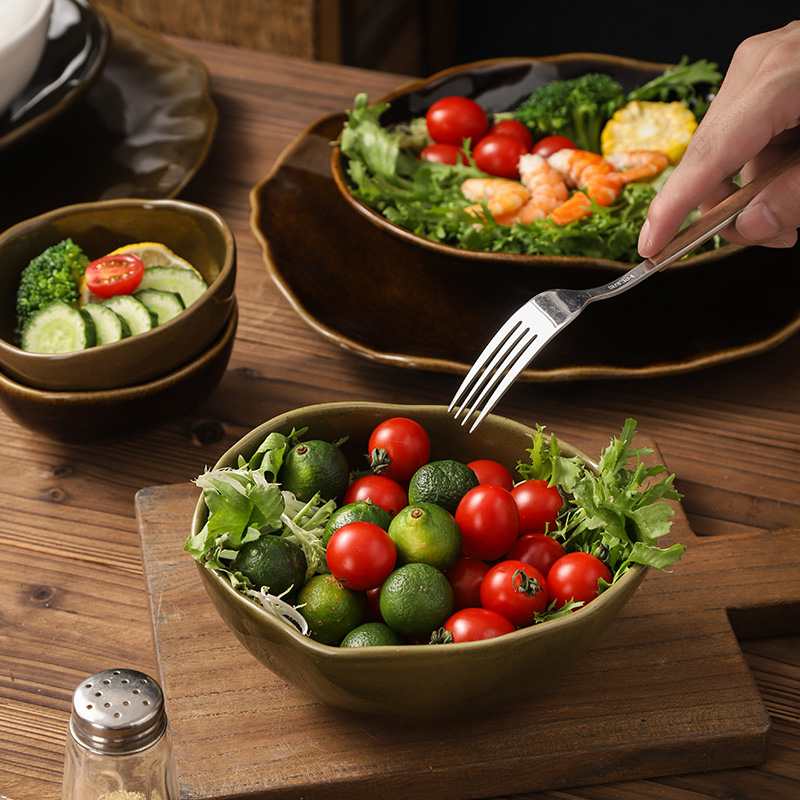
What Are the Three Basic Types of Dinnerware Bowls?
Dinnerware bowls are among the most versatile pieces in any table setting. From comforting soups to vibrant salads and hearty grain dishes, the humble bowl plays a starring role in cuisines worldwide. Yet despite the endless shapes and designs available today, most bowls fall into three foundational categories based on their function and form. Understanding these three basic types not only helps you build a practical dinnerware collection but also ensures the right presentation, portioning, and dining experience. In this guide, we’ll explore each type in depth, including their typical dimensions, uses, materials, and how they fit into modern tableware trends. Why Bowl Types Matter in Tableware Design In professional hospitality and home dining alike, bowl selection isn’t just about aesthetics—it affects: Portion control Heat retention Food presentation Dining comfort Tableware design principles often follow functionality first, a concept widely discussed in culinary and design references. With that foundation in mind, let’s look at the three core categories. The 3 Basic Types of Dinnerware Bowls 1. Soup Bowls Definition and Characteristics Soup bowls are designed primarily for liquid or semi-liquid foods such as soups, stews, broths, and chowders. They typically feature: A deeper profilethan other bowls A wide rim or handle(in some styles) Capacity ranging from 300–500 ml (10–17 oz) Their depth helps retain heat, while the curved interior makes spooning easier. Common Types of Soup Bowls Rimmed Soup Bowls:Often used in formal dining, these have a flat rim that prevents spills and enhances plating. Coupe Soup Bowls: Rounded with no rim, popular in contemporary table settings. Handled Soup Bowls: Ideal for very hot soups like French onion, offering better grip. Typical Uses Clear broths and consommés Cream soups Noodle soups Stews In fine dining, soup bowls are often paired with underplates for presentation and heat insulation. 2. Cereal or All-Purpose Bowls Definition and Characteristics Cereal bowls—sometimes called all-purpose bowls—are the most versatile category of dinnerware bowls. They usually feature: A medium depth A diameter of 14–18 cm (5.5–7 in) Capacity around 350–600 ml (12–20 oz) Their balanced proportions make them suitable for both liquid and solid foods. Why They’re Considered Essential In modern dining habits, the all-purpose bowl often replaces multiple specialized pieces because it can handle: Breakfast cereals Salads Rice or pasta Desserts Small entrée portions This adaptability aligns with the shift toward casual, multifunctional tableware, especially in urban households. Design Variations Straight-sided minimalist bowls Wide shallow bowls for grain dishes Stackable commercial designs for restaurants Because they’re used daily, durability and stackability are key considerations in both hospitality and home settings. 3. Serving Bowls Definition and Characteristics Serving bowls are larger bowls designed to hold shared portions placed at the center of the table. They typically feature: A larger diameter (20–30 cm / 8–12 in or more) Capacity from 1 to 4 liters Shallower depth relative to size for easy serving Unlike individual bowls, their purpose is presentation and communal dining. Typical Uses Salads Pasta Side dishes Bread or fruit Family-style entrées Serving bowls often act as a visual focal point, so design, color, and texture play a bigger role compared to functional bowls. Role in Dining Culture Communal serving vessels reflect dining traditions around the world—from family-style meals to banquet service—highlighting how tableware supports social interaction, not just eating. Materials Commonly Used Across the Three Types While the categories are defined by function, material choice influences durability, aesthetics, and price. The most common materials include: Porcelain and Bone China: Known for their refined appearance and strength. Bone china, in particular, combines translucency with durability due to its composition that includes bone ash. Stoneware: Heavier and more rustic, ideal for casual dining and excellent heat retention. Glass: Popular for cereal and dessert bowls because of its clean, modern look. Melamine: Lightweight and break-resistant, widely used in outdoor or commercial environments. How the Three Bowl Types Work Together in a Place Setting A complete table setting often uses multiple bowl types simultaneously: Soup bowl→ First course All-purpose bowl→ Main or side dish Serving bowl→ Shared components In restaurant service, this layering ensures both visual harmony and efficient workflow. Choosing the Right Bowl Type for Your Needs When selecting dinnerware bowls—whether for hospitality projects or home use—consider these factors: 1. Menu Style Liquid-heavy menus → prioritize soup bowls Grain or salad-focused menus → versatile bowls Family-style service → larger serving bowls 2. Storage Space Stackable all-purpose bowls save the most space. 3. Durability Requirements High-volume restaurants often favor reinforced porcelain or vitrified stoneware. 4. Aesthetic Direction Minimalist interiors often lean toward coupe shapes, while classic dining favors rimmed designs. Modern Trends in Dinnerware Bowls The evolution of dining habits has influenced bowl design significantly. Key trends include: Multi-functional deep plates(a hybrid between bowls and plates) Organic shapes and hand-crafted finishes Larger all-purpose bowls for “bowl meals”like poke or grain bowls Color-glazed interiorsfor visual contrast These trends reflect how bowls have become central to contemporary food presentation, especially with the rise of single-dish meals. Quick Comparison Table Bowl Type Depth Capacity Primary Use Soup Bowl Deep 300–500 ml Soups & stews All-Purpose Bowl Medium 350–600 ml Everyday meals Serving Bowl Shallow-large 1–4 L Shared dishes Conclusion Although the world of tableware offers endless styles, the foundation of any collection rests on three essential dinnerware bowls: Soup bowlsfor liquid dishes and heat retention All-purpose bowlsfor everyday versatility Serving bowlsfor shared meals and presentation Together, they create a functional system that supports everything from casual breakfasts to formal dinners. Whether you’re designing a restaurant table setting or upgrading your home kitchen, understanding these core types ensures you choose bowls that are not only beautiful but perfectly suited to how people actually eat.
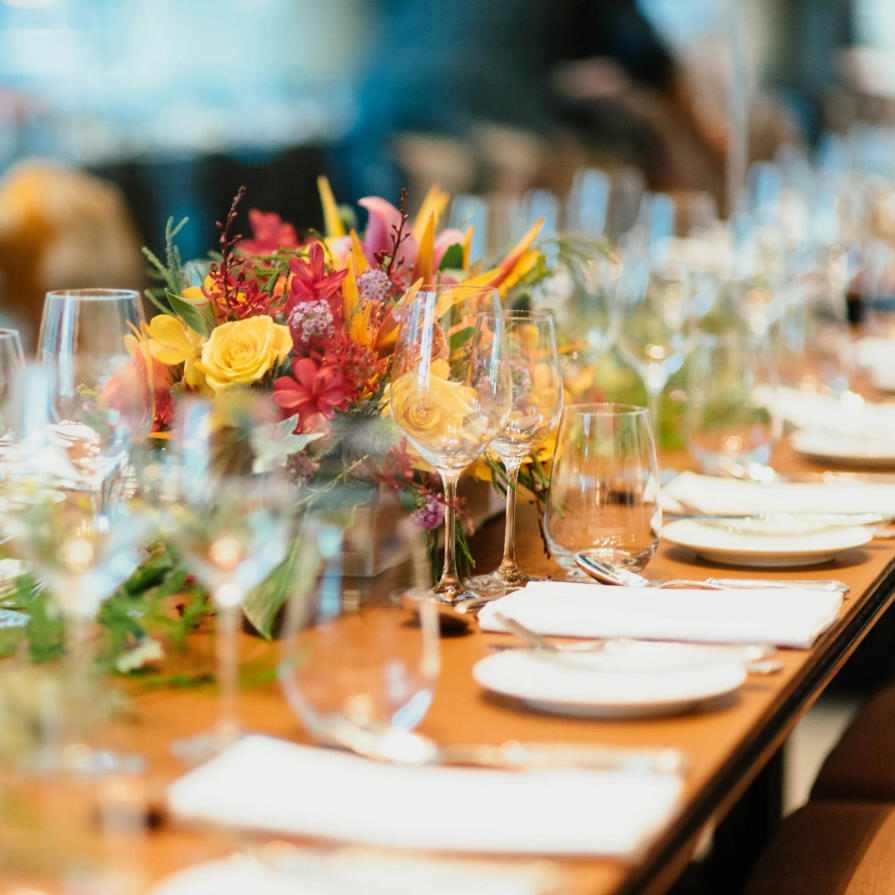
The Ultimate Buying Guide for Dinnerware Rental Companies
The global events and hospitality industry continues to grow, driving increasing demand for professional dinnerware rental services. From weddings and corporate banquets to large-scale conferences and private parties, rental companies must maintain inventory that balances durability, style, and cost efficiency. For rental operators, choosing the right dinnerware is not just about aesthetics—it directly affects operational efficiency, replacement costs, logistics, and customer satisfaction. This comprehensive guide explores how dinnerware rental companies can make smarter purchasing decisions to build a profitable and scalable inventory. Why Procurement Strategy Matters for Dinnerware Rental Businesses Unlike restaurants that use dinnerware in a single location, rental companies must manage high turnover, transportation, and frequent washing cycles. According to IBIS World, event rental businesses rely heavily on asset utilization and durability to maintain profit margins, meaning the quality of rental inventory directly influences long-term ROI. A well-planned procurement strategy helps rental businesses: Reduce breakage and replacement frequency Standardize inventory for operational efficiency Expand service offerings to different event types Improve client perception and brand positioning Key Factors to Consider When Buying Dinnerware for Rental 1. Durability and Material Selection Durability is the most critical factor because rental dinnerware undergoes constant handling, stacking, transport, and industrial washing. Popular Materials Porcelain– Durable, chip-resistant, and suitable for most events Bone China– Lightweight with a premium look, ideal for weddings and luxury events Stoneware– Rustic aesthetic, heavier, suitable for casual events Melamine– Highly durable and lightweight for outdoor use Porcelain remains a preferred commercial material due to its vitrified structure, which provides strength and low water absorption, as explained in Wikipedia’s ceramics overview. 2. Stackability and Storage Efficiency Rental companies often manage thousands of pieces. Plates and bowls should: Stack securely without slipping Maximize storage density Fit standard transport crates Efficient stacking reduces warehouse space and lowers labor costs during packing and sorting. 3. Versatility Across Event Types The most profitable rental inventories are versatile enough to work across multiple event styles. Essential Core Pieces Dinner plates (10–12 inches) Salad or appetizer plates Soup or pasta bowls Dessert plates Charger plates (optional premium add-on) Neutral designs—such as classic white—are widely preferred because they suit nearly any décor theme. 4. Weight and Handling Heavier plates feel premium but may increase: Transportation costs Breakage risk during handling Labor fatigue Rental companies often choose medium-weight commercial-grade dinnerware that balances durability and efficiency. 5. Replacement and Availability Consistency is crucial in rental operations. When expanding inventory or replacing broken pieces, it’s important that the same product line remains available. Choose suppliers who: Maintain long-term product continuity Offer stable supply chains Provide quick replenishment 6. Cost vs. Lifecycle Value Instead of focusing solely on unit price, rental companies should evaluate cost per use. For example:A plate costing $3 that lasts 300 uses is more economical than a $2 plate lasting 100 uses. Lifecycle value includes: Breakage rate Replacement cost Cleaning efficiency Storage and logistics costs Types of Dinnerware Rental Companies and Their Needs Wedding & Event Rental Companies Focus on aesthetics and premium presentation: Bone china or fine porcelain Charger plates Decorative rim designs Corporate & Conference Rentals Prioritize durability and consistency: Plain white porcelain Stackable designs Large inventory volumes Outdoor & Catering Rentals Require lightweight and impact-resistant materials: Melamine plates Reinforced porcelain Scratch-resistant finishes Design Trends in Rental Dinnerware Rental companies must keep up with changing event trends to remain competitive. Minimalist White Collections: Timeless, flexible, and cost-effective. Textured or Matte Finishes: Adds visual interest for modern weddings and upscale events. Mix-and-Match Styling: Combining charger plates with classic dinnerware for customizable packages. Sustainable Materials: Growing demand for eco-conscious events encourages durable, reusable dinnerware to reduce waste. Supplier Selection Criteria Choosing the right manufacturer or distributor is as important as selecting the dinnerware itself. Look for Suppliers Who Offer: Commercial-grade products OEM/ODM customization Stable lead times Global shipping capability After-sales support Strong supplier relationships can reduce procurement risks and ensure consistent inventory quality. Sustainability and Environmental Impact Sustainability is becoming a key differentiator for rental companies. Reusable dinnerware significantly reduces event waste compared to disposable alternatives, aligning with environmental best practices in the catering industry. Many rental companies now promote their services as a sustainable alternative, highlighting reduced landfill waste and lower carbon impact. Common Mistakes to Avoid Buying overly trendy designsthat quickly go out of style Ignoring replacement availability, leading to mismatched sets Underestimating breakage rates Choosing non-stackable designsthat increase storage costs Prioritizing low price over durability Avoiding these mistakes helps maintain a professional inventory and stable profit margins. Future Outlook for the Dinnerware Rental Industry The growth of experiential events, destination weddings, and large-scale corporate gatherings continues to drive demand for rental services. Technology such as inventory tracking software and logistics automation is also improving efficiency across the sector. As the market evolves, rental companies that invest in durable, versatile, and aesthetically adaptable dinnerware will be best positioned to scale operations and meet diverse client expectations. Conclusion For dinnerware rental companies, procurement decisions directly impact operational efficiency, brand image, and profitability. The ideal rental dinnerware should combine durability, versatility, stackability, and long-term availability, while also aligning with event trends and customer expectations. By focusing on lifecycle value rather than upfront cost—and partnering with reliable dinnerware suppliers—rental businesses can build a resilient inventory that supports growth and delivers consistent event experiences.
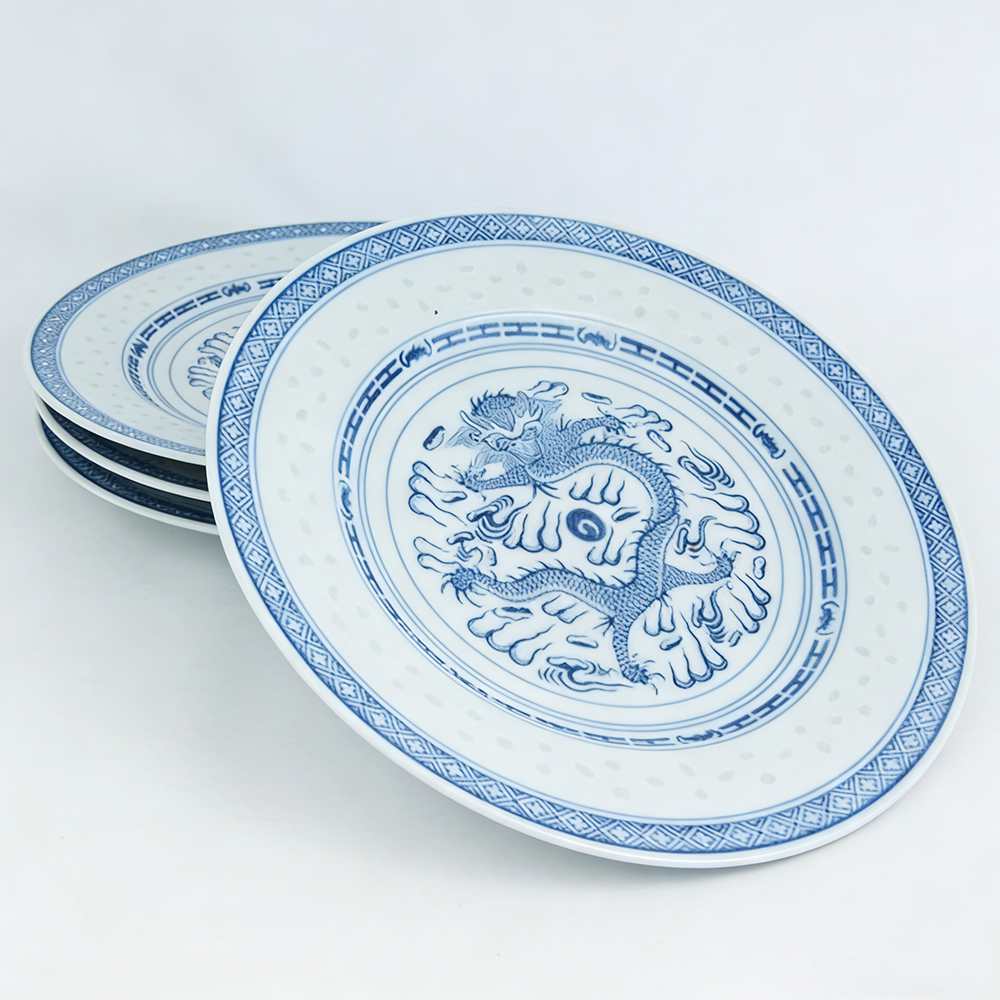
What Is Rice Grain China Dinnerware?
Rice grain china dinnerware — often called rice porcelain or rice pattern porcelain — is one of the most distinctive and artistic forms of traditional tableware. Known for its delicate translucent “grains” embedded in the body of the porcelain, this style blends craftsmanship, history, and functionality in a way few ceramics can match. From its origins in traditional Chinese kilns to its modern presence on dining tables around the world, rice grain china dinnerware represents both cultural heritage and timeless design. In this guide, we’ll explore what it is, how it’s made, its history, and why it remains popular today. The Definition of Rice Grain China Dinnerware Rice grain china dinnerware is a type of porcelain characterized by small translucent patterns that resemble grains of rice. These oval or elongated shapes appear embedded within the ceramic body, creating a lace-like effect when held up to light. Unlike printed patterns or surface decorations, the rice grain effect is created through a piercing and glazing process, making it part of the structure of the porcelain itself rather than a surface design. This gives the dinnerware a refined, handcrafted look that feels both artistic and functional. The Origins and Cultural Background Rice grain porcelain has deep roots in Chinese ceramic history, particularly associated with the kilns of Jingdezhen, widely regarded as the porcelain capital of the world. For centuries, artisans there refined techniques that produced some of the finest ceramics ever made. Historical records trace rice pattern porcelain back several hundred years, where it was valued for both its technical complexity and symbolic meaning. The rice motif was often associated with prosperity and abundance, making the dinnerware suitable for both everyday use and ceremonial occasions. Today, rice grain china is still produced in China and other countries, but traditional methods from Jingdezhen remain the gold standard for authenticity and craftsmanship. How Rice Grain China Is Made The production of rice grain china dinnerware requires precision and skill. While modern manufacturing can assist with consistency, the technique remains rooted in traditional ceramic processes. 1. Forming the Porcelain Body A mixture of kaolin clay, feldspar, and quartz is shaped into plates, bowls, or cups — similar to standard porcelain production. 2. Carving or Piercing the “Rice Grains” Before firing, artisans carefully carve tiny openings into the semi-dry clay body. These openings form the iconic rice-shaped patterns. 3. Filling with Glaze A transparent glaze fills the carved areas. During firing, the glaze melts and becomes translucent, creating the signature glowing effect. 4. High-Temperature Firing The pieces are fired at temperatures typically exceeding 1,200 °C (about 2,200 °F). This vitrifies the porcelain and fuses the glaze into the body, ensuring strength and durability. The result is dinnerware that appears almost luminous when light passes through the “grains,” combining delicacy with surprising structural strength. Key Characteristics of Rice Grain China Dinnerware 1. Translucent Pattern The most defining feature is the semi-transparent rice-grain motif, which creates a subtle decorative effect without overwhelming the design. 2. Lightweight Yet Durable Like fine porcelain, rice grain china is thin and elegant but can be quite strong due to high-temperature firing. 3. Smooth Glazed Surface The glaze gives the dinnerware a glossy finish that resists stains and makes cleaning easy. 4. Timeless Aesthetic The understated pattern works well with both traditional and modern table settings, making it versatile for various dining styles. Is Rice Grain China Real Porcelain? Yes — rice grain china is a true porcelain, not a decorative imitation. Its base composition is similar to other fine porcelains, using kaolin clay and feldspathic materials fired at high temperatures. The key difference lies in the decorative technique. Rather than painted or printed designs, rice grain porcelain incorporates patterns into the structure itself, which is why it’s often considered both a technical and artistic achievement in ceramics. Uses of Rice Grain China Dinnerware Everyday Dining Because of its durability and smooth glaze, rice grain china can be used for daily meals if handled with normal care. Formal Table Settings Its refined look makes it suitable for special occasions, tea service, and elegant dining environments. Decorative Display Many collectors appreciate rice porcelain for its craftsmanship and display it in cabinets or as part of curated tableware collections. Advantages of Rice Grain China Dinnerware 1. Unique Visual AppealThe translucent grains create a subtle beauty that stands out without being overly ornate. 2. Cultural HeritageOwning rice grain china connects users with a long tradition of ceramic artistry. 3. VersatilityIts neutral aesthetic pairs well with many table settings and cuisines. 4. DurabilityDespite its delicate appearance, properly fired porcelain is resistant to chipping and cracking under normal use. Are There Any Drawbacks? While rice grain china is beautiful, there are a few considerations: Slightly higher costdue to craftsmanship Potential fragilitycompared to thicker stoneware Not always microwave-safeif metallic decorations are added These factors vary by manufacturer, so it’s always wise to check product specifications. Rice Grain China vs Regular Porcelain Feature Rice Grain China Regular Porcelain Decoration Translucent embedded pattern Surface glaze or print Appearance Light, lace-like effect Smooth and uniform Craftsmanship More labor-intensive Standard production Collectibility Often higher Depends on brand Why Rice Grain China Remains Popular Even in an era of minimalist tableware and modern materials, rice grain china continues to attract admirers. Its appeal lies in the balance between artistry and practicality — a piece that can be used daily yet still feels special. Collectors appreciate its craftsmanship, while everyday users enjoy its lightweight feel and subtle elegance. In many ways, it represents the broader story of porcelain itself: a fusion of function, beauty, and cultural identity. How to Care for Rice Grain China Dinnerware To keep rice porcelain looking its best: Wash with mild detergent and avoid abrasive scrubbers Avoid sudden temperature changes to prevent thermal shock Store carefully to minimize chipping Check manufacturer guidelines for dishwasher or microwave safety With proper care, rice grain china dinnerware can last for decades. Final Thoughts Rice grain china dinnerware is more than just tableware — it’s a testament to
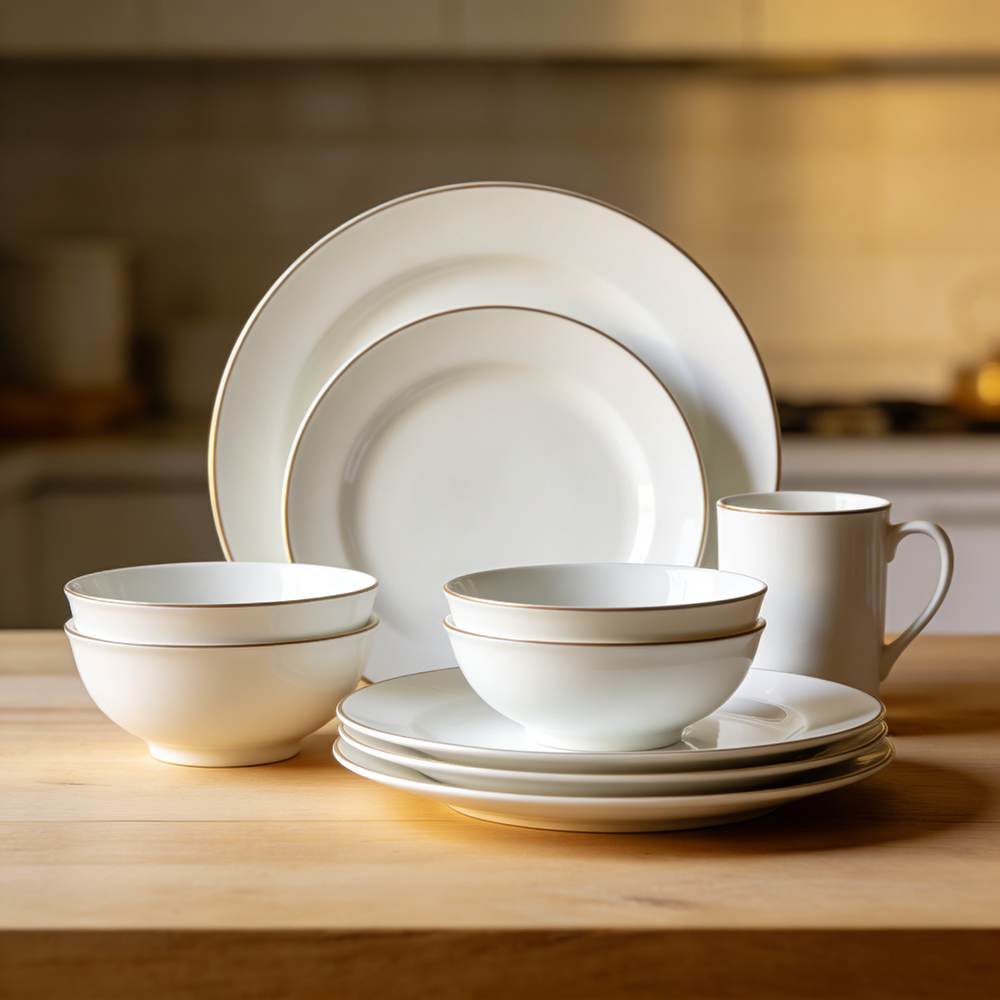
What to Avoid When Buying Dinnerware? Guides for Commercial & Home Use
Choosing dinnerware may seem simple—until you realize how many materials, finishes, price points, and performance standards exist. A plate is not just a plate. In a restaurant, it must survive heat, stacking, dishwashers, and the occasional gravity test. At home, it must fit your lifestyle, storage space, and aesthetic taste (and possibly your dishwasher’s temperament). In this guide, we’ll explore what to avoid when buying dinnerware for both commercial use (restaurants, hotels, catering businesses) and home use, helping you make smarter, longer-lasting decisions. Understanding Dinnerware Materials First Before discussing what to avoid, it’s important to understand the common materials used in dinnerware. According to Wikipedia, dinnerware includes items such as plates, bowls, and cups used for serving and eating food. The most common materials include: Porcelain Bone china Stoneware Earthenware Melamine Glass Each material has advantages and limitations. For example: Porcelainis fired at high temperatures, making it durable and non-porous Bone chinacontains bone ash, which improves translucency and strength Stonewareis known for its thickness and durability Understanding these basics will help you recognize potential mistakes when selecting dinnerware. If you’re interested in the comparing between different material dinnerware, you can check out our previous articles: “bone china vs. porcelain dinnerware” and “stoneware vs. porcelain dinnerware“. Part I: What to Avoid When Buying Dinnerware for Commercial Use Restaurants, hotels, and catering services operate under very different conditions than households. High turnover, heavy usage, and frequent washing create unique requirements. Here’s what commercial buyers should avoid. 1. Avoid Choosing Based on Appearance Alone In hospitality, presentation matters—but durability matters more. A plate that looks stunning but chips easily will quickly become a financial burden. Commercial environments require dinnerware that can withstand: Industrial dishwashers High-temperature sanitization Constant stacking Repeated transport Avoid: Thin earthenware with low firing temperatures Decorative finishes that scratch easily Reactive glazes without durability testing A chipped rim not only looks unprofessional—it can also become a safety issue. 2. Avoid Ignoring Thermal Shock Resistance Commercial kitchens move fast. Plates may go from storage to warming cabinets to hot food service in minutes. Thermal shock occurs when ceramics experience rapid temperature changes, causing cracking. Porcelain and vitrified stoneware typically perform better under temperature stress. Avoid: Low-fired ceramics Dinnerware without thermal shock testing data Products that are not labeled as oven-safe or microwave-safe If a plate cracks mid-service, it’s not just embarrassing—it’s expensive. 3. Avoid Inconsistent Product Supply One common mistake in commercial purchasing is failing to consider long-term availability. Restaurants often need: Replacement pieces Expansion quantities Matching batches over time Avoid buying from suppliers who: Cannot guarantee ongoing production Frequently discontinue collections Lack stable inventory control Consistency is critical in maintaining a professional brand image. 4. Avoid Poor Stackability Storage space in commercial kitchens is limited. Poorly designed plates can: Stack unevenly Slide during transport Increase breakage rates Good commercial dinnerware is engineered for efficient stacking. Flat foot rings and balanced rims are essential. If your staff struggles to stack them, it’s not a staff problem—it’s a design problem. 5. Avoid Non-Certified Food-Safe Products Safety is non-negotiable. The U.S. Food & Drug Administration (FDA) regulates materials that come into contact with food. Certain glazes or decorations may contain harmful levels of lead or cadmium. Avoid: Products without food safety certifications Imported dinnerware lacking compliance documentation Decorative metallic finishes not certified for food contact Commercial buyers should always request certification reports. 6. Avoid Overlooking Weight Heavier plates feel luxurious—but in high-volume operations, weight matters. Excessively heavy dinnerware: Slows down service Causes staff fatigue Increases shipping costs Balance durability with practical weight. Part II: What to Avoid When Buying Dinnerware for Home Use Home purchasing decisions differ significantly. While durability is important, lifestyle, aesthetics, and personal habits play larger roles. Here’s what home buyers should avoid. 1. Avoid Buying Without Measuring Storage Space It sounds simple, but many people purchase dinnerware sets only to discover: Plates don’t fit cabinets Bowls don’t stack properly Large charger plates crowd shelves Before buying, measure: Cabinet height Shelf depth Dishwasher rack size A beautiful 12-inch dinner plate is less charming if it doesn’t fit anywhere. 2. Avoid Ignoring Dishwasher & Microwave Compatibility Not all dinnerware is dishwasher or microwave safe. For example: Metallic trim may spark in microwaves Some glazes degrade in high-heat dishwashers Check manufacturer specifications carefully. According to general ceramic standards, porcelain and bone china are often microwave-safe unless metallic decoration is present. If convenience matters to you, compatibility should be a top priority. 3. Avoid Trend-Driven Purchases Trendy colors and shapes are tempting. However: Highly stylized shapes may limit food presentation Extreme colors may clash with changing home décor Novel shapes may become outdated quickly Classic shapes (round or coupe) tend to remain versatile for years. A bold matte-black set may look dramatic today—but will it match your table in five years? 4. Avoid Mixing Low-Quality Glazes In home settings, aesthetic detail is important. However, low-quality glaze can cause: Staining Scratching Discoloration over time Avoid porous surfaces that absorb sauces or oils. High-fired porcelain and vitrified stoneware generally offer better stain resistance. 5. Avoid Underestimating Replacement Availability Dinnerware breaks—it’s inevitable. Avoid purchasing: Limited-edition collections Sets without open-stock replacements Brands that frequently change designs Being unable to replace one broken plate often means replacing the entire set. 6. Avoid Overbuying (or Underbuying) Consider your real lifestyle. For households: 4-person families typically need 8–12 place settings for entertaining Small apartments may benefit from multipurpose plates Avoid purchasing oversized sets if you rarely host gatherings. On the other hand, if you entertain frequently, too few pieces can cause stress during events. Key Differences: Commercial vs Home Considerations Factor Commercial Purchase Home Purchase Durability Critical Important but balanced with design Certification Mandatory Recommended Replacement Supply Essential Convenient Stackability High priority Moderate priority Design Trends Secondary Often primary Weight Operational concern Personal preference Final Thoughts: Smart Buying Is Strategic Buying Whether for a five-star hotel or a cozy dining room, understanding what to avoid when buying dinnerware can prevent costly mistakes. For commercial buyers, focus on: Durability Supply stability Certification Operational efficiency For
A Comprehensive Guide on Airline Dinnerware Procurement
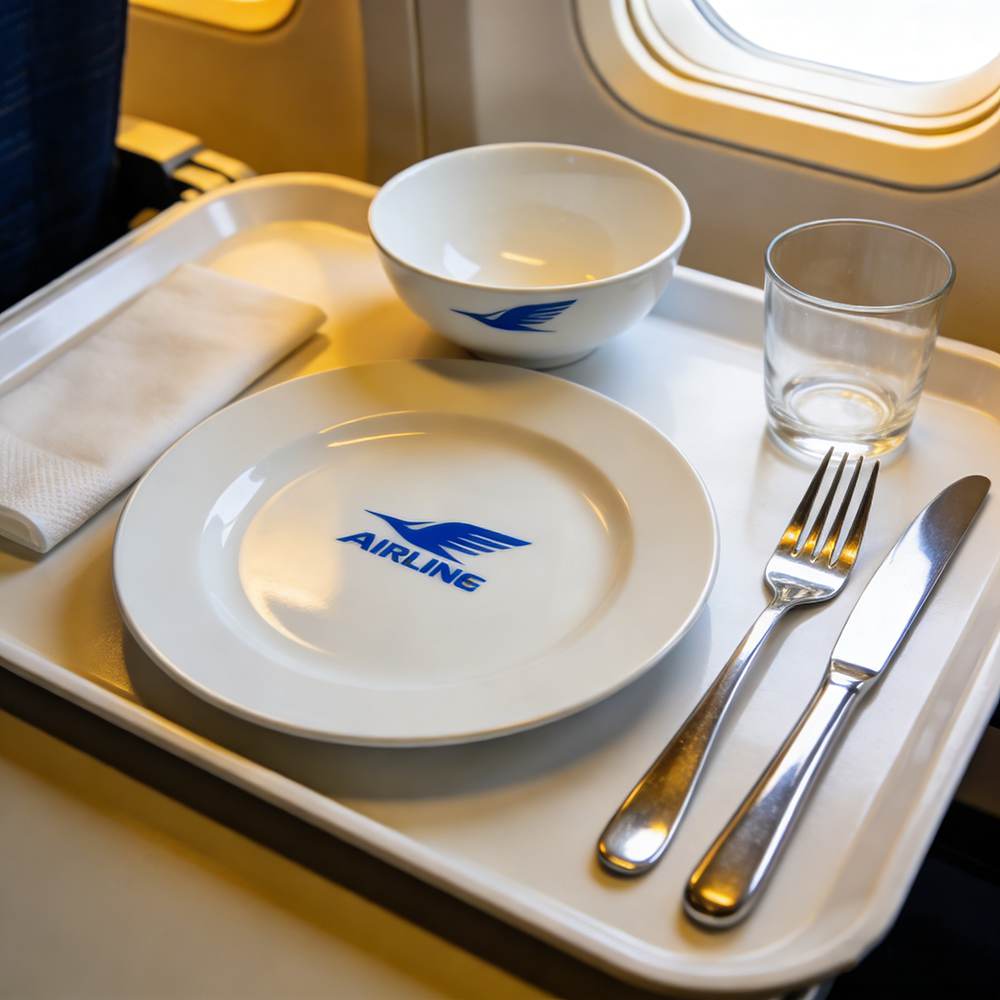
The global aircraft tableware market was valued at USD 10,360 million in 2024 and is expected to reach USD 24,620 million by 2032, growing at a compound annual rate of 12.2%. The accelerated growth rate indicates that aircraft dinnerware selection is no longer a minute operational detail. It’s a strategy to ensure it aligns with the cabin requirements and weight constraints. At a height of 35,000 feet, every little gram makes a difference, whether it’s the luggage or basic tableware, even little deductions to the weight made onboard (when multiplied by thousands of flights a year) directly affect the fuel and maintenance costs. Attention to the weight of dinnerware, hence, can serve as a lever to improve airline operation efficiency. Selecting the right type and material of the plate also plays a role in shaping the experience of the passengers. Let’s take an expert dive into material selection, supplier evaluation, and learn how to align choices with first-class, business, and economy cabins. Airline Dinnerware Requirements From serving delicacies in classic bone china in first-class to using disposables or melamine sets in economy, the choice of airline dinnerware matters. In a global in-flight catering market currently valued at USD 17.02 billion, these decisions can deeply affect efficiency and service quality. Airline dinnerware requirements, unlike traditional catering, are stringent, making the one-size-fits-all approach rather impractical. The different cabin classes and passenger expectations, coupled with operational constraints and branding requirements, make the choice widely vary between airlines. Even on a single airline, you have to keep inventory like fine bone china for the first class and stackable plastic or melamine for economy. Both material choices are made based on their visual appeal, durability, weight optimization, but also to ensure they meet the industry stowing and safety requirements. First and Business Class The premium first-class cabins exude luxury and presentation. In dinnerware, fine bone china is the number one choice for being translucent, light in weight, and having a refined appearance. (View Brett’s Custom Bone China Dinnerware collection). Serving and dining in first class is a much more compatible experience than the top-tier restaurants and concepts. There are multi-piece arrangements and exquisite servings made atop premium serveware. Most airlines collaborate with the top known brands to create custom designs for their brand that include everything from dinner plates, trays, side plates, bowls, cups, and saucers. The designs are exclusive with subtle logos and signature color accents to signify the brand while maintaining elegance. Airlines have, since the beginning of first-class, spent considerable thought on premium cabin services. Case in point, in 2019, British Airways spent £6.5 billion on premium cabin service enhancements, including adding new fine bone china serveware to their inventory. Premium Economy Next, premium economy is the crossroads between operational durability and aesthetics. To balance the premium look while ensuring the dinnerware withstands frequent use and cleaning, high-quality porcelain and reinforced melamine prove to be the top choices for the class. (Discover Brett’s Custom Porcelain Dinnerware Collection). Since premium economy is smaller than business and first class, investing in compact, practical dinnerware is better than procuring multi-piece arrangements. Economy Class The economy class represents over 67% of the in-flight catering market. For this segment, the airline industry heavily relies on rotable or reusable plastics like ABS, SAN, and PP. These materials are highly heat-resistant, stackable, and check all the boxes to last through extensive use. Sustainable plastics, biodegradable and compostable disposables are also a sound choice as they continue to meet the airline sustainability targets (in line with the mission to achieve net zero carbon emissions by 2050). A Cabin-Class Dinnerware Comparison Table Cabin Class Dinnerware Material Required Dinnerware First Class Fine bone china Multi-piece sets: dinner, bread, bowls, cups, saucers Business Class Fine bone china and porcelain Multi-piece set Premium Economy Porcelain or reinforced melamine Smaller place settings Economy Rotable plastic (ABS, SAN, PP) Single-piece or minimal sets Economy (Disposable) Biodegradable alternatives Single-piece Material Selection and Weight Considerations Assessing the right material for airline dinnerware is one of the most critical decisions to make. Each cabin class requires a distinct kind that also affects the fuel efficiency, as well as the passenger perception of the entire experience. Bone China Bone China remains the solid choice for premium cabins and first-class. Given that it’s composed of 45-50% bone ash, the material is exceptionally strong yet lightweight. Fully vitrified bone china material is also highly resistant and durable, making it the right choice for frequent in-flight use. Thoughtful material selection, like opting for Brett’s Bone China Dinnerware, can actually reduce the overall weight and take up less stowage space. Take the example of Qantas, when they redesigned their premium cabinware, they managed to achieve an overall 11% decrease in weight. Recent innovations in the category, like the new bone china, also have “alumina” in their bone ash mix. The formulation makes it mechanically stronger than its previous counterpart while maintaining the light-weight profile. Porcelain Serving food warm yet in a cost-effective way is the hallmark of airline catering. We need strength and a material that retains heat for a long time. Porcelain stands out as the most cost-effective and high-strength option compared to bone china. Since airline branding requires versatile customization, porcelain adapts easily to various color accents, patterns, and logo integrations. Rotable Plastic For serving in the economy cabin, we need tableware that is stackable, durable, and cost-effective. Rotable plastic in such a situation works best as it’s reusable and has a quick turnaround time. Rotable plastic also reduces breakage related hazards and complies with aviation safety regulations for secure stowage. The handling positions the material as the top choice for economy cabin serveware. Some of the highest recommended plastic categories that are reusable and have a rapid turnaround time include: ABS (Acrylonitrile Butadiene Styrene):Highly impact-resistant and dishwasher safe. SAN (Styrene Acrylonitrile):Translucent and clear appearance, also scratch-resistant. Ultem (PEI):High heat resistance, making it suitable for ovens. Custom Branding and Design Specifications In the airline business, tableware should first and foremost meet the safety and operational standards and second,
Different Types of Dinner Plates of a Hotel Dinnerware Set
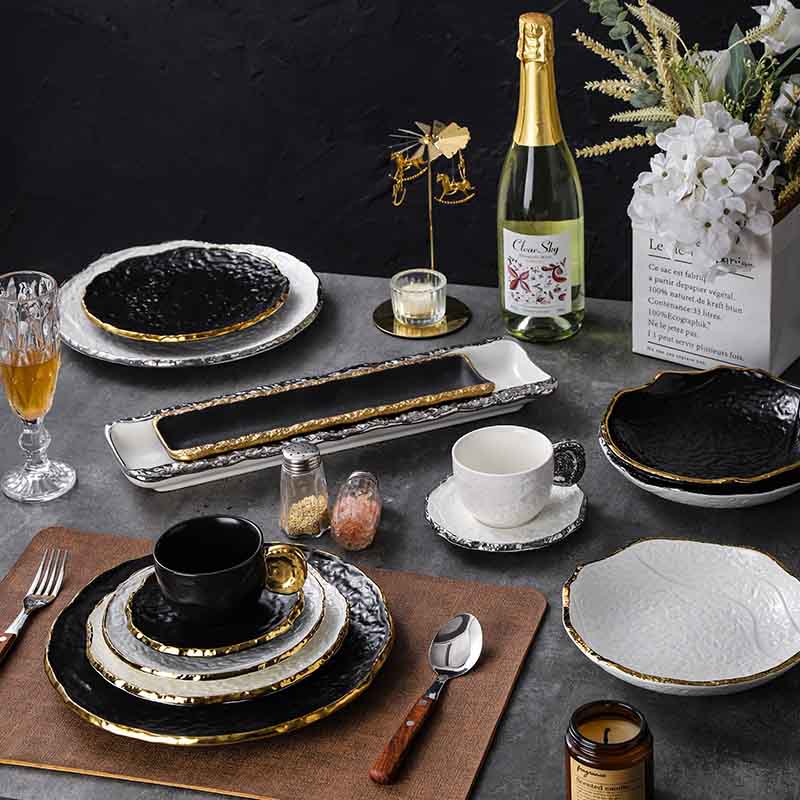
In the hospitality industry, tableware is far more than a functional necessity—it is a visual extension of a hotel’s brand, service philosophy, and attention to detail. Among all tableware components, dinner plates play the most prominent role. Understanding the different dinner plate types used in a hotel dinnerware set is essential for hotel operators, chefs, purchasing managers, and designers aiming to deliver a refined dining experience. This article explores the main types of dinner plates commonly found in hotel dinnerware sets, their functions, materials, sizes, and how each plate contributes to professional table presentation. Why Dinner Plate Types Matter in Hotels Unlike home dining, hotels must balance aesthetics, durability, and functionality. A well-designed dinnerware set helps: Enhance food presentation Improve operational efficiency Maintain consistency across outlets Reinforce brand identity Hotels typically use multiple dinner plate types, each designed for a specific dish, course, or dining scenario. Overview of Common Dinner Plate Types A complete hotel dinnerware set usually includes: Main Dinner Plate Charger Plate (Service Plate) Salad Plate Bread & Butter Plate Soup Plate / Soup Bowl Plate Dessert Plate Fish Plate Specialty & Presentation Plates Each type has a defined role in formal and casual hotel dining. Different types of Dinner Plates 1. Main Dinner Plate The main dinner plate is the core component of any hotel dinnerware set. It is used for serving the primary course, such as meat, seafood, or vegetarian entrées. Typical size: 10–11 inches (25–28 cm) Key characteristics: Flat or slightly rimmed design Large surface area for plating Designed to showcase the main dish In hotel settings, main dinner plates often feature wide rims to support modern plating techniques and visual balance. 2. Charger Plate (Service Plate) A charger plate—also known as a service plate—is a decorative base placed underneath the dinner plate during formal meals. Typical size: 12–14 inches (30–36 cm) Charger plates are not intended for direct food service. Instead, they: Frame the place setting Elevate the overall table appearance Protect table linens In luxury hotels and banquets, charger plates are essential for creating a premium dining atmosphere. 3. Salad Plate The salad plate is used for starters, salads, or cold appetizers. Typical size: 8–9 inches (20–23 cm) Hotels often use salad plates for: First-course salads Appetizers Light lunch dishes This plate type allows portion control while maintaining visual elegance, especially in multi-course hotel dining. 4. Bread & Butter Plate The bread and butter plate is the smallest plate in a formal hotel table setting. Typical size: 6–7 inches (15–18 cm) It is placed to the upper left of the main plate and used for: Bread rolls Butter portions Small side items According to traditional table setting etiquette outlined by the Emily Post Institute, bread plates are positioned separately to maintain table order and cleanliness. 5. Soup Plate / Soup Bowl Plate Hotels commonly use two variations for soups: Soup Plate Shallow with a wide rim Ideal for plated soups or pasta-style presentations Soup Bowl Deeper design Suitable for broth-based soups Both types are essential for hotel breakfast buffets, à la carte dining, and banquet service. 6. Dessert Plate The dessert plate is designed for cakes, pastries, fruit, and plated desserts. Typical size: 7–8 inches (18–20 cm) In hotels, dessert plates often: Match the main dinner plate design Feature subtle decorative elements Support artistic dessert presentation Smaller plate size helps visually enhance dessert portions and improve guest perception. 7. Fish Plate The fish plate is traditionally oval or elongated, designed specifically for serving fish dishes. Typical size: 9–10 inches (23–25 cm) While not used in all hotels, fish plates are still found in: Fine dining restaurants Luxury hotels Classical European service styles Their shape accommodates whole fish or fillets while enhancing presentation. 8. Specialty & Presentation Plates Modern hotels increasingly incorporate specialty dinner plate types, including: Square plates Coupe plates (rimless, curved edge) Organic or irregular shapes Textured or matte-finish plates These plates are popular in: Contemporary restaurants Chef-driven concepts Tasting menus They allow chefs to express creativity and differentiate the hotel’s dining experience. Materials Used in Hotel Dinner Plates Different dinner plate types are produced using various materials, each suited to hotel operations: Porcelain Durable and chip-resistant Widely used in hotels Bone China Lighter and more refined Often used in luxury hotels Stoneware Rustic appearance Popular in casual or boutique hotels If you are interested in the characteristics and differences between these three dinnerware materials, you can read our previous comparative articles: “bone china vs. porcelain dinnerware” and “stoneware vs. porcelain dinnerware“. How Hotels Choose the Right Dinner Plate Types When selecting dinner plate types, hotels typically consider: Concept & brand positioning Menu style and cuisine Durability and replacement cost Stackability and storage efficiency Compatibility with dishwashers and heating systems A well-curated dinnerware set balances aesthetics with long-term operational practicality. Final Thoughts Understanding dinner plate types is essential for creating a cohesive and professional hotel dining experience. From the main dinner plate to the smallest bread plate, each piece plays a specific role in service flow, food presentation, and guest perception. As culinary legend Auguste Escoffier famously emphasized, “Good food is the foundation of genuine happiness.”In hotels, the right dinner plate ensures that good food is also beautifully presented. By selecting the appropriate dinner plate types, hotels can elevate both functionality and visual impact, turning every meal into a refined experience.
What Is a Charger Plate?
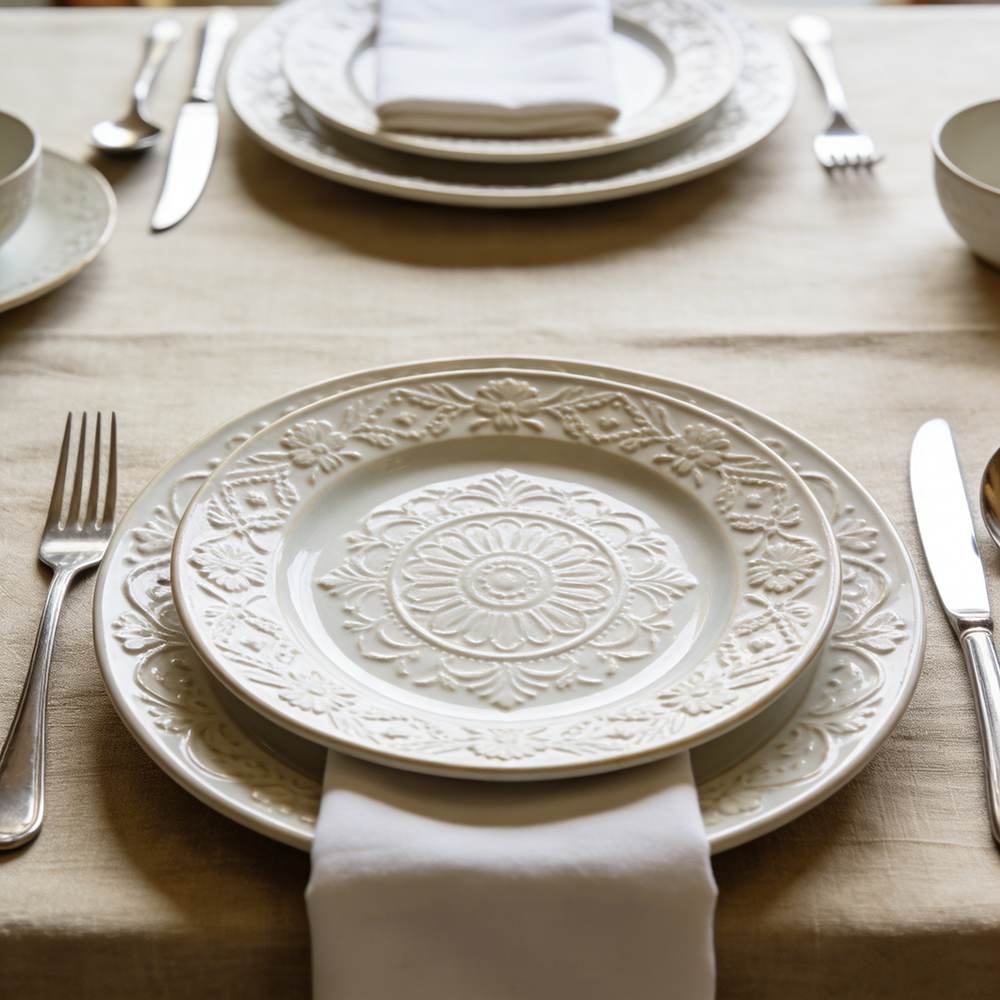
If you’ve ever attended a formal dinner, wedding reception, or fine-dining event, you’ve likely seen an elegant, oversized plate sitting beneath the dinnerware. This decorative foundation is known as a charger plate. While it doesn’t directly hold food, its role in table presentation is far more important than it might first appear. In this guide, we’ll explore what a charger plate is, its history, purpose, materials, proper usage, and how it differs from regular dinner plates. Whether you’re planning a luxury event, running a hospitality business, or simply curious about fine table settings, this article will give you a complete understanding of charger plates. What Is a Charger Plate? A charger plate—also called a service plate—is a large, decorative plate placed under dinner plates during formal meals. Its primary purpose is aesthetic rather than functional. Charger plates frame the place setting, adding elegance, structure, and visual impact to the table. Unlike standard plates, charger plates are not meant to hold food directly. They remain on the table throughout the initial courses and are typically removed before the main course is served. According to Wikipedia, a service plate is “a large plate used in formal dining to serve as a base for other dishes” . Why Is It Called a “Charger Plate”? The term “charger” originates from the Old French word charger, meaning “to load” or “to place.” Historically, charger plates were used to “charge” the table with food, acting as a base on which other plates or dishes were placed. This tradition dates back to European aristocratic dining customs, where elaborate table settings symbolized wealth, refinement, and social status. The History of Charger Plates Charger plates became prominent in 17th- and 18th-century Europe, particularly among the French and English nobility. Formal meals often involved multiple courses, and tables were lavishly set long before guests arrived. During this era: Charger plates were often made of silver, pewter, or porcelain They stayed on the table throughout several courses They helped protect expensive table linens from spills and heat As dining customs evolved, charger plates transitioned from practical protectors to purely decorative elements, especially in modern fine dining and event styling. What Is the Standard Size of Charger Plate? A standard charger plate typically measures: 12 to 14 inches (30–36 cm) in diameter By comparison: Dinner plates are usually 10–11 inches Salad plates are around 8–9 inches This size difference allows the charger plate to create a visible border beneath the dinner plate, enhancing visual depth and balance. What Are Charger Plates Made Of? Charger plates come in a wide variety of materials, each suited to different settings and budgets: 1. Porcelain & Bone China Elegant and refined Common in luxury hotels and formal banquets Often used in high-end hospitality environments 2. Glass Clear, frosted, or colored Popular for weddings and modern table designs Adds lightness and sophistication 3. Metal (Stainless Steel, Brass, Gold-Plated) Luxurious appearance Frequently used for upscale events Not typically food-safe for direct serving 4. Plastic & Acrylic Lightweight and cost-effective Common in large-scale events Often designed to mimic glass or metallic finishes The Emily Post Institute notes that charger plates are decorative and “should never be used to serve food directly” . How Are Charger Plates Used Properly? Using charger plates correctly is key to maintaining proper dining etiquette. Proper Placement Placed at each seat before guests arrive Centered approximately 1 inch from the edge of the table During the Meal Appetizer or soup plates are placed on top of the charger Charger remains on the table during early courses Removal Removed before the main course Never left on the table while the entrée is served A good rule of thumb:– “If food is hot and meant to be eaten directly from the plate, the charger plate should already be gone.” Charger Plate vs Dinner Plate: What’s the Difference? Feature Charger Plate Dinner Plate Purpose Decorative base Holds food Size 12–14 inches 10–11 inches Food Contact No Yes Used During Table setting & early courses Main course Dishwasher Safe Sometimes Usually Understanding this distinction helps avoid one of the most common mistakes: serving food directly on a charger plate, which is both impractical and against etiquette. Are Charger Plates Necessary? Technically, no—you can host a meal without charger plates. But in professional hospitality and formal events, charger plates offer several advantages: Benefits of Using Charger Plates Elevate table aesthetics instantly Create a polished, luxury dining experience Protect table linens from spills Reinforce brand image in hotels and restaurants That’s why charger plates are widely used in: Five-star hotels Wedding banquets Fine-dining restaurants Corporate gala events As legendary chef Auguste Escoffier emphasized, “Good food is the foundation of genuine happiness—but presentation completes the experience.” How to Choose the Right Charger Plate When selecting charger plates, consider the following factors: 1. Event Type Weddings: glass, gold-rimmed, or pearl finishes Corporate events: minimalist metallic or neutral tones Restaurants: durable porcelain or bone china 2. Color & Design Match or contrast with table linens Avoid overly busy patterns if food presentation is complex 3. Practicality Stackability for storage Ease of cleaning Durability for repeated use Caring for Charger Plates Proper care extends the life of charger plates: Hand wash delicate or metallic finishes Avoid abrasive sponges Store with padding to prevent scratches Always check manufacturer care instructions Especially in hospitality environments, well-maintained charger plates signal professionalism and attention to detail. Final Thoughts: Why Charger Plates Still Matter So, what is a charger plate really about? It’s not just an oversized plate—it’s a statement piece. A charger plate sets the tone before a single bite is taken. In a world where dining is increasingly visual (hello, Instagram), charger plates remain a timeless tool for creating memorable table settings. Whether you’re hosting an elegant wedding or designing a fine-dining experience, charger plates quietly do what they’ve done for centuries: make the table look complete.
Top 10 Bone China Dinnerware Brands Recommended
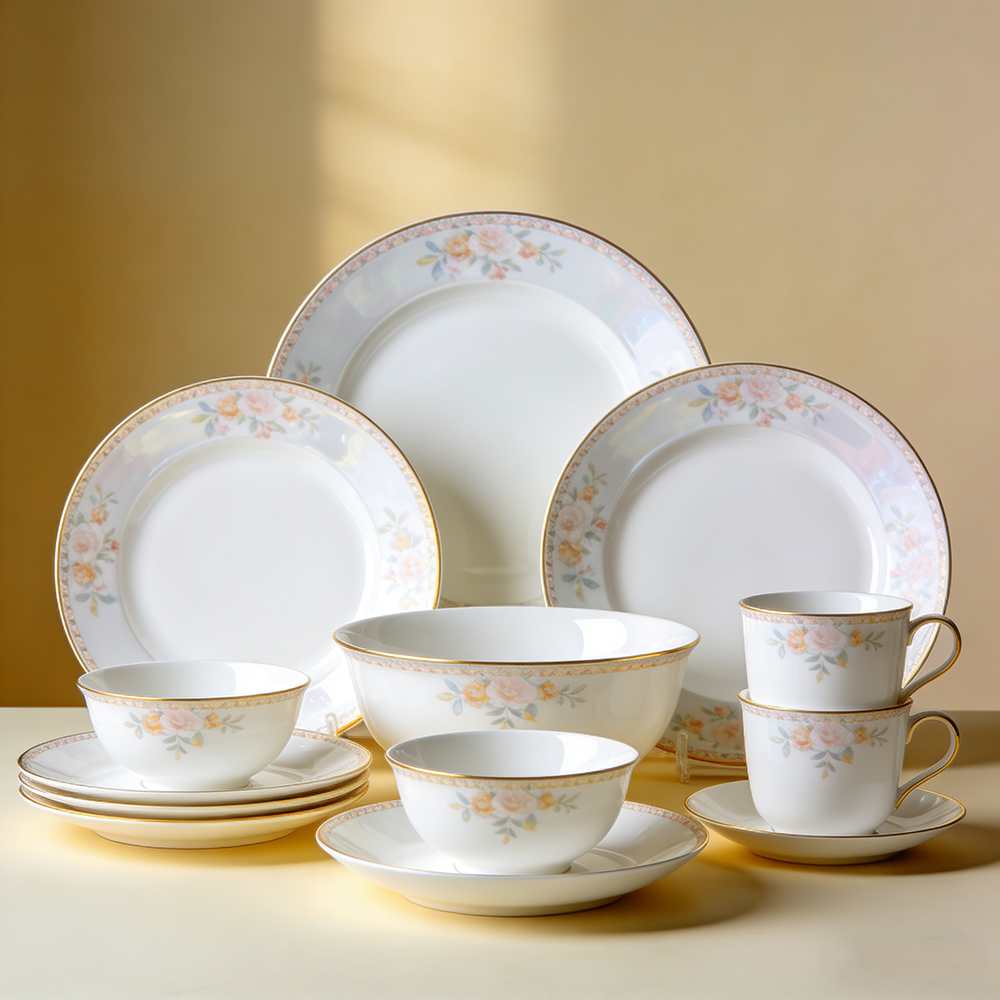
Bone china dinnerware is prized for its delicate translucence, lightweight feel, and remarkable strength — a combination that elevates both everyday meals and special occasion dining. As one of the most refined types of tableware, bone china is crafted with bone ash, feldspathic material, and kaolin — producing a strong yet elegant ceramic that can last for generations. In this guide, we walk you through 10 of the best bone china dinnerware brands available today, blending heritage craftsmanship with modern design. Top 10 Bone China Dinnerware Brands Recommended 1. Wedgwood Website: https://www.wedgwood.com/ Wedgwood is a legendary British brand founded in 1759, synonymous with elegant bone china and timeless dinnerware collections. Known for classic patterns and collaborations with designers, Wedgwood blends centuries of ceramic tradition with contemporary aesthetics. Why it’s recommended:• Iconic bone china dinnerware sets• Heritage craftsmanship with modern patterns• Suitable for formal dining and gift occasions 2. Royal Doulton Website: https://www.royaldoulton.com/ Royal Doulton has been producing quality ceramic and bone china dinnerware since the early 19th century. With a history rooted in British pottery, this brand offers both classic and contemporary collections that appeal to diverse tastes. Why it’s recommended:• Rich heritage and varied styles• Elegant bone china tableware for home and events• Trusted quality trusted for decades 3. Lenox Website: https://www.lenox.com/ Lenox is a renowned American bone china brand with a legacy stretching back to 1889. Known for its beautiful designs and fine craftsmanship, Lenox bone china is often featured in wedding registries and special event collections. Why it’s recommended:• Classic and modern bone china sets• Perfect for weddings and celebrations• Symbol of American luxury tableware 4. Noritake Website: https://noritakechina.com/ Noritake blends Eastern craftsmanship with Western design sensibilities, offering refined bone china and fine porcelain dinnerware. With a long history of quality production in Japan, Noritake’s pieces often feature delicate patterns, gold accents, and versatile styles. Why it’s recommended:• Japanese precision and elegant design• Wide range of traditional and modern patterns• Durable and stylish dinnerware 5. Royal Copenhagen Website: https://www.royalcopenhagen.com/ Royal Copenhagen is a Danish ceramics brand known for its exquisite bone china and timeless blue-and-white patterns. With designs rooted in Scandinavian aesthetics, this brand brings elegance and artistic heritage to the dinner table. Why it’s recommended:• Iconic hand-painted designs• Elegant and timeless tableware• Ideal for collectors and refined dining 6. Rosenthal Website: https://www.royalcopenhagen.com/ Royal Copenhagen is a Danish ceramics brand known for its exquisite bone china and timeless blue-and-white patterns. With designs rooted in Scandinavian aesthetics, this brand brings elegance and artistic heritage to the dinner table. Why it’s recommended:• Iconic hand-painted designs• Elegant and timeless tableware• Ideal for collectors and refined dining 7. Aynsley China Website: https://aynsleystore.com/ Originally founded in 1775, Aynsley China is a British bone china brand known for its refined tableware and floral motifs. Now part of the Belleek Pottery family, Aynsley continues to produce elegant dinnerware suited for formal dining and collector sets. Why it’s recommended:• Rich British heritage• Delicate, traditional bone china designs• Collector-worthy patterns 8. Villeroy & Boch Website: https://www.villeroy-boch.com/ Villeroy & Boch is a historic European brand combining craftsmanship with innovative design. Though renowned for porcelain overall, many of its bone china lines blend elegant aesthetics with everyday usability — perfect for both casual and formal dining. Why it’s recommended:• European design excellence• Mix of classic and modern collections• Durable bone china dinnerware 9. Royal Crown Derby Website: https://www.royalcrownderby.co.uk/ Royal Crown Derby is one of the oldest English porcelain manufacturers, with its origins dating back to around 1750 — making it one of the most historic names in fine dinnerware. Although it produces a range of porcelain, the brand is particularly celebrated for its exquisite bone china collections. Royal Crown Derby pieces are known for their superb craftsmanship, intricate patterns, and luxurious detailing, often incorporating hand-painted accents and elegant gilding that elevate any table setting. Why it’s recommended:• Heritage-rich English bone china designs• Intricate, decorative patterns ideal for special occasions• Elegant styles that combine traditional craftsmanship with timeless beauty 10. Mikasa Website: https://www.mikasa.com/ Mikasa brings together accessible elegance and quality materials, offering a range of bone china dinnerware that combines timeless design with modern practicality. With a broad selection of sets and patterns, Mikasa is ideal for those who want beautiful tableware with daily usability. Why it’s recommended:• Versatile bone china dinnerware sets• Stylish enough for both everyday and special occasions• Widely available with various service sizes How to Choose a Bone China Dinnerware Brand Selecting the right bone china dinnerware brand depends on several factors: 1. Style & Design Some brands lean toward classic elegance (like Spode and Royal Doulton), while others offer modern or minimalist looks (such as Rosenthal and Villeroy & Boch). Think about your home’s aesthetic and whether you need sets for everyday use, special occasions, or both. 2. Craftsmanship & Heritage Brands with long histories — like Wedgwood and Aynsley China — often have stronger collector appeal and deeper storytelling behind their patterns. 3. Functionality Check product specs for dishwasher, microwave, and oven safety. High-quality bone china can often handle daily use safely — but metallic trims or decorative accents may affect this. 4. Pattern & Collection Support If you plan to expand a set over time, choose a brand with extensive pattern collections and aftermarket availability. Brands like Wedgwood and Noritake frequently offer additional pieces and seasonal lines. Why Bone China Dinnerware Remains a Top Choice Bone china dinnerware remains a symbol of refined dining for several reasons: Lightweight yet strong:Bone ash gives bone china a strength that allows thinner construction than regular porcelain, without sacrificing durability. Elegant translucence:When held to light, high-quality bone china often shows a subtle translucence, a hallmark of luxury. Versatility:Suitable for daily meals and special occasions alike, bone china bridges practicality and beauty. Whether you’re looking to outfit a wedding registry, elevate daily dinners, or start a collectible tableware set, these top bone china dinnerware brands offer a wide array of choices for every style and budget. Final Thoughts From historic British makers like Wedgwood and Royal Doulton to versatile global brands like Mikasa and Rosenthal, the world of bone china dinnerware brands is rich with tradition, style, and craftsmanship. Each brand on