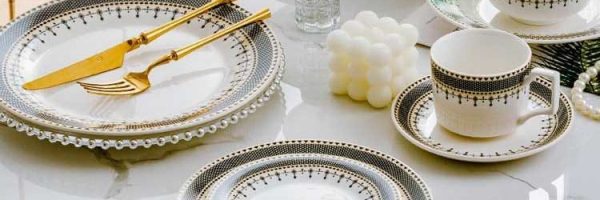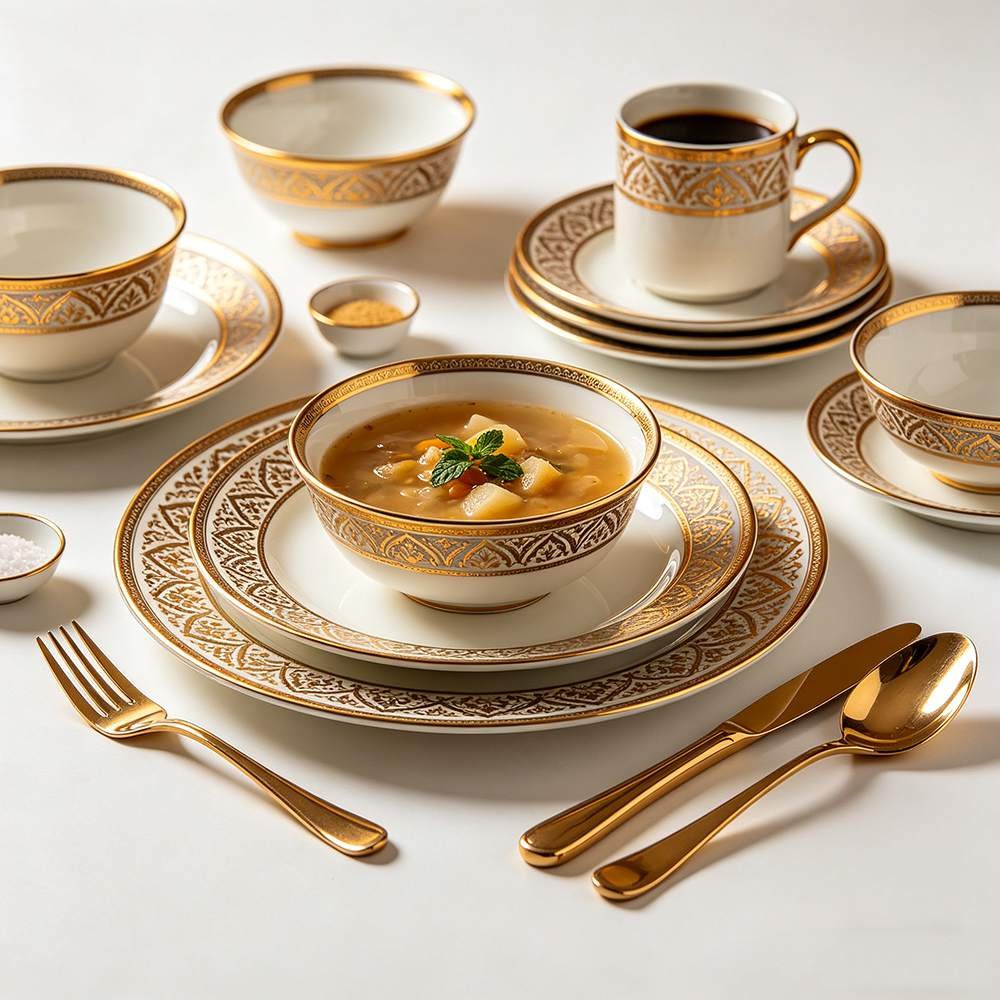
Whether you’re in Mumbai or Ahmedabad, the same butter chicken recipe can feel like a unique experience to your guest, depending on the plate it’s served on. In India’s HoReCa world, dinnerware is not just about plating or dining. It defines your brand. It’s about cost control, durability, and speed all rolled into one. The price market varies depending on material quality, sourcing channel, and manufacturing standards. You might find a supplier promising top quality at INR 120 a plate, where another one would offer better quality imported ceramic plates for INR 600, which wouldn’t even last two months. There are traditional wholesale and manufacturing hubs like Khurja in Uttar Pradesh and Crawford Market in Mumbai, and established manufacturing regions in Gujarat and Delhi NCR. India’s kitchenware and tableware market is valued at over USD 5 billion and continues to grow with the rising demand from the HoReCa sector. This fragmented yet high-opportunity ecosystem makes your procurement strategy important. In the sections below, we will talk about the dinnerware materials, supply chain, and HoReCa dinnerware suppliers in India. Understanding the HoReCa Dinnerware Ecosystem in India The dinnerware demand in India is diverse. There’s a range of HoReCa formats, ranging from luxury five-star hotels to quick-service outlets, street-food kiosks, and large-scale catering operations, all serving regional cuisines such as biryani, thali, and tiffin-style meals. Luxury Dining In a premium hotel, dinnerware becomes your brand language. Most luxury hotels prefer bone china or vitrified porcelain. They use custom logos and patterns and consistent dinnerware across their outlets. Mid-scale food chains focus on durability and stacking. They need dinnerware with easy replacement cycles that fall within their budget. QSRs vs Fine Dining vs Cloud Kitchens Many QSR or Quick Service Restaurants prefer melamine and reinforced ceramics because minimizing breakage is their priority. They want quick service and durable plates. Designs and patterns are secondary for them. In fine dining restaurants, however, the plate finishes, symmetry, material, and design are all important. Many restaurants prefer matte finishes and asymmetrical designs, with the focus remaining on plating. Whereas the cloud kitchens do not invest much in tableware. They usually procure multi-use containers with packaging compatibility. Institutional Buyers The institutional buyers constitute a major chunk of the market segment. It includes buyers from the airline catering or railway services. They look for standardization across the dinnerware materials. Although they prefer high durability melamine and stainless steel, compliance checks such as the Food Safety and Standards Authority of India, FDA food-contact compliance, LFGB chemical migration testing, and EU Food Contact Regulation (EC 1935/2004) are a must. Types of HoReCa Dinnerware: Material-Based Classification The dinnerware material you choose will directly impact your breakage costs and service speed. It can, in fact, also shape the perceived dining value at your concept and your brand positioning. Premium materials such as bone china or high-grade, vitrified porcelain are commonly used in fine-dining hotels to elevate presentation, while melamine is preferred in high-volume casual dining formats where operational efficiency and cost control are the priorities. Ceramic and Porcelain The go-to dinnerware material for most restaurants is ceramic and porcelain. Porcelain dinnerware looks clean and premium. It is also preferred by the chefs as it gives them the right surface area for plating aesthetics. Porcelain is also the winner when it comes to heat retention and keeping the flavor of the acidic Indian gravy intact. The surface is non-reactive and doesn’t mess with the taste of the dish. The downside, however, is that there can be edge chipping, and so the breakage and turnover rates can spike. Melamine Even though melamine doesn’t get the love on Instagram and social media, it literally runs the Indian HoReCa industry. Melamine dinnerware is literally shatterproof. It’s lightweight and cost-effective at scale, which is why most restaurant operators love it. You will mostly find QSR chains, biryani houses, food courts, and catering operations using melamine plates for serving. However, while it survives stacking and drops, poor-quality melamine does stain over time and loses its shine. Also, it is worth keeping a check on the FDA guidance, which approves melamine for food contact under normal conditions, but not for high temperatures or for heating food. Bone China Bone china gives off a signal indicating that the guest is about to be served a high-quality meal. It is elegant, stylish, and exudes luxury, going with premium pricing and fine dining experiences. However, when placed in service, it does have a high chipping rate compared to porcelain. Learn more about the difference between Bone China and porcelain in our guide: Bone China vs Porcelain Dinnerware: Which Should Hotels Choose? Stainless Steel It may not be trendy or look beautiful, but stainless steel is the underrated workhorse in India. You will find it in Indian Railways pantry services, large institutional kitchens such as hospitals, schools, and defense canteens, and budget catering operations. Stainless steel wins as it is practically unbreakable, easy to clean, and keeps the inventory simple. HoReCa Dinnerware Supply Chain Structure in India India’s HoReCa dinnerware market is highly unorganized. There’s a complex network of manufacturers, importers, traders, and multiple layers of intermediaries. Hence, assessing the channels becomes a challenge. Organized Manufacturers Many hotel chains and large restaurant groups in India source their dinnerware from organized manufacturers. These include the large factories mostly situated in Gujarat, Rajasthan, and NCR. These manufacturers offer consistency through their controlled production processes, including custom moulds, embossing, and branding options. They also work on long-term supply contracts, which help ensure batch consistency and reliable sourcing for high-volume HoReCa operations. Regional Wholesale Clusters There are regional wholesale clusters that have, in fact, become the backbone of Indian dinnerware sourcing. Delhi NCR is the import gateway for Chinese and Southeast Asian products. Here you will find a huge variety of all kinds of dinnerware. It’s a good market for restaurant owners who are looking for a quick setup and trend-driven cafés. However, there is no assurance that the quality will stay consistent across batches. Similarly, Morbi in Gujarat is the Indian ceramic hub that