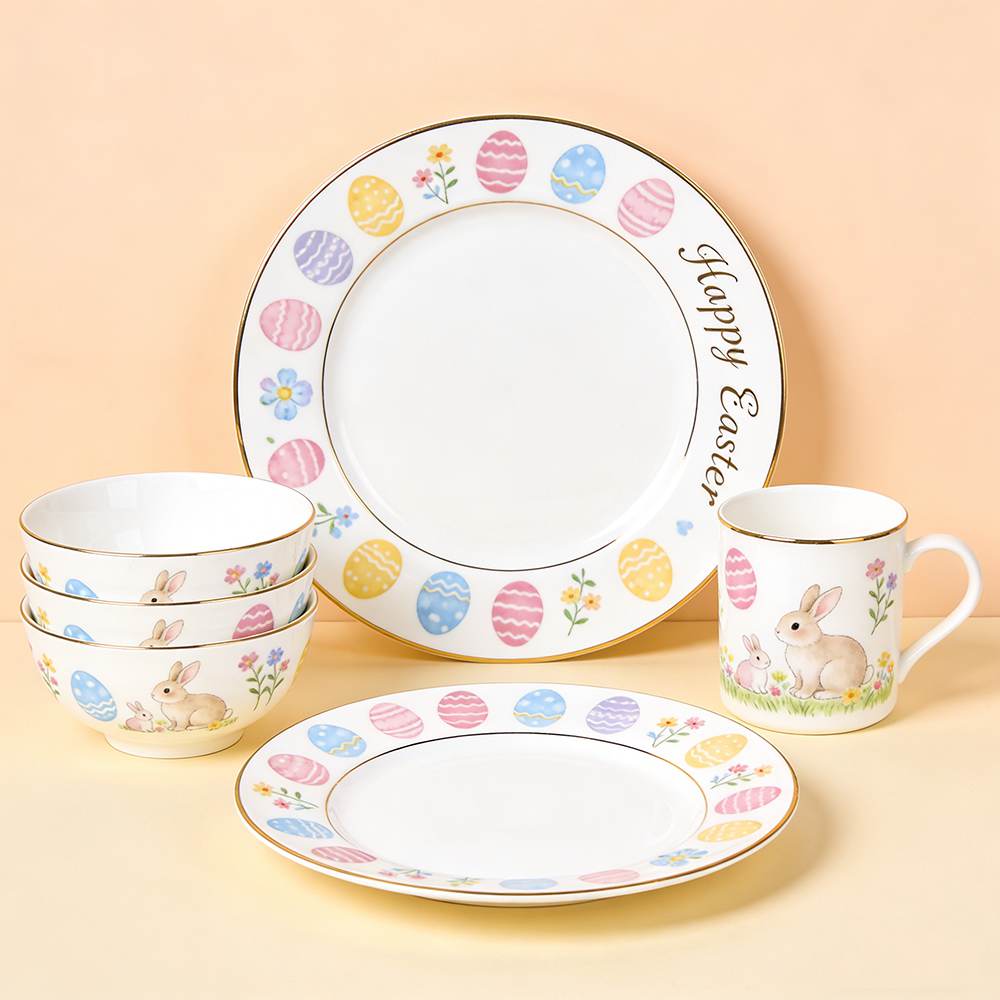
Easter is a celebration filled with renewal, joy, and meaningful traditions. Whether it’s a family brunch, a festive gathering, or a formal spring dinner, the table setting plays a central role in shaping the experience. Choosing the right Easter dinnerware is more than just selecting plates and bowls—it’s about creating a visual story that reflects the spirit of the season. But what exactly makes dinnerware “Easter-themed”? Is it the colors, the patterns, or the symbolism behind the designs? In this guide, we’ll explore the key elements that define Easter dinnerware and how you can use them to create a beautiful and cohesive table setting. The Meaning Behind Easter and Its Influence on Tableware Before diving into design elements, it helps to understand the cultural and symbolic roots of Easter. Easter is one of the most important holidays in Christianity, celebrating resurrection and new life. Over time, it has also become associated with broader themes of spring, rebirth, and renewal. According to Wikipedia, Easter traditions often incorporate symbols such as eggs, rabbits, and flowers—each representing fertility, growth, and new beginnings. These symbolic elements naturally translate into dinnerware design, shaping the aesthetics of Easter-themed table settings. Signature Easter Color Palettes 1. Pastel Colors Pastels are perhaps the most recognizable feature of Easter dinnerware. Soft hues like: Baby blue Blush pink Lavender Mint green Pale yellow These colors reflect the gentle tones of spring and create a light, airy atmosphere at the table. 2. Nature-Inspired Greens and Neutrals In addition to pastels, earthy greens and warm neutrals are increasingly popular in modern Easter tableware. These tones mimic fresh grass, budding leaves, and natural textures. 3. Subtle Gold Accents Gold-rimmed or lightly gilded dinnerware adds elegance without overpowering the soft seasonal palette, making it ideal for more formal Easter gatherings. Iconic Easter Motifs and Patterns 1. Bunnies and Rabbits The Easter Bunny is one of the most iconic symbols of the holiday. Dinnerware featuring rabbit illustrations instantly signals an Easter theme, whether playful or sophisticated. 2. Easter Eggs Decorated eggs symbolize new life and are a staple in Easter design. On dinnerware, they may appear as: Painted patterns Embossed textures Subtle border details 3. Floral Designs Spring flowers like tulips, daffodils, and lilies are commonly featured. These floral elements add freshness and connect the table to the natural world. 4. Chicks and Spring Animals Chicks, lambs, and other young animals reinforce the theme of renewal and are often used in more casual or family-oriented dinnerware sets. Material Choices That Enhance the Easter Theme While design is important, the material of your dinnerware also contributes to the overall feel of your table. Porcelain and Bone China These materials offer: Smooth, refined surfaces Ideal backgrounds for pastel and floral designs A slightly translucent quality that enhances elegance Stoneware Stoneware provides a more rustic and grounded aesthetic, perfect for: Farmhouse-style Easter tables Natural or organic themes Ceramic with Reactive Glaze Reactive glaze finishes create subtle variations in color, echoing the imperfect beauty of nature—perfect for modern Easter settings. Texture and Finishing Details 1. Embossed Patterns Raised floral or egg motifs add depth and tactile interest without overwhelming the design. 2. Hand-Painted Elements Hand-painted dinnerware feels more personal and artisanal, aligning with the idea of a thoughtfully prepared holiday meal. 3. Gloss vs Matte Finish Glossy finishescreate a clean, elegant look Matte finishesoffer a softer, contemporary feel Mixing both can create visual contrast on your table. Shape and Form: Subtle but Impactful Easter dinnerware often features softer, more organic shapes compared to standard sets: Rounded edges instead of sharp lines Slightly scalloped rims Irregular or handmade-inspired silhouettes These details help reinforce the relaxed and welcoming atmosphere typical of Easter gatherings. Coordinating Easter Table Elements Easter dinnerware doesn’t exist in isolation—it works best when paired with complementary table décor. 1. Centerpieces Fresh flowers Decorative eggs Spring greenery 2. Linens Linen napkins in pastel tones Floral or embroidered tablecloths 3. Glassware and Accessories Clear or lightly tinted glassware pairs well with Easter dinnerware, keeping the table light and cohesive. Modern Trends in Easter Dinnerware (2026) Easter tableware trends are evolving, blending tradition with contemporary design: 1. Minimalist Easter Aesthetic Rather than bold motifs, many designs now use subtle nods to Easter—like a single embossed egg or a soft color gradient. 2. Eco-Friendly Materials Sustainable ceramics and natural glazes are becoming more popular as consumers prioritize environmentally conscious choices. 3. Mix-and-Match Styling Instead of uniform sets, mixing plates with different patterns or colors creates a curated, layered look. How to Identify True Easter-Themed Dinnerware To quickly determine whether a dinnerware set fits the Easter theme, ask yourself: ✔ Does it use soft, spring-inspired colors?✔ Are there seasonal motifs like flowers, eggs, or animals?✔ Does it create a light, fresh, and welcoming atmosphere?✔ Can it pair well with spring décor and natural elements? If the answer is yes to most of these, you’re looking at authentic Easter dinnerware. Why Easter Dinnerware Matters Easter is about more than just food—it’s about experience. The right dinnerware: Enhances presentation and visual appeal Sets the tone for the gathering Reflects care and attention to detail Creates memorable moments for guests In many ways, the table becomes a canvas where tradition, design, and hospitality come together. Final Thoughts Easter dinnerware is defined by a harmonious blend of color, symbolism, material, and design. From pastel palettes and floral motifs to delicate porcelain finishes and handcrafted textures, every element contributes to a table setting that celebrates renewal and togetherness. Whether you prefer a classic bunny-themed set or a modern minimalist approach, the key is to create a table that feels fresh, inviting, and aligned with the spirit of Easter. Because at the end of the day, the best Easter table isn’t just about what’s served—it’s about how it makes people feel.
Hotel Dinnerware UAE: Materials, Standards & Sourcing Guide
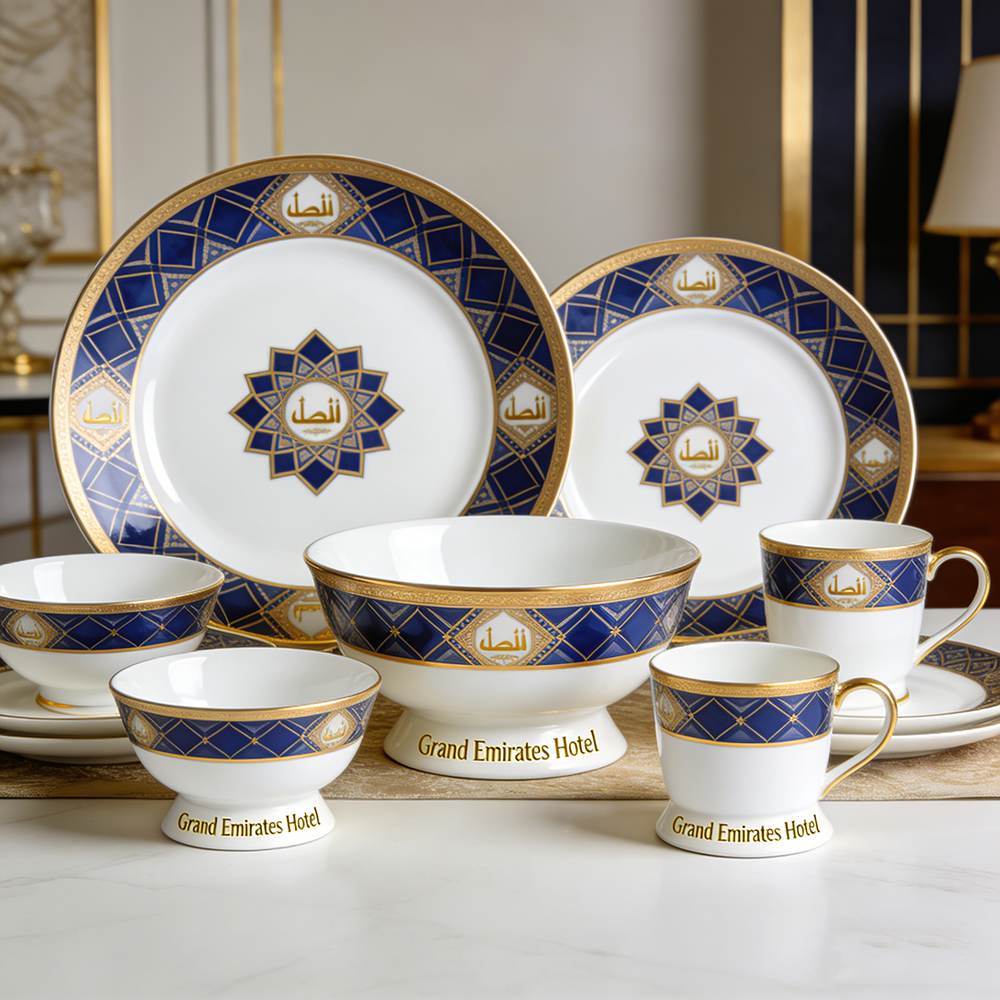
Few things in a hotel are used (and judged) as often as dinnerware. Dinner service in the UAE isn’t just about food; it’s a complete performance package. The dinnerware has to survive high-volume buffets, dishwashing cycles, and outdoor service in extreme heat without compromising presentation. That makes procurement of hotel dinnerware in the UAE a frontline operational decision. The UAE hospitality sector is scaling fast, with over 1,200 hotels and 216,000 rooms already in operation as per the UAE Ministry of Economy and Industry reports. In 2025, revenues hit AED 89 billion (USD 24.2 billion), and today, there are over 26,000 rooms in the pipeline, where procurement teams are working in a constant cycle of new openings and F&B concept launches. What that means is, there’s scope, growth, and zero room for error. Whether you are serving guests in a luxury branch in Dubai Marina or hosting a small business lunch in Sharjah, the entire dining experience, including the dinnerware, has to perform consistently, service after service. In this guide, we’ll cover how to choose the right hotel dinnerware in the UAE and how to bring durability, compliance, logistics, and brand alignment together so it shows up in your service cost and guest reviews. Choosing Materials for UAE Hotel Conditions During the summer, temperatures in coastal cities like Dubai and Abu Dhabi climb up to 45°C and occasionally around 49-50°C. In a high-volume service, with around 300–500 breakfast covers, the material choice isn’t about the looks. It becomes an operational decision. Consider the frequent dishwashing cycles, cleaning detergents, and fast clearing, and the weaker materials will start failing within just the first few months. So which materials stand up to the UAE heat, humidity, and high-volume hotel service? Porcelain Porcelain is the backbone or workhorse of hotel dinnerware in the UAE, and for good reason. The material is non-porous and vitrified, making it highly resistant to staining, moisture absorption, and chemical wear. Many traditional Emirati and Middle Eastern dishes are prepared in rich oils and aromatic spice blends. Ingredients like cumin, turmeric, and saffron add a deep flavor to the dishes but can also leave persistent stains on the dinnerware. Since dinnerware is also exposed to high humidity and heat in the commercial kitchens, there is an increased risk of moisture absorption in lower quality ceramics. Over time, consistent exposure weakens the structure and accelerates cracking. Toss them into industrial dishwashers with high alkaline detergents (pH 11–13), and whatever strength was left gets washed away. In these situations, Porcelain Dinnerware, given its thermal stability, lasts. It remains the default hotel tableware in Dubai, for all-day dining outlets, breakfast buffets, banqueting, and high-volume room service programs. Learn more about dinnerware durability and lifecycle cost in our guide: Best Restaurant Dinnerware: Material Selection & Buying Guide. Bone China In luxury hotel dinnerware Middle East programs, Bone China Dinnerware serves as the ultimate stage for fine dining. Its qualities, such as being lighter than porcelain, natural translucence, and aesthetics, make it more suited for premium dining concepts, such as in 5-star properties. Since the material is lightweight, it’s easy to handle, reducing server fatigue. The delicate presentation makes it ideal for plated cuisines, and a perfect option for signature restaurants and fine dining tasting menus. However, bone china is generally less forgiving in high-speed dining. The material is more prone to chipping, especially around the edges, compared to porcelain. That’s why it isn’t standardized across all outlets, but rather reserved for controlled or lower-volume high-value dining concepts. Learn more in our guide: What is Bone China Dinnerware Made Of? Stoneware With the increasing number of concepts leaning towards chef-led and farm-to-table dining, Stoneware Dinnerware is slowly making its way into the hotel F&B programs. The earthy tones, textured finish, and often intentional variations between the finishes make each dish tell a story. However, since stoneware has its limitations, like being porous, heavier, and less resistant to dishwashing than porcelain and bone china, it’s more suited for specialty dining. It is not for the outdoors or buffets, but can be part of the non-core inventory for moderate-volume dining restaurants. Read more about the material here: What is Stoneware Dinnerware? A Complete Guide to This Timeless Tableware. Melamine Just as porcelain is the top choice for dinnerware for indoor dining, melamine keeps the outdoor service running, especially in scorching summers. In pool bars, beach clubs, and casual outdoor restaurants in resort-heavy markets like Palm Jumeirah and Ras Al Khaimah, Melamine Dinnerware works well. It’s lightweight, shatter-resistant, and easy to handle for the staff through the sun loungers and crowded patios. Melamine is also UV-resistant and can handle chlorine exposure and sand abrasion better than its counterparts. Also, replacement costs are low, so hotels can maintain large inventories for high-traffic outlets without blowing their F&B budget. Most UAE hotels use a layered dinnerware strategy where they procure porcelain for high volume and durability, bone china for luxury dining, and melamine for outdoor serving. Many also invest in stoneware for concept differentiation in their hotel chains. This multi-material approach works and helps them manage multiple outlets with multiple service styles, in widely unique environmental conditions. UAE-Specific Procurement Considerations The UAE market is highly unique compared to other markets in the USA, UK, and other parts of the world. The hotel procurement in the UAE decision isn’t just made for the price and design. It is influenced by the climate extremes, cultural dining formats, regulatory environment, and import logistics, all coexisting in one of the fastest-growing hospitality markets in the world. The UAE hospitality market is expected to reach USD 30.07 billion this year, 2026, and by 2031, it is to reach USD 43.92 billion. They are also targeting 40 million annual hotel guests under Tourism Strategy 2031. For hotel dinnerware UAE procurement, this means considering the: Climate:The climate can be a silent damage factor for dinnerware materials. With humidity levels as high as 80-85%, the climate causes slow surface degradation in dinnerware, especially in plates with metallic rims or low-grade ceramics. Culture