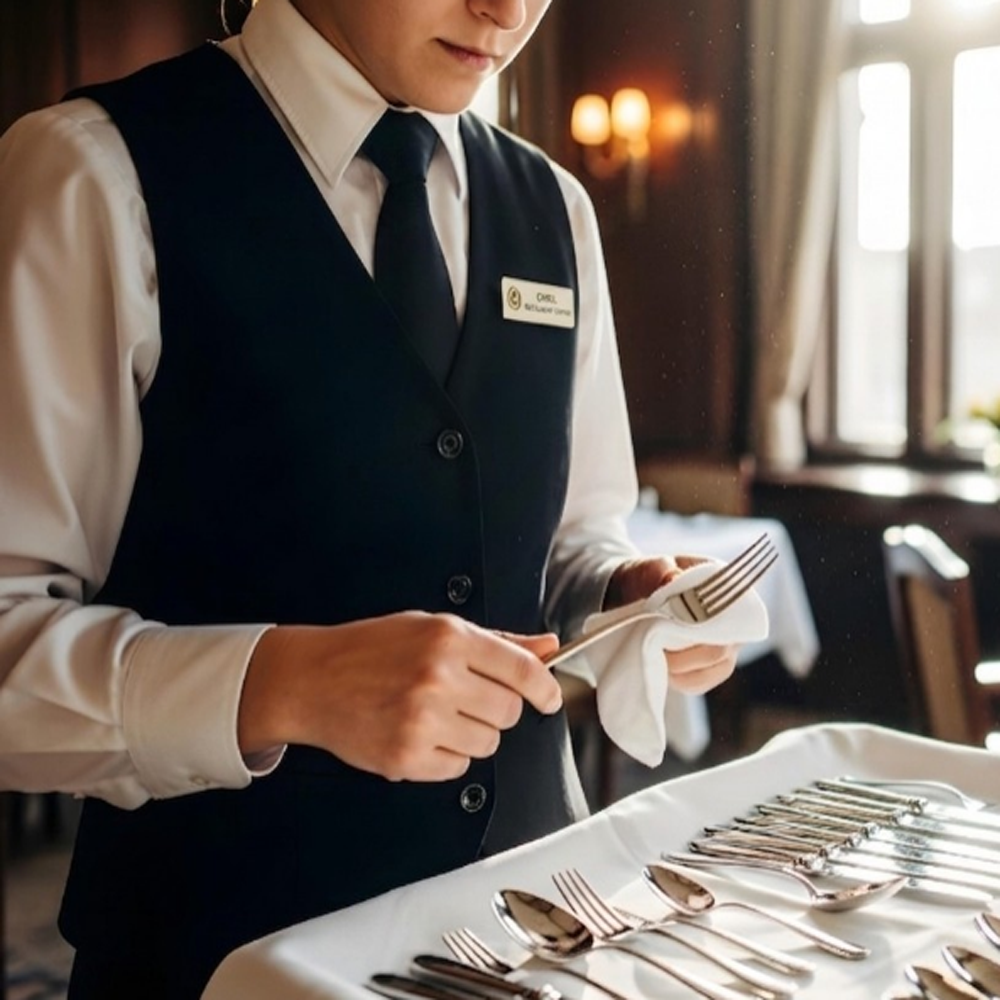
There is a version of hotel flatware procurement that goes exactly the way it should. You specify 18/10 stainless steel, invest in quality, the pieces arrive looking sharp, and five years later they still look the same. Then there is the version most F&B managers actually experience. The flatware looked great in month one. By month 8, teaspoons are beginning to look feeble and foggy. Replacement parts are somewhat different from the originals in month fourteen. The procurement manager will be responsible for the replacement costs incurred in year two, which were not budgeted for. The difference between those two outcomes is rarely the flatware. It is almost always the care. One of the most durable materials used in commercial hospitality, 18/10 stainless steel can deliver years of reliable service, but only when properly maintained. For over 20 years, at Brett we have been providing flatware for hotels in over 80 countries. This complete hotel flatware care guide will teach F&B teams everything they need to know: Table of Contents Why 18/10 Flatware Is Worth Protecting It is best to first understand what makes 18/10 stainless steel worth protecting, since this will impact the approach you take in each step of the maintenance process. The 18/10 indicates that it is a 18 percent chromium and 10 percent nickel alloy. The invisible protective layer of oxide that makes the steel corrosion resistant is formed by chromium. Nickel enhances corrosion resistance and gives 18/10 stainless steel its bright, polished appearance. At a busy hotel, flatware is run 6 to 9 times in a commercial dishwasher each day. Commercial machines can rinse temperatures up to 82°C. Every wash cycle exposes flatware to heat, moisture, detergents, and mechanical abrasion. These stresses affect your 18/10 flatware over hundreds of cycles, either making it look and feel like day one in year three, or making it look and feel like an afterthought. Understanding the Steel Chemistry This is the most common and most correctable cause of early deterioration of hotel flatware finish. Commercial dishwasher detergents are alkaline; they must be, to remove food residue at high volume. However, high alkalinity will cause the surface of the steel to rust more quickly, due to the corrosion of the chromium oxide film. Many of the hotel kitchens employ more detergent than recommended by the manufacturer in their dishwashers, either by not calibrating the dishwasher setting or by putting more detergent in the dishwasher because the amount of soiled dishes used is quite high. This causes the surface to become dull, hazy and not polished, which is known as chemical degradation. Fix: Ensure that the water hardness is correct for the dishwasher detergent. This one change can make a big difference in the amount of degradation on the surface in the first month. Rinse Aid and Water Spotting If water spots are found on stainless steel flatware, it will almost certainly be a problem with the rinse aid. It could be a lack of rinse aid, use of the wrong rinse aid for your water hardness or the need to change out the dispenser. The spots aren’t merely cosmetic. Surface imperfections can form hard water mineral deposits and over time conditions are established that can lead to localized corrosion. Fix: In most hotel locations worldwide, and in hard water areas, the majority of the Middle East, rinse aid management is a must have for flatware protection, not an option. Rack Loading Density Too many dishes on the racks during the washing cycle lead to piece to piece contact. The steady source of micro-scratching is generated by the rubbing of flatware parts at high pressure when they are sprayed a hundred times. Fix: Establish a maximum rack density criterion. Place flatware items (handles down) in flatware cylinders. This is one of the easiest things that can be done to the operation, and one of the most helpful to the longevity of the flatware. Storage and Handling: The Steps Most Hotels Skip Properly washing is the key to hotel flatware maintenance. The transfer of the dishwasher to the service area is not insignificant, however. These are the areas that most hotel operations neglect, and where unneeded degradation happens. Drying Before Storage One of the most effective methods of speeding up degradation of the surface is to stack wet flatware. Moisture can lead to mineral deposits between pieces, particularly in hard water environments, watermark staining and localized corrosion at contact points between pieces. Standard: After use, flatware should be thoroughly air dried or hand dried with a clean lint free cloth before putting away. For large quantities of dishes, use flatware on drying racks between the dishwasher and sorting station. Polishing Protocols Hand polishing is not just a fine dining affectation, it is a practical quality control step. It keeps the table from spotting, watermarking and surface defects. A polishing protocol is standard practice in luxury hotel environments, prior to each service period. Correct approach: A clean, dry lint-free cloth. Gently rub each piece with a circular motion. Avoid abrasive cloths, steel wool or scouring pads, as they will cause microscopic scratches to the 18/10 stainless steel that will permanently dull the surface even on the highest quality 18/10 stainless steel. A bit of white vinegar on the cloth and then drying it right away works and is harmless if the water spots are persistent. Storage Environment Surface oxidation is promoted by high humidity storage conditions. Chemical damage can be caused by proximity to chlorine based cleaning products. Moisture can cause deterioration to poorly ventilated areas where flatware is stored after washing. Standard: Store flatware in a well-ventilated and dry place, away from storage of cleaning chemicals. The flatware cylinders or compartmentalized trays eliminate piece-to-piece contact and speed up the polishing process. The Foods and Substances That Damage Hotel Flatware Not all service decisions are equal with regard to the life of hotel flatware. Certain foods and materials can cause damage to flatware surfaces and knowing what they are can assist F&B