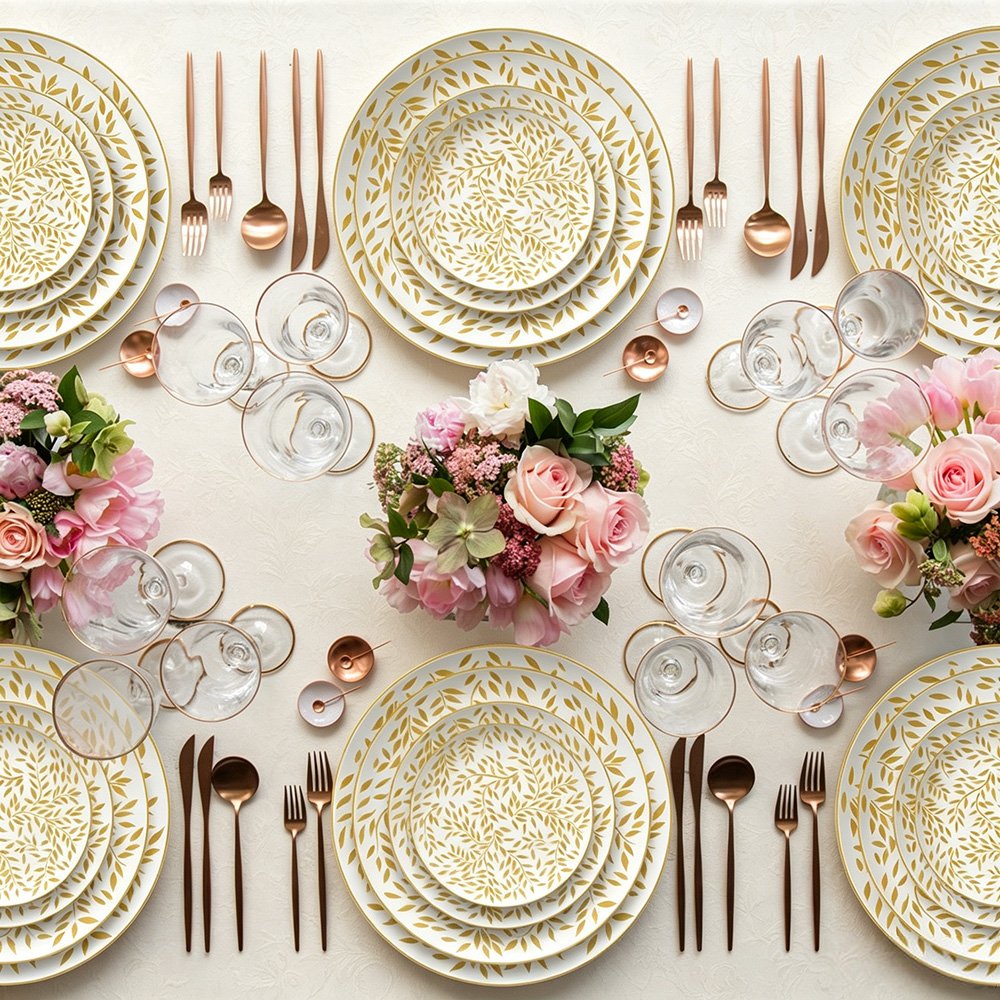
The majority of hotel F&B managers catch the breakage. Few know what is really responsible for it. A plate is damaged in use and replaced. A glass chip at the edge is removed from rotation. A dozen pieces go missing every week, and no one knows what happens to them. The orders are placed for replacement, the budget is used to pay for the replacements, and the process repeats. Industry data indicates that hotels lose between 8 to15 percent of their tableware due to breakage and wear each year. That’s $3,200 to $6,000 that’s walking out the door at a steady pace, almost entirely preventable, year after year on a $40,000 dining room investment. The harsh reality is that most of the hotel tableware breakage is not due to accidents. It is triggered by specification choices at the time of procurement — and by the ways we operate that no one has questioned. The properties that address the breakage problem don’t have to spend more money on tableware. They spend smarter. At Brett, we have been seeing the same breakage patterns repeatedly across more than 20 years of supplying hotel tableware to properties in over 80 countries. Table of Contents The Real Cost of Hotel Tableware Breakage The number on the replacement invoice is not the true cost of hotel tableware breakage. The true cost is much higher — and most properties aren’t measuring it properly. Direct Costs Replacement pieces — buying new inventory to replace broken items, which is typically more expensive per unit than the original order because of the smaller quantity of replacements ordered. Rush shipping– Emergency replacement orders that deplete working stock below operational requirements. Batch mismatch costs– When replacement parts are not the same as the original specification, and there are differences that are obvious to the customer, affecting the property’s presentation standards. Indirect Costs Guest experience impact— mismatched or chipped tableware will be noticed and remembered by guests, even if they don’t say anything. Staff time— the cost of the staff time involved in sorting, removing and tracking the damaged items as they rotate is an operating expense that often does not get included in the breakage calculations. Brand damage– a chipped plate or broken glass at a high-end table in a hotel is a brand moment that can’t be put back together. For commercial grade porcelain (ISO 9001), the industry standard for acceptable hotel tableware breakage is 2-4% per annum. Properties with 8 to 15 percent annual breakage rates are not unlucky; they are experiencing the predictable result of specification and operational decisions that can be changed. Reason 1: Wrong Material Specification The most frequent cause of high hotel tableware breakage rates is a material specification that is not fit for commercial hotel service. The ceramics sold in retail stores are sold for many reasons, including their appearance and lower cost per piece, and are produced to a different density and hardness specification from commercial ceramics for hotels. The body structure is less dense, the glaze is softer and the rim profile is more fragile. Retail-grade pieces are 3-4 times more likely to break than commercial grade alternatives under the daily mechanical stress of commercial hotel service, such as stacking, dishwasher cycling and service handling. Fix: Use hotel-grade porcelain dinnerware or bone china dinnerware certified to ISO 9001 and FDA standards. The increased per-piece cost is offset by reduced annual replacement expenses in the first year of operation. Reason 2: Incorrect Washing Procedures The main reason for glaze degradation and rim chipping in hotel tableware is not service handling but commercial dishwasher cycles. Tableware is subjected to thermal stress, mechanical vibration and chemical exposure in the washing environment, which builds up over hundreds of cycles. The Most Damaging Washing Mistakes Overloading racks– pieces rub against each other during the wash cycle, which causes mechanical abrasion over time and consistently to the rims of pieces, leading to the gradual loss of glazes. Incorrect temperature settings— water temperatures above the manufacturer’s specification accelerate glaze crazing and ceramic body stress. Excess detergent— repeated use of excess detergent causes the surfaces of the glazes to be chemically damaged, leading to increased mechanical damage over time Stacking wet pieces— stacking tableware before it is completely dry will cause moisture to be trapped between pieces, which will cause degradation of the glaze over time. Fix: Adopt a standard washing procedure – load the racks properly, ensure the temperature is correct, use the manufacturer’s recommended detergent level, and always allow pieces to fully dry before stacking. In most hotel operations, this one operational change can achieve a reduction in breakage caused by washing of 20 to 30 percent. Reason 3: Poor Storage and Stacking Practices Storage is where hotel tableware breakage accumulates invisibly. This damage is not visible at first and will only be apparent as micro-fractures that will chip on the next service, or as rim damage that will be noticed by a guest at the table. Storage Mistakes That Cause Breakage Stacking too high— exceeding 20 to 25 plates makes the bottom plates too compressed, causing stresses in the body and glaze. No protective sleeves or interleaving— porcelain dinnerware without protective interleaving causes direct surface contact, which scratches glazes and chips rims over time. Unstable shelving– vibration from kitchen equipment passed on through shelving results in ongoing low-level mechanical stress on stored tableware. Mixed storage– different sizes and shapes of plates stored together – unstable stacks, irregular contact with each other Fix: maximum stack height of 20 plates, padded sleeves for high-quality stock, individual storage by piece type and size, and stable shelving that is separated from the vibration of kitchen equipment. Reason 4: Rim Profile — The Overlooked Specification Rim profile is one of the least-known and most important factors in the breakage rate for hotel tableware — and one of the most direct. Under commercial use conditions, plates with thin, sharp rim profiles chip much more rapidly than plates with reinforced rolled rims. The rim is the most exposed surface of any plate, which