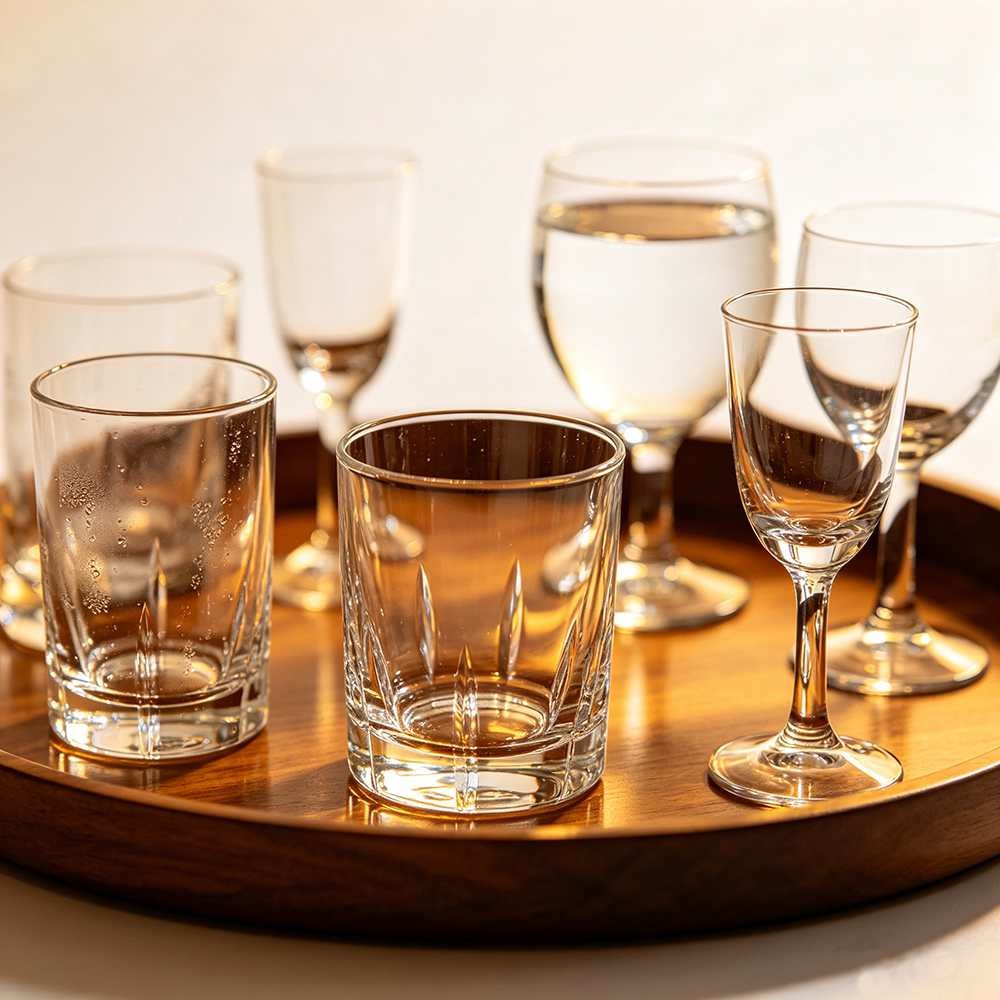
A five-star hotel is not one dining environment; it is four or five. The flagship restaurant for fine dining. The all-day dining outlet. The lobby bar. The breakfast buffet. Room service. Each one serves a different guest at a different moment with different expectations, and the glassware on that table has to meet every single one of them. This is where the majority of hotel glassware purchases go wrong. Properties select one glassware for the entire property, and then have to deal with the consequences. The wrong glass weight in the fine dining room, the wrong glass height at the buffet counter, the wrong glass material when it comes to room service, and the wrong rim profile at the bar. This guide takes a different approach. It’s outlet-by-outlet coverage, which means that you can design a comprehensive glassware program that will be effective in all your food and beverage outlets in your hotel. Why Hotel Glassware Cannot Be One-Size-Fits-All According to the Forbes Travel Guide — which rates five-star hotels in over 100 countries — 67 percent of their ratings are based on service quality. One of the most common and personal touch points a guest has with that service is the table. From 2025 onward, and In 2026, hospitality industry operators are taking a firm stance on outlet-specific hotel glassware and HoReCa glassware specifications, with glass profiles, materials, and weight tailored to the specific service environment, rather than a single specification for all outlets. To get this right, you need to understand what each hotel F&B outlet really requires from its glassware and make procurement decisions accordingly. Fine Dining Restaurant Glassware: The Premium Specification The most obvious and most critical place to see hotel glassware quality in the fine dining restaurant. Guests feel the weight of the glass in their hand, the clarity when held up to the light, and the elegance of the rim against their lips. These are not “secondary impressions” but rather fundamental elements of value and quality that command a top-dollar menu price. Material The right specification for fine dining hotel glassware is lead-free crystal hotel stemware. It is optically clearer, has a thinner rim profile, and has better light refraction, which all convey luxury at a first glance. Forbes’ criteria for five-star hotels include that crockery and glassware must be of uniform high quality throughout all dining areas—and, in a fine dining environment, that means crystal. Wine Glasses Red and white wine glass specifications are suitable for fine dining. For full-bodied red wines, a larger bowl (16-20 ounces) is recommended to give the wine room to breathe. White wine glasses, which are usually 12 to 14 ounces in size, have a more upright, narrow bowl that helps maintain a cooler temperature and more delicate aromatics of white wines. Water Goblets Fine dining water goblets are best suited to match the wine glass specification for weight and clarity. A crystal water goblet with a delicate stem and a slightly larger bowl (12 to 14 ounces) offers beauty and sufficient capacity for table-side water service during the meal. All Day Dining Glassware: Balancing Quality and Volume This all-day dining outlet sees much higher cover volumes than the fine dining restaurant and is often used to serve a wider range of clientele during breakfast, lunch, and dinner. The hotel glassware specification must consider both aesthetics and the practical aspects of heavy use and continuous service. Material The practical specification for all-day dining is commercial-grade commercial glassware, which is soda lime glass. Modern hospitality grade soda lime glass offers superior clarity, uniformity from batch to batch, thermal shock resistance, and rim strength for continuous commercial dishwasher cycles. All Purpose Wine Glasses Wholesale wine glasses in an all-purpose specification of approximately 13 to 15 ounces – will serve both red and white wine service with ease at any day dining volume. At this outlet level, having both a red wine glass program and a white wine program is creating an unnecessarily complex inventory situation, with no real benefit to the guest. Water Goblets A stable, wide-based water goblet in the 10-14 ounce size accommodates the entire spectrum of all-day dining beverage service, from table water service at dinner to juice and soft drink service at breakfast. At this specification level, focus on base stability and rim durability more so than decorative detail. Juice Glasses All day dining outlets must have dedicated juice glasses in a shorter, wider size (6-8 ounces) that will be stable on a table or self-service counter and easy for guests to pick up and handle during breakfast service. Buffet Glassware: Stability and Durability First Buffet hotel Glassware is in the most challenging environment of any property. Guests serve themselves glasses. Glasses are placed on open counters and knocked over, overfilled, and carried throughout the dining room. The service cycle is continuous, meaning that glasses are in constant motion from guest to table, to dishwasher, and to the buffet station during service. Here, aesthetics take second place to structural performance. Stability, rim strength, and dishwasher durability are the order of priorities. Water Goblets and Tumblers A water goblet with a broad base is most stable for buffet service, or a straight-sided tumbler. Compared to stemware, tumblers (which lack a stem and a tall centre of gravity) break much less often in buffet settings. Juice Glasses The shorter, wider juice glass design minimizes the tip hazard on crowded self-service counters and is much more stable than tall, narrow designs with constant guest manipulation. Champagne Flutes A thicker stem profile champagne flute with a reinforced base is much more likely to withstand the rough handling that occurs in self-service buffet service by hotels with buffet brunch programs and sparkling wine service, compared to more expensive crystal specifications. Hotel Bar Glassware: Visual Impact and Versatility The hotel bar is a revenue generating outlet, and hotel bar glassware is directly linked to the perceived value and the justification of cocktail pricing. In a lobby bar or lounge, your guests equate glass quality with drink quality, and with the right glassware specification, your bar staff