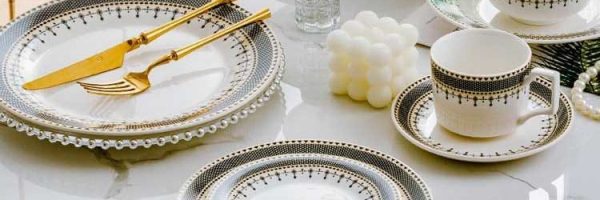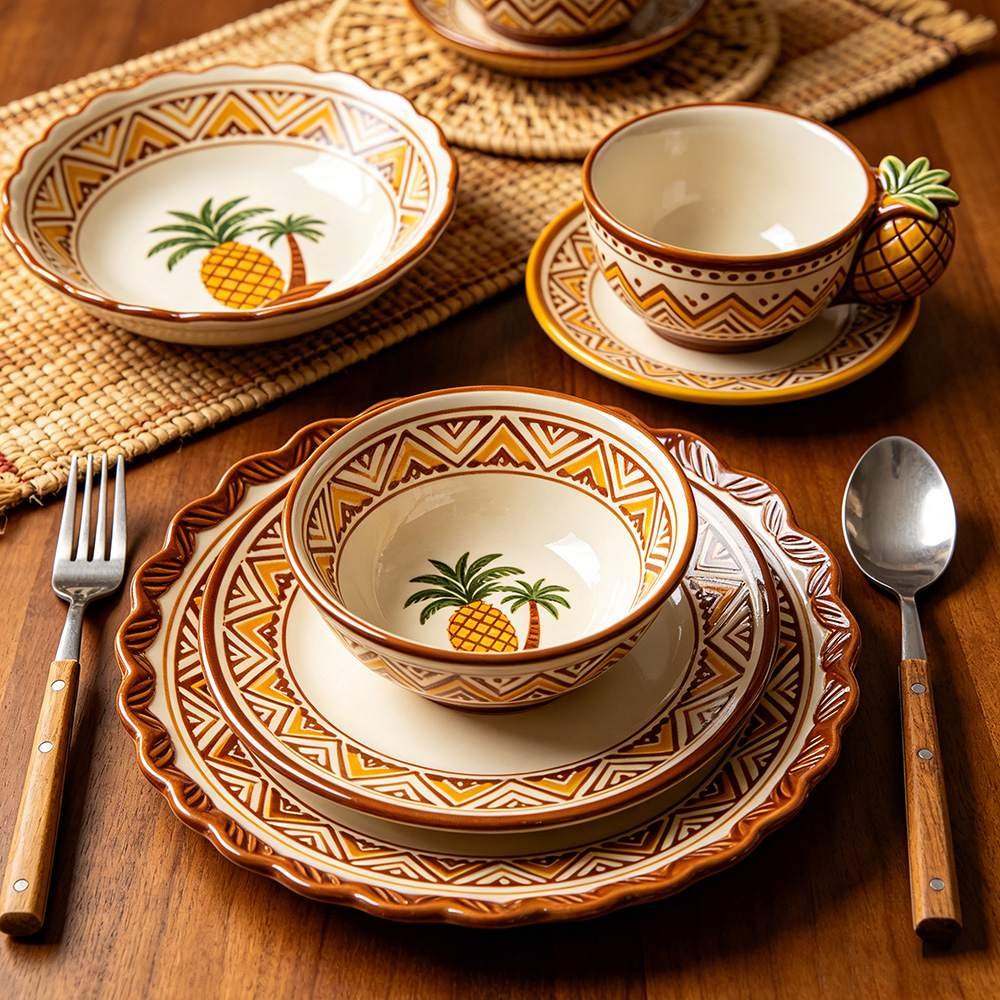
From the Makati weddings to the fast-turnover carinderia-style operations, dinnerware isn’t just about plates and bowls in the Philippines. There are over 100,000 food service spots across the country, out of which 80% are small, fast-moving businesses like carinderias. A single busy restaurant can go through thousands of plates a year, as the functions and events may have 200 to 500 guests (at the very least, at times!) Another fact of the matter is that Filipino cuisine is heavily based on liquid dishes. Think Sinigang, Tinola, and Kare-kare, and so the dinnerware required in the setting is much different from that of a traditional restaurant in the US. We need more shared platters, rice portions, sauce servings, and bowls for liquid-heavy dishes. The material must also be heat-resistant and strong enough to stay stable and survive the serving and dishwasher cycles. So when you’re procuring dinnerware for your restaurant in the Philippines, you need to look into factors like faster table resets, lesser breakage, and a consistent plating pattern across branches. Understanding Restaurant Dinnerware Philippines Standards in Commercial Kitchens In the Philippines, the dinnerware is often chosen for its performance rather than its looks. Since the service styles here are mostly fast-casual carinderia setups and large catering events serving over 300–500 individuals, the tableware needs to survive the constant stacking, transportation, and thermal stressors. Learn more about the top dinnerware brands in the Philippines here: Top 10 Dinnerware Brands in Philippines Recommended. Durability Requirements for High-Volume Filipino Restaurants The Filipino menus are not gentle on the ceramics. Many cuisines have steaming rice that has to be served hot, especially during buffet settings. There are boiling soups like bulalo and sinigang that are best served directly from the kitchen. Also, don’t forget the saucy viands like kare-kare and adobo, which require dishes that can retain heat during service and plating delays. The Philippine HoReCa sector requires vitrified or high-fired ceramic that can handle the rapid temperature changes without cracking. We need high-quality dinnerware that lasts; otherwise, you’d end up replacing the fleet much more quickly than you anticipate. Resistance to Chipping in Buffet and Catering Service In a catering operation, which is very common in the Philippines, dinnerware is constantly stacked and moved between venues. During this time, it is handled by temporary staff, and collisions are common. This becomes a potential chipping point for dinnerware. In such environments, commercial-grade porcelain and alumina reinforced ceramics are the best choices as they are least likely to develop fractures due to stacking and can withstand repeated commercial dishwashing. Take a look at Brett’s Porcelain Dinnerware Collection, which is durable, cost-efficient, and designed to withstand the stress and pressures of the commercial kitchen and service. Stackability for Catering Logistics Many catering operators prefer plates with uniform diameters for easy stacking. They choose designs with flat bottoms as they balance the weight and are less likely to crack under pressure. This is because logistics isn’t about storage only. It’s like a multitransport system. For instance, when you are travelling from Quezon City to Tagaytay for a wedding buffet, it may take around 1.5-2 hours on the road. But it exposes dinnerware to multiple handling points, road vibrations, and stacking pressures. So, even though the commercial-grade ceramics are designed for transport, the risk of chipping increases during packing and handling. Hygiene and Food Safety Considerations The Philippines has a very humid climate, with the average relative humidity going up to 71%–85%. This factor makes hygiene a very important consideration in the catering business. Apart from being durable, the dinnerware needs to be resistant to moisture absorption. This is why non-porous, vitrified porcelain is widely used here. Due to the high temperature firing, it does not absorb oils, food acids, or moisture. The dense structure also reduces odor retention. Compliance Expectations in the Philippines In the Philippines, professional food service operations must comply with established sanitary handling standards for food-contact materials. These align with international guidelines such as those set by the Codex Alimentarius Commission. Dinnerware must be food-safe and non-toxic, meeting regulatory requirements for materials that come into direct contact with food. Types of Restaurant Dinnerware Philippines Businesses Commonly Use We have the same four material choices in the Philippines for dinnerware: porcelain, bone china, melamine, and stoneware used in luxury hotels, fine dining, and fast food concepts. Porcelain Dinnerware for Fine Dining Filipino Restaurants Porcelain remains the top choice, especially in 4 to 5-star hotels and many upscale Filipino fusion restaurants. The material suits most plated dish servings in high-end dining and banquet set-ups as well. So if you are serving lechon belly with crisp skin presentation or kare-kare in sauce-controlled plating, or even seafood platters that need high heat retention and clean visuals, vitrified porcelain wins. Bone China Dinnerware for Premium Hotels/Luxury Dining Although bone china is often overlooked as a top choice, it has some eye-catching designs, especially to cater to the premium segments. The material is made of bone ash, which increases its strength. In high-end dining, choosing this material enhances the perceived food value and is also easy to carry for the staff, given its lightweight. However, the trade-off is that it comes at a higher cost compared to porcelain and is still susceptible to chip damage under heavy catering transportation. Learn more about bone china in our guide: Bone China vs Porcelain Dinnerware: Which Should Hotels Choose? Stoneware Dinnerware for Modern Filipino Concepts Lately, stoneware has become increasingly popular in modern Filipino restaurants. It is mostly used in heritage Filipino dining concepts, café-style fusion dining, and farm-to-table concepts. The material is well-loved for its natural aesthetic and premium feel. However, stoneware is heavier compared to porcelain and bone china. This increases the handling fatigue and also makes it more prone to chipping. Therefore, those dining concepts with heavy traffic do not prefer stoneware, but premium settings with trained staff who know how to carefully stack stoneware designs can find elegant designs in Brett’s Stoneware Dinnerware Collection. How to Choose Dinnerware Suppliers for