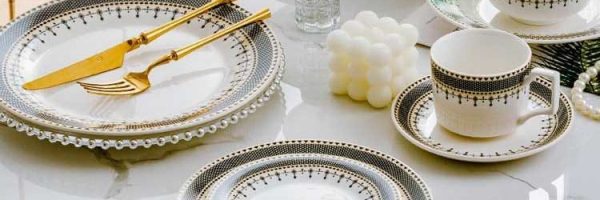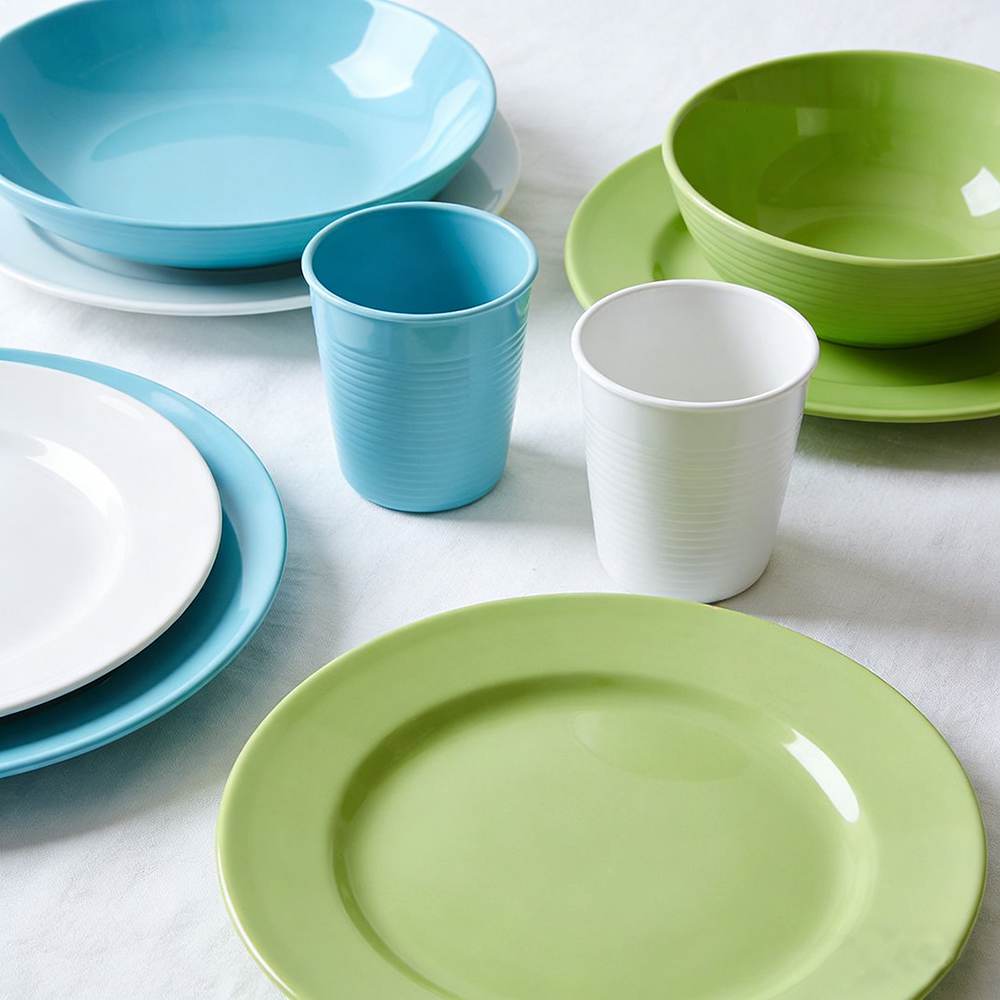
When choosing dinnerware, durability, cost, and aesthetics all play a role. In recent years, melamine dinnerware has become a popular alternative to traditional ceramic or porcelain tableware—especially in commercial environments like restaurants, hotels, and catering services. But what exactly is melamine dinnerware? Is it safe? And why do so many businesses and households choose it? This comprehensive guide will walk you through everything you need to know about melamine dinnerware—from materials and manufacturing to benefits, limitations, and ideal use cases. What is Melamine Dinnerware? Melamine dinnerware is made from a type of durable plastic known as melamine resin, a compound formed by combining melamine and formaldehyde. This process creates a hard, thermosetting material that is lightweight yet highly resistant to breakage. According to Wikipedia, Melamine is an organic compound widely used in the production of laminates, coatings, adhesives, and molded tableware due to its strength and heat resistance. Unlike traditional plastics, melamine resin does not melt once formed, making it particularly suitable for repeated daily use. How is Melamine Dinnerware Made? The manufacturing process of melamine dinnerware involves several key steps: Step1: Raw Material PreparationMelamine powder is combined with formaldehyde to create melamine resin. Step2: Molding ProcessThe resin is placed into molds under high heat and pressure, forming plates, bowls, and cups. Step3: Design ApplicationDecorative patterns or colors are applied, often through transfer printing or embedded designs. Step4: Finishing and PolishingThe final product is polished to achieve a smooth, glossy surface that resembles ceramic or porcelain. This process results in dinnerware that looks refined but performs like industrial-grade material—kind of like dressing a tank in fine china. Key Features of Melamine Dinnerware 1. Exceptional Durability Melamine is highly resistant to: Breakage Chipping Cracking This makes it ideal for high-traffic environments where traditional ceramics might not survive long. 2. Lightweight Design Compared to porcelain or stoneware, melamine is significantly lighter, making it easier to handle, transport, and store. 3. Wide Range of Designs Melamine dinnerware can mimic: Ceramic textures Wood grain finishes Stoneware aesthetics This versatility allows businesses to maintain a premium look without the fragility. 4. Cost-Effective Melamine products are generally more affordable than fine china, especially when purchased in bulk. Is Melamine Dinnerware Safe? One of the most common questions about melamine dinnerware is safety. Food Safety Standards Regulatory bodies such as the U.S. Food and Drug Administration (FDA) consider melamine dinnerware safe for food use under proper conditions. For official guidance, you can refer to the FDA’s explanation here:FDA guidance on melamine tableware safety Important Safety Guidelines Avoid high heat: Melamine should not be used in microwaves. Use for low to moderate temperatures: Ideal for serving, not cooking. Avoid strong acids at high temperatures: These may cause slight chemical migration over time. When used correctly, melamine dinnerware is safe and widely trusted in both commercial and residential settings. Advantages of Melamine Dinnerware 1. Ideal for Commercial Use Restaurants, hotels, and catering companies prefer melamine because it: Reduces replacement costs Handles frequent use Maintains appearance over time 2. Perfect for Outdoor Dining Melamine is a top choice for: Picnics Poolside dining Camping No one wants shattered porcelain near a swimming pool—unless you’re aiming for a very dramatic cleanup. 3. Low Maintenance Dishwasher safe (top rack recommended) Stain-resistant Easy to clean 4. Consistent Appearance Unlike hand-glazed ceramics, melamine products offer uniformity—important for brand consistency in hospitality environments. Limitations of Melamine Dinnerware While melamine has many advantages, it’s not without drawbacks. 1. Not Microwave-Safe Due to its chemical composition, melamine should never be used in a microwave. 2. Limited Heat Resistance Although heat-resistant to a degree, it cannot withstand high cooking temperatures. 3. Less Premium Feel Compared to bone china or porcelain, melamine lacks: Translucency Fine texture High-end tactile quality 4. Environmental Considerations Melamine is not biodegradable, which raises sustainability concerns compared to natural ceramic materials. Melamine vs Other Dinnerware Materials Feature Melamine Porcelain Stoneware Durability Very high Medium High Weight Lightweight Medium Heavy Break Resistance Excellent Low Medium Microwave Safe No Yes Yes Aesthetic Appeal Moderate–High High High Cost Affordable Expensive Mid-range Melamine stands out as the practical choice, while porcelain and stoneware dominate in luxury and presentation. Common Applications of Melamine Dinnerware Hospitality Industry Widely used in: Hotels Restaurants Buffets Catering Services Ideal for large-scale events where efficiency and durability are critical. Households Perfect for families with children due to its shatter-resistant nature. Institutional Use Common in: Schools Hospitals Cafeterias Design Trends in Melamine Dinnerware Modern melamine dinnerware is far from basic. Trends include: Natural Aesthetics Designs that imitate: Stone textures Wood finishes Matte ceramics Minimalist Styles Clean lines and neutral tones for contemporary dining. Custom Branding Businesses can add: Logos Custom colors Unique shapes This makes melamine an excellent choice for brand-focused hospitality operations. How to Care for Melamine Dinnerware To maximize lifespan: Avoid using abrasive scrubbers Keep away from direct flame or oven use Store properly to prevent surface scratches Use mild detergents for cleaning With proper care, melamine dinnerware can last for years without losing its visual appeal. Is Melamine Dinnerware Right for You? Melamine dinnerware is a smart choice if you need: ✔ High durability✔ Lightweight handling✔ Cost efficiency✔ Versatile design options However, if your priority is luxury dining or microwave convenience, traditional materials may be more suitable. Conclusion Melamine dinnerware offers a compelling balance between functionality, durability, and design flexibility. While it may not replace fine porcelain in upscale dining, it excels in environments where performance and practicality matter most. From busy restaurants to outdoor gatherings, melamine continues to prove that dinnerware doesn’t have to be fragile to be beautiful. In short, it’s the kind of tableware that works hard—so you don’t have to worry when things get a little… lively at the table.