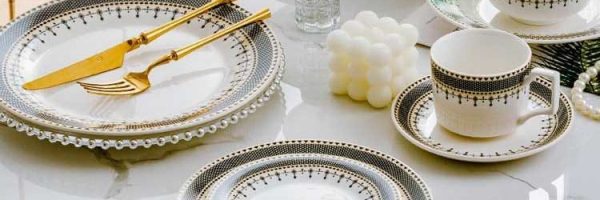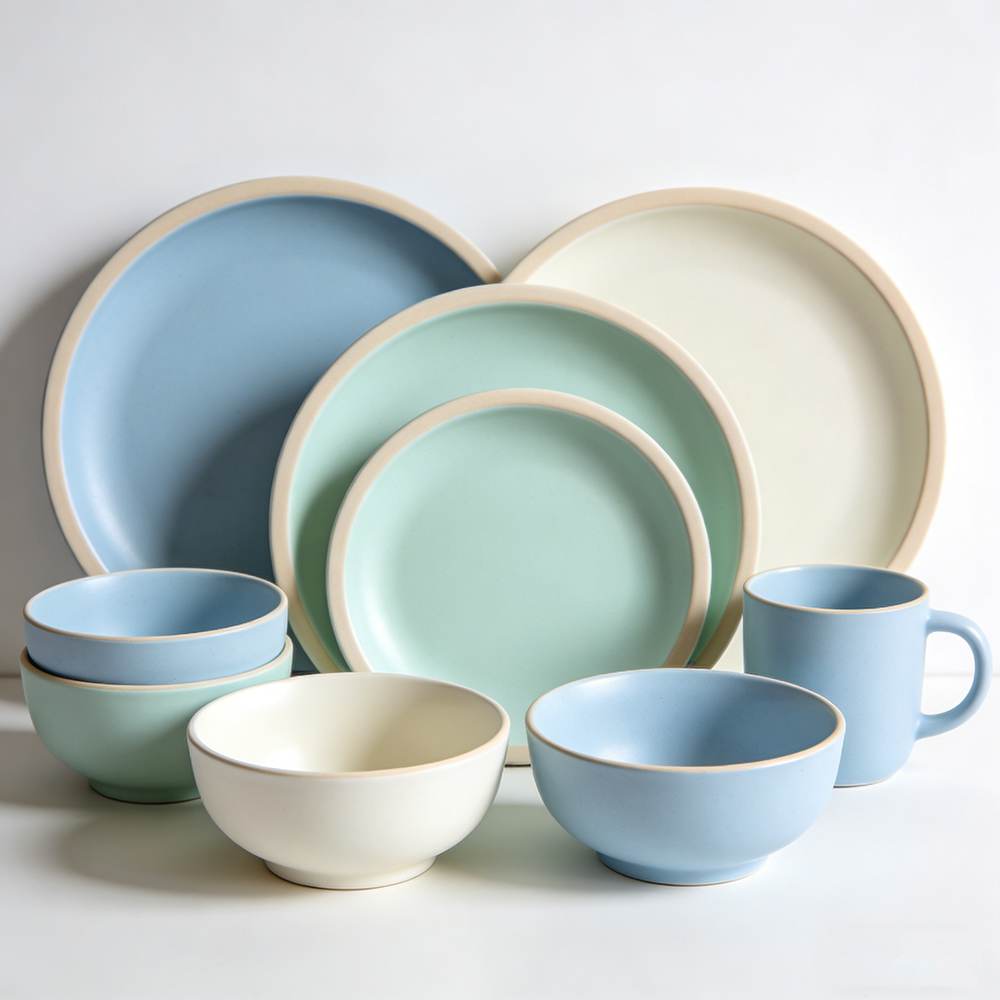
It’s late at night in a bustling assisted-living dining hall. The room is filled with the aroma of fresh bread and vegetables, but not every guest is enjoying their food. Margaret, 78, is battling with arthritis and the early stages of dementia. Even lifting a fork feels like a struggle. Across the table, Mr. Jackson trembles as he tries to lift a heavy plate, spilling food more often than not. Just the picture gives an idea that the senior living dining program is not about flavor or presentation. Every bite and every dish relies on healthcare food service equipment. We need tableware that’s lightweight and easy to grip. It must be designed to give independence and dignity back to those who need it the most. Why is Healthcare Food Service Equipment for Senior Living Dining Important In a senior living community, many people have limited dexterity. It makes them more dependent on the staff and accessibility features around the facility. They often need the same level of support at the dinner table, too. Healthcare senior living tableware, hence, must be procured and designed in a way that it’s safe and ergonomic for use. Afterall, healthcare food service isn’t just about filling plates; rather, it’s a vital part of recovery and important for the patients’ comfort and independence. That is the top reason why hospitals and senior living facilities spend billions each year on supplies, equipment, and foodservice operations. Senior healthcare facilities and hospitals are increasingly relying on tableware that is durable and sterilisable. There’s a dire need for ergonomic assisted living dinnerware that reduces the risk of spills and supports the patient’s nutrition. As per research, even tiny improvements to the plate design, such as adding portion cues, can influence food choices and portions in these dining environments. Research also shows that using high-contrast tableware can increase food intake in memory care residents by 25–30%. However, unfortunately, many facilities continue to use standardized institutional plates, which creates challenges for residents and extra work for caregivers. Healthcare Senior Living Tableware: Who Is It Designed For? Healthcare senior living tableware must support the unique needs of both residents and the staff. From hospitals to long-term care communities, accessible and durable dinnerware helps improve safety, nutrition intake, and independence during meals. Hospitals In the hospitals, there’s a need for tableware that withstands intensive daily use while meeting strict sanitation standards. Patients in acute care settings may be temporarily immobile due to surgery, injury, or other illnesses. Hence, they need lightweight plates with easy-grip rims and spill-resistant designs. This way, they can eat more independently while minimizing spills, cleanup, and the need for staff assistance. Assisted Living Communities In assisted living dining programs, residents want both independence and a pleasant dining atmosphere. The tableware must balance functionality with presentation. Accessible dinnerware that is lightweight and easy to handle allows residents with mild mobility challenges to eat comfortably while maintaining a restaurant-style dining experience. Memory Care Facilities Memory care dining requires specialized tableware designed to support residents living with dementia or those on a cognitive decline. High-contrast plates and bowls can help them visually distinguish food from the plate surface, making meals easier to make out and consume. Sectioned plates, color-coded designs, and simple layouts can encourage independent eating and reduce confusion during mealtime. Rehabilitation and Long-Term Care Centers Facilities supporting stroke recovery, Parkinson’s disease, arthritis, or other neurological conditions require dinnerware that supports safe self-feeding. Plates with raised edges, non-slip bases, and stable designs can help residents maintain control, reducing their frustration while eating. How Poorly Designed Tableware Impacts Seniors In the healthcare service and senior living dining settings, the tableware design directly affects the residents’ nutritional intake. The emphasis of the meal is to help the patients recover and regain their independence. Using highly aesthetic designs or standard tableware in this context only makes mealtime harder and more work for the staff. Physical Accessibility According to research, by the age of 75, the average grip strength declines by about 30 to 40% compared to the peak adult strength. As people age, physical changes continue to take place in their bodies, and fine motor skills continue to weaken. Many people struggling with arthritis, undergoing poststroke recovery, or Parkinson’s disease are also limited in dexterity. Their limitations directly affect the way they interact with the serving plates and utensils. If we use heavy or smooth-edged tableware in such a situation, it only increases the risk of spills and dependence on the staff’s assistance. It takes them longer to finish the meal, and often they develop an aversion to eating. Cognitive and Visual Accessibility In cases of dementia and Alzheimer’s, the ability to visually identify food and utensils can be affected. Foods that blend into low-contrast background plates are hard for them to make out and eat. So, a higher contrast is much needed in such cases. We can use colored tableware or designs and patterns that make the food easier to understand, thereby reducing their frustration. Operational Burdens If the tableware is inaccessible for the residents in any way, the care staff have to spend extra time feeding them. That leads to lost labor hours, which could otherwise have been invested in offering personalized care services or other productive activities for the patients. Safety and Risk Mitigation in Healthcare Food Service Equipment Safety is the priority in healthcare and senior living dining. The right tableware can make meal times safe, easy, and reduce the staff burden. Infection Control and Sanitation Senior living facilities and hospitals are high-risk environments where things easily get contaminated and foodborne illness is spread. The tableware must be frequently cleaned as per the FDA and CDC guidelines. In such an environment, Brett’s Custom Porcelain Dinnerware, Bone China Dinnerware, and antimicrobial melamine are the top choices given their durability and pathogen resistance. Spill Prevention The prime concern in serving meals to the elderly is spills and falls. Since the meals are often consumed in wheelchairs with limited upper body controls, tableware design must be standardized