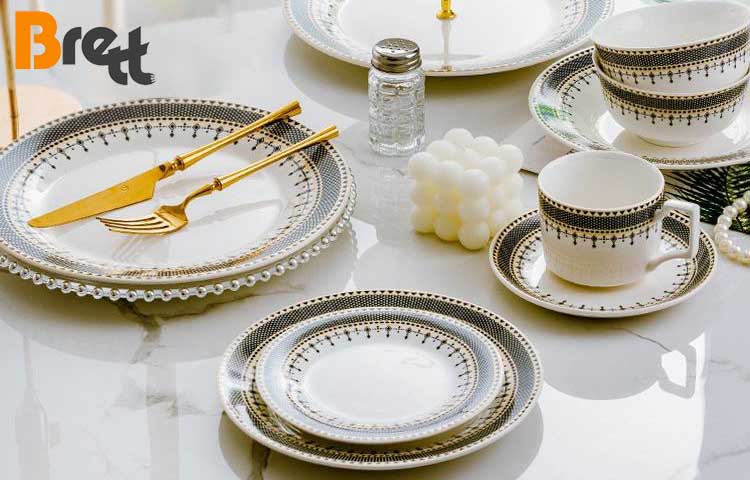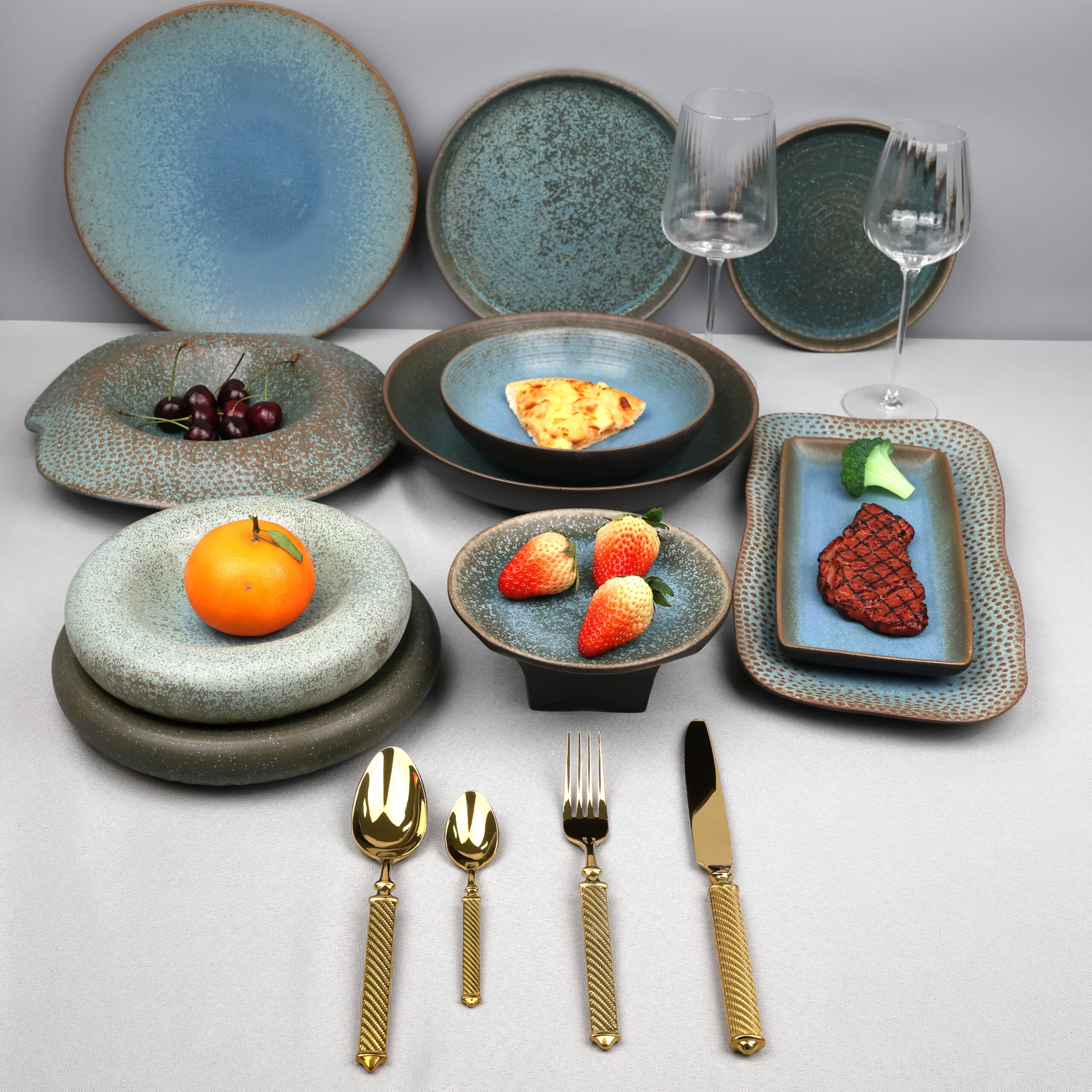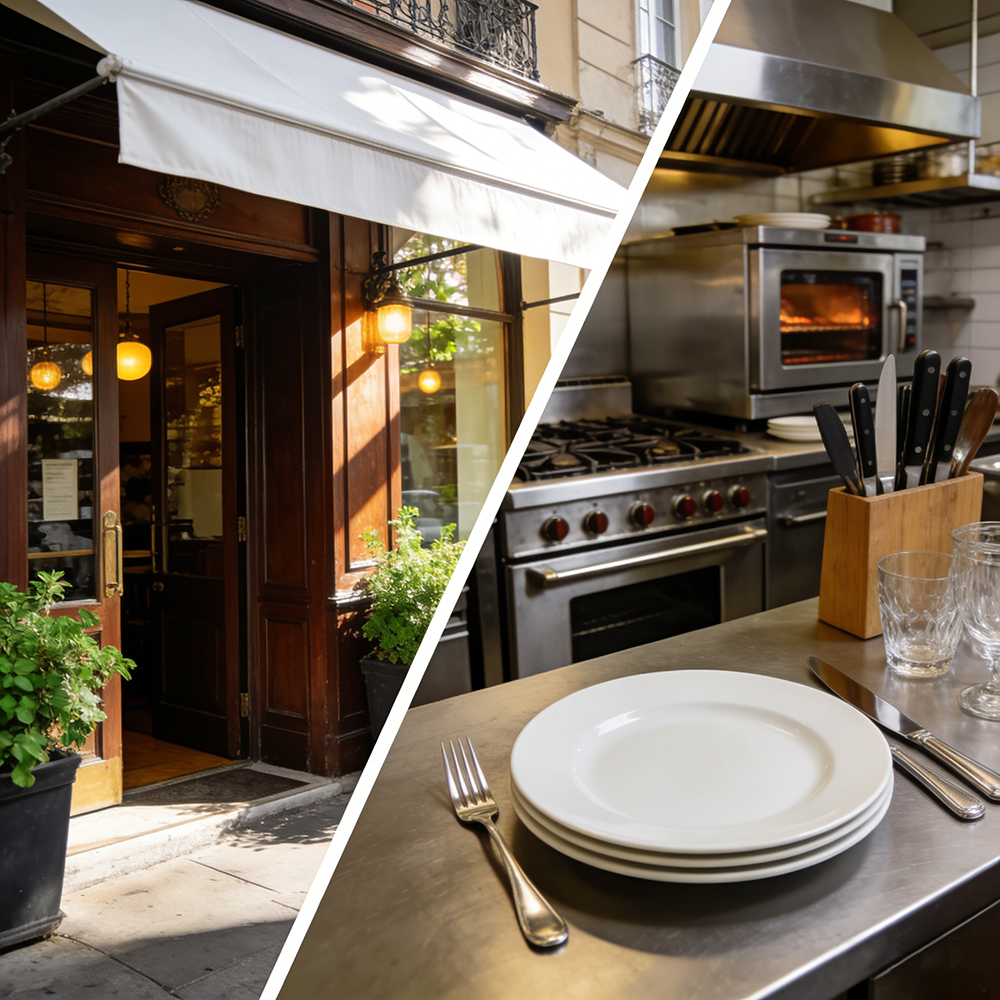
Starting a restaurant means making hundreds of purchasing decisions before opening day. Your restaurant equipment list is one of the biggest capital commitments you’ll make, and getting it wrong is expensive. Most guides cover the kitchen hardware, the ovens, the ranges, the fryers, and then treat everything else as an afterthought. Two sentences on plates. One line about glasses. Done. That gap costs operators more than they expect. The US restaurant industry is projected to reach $1.5 trillion in sales in 2025, according to the National Restaurant Association. New venues are opening constantly, and the ones that struggle share one thing: they planned the kitchen and forgot the table. This guide covers both. Start With Your Concept, Not a Generic List Before you buy a single piece of equipment, write down what your restaurant actually is. Not the dream version. The operational version. What’s on the menu? How many covers are you running per service? Are guests staying for 90 minutes or turning tables every 30? These answers determine your equipment list, and skipping this step is one of the most expensive mistakes a new operator can make. In our experience working with hospitality clients, the operators who struggle most are the ones who bought equipment based on what looked professional rather than what their concept demanded. A fast-casual bowl shop and a fine-dining steakhouse are not the same restaurant. They don’t need the same kitchen, and they definitely don’t need the same tableware. Buying heavy forged flatware for a counter-service concept wastes budget. Putting melamine plates in a white-tablecloth dining room loses guests before the food arrives. Here’s what your concept should determine before you spend anything. QSR and fast-casual concepts prioritize speed, volume, and durability over presentation. Equipment and tableware should reflect that. Casual and upscale casual dining needs a balance between cost control and guest perception. Material quality starts to matter here. Fine dining and boutique venues should treat tableware as part of the brand, not a line item to cut. Your menu drives kitchen equipment. Your brand drives tableware. Both decisions deserve equal attention. Buying what looks impressive instead of what your service demands creates mismatched setups that cost more to fix later. Core Kitchen Equipment: Cooking, Refrigeration, and Prep Every restaurant equipment list starts here, and for good reason. Kitchen equipment takes up the largest share of most startup budgets, and the decisions you make early set the pace for everything that follows. The goal isn’t to buy everything at once. It’s to identify what your menu genuinely requires on day one and build from there. According to a Bar and Restaurant Industry Survey, 68% of restaurant owners planned to invest in equipment upgrades in 2025, with 53% prioritizing kitchen equipment spending. By 2026, that number is expected to climb as more operators recognize that underpowered kitchens create bottlenecks that hurt service from the first week. Any serious restaurant opening equipment list needs to account for this upfront. Cooking Equipment Every kitchen needs a reliable cooking core for its restaurant equipment list. For most concepts, that means a commercial range or stove, a convection oven, and either a grill or fryer, depending on the menu. Combi ovens are worth the investment for concepts running high volume across multiple preparations since they handle roasting, steaming, and baking in a single unit. Start with versatile equipment and add specialty items only when the menu demands it. A wood-fired pizza oven is essential for a Neapolitan concept. For a modern cafe, it’s a capital expense that adds no value. Your restaurant supplies checklist should reflect what you actually cook, not what a generic template suggests. Refrigeration and Cold Storage Cold storage is one of the areas where new operators consistently underestimate their needs. A commonly used sizing rule puts it at roughly 1 cubic foot of refrigeration per $75 to $100 of daily sales. Walk-in coolers make sense for high-volume kitchens processing large ingredient quantities. Reach-in units work for smaller operations with tighter kitchen footprints. Ice machines are easy to overlook and expensive to add later. Factor them into the initial plan, not as an afterthought. Food Prep and Processing Prep tables, cutting boards, food processors, commercial mixers, and slicers form the backbone of daily kitchen operations. The right configuration depends entirely on your menu. A bakery-forward concept needs a heavy-duty mixer from day one. A poke bowl concept needs efficient cold prep surfaces and slicing capacity. Prioritize equipment that your kitchen will use for every service. Specialty tools can follow as your operation grows. Tableware and Dinnerware: The Most Overlooked Equipment Decision Most restaurant equipment lists spend three pages on kitchen hardware and one sentence on plates. That sentence usually says something like “purchase dinnerware as needed.” It’s the kind of advice that sounds reasonable until you’re six months into service, replacing chipped porcelain for the third time, and realizing the pattern you chose has been discontinued. Tableware is a strategic decision. Your custom dinnerware is the first physical thing a guest interacts with at the table, before the food arrives, before the server speaks. It sets an expectation. Getting that decision right from the start is one of the highest-return investments in your restaurant opening equipment list. Choosing the Right Material The material you choose determines how long your plates last, how much you spend replacing them, and how well they hold up through daily dishwashing cycles. Here’s how the main options compare. Porcelain is the standard for fine dining. It looks clean, holds heat well, and photographs beautifully. The porcelain tableware marketis expected to witness steady growth between 2025 and 2035, driven by increasing consumer preference for premium dining aesthetics, which tells you something about where guest expectations are heading. The trade-off is durability under pressure. Custom porcelain dinnerware works well for controlled service environments where staff are trained, and handling is careful. Bone chinacarries a premium look with a surprisingly strong build for its weight. It chips less at the edges than standard porcelain, which is why