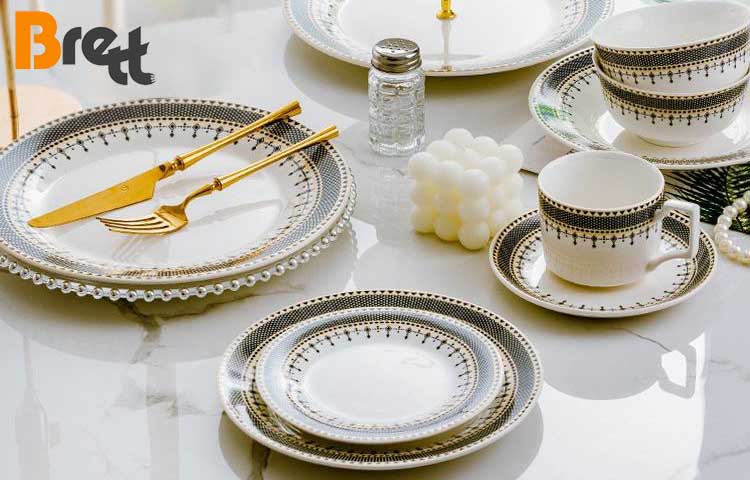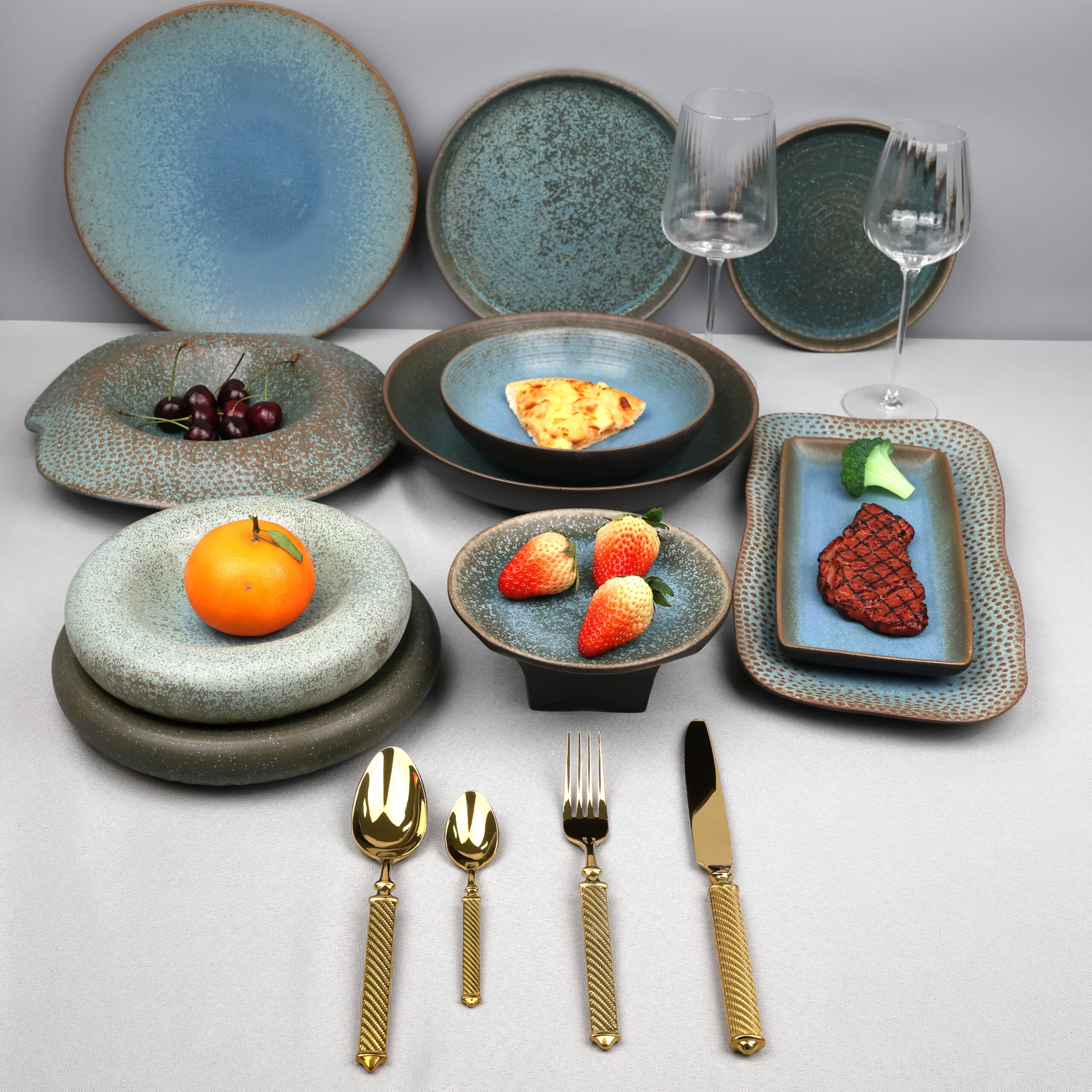
The global events and hospitality industry continues to grow, driving increasing demand for professional dinnerware rental services. From weddings and corporate banquets to large-scale conferences and private parties, rental companies must maintain inventory that balances durability, style, and cost efficiency. For rental operators, choosing the right dinnerware is not just about aesthetics—it directly affects operational efficiency, replacement costs, logistics, and customer satisfaction. This comprehensive guide explores how dinnerware rental companies can make smarter purchasing decisions to build a profitable and scalable inventory. Why Procurement Strategy Matters for Dinnerware Rental Businesses Unlike restaurants that use dinnerware in a single location, rental companies must manage high turnover, transportation, and frequent washing cycles. According to IBIS World, event rental businesses rely heavily on asset utilization and durability to maintain profit margins, meaning the quality of rental inventory directly influences long-term ROI. A well-planned procurement strategy helps rental businesses: Reduce breakage and replacement frequency Standardize inventory for operational efficiency Expand service offerings to different event types Improve client perception and brand positioning Key Factors to Consider When Buying Dinnerware for Rental 1. Durability and Material Selection Durability is the most critical factor because rental dinnerware undergoes constant handling, stacking, transport, and industrial washing. Popular Materials Porcelain– Durable, chip-resistant, and suitable for most events Bone China– Lightweight with a premium look, ideal for weddings and luxury events Stoneware– Rustic aesthetic, heavier, suitable for casual events Melamine– Highly durable and lightweight for outdoor use Porcelain remains a preferred commercial material due to its vitrified structure, which provides strength and low water absorption, as explained in Wikipedia’s ceramics overview. 2. Stackability and Storage Efficiency Rental companies often manage thousands of pieces. Plates and bowls should: Stack securely without slipping Maximize storage density Fit standard transport crates Efficient stacking reduces warehouse space and lowers labor costs during packing and sorting. 3. Versatility Across Event Types The most profitable rental inventories are versatile enough to work across multiple event styles. Essential Core Pieces Dinner plates (10–12 inches) Salad or appetizer plates Soup or pasta bowls Dessert plates Charger plates (optional premium add-on) Neutral designs—such as classic white—are widely preferred because they suit nearly any décor theme. 4. Weight and Handling Heavier plates feel premium but may increase: Transportation costs Breakage risk during handling Labor fatigue Rental companies often choose medium-weight commercial-grade dinnerware that balances durability and efficiency. 5. Replacement and Availability Consistency is crucial in rental operations. When expanding inventory or replacing broken pieces, it’s important that the same product line remains available. Choose suppliers who: Maintain long-term product continuity Offer stable supply chains Provide quick replenishment 6. Cost vs. Lifecycle Value Instead of focusing solely on unit price, rental companies should evaluate cost per use. For example:A plate costing $3 that lasts 300 uses is more economical than a $2 plate lasting 100 uses. Lifecycle value includes: Breakage rate Replacement cost Cleaning efficiency Storage and logistics costs Types of Dinnerware Rental Companies and Their Needs Wedding & Event Rental Companies Focus on aesthetics and premium presentation: Bone china or fine porcelain Charger plates Decorative rim designs Corporate & Conference Rentals Prioritize durability and consistency: Plain white porcelain Stackable designs Large inventory volumes Outdoor & Catering Rentals Require lightweight and impact-resistant materials: Melamine plates Reinforced porcelain Scratch-resistant finishes Design Trends in Rental Dinnerware Rental companies must keep up with changing event trends to remain competitive. Minimalist White Collections: Timeless, flexible, and cost-effective. Textured or Matte Finishes: Adds visual interest for modern weddings and upscale events. Mix-and-Match Styling: Combining charger plates with classic dinnerware for customizable packages. Sustainable Materials: Growing demand for eco-conscious events encourages durable, reusable dinnerware to reduce waste. Supplier Selection Criteria Choosing the right manufacturer or distributor is as important as selecting the dinnerware itself. Look for Suppliers Who Offer: Commercial-grade products OEM/ODM customization Stable lead times Global shipping capability After-sales support Strong supplier relationships can reduce procurement risks and ensure consistent inventory quality. Sustainability and Environmental Impact Sustainability is becoming a key differentiator for rental companies. Reusable dinnerware significantly reduces event waste compared to disposable alternatives, aligning with environmental best practices in the catering industry. Many rental companies now promote their services as a sustainable alternative, highlighting reduced landfill waste and lower carbon impact. Common Mistakes to Avoid Buying overly trendy designsthat quickly go out of style Ignoring replacement availability, leading to mismatched sets Underestimating breakage rates Choosing non-stackable designsthat increase storage costs Prioritizing low price over durability Avoiding these mistakes helps maintain a professional inventory and stable profit margins. Future Outlook for the Dinnerware Rental Industry The growth of experiential events, destination weddings, and large-scale corporate gatherings continues to drive demand for rental services. Technology such as inventory tracking software and logistics automation is also improving efficiency across the sector. As the market evolves, rental companies that invest in durable, versatile, and aesthetically adaptable dinnerware will be best positioned to scale operations and meet diverse client expectations. Conclusion For dinnerware rental companies, procurement decisions directly impact operational efficiency, brand image, and profitability. The ideal rental dinnerware should combine durability, versatility, stackability, and long-term availability, while also aligning with event trends and customer expectations. By focusing on lifecycle value rather than upfront cost—and partnering with reliable dinnerware suppliers—rental businesses can build a resilient inventory that supports growth and delivers consistent event experiences.