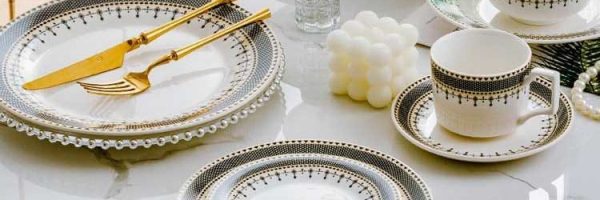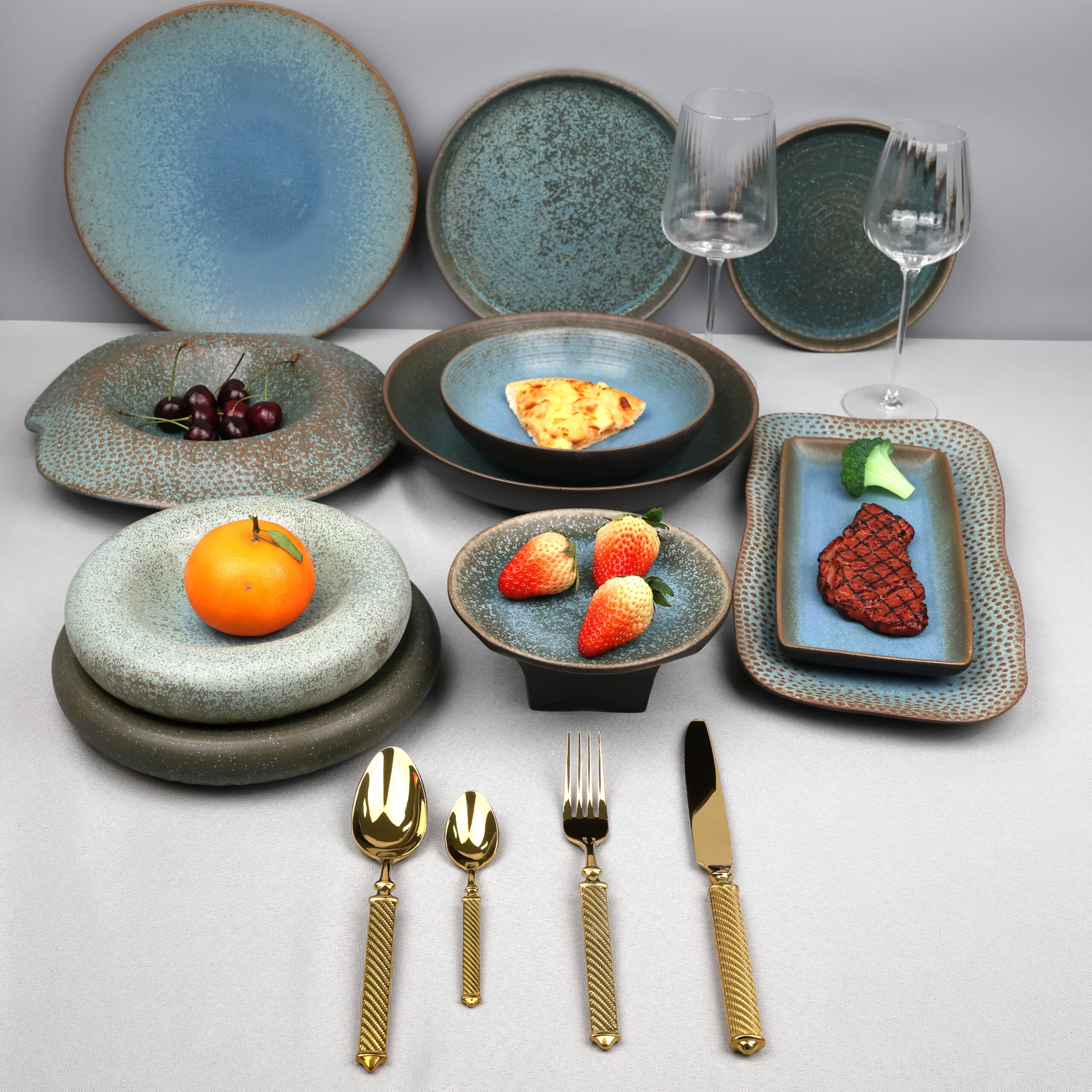
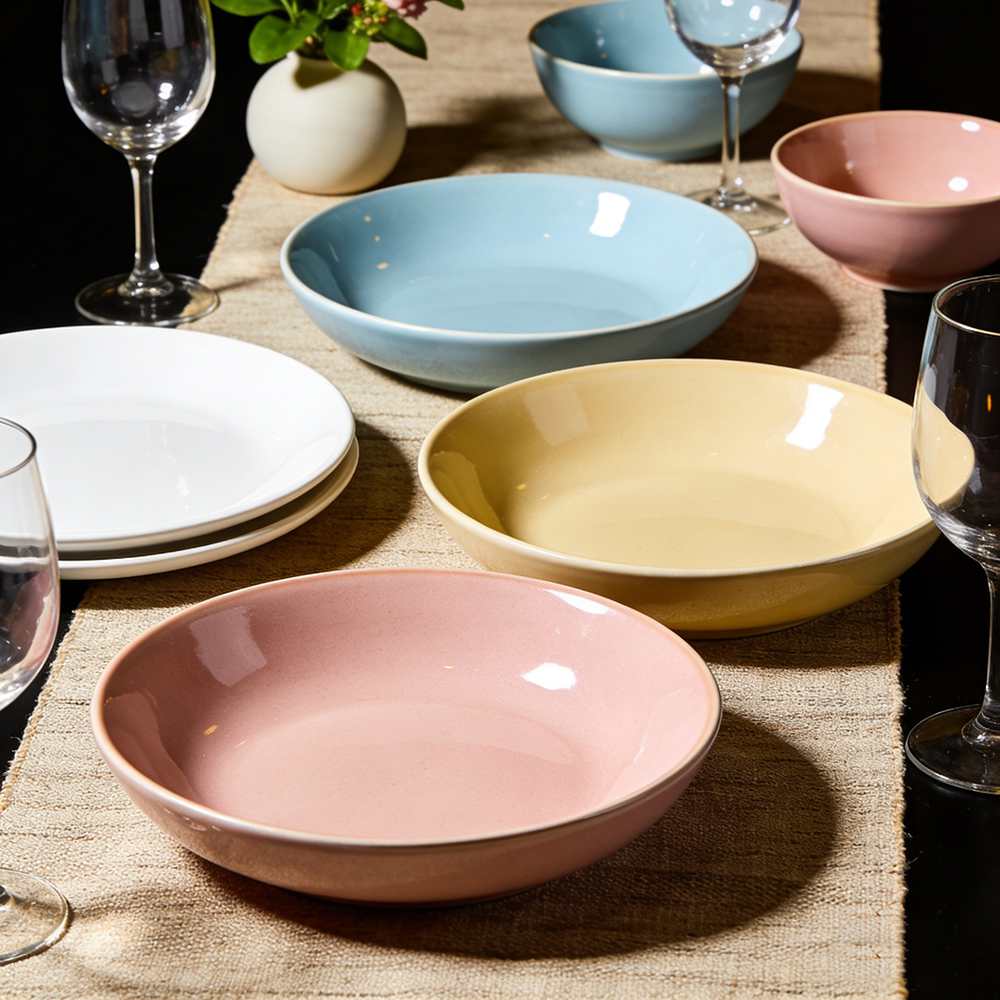
You walk into an intricately designed restaurant. Everything looks on point and beautiful. The lightning, the ambience, and the aroma of delicious food, all about the place, are inviting. But then you notice the plates. They stand out more than they should, and that, too, not in a good way. Dinnerware color today is no longer something you just put off to the last minute. It is part of the whole theme and customer experience. Apart from the very basic stark white today, we see a lot of warmer and earthier palettes. We have bold to pastel colors that look amazing on Insta, too. The color of the plate matters so much that you are judged before the first bite even lands in the mouth of the guest. Let’s talk about dinnerware color trends 2026. The Big Shift From Matching Sets For decades, hotels, restaurants, and event managers have played it safe with dinnerware colors. They chose one color, one size, and one finish. One matching set was used for all occasions, tables, and outlets, making it easy to source and replace. (Unfortunately, it was also quite easy to forget!) So today, we see hotels and restaurants moving towards creating intentional color schemes. They spend a lot of time and effort bringing color to the table without creating chaos. The plates, bowls, platters, and all other serving pieces are selected to work together visually. Like, they use ceramic tableware colors, and so the table looks better in photographs and Insta. It gives food a sense of depth that was initially lacking with flat, white sets. Pairing a warm neutral plate with a slightly darker bowl or a contrasting charger gives another dimension to the food. It makes things look well thought out and planned. These mixed and intentional palettes also increase the life of your dinnerware. Minor chips and glaze variations blend in better on earthy or jeweled-tones compared to white. Industry reports cite that the demand for mix-and-match tableware is rising, with an approximately 18% increase since 2024. Top Three Dinnerware Color Trends 2026 Dinnerware color trends in hospitality are designed based on certain elements. They are selected by keeping in view the space and how the businesses operate every day. Eyeing closely, you’ll see there are actually three broad categories of custom dinnerware colors that dominate the hospitality dinnerware design in 2026. Earthy Neutrals First off, you’ll see earthy-toned dinner plates as the top dinnerware color trend for 2026. There are different tones like clay, warm sand, terracotta, limestone, mushroom gray, and the like. These are loved because they solve a number of problems for event managers: Grounding: These tones do not compete with the main serving. Rather, they make them look rich and intentional. Hide Chips and Scratches:The earthy tones are very good at hiding minor scratches and chips (where white can be the least forgiving). Consistency:When used in high-volume restaurants, earthy dinnerware looks consistent and lasts without needing replacement for years. Depth: When different glazes are used in a combo, it feels like the spread is handcrafted. It shouts premium quality. Authenticity: Earthy dinnerware goes with all boutique restaurants, hotels, farm-to-table restaurants, resorts, and a host of other venues. That’s because it looks authentic. Deep Nature and Jewel Tones Many spaces layer their serving dishes in olive, forest greens, basal black, and stormy blue hues. But there’s a catch. Choosing the wrong shade or overly glossy finish can give off cheap vibes. The colors need to be aligned strategically. Usually, the best option is to go with neutral base plates like cream or bone white colors. Then, combine them with a deep green bowl or salad plate. Playing with contrasts makes it less overwhelming, yet the courses stand out visually. Jewel tones like emerald, deep navy, cobalt, burgundy, etc., too, are meticulously selected as intended accents. Here’s why: Drama: Deep nature tones bring drama to the table. They subtly elevate the perceived value as they trigger strong emotions. Luxury Feel: When used in the right combos, these make the food and setting feel more luxurious and well planned. Trending:Since the pandemic, hospitality dinnerware design is no longer minimalistic. Today, it has personality and depth. Rich:If you do not want to invest further in elaborate decor, just use deep ceramic tableware colors. These alone can make the ambience feel rich and confident. Soft Whites and Muted Washes Since we are talking colors and hues, you might be thinking, “Is white really out of style this year?” Short answer: No. But it definitely has evolved. Instead of using stark white, we now have options like eggshell, cream, and bone white. There are also pastel and other softly washed tones like blush, sage, pale blue, ash rose, and terracotta. Each piece makes the serving look appealing yet balanced. Neutral: These colors look neutral. They make the meal feel warm and intentional. Modern: The look gives off modern vibes. Photogenic: These tones also perform better on camera than white. Create a Difference: Muted washes and reactive glazes also make each serving look slightly different, which makes things visually interesting. It makes people feel that everything is consistent with the decor. Ideal For: This type of color family is best for contemporary cafés, concepts, lifestyle hotels, and wellness spaces Why Are These Color Trends Dominating 2026? In 2026, you can’t let your dinnerware’s color work on its own. To stand out in the competition, you need to respond to the way your guests want. You have to keep up with the market and how other event venues are performing. So, although dinnerware color is about appeal, behind these bold tones are the cultural shifts and psychological triggers. Let’s take a look at the ‘way’ behind these dominating color families. Let’s learn why they are leading the markets in 2026. Earthy and Natural Colors Natural energy, like warm sand, terracotta, and soft caramel, indicates authenticity and connection to nature. Today, diners expect sustainability as a core value. It’s no longer an option or add-on.
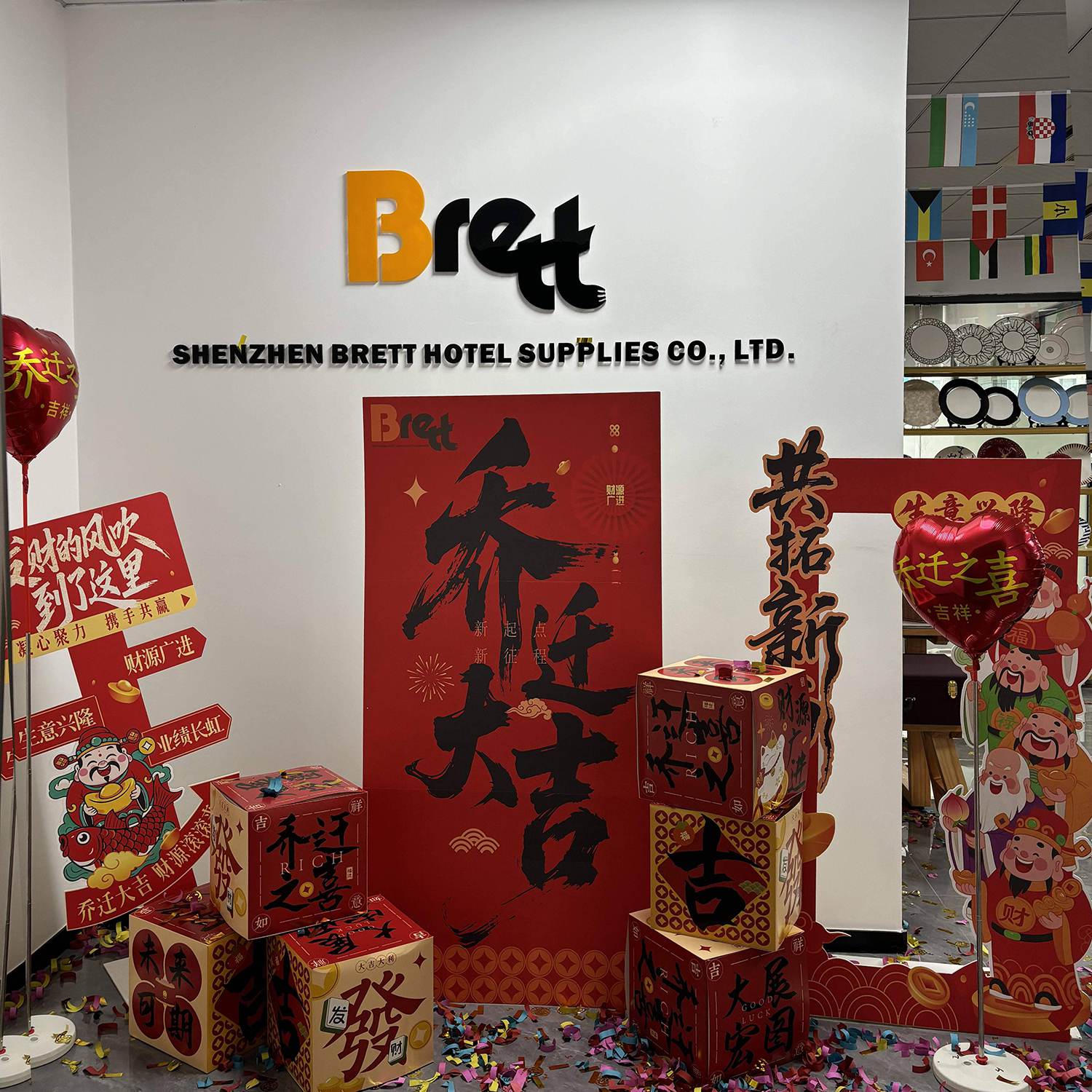
Brett Relocates to a New Office — A Warm Thank You for Joining Our Officewarming Ceremony
We’re excited to share an important milestone: Brett has officially relocated to our new address! To mark this new chapter, we recently hosted a housewarming ceremony at our new site, and it was truly an honor to celebrate together with so many wonderful people. We would like to extend our heartfelt thanks to all the friends, partners, and customers who took the time to visit, congratulate us, and share their kind wishes. Your support and encouragement mean a great deal to us—this celebration was made special because of your presence. This move represents more than just a change of location. It reflects Brett’s continued growth and our commitment to delivering even better service, stronger collaboration, and consistent quality for every project we support. With improved facilities and a refreshed working environment, we’re ready to serve you more efficiently and create even more value together. Once again, thank you for being part of this exciting moment. We look forward to welcoming you at our new location and continuing our journey together. https://youtu.be/3Fs2RDVjkyk?si=wpdJFY-LKPUemlIE Brett New address: Linrun Intelligent Valley, No. 1, R&D Route 5, SongShan Lake, Dongguan City,Guangdong Province Tel/WhatsApp: +86 13535413512 Email: ann@chinabrett.com
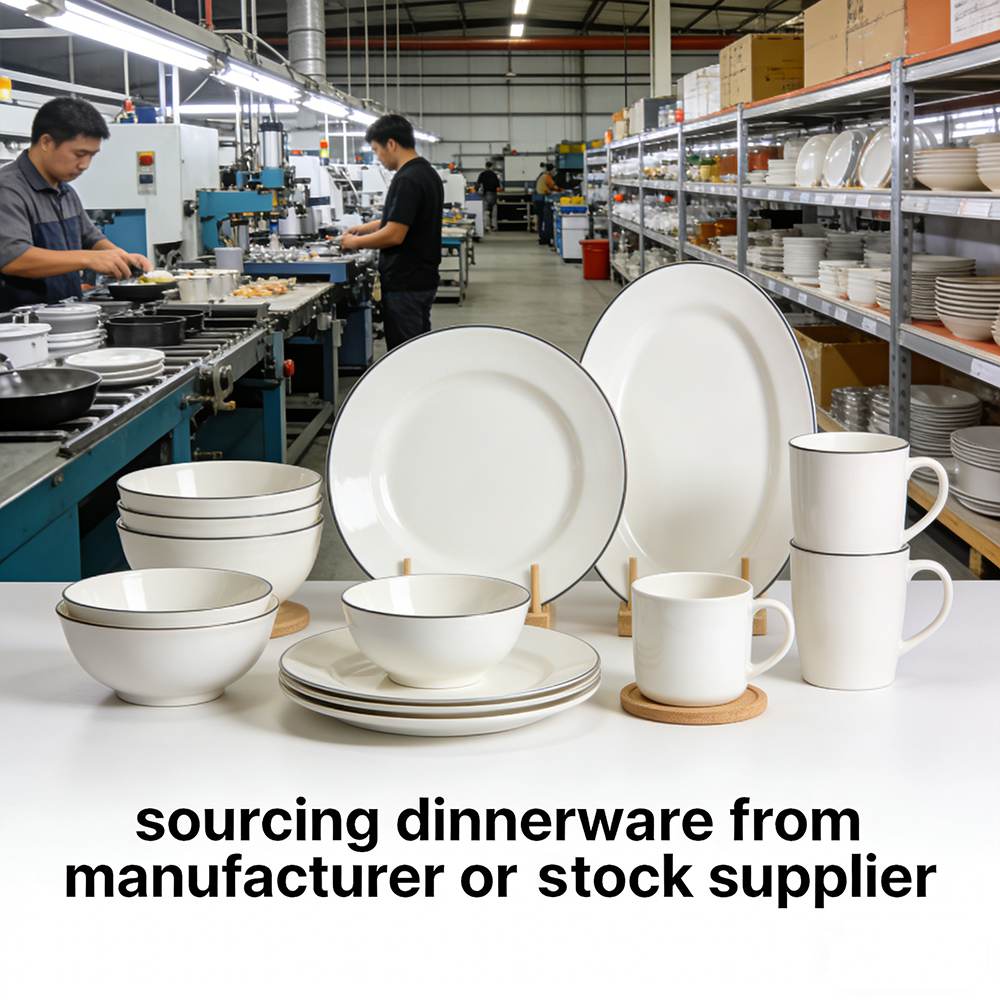
Sourcing Dinnerware From Custom Manufacturers vs Stock Suppliers: Complete Buyer’s Guide
Choosing between custom dinnerware manufacturers and stock dinnerware suppliers is one of the first big decisions in hospitality procurement, and it affects more than just what ends up on the table. For example, a hotel opening needs consistency across outlets, a restaurant wants a signature look guests remember, and a catering company needs reliable reorders when replacements come up. In that moment, many buyers go with what’s easiest to order, not what’s the smartest long-term. This guide breaks down both options clearly, so you can choose based on cost, timelines, durability, brand control, and reorder stability. Stock Catalogs vs Custom Manufacturing: How You’re Sourcing Dinnerware Stock dinnerware (ready-made catalogs) is the “pick it, order it, move on” route. You’re choosing from collections that already exist, made in bulk, and sold to lots of buyers at the same time. That’s why it feels easy. A restaurant that needs plates for next month’s opening can grab a clean white coupe plate from a large supplier, add a small logo on the rim, and be plating food within a couple of weeks. The trade-off is that the design is shared. If another venue down the road orders the same collection, your tables may start to look familiar. And if you prefer a specific glaze or design, you’re still at the mercy of the catalog. If it gets discontinued, your reorder becomes difficult to match. Custom dinnerware (OEM/ODM manufacturing) is a different kind of purchase. You’re not buying what exists. You’re commissioning what you want. In OEM, you bring the design (or a clear spec), and the manufacturer produces it to your requirements. In ODM, you bring the brief and constraints. For example, your specifications are matte ivory, wider rim, stack-safe, chip resistance, and a bowl that looks deeper than it is. The manufacturer develops options, then refines them with you. This is why boutique hotels prefer custom dinnerware options. They want a signature plate that matches the room palette, the menu style, and the photography. It takes longer because samples, molds, and production planning have to happen first, but the payoff is control and long-term repeatability. Practical Difference Stock is fast and budget-friendly upfront, but you’re working with someone else’s choices. Custom takes patience and more setup cost, but it turns dinnerware into a repeatable system you can reorder, expand, and keep consistent across years and locations. Cost Comparison: Upfront vs Long-Term In hospitality procurement, the dinnerware cost comes down to timing, replacement risk, and how stable your supply will be over the years. With stock dinnerware suppliers, the upfront cost is usually lower. You are buying a ready-made line, available immediately or with a short lead time, which helps a tight procurement budget. For a new opening, that speed can matter more than anything. The cost shows up later through breakage replacements, wear-related refreshes, and pattern changes. If a line is discontinued, the same dinner plate becomes a new purchase decision, sometimes across multiple vendors. With custom dinnerware manufacturers, the upfront cost is typically higher because you are funding development work (sampling and, in many cases, molds). Over time, the custom manufacturing cost can stabilize because reorders run from archived molds and glaze formulas. That reduces mismatch risk, limits reorder premiums, and often cuts admin time through a single supplier relationship, especially important in hotel procurement and multi-location operations. Factor Stock Dinnerware Suppliers Custom Dinnerware Manufacturers (OEM/ODM) Upfront Cost Lower to mid-range Mid-range to higher Long-term supplier pricing Can rise with discontinuation More stable on reorders Replacement Risk Higher (match issues) Lower (archived specs) Procurement Overhead Higher (more vendors) Lower (one partner) How Long Does Dinnerware Sourcing Take From Stock Suppliers vs Custom Manufacturers? For hospitality procurement, the dinnerware lead time is the make-or-break constraint. With stock dinnerware suppliers, timelines are usually simple, as many core items ship immediately, and if something is not on the shelf, the typical production timeline is about 1 to 2 weeks. If you add branding through logo printing on an existing line, plan for 2 to 3 weeks after artwork approval. Reorders tend to follow the same pattern, which is why stock feels predictable when you are opening fast or replacing pieces on short notice. With custom dinnerware manufacturers, the custom manufacturing timeline is longer because you are building the product before you buy it. Here’s a quick breakdown. Phase 1: Design Brief, Sampling, and Approvals This focuses on translating your concept into clear specifications, confirming the ceramic material and glaze finish, and reviewing prototype samples until the final design is approved. Phase 2: Mold Development and Fit Testing This is where the manufacturer builds or adapts molds and runs fit testing. This step can take anywhere from 1 to 4 weeks, depending on whether an existing mold can be modified or a new mold must be created and validated. Phase 3: Production, Quality Checks, and Packing This process covers raw material sourcing, firing cycles, inspection and consistency checks, and packing and logistics coordination, which commonly adds up to 7 to 10 weeks of production time. Which Option Delivers Better Quality: Stock Suppliers or Custom Manufacturers? Quality in hospitality is about dinnerware durability under commercial dishwashing, chip resistance in stacking, and whether reorders still match when you need replacements. That is where the difference between stock dinnerware suppliers and custom dinnerware manufacturers becomes clear. Stock Dinnerware Suppliers Stock lines are built for speed and availability, but quality and consistency depend heavily on the specific catalog tier you choose. Quality Variability by Tier Stock lines range widely. For example, high-end brands can deliver commercial-grade dinnerware with strong finishes and reliable food-safe dinnerware documentation. Mid-range catalogs are often acceptable for many restaurants, but performance can vary by collection. Budget imports are the most unpredictable; for instance, glaze hardness and rim strength can be inconsistent across batches. Durability in Service In commercial settings, premium stock may last years with manageable replacement rates, while mid-range and budget pieces tend to cycle out faster through chipping and glaze wear. The core