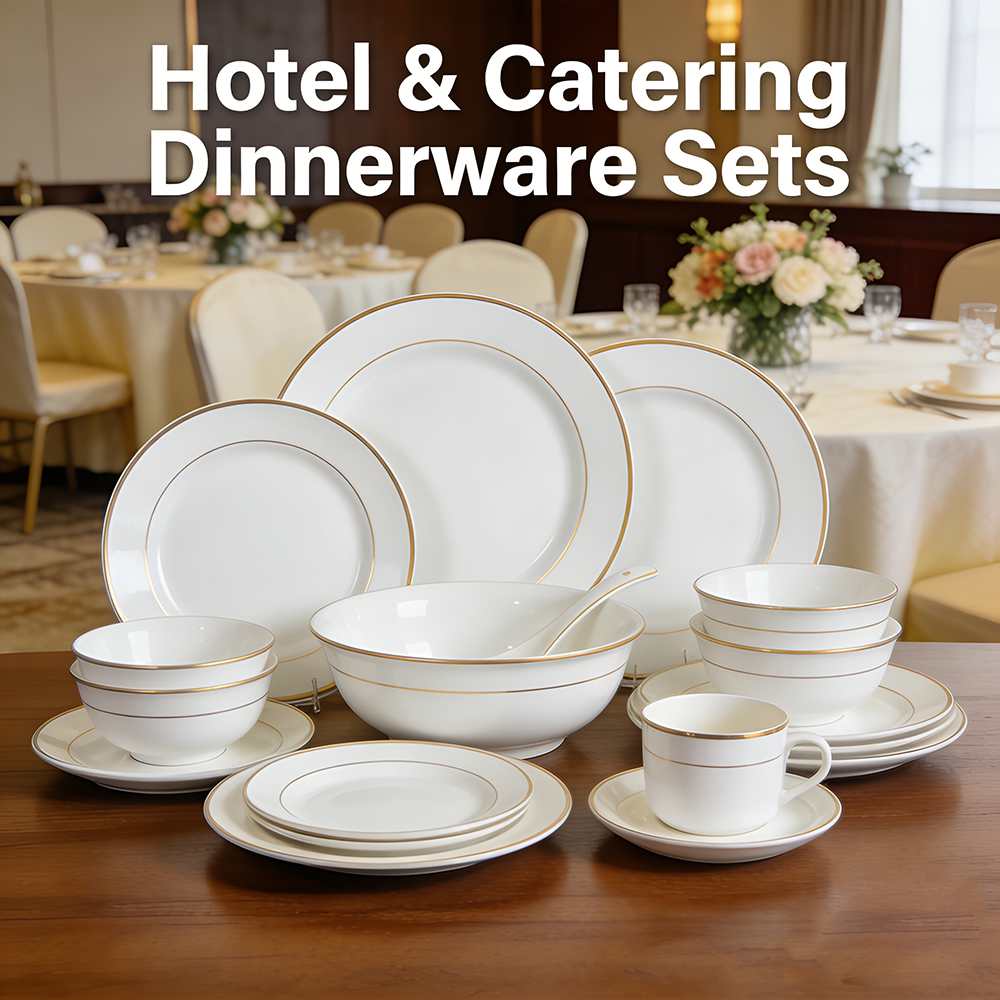
Commercial dinnerware sets are not just dinner plates and a few soup bowls. They’re the full table experience. Most hotels, caterers, and venues buy tableware in pieces, not as a whole dinnerware system, and that is where the table starts to look patched together. A wedding service might look perfect from across the room, then feel mismatched up close. A breakfast setup might run fine for a month, then replacements arrive in a different shade of white. That is why complete tableware solutions matter. This guide breaks down what professional venues really need, what to prioritize, and how to source custom ceramic dinnerware without creating procurement chaos. What Goes in a Complete Dinnerware Set? You’ll hear suppliers say “full set” all the time, but in hospitality, complete has a very specific meaning. It means that your dinnerware works as a complete system from plated dinners to breakfast service to banquet setups without forcing you to patch things together at the last minute. Plates: The Base That Sets the Look Your dinner plates (usually around 10 to 11 inches) are the first thing guests notice because they’re the main stage for every entree. That plate sets the tone for the whole table, so the shape, glaze, and color influence how premium the meal feels. Then you have salad or appetizer plates (around 8 to 9 inches). These are small, but they matter more than people expect. For instance, if your starter plate looks like it came from a different collection, the table starts looking mixed even if everything is “white.” And yes, even bread-and-butter plates (about 6 to 7 inches) make a difference. In five-star dining or formal events, these pieces signal that the setup was intentional, not just “good enough.” Here’s the part most teams learn the hard way: even when colors match, wrong proportions ruin the table. A salad plate that feels too small or too wide instantly looks off. Bowls: The Pieces You’ll Use Across Every Service Style Bowls are where a lot of venues unintentionally break the “complete set” concept. You’ll typically need soup bowls for formal dining, cereal or oatmeal bowls for breakfast, and deeper pasta bowls for flexible plating. These pieces carry a huge range of menus. Suppose your hotel runs breakfast daily and hosts plated weddings on weekends. If your bowls don’t match the rest of your dinnerware, your service feels inconsistent in photos and in person. A common mistake is buying bowls separately later. That’s when the scale is wrong, the glaze is slightly warmer or cooler, and the stack height feels different in the kitchen. Cups and Saucers: The Detail Guests Remember in Photos This is where ‘complete dinnerware sets’ separate premium venues from average ones. A coffee cup with a saucer instantly changes the feel of service. It looks polished. It photographs well. It even makes a simple coffee course feel higher-end. Then there are mugs, which are more casual, but they still need to match. For example, if your dinner plates feel luxurious and your mug looks like a random office cup, guests notice. They may not say it out loud, but it drops the impression. When cups share the same glaze tone, rim thickness, and handle style, the table feels like one idea instead of a mix of pieces. Serving Pieces: The Difference Between Nice and Professional Serving pieces are the part that venues forget during procurement until service starts. Serving platters, covered bowls, and small pieces like creamers or butter dishes may look optional, but they show up in buffets, VIP dining, and banquet service. Suppose your chef is sending out shared starters or your banquet team is doing bread service. If the serving pieces look mismatched, the whole table feels unfinished. And yes, serving pieces are the hardest to match later, because different suppliers use different clay bodies, glaze thickness, and shapes. Why Complete Dinnerware Sets Work Better A complete dinnerware system is not about having more items. It’s about avoiding gaps. You can have beautiful dinner plates, but if the bowls feel random or the cups don’t match, the table stops feeling premium. That’s why hotels, caterers, and event venues should treat dinnerware as a complete dinnerware system, not a one-time purchase of dinner plates. Why Fragmented Dinnerware Sourcing Doesn’t Work On paper, sourcing from multiple vendors sounds flexible. In practice, it’s where most venues lose control of the look, the quality, and the timeline. You might save a little upfront, then spend the rest of the season fixing small issues that keep piling up. Table Doesn’t Look Intentional Suppose your porcelain plates come from one supplier, your soup bowls come from another, and your serving platters come from a third. Even if everything is “white,” the tones rarely match perfectly. One looks warm, one looks cool, one has a different finish. Guests may not say it, but the table feels less premium. Inconsistent Quality Different suppliers use different standards. That’s why one batch feels solid, and the next scratches, chips, or fades faster than you expected. And once pieces break, replacement becomes annoying. Patterns change, finishes get updated, and suddenly your “matching” pieces don’t match anymore. That’s where commercial dinnerware sets turn into a recurring expense instead of a stable investment. When Procurement Turns Into Constant Follow-Up This is the part procurement teams don’t like. Multiple vendors mean multiple invoices, multiple delivery schedules, and more back-and-forth when one shipment arrives late or incomplete. It also adds pressure on staff because handling and stacking can vary between materials. How Professional Dinnerware Systems Work If you’ve ever tried to build a matching set from different suppliers, you already know the problem. The plates look close until you add the bowls. Then the cups. Then the serving pieces. That’s why professional venues lean toward an OEM dinnerware approach when they want consistency, control, and a clean reorder plan. OEM/ODM simply means you’re working with a partner who can design and manufacture your custom ceramic dinnerware as a