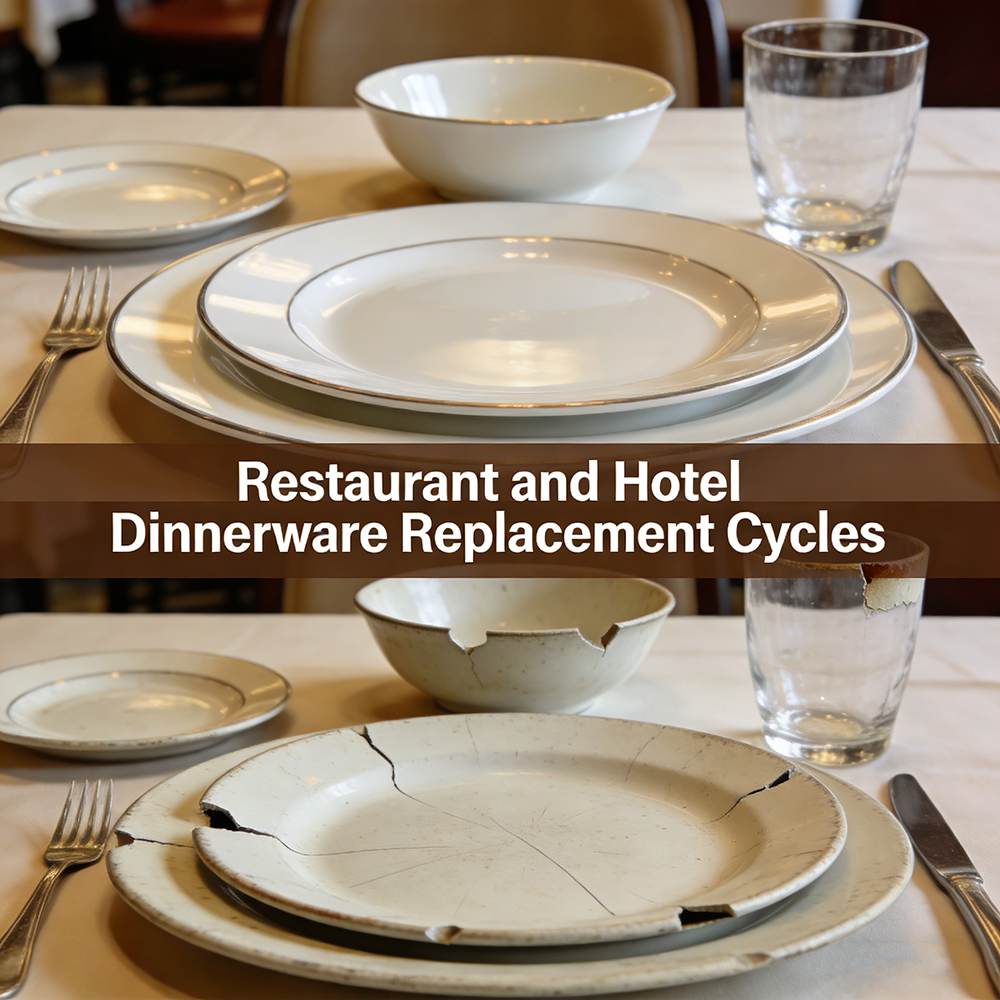
Restaurant dinnerware replacement is one of those things you don’t plan for until it starts causing problems. One chipped plate turns into three missing pieces. A rushed reorder shows up slightly off-white. Suddenly, your shelves don’t match, and staff are rotating plates to hide it. If you run a restaurant or hotel, you’ve lived this moment. Breakage happens during service, clearing, storage, and busy weekends, not because something went wrong, but because that’s how operations work. This guide looks at restaurants and hotel dinnerware replacement cycles in a practical way, so you can plan replacements before they disrupt service, budgets, or consistency. Why You Should Plan Dinnerware Replacement Early Once service is up and running, a rim gets pulled from rotation. A few pieces stop matching the rest. One reorder turns into two. That’s usually the moment operators realize restaurant dinnerware replacement isn’t just one purchasing task; instead, it’s an operational one. Planning early changes how hotel dinnerware breakage shows up on your side of the table. Instead of reacting to losses, you set expectations around dinnerware breakage rate, define replacement windows, and avoid scrambling when inventory thins out mid-season. This is where scheduling earns its place. When you understand the commercial dinnerware lifespan, costs become predictable. You stop guessing how often to replace dinnerware and start managing the dinnerware lifecycle with intent. That control keeps dinnerware replacement cost steady, avoids visual inconsistency, and protects service flow. Early planning doesn’t prevent breakage, but it keeps breakage from disrupting your operation. Dinnerware Lifecycle and Breakage in Commercial Service A plate disappears from the rack, or a stack comes back uneven. Someone in the dish area sets a chipped piece aside and says, “We’ll deal with it later.” Dinnerware lifecycle doesn’t live on a spreadsheet. It only shows up during commercial service. So let’s talk about how the dinnerware lifecycle and breakage rates actually play out when you’re running the floor. What Lifespan Means in Practice When suppliers talk about lifespan, they’re talking about ideal conditions. But you’re dealing with commercial conditions that include staff turnover, busy weekends, and back-to-back shifts. Higher-grade materials such as bone china and premium porcelain dinnerware usually stay in rotation longer. They cost more upfront, yes, but replacements tend to be more controlled. Stoneware brings personality, but you’ll notice pieces dropping out sooner, sometimes because of chips, sometimes because stains just won’t lift. And here’s a quick reminder for you when planning: Melamine isn’t the villain people make it out to be. In casual or high-traffic areas, it can take the stress that ceramics won’t. It’s not for hot plating, but in the right role, it reduces replacement rates. Where Breakage Actually Comes From Most losses don’t happen at the table. They happen behind the scenes. Think about it. A rushed close. Plates stacked too tightly. Dishwasher temperatures pushed higher to save time. New staff are learning to stack the racks quickly. None of that shows up as breakage on day one, but over the week, it adds up. Higher volumes usually mean higher dinnerware breakage rates. Slower, formal service tends to stretch lifespan. That’s why two venues using the same plates see very different hotel plate replacement patterns. What This Means for Replacement Planning So here’s the quick fact to keep in mind: the cost of replacing dinnerware creeps up over time, not all at once. A little reorder here. Another there. When you plan replacement early, you stop reacting. You set expectations. You know roughly how often to replace restaurant dinnerware, which materials need closer watching, and where to spend more versus less. That’s how replacement scheduling turns into control instead of cleanup. Calculating the Cost of Dinnerware Breakage On paper, dinnerware costs look simple. You buy a set, you use it, you replace what breaks. In service, it’s never that smooth. Breakage doesn’t arrive as one big expense. If you’re running a restaurant or hotel, the cost of breakage isn’t just what you pay per plate. It’s how often you’re forced to react instead of plan. Over a few years, replacement spending can match or exceed what you paid at the start, especially when prices increase, and availability tightens. That’s why it helps to look at breakage as a long-term operating cost, not a one-time purchase problem. Replacement Adds Up In fine dining and hotel service, replacements don’t stop after year one. You might lose a smaller batch early on, then a similar amount every year after. Over five years, it’s common for replacement spending to reach a similar level as the initial investment, even without any major incident. And if pricing rises during that time, which it usually does, later replacements tend to cost more than earlier ones. Emergency Replacement Costs This is where budgets really get tested. A few broken plates before service can trigger a rush order with higher prices. Delivery fees also increase. Staff spend time rearranging and managing inventory rather than focusing on service and guests. On the other hand, planned replacements come at a lower price. Operational Disruption When plates run short, service slows down. Tables may also sit longer. In some cases, covers are lost because the kitchen can’t reset fast enough. None of that shows up on an invoice, but you feel it in the shift. How Early Planning Cuts Costs Regular planning helps you avoid rush orders and higher costs, manage price changes, and keep inventory steady. Spending a small amount of time each month reviewing breakage trends can prevent high-cost surprises later. In practice, planning turns breakage from a recurring problem into a controlled expense. Replacement Scheduling and Inventory Models That Work Most restaurants and hotels don’t choose a replacement model on purpose. They fall into one by default. Plates break, service keeps moving, and someone reacts. The difference between stress and control usually comes down to when you order replacements and how much buffer you keep on hand. Here are the three most common ways venues handle dinnerware replacement and how each one affects hotel and
Unique Dinnerware Sets Recommended: Best 5 Choices of Brett
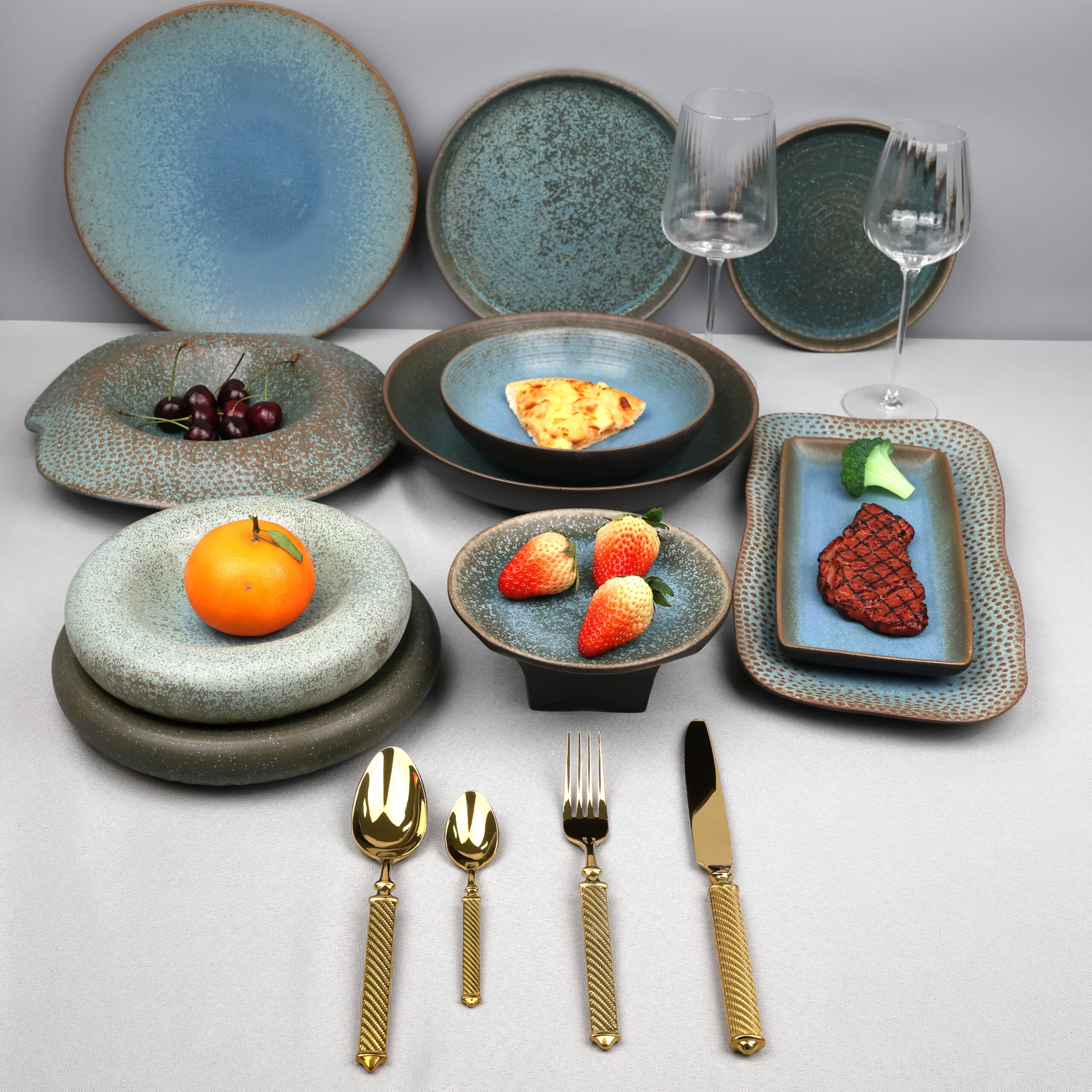
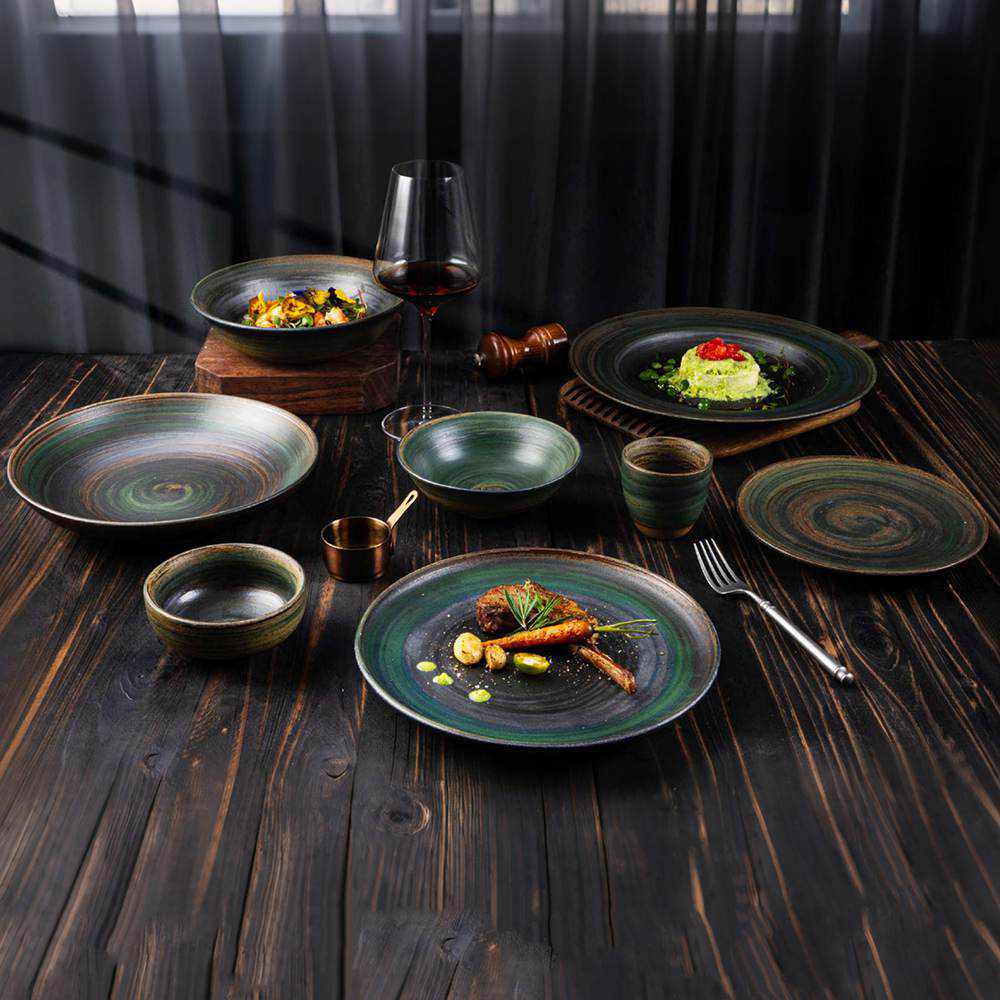
When it comes to defining your tabletop, the right dinnerware can transform a meal into an experience. Whether you’re curating an elegant restaurant menu or outfitting a boutique hotel or stylish home, dinnerware isn’t just functional — it’s visual storytelling. At Brett, our passion lies in discovering and crafting unique dinnerware sets that bring personality, craftsmanship, and a sense of occasion to every table. Here are our top 5 recommended unique dinnerware sets — each chosen for its design innovation, material quality, and ability to elevate both presentation and dining experience. Top 5 Unique Dinnerware Sets of Brett 1. Deep Sea Blue Kiln Transformed Glaze Ceramic Dinnerware Set Why we love it:This set embraces the mystery and depth of the ocean with a deep blue kiln-transformed glaze that varies beautifully across each piece. The rich, almost iridescent surface evokes sea waves and stormy horizons — perfect for coastal restaurants, seafood venues, or elegant dining spaces that nod to nature’s palette. The high-fire ceramic body isn’t just pretty; it’s resilient and practical for daily use, bringing a striking visual contrast to lighter foods like seafood, salads, and creamy soups. Its organic glaze patterns ensure that no two pieces look exactly alike — a hallmark of truly unique dinnerware sets. Best for: Sea-themed restaurants, boutique hotels, upscale coastal homes. 2. Luxury Gold-Rimmed Black Irregular Ceramic Plate Dinnerware Set Why we love it:Drama meets sophistication in this set’s black ceramic body and irregular silhouette, finished with luxurious gold rims that catch the eye without overwhelming the plate’s shape. The black base offers a bold backdrop for vibrant ingredients, while the gold detailing introduces an instant sense of luxury and refinement. The irregular edges create an artisanal, handcrafted impression that feels intentional and exclusive — ideal for spaces that want to communicate a bespoke experience. This set strikes the perfect balance between modern boldness and timeless elegance, making it a standout choice among unique dinnerware sets. Best for: Fine dining restaurants, luxury hotel banquet tables, high-end residential dining. 3. Light Brown Matte Glaze Irregular Shaped Ceramic Dinnerware Set Why we love it:Inspired by the Japanese aesthetic of wabi-sabi — beauty in imperfection — this dinnerware features light brown matte glaze and irregular forms that celebrate organic forms and tactile surfaces. The finish is soft to the eye and pleasant to hold, inviting guests to slow down and savor not just the meal, but the tactile experience of dining. Bowls shaped like gentle boat bows and petal-like plates add subtle movement and visual interest to the table setting. The natural matte tones are versatile, pairing beautifully with earthy cuisine and rustic table linens. Best for: Farm-to-table restaurants, boutique cafés, homes with natural design themes. 4. Turquoise-Yellow Gradient Kiln-Change Glaze Ceramic Dinnerware Set Why we love it:This set pulses with color and energy, brought to life by a turquoise-to-yellow gradient glaze created through kiln transformation. The blend of hues feels inspired by Japanese vintage ceramics yet refreshingly modern — like sunrise rippling across a turquoise sea. The unpredictable gradient effect means every piece feels unique, making this more than dinnerware — it’s table art. Beyond its visual charm, the smooth glaze provides a food-safe, easy-to-clean surface. It’s perfect for menus centered around colorful, seasonal dishes that shine against the vibrant backdrop. Best for: Stylish restaurants, eclectic dining spaces, creative homes. 5. Vintage Moss Green Speckled Stoneware Tableware Set Why we love it:Grounded in earthy elegance, this set uses a vintage moss-green speckled stoneware — classic yet expressive. The speckled surface enhances texture and depth, while the stoneware body delivers robustness, chip resistance, and excellent heat retention. The color evokes forest floors and natural stone, bridging the gap between rustic charm and timeless sophistication. Whether used in a contemporary setting or paired with wooden and natural materials, this set stands out for its versatility and rooted aesthetic — qualities that define truly unique dinnerware sets. Best for: Country-style restaurants, modern rustic homes, eco-inspired dining concepts. What Makes a Dinnerware Set “Unique”? When we talk about unique dinnerware sets, we’re asking more than just “Do these dishes hold food?” — we’re considering: Design individuality:Does the set express character, mood, or story? Craftsmanship:Are textures, glazes, or shapes distinct and thoughtfully executed? Practicality:Does the set perform well under real usage conditions (dishwasher/microwave safe where appropriate)? Material integrity:Is the dinnerware made from quality ceramic bodies with durable glazes? All five Brett picks above excel on these fronts — each set brings a signature aesthetic while retaining the functionality expected of premium tableware. How to Choose the Right Unique Dinnerware Set Here are a few tips that help you narrow down the best choice: 1. Consider Your Environment For restaurants and hotels, durability and stackability matter. Vibrant glazes and strong stoneware bodies bring both style and performance. 2. Match With Your Cuisine Light, neutral dinnerware brings color forward in dishes; bold colors like black or turquoise work beautifully with minimalist plating. 3. Think About Texture & Feel Matte and earthy finishes offer a tactile warmth, while gloss and metallic rims convey luxury. 4. Longevity & Maintenance Check if the set is dishwasher or microwave safe (many kiln-fired ceramics are, though metallic rims usually aren’t). This affects usability in high-turn environments. Dining Beyond Function — Dinnerware as Art Great dinnerware doesn’t just serve meals; it frames them. From the deep ocean hues of the blue glaze set to the striking contrast of black and gold, and the organic serenity of moss green, these unique dinnerware sets elevate everything they touch. They reflect a shift in dining culture: from purely functional to thoughtfully curated experiences. In restaurants, they become part of the narrative between chef and guest. In homes, they become heirlooms of personal style. Final Thoughts Choosing unique dinnerware isn’t just decoration — it’s a statement. Whether you’re outfitting a boutique hotel, a fine dining concept, or your own dining room, the right dinnerware set can amplify your storytelling, enhance plated presentations, and reflect your aesthetic vision. The five Brett selections above represent a spectrum of creative strategy — from bold and modern to earthy and